

Michelin Bib Gourmand · Tabelog 100 #38
Our verdict
A Michelin Bib Gourmand-recognised Chinese restaurant in Kyoto's Sakyo Ward, Yi Pan Cai Tanaka brings the craft of Chinese roasting to a city more associated with kaiseki restraint. At the ¥¥ price tier, it occupies an accessible slot that few Chinese kitchens in Kyoto match for recognised value.

Pearl is the En Primeur Club membership app, where members save venues, book tables and use the concierge.
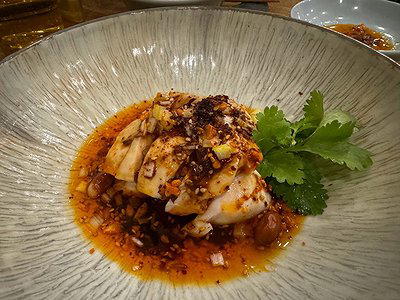
The menu
What to order
- Peking duck
- Mapo tofu
- Xiaolongbao
- Fried shrimp
- Ma-la seafood hot pot
Chinese Roasting Tradition in a Kaiseki City
Sakyo Ward sits at the quieter, more residential edge of Kyoto, where the density of tourist infrastructure thins and neighbourhood dining reasserts itself. The streets around Tanaka Satonouchicho carry the tempo of a local lunch crowd rather than a touring one, and it is in this context that Yi Pan Cai Tanaka reads most clearly: a Chinese kitchen operating at a price point and register that serves the people who live nearby as much as those who seek it out deliberately.
Kyoto's dining identity is built around kaiseki, the multi-course seasonal tradition that draws international attention and occupies the upper price brackets. Restaurants like Akihana and Hachiraku represent the city's deep investment in Japanese culinary form. Chinese cooking, by contrast, occupies a smaller niche here, making any recognised Chinese kitchen worth placing carefully in context. Yi Pan Cai Tanaka earned its Michelin Bib Gourmand in 2024, a designation that signals quality above expectations for the price paid rather than technical complexity for its own sake.
The Logic of the Bib Gourmand at This Price
The Michelin Bib Gourmand category is a specific editorial instrument. It does not measure refinement in the way a star does; it identifies cooking that delivers consistent quality at a price the inspector considers accessible. At the ¥¥ tier, Yi Pan Cai Tanaka sits well below the kaiseki and French fine dining bracket that dominates Kyoto's award recognition. For comparison, Kyo Seika, another recognised Chinese address in the city, operates at the ¥¥¥ tier. The one-bracket difference matters: it determines who walks in without advance planning and who reserves weeks ahead.
That accessibility positioning is significant in a city where the premium dining tier, represented by establishments like VELROSIER or the kaiseki rooms at Kyo Seika's price band, can close off spontaneous visits through cost alone.
Char Siu, Roast Pork, and the Architecture of Chinese Fire
Chinese roasting is one of the oldest cooking disciplines in the tradition, and it rarely receives the same analytical attention in Japan that, say, ramen or yakitori does. The art of char siu, the Cantonese roasted pork with its lacquered exterior and caramelised edges, involves a balance of sugar, soy, fermented bean paste, and heat management that takes years to calibrate. Peking duck requires inflation of the skin before roasting to separate it from the fat layer beneath, a process that determines whether the final crackling shatters cleanly or collapses. These are not shortcuts achievable at a casual register; they require technique applied consistently.
Chinese restaurants operating outside mainland China and Hong Kong often simplify their roasting programs to suit ingredient availability and local demand. In Japan, where Chinese cooking exists in a continuum from ramen shops to high-end Cantonese rooms, the question for any kitchen is how far into traditional roasting craft it reaches. What the award signals is that within its price band, the cooking holds up under scrutiny.
For context on how Chinese kitchens have interpreted roasting traditions in non-Chinese cities, Mister Jiu's in San Francisco represents one approach: a Cantonese framework reinterpreted through local ingredients. Restaurant Tim Raue in Berlin takes a different route, applying European fine dining structure to Chinese flavour logic. Yi Pan Cai Tanaka operates in neither of those registers; it sits closer to the neighbourhood-specialist model where fidelity to the cooking tradition, rather than cross-cultural interpretation, is the primary value proposition.
Where This Sits in Kyoto's Broader Dining Map
Kyoto's Chinese restaurant scene is small relative to Osaka or Tokyo. Canton Shunsai Ikki represents one format within that scene; Yi Pan Cai Tanaka represents another. The city's culinary gravity pulls heavily toward Japanese forms, and the guides reflect this: Michelin Kyoto's starred and Bib Gourmand lists skew toward kaiseki, sushi, and tempura, making any Chinese recognition statistically notable rather than routine.
The Sakyo Ward location adds another layer of specificity. The ward covers the northern and eastern reaches of the city, including the Yoshida and Tanaka neighbourhoods, areas known more for university life and residential calm than for concentrated dining tourism. Visitors who make it to Yi Pan Cai Tanaka are either local regulars or deliberate seekers; the restaurant does not benefit from high foot-traffic positioning the way a Gion or Kawaramachi address would.
For those building a Kyoto itinerary around dining, the EP Club guides cover the full range: see our full Kyoto restaurants guide, our full Kyoto hotels guide, our full Kyoto bars guide, our full Kyoto wineries guide, and our full Kyoto experiences guide. For comparison with recognised Chinese cooking elsewhere in the Kansai and national circuit, HAJIME in Osaka operates at a different altitude entirely, while akordu in Nara shows how non-Japanese cuisines establish footholds in smaller Japanese cities. Further afield, Harutaka in Tokyo, Goh in Fukuoka, 1000 in Yokohama, and 6 in Okinawa
Planning Your Visit
Yi Pan Cai Tanaka is located at 26 Tanaka Satonouchicho, Sakyo Ward, Kyoto 606-8212. The ¥¥ pricing makes it one of the more accessible Michelin-recognised Chinese addresses in the city.
The Tanaka neighbourhood is reachable from central Kyoto by city bus or bicycle, the latter being a common and practical option for Kyoto visitors covering multiple wards in a day. The address sits outside the main tourist corridors, so the visit requires intention rather than proximity.
Quick reference:
Frequently asked questions
Is YI PAN CAI TANAKA child-friendly?
The ¥¥ price point and neighbourhood setting in Sakyo Ward suggest an informal, accessible format rather than a formal dining room, which tends to suit families.
What should I expect atmosphere-wise at YI PAN CAI TANAKA?
Sakyo Ward operates at a residential remove from Kyoto's central tourist corridors, and venues in this part of the city typically run on a local-first basis. The ¥¥ pricing bracket places Yi Pan Cai Tanaka firmly in neighbourhood-restaurant territory rather than the white-tablecloth tier, so expect a setting built around the food rather than ceremony. The 2024 Michelin Bib Gourmand recognition confirms cooking quality without implying formality.
What kind of recognition has YI PAN CAI TANAKA received?
YI PAN CAI TANAKA has received recognition including: Michelin Bib Gourmand (2024).
What do regulars order at YI PAN CAI TANAKA?
The body of work here centres on Chinese fire-roasting tradition, with char siu and roast pork representing the technical core of that discipline. Michelin's Bib Gourmand editors flag venues where the kitchen has a clear point of view at an honest price, which points to the roasted meat preparations as the reason to visit.
Budget and Context
Comparable venues nearby, for context on price, style, and recognition.
| Venue | Cuisine | Price | Awards | Notes |
|---|---|---|---|---|
| YI PAN CAI TANAKAThis venue (the venue you are viewing) | Creative Chinese | Not listed | Michelin Bib Gourmand · Tabelog 100 #38 | Not listed |
| Menya Inoichi | Modern Seafood Dashi Ramen | $10–20 | Michelin Bib Gourmand · Tabelog 100 #57 | Shimogyō, Modern Seafood Dashi Ramen |
| Zucchero | Italian | Not listed | Michelin Plate | Nakagyō, Italian |
| Mendokoro Janomeya | Kyoto-Style Chicken Ramen | $10–20 | Michelin Bib Gourmand · Tabelog 100 #50 | Nakagyō, Kyoto-Style Chicken Ramen |
| Taiho | Sichuan Chinese | $20–30 | Michelin Bib Gourmand · Tabelog 100 #85 | Nakagyō, Sichuan Chinese |
| Kappo Takohachi | Traditional Kappo | $50–100 | Michelin Plate | Nakagyō, Traditional Kappo |
Recognition history
Dated appearances from independent guides and award organizations, with the underlying list record or original source where available.
Michelin Bib Gourmand
Michelin
Tabelog 100 #38 · No. 38
Tabelog · Tabelog 100 - Chinese cuisine - WEST - 2026
Continue exploring
More in Kyoto
Restaurants in Kyoto
All restaurants in Kyoto →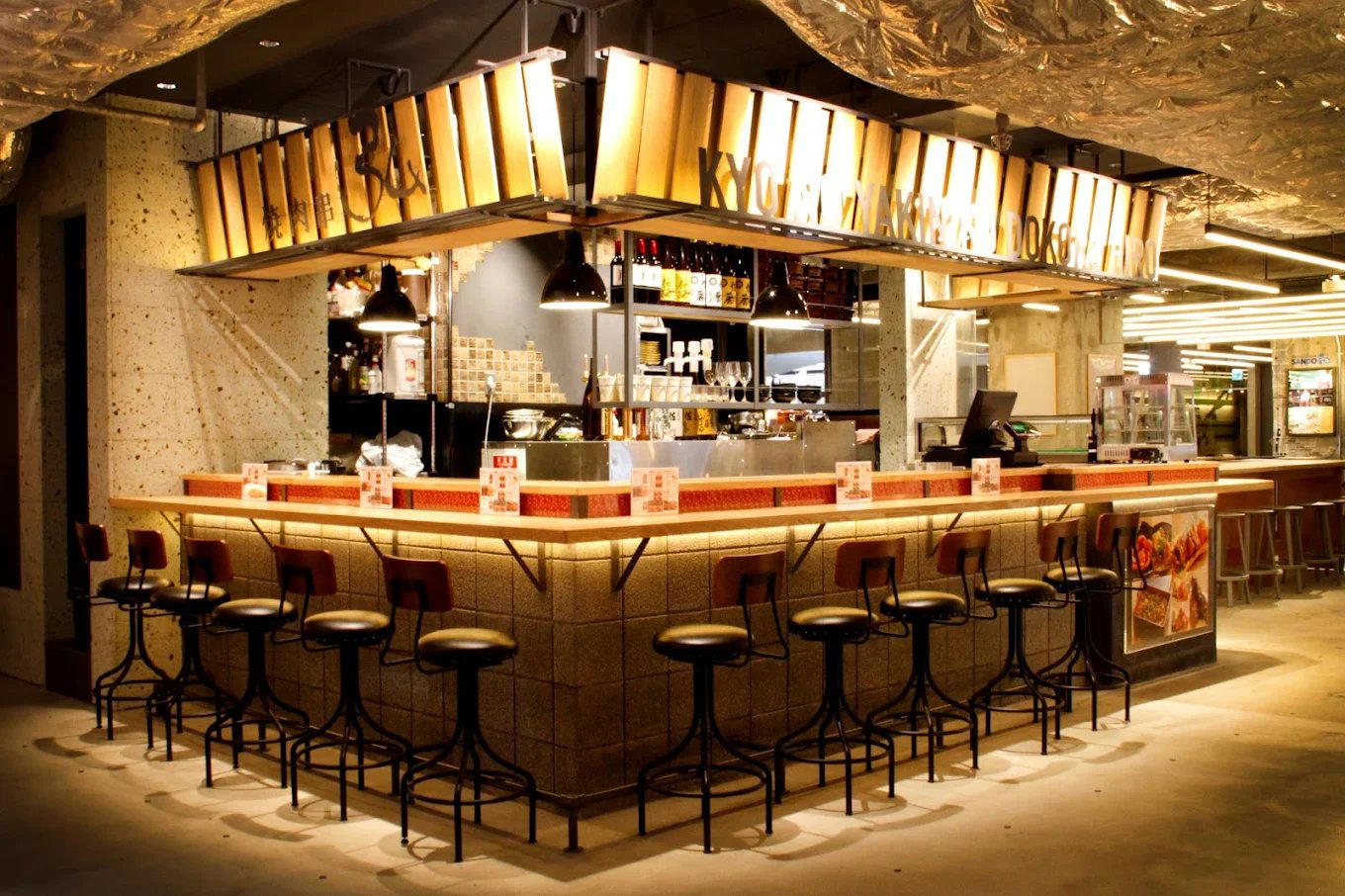
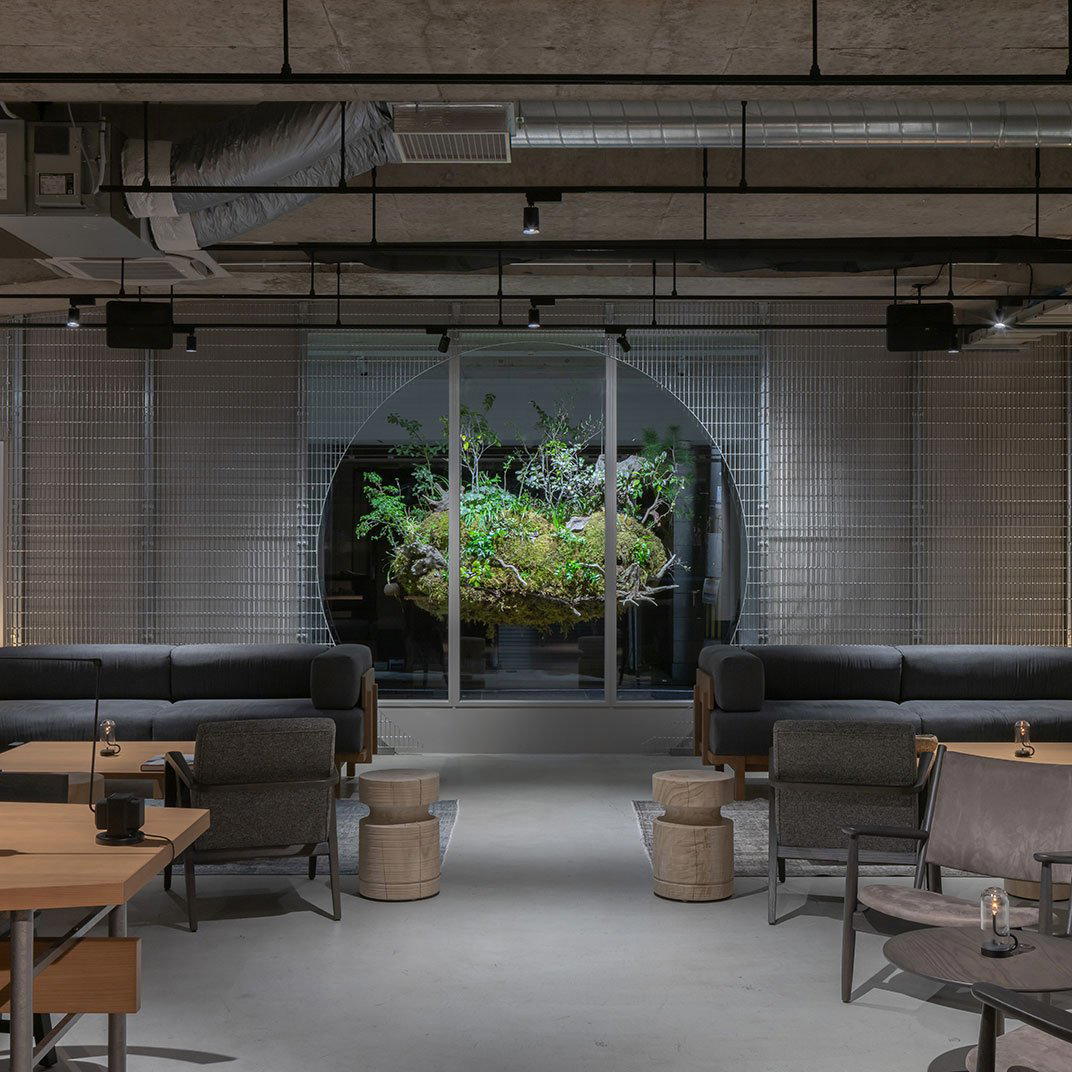
Bars in Kyoto
All bars in Kyoto →
Hotels in Kyoto
All hotels in Kyoto →


Wineries in Kyoto
Browse all →
Details
- Cozy
- Intimate
- Classic
- Date Night
- Solo
- Business Dinner
- Special Occasion
- Standalone
- Beer Program
- Local Sourcing
- A La Carte
- Beer
- 绍兴酒
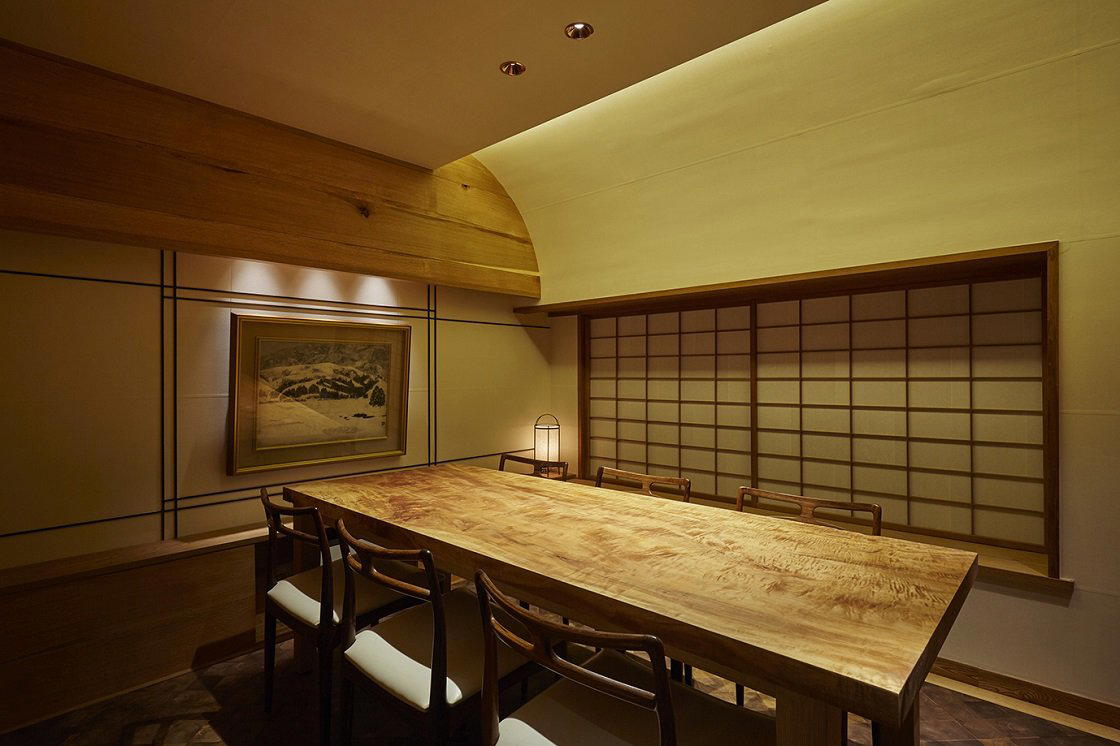
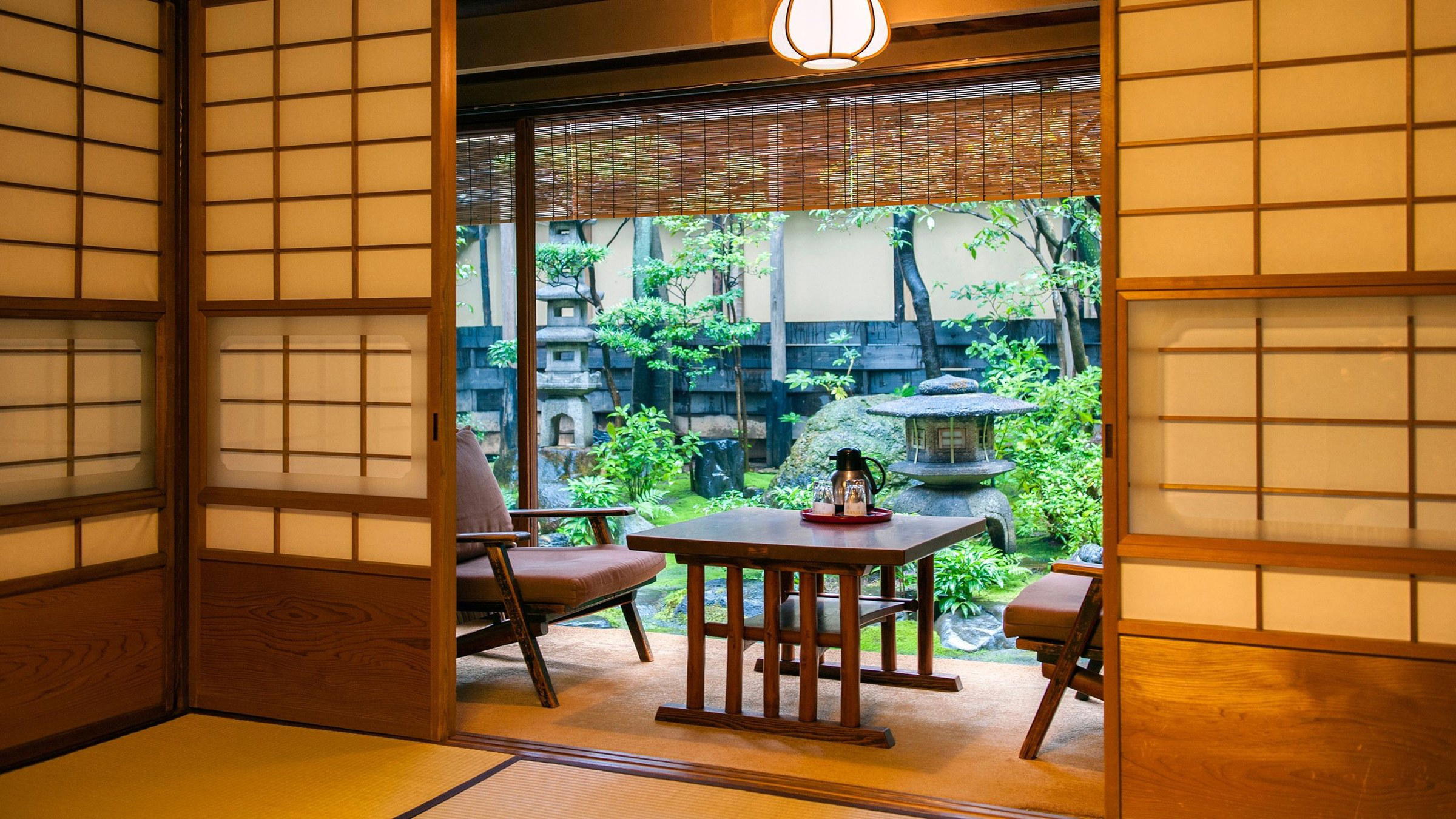
A hidden, warmly inviting space with elegant interior decor, counter and table seating, and a comfortable, relaxed feel.