

It sits within the single-yen price tier, making it one of the city's most credentialed bowls at its price point. The Bib Gourmand recognition signals exceptional cooking at accessible prices — a status that places it firmly within Kyoto's serious ramen conversation.
Pearl is the En Primeur Club membership app — saves, bookings, and concierge access live there. Same editors, same standards.
- Address
- Japan, 〒600-8076 Kyoto, Shimogyo Ward, Senshojicho, 463
- Phone
- +81 75-285-1059
- Website
- inoichi.stores.jp
- Directions
- Get directions
 Saves & bookings on Pearl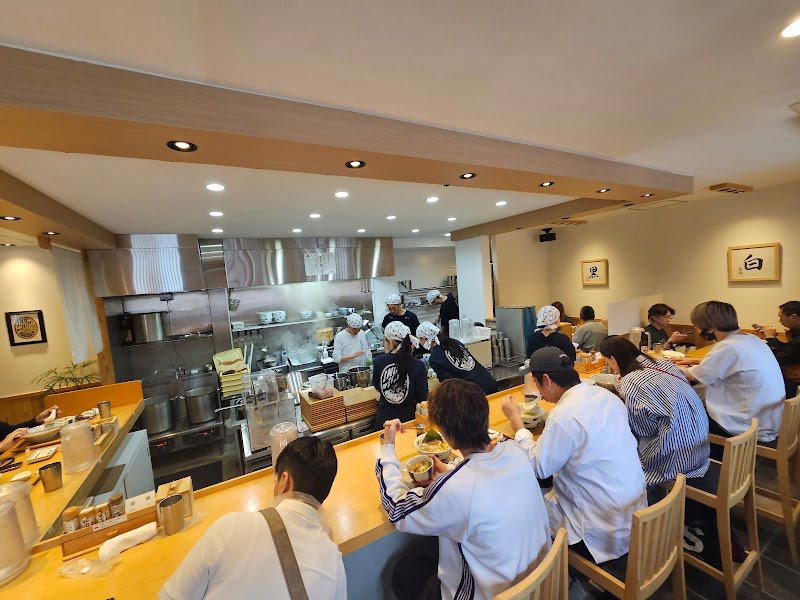
Ramen in Kyoto: A Different Register
Kyoto's food culture is weighted toward restraint. Kaiseki houses like Kyokaiseki Kichisen and Ifuki set the ceremonial tone, and most conversations about the city's dining seriousness begin there. But Kyoto also has a ramen tradition that is quieter than Osaka's and less assertive than Tokyo's, shaped by proximity to dashi-forward cooking and a general preference for clean, considered flavour over volume. In that context, the Michelin Bib Gourmand awarded to Menya Inoichi in 2024 is worth reading carefully. The Bib Gourmand does not recognise ambiance or prestige; it recognises exceptional cooking at prices that fall below the starred tier. Receiving it in Kyoto, where the culinary bar for ingredient sourcing and broth clarity is set by the kaiseki tradition, implies a particular kind of discipline in the bowl.
Shimogyo Ward and What It Tells You About a Ramen Stop
Menya Inoichi sits in Shimogyo Ward, the southern half of central Kyoto that stretches from Kyoto Station toward the Gion and Kawaramachi shopping corridors. This is not the preserved heritage quarter of Higashiyama, nor the moss-and-stone quietude of Arashiyama. Shimogyo is a working part of the city: dense with commuter infrastructure, neighbourhood restaurants, and local life that moves at a different pace from the tourist circuits a few kilometres north. Ramen counters in this part of the city tend to serve residents and workers as their primary audience, which shapes both the pricing and the atmosphere. The address in Senshojicho places the restaurant within a residential pocket rather than on a prominent commercial strip, which is consistent with how many of Kyoto's Bib Gourmand picks operate: located where rents support ingredient quality, rather than where foot traffic props up margins.
That positioning matters for how you plan the visit. Shimogyo is accessible from Kyoto Station, one of the most connected transit hubs in western Japan, which makes the logistics relatively simple even for visitors staying elsewhere in the city. For those already moving between central Kyoto and the station district, Menya Inoichi is a natural stop rather than a detour. For context on the broader scene in this part of the city, see our full Kyoto restaurants guide.
What Bib Gourmand Recognition Means in the Ramen Category
Across Japan, Michelin's Bib Gourmand list has become one of the more useful indicators for ramen specifically, because the category sits outside the starred framework almost entirely. Ramen counters in Japan rarely accumulate the service infrastructure that Michelin's starred criteria reward; the format is counter-forward, turnover-driven, and priced to reflect that. The Bib Gourmand, which tracks quality relative to value, fits the category's logic much better. In cities like Tokyo, the list is long and competitive. In Kyoto, the ramen entries are fewer, which means each one carries more weight as a signal.
For comparison within the city's ramen circuit, KOBUSHI Ramen and Kombu to Men Kiichi represent different approaches to Kyoto-style bowls, while Mendokoro Janomeya and Muginoyoake operate in adjacent noodle traditions. Chinese Noodles ROKU adds a further reference point for how Kyoto handles Chinese-influenced broth formats. Understanding where Menya Inoichi sits among these counters requires eating across them, but the Bib Gourmand credential offers a useful anchor.
Beyond Kyoto, the ramen category across Japan has produced a range of internationally recognised counters. Afuri in Tokyo and its Portland iteration, Afuri Ramen, represent one trajectory for the format — larger, more designed, export-ready. Menya Inoichi reads as something closer to the opposite of that: a single-location counter operating at the price floor, recognised by a credentialing body for the quality of what is in the bowl rather than the scale of the operation.
The Single-Yen Tier in a City That Runs Higher
Kyoto's overall restaurant pricing skews toward the middle and upper tiers. A kaiseki lunch at Gion Sasaki operates in a different economic register entirely, and even mid-range Italian like cenci sits in the ¥¥¥ bracket. Against that backdrop, Menya Inoichi's single-yen price point is notable not as a bargain angle but as a structural fact: this is ramen priced as ramen, in a city where many categories have inflated to accommodate tourist spend and premium positioning. The Bib Gourmand framing reinforces this — the award specifically targets cooking that delivers above its price tier, which is the most accurate description of what a well-executed Kyoto ramen counter offers.
For those building an itinerary around dining in the region, the contrast across price tiers is part of the experience. Michelin-starred kaiseki at HAJIME in Osaka, fine dining in Nara at akordu, and omakase in Tokyo at Harutaka all require significant advance planning and budget. A Bib Gourmand ramen counter in Shimogyo Ward is a different kind of decision. In both cases, the meal is credentialed. The format and the commitment differ.
Planning Your Visit
Menya Inoichi sits in the ¥ price tier, the lowest bracket in the Japanese restaurant scale, which means it operates within the range of a casual lunch or dinner stop rather than a destination meal requiring significant financial planning. Ramen counters at this credibility level in Japanese cities often carry queues during peak lunch and dinner windows, and Kyoto's tourist volumes are substantial year-round, with particular concentration during cherry blossom season in late March to April and the autumn colour peak in November.
Logistics at a Glance
| Detail | Menya Inoichi | Comparable Kyoto Ramen Tier |
|---|---|---|
| Price tier | ¥ | ¥ to ¥¥ |
| Recognition | Michelin Bib Gourmand 2024 | Varies; Bib Gourmand rare |
| Typically 3.8–4.4 | ||
| Location | Shimogyo Ward, near Kyoto Station corridor | Scattered across central Kyoto |
| Booking | Walk-in format standard for category | Mostly walk-in; some counters take reservations |
For everything else happening in the city, see our guides to Kyoto hotels, Kyoto bars, Kyoto wineries, and Kyoto experiences. For dining further afield in Kyushu, Goh in Fukuoka and 1000 in Yokohama add further reference points for Japan's broader fine dining circuit. 6 in Okinawa rounds out the regional picture for those travelling the full archipelago.
How Menya Inoichi Kyoto compares with similar nearby venues.
| Venue | Cuisine | Price | Awards |
|---|---|---|---|
| Menya Inoichi | Ramen | ¥ | Tabelog 100 #48 (2025), Bib Gourmand |
| Chinese Noodles ROKU | Ramen | ¥ | Not listed |
| Vegan Ramen UZU | Ramen | ¥¥ | Not listed |
| Mendokoro Janomeya | Ramen | ¥ | Not listed |
| KOBUSHI Ramen | Ramen | ¥ | Not listed |
| Muginoyoake | Ramen | ¥ | Not listed |
Recognition history
Dated appearances from independent guides and award organizations, with the underlying list record or original source where available.
Tabelog 100 #57
Tabelog
Tabelog 100 #48 · No. 48
Tabelog · Tabelog 100 - Ramen - WEST - 2025
Michelin Bib Gourmand
Michelin
Continue exploring
More in Kyoto
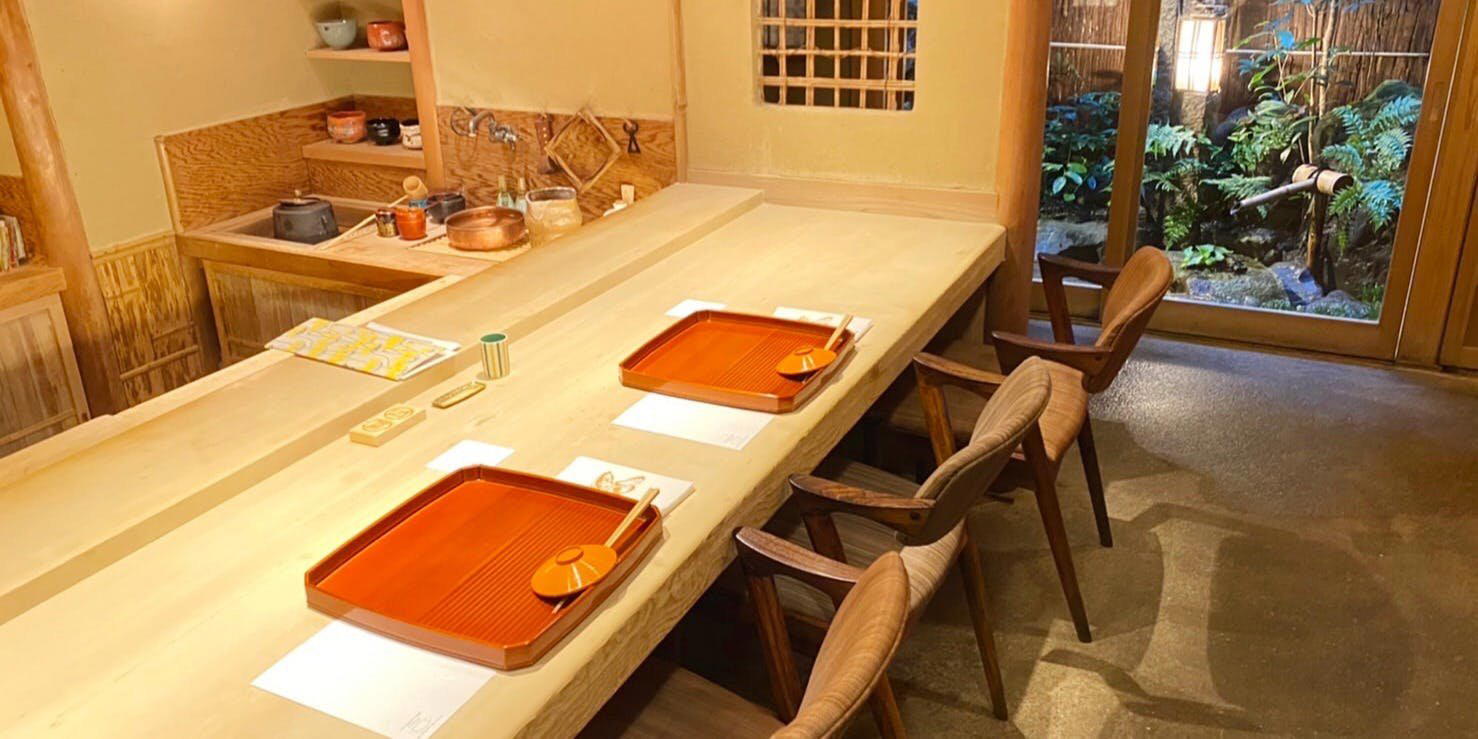
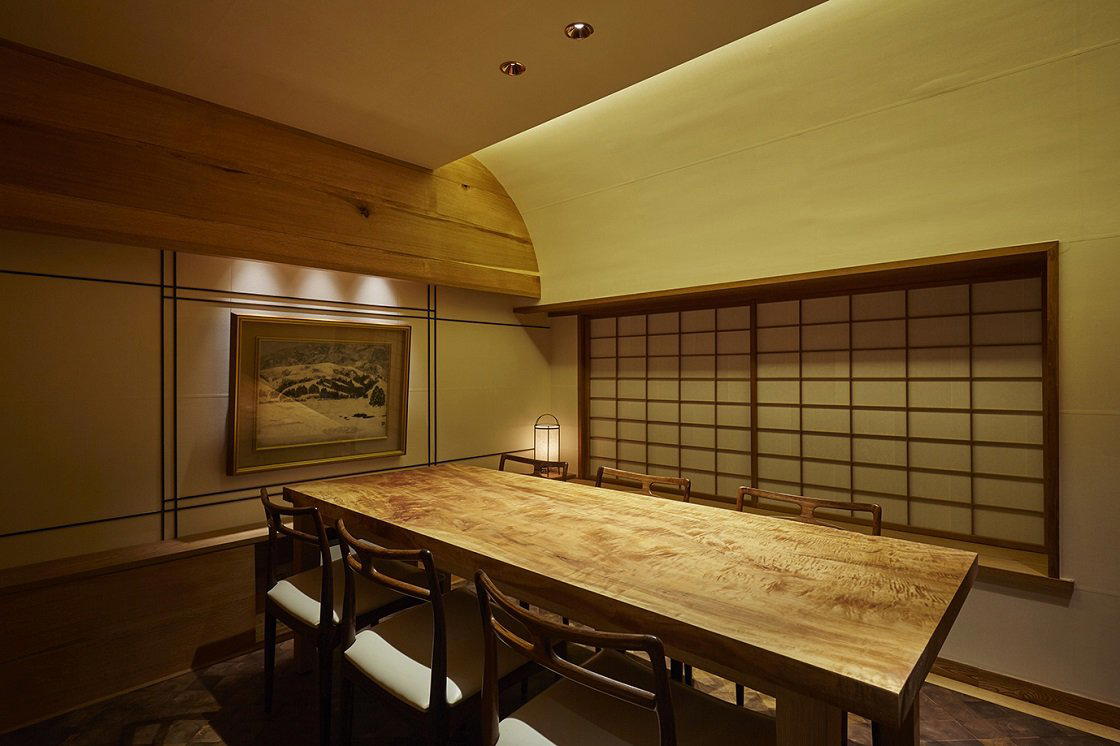
Restaurants in Kyoto
Browse all →
Bars in Kyoto
Browse all →
Hotels in Kyoto
Browse all →
Wineries in Kyoto
Browse all →
At a Glance
- Cozy
- Intimate
- Modern
- Solo
- Casual Hangout
- Open Kitchen
- Chefs Counter
- Sake Program
- Local Sourcing
Current opening hours
- Monday
- 11 AM–2:30 PM, 5:30–9 PM
- Tuesday
- 11 AM–2:30 PM, 5:30–9 PM
- Wednesday
- 11 AM–2:30 PM, 5:30–9 PM
- Thursday
- 11 AM–2:30 PM, 5:30–9 PM
- Friday
- 11 AM–2:30 PM, 5:30–9 PM
- Saturday
- 11 AM–2:30 PM, 5:30–9 PM
- Sunday
- 11 AM–2:30 PM, 5:30–9 PM
Hours can change for holidays and private events. Last verified .
Cozy and intimate with light, bright open kitchen, minimalist interior, and warm inviting atmosphere.
Know Before You Go
- Getting there
- Japan, 〒600-8076 Kyoto, Shimogyo Ward, Senshojicho, 463