Yamashita occupies a quiet address in Kyoto's Nakagyo Ward, operating within a dining culture where the progression of a meal carries as much weight as any single dish. The restaurant sits in a city where kaiseki sequencing has been refined over centuries, and where a reservation at the right counter communicates something about how seriously a guest approaches the table.
Pearl is the En Primeur Club membership app — saves, bookings, and concierge access live there. Same editors, same standards.
- Address
- Japan, 〒604-0923 Kyoto, Nakagyo Ward, Kamikorikicho, 491-3
- Phone
- +815052638971
- Website
- hitosara.com
- Directions
- Get directions
 Saves & bookings on Pearl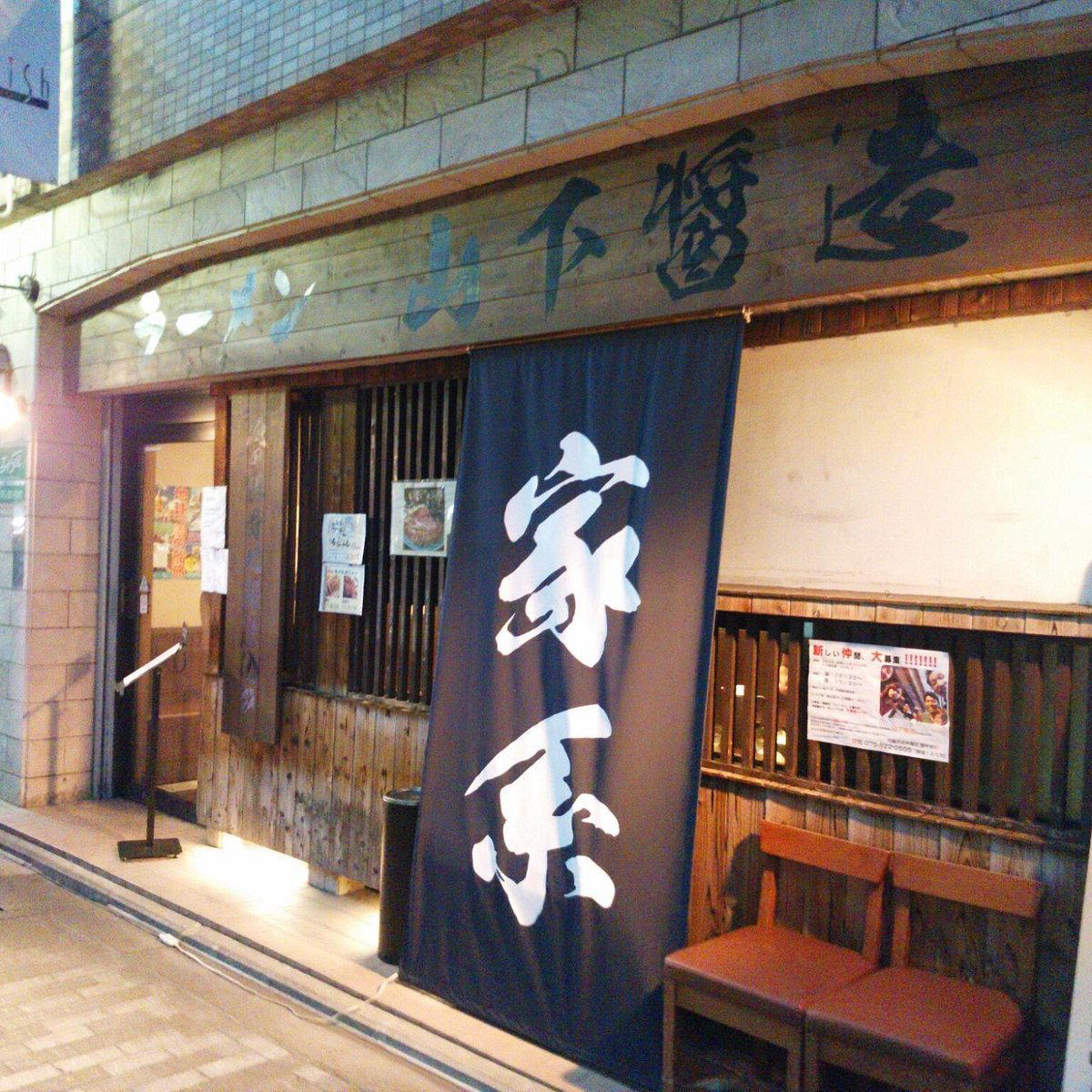
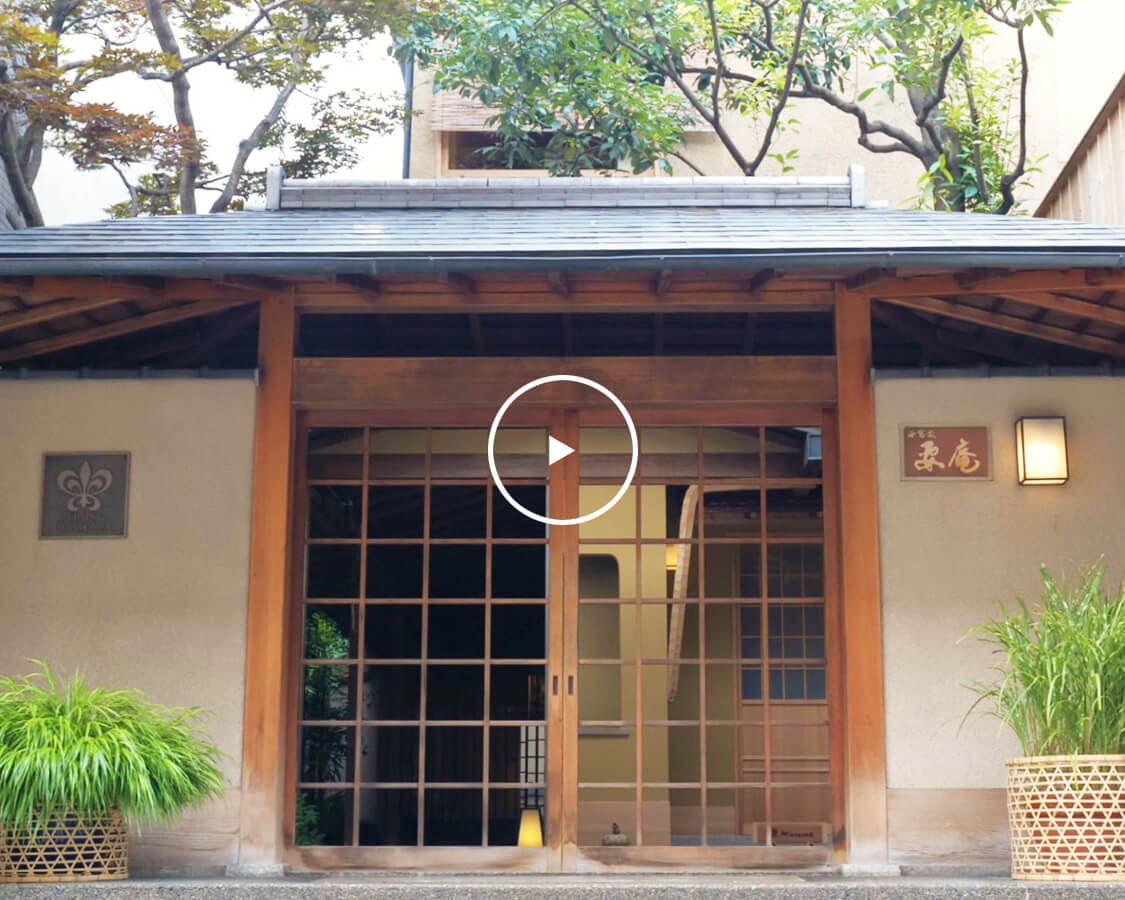
Nakagyo Ward does not announce itself the way Gion does. The streets around Kamikorikicho run quieter than the tourist arteries to the east, and the buildings here tend toward the low-profile: machiya frontages, wooden lattice, the occasional暖簾 that requires a second glance to notice. It is the kind of neighbourhood where Kyoto's more considered dining rooms have found footing, away from the foot traffic that fills the city's better-known corridors. Yamashita operates in this register, a reservation-calibre restaurant serving Traditional Kyoto Kaiseki & Kappo in Kyoto's Nakagyo Ward.
The Sequencing Tradition Yamashita Operates Within
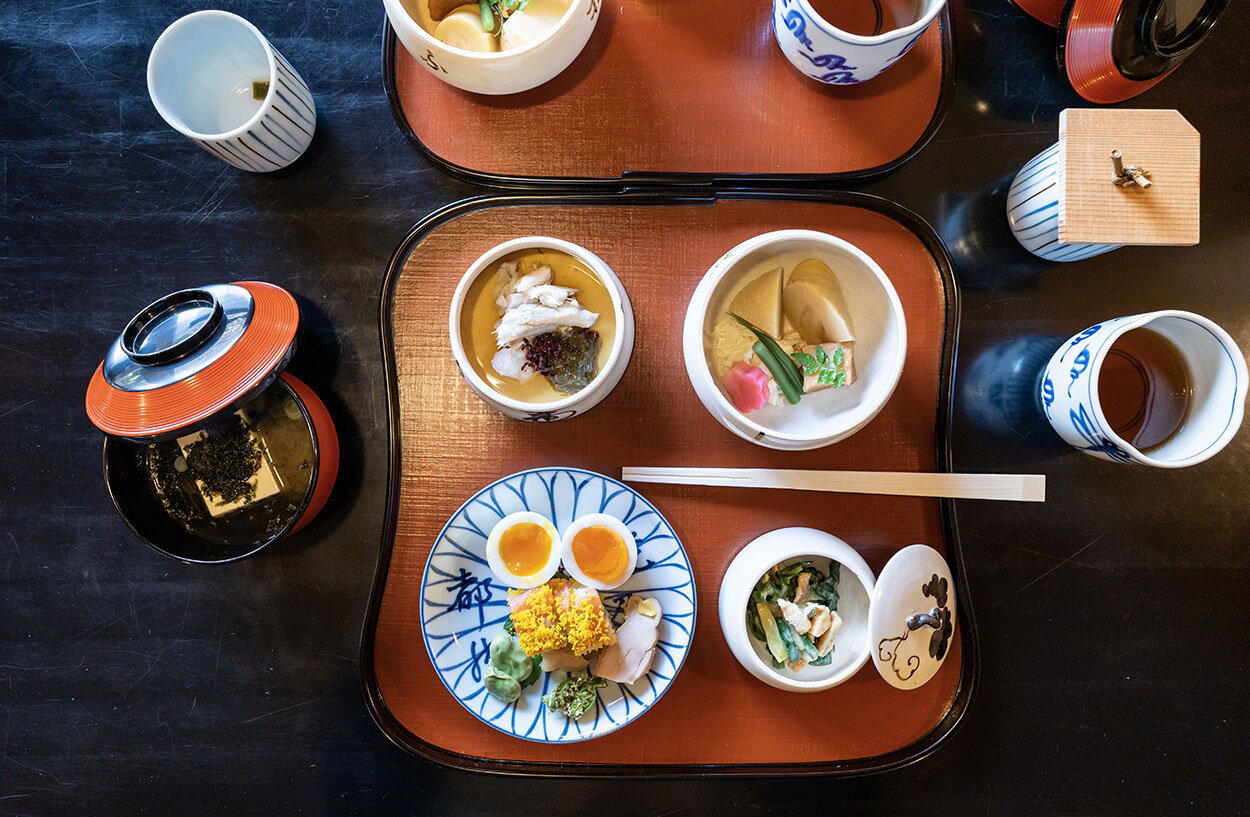
Kyoto's claim on multi-course Japanese dining is structural, not merely historical. The kaiseki framework, which moves a meal through clearly defined stages, from the light sakizuke opener through hassun, yakimono, and rice courses toward a measured close, was codified here, shaped by centuries of tea ceremony culture and the demands of imperial court hospitality. That architecture still governs how serious Kyoto restaurants approach a meal, and it is the lens through which a place like Yamashita should be read.
The progression is the point. Individual dishes matter, but the arc matters more: the way salinity builds and retreats across courses, the shift from delicate raw preparations to something cooked and anchored, the deliberate cooling of intensity before the meal resolves. Restaurants that handle this sequencing well are doing something far more demanding than producing a series of good dishes. They are managing pacing, temperature logic, and cumulative flavour, disciplines that separate Kyoto's upper tier from competent cooking everywhere else.
That upper tier includes addresses like Gion Sasaki, Hyotei, and Kikunoi Honten, rooms where the kaiseki framework has been applied with discipline for decades. Mizai and Isshisoden Nakamura occupy similar territory, each bringing distinct emphasis while working within the same structural tradition. Yamashita is part of this city-wide conversation about what a carefully sequenced meal can do.
Reading the Meal as a Narrative
The tasting progression as a narrative device is not a modern invention. In classical kaiseki, the hassun course, a cedar tray carrying small bites organised around a seasonal theme, functions almost like an editorial statement: here is what the kitchen sees in this moment of the year, compressed into a single presentation. Everything before it has been building context; everything after will resolve that statement into something more direct and satisfying.
This approach to dining as structured argument rather than simple sustenance is what distinguishes Kyoto's serious rooms from the more informal izakaya tradition that thrives in cities like Osaka or Fukuoka. Restaurants such as HAJIME in Osaka and Goh in Fukuoka pursue their own formal idioms, but the particular discipline of kaiseki sequencing remains most legible in Kyoto, where the culinary vocabulary was first assembled. Even internationally, the influence surfaces, the progression logic at Atomix in New York City draws consciously from Korean fine dining's own course architecture, and the seafood sequencing at Le Bernardin in New York City reflects a comparable attention to how flavour intensity should move across a table.
Yamashita's Nakagyo address contributes proximity to a neighbourhood where that tradition has operated without interruption. This is not a restaurant transplanted into an unfamiliar setting. It belongs to a district where the culture of careful, sequential hospitality is ambient, where guests arrive already calibrated to a certain mode of attention.
Seasonal Logic and the Calendar of the Table
Kyoto kaiseki operates on a calendar that outsiders often underestimate. The shift from summer to autumn changes not just ingredients but the entire emotional register of a meal: the lightness of summer preparations gives way to earthier, more warming flavours; lacquerware may shift in colour; the arrangement of the hassun changes to reflect the seasonal turn. Spring brings different pressures again, with bamboo shoots and cherry-blossom motifs carrying weight that would seem excessive in any other context.
Timing a visit to Yamashita is therefore a decision about what kind of meal you want to experience, not merely when you happen to be available. Late autumn and early spring represent the city's peak dining periods, when the seasonal logic of kaiseki aligns with the landscape outside and the kitchen's sourcing reaches its most expressive point. Rooms at this level book well ahead during those windows.
For those exploring beyond the major cities, comparable attention to seasonal sequencing surfaces at 一本杉川島 in Nanao, 湖畔荘 in Takashima, and 庄羽屋 in Nishikawa Machi, regional addresses where the same seasonal discipline applies without the Kyoto infrastructure around them. 古代山之 in Sapporo and Birdland in Sakai represent further proof that serious multi-course thinking extends well beyond Japan's culinary capitals. Bistro Ange in Toyohashi offers yet another regional angle on careful course construction, this time through a French lens.
Placing Yamashita in the Kyoto Tier
Kyoto's serious dining rooms operate in a price bracket that reflects both the quality of sourcing and the labour intensity of kaiseki preparation. At the upper end of the city's market, multi-course menus from rooms like Gion Sasaki or Kyokaiseki Kichisen run to ¥¥¥¥ territory, requiring advance planning. The mid-serious tier at ¥¥¥ still demands seasonal awareness and reservation lead time, but opens access to a wider audience. Yamashita sits within the higher-priced end of Kyoto dining, in keeping with its reservation-only format.
What the Nakagyo Ward address does confirm is that Yamashita is not operating as a casual neighbourhood restaurant. This part of Kyoto has a specific gravitational pull for dining rooms that take the kaiseki framework seriously, and a reservation here implies a certain kind of experience even before the first course arrives.
Know Before You Go
- Address: Kamikorikicho 491-3, Nakagyo Ward, Kyoto 604-0923, Japan
- Neighbourhood: Nakagyo Ward
- Booking: Reservation essential
- Dietary requirements: Raise allergy and dietary needs at the time of booking, not on arrival, kaiseki kitchens prepare ingredients in advance and need lead time to accommodate restrictions
- Leading timing: Late October through November and late March through May for peak seasonal alignment; summer visits offer a different but equally coherent menu logic
- Getting there: Nakagyo Ward is accessible by subway and taxi
- Miyakodori Menu
- Omakase
- Seasonal Sashimi
- Grilled Miso Cod
- Grilled Fish
- Tempura
Quick Comparison
Comparable venues nearby, for context on price, style, and recognition.
Continue exploring
More in Kyoto
Restaurants in Kyoto
Browse all →

Bars in Kyoto
Browse all →

Hotels in Kyoto
Browse all →

Wineries in Kyoto
Browse all →
At a Glance
- Intimate
- Elegant
- Classic
- Cozy
- Sophisticated
- Date Night
- Special Occasion
- Solo
- Chefs Counter
- Open Kitchen
- Waterfront
- Historic Building
- Sake Program
- Local Sourcing
- Waterfront
Current opening hours
- Monday
- Closed
- Tuesday
- 11:30 AM–2 PM, 5–10 PM
- Wednesday
- 11:30 AM–2 PM, 5–10 PM
- Thursday
- 11:30 AM–2 PM, 5–10 PM
- Friday
- 11:30 AM–2 PM, 5–10 PM
- Saturday
- 11:30 AM–2 PM, 5–10 PM
- Sunday
- 11:30 AM–2 PM, 5–10 PM
Hours can change for holidays and private events. Last verified .
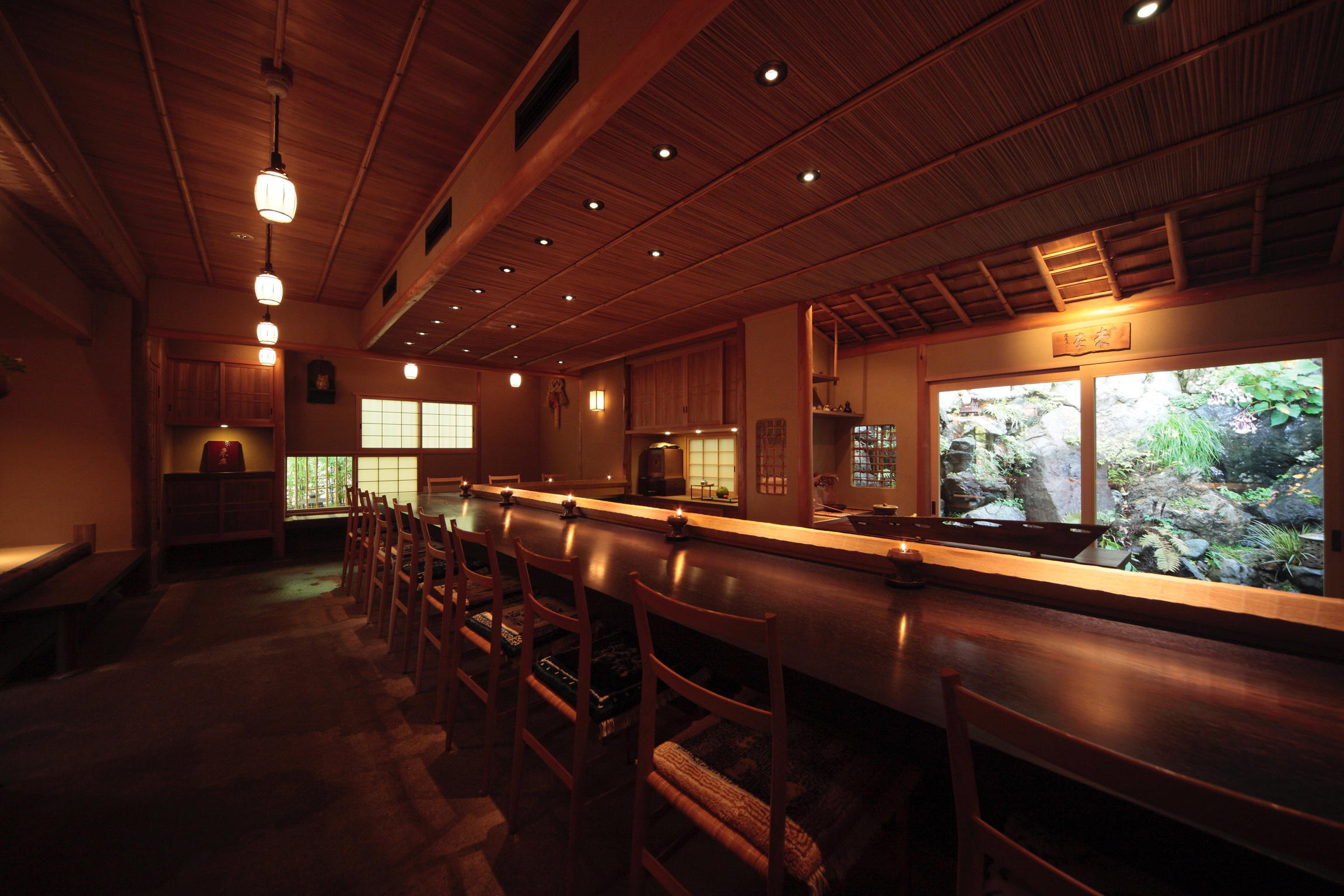
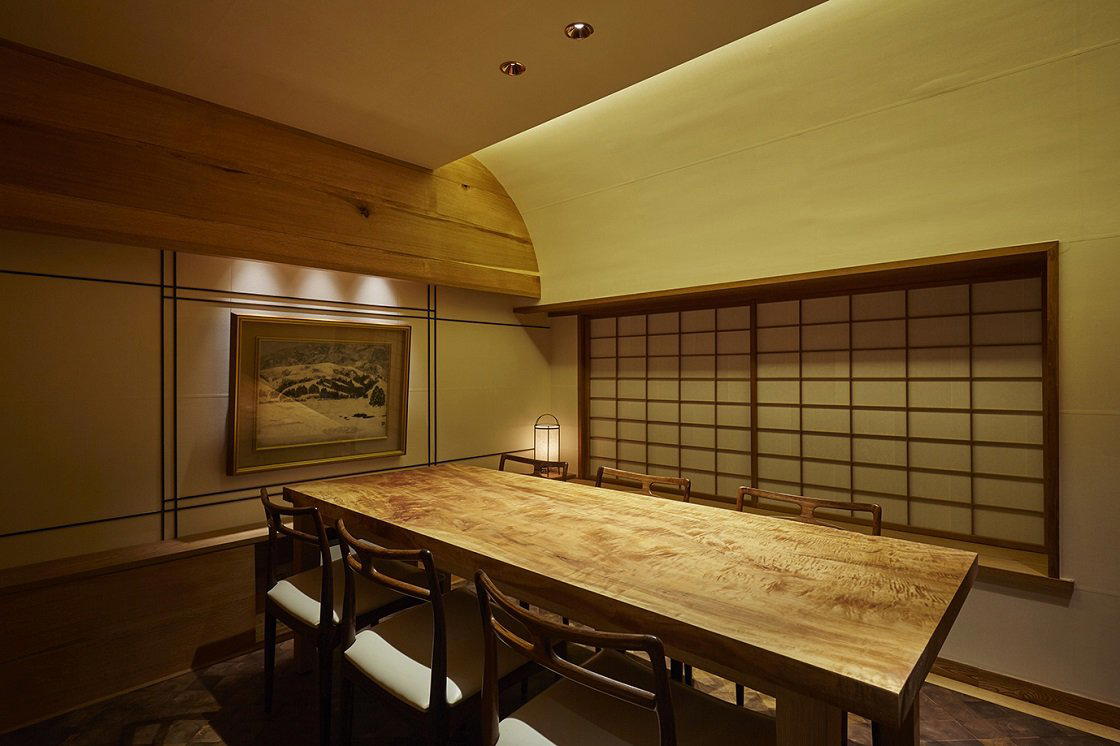
Warm and welcoming with traditional Japanese decor, featuring soft lighting and a homely atmosphere enhanced by proximity to the tranquil Takase River.