

Tabelog Gold #11
Our verdict
Yakitori Kasahara operates from a 10-seat counter in Kagurazaka, holding Tabelog Gold awards consecutively from 2024 through 2026 and a 4.57 score that positions it among Japan's most decorated yakitori counters. Opened in December 2021, it runs two sittings nightly, Monday through Saturday, at a dinner spend of JPY 30,000–39,999. Reservations are essential and cancellation terms are strict.

Pearl is the En Primeur Club membership app, where members save venues, book tables and use the concierge.
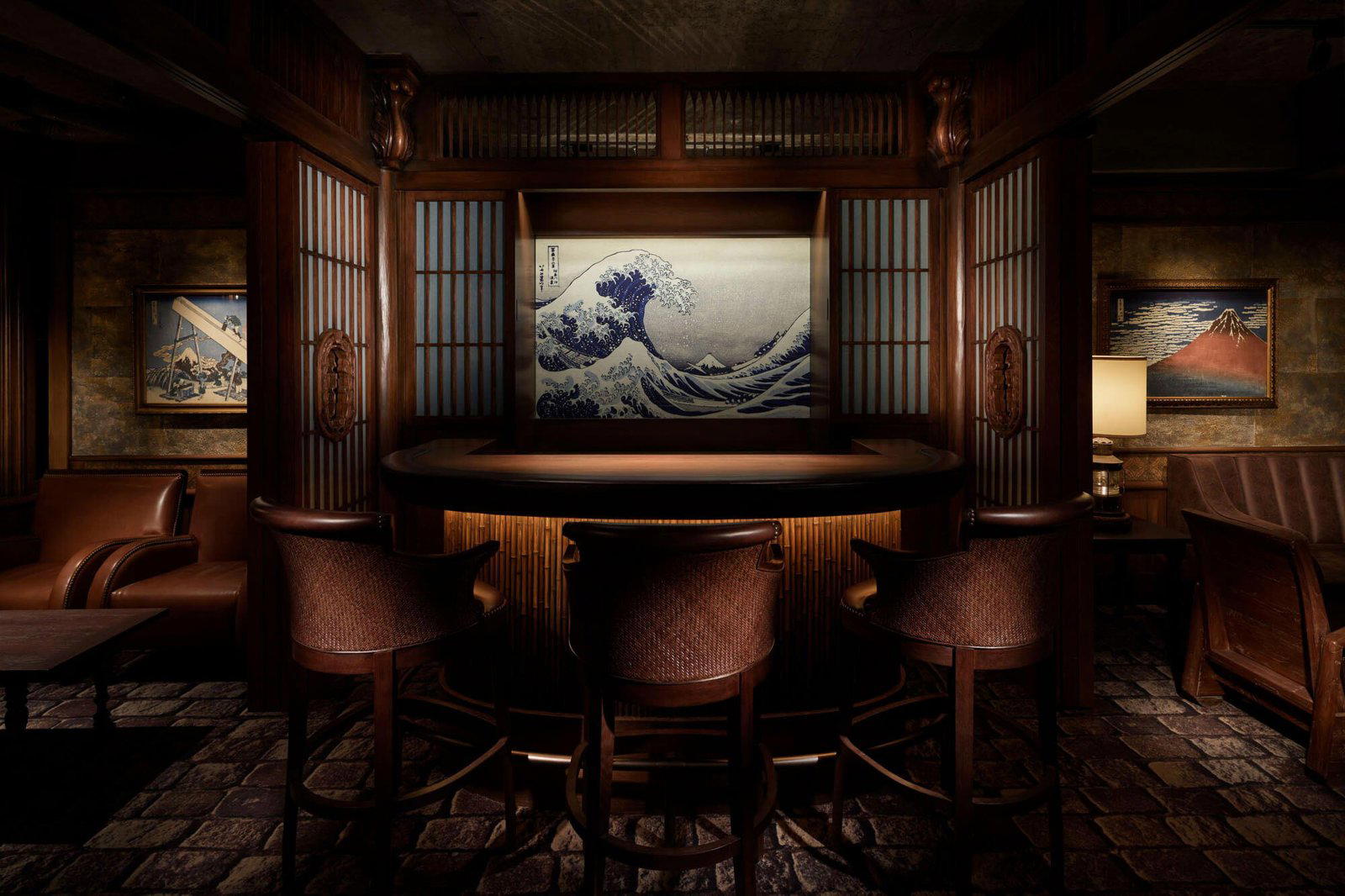
Ten Seats, Three Consecutive Golds: The Case for Yakitori at This Price Point
Tokyo's yakitori category divides more sharply than visitors expect. At the entry tier, skewers arrive fast, the beer flows freely, and the charm is democratic. At the other end, a small number of counters have pushed the format into territory that invites comparison with kaiseki and high omakase sushi, reservation-only, course-structured, and priced accordingly. Yakitori Kasahara, operating from a 10-seat counter in Kagurazaka since December 2021, sits firmly in that second group. Its Tabelog score of 4.57 and consecutive Gold awards in 2024, 2025, and 2026 place it in the upper tier of a category that Tokyo takes more seriously than any other city in the world.
For context: Tabelog Gold is awarded to a fraction of the top-scoring restaurants on Japan's most-used dining platform, and consecutive Gold across three award cycles within just four years of opening is a credential few counters accumulate that quickly. By 2024, Kasahara had reached ranked #50 among all Tokyo restaurants on Opinionated About Dining's Japan list, climbing to #63 in 2025. These are not yakitori-specific rankings, they sit alongside sushi, kaiseki, and French fine dining. That cross-category positioning matters: it signals that serious diners are evaluating Kasahara not just against Yakitori Omino or Asagaya BIRD LAND, but against the full spectrum of Tokyo's premium dining options.
Tokyo Intensity vs. Kyoto Restraint: Where Kasahara Belongs in the Debate
The Tokyo-versus-Kyoto divide in Japanese dining is real and worth understanding before you book. Kyoto's fine dining culture, represented by establishments like Gion Sasaki and Torisaki, tends toward refinement through subtraction: quieter rooms, measured pacing, and formats that foreground ingredient provenance over technical demonstration. Tokyo, by contrast, rewards ambition and precision executed at speed. The capital's leading yakitori counters reflect that metropolitan instinct: they approach a format historically associated with casual drinking culture and apply the same sourcing rigour, fire discipline, and service standards that define the city's top-tier sushi and kaiseki rooms.
Kasahara operates within that Tokyo logic. The dinner spend of JPY 30,000–39,999 (plus a 10% service charge) places it in the same price bracket as serious omakase sushi counters and a step below the city's leading kaiseki rooms. Compare that against the mid-tier yakitori category, where JPY 8,000–15,000 is the common range, and the pricing signals a deliberate repositioning of the format. This is not yakitori as bar food. It is yakitori as a structured dining event, with all the sourcing and preparation discipline that implies.
For diners weighing Tokyo against a Kansai itinerary that might include Ichimatsu in Osaka or Torisaki in Kyoto, the distinction is this: Kasahara is a specifically Tokyo proposition. The counter format, the two-sitting structure, the strict cancellation policy, and the Tabelog-verified score all point to a venue operating at metropolitan intensity, not Kyoto-style ease.
Kagurazaka: The Right Neighbourhood for This Kind of Counter
Kagurazaka has been Tokyo's most Franco-Japanese neighbourhood for decades, a former geisha district that absorbed a significant French expatriate community and developed a dining culture that sits between old Edo and contemporary European influence. It is not Ginza's trophy-restaurant corridor, nor is it the younger, louder dining scene of Shinjuku proper. Restaurants here tend to operate quietly, rely on repeat custom, and resist the kind of marketing visibility that defines Roppongi or Marunouchi addresses.
Kasahara's address on the second floor of a residential building in Higashi-Gokencho fits that neighbourhood logic. The counter is not designed to be stumbled upon. It functions as a destination for diners who have already decided, which, given the reservation-only format and the cancellation fees, is exactly the guest profile it selects for. Other restaurants at comparable price points in the area, including 124. KAGURAZAKA and Aramaki, operate with similar low-profile formats and similarly committed guest bases.
Kagurazaka Station (Tozai Line) is the most direct access point, with the restaurant approximately 15 minutes on foot. Iidabashi Station (multiple lines) offers more transit options at a similar walking distance. Neither arrival involves the kind of surrounding spectacle that accompanies dinner in Ginza or Roppongi, which is, for most guests at this level, a feature rather than a shortcoming.
The Format: Two Sessions, Ten Seats, No Walk-Ins
The operational structure at Kasahara is worth understanding in detail. Two sittings run Monday through Saturday: the first from 17:30, the second from 20:45. Sunday is closed. With 10 seats, each sitting serves a maximum of ten guests, giving the kitchen absolute control over timing and quality at every stage of service. This model is standard at the highest tier of Tokyo's single-chef counters, the same logic applies in leading omakase sushi, where counters like Harutaka run similarly intimate formats, but it is still relatively rare in yakitori, where larger grills and higher throughput have historically defined the economics.
No phone number is publicly listed for reservations. Bookings run through Tabelog, and the cancellation policy is strict: changes or cancellations made within 31 days of the reservation incur a 100% course fee charge. For party size changes at any point, a 10% fee applies. These terms are consistent with the premium omakase tier in Tokyo and signal that the kitchen plans sourcing and preparation around confirmed covers rather than flexible capacity.
The drinks program shows the same level of intentionality as the food format. Kasahara is noted as particular about both sake (nihonshu) and shochu, with wine also available. At a counter where the food is course-structured and precisely timed, drink pairing is part of the experience rather than an afterthought. Credit cards are accepted (Visa, Mastercard, JCB, Amex, Diners); electronic money and QR payments are not.
Where Kasahara Sits in Tokyo's Broader Fine Dining Picture
Tokyo's premium dining tier is deep enough that a single visit to the city rarely covers more than a fraction of it. Kasahara represents a specific argument about what yakitori can be when treated with the same seriousness as kaiseki or sushi. Diners building a multi-day Tokyo itinerary might place it alongside entirely different formats for contrast: the French-influenced precision of Aria di Takubo, or the kaiseki approach at RyuGin. The formats are distinct, but the commitment to counter-level craft and ingredient quality runs through all of them.
For those extending beyond Tokyo, the OAD rankings that place Kasahara at #63 nationally sit alongside HAJIME in Osaka, akordu in Nara, and Goh in Fukuoka, all operating in very different culinary traditions but sharing the same level of national recognition. It is a useful reminder that yakitori, at Kasahara's tier, is no longer a category footnote in Japan's fine dining conversation.
Explore more at our full Tokyo restaurants guide, or plan around it using our Tokyo hotels guide, bars guide, and experiences guide.
Know Before You Go
- Address: 東京都新宿区東五軒町5-5 2F, Kagurazaka, Shinjuku, Tokyo
- Access: Approximately 15 minutes on foot from Iidabashi Station; 567 metres from Kagurazaka Station
- Hours: Monday–Saturday, two sittings: 17:30 and 20:45. Closed Sundays.
- Price: JPY 30,000–39,999 per person at dinner, plus 10% service charge
- Reservations: Reservation only, via Tabelog. No walk-ins.
- Cancellation policy: 100% fee for cancellations within 31 days; 10% fee for party size changes at any time
- Seats: 10 seats, counter only. No private rooms or private hire.
- Payment: Credit cards accepted (Visa, Mastercard, JCB, Amex, Diners). No electronic money or QR payments.
- Smoking: Non-smoking throughout, including outside the venue
- Drinks: Sake, shochu, and wine, with a focused approach to each category
- Opened: December 4, 2021
Frequently asked questions
What should I order at Yakitori Kasahara?
Kasahara operates on a course format, not à la carte, so the question of what to order resolves itself: the kitchen sets the progression. What you are choosing when you book is the overall experience, a structured sequence at the 10-seat counter, priced at JPY 30,000–39,999, in which chef Kasahara Yuujin controls the order and pacing of the meal. The drinks list warrants attention as an active decision: the program emphasises sake and shochu with a degree of selectivity that suggests pairing rather than simply accompanying. Arrive prepared to follow the kitchen's lead on food; bring considered drink choices to the conversation with your server.
The Essentials
A quick peer reference to anchor this venue in its category.
| Venue | Cuisine | Price | Awards | Notes |
|---|---|---|---|---|
| Yakitori KasaharaThis venue (the venue you are viewing) | Traditional Yakitori Omakase | $200–300 | Tabelog Gold #11 | Not listed |
| Harutaka | Edo-Style Omakase Sushi | $200–300 | 3 Michelin Stars · World's 50 Best #76 | Sushi |
| RyuGin | Modern Kaiseki | $500+ | 3 Michelin Stars · World's 50 Best #41 | Kaiseki, Japanese |
| L'Effervescence | Modern French with Japanese Influences | $200–300 | 3 Michelin Stars · World's 50 Best #69 | French |
| HOMMAGE | Modern French with Japanese Influences | $150–200 | 2 Michelin Stars · World's 50 Best #78 | Innovtive French, French |
| MAZ | Innovative Peruvian-Japanese Fusion | $150–200 | 2 Michelin Stars · World's 50 Best #28 | Innovative |
Recognition history
Dated appearances from independent guides and award organizations, with the underlying list record or original source where available.
Opinionated About Dining Top Restaurants in Japan Ranked #24
Opinionated About Dining
Tabelog Gold #11
Tabelog
Full recognition history (6 entries)
Opinionated About Dining Top Restaurants in Japan Ranked #63
Opinionated About Dining
Tabelog 100 #43 · No. 43
Tabelog · Tabelog 100 - Yakitori - EAST - 2025
Tabelog Gold
Tabelog
Opinionated About Dining Top Restaurants in Japan Ranked #50
Opinionated About Dining
Continue exploring
More in Tokyo
Restaurants in Tokyo
All restaurants in Tokyo →

Bars in Tokyo
All bars in Tokyo →




Details
- Intimate
- Sophisticated
- Quiet
- Special Occasion
- Date Night
- Business Dinner
- Solo
- Chefs Counter
- Open Kitchen
- Standalone
- Omakase
- Counter Dining
- Tasting Menu
- Set Menu
Current opening hours
- Monday
- 7 PM–3 AM
- Tuesday
- 7 PM–3 AM
- Wednesday
- 7 PM–3 AM
- Thursday
- 7 PM–3 AM
- Friday
- 7 PM–3 AM
- Saturday
- 7 PM–3 AM
- Sunday
- 7 PM–3 AM
Hours can change for holidays and private events. Hours as of .
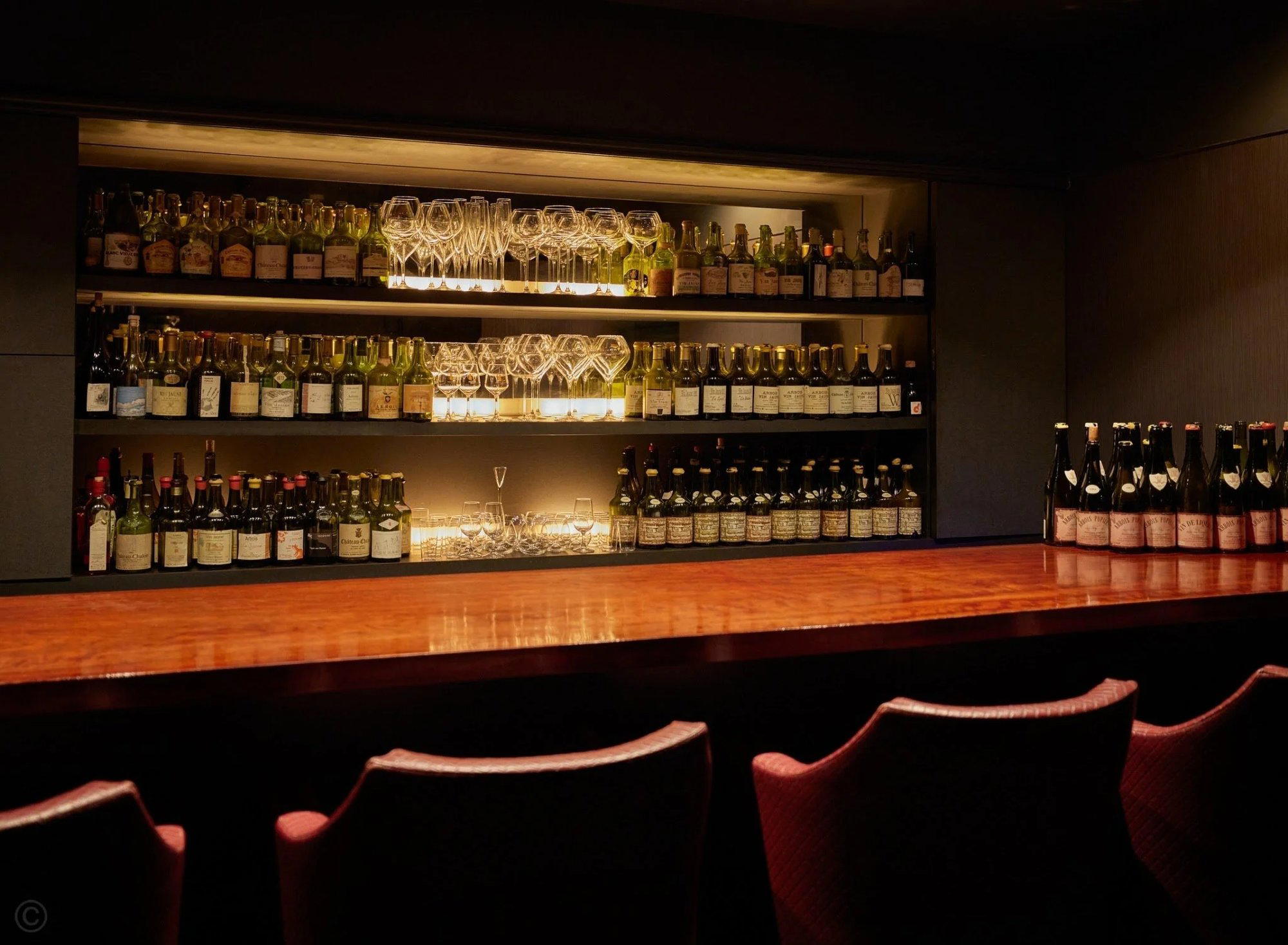
An intimate counter-dining setting in a residential Kagurazaka area, with a serious, chef-focused atmosphere centered on the grill.