Wangbijib Myeongdong Central
Wangbijib Myeongdong Central occupies a prominent address on Myeongdong 8na-gil in Seoul's Jung District, where the neighbourhood's dense foot traffic meets a long-standing Korean barbecue tradition. The restaurant draws both local workers and international visitors navigating one of the city's most commercially active corridors, making it a reliable point of entry into Seoul's grilled-meat culture without straying far from the centre.
Pearl is the En Primeur Club membership app — saves, bookings, and concierge access live there. Same editors, same standards.
- Address
- 45 Myeongdong 8na-gil, Jung District, Seoul, South Korea
- Phone
- +8227762361
- Website
- youtu.be
- Directions
- Get directions
 Saves & bookings on Pearl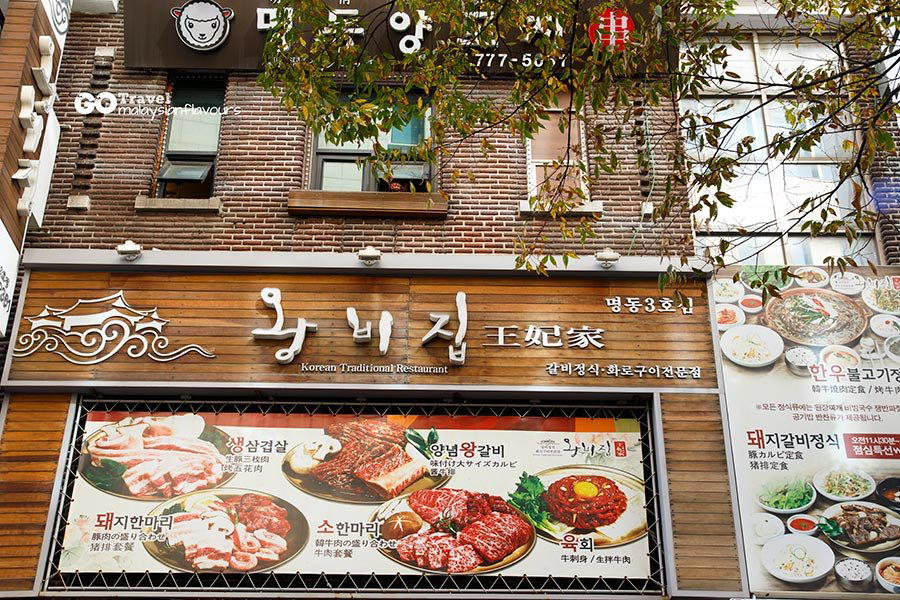
Myeongdong's Meat Counter: Where Tourist Volume Meets Grilling Discipline
Myeongdong does not reward the hesitant. The district's main arteries move fast — cosmetics retailers, street-food carts, and department store entrances competing for every square metre of attention. On Myeongdong 8na-gil, however, the pace shifts slightly. The side street draws a different crowd: office workers from the Jung District government buildings, tourists who have peeled off from the main drag, and regulars who treat the block as a dependable lunch circuit. Wangbijib Myeongdong Central sits inside that rhythm, anchoring itself to a neighbourhood that moves at commercial speed while serving food that rewards patience at the grill.
The broader Korean barbecue tradition that Wangbijib represents is built around collective eating. Cuts arrive raw, the table does most of the work, and the meal unfolds across a sequence of side dishes — banchan, that reframe each bite. In Myeongdong specifically, that tradition is tested daily against high turnover pressure and a customer base that skews heavily international. Restaurants that survive long in this corridor tend to be those that have simplified their offering enough to communicate across language barriers while keeping enough kitchen discipline to hold repeat business from locals. The tension between those two demands is visible in how most Myeongdong Korean barbecue houses operate.
The Seasonal Argument for Timing Your Visit
Autumn and early winter push Korean barbecue into its most practical register. The smoke from the grill becomes a comfort rather than an inconvenience, and the cuts that benefit from longer cooking, galbi, or short rib, and the thicker pork belly slabs, feel proportionate to the season. Myeongdong's foot traffic peaks in October and November when regional travel from Japan and Southeast Asia intensifies, and the district's restaurants absorb that pressure unevenly. Arriving at Wangbijib Myeongdong Central outside the midday and early-evening windows, before noon or after 8pm on weekdays, reduces queue time considerably, a practical consideration in a street where the wait for popular spots can extend well onto the pavement. Summer brings a different argument: the cool interior becomes its own draw in a district where the humidity sits heavily between the buildings.
Local Product, Accumulated Technique
The editorial angle that applies most precisely to Korean barbecue in this district is the relationship between indigenous product and accumulated technique. Korean beef, Hanwoo, sits at the top of the domestic hierarchy, prized for its marbling and raised under tightly regulated conditions that limit supply and keep prices high. Pork occupies a wider price band and a more democratic position in daily eating. The technique applied to both, charcoal heat management, the sequencing of cuts, the ratio of fat to lean that a skilled grill cook monitors instinctively, is not improvised. It develops over years in restaurant kitchens where the standard is set by the grill, not the stove.
Seoul's premium end of this tradition is explored at places like Mingles and Kwonsooksoo, where Korean culinary identity is argued through a fine-dining framework. The approach at street-level Myeongdong is different but not disconnected. The same product knowledge informs how cuts are selected and prepared; the presentation simply drops the architectural plating. For context on how Korean kitchens have absorbed international influence at the higher end, Jungsik, Soigné, and alla prima each demonstrate what happens when classical European training is applied directly to Korean produce and seasonal logic. Wangbijib operates further down that axis, but the axis is shared.
Across South Korea, regional grilling cultures calibrate the product differently. Jeju's black pork, a native breed with a distinct fat profile, drives restaurants like Black Pork BBQ in Seogwipo and 88돼지 in Jeju, where the breed itself is the editorial subject. Suwon's galbi tradition, centred on a specific cut and charcoal method, is another regional node, Gobojeong Galbi and Doosoogobang both represent that lineage. In Busan, Mori and the Dining Room show how port-city food culture produces its own set of reference points. Myeongdong's version of this is inevitably urban and centralised, shaped by the demands of a district that processes enormous visitor volume daily.
Banchan and the Architecture of the Korean Table
No grilled-meat meal in Seoul is evaluated on the meat alone. The banchan spread, typically kimchi in multiple preparations, namul (seasoned vegetables), and one or two soup-adjacent dishes, functions as both palate counterweight and cultural signal. A kitchen that maintains quality across its banchan is signalling kitchen discipline that extends beyond the grill. In Myeongdong, where margins are tight and turnover is high, the banchan is often where shortcuts appear first. The detail is worth watching when you sit down.
The broader Korean food tradition visible beyond grilled meat includes fermented preparations with regional specificity, the kind of depth that restaurants like Gyeongju Wonjo Kongguk and Hwangnam Bread and Busan Steamed Bun represent in their own categories. Understanding Korean dining as a system, not just a set of individual dishes, is what separates a single Myeongdong meal from a more considered reading of the cuisine. For that wider reading, our full Seoul restaurants guide maps the city's dining character across neighbourhoods and price tiers.
Seoul's influence on Korean dining has extended internationally. Atomix in New York City has built one of the most precise arguments for contemporary Korean cuisine in the Western market, while Le Bernardin illustrates the French technical tradition that several Seoul fine-dining kitchens have drawn from. Badang Lounge in Jeju and Hinode in Seogwipo show how Korean hospitality extends into non-barbecue formats across the country's leisure destinations.
Planning a Visit
Wangbijib Myeongdong Central is located at 45 Myeongdong 8na-gil in the Jung District, a short walk from Myeongdong Station on Seoul Metro Line 4. The address places it in the middle of one of Seoul's highest-footfall commercial districts, which means that transport access is direct but arrival timing matters. Midday on weekends and holidays produces the longest waits. Weekday lunches and post-8pm dinners on weeknights tend to move more quickly. No booking platform data is currently confirmed for this location.
How Wangbijib Myeongdong Central compares with similar nearby venues.
| Venue | Cuisine | Price |
|---|---|---|
| Crystal Jade | Chinese | ₩₩ |
| Myeongdong Kyoja | Kalguksu | ₩ |
Continue exploring
More in Seoul
Restaurants in Seoul
Browse all →
At a Glance
- Lively
- Modern
- Trendy
- Group Dining
- Casual Hangout
- Family
- Open Kitchen
- Sake Program
Current opening hours
- Monday
- 11:30 AM–10 PM
- Tuesday
- 11:30 AM–10 PM
- Wednesday
- 11:30 AM–10 PM
- Thursday
- 11:30 AM–10 PM
- Friday
- 11:30 AM–10 PM
- Saturday
- 11:30 AM–10 PM
- Sunday
- 11:30 AM–10 PM
Hours can change for holidays and private events. Last verified .
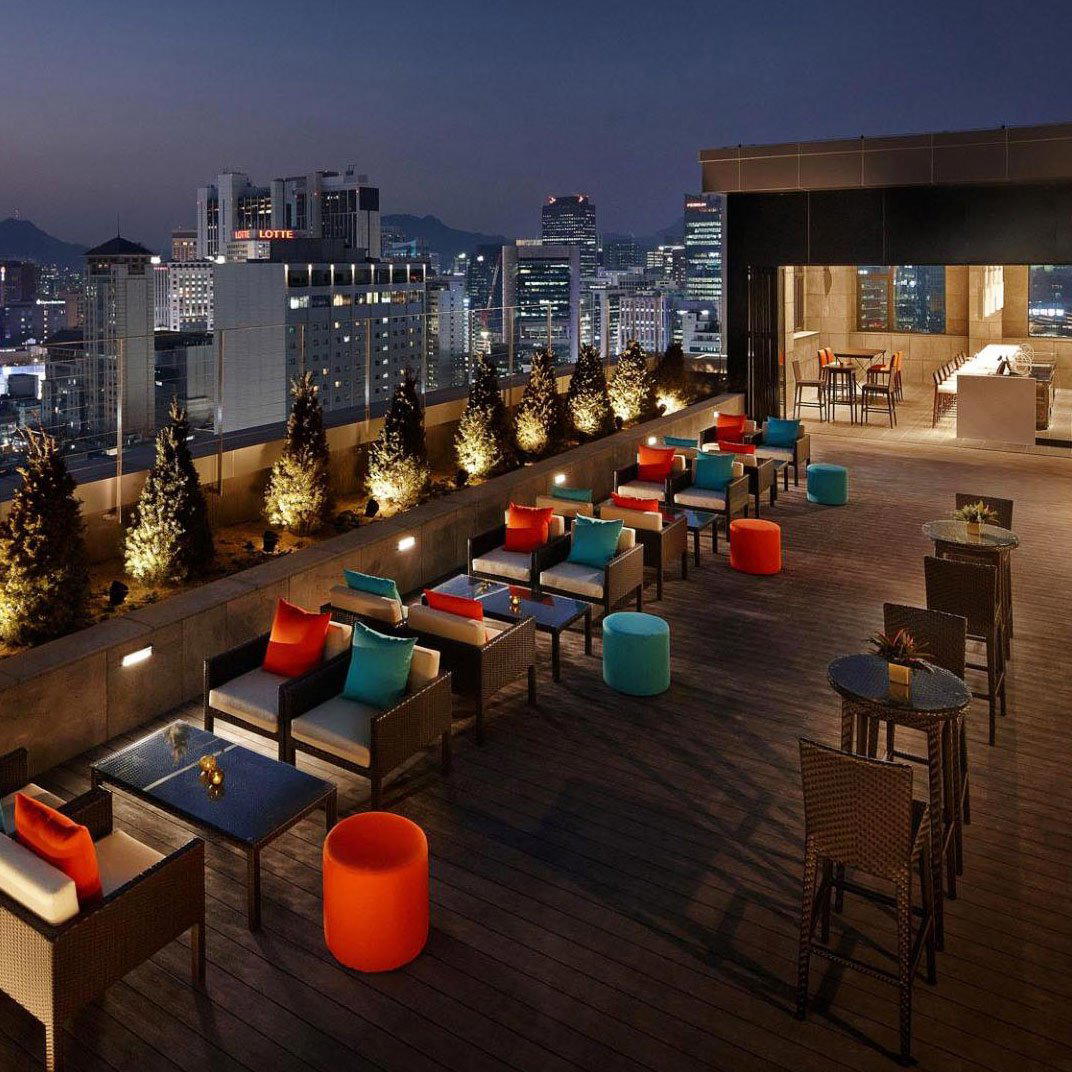
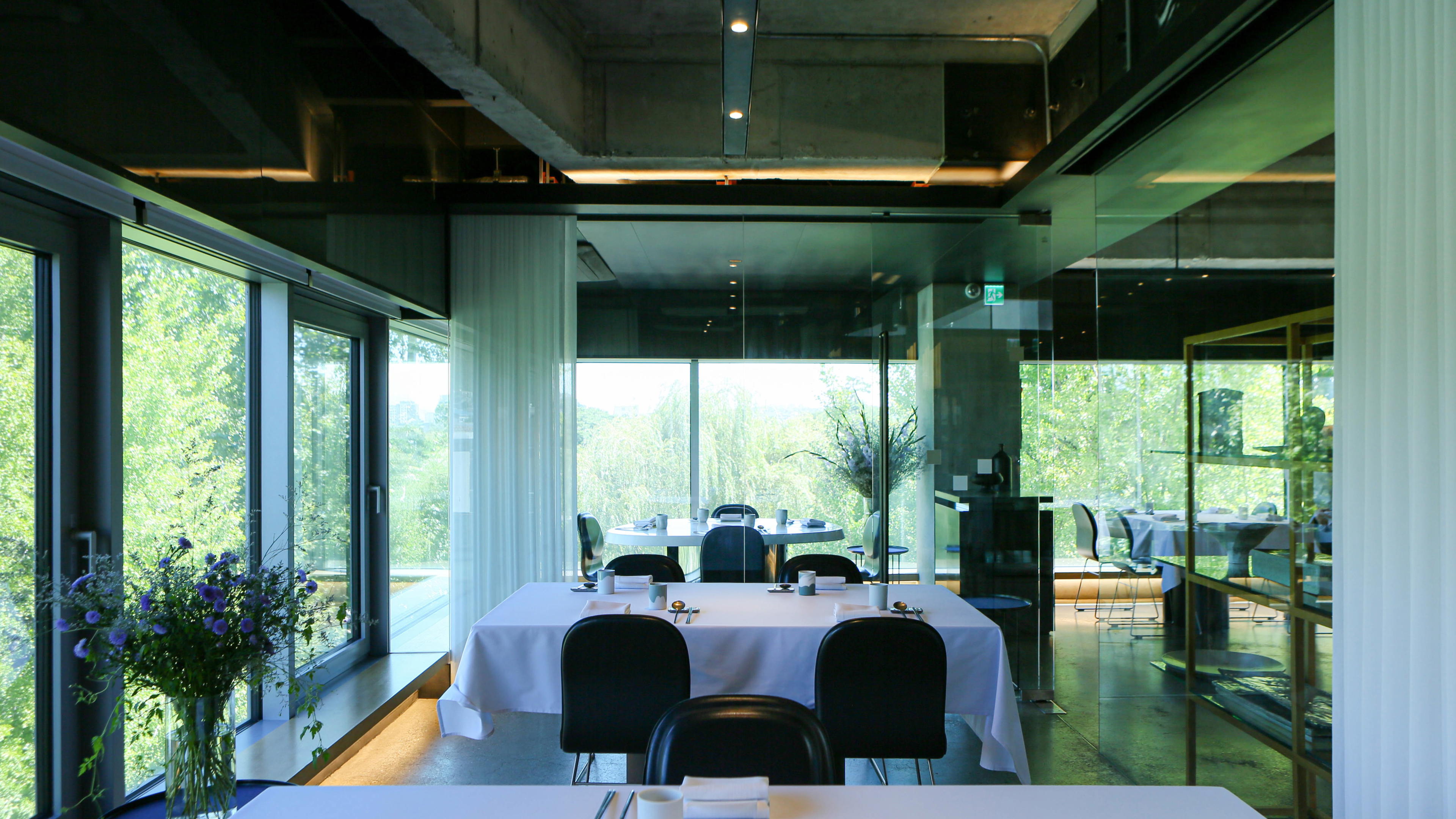
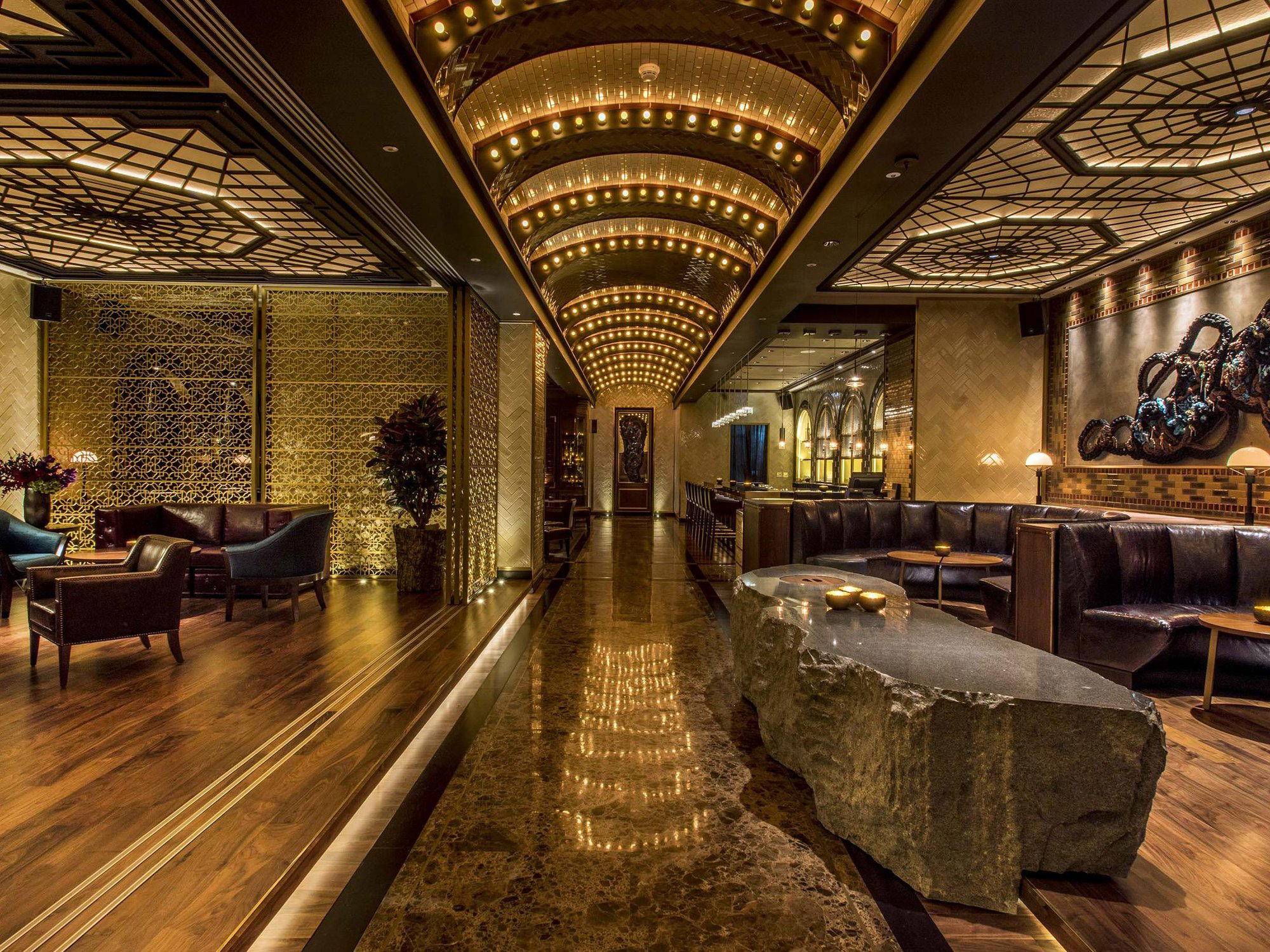
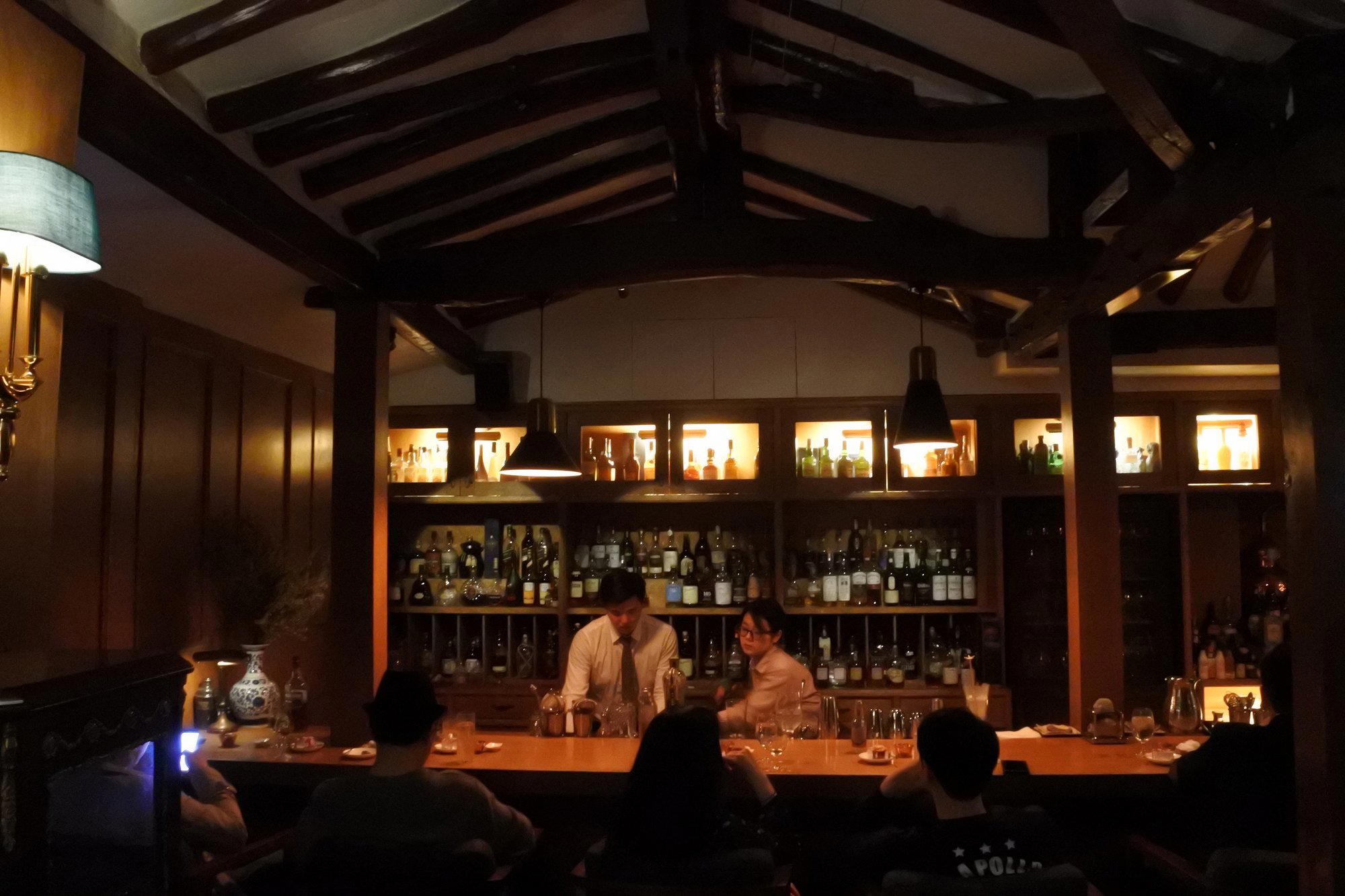
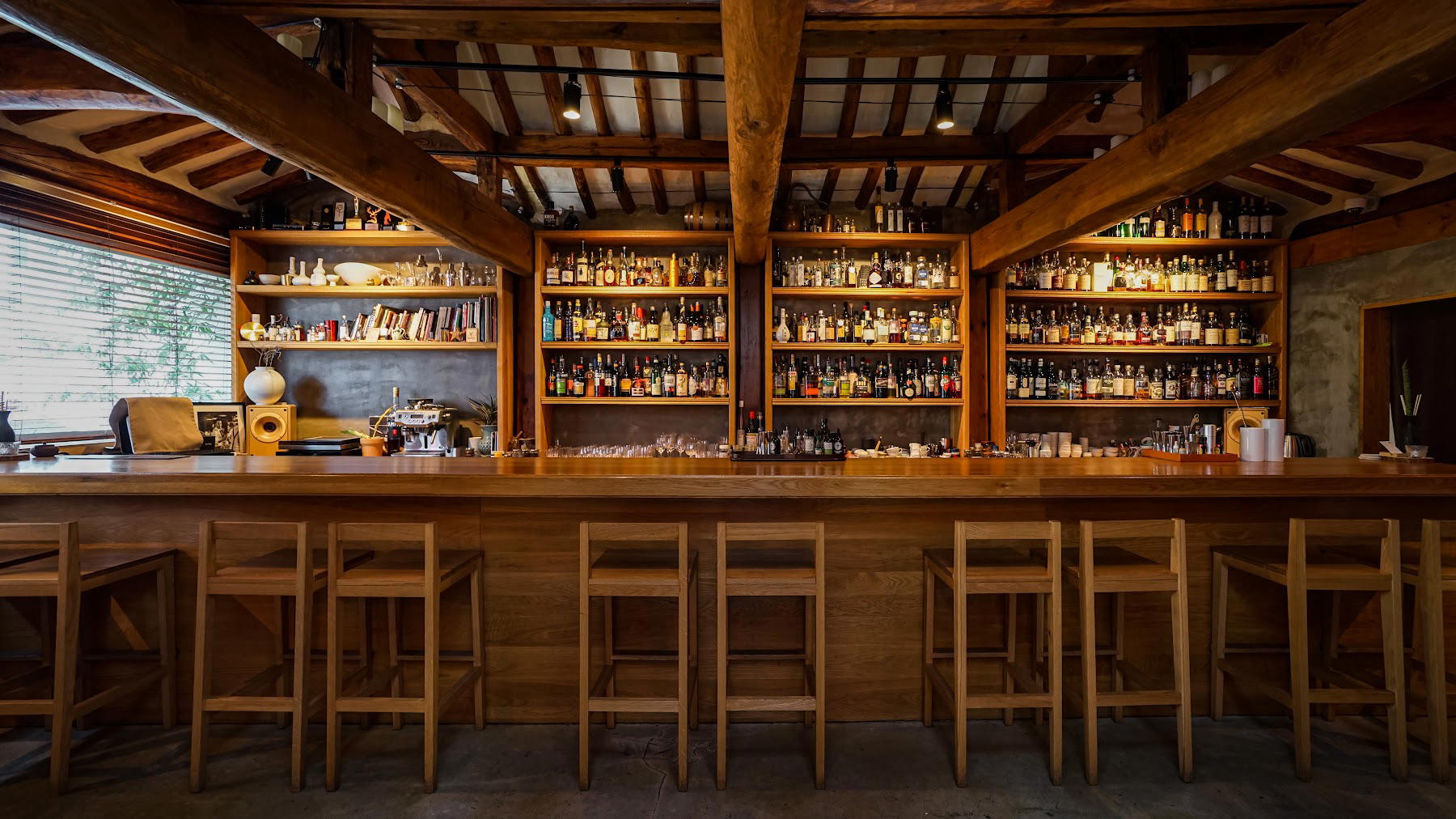
Sleek modern decor with built-in grills at every table, lively and noisy atmosphere during peak hours.
Know Before You Go
- Getting there
- 45 Myeongdong 8na-gil, Jung District, Seoul, South Korea