김북순 큰남비집
김북순 큰남비집 operates from Sinsa-dong in Gangnam, serving the kind of Korean comfort cooking that draws a loyal neighbourhood following rather than a tourist circuit. The name references a large pot, 큰남비, and the cooking centers on the communal, broth-heavy traditions that define Korean home table eating. For regulars, the address on Apgujeong-ro 2-gil is less a discovery than a standing appointment.
Pearl is the En Primeur Club membership app — saves, bookings, and concierge access live there. Same editors, same standards.
- Address
- 강남구 압구정로2길 15 (신사본점), 신사동, 서울특별시, 서울특별시, 06028
 Saves & bookings on Pearl
The Pot at the Center of the Table
김북순 큰남비집 is a restaurant in Sinsa-dong, Seoul, serving Korean Kimchi Jjigae House cooking at a price tier of about $10 per person. In Sinsa-dong, the restaurants that last are rarely the ones that chase attention. The neighbourhood sits just north of the Han River luxury corridor, close enough to Cheongdam and Apgujeong to carry their property values but with a street-level texture that still supports long-running neighbourhood institutions alongside the newer concept cafes and European bistros. 김북순 큰남비집 occupies that older layer of Sinsa. The address, Apgujeong-ro 2-gil 15, puts it on one of the quieter lateral streets off the main drag, the kind of address regulars know by instinct rather than GPS.
The name itself is the first signal. 큰남비 means large pot, and 김북순 is the founding family name that frames the restaurant as a personal legacy rather than a brand exercise. That naming convention belongs to a specific generation of Korean restaurants, places opened by a named cook, identified by a signature vessel or technique, and sustained by the cooking rather than the concept. Seoul has fewer of these than it once did. Gangnam's redevelopment cycles have displaced many neighbourhood institutions, which makes the ones that survive on Sinsa's side streets worth understanding on their own terms.
What the Regulars Actually Order
Korean communal dining built around a central pot, jjigae, jeongol, guk, operates on different logic than the tasting-menu format that drives Seoul's Michelin tier. At venues like Mingles, Jungsik, or Kwonsooksoo, the architecture is sequential and chef-controlled. At a 큰남비 house, the architecture is communal and table-controlled. The pot arrives, the broth deepens as the meal progresses, and the pacing belongs to the group rather than the kitchen. This format rewards repeat visits in a specific way: regulars learn which banchan to request first, how long to let the broth reduce before adding the next ingredient, and which combinations the kitchen recommends informally to returning guests.
That accumulated table knowledge is what separates a first visit from a tenth. The venues in Seoul's innovative tier, alla prima or Soigné, deliver expertise through the kitchen's sequencing. A neighbourhood pot restaurant delivers expertise through the diner's own returning familiarity. Both are valid models; they serve different appetites.
What the format and name reliably signal is a kitchen organised around broth-based cooking, likely featuring one or more flagship pot preparations that give the restaurant its identity. In Korean dining culture, that positioning typically means a shorter menu with greater depth per preparation rather than a wide-ranging offering designed for single visits.
Sinsa-dong and the Restaurants Around It
Gangnam's dining character is often reduced to its high-end corridor, the Cheongdam addresses, the hotel restaurants on Teheran-ro, the Michelin-dense stretch of Apgujeong. But Sinsa operates as a distinct sub-neighbourhood with its own dining logic. Garosu-gil, which cuts through Sinsa, has shifted toward retail and cafes over the past decade, pushing some of the older food-first establishments onto the surrounding side streets. That displacement has, paradoxically, given those side streets a more durable character. They serve residents and committed regulars rather than walk-in foot traffic.
This is the context in which a place like 김북순 큰남비집 sits. Its continued presence on Apgujeong-ro 2-gil is itself a form of evidence in a district where real estate pressure has cleared out lower-margin neighbourhood operators. Survival in Sinsa over multiple years requires a loyal local base, because the economics do not support tourist-dependent operations in the same way that, say, Insadong or Myeongdong do.
Mori in Busan, Gobojeong Galbi in Suwon, Doosoogobang, and Jeju's own neighbourhood standbys including 88돼지 and Black Pork BBQ in Seogwipo. For Gyeongju, the traditional food culture is represented by places like Hwangnam Bread and Busan Steamed Bun and Gyeongju Wonjo Kongguk. Additional venues worth noting in the Korean dining network include Badang Lounge in Jeju, Hinode in Seogwipo, and Dining Room in Busan.
Atomix in New York and Le Bernardin represent the kind of formality that sits at the opposite end of the Korean dining spectrum from a neighbourhood pot house, useful context for understanding just how wide that spectrum runs.
The Regulars' Logic
The pattern of return visits at a 큰남비-style restaurant follows a different rhythm than Michelin omakase or contemporary tasting formats. At Soigné or comparable venues at the summit of Seoul's innovative category, repeat visits reveal the kitchen's evolution. At a neighbourhood pot restaurant, repeat visits reveal the diner's own developing fluency with the format. Knowing to arrive earlier in winter when the broth-heavy dishes suit the cold, knowing which combination of sides the kitchen pairs most naturally with the main pot, understanding that the banchan refresh is worth requesting rather than waiting for, this is the accumulated intelligence of a regular, and it is not written on any menu.
That model of dining requires a different kind of engagement from a first-time visitor, and The useful thing to offer is the format itself: a shared-pot restaurant built for regulars. A first visit to the restaurant will be a functional introduction to the format and the kitchen's register. A third or fourth visit, if the cooking earns it, will be something closer to what the regulars experience. Korean neighbourhood dining at this level is built for the long relationship, not the single-occasion evaluation.
Know Before You Go
- Address: 강남구 압구정로2길 15, 신사동, 서울 (Sinsa-dong, Gangnam-gu)
- Phone: not listed
- Reservations: walk-ins are the practical approach
- Price range: about $10 per person
- Hours: not listed
City Peers
Comparable venues nearby, for context on price, style, and recognition.
| Venue | Cuisine | Price | Notes |
|---|---|---|---|
| 김북순 큰남비집This venue — the venue you are viewing | Korean Kimchi Jjigae House | $$ | Not listed |
| Mongvely 2 Myeongdong Korean BBQ restaurant kbbq Beef All You Can Eat | All-You-Can-Eat Korean BBQ | $$ | Sajik-dong |
| Sinseon Seolnongtang | Traditional Korean Seolleongtang | $$ | 소공동 |
| Eunjujeong (은주정) | Traditional Korean Kimchi Jjigae | $$ | Jung-gu |
| Doo-uh Mari | Charcoal-Grilled Saltwater Eel | $$ | Gangnam-gu |
| Miro Sikdang | Modern Korean Pub Classics | $$ | 연남동 |
Continue exploring
More in Seoul
Restaurants in Seoul
Browse all →
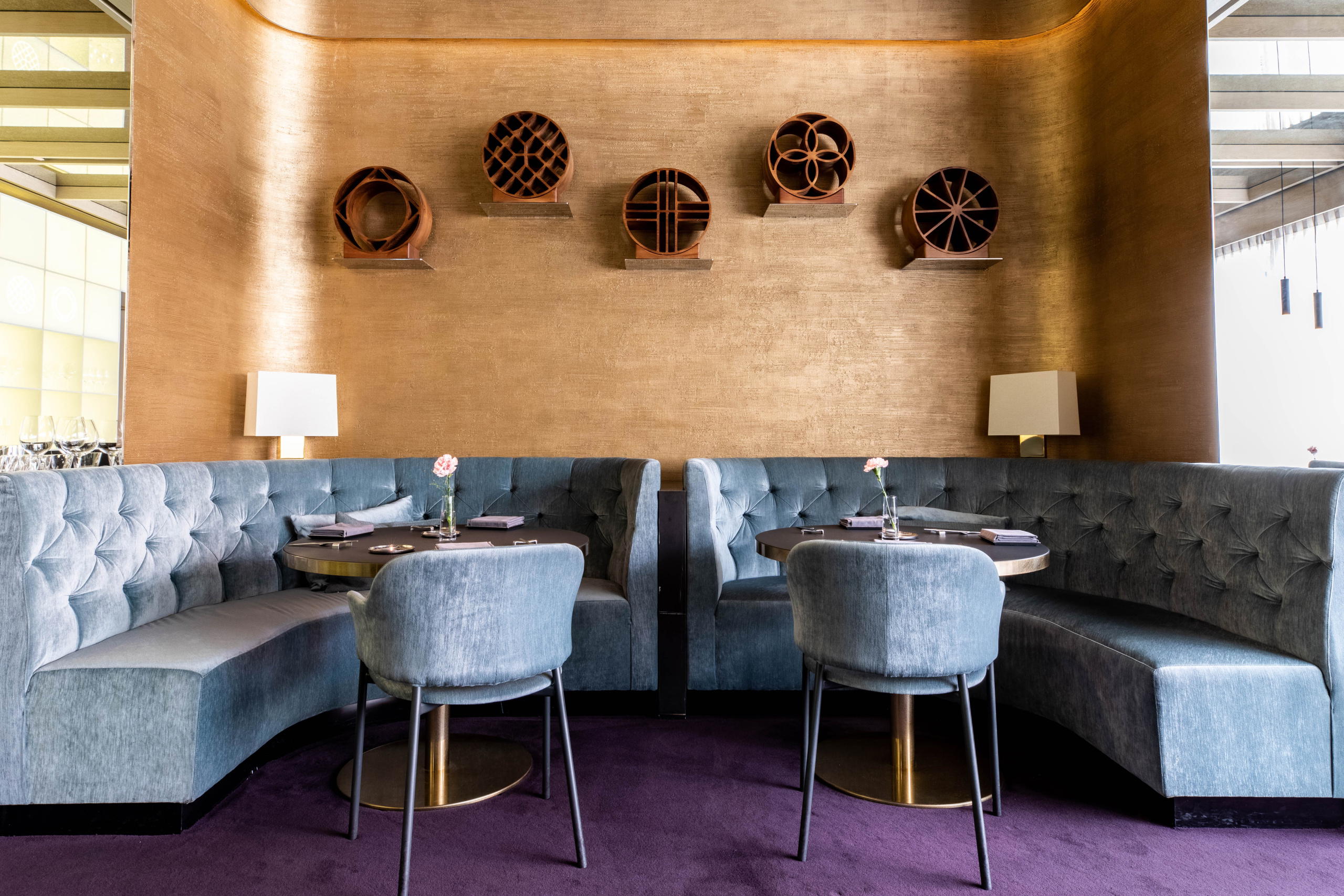
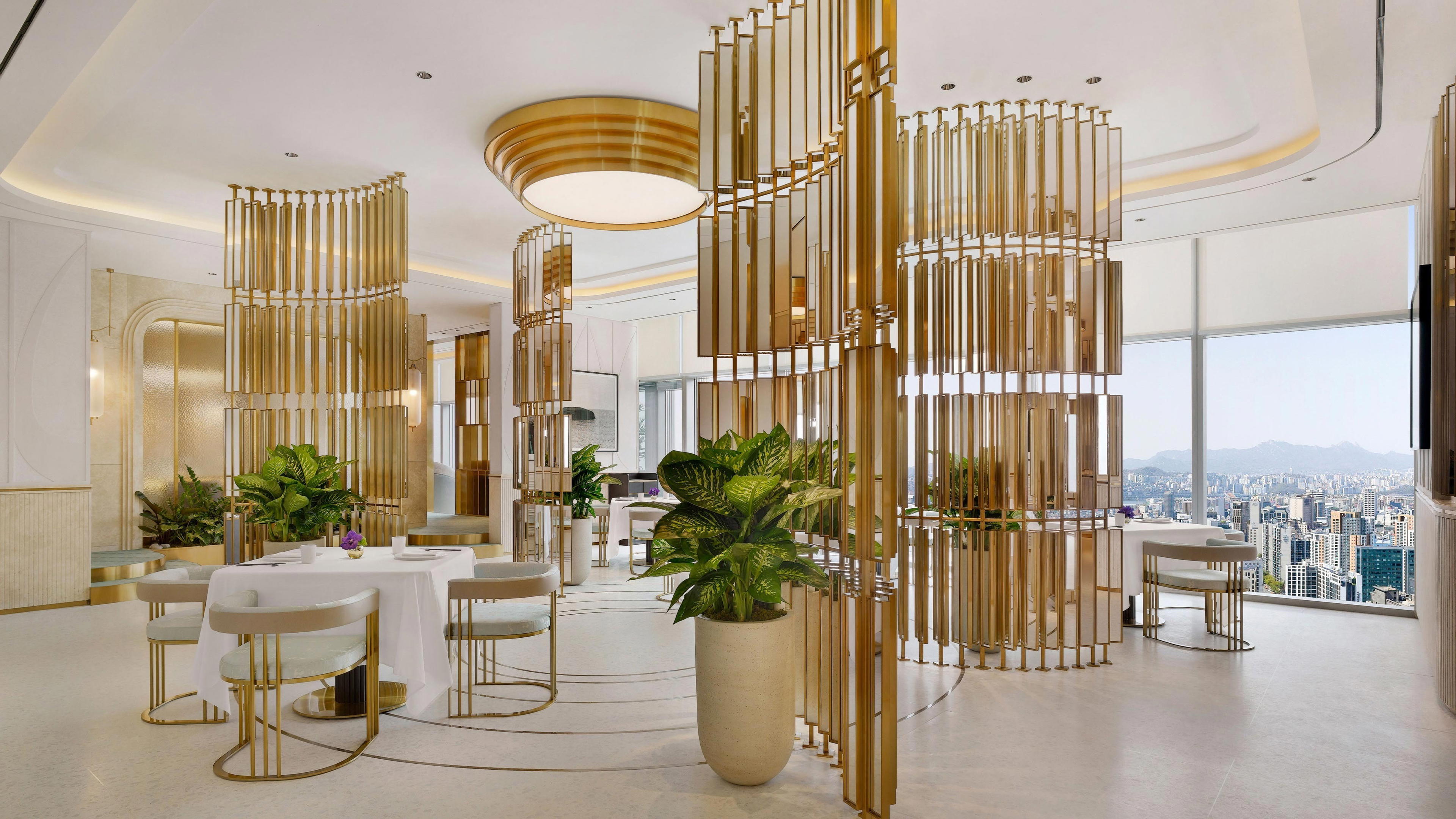
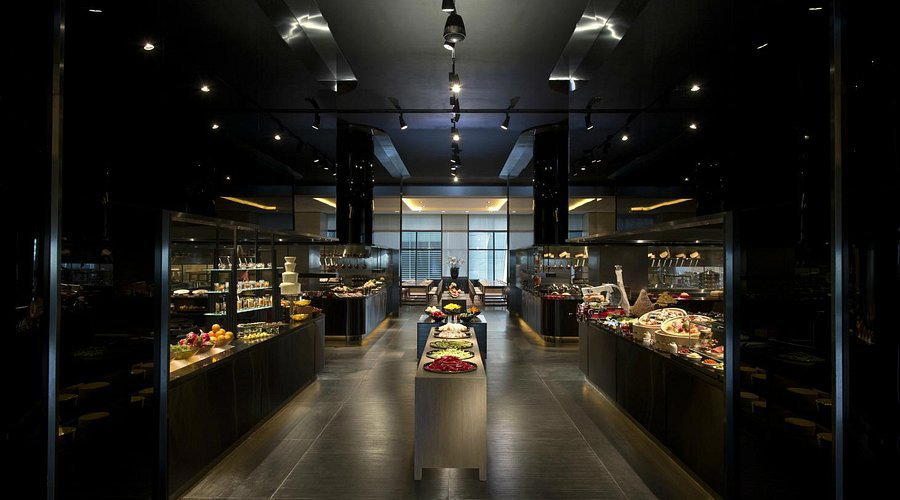
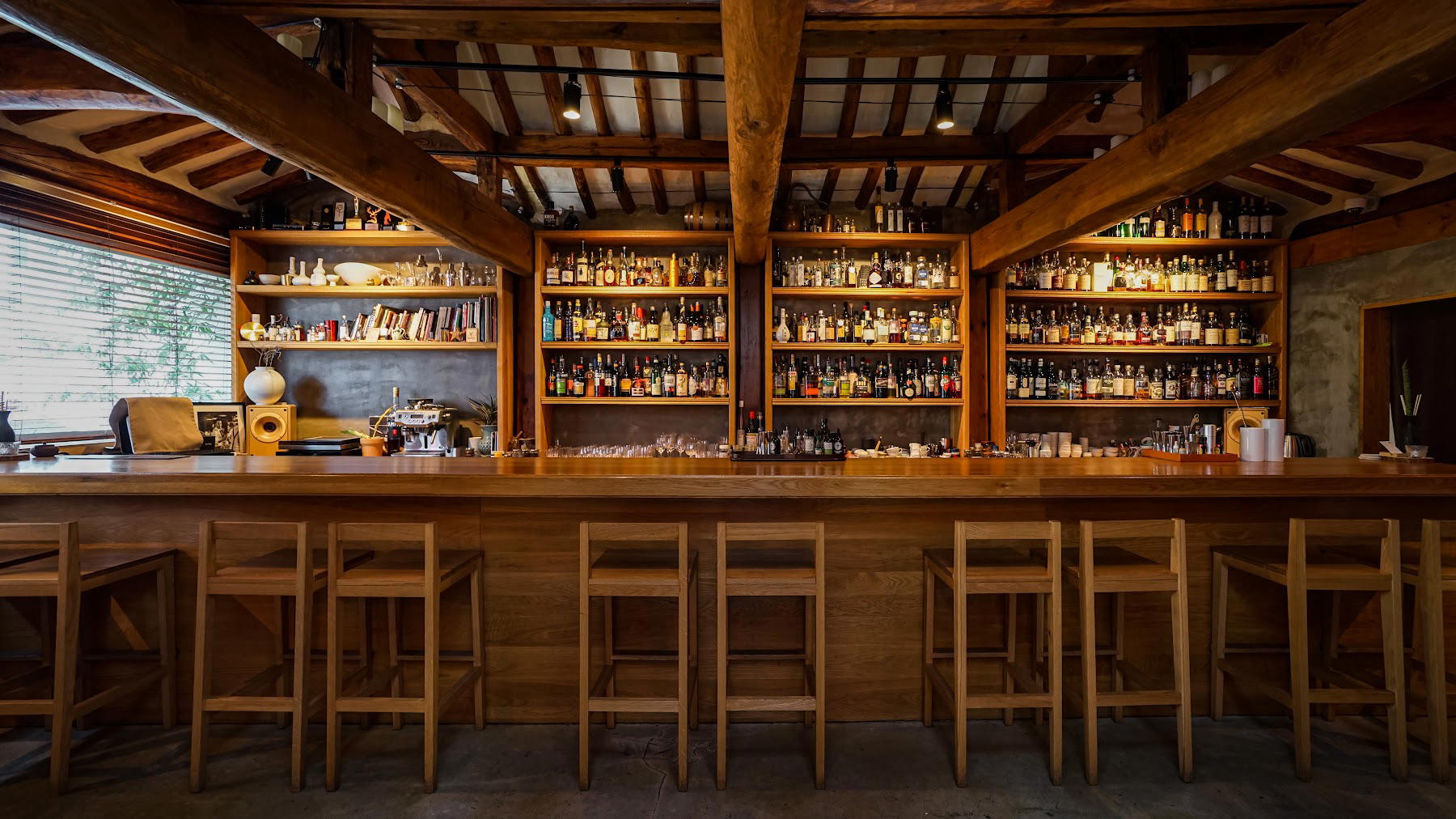
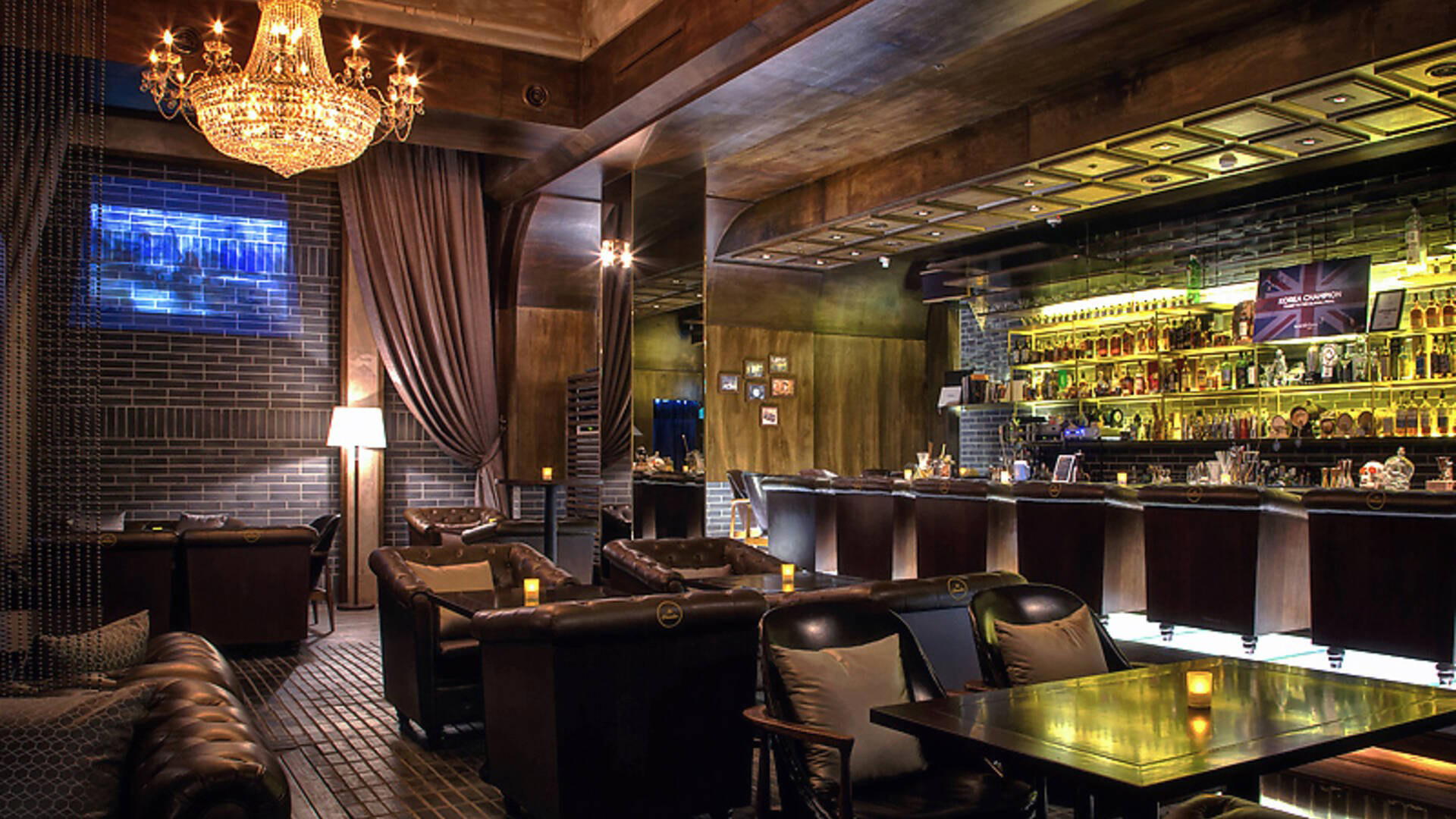
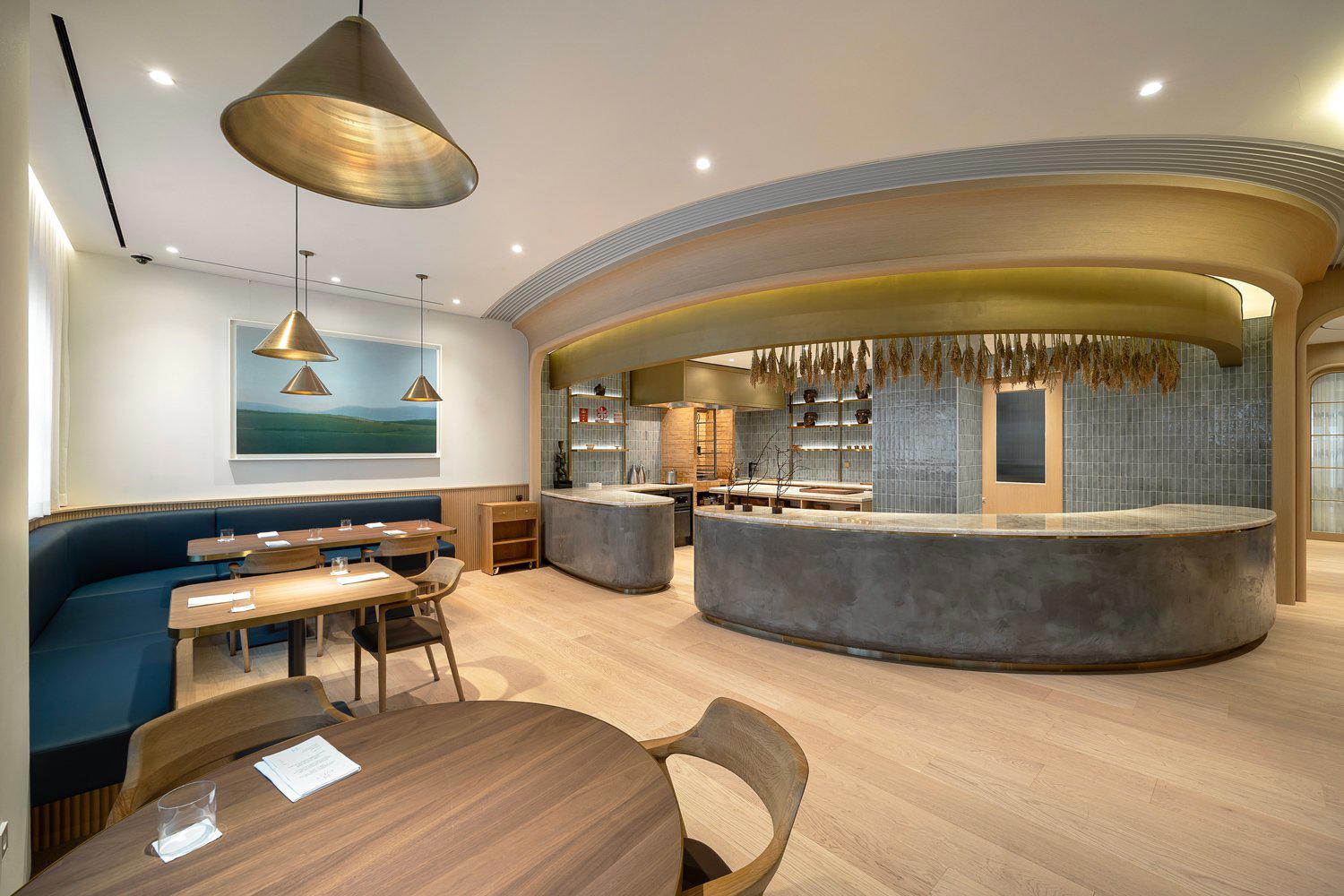
At a Glance
- Cozy
- Classic
- Rustic
- Casual Hangout
- After Work
Clean and cozy traditional Korean eatery with signed pot lids on walls and bustling atmosphere during meals.