Junco Music Town
Junco Music Town occupies a corner of Seocho District where Seoul's appetite for live music and late-night culture converge. The venue draws an audience that treats sound as seriously as atmosphere, making it a reference point for the city's entertainment-led social scene rather than its dining circuit. Plan ahead: Seocho's weekend evenings fill quickly across venues in this tier.
Pearl is the En Primeur Club membership app — saves, bookings, and concierge access live there. Same editors, same standards.
- Address
- 1309-5 Seocho-dong, Seocho District, Seoul, South Korea
- Phone
- +82 2 595 3235
- Directions
- Get directions
 Saves & bookings on Pearl
Sound as Setting: What Seocho's Live Venues Reveal About Seoul After Dark
Approach any live music venue in Seoul's Seocho District on a Friday evening and the city's particular relationship with communal sound becomes immediately legible. The neighbourhood sits south of the Han River, away from the concentrated foot traffic of Hongdae or Itaewon, and venues here tend to draw locals with purpose rather than tourists by proximity. Junco Music Town, at 1309-5 Seocho-dong, operates inside that pattern: a destination rather than a stumble-upon, the kind of place where the audience already knows what they're coming for before they arrive.
Seoul's live entertainment scene has moved through several distinct phases over the past two decades. The early 2000s saw a proliferation of large club formats; the 2010s brought a wave of smaller, genre-specific venues that prioritised curation over capacity. By the early 2020s, the city's more serious music venues had settled into a recognisable tier: mid-size rooms with controlled acoustics, programming that skews toward jazz, soul, and indie genres, and a social model that blends performance with the kind of extended table service that Korean hospitality has always done well. Junco Music Town fits the profile of that second generation.
The Sensory Register of a Seoul Music Room
The experience of a well-run Seoul music venue is layered in a way that distinguishes it from comparable formats in Tokyo or Hong Kong. Where Japanese live houses tend toward the reverential and Hong Kong equivalents toward the theatrical, Seoul rooms typically maintain a warmer social temperature: conversation is permitted, tables are arranged for groups, and the rhythm of food and drink service is calibrated to move around the performance rather than interrupt it.
In rooms of this type, the acoustic design is rarely incidental. Sightlines matter. The distance between the stage and the furthest table is a deliberate editorial choice about how intimate the venue wants to feel. Sound bleed from adjacent streets is either managed or absorbed into the character of the room. At Seocho-dong addresses in this category, the external noise environment is generally quieter than comparable Hongdae or Sinchon venues, which gives indoor programming more control over its own atmosphere.
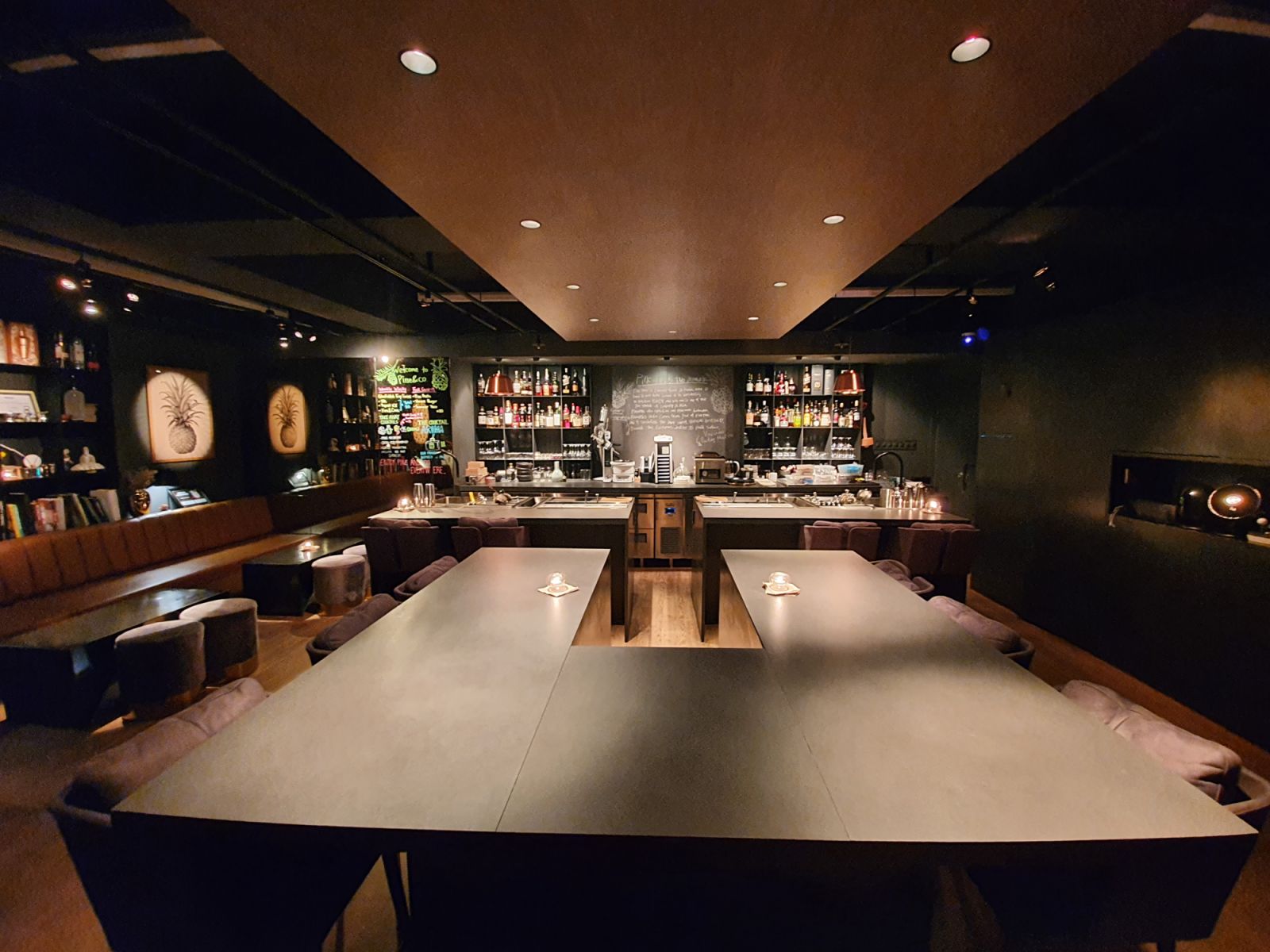
The sensory experience at a venue like Junco Music Town is shaped as much by what is absent as what is present: the absence of the kind of amplified-to-discomfort volume that characterises larger club formats, the absence of the anonymous transience of high-turnover dining rooms. What replaces those elements, in the better examples of this venue type, is a quality of attention: a room that asks the audience to stay, to listen, and to treat the evening as a sustained event rather than a stop on a longer itinerary.
Where Junco Music Town Sits in Seoul's Entertainment Tier
Seoul's dining and entertainment venues have increasingly separated into distinct competitive sets. At the formal end, Michelin-recognised restaurants like Mingles, Jungsik, and Kwonsooksoo operate primarily as dining destinations where the food carries the occasion. Innovative contemporary venues like alla prima and Soigné blend culinary ambition with a more social register. Live music venues occupy a different axis entirely: the performance is the anchor, and food and drink function as support infrastructure for a longer evening.
Junco Music Town operates in this third category. Its Seocho District address places it in a part of Seoul that skews toward local professionals and residents rather than the tourist-facing entertainment zones further north and west. For visitors building a broader Korea itinerary, the contrast is instructive: Mori in Busan represents how a port city's music and dining culture differs from Seoul's; Double T Dining in Gangneung shows how the east coast interprets social dining in a quieter register. Seoul's Seocho venues sit between those poles: more metropolitan than coastal, but less concentrated than the city's northern entertainment districts.
For international reference points, the model of a venue that treats live performance and hospitality as co-equal draws loose comparisons to how certain New York and San Francisco establishments have approached the format. Le Bernardin in New York City and Lazy Bear in San Francisco both demonstrate how deliberate programming and atmosphere can reframe what a dining or entertainment venue is asked to do for its audience. The logic at Seocho music venues is similar, even if the genre and cultural context differ entirely.
Planning Your Visit: Seocho District Logistics
Seocho District is accessible from central Seoul via the Line 2 and Line 3 subway networks, with Seocho Station and Gangnam Station both within reasonable walking distance of the 1309-5 Seocho-dong address. Evening visits align with Seoul's late-starting social calendar: dinner rarely begins before 7pm, and live programming in venues of this type typically runs from 8pm or 9pm into the early hours. Weekends at Seocho-dong entertainment addresses fill on a walk-in basis less reliably than weekday evenings, and advance contact is advisable for groups.
The broader Seocho dining scene rewards exploration before or after a music venue visit. The district's restaurant density includes options across a wide price range, from neighbourhood Korean restaurants to the kind of contemporary dining represented by venues in our full Seoul restaurants guide. Further afield in the Seoul metropolitan area, Doosoogobang in Suwon and Kwon Sook Soo in Gangnam-gu represent how the city's satellite districts handle Korean dining at different points on the formality spectrum.
For visitors extending beyond Seoul, Injegol in Inje County and Baegyangsa Temple in Jangseong-gun offer a different pace entirely, while Jeju Island venues like Cheon Jee and The Flying Hog in Seogwipo show how island hospitality culture has diverged from the mainland. Market Café in Incheon and 에버리움폨션 in Cheoin round out the picture of how hospitality operates across greater Seoul's extended geography.
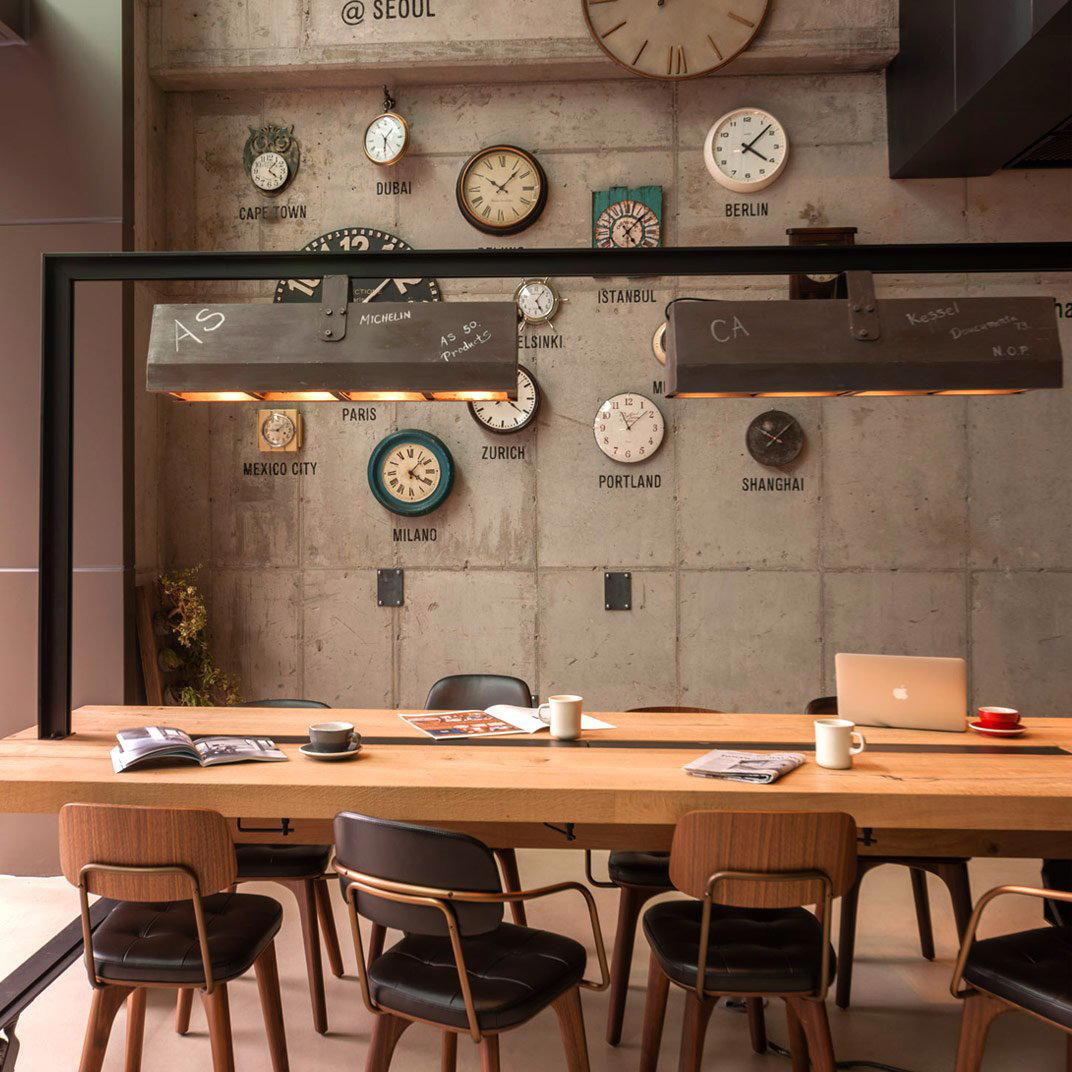
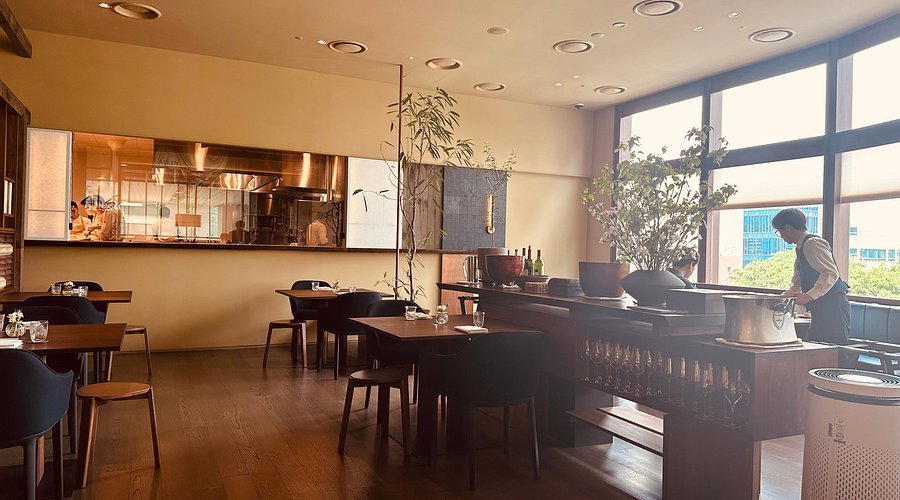
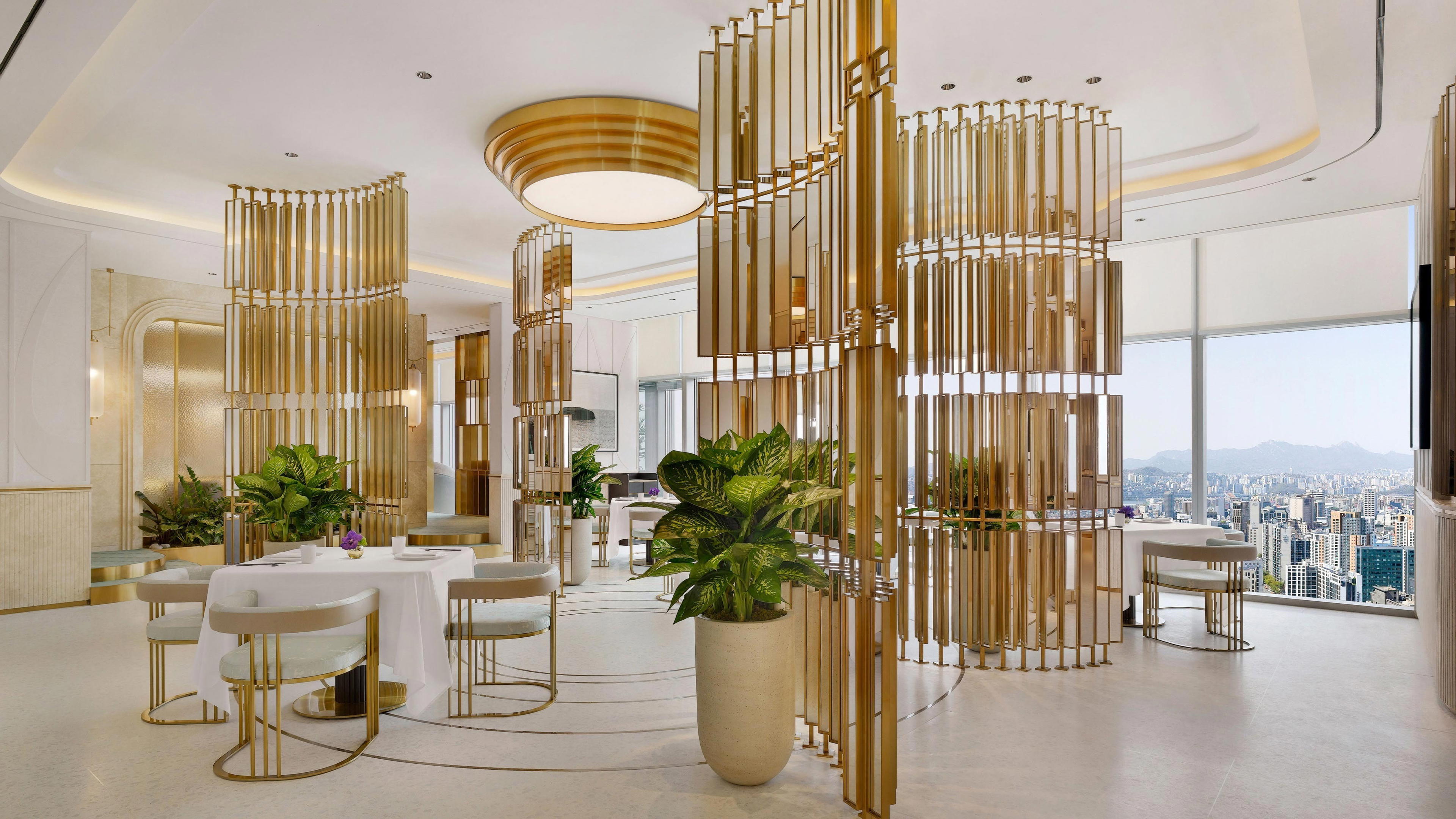
How Junco Music Town Seoul: Casual Venue Open Daily Until 2 AM compares with similar nearby venues.
| Venue | Cuisine | Price |
|---|---|---|
| 홍보각 - Hong Bo Gak | Korean Chinese | Not listed |
| alla prima | Innovative | ₩₩₩₩ |
At a Glance
- Lively
- Trendy
- Energetic
- Group Dining
- Casual Hangout
- Late Night
- Live Music
- Beer Program
Current opening hours
- Monday
- 4 PM–2 AM
- Tuesday
- 4 PM–2 AM
- Wednesday
- 4 PM–2 AM
- Thursday
- 4 PM–2 AM
- Friday
- 4 PM–2 AM
- Saturday
- 4 PM–2 AM
- Sunday
- 4 PM–2 AM
Hours can change for holidays and private events. Last verified .
Energetic and fun atmosphere with lasers, music, and group singing in private karaoke rooms.
Know Before You Go
- Getting there
- 1309-5 Seocho-dong, Seocho District, Seoul, South Korea