Our verdict
Vineyard Cafe sits on Wudaoying Hutong in Beijing's Dongcheng district, one of the capital's most characterful old lanes.
The menu
What to order
- Mediterranean Pizza
- English Breakfast
- Cocktails
Wudaoying Hutong and the Grammar of Beijing Lane Dining
Beijing's hutong dining scene operates by rules that have little to do with the city's glitzier restaurant corridors. Along lanes like Wudaoying Hutong in Dongcheng, the physical environment does much of the work: narrow brick passages, courtyard gates, and the persistent sounds of neighbourhood life create a frame that formal dining rooms in Sanlitun or the CBD cannot replicate. Vineyard Cafe sits at number 31 on this lane, a address that places it squarely inside one of the capital's most commercially active hutong strips, a stretch that has, over the past decade, evolved from purely residential into a corridor of independent cafes, small restaurants, and boutique shops without losing the underlying texture of a living neighbourhood.
That tension between preservation and commercial energy is worth understanding before you arrive. Wudaoying is not a museum hutong, frozen for tourist consumption. It remains a working street where residents cycle past, where the light changes dramatically between seasons, and where the relationship between indoors and outdoors shifts with the weather. Cafes that have taken root here tend to succeed when they read that context correctly, when the pace of service, the proportion of outdoor seating, and the menu's ambitions align with a lane that rewards slowness over spectacle.
The Cultural Weight of the Hutong Cafe Format
Understanding where Vineyard Cafe sits in Beijing's dining spectrum requires a brief account of what the hutong cafe format has come to mean in this city. Through the 1990s and into the early 2000s, Beijing's international dining growth was concentrated in purpose-built developments: embassy districts, hotel lobbies, and eventually the Sanlitun Village complex. The hutong cafe emerged as a counter-current, smaller in scale, often foreign-owned or foreign-influenced in early iterations, and deliberately positioned against the city's more transactional hospitality register.
By the 2010s, the format had matured. What had begun as a niche for expatriates and art-world adjacents became a recognisable Beijing dining category, with a distinct audience of younger Chinese professionals who valued the spatial intimacy and the implied contrast with both the high-end Chinese banquet format and the global fast-casual chains. The name Vineyard Cafe signals something in that direction, a reference to wine culture and a certain Western-influenced cafe sensibility that has found durable ground in Dongcheng's hutong strips. At a city level, this positions the venue differently from formal Chinese specialists like Jingji, which foregrounds Beijing cuisine tradition, or from Cantonese-focused rooms like Chao Shang Chao in Chaoyang, which sits at the premium end of the regional Chinese spectrum. Vineyard Cafe operates in an entirely different register, more neighbourhood anchor than destination address.
Placing Vineyard Cafe in Beijing's Broader Dining Conversation
Beijing's restaurant scene has fractured into increasingly distinct tiers over the past five years. At the leading, premium Chinese specialists command ¥¥¥¥ price points: Xin Rong Ji on Xinyuan South Road represents the Taizhou tradition at that level, while Lamdre occupies an equally premium vegetarian position. For visitors whose interests extend to vegetarian dining with serious culinary intent, King's Joy offers another reference point in the Chinese vegetarian category. These are considered-occasion restaurants, requiring forward planning and a different set of expectations than a lane cafe.
Vineyard Cafe does not compete in those tiers. Its Wudaoying address and hutong cafe format place it closer to a neighbourhood staple, somewhere that earns repeat visits from locals rather than single high-stakes bookings from destination diners. That is a legitimate and often undervalued position in any city's dining ecosystem. The cafes and informal restaurants that anchor a neighbourhood's daily rhythm frequently tell you more about a city's food culture than the starred establishments, because they are sustained by genuine community demand rather than occasion-driven tourism.
Ru Yuan in Hangzhou, Imperial Treasure Fine Chinese Cuisine in Guangzhou, and Dai Yuet Heen in Nanjing each represent regional Chinese cooking at a more formalised level. Further south, Chef Tam's Seasons in Macau sits at the premium end of Cantonese-influenced contemporary cooking. And in Shanghai, 102 House offers a point of comparison for the kind of intimate, design-conscious dining that has found traction in China's historic residential architecture. Across the East China region, Dingshan·Jiangyan in Suzhou, Fleurs Et Festin in Xiamen, Jiangnan Wok·Rong in Fuzhou, and Shang Palace in Yangzhou round out a regional dining picture where culinary ambition varies considerably by city and format. For international reference points at the fine dining level, Le Bernardin in New York City and Atomix in New York City illustrate how tasting-menu formats operate at the highest tier globally. And Xin Rong Ji in Chengdu shows how the same brand can read differently against a different regional food culture. Vineyard Cafe operates at a different altitude from all of these, but that distance clarifies rather than diminishes its purpose.
Practical Considerations for Visiting Wudaoying
Wudaoying Hutong is accessible from Yonghegong Lama Temple subway station on Line 2 and Line 5, making it one of the more transit-friendly hutong strips in Dongcheng. The lane runs roughly east-west and is leading explored on foot; the density of small businesses means there is genuine value in arriving without a rigid itinerary. Hutong cafes in this district tend to follow informal booking norms, walk-ins are common, and the atmosphere is generally relaxed about pace and duration. For a fuller view of what Beijing's restaurant scene offers across price points and cuisine types, the EP Club Beijing guide maps the city's dining character in more detail.
Frequently asked questions
Where is Vineyard Cafe located?
Vineyard Cafe is located at 31 Wudaoying Hu Tong, å½åç Dongcheng, Beijing, China, 100011, Beijing.
Is Vineyard Cafe on Wudaoying Hutong easy to reach by public transport?
Vineyard Cafe sits at 31 Wudaoying Hutong in Dongcheng, Beijing, a short walk from Yonghegong Lama Temple subway station, served by both Line 2 and Line 5. That connectivity makes Wudaoying one of the more accessible hutong strips in the city, with no transfer required from central districts like Dongzhimen or Gulou.
What's the must-try dish at Vineyard Cafe?
Specific menu details for Vineyard Cafe at 31 Wudaoying Hutong are not published through standard channels. Given the hutong cafe format common to Wudaoying's dining strip, expect a short, rotating menu that reflects seasonal availability rather than a fixed signature dish. Asking staff on arrival about the day's focus is the practical approach here.
What's the best way to book Vineyard Cafe?
Vineyard Cafe does not currently list a phone number or website through public records. For hutong venues of this scale in Dongcheng, walk-in visits during off-peak hours, mid-morning or mid-afternoon on weekdays, are typically the most reliable approach. Wudaoying Hutong is reachable directly from Yonghegong Lama Temple station on Lines 2 and 5, which simplifies a speculative visit.
What's the standout thing about Vineyard Cafe?
The address itself sets the context: 31 Wudaoying Hutong places Vineyard Cafe on one of Beijing's more culturally intact historic lanes, within walking distance of the Lama Temple. In a city where dining increasingly clusters around malls and premium towers, a cafe operating inside the hutong fabric occupies a distinct position, closer to neighbourhood institution than destination restaurant.
Can Vineyard Cafe handle vegetarian requests?
No menu or dietary policy is publicly documented for Vineyard Cafe. Hutong cafes in Beijing's Dongcheng district generally accommodate vegetarian requests given the prevalence of plant-forward dishes in northern Chinese cooking, but confirming directly on arrival is advisable since kitchen scope at lane-scale venues is usually limited.
Price Lens
Comparable venues nearby, for context on price, style, and recognition.
| Venue | Cuisine | Price | Awards | Notes |
|---|---|---|---|---|
| Vineyard CafeThis venue (the venue you are viewing) | Home-Style European | Not listed | Not listed | Not listed |
| 新荣记 | Taizhou | Not listed | 1 Michelin Star · La Liste Top Restaurants | Fengsheng |
| Tongheju | Traditional Shandong Fushan Cuisine | $50–100 | Michelin Bib Gourmand | Yuetan, Authentic Shandong Cuisine |
| Village Cafe | Contemporary International Cafe | $20–30 | Not listed | Sanlitun, Contemporary International Cafe |
| Jing.YUZU | Modern Japanese Izakaya with Yuzu Focus | $30–50 | Black Pearl 1 Diamond | /, Modern Japanese Izakaya with Yuzu Focus |
| Atmosphere | Cocktail Bar / Lounge and Bar | $20–30 | Not listed | Chaoyang District, Cocktail Bar / Lounge and Bar |
Continue exploring
More in Beijing
Restaurants in Beijing
All restaurants in Beijing →
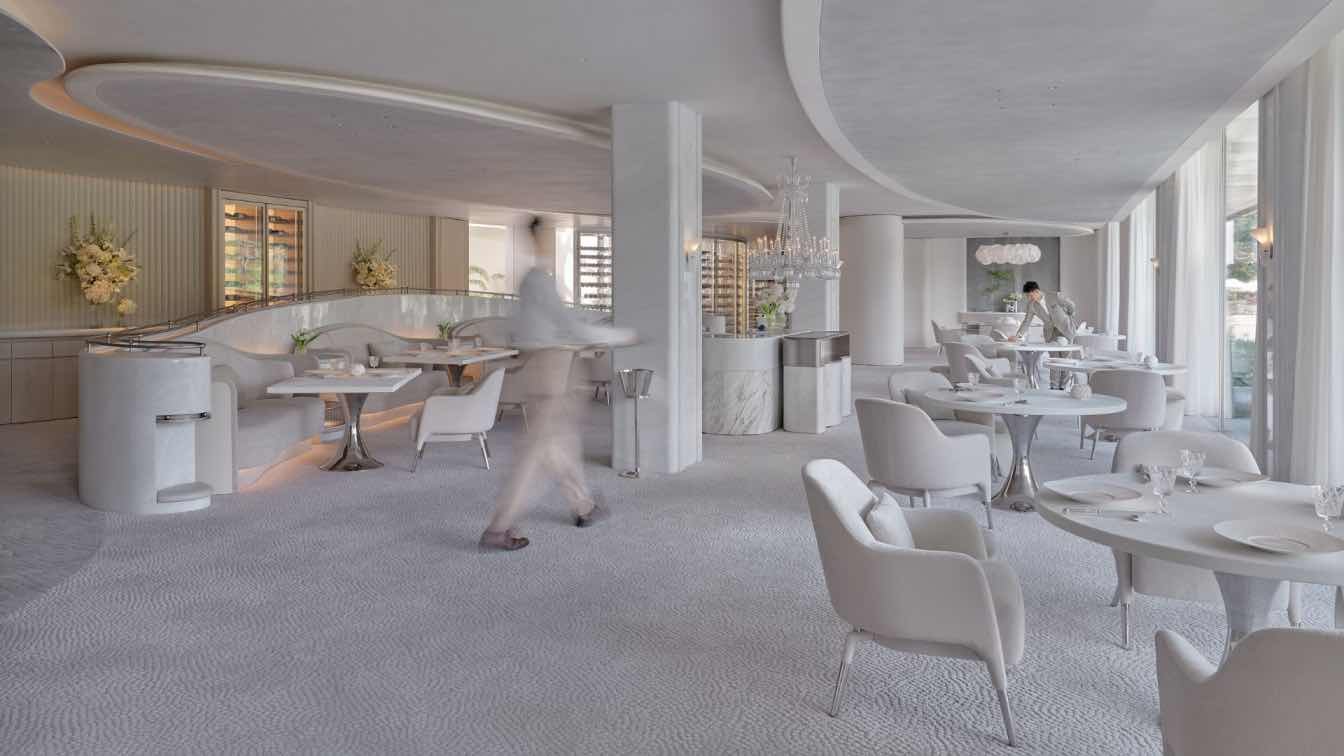

Bars in Beijing
All bars in Beijing →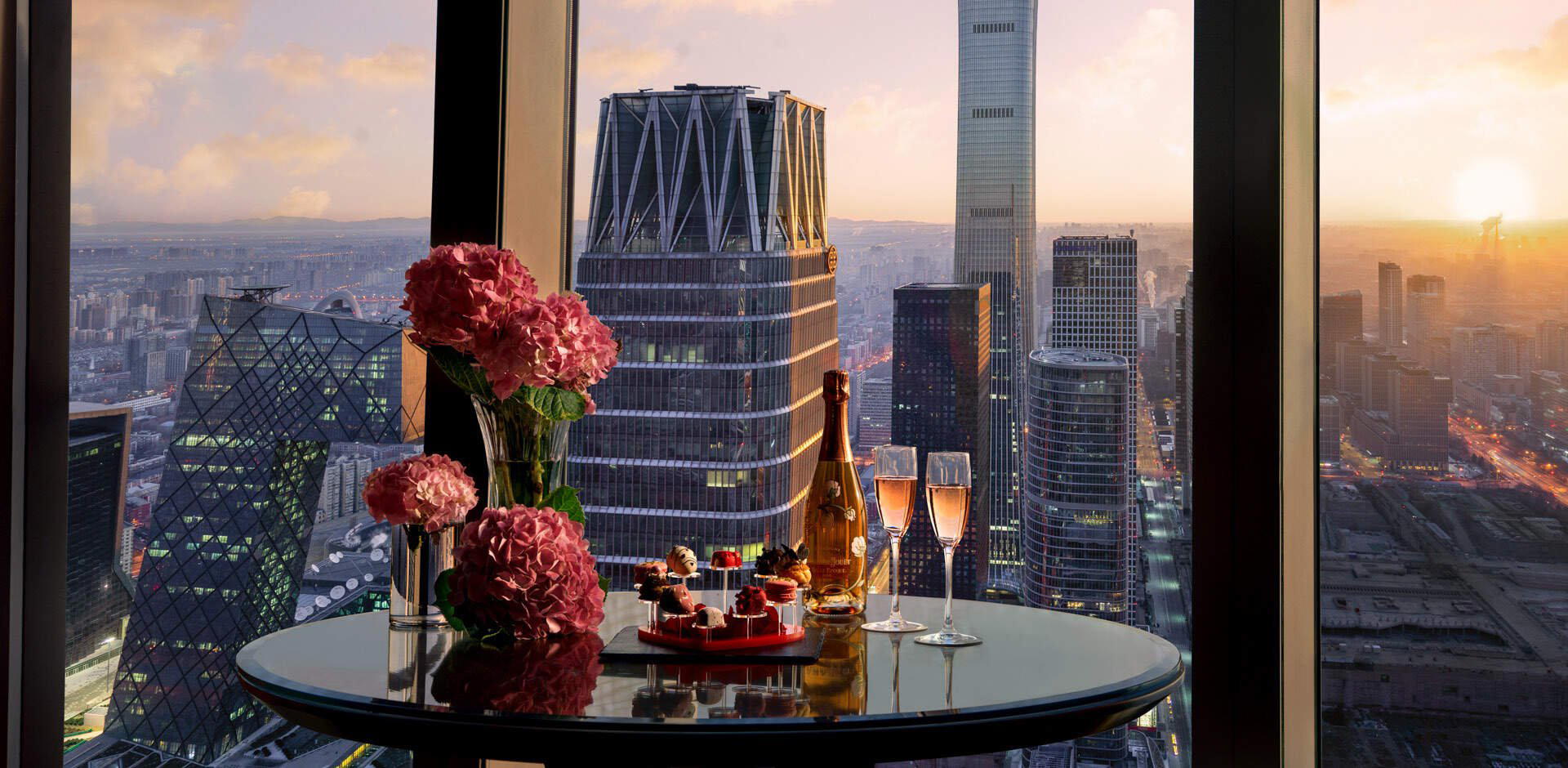
Details
- Cozy
- Casual
- Bohemian
- Casual Hangout
- Brunch
- Group Dining
- Date Night
- Courtyard
- Standalone
- Extensive Wine List
- Craft Cocktails
- A La Carte
- Wine
- Cocktails
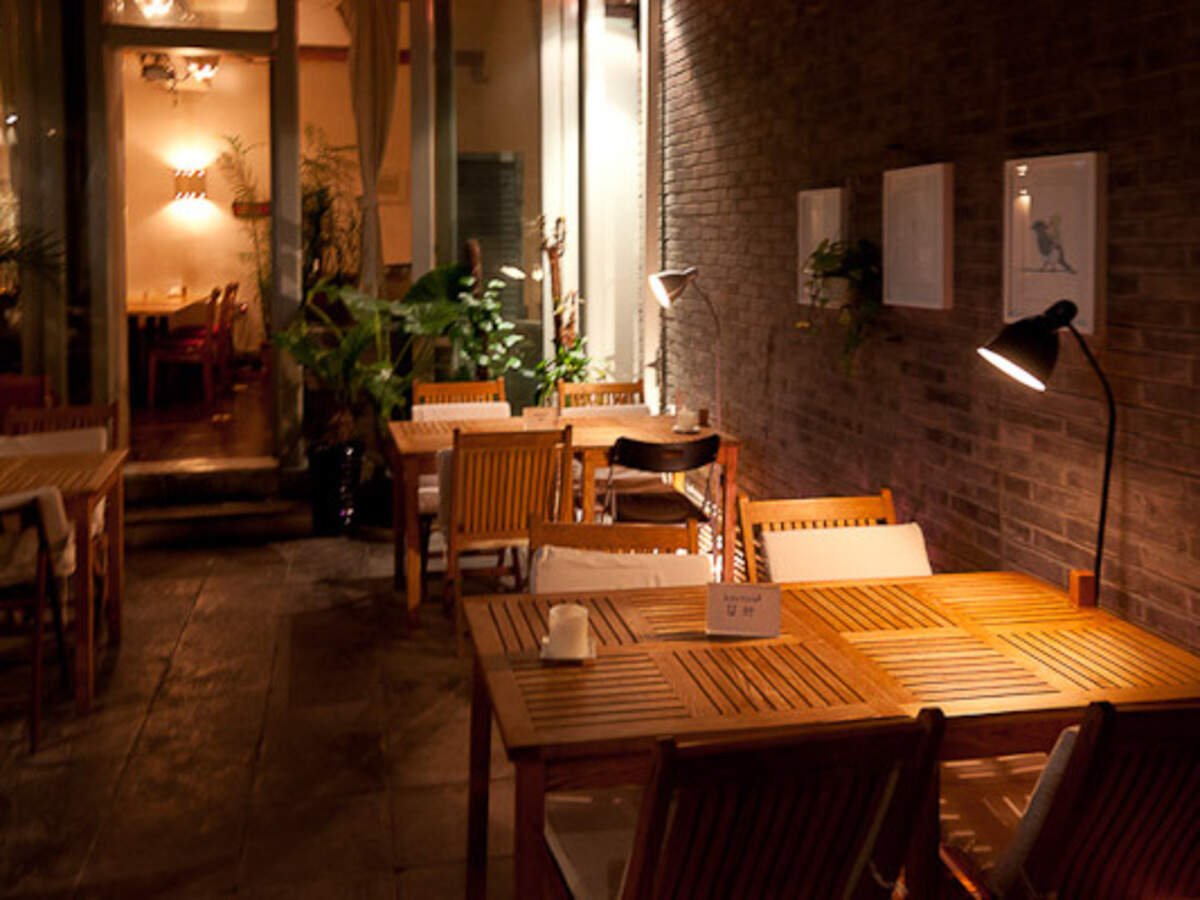
Charming courtyard setting with a friendly, welcoming vibe. Warm lighting and casual atmosphere that appeals to both couples and groups seeking hearty European fare.