



Blackswan brings French Contemporary cooking to Chaoyang with a room built around white-on-white theatricality, swan motifs, and a pond-side setting. Chef Vianney Massot’s kitchen sits in Beijing’s higher French tier, with La Liste scores in 2025 and 2026 plus Black Pearl recognition giving it firmer credentials than the city’s casual brasserie field.
Pearl is the En Primeur Club membership app — saves, bookings, and concierge access live there. Same editors, same standards.
- Address
- Chaoyang, China, 100029
- Phone
- +86 10 5385 9911
- Website
- laliste.com
- Directions
- Get directions
 Saves & bookings on Pearl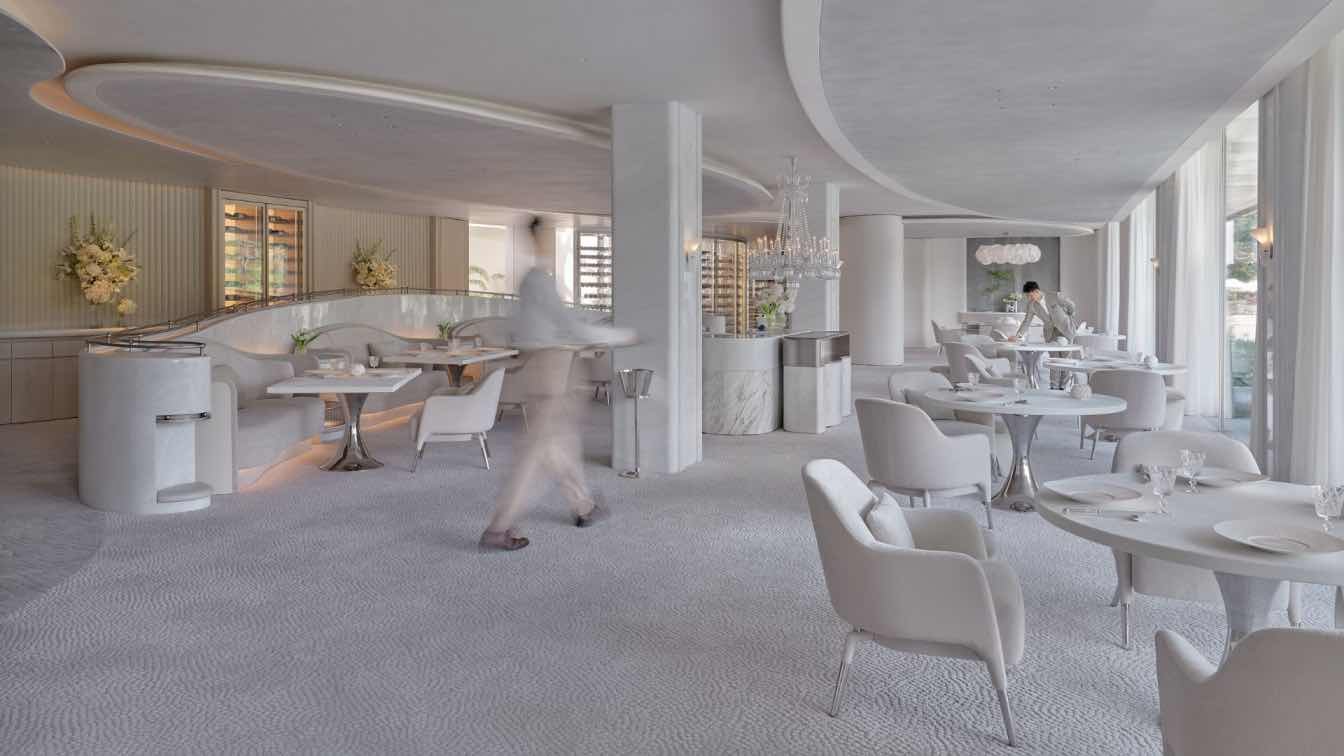
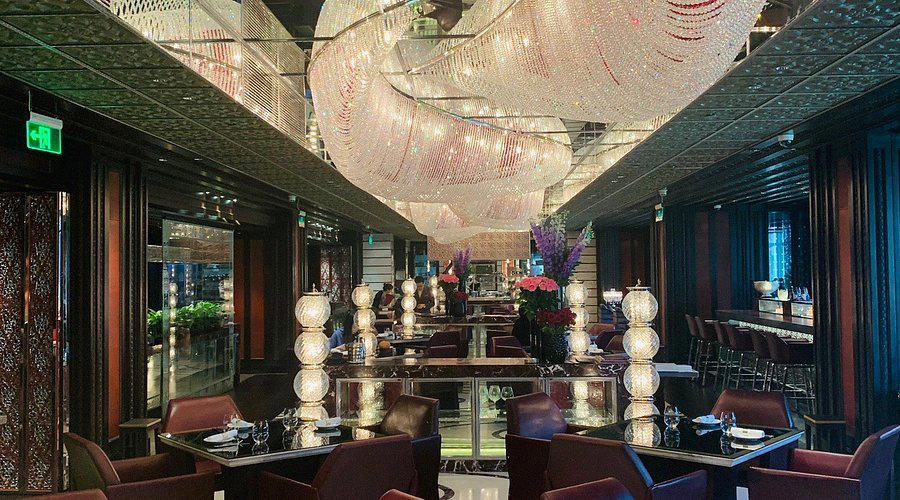
The room announces the thesis before the first plate arrives: white surfaces, feather motifs, arabesques, and a pond outside where swans and koi turn the approach into part of the meal. In Beijing, where internationally minded dining ranges from brasserie comfort to more polished destination rooms, Blackswan occupies the refined end of the category rather than the everyday lane. The point is not simple nostalgia. It is technique and tradition translated for a capital city that now judges restaurants by precision, recognition, and roomcraft as much as by atmosphere.
That matters because the bistro tradition has always been misunderstood outside France. A true bistro is less about informality as decoration than about discipline under a smaller frame: a limited repertoire, seasonal buying, sauces that carry authority, and a room where comfort does not mean looseness. Beijing’s French-leaning dining scene splits along that line. Brasserie 1893, Rive Gauche, Les Morilles, and Jing sit in the same broad conversation, but Blackswan reads as the more formal proposition within that group, with external recognition that places it above the casual end of the market.
French formality filtered through the bistro instinct
The useful way to read the kitchen is through the tension between bistro roots and contemporary polish. Bistro cooking, at its serious level, is not rustic by default; it is a system of reductions, roasting, texture control, and seasonal repetition. Chef Vianney Massot’s presence gives the restaurant a clear French authorship, but the stronger editorial point is what that authorship signals in Beijing: restaurants here can no longer rely on imported vocabulary alone. They need technical credibility and a reason to exist beside strong local fine-dining rooms.
The public descriptions of the cooking point toward tradition rather than spectacle. The restaurant’s strongest case is made through controlled technique, careful pacing, and a sense of polish that keeps the meal close to its stated tradition without making the room feel like a replica. Cookery at this level is unforgiving; the details must do more than decorate the plate, and the result has to justify the distance from the relaxed bistro template without abandoning it entirely.
Recognition helps locate the table in the city’s hierarchy. Blackswan appears in the Black Restaurant Guide 2026 one-diamond category and carries La Liste Top Restaurants scores of 78 points for 2025 and 76 points for 2026. Those numbers do not make a restaurant meaningful on their own, but they do indicate that this is being evaluated in the same field as other serious destination dining rooms rather than merely as a themed room in Beijing.
Beijing's French dining split: brasserie comfort versus destination polish
Beijing has the natural audience for this style of restaurant: international diners, business meals, and residents who are used to cross-border restaurant formats. That setting explains why French-leaning cooking has a visible place in Beijing. The city can support a brasserie for a long lunch, a polished dining room for client entertaining, and a more staged meal for diners who want measured service and a higher degree of ceremony.
Blackswan belongs to the last category. The room’s swan theme could have tipped into decorative excess, but the pond, the white interior, and the controlled visual language all serve the same purpose: to make the meal feel removed from the city without pretending to be a country inn. That is a different proposition from the classic bistro, where warmth usually comes from density, mirrors, banquettes, and proximity. Here, the bistro inheritance is in the cooking grammar rather than the room type.
For readers mapping Beijing by category, the comparison is useful. Other Beijing dining rooms represent different kinds of occasions, some shaped by local dining codes and others by imported technique. The French-leaning set, by contrast, asks whether that technique can feel anchored in the city rather than staged above it. The answer varies by room, but Blackswan’s combination of chef credential, formal setting, and guide recognition makes it a serious marker in that debate.
How to place it within a wider China dining itinerary
Beijing rewards planning by city area and meal type rather than by chasing a single cuisine. A French-leaning dinner in Beijing pairs differently with the city than a historic Beijing meal or a contemporary Chinese tasting menu in a polished setting. For broader mapping, our full Beijing restaurants guide is the logical starting point, while our full Beijing hotels guide, our full Beijing bars guide, our full Beijing wineries guide, and our full Beijing experiences guide help separate dining decisions from where to stay, drink, and spend the rest of the day.
Within China, the comparison becomes even sharper. Chengdu, Shanghai, Fuzhou, Hangzhou, and Xiamen each frame serious dining through different regional traditions and urban rhythms, which is why a Beijing French-leaning room should be judged as part of a national dining circuit rather than only as a local curiosity. Cross-city references to other Chinese dining rooms show how quickly the country’s restaurant conversation changes when the reference point moves from French technique to regional Chinese specificity.
The more revealing international comparison is not with every French restaurant abroad, but with French-leaning rooms that have become urban expressions of a certain kind of luxury dining. In many cities, the pattern is similar: French grammar, local audience, international expectations. Blackswan’s Beijing version is visually more theatrical than a neighborhood bistro and more chef-led than a generic formal dining room. Its stronger case is made when approached as a polished French-leaning dinner with bistro DNA, not as a casual Parisian facsimile.
Budget and Context
Comparable options at the same price tier.
| Venue | Cuisine | Price | Awards | Notes |
|---|---|---|---|---|
| BlackswanThis venue — the venue you are viewing | Hepingjie, Modern French Fine Dining | $$$$ | Michelin 2 Star | Not listed |
| Jing | Not listed | $$$$ | Michelin 1 Star | Chaoyangmen, Modern French with Asian Influences |
| Jingji | Not listed | $$$$ | Michelin 2 Star | Chaoyangmen, Imperial Beijing Royal Cuisine |
| Shanghai Cuisine | Gongrentiyuchang, Modern Shanghainese | $$$$ | Michelin 2 Star | Not listed |
| Chao Shang Chao (Chaoyang) | Not listed | $$$$ | Michelin 3 Star | Chaowai, Modern Teochew (Chaoshan) Fine Dining |
| Lu Shang Lu | Not listed | $$$$ | Michelin 2 Star | Zizhuyuan, Modern Shandong Confucius Cuisine |
Recognition history
Dated appearances from independent guides and award organizations, with the underlying list record or original source where available.
Black Pearl 1 Diamond
Black Pearl
La Liste Top Restaurants
La Liste
La Liste Top Restaurants
La Liste
Michelin 1 Star
Michelin
The Best Chef One Knife
The Best Chef
Michelin 1 Star
Michelin
At a Glance
- Elegant
- Sophisticated
- Intimate
- Ornate
- Modern
- Date Night
- Special Occasion
- Private Event
- Garden
- Private Dining
- Design Destination
- Extensive Wine List
- Local Sourcing
- Garden
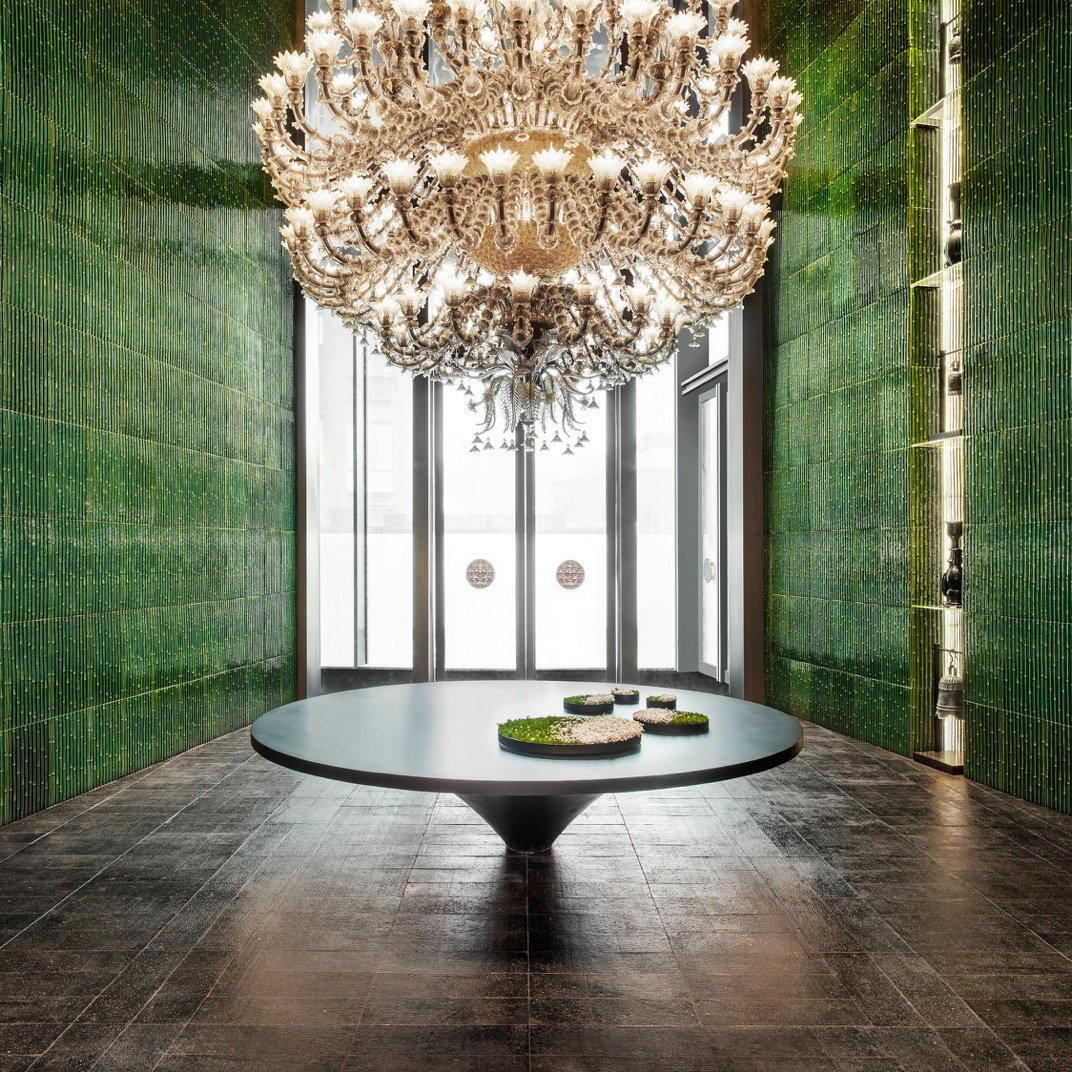
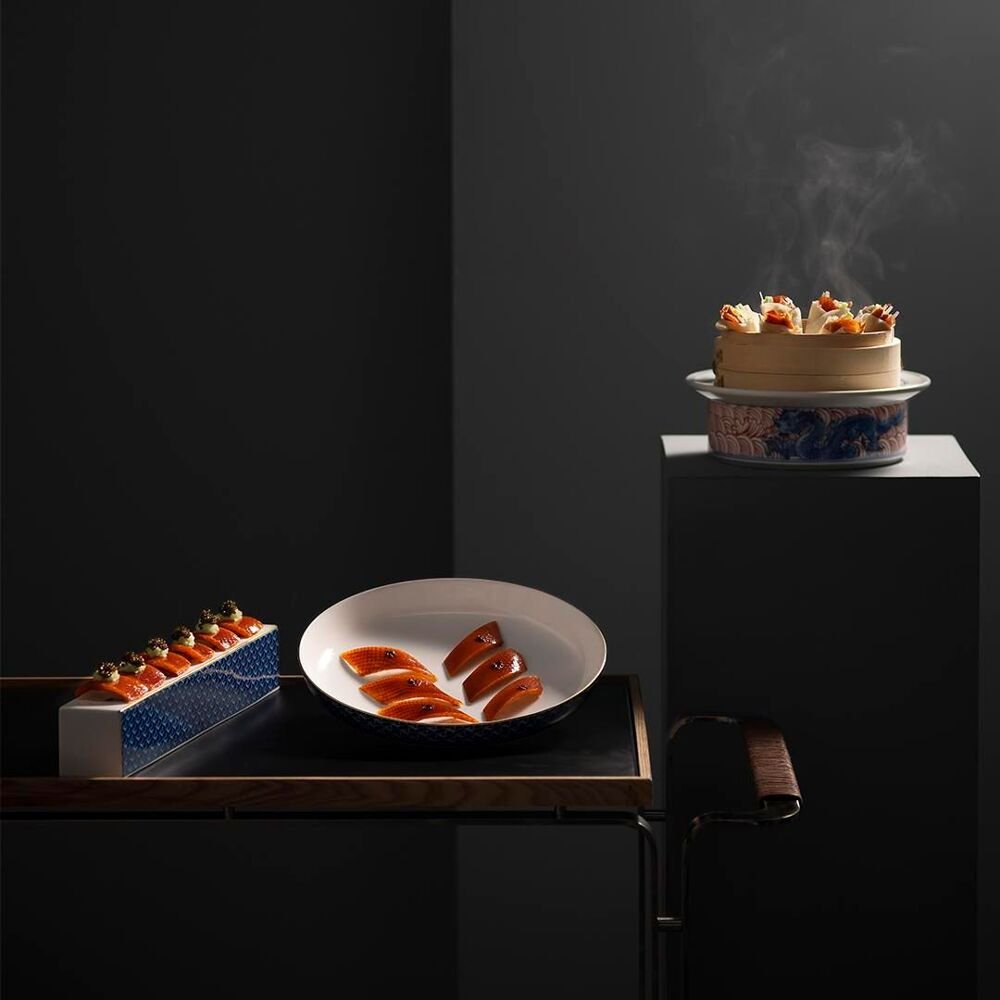
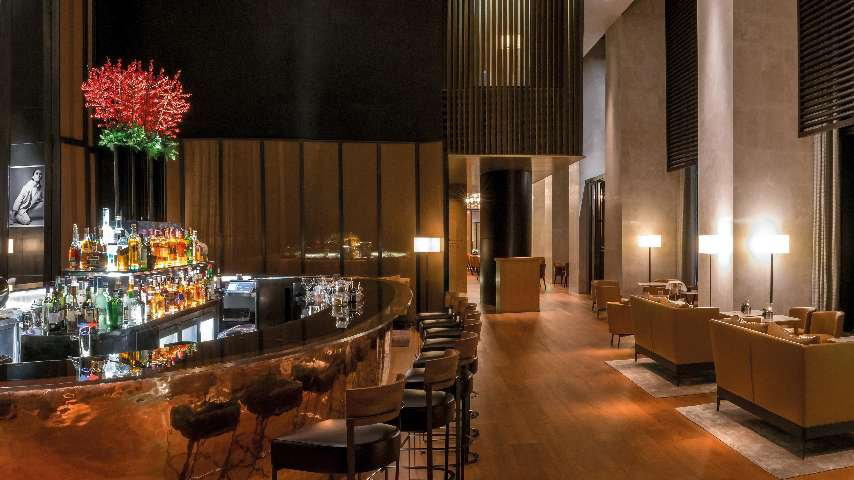
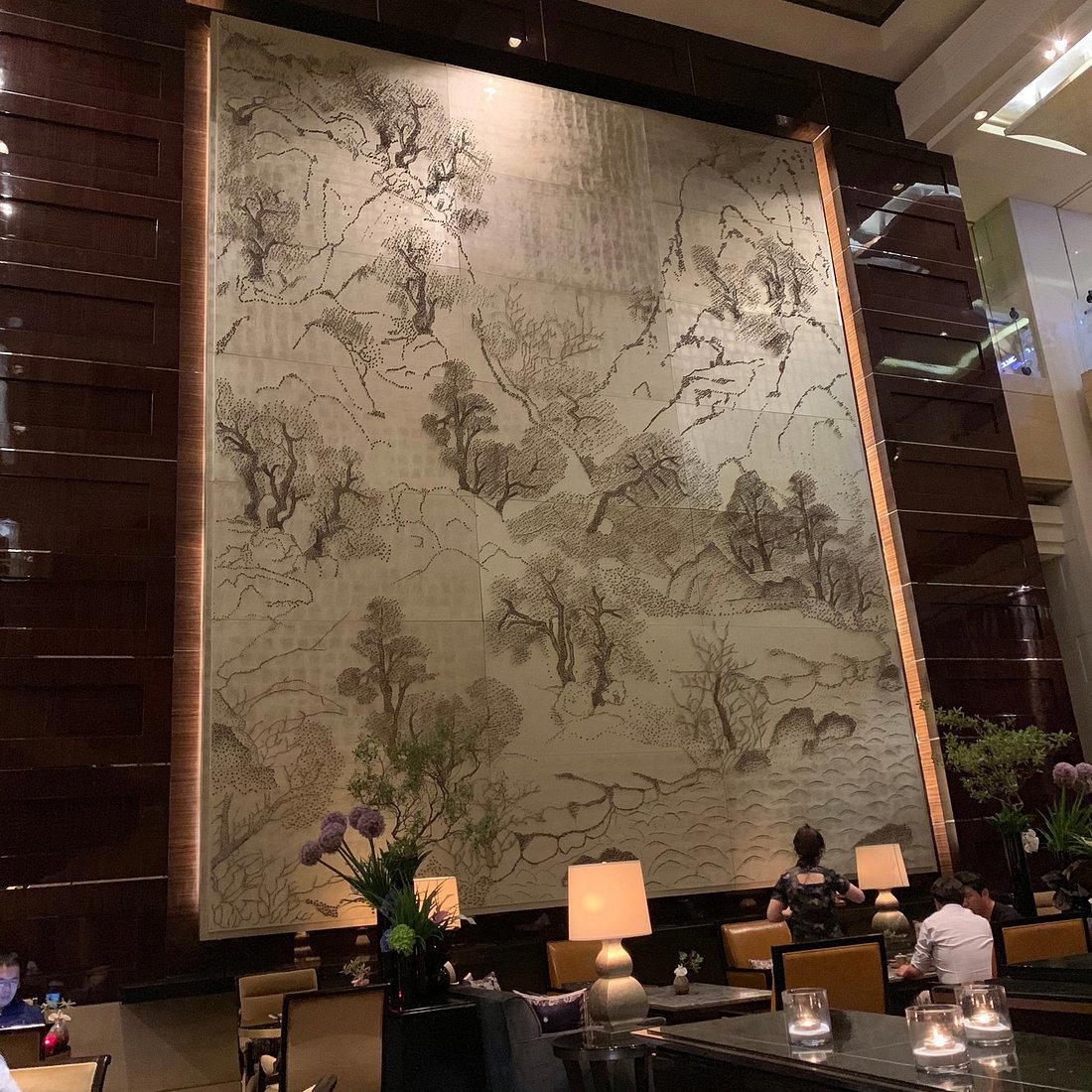
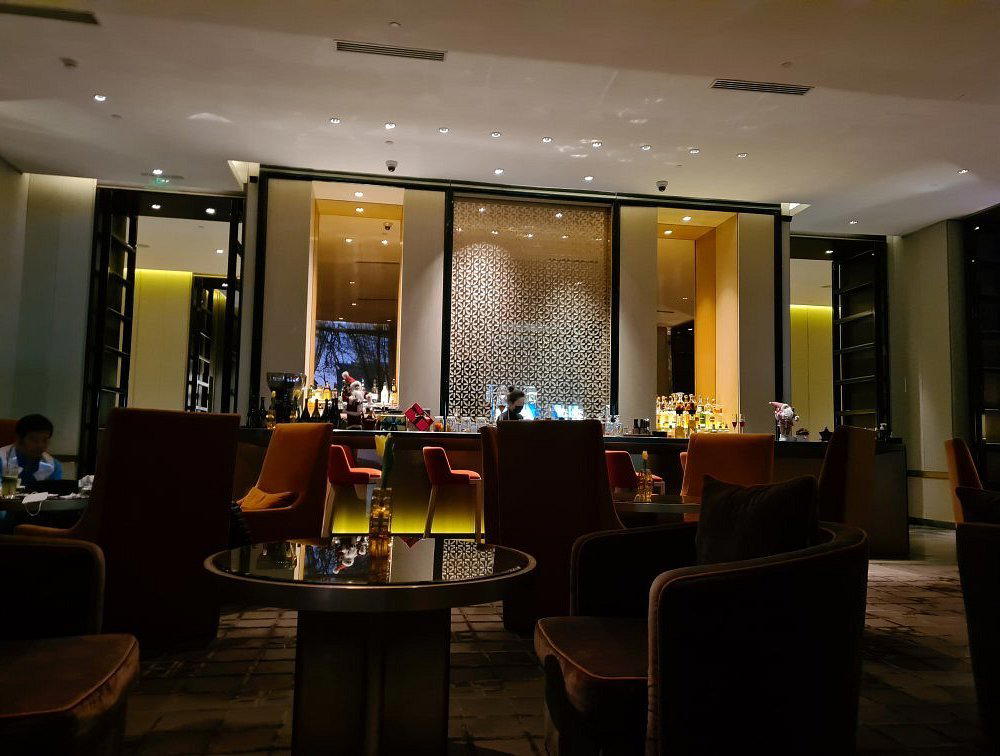
Ornate space with muted colors, stone, plaster, velvet, metals, curved walls, swan motifs, chandelier with cascading feathers; serene by day, mysterious by night with garden views.