




Positioned at the intersection of WangFuJing and WuSi Streets, The PuXuan Hotel and Spa occupies a purpose-built cube by German architect Ole Scheeren atop the Guardian Art Centre, with 116 rooms overlooking Forbidden City rooftops. A Leading Hotels of the World member rated 94 points by La Liste (2026), it operates under Urban Resort Concepts alongside Shanghai's PuLi, with starting rates from $368 per night.
Pearl is the En Primeur Club membership app — saves, bookings, and concierge access live there. Same editors, same standards.
- Address
- No.1 WangFuJing Street, 东城区100006
- Phone
- +86 10 5393 6688
- Website
- thepuxuan.com
- Directions
- Get directions
 Saves & bookings on Pearl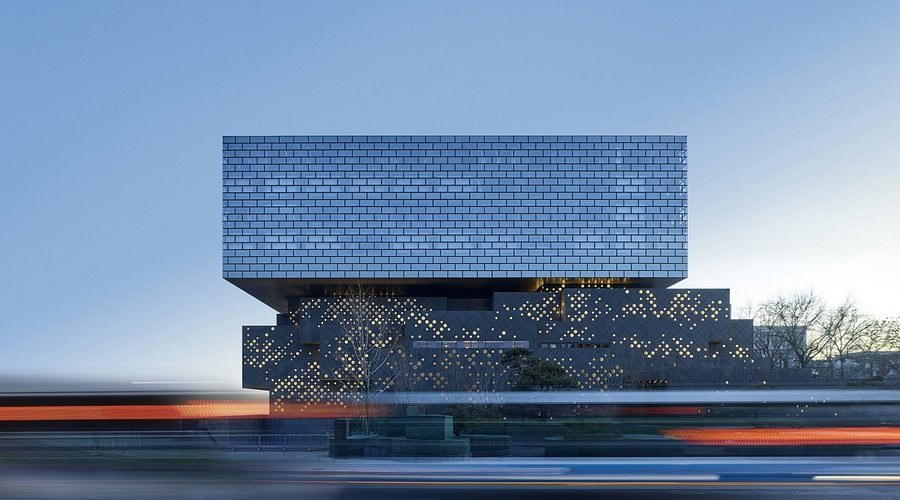
Where WangFuJing Meets a Different Kind of Beijing Luxury
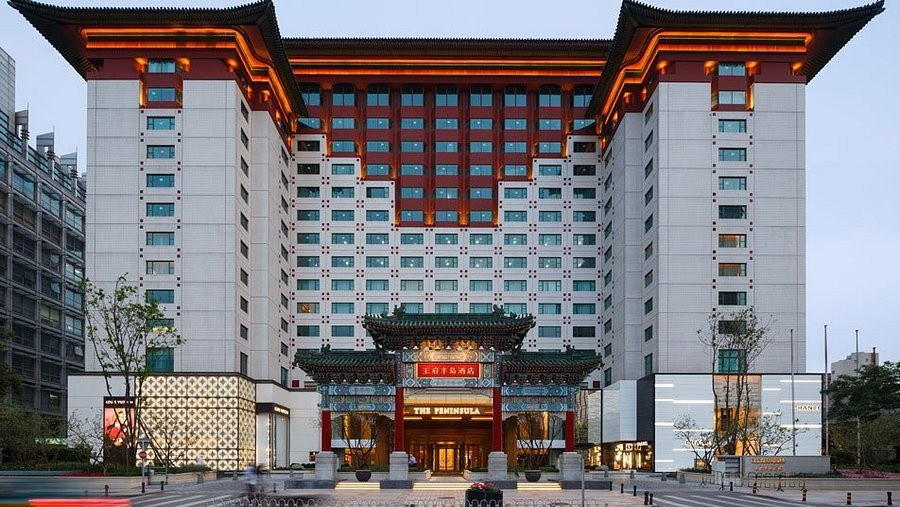
The PuXuan Hotel and Spa is a five-star hotel in Beijing’s Wangfujing district, with 1 Michelin Key and rooms from about $300 per night. Standing at the corner of WangFuJing Street and WuSi Street, Beijing's most trafficked retail corridor, The PuXuan Hotel and Spa makes its case through architecture before a guest ever steps inside. The building, a compact and deliberate cube designed by the Berlin-based Ole Scheeren, reads as a formal object in a neighborhood that has accumulated layers of commercial signage and historical weight in equal measure. Scheeren's office approached the commission as a problem of counterpoint: the structure pays deference to its surroundings without replicating them, a position that has become increasingly difficult to hold in a capital city where new luxury towers tend toward either aggressive modernism or nostalgic pastiche.
That calibration matters because WangFuJing is not a neighborhood where hotels arrive quietly. The Forbidden City sits within walking distance to the west, Tiananmen Square is roughly fifteen minutes on foot, and the National Art Museum of China anchors the immediate vicinity. A hotel opening here was entering a conversation about what contemporary luxury means in proximity to the symbolically loaded district in China. The PuXuan answered by sitting atop the Guardian Art Centre, one of Beijing's primary auction houses, and integrating that relationship into how it functions as a property.
The Architecture of Reinvention: URC's Beijing Chapter
Urban Resort Concepts built its reputation on the Shanghai luxury market through PuLi Hotel and Spa, a property that demonstrated the group's commitment to low-key density: a focused room count, a coherent design philosophy, and a service model built around what they term "hostmanship." The PuXuan represents the evolution of that model into a harder context. Beijing's luxury hotel sector had already accommodated large-scale flagship properties from international groups, including the Bvlgari Hotel Beijing, the Aman Summer Palace, and the China World Summit Wing. Entering that set required a differentiated position, and URC's answer was to plant the property inside a working cultural institution rather than adjacent to one.
The Guardian Art Centre connection is not incidental to the guest experience. In-room safes at PuXuan are intentionally oversized, a detail that reflects an understanding that the auction house below attracts collectors whose acquisitions may require more than a standard jewelry safe. The hotel's art program was curated in collaboration with the Centre, meaning the works in corridors and public spaces carry the provenance and institutional credibility of a functioning marketplace, not a procurement team's decorating budget. These are the kinds of details that sustain positioning over time.
Inside the Property: Dining, Lounge, and Spa as Distinct Programs
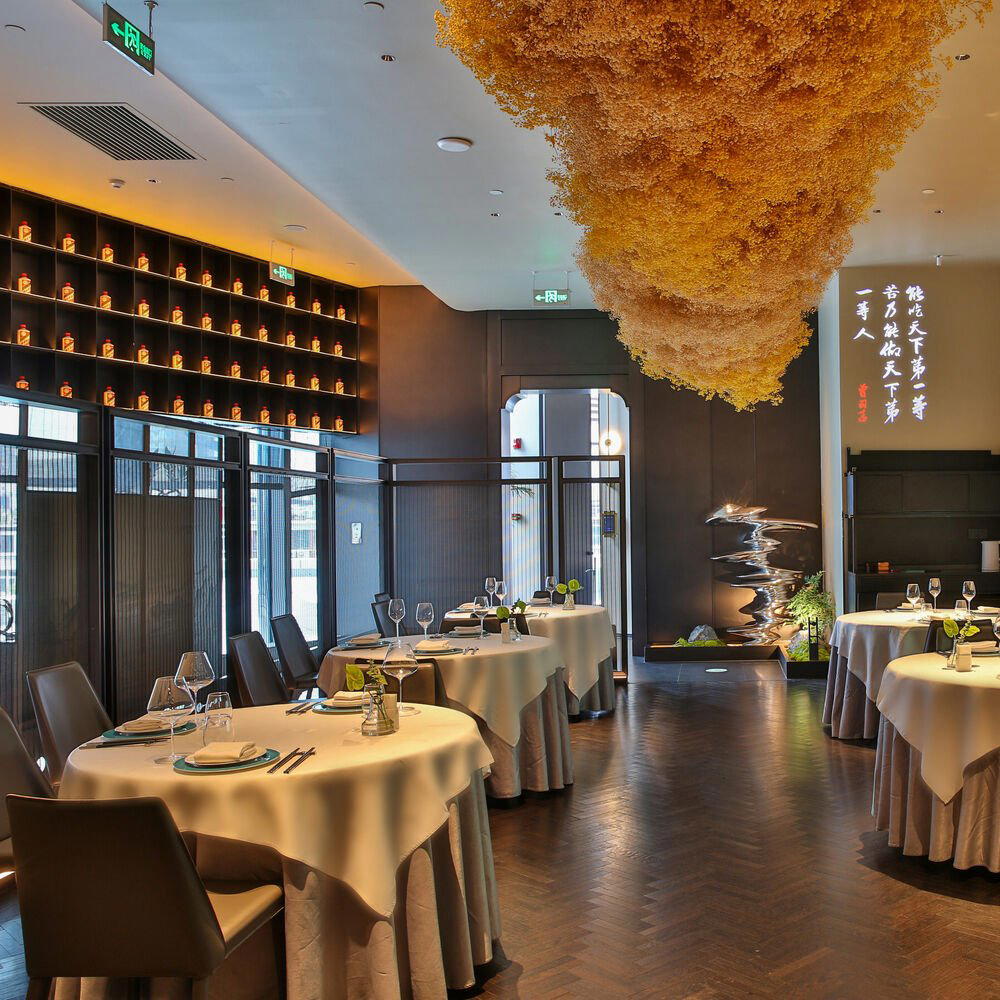
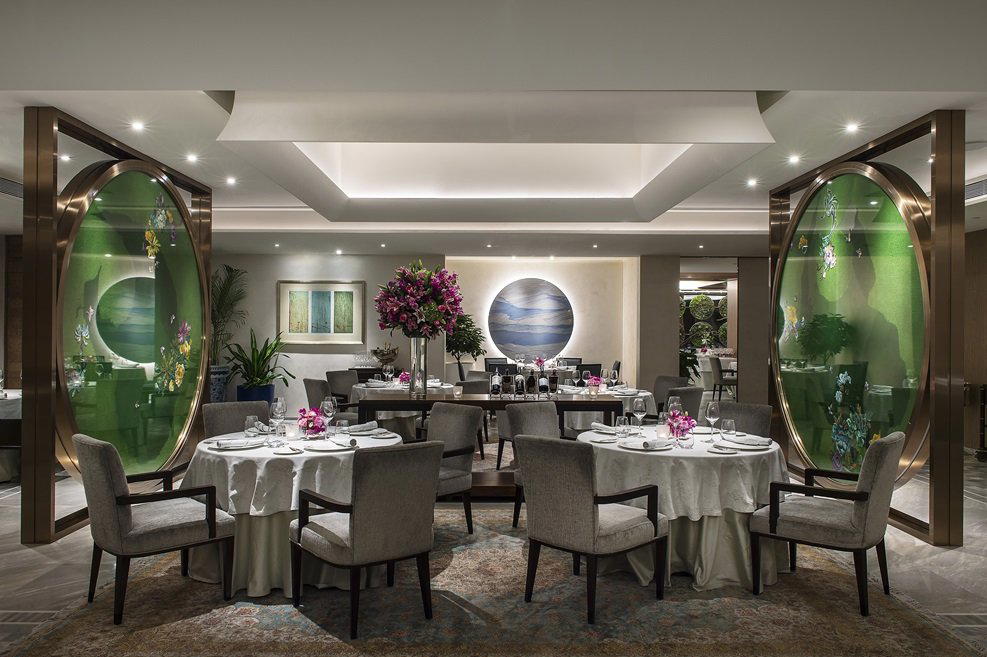
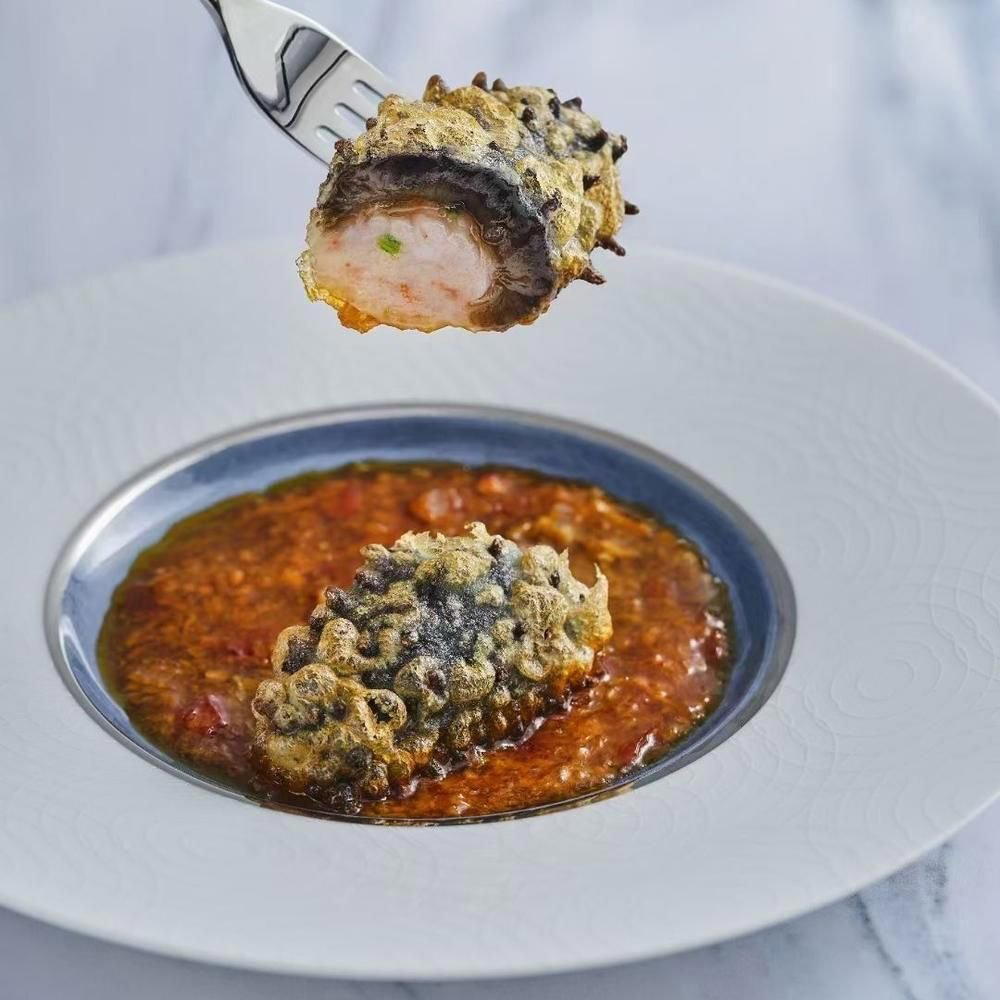
Luxury hotels in Beijing's upper tier increasingly justify their rates through the breadth and quality of in-house programming. The PuXuan runs two restaurants at meaningfully different registers. Rive Gauche operates as a French all-day dining room, with dishes including burgundy snails, foie-gras-stuffed chicken, and a cheese selection that signals a considered European pantry. Fu Chun Ju moves in the opposite direction, serving braised fish head soup, pan-fried prawns, and traditional Cantonese preparations that reflect Southern Chinese technique rather than the northern cuisine that Beijing's own culinary tradition might lead guests to expect. Running a credible Cantonese program in Beijing is a deliberate statement: it broadens the hotel's dining relevance beyond its postcode.
The Tea Room adds a third register. Longjing is the anchor offering, but the space functions as both a retail point and an educational environment, with a tea lab available for guests who want structured engagement with the sourcing and preparation of what they are drinking. In a city where tea culture carries the same historical weight as the monuments visible from the upper floors, this is a more substantive commitment than a lobby tea service.
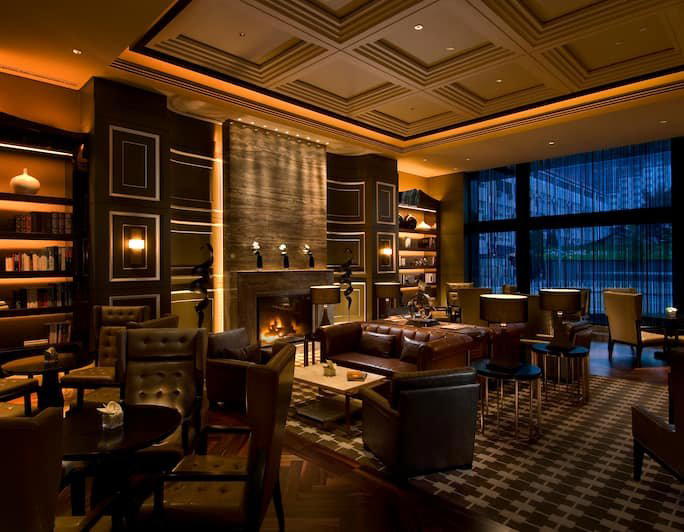
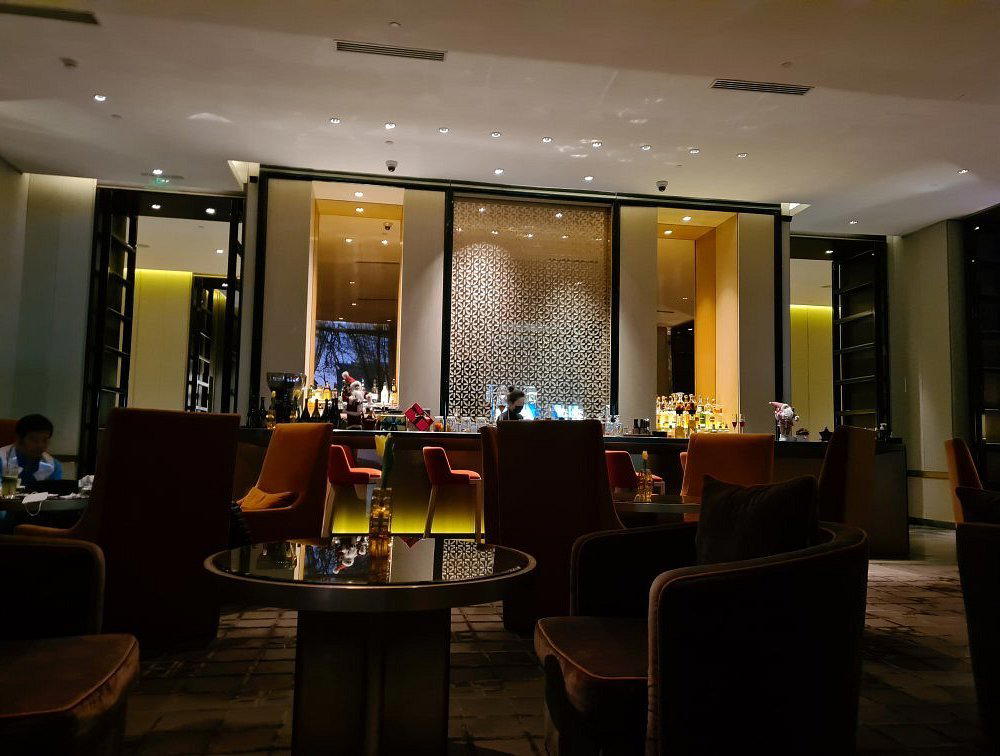
The PuXuan Club occupies the eighth floor as a lounge with a library, outdoor terrace, kitchen, and dining room. Spaces like this have become a standard feature of the upper tier across Beijing's premium hotel set, but their quality varies considerably. Ur Spa completes the in-house offer with a treatment roster that spans contemporary collagen therapies and time-of-day body rituals, a framing that positions modern dermatological treatments alongside traditional healing rhythms rather than treating them as competing philosophies.
Rooms and the Forbidden City View
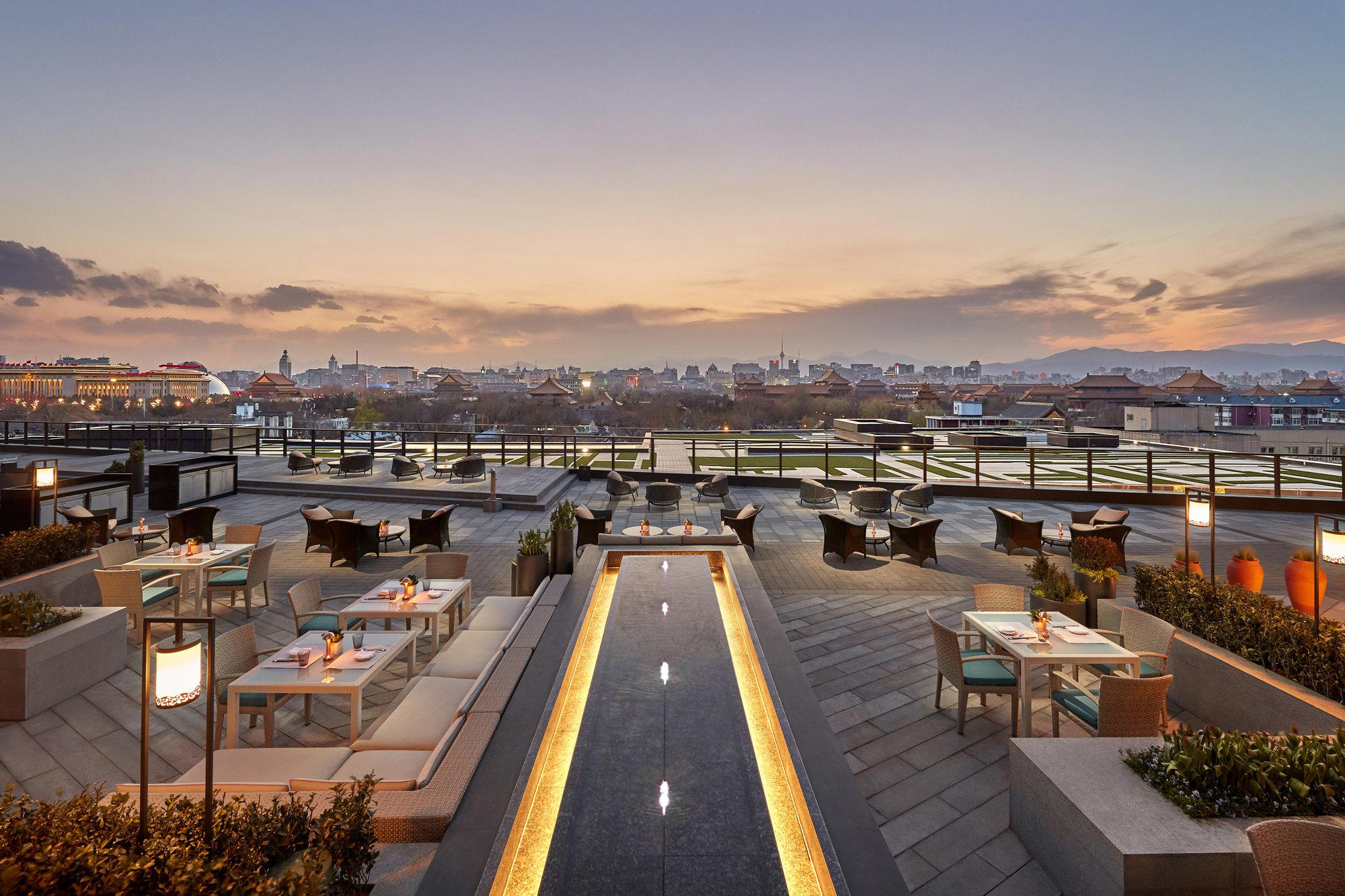
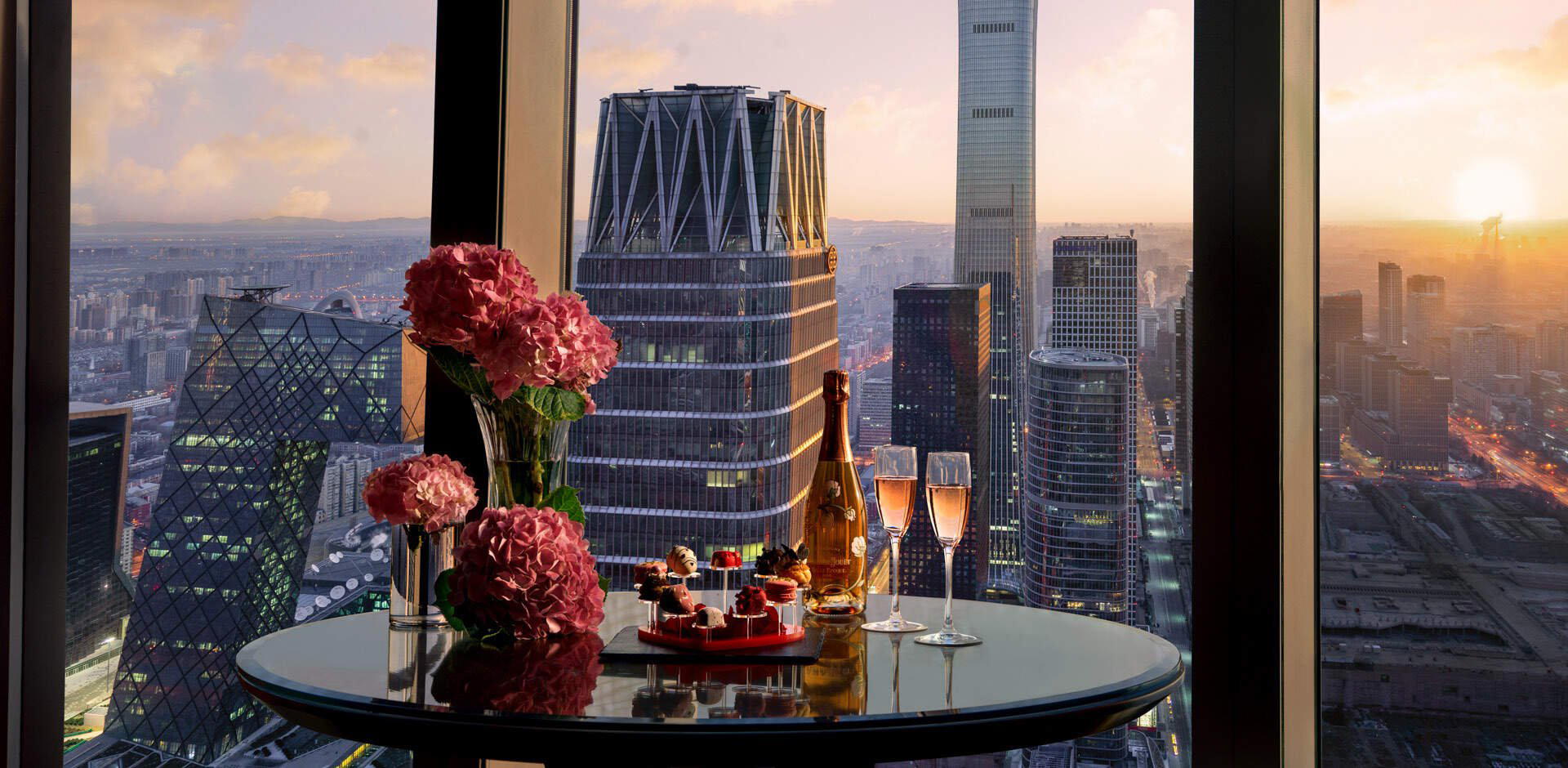
With 116 rooms across its inventory, The PuXuan sits at a more intimate scale than the large convention-oriented properties that anchor Beijing's business hotel sector. The room categories step up in square footage and included services as the grade increases, but the Grand Room and Grand Deluxe tiers carry a specific argument: glass-framed views across old Beijing neighborhoods and Forbidden City rooftops that no amount of additional floor space at a higher category would improve. The visual access to that particular skyline is the room's primary credential, and those categories deliver it without the premium pricing of the upper suites.
The "hostmanship" principle that URC applies across its properties means that breakfast, laundry service, and a stocked minibar are complimentary for all guests, not reserved for suite-level bookings. This is a structurally different position from most luxury hotels in the city, where these services are tiered or sold separately, and it changes the calculus of which room to book when comparing total cost of stay.
Getting There and Navigating Beijing From This Address
The WangFuJing address positions guests within easy walking range of the Forbidden City, the National Art Museum of China, and the commercial density of the shopping district itself. Rates start from about $300 per night.
Budget Reality Check
Comparable venues nearby, for context on price, style, and recognition.
| Venue | Price | Awards | Notes |
|---|---|---|---|
| The PuXuan Hotel and SpaThis venue — the venue you are viewing | $$$$ | Michelin 1 Key | Not listed |
| Regent Beijing | $$$$ | Michelin 1 Key | Chaoyangmen, Classic yet contemporary luxury hotel blending imperial grandeur with modern refinement. |
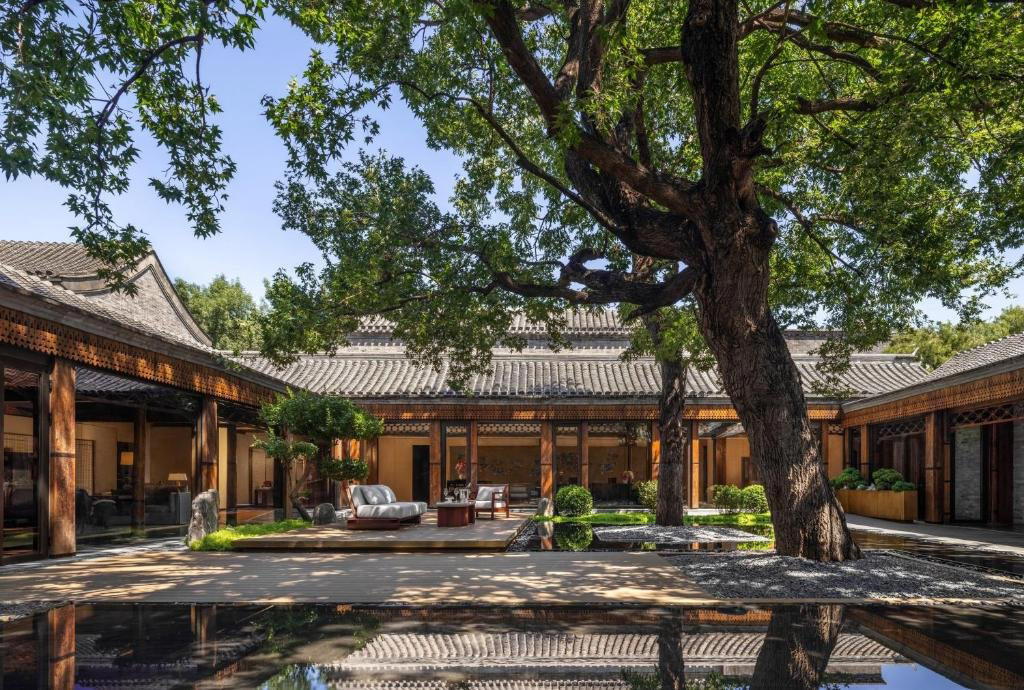
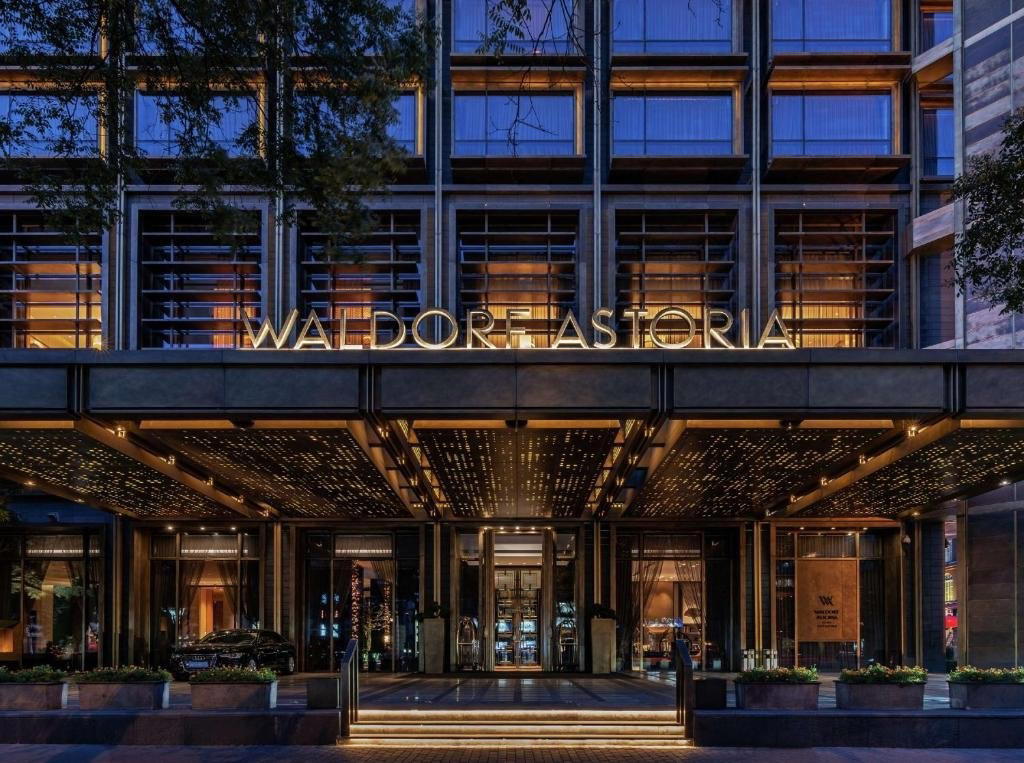
| Waldorf Astoria Beijing | $$$$ | Michelin 1 Key | Chaoyangmen, Luxury heritage hotel inspired by traditional Hutong courtyards in a modern setting. |
| The Peninsula Beijing | $$$$ | Michelin 1 Key | Chaoyangmen, Imperial elegance meets modern luxury all-suite sanctuary |
| Shangri-La Shougang Park, Beijing | $$$$ | Michelin 1 Key | Shijingshan, Contemporary luxury hotel integrated into a repurposed industrial landmark, blending heritage preservation with modern Asian hospitality and sustainability. |
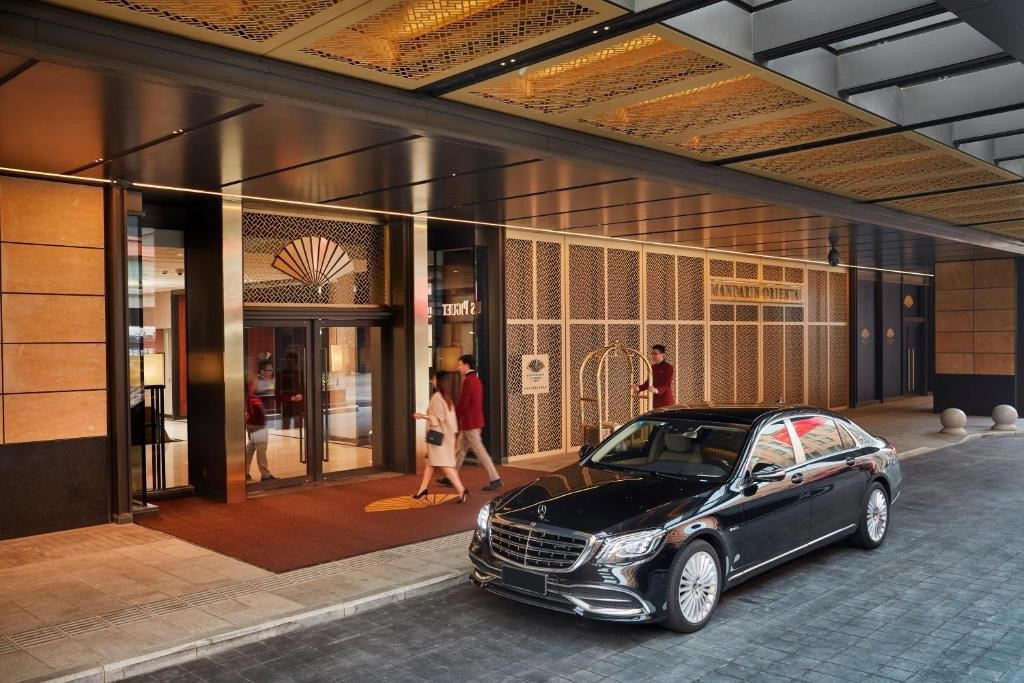
| Mandarin Oriental Wangfujing, Beijing | $$$$ | Michelin 1 Key | Wangfujing, Contemporary residential luxury with classic Chinese elements |
Recognition history
Dated appearances from independent guides and award organizations, with the underlying list record or original source where available.
Forbes Recommended
Forbes
La Liste Top Hotels
La Liste
Virtuoso Luxury Hotel Partner
Virtuoso
Forbes Recommended
Forbes
Leading Hotels of World Member
Leading Hotels of World
Michelin 1 Key
Michelin
At a Glance
- Modern
- Elegant
- Sophisticated
- Quiet
- Intimate
- Romantic Getaway
- Business Trip
- Wellness Retreat
- Historic Building
- Panoramic View
- Destination Spa
- Spa
- Pool
- Fitness Center
- Wi Fi
- Room Service
- Concierge
- Restaurant
- Skyline
- Spa
- Pool
- Fitness Center
- Wi Fi
- Room Service
- Concierge
- Restaurant
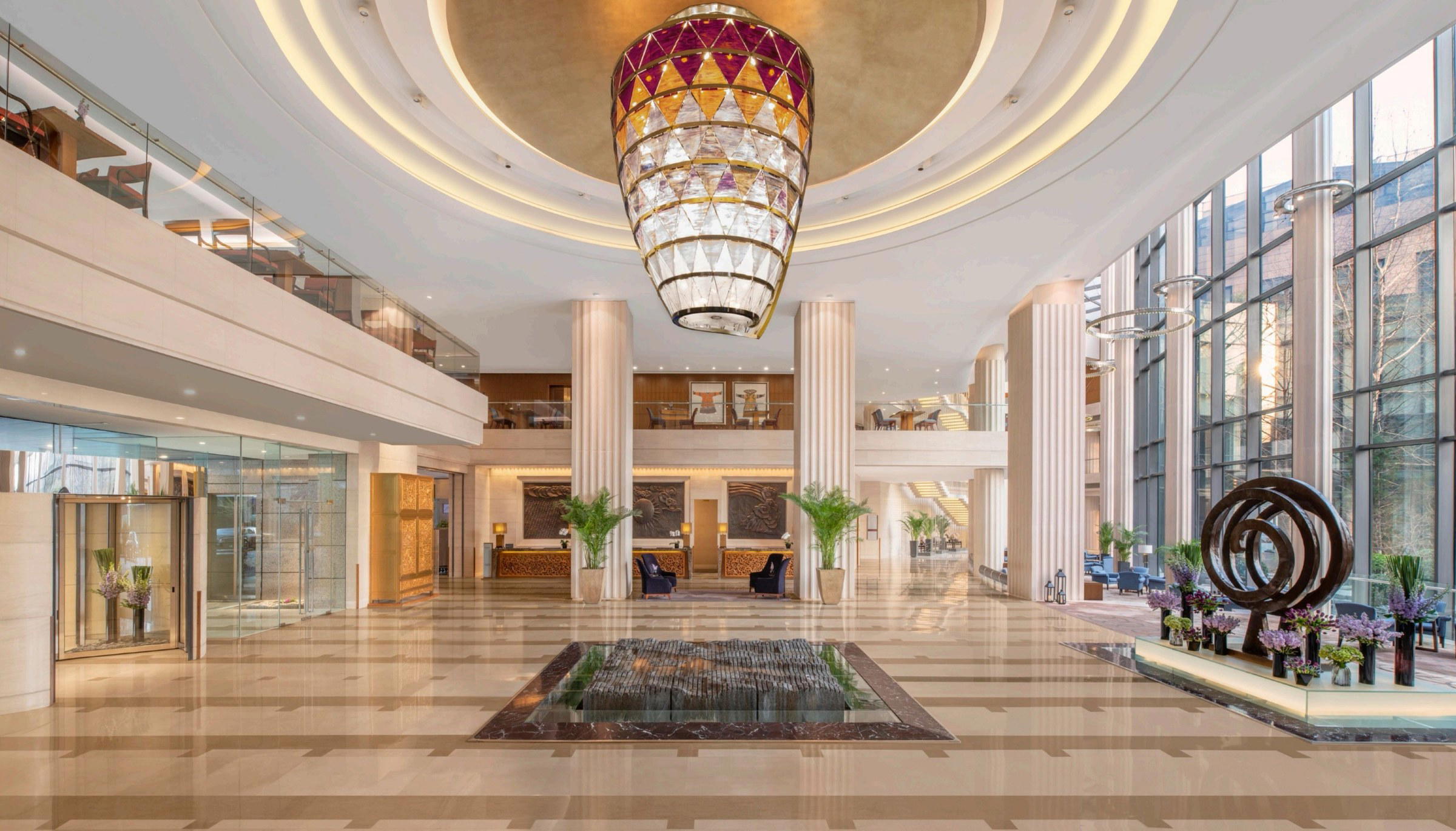
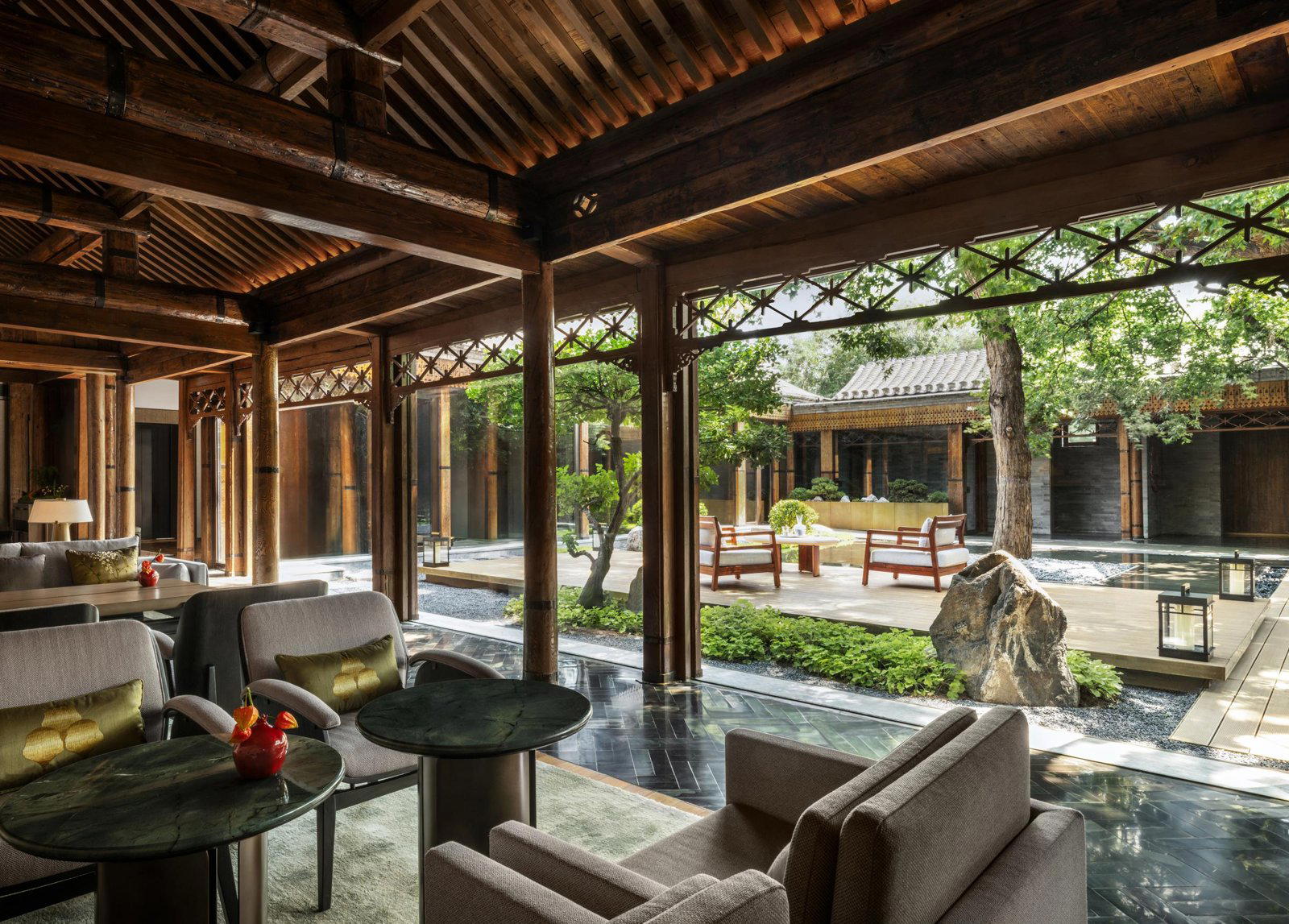
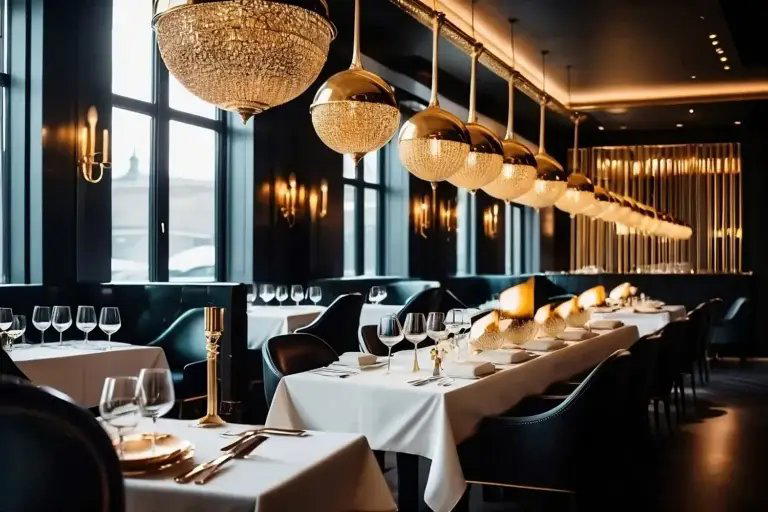
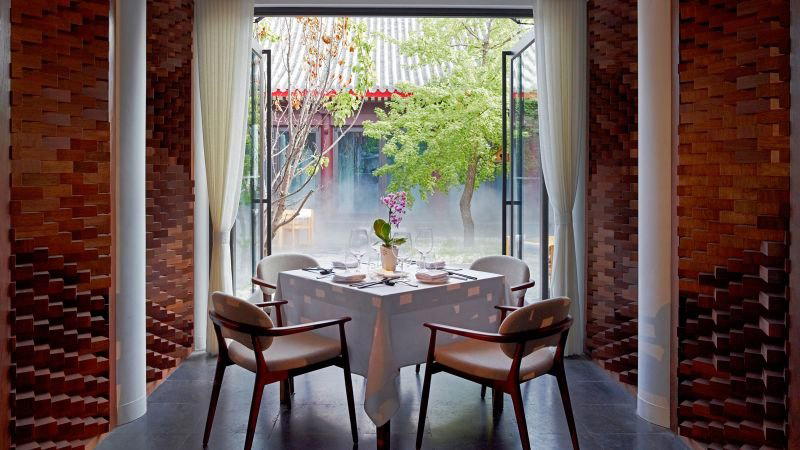
Serene and minimalist with warm wooden tones, bright spacious rooms featuring soundproofing, and a relaxing lobby lounge atmosphere.