
Michelin Bib Gourmand
Our verdict
Tong He Ju (Yuetan South Street) puts Beijing’s Shandong dining ritual in a practical, mid-priced frame: shared plates, wheat-based staples, and a meal structure built for groups rather than performance. Its Michelin Bib Gourmand recognition in 2024 and 2025 places it among the city’s value-led addresses for regional Chinese cooking.

Pearl is the En Primeur Club membership app — saves, bookings, and concierge access live there. Same editors, same standards.
- Address
- China, Beijing, Xicheng District, Yuetan S St, 月坛南街甲71-5 邮政编码: 100045
- Phone
- +86 10 6852 2917
- Hours
- Daily 10 AM–2 PM, 4:30–9:30 PM
- Directions
- Get directions
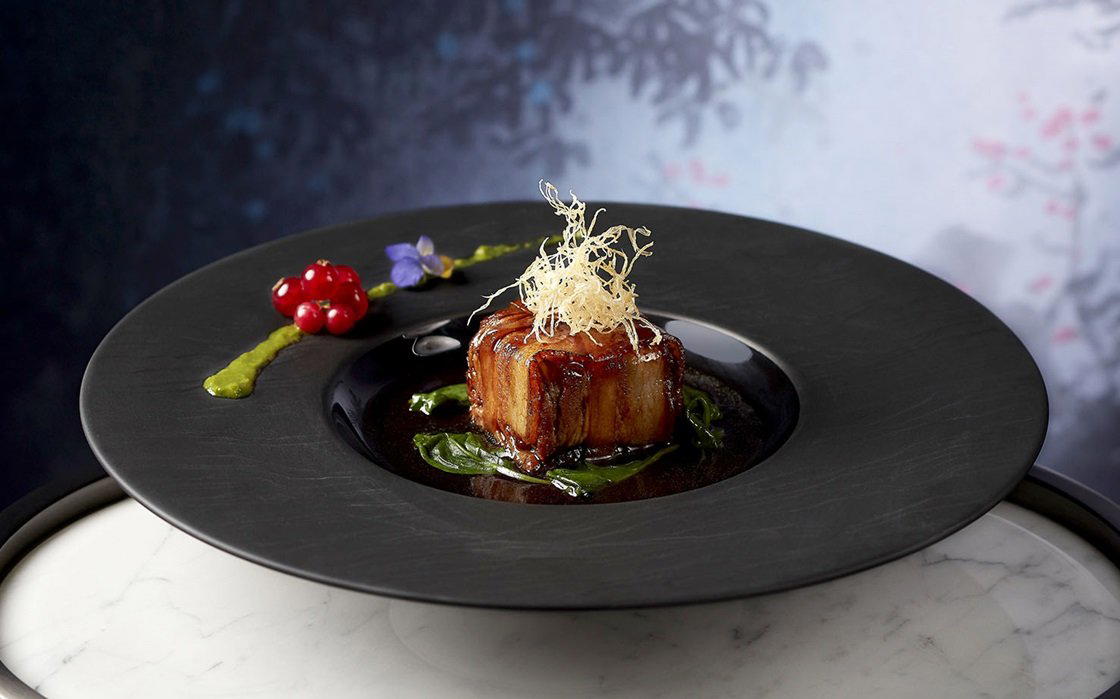
The menu
What to order
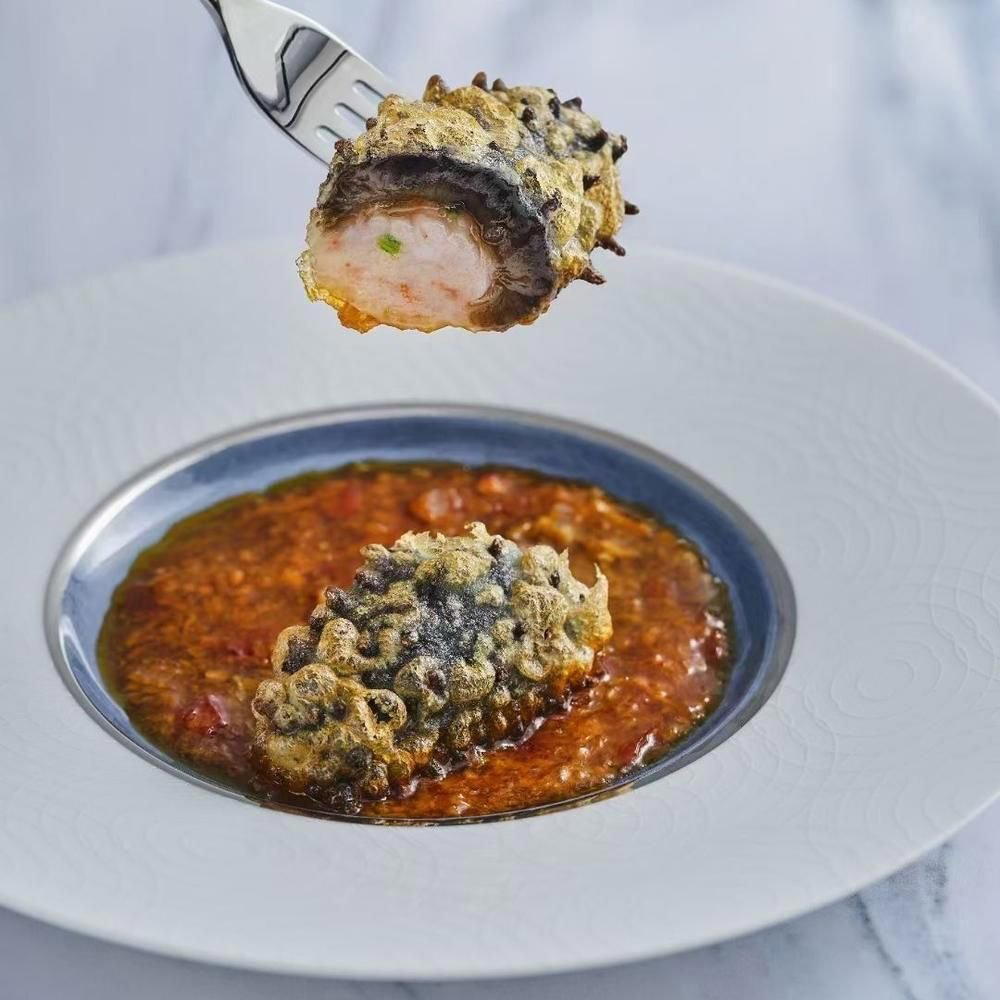
- Braised cuttlefish roe
- Cod fillet in distillers grain sauce
- San bu zhan
Approach a serious shared table in Beijing and the cues are rarely theatrical. The meal announces itself through rhythm: early plates first, larger dishes landing in waves, staples doing quiet work, and a table that makes more sense with four people than two. Tong He Ju (Yuetan South Street) belongs to that older Beijing habit of eating communally, where the point is not a chef’s counter or a tasting-menu reveal, but a sequence of dishes that gives the table room to argue, pour, pause, and return to the same plate twice.
That ritual matters because established dining traditions have long had a different authority in the capital from flashier imported formats. Beijing’s older restaurant culture often reads through pacing, sharing, and a preference for structure over display. The city’s recent dining conversation often rewards spectacle, but this kind of meal remains a test of balance and timing: light against rich, crisp against soft, large-format sharing against individual appetite.
Regional cooking in Beijing is a table sport, not a solo performance
The clearest way to read this restaurant is through format. This style of dining asks for a table that can order across textures and temperatures, then let the meal build rather than peak early. In Beijing, that puts Tong He Ju in a category apart from more theatrical rooms, chain formats, and chef-driven tasting menus. Its Michelin Bib Gourmand recognition in 2024 and 2025 is a useful signal here, not because it turns the meal into fine dining, but because Bib Gourmand awards usually mark restaurants where technique, consistency, and value meet at a level above casual convenience.
The comparison inside Beijing is narrow but instructive. Lu Style (Anding Road) gives travellers another recognised point of reference, so the decision is less about chasing a single famous table than choosing the occasion and mood. One meal may read as a more polished spend; the other is closer to the everyday shared-table grammar that made this kind of dining durable in the capital. For readers building a Beijing-focused itinerary, other local dining rooms can add context, while the wider city picture is easier to scan through Our full Beijing restaurants guide.
Beijing also complicates restaurant identity because local dining habits absorb outside influences quickly. A meal here does not need to announce itself with nostalgia. It can function as a weekday business lunch, a family gathering, or a practical dinner after errands. That flexibility is part of the appeal. The better question is not whether the room feels ceremonial, but whether the table can sustain a meal with range: a few opening plates, a central shared dish, vegetables, and a staple to close the loop.
The Beijing context: set pieces, regional rooms, and the value of restraint
Dining in Beijing is often judged against better-known capital dining scripts, which can have clearer centrepieces and a more legible sense of occasion. Other Beijing dining rooms may lean harder into performance, setting, or signature dishes. Tong He Ju (Yuetan South Street) operates differently. It does not rely on a single carved spectacle or one defining plate. Its pleasures come from ordering discipline and the table’s ability to balance the meal.
That difference is why Bib Gourmand status is more meaningful than it first appears. In a city with luxury hotel dining, banquet rooms, and destination restaurants, a recognised value address points to a specific reader use case: a meal that rewards knowledge of shared dining customs without requiring a luxury production. The repeated Bib Gourmand listing suggests consistency across more than a single awards cycle, which is especially useful for travellers trying to choose between many plausible Beijing options.
There is a broader context as well. Established dining formats now travel through luxury malls, heritage rooms, chain expansions, and chef-led reinterpretations. EP Club readers following that spread can compare Beijing’s dining scene with other unnamed dining rooms across major cities. These are not interchangeable restaurants; they show how local identity is increasingly curated for travellers who understand that dining is a set of local grammars, not a single universal menu.
How to use this table well
The smart move is to treat Tong He Ju (Yuetan South Street) as a group meal rather than a checklist stop. Communal dining rewards breadth, and breadth needs numbers. Two diners can eat well, but a larger table can order with better logic: something light, something crisp, something richer or sauced, a vegetable, and a staple-based finish. The etiquette is generous but not loose. Dishes arrive for sharing, not personal sequencing, so pacing depends on the table’s restraint as much as the kitchen’s timing.
Because the restaurant works well as part of a flexible Beijing plan, it suits both midday and evening itineraries without forcing the entire day around a single destination. The Beijing location also makes it easy to think of the meal as part of a broader city rhythm rather than an isolated detour. For a full city plan, dining can sit alongside Our full Beijing hotels guide, post-dinner drinking through Our full Beijing bars guide, wine-focused research via Our full Beijing wineries guide, and culture planning through Our full Beijing experiences guide.
The editorial verdict is practical: this is a restaurant for travellers who want Beijing’s shared dining culture without turning dinner into a luxury production. The Bib Gourmand signal and communal format make it more useful than glamorous. That is the point. In a city where high-profile meals can become status exercises, a disciplined shared table offers a different kind of intelligence: order well, share properly, and let the meal gather force through sequence rather than spectacle.
Frequently asked questions
What time does Tong He Ju (Yuetan South Street) open and close?
Opening hours for Tong He Ju (Yuetan South Street) can change, so check the latest schedule directly before visiting.
What part of town is Tong He Ju (Yuetan South Street) in?
Beijing.
Is Tong He Ju (Yuetan South Street) award-winning?
Tong He Ju (Yuetan South Street) has received recognition including: Michelin Bib Gourmand (2025); Michelin Bib Gourmand (2024).
What cuisine category does Tong He Ju (Yuetan South Street) fall under?
Tong He Ju (Yuetan South Street) is a Beijing restaurant best approached as a communal shared-table meal.
Cuisine and Recognition
Comparable venues by cuisine and price in the same metro.
| Venue | Cuisine | Price | Awards | Notes |
|---|---|---|---|---|
| Tong He Ju (Yuetan South Street)This venue — the venue you are viewing | Traditional Shandong Fushan Cuisine | $50–100 | Michelin Bib Gourmand | Not listed |
| Lu Style (Anding Road) | Modern Shandong Seafood | Not listed | 1 Michelin Star · Black Pearl 1 Diamond | Shandong |
Recognition history
Dated appearances from independent guides and award organizations, with the underlying list record or original source where available.
Michelin Bib Gourmand
Michelin
Full recognition history (2 entries)
Michelin Bib Gourmand
Michelin


Details
- Classic
- Cozy
- Historic
- Family
- Business Dinner
- Historic Building
- Local Sourcing
- A La Carte
Current opening hours
- Monday
- 10 AM–2 PM, 4:30–9:30 PM
- Tuesday
- 10 AM–2 PM, 4:30–9:30 PM
- Wednesday
- 10 AM–2 PM, 4:30–9:30 PM
- Thursday
- 10 AM–2 PM, 4:30–9:30 PM
- Friday
- 10 AM–2 PM, 4:30–9:30 PM
- Saturday
- 10 AM–2 PM, 4:30–9:30 PM
- Sunday
- 10 AM–2 PM, 4:30–9:30 PM
Hours can change for holidays and private events. Last verified .
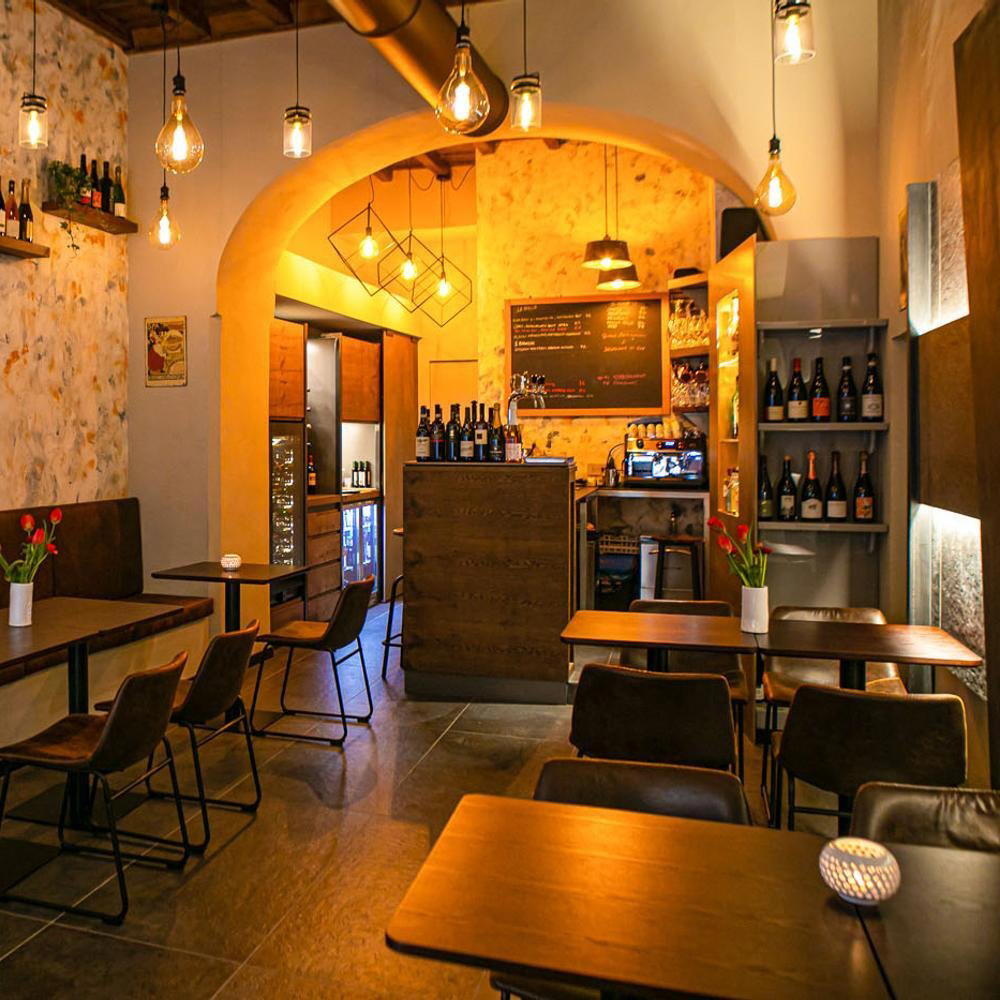
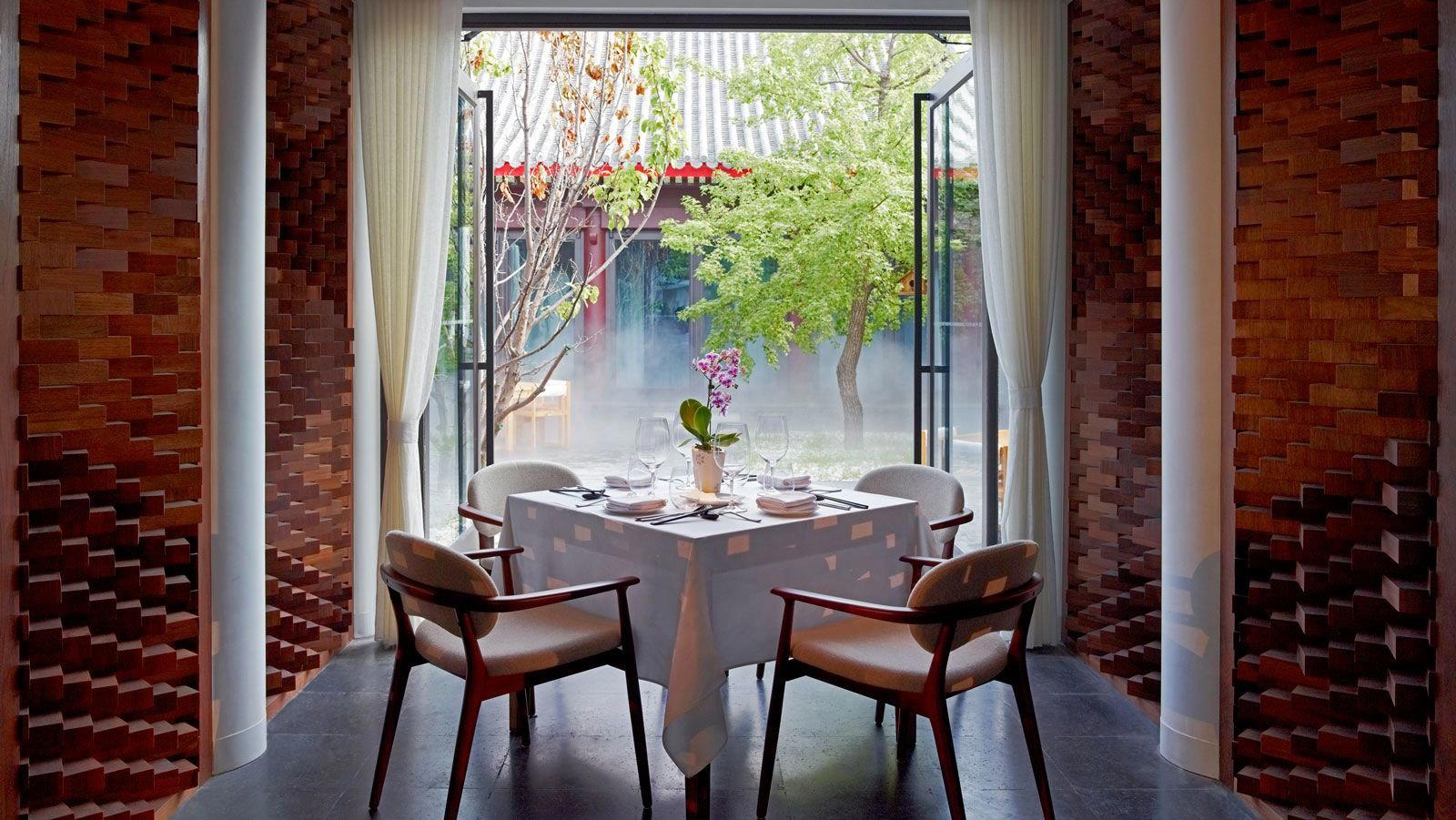
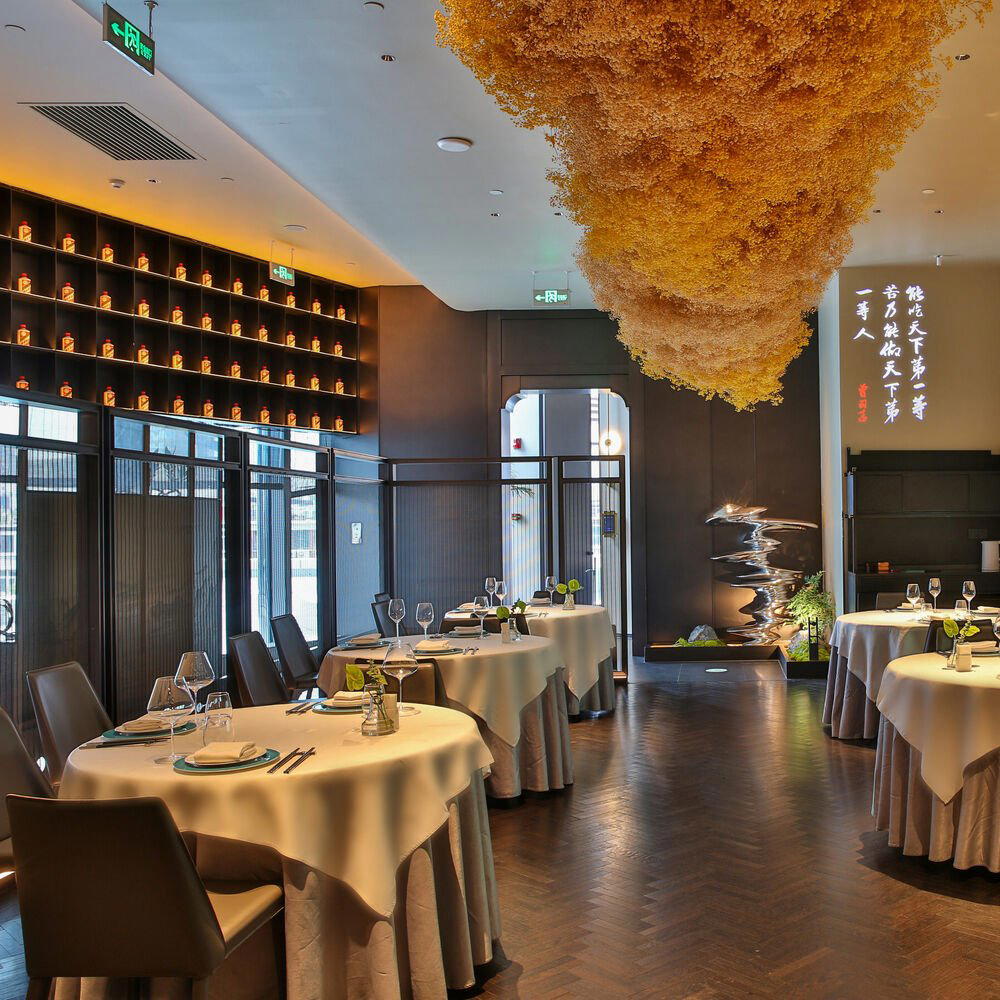
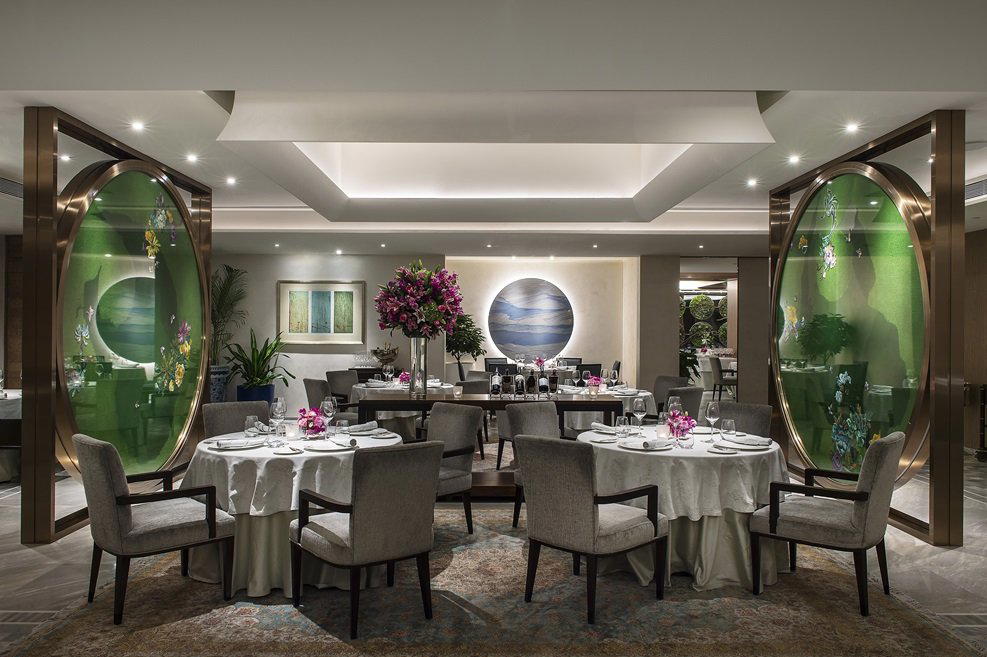
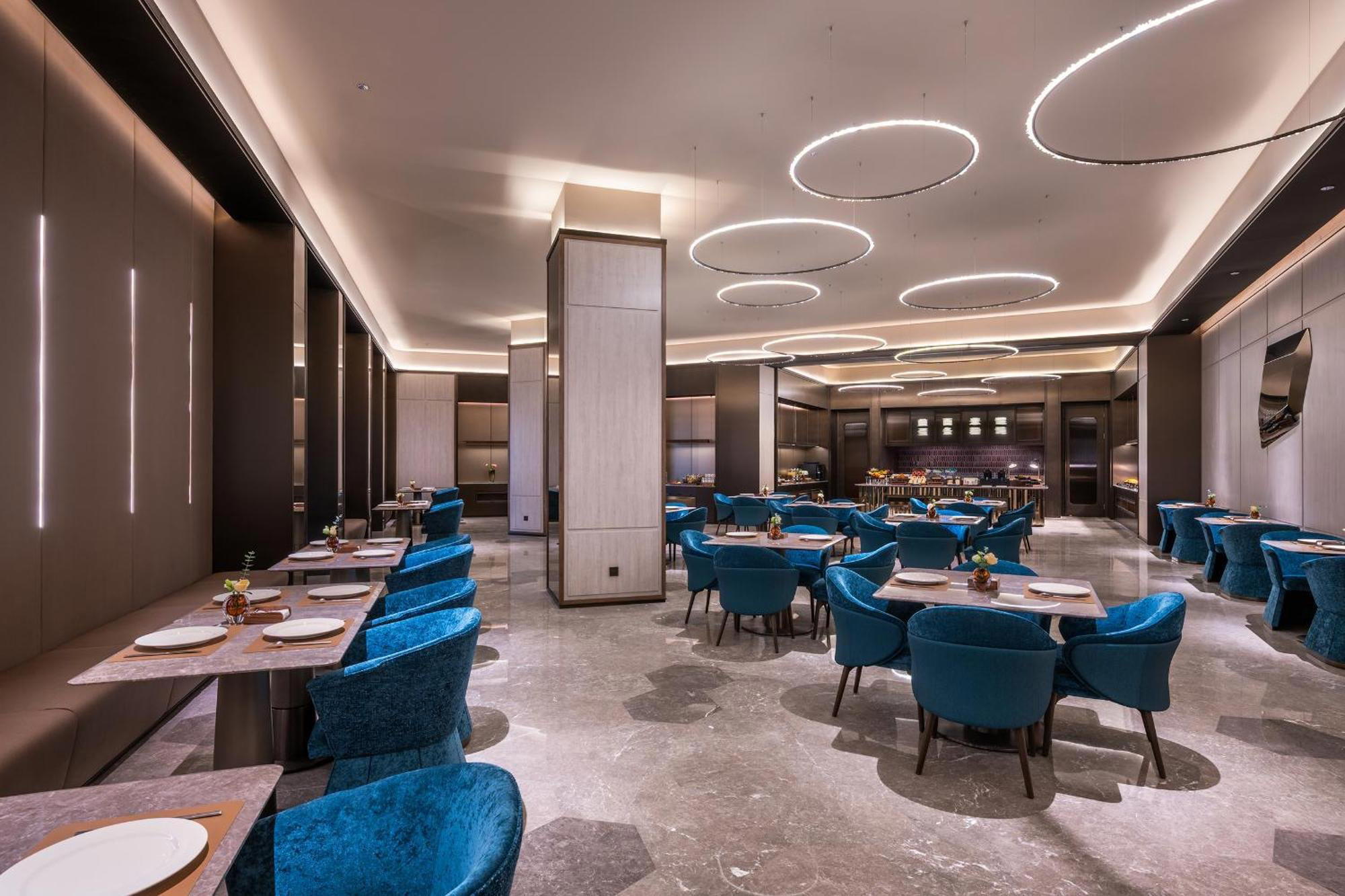
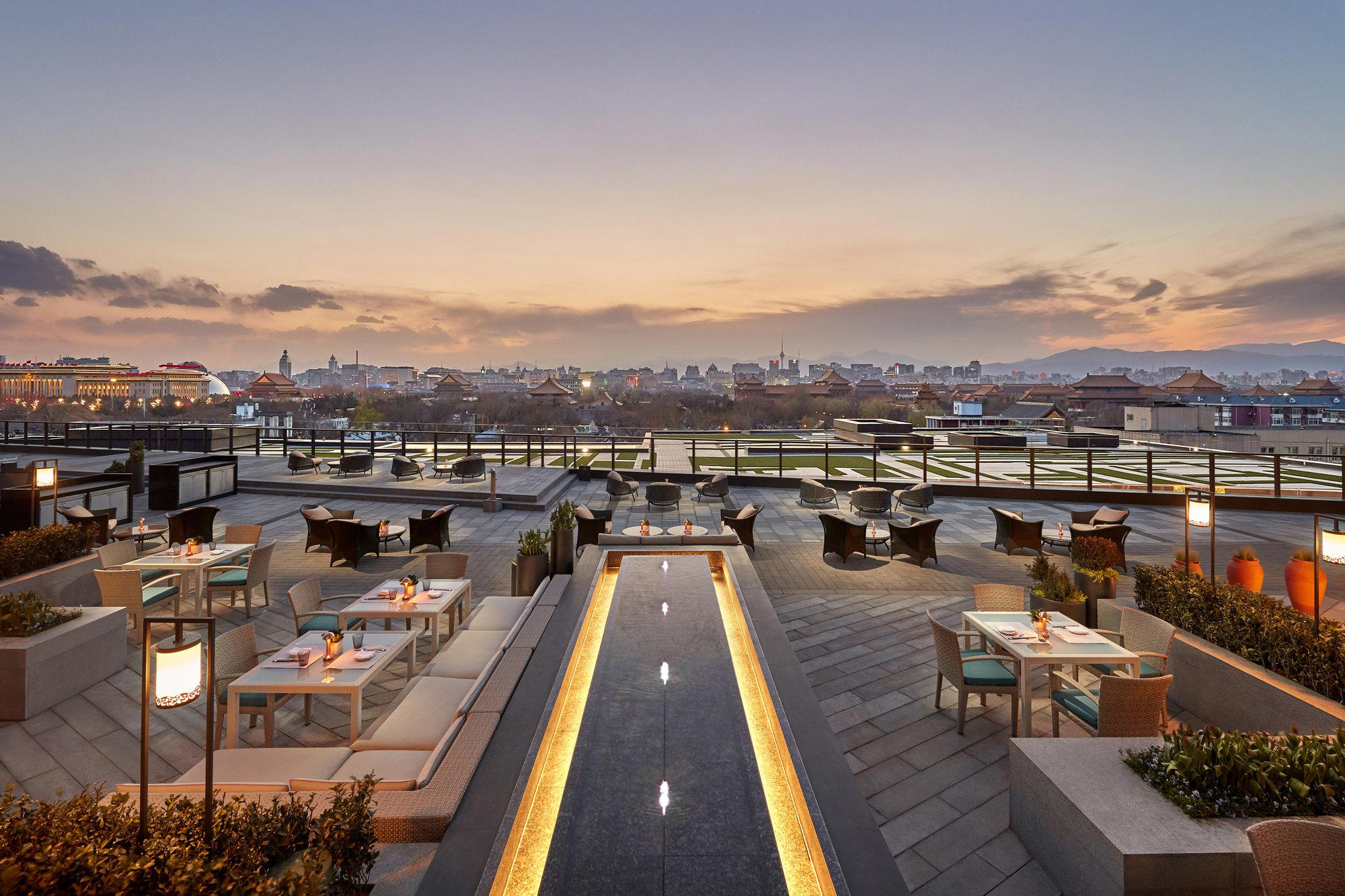
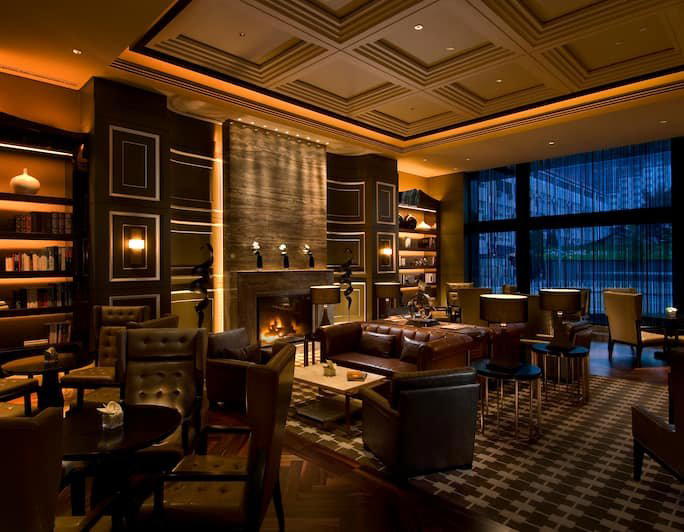
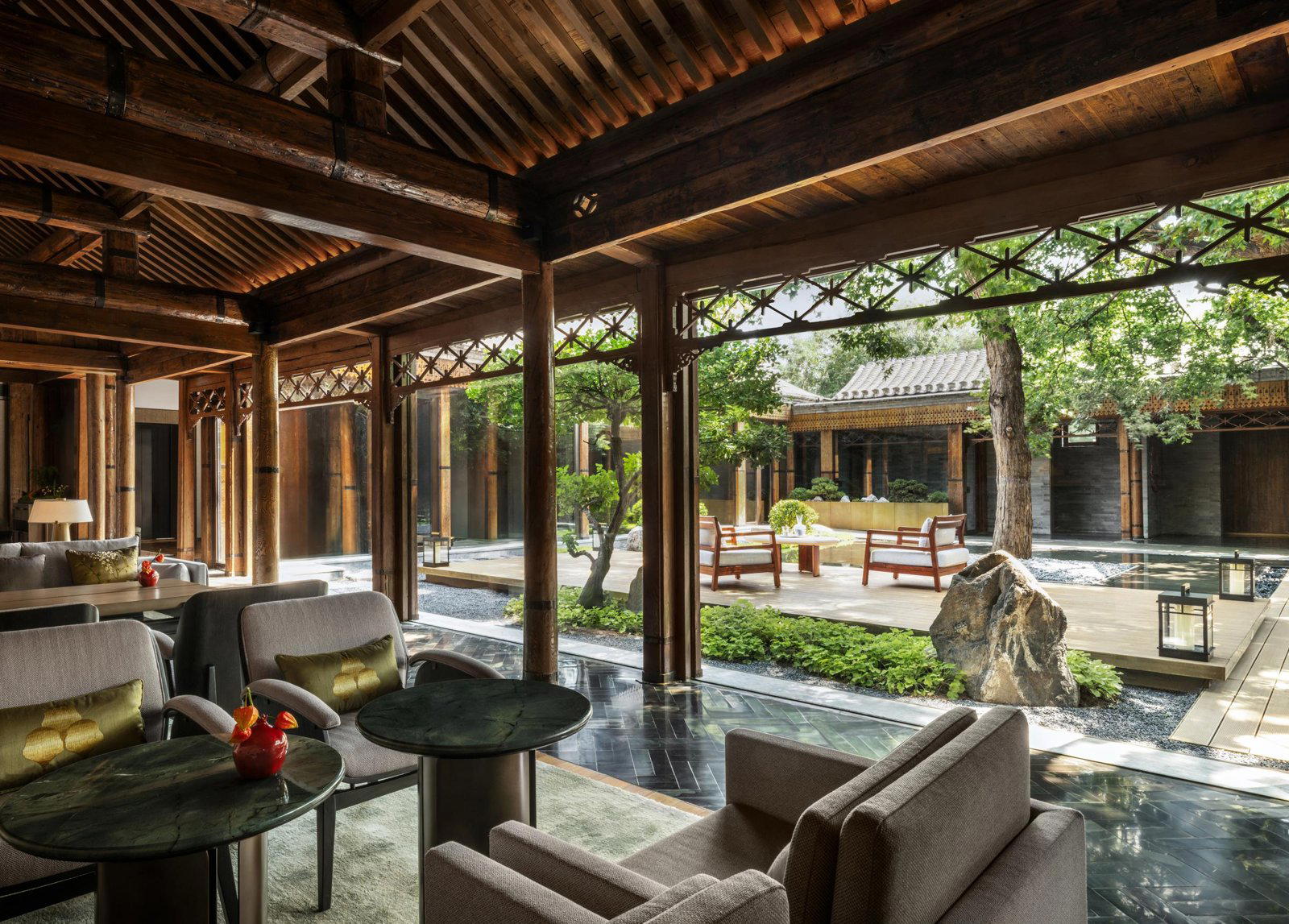
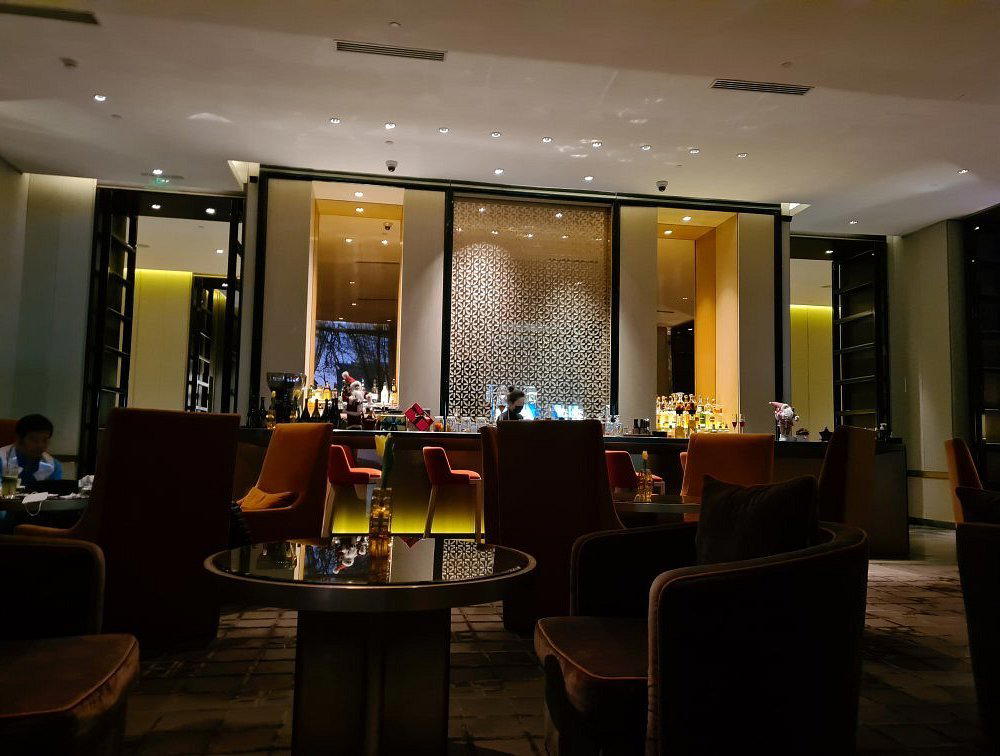
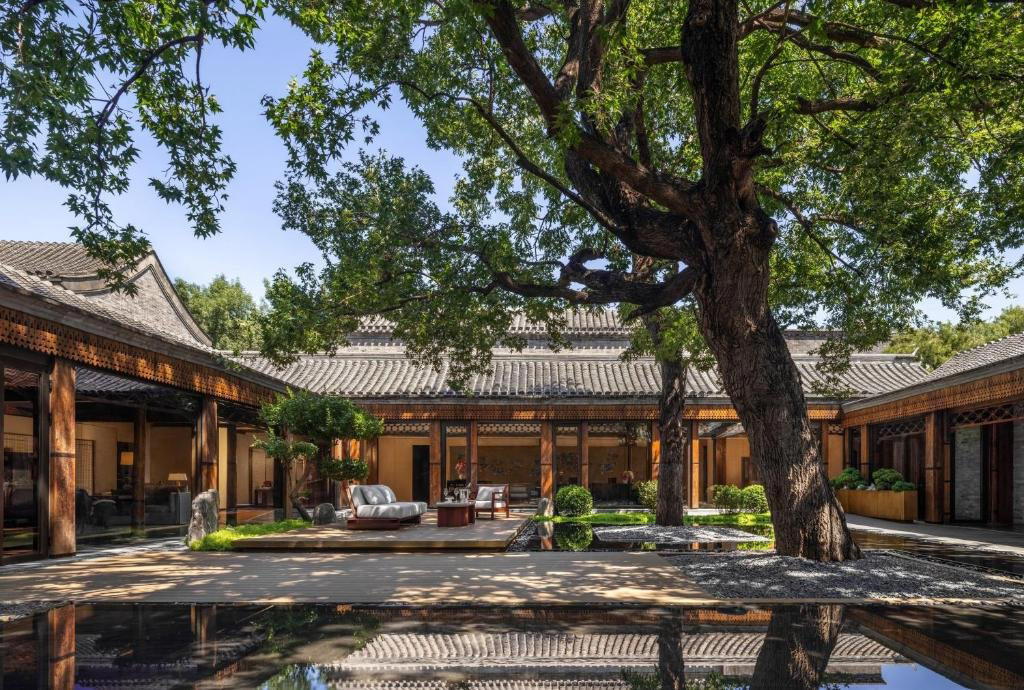
Warm and grounded traditional Chinese dining room with wooden tables, soft functional lighting, and acoustics favoring conversation.