





Michelin Plate · World's 50 Best #52 · Black Pearl 2 Diamond
Our verdict
Private rooms, mist-laced gardens, and camphor wood–smoked duck define Chef 1996 in Beijing—a Michelin-recognized sanctuary for refined Chinese cuisine with modern polish and sommelier-led pairings.

Pearl is the En Primeur Club membership app — saves, bookings, and concierge access live there. Same editors, same standards.
- Address
- 4A Jiangtaiwa, Xinghuo East Road, Chaoyang, Beijing, 100020, Chinese Mainland
- Phone
- +86 135 2150 9321
- Website
- chef1996.com
- Directions
- Get directions
The menu
What to order
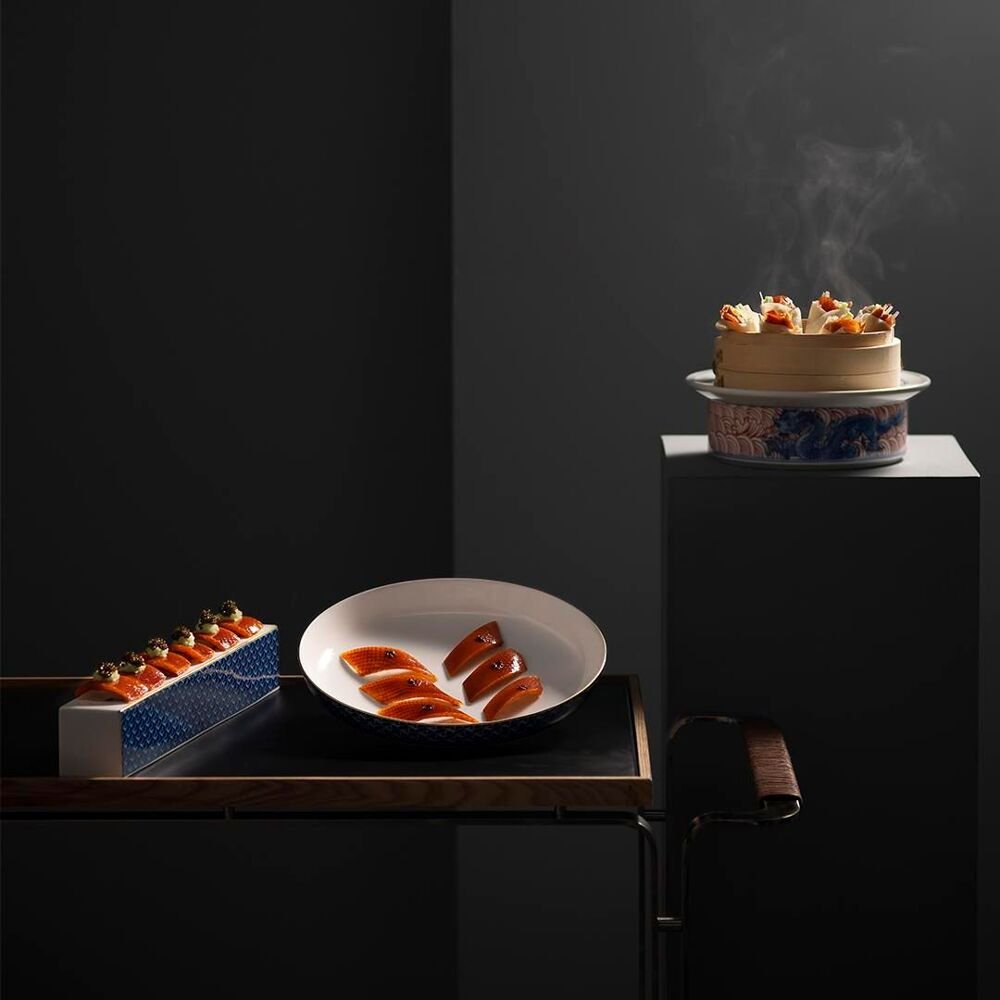
- Camphor Wood-Smoked Duck
- Kung Pao Prawns
- House-made Pickles and Sauces
Sichuan in Beijing: The Critical Reception Around Chef 1996
Chaoyang's restaurant scene has long served as the proving ground for regional Chinese cuisines seeking recognition from international critics. Among the Sichuan restaurants operating in this district, Chef 1996 on Shifoying Road has accumulated a specific tier of industry validation: a Michelin Plate in both 2024 and 2025, alongside a Black Pearl 1 Diamond award in 2025. In the context of Beijing's critical landscape, where Michelin Stars concentrate at the upper end of the price scale and Chinese regional cuisine competes alongside French contemporary rooms like Ji Chuan, that double recognition signals a kitchen operating with consistency rather than occasional brilliance.
The Michelin Plate, often misread as a consolation prize, functions in China's guide as a marker of quality cooking that the inspectors consider worth the visit even without the complexity that would push a restaurant into starred territory. Paired with the Black Pearl Diamond, a China-based critical system that draws its own inspectors and carries weight among local dining communities, the combination at Chef 1996 suggests cross-validation: two separate critical frameworks arriving at the same conclusion about this kitchen's reliability.
Where Sichuan Sits in Beijing's Dining Order
Beijing is not a Sichuan city. Its native culinary tradition runs toward braised meats, lamb, imperial court dishes, and the kind of flour-forward cooking that reflects northern agriculture. Sichuan cuisine arrives here as an import, and the restaurants serving it operate along a wide spectrum. At the entry level, Sichuan flavors are frequently diluted for northern palates; at the serious end, kitchens maintain sourcing relationships with Sichuan producers, use proper doubanjiang fermented in Pixian, and treat the ma (numbing) and la (heat) balance as a technical discipline rather than a blunt instrument.
Chef 1996 sits in the middle-to-upper tier of that spectrum. Its ¥¥¥ price positioning places it below the ¥¥¥¥ rooms like Gongyuan Shulou and Rong Pao, but its dual critical recognition in 2025 places it above the informal Sichuan houses that crowd the middle of the market. That positioning matters for diners deciding how seriously to weight a meal here against alternatives at either end of the price range.
For a direct comparison across cuisine types at the same price point, the ¥¥¥ tier in Chaoyang includes French contemporary operations with Michelin recognition, which means Chef 1996 is competing for the same dining-occasion budget as international kitchens carrying their own critical credentials. That it holds its ground in critical terms, even within a regional Chinese category that Michelin's Beijing guide has historically favored less than Cantonese or Shanghainese cooking, is a signal worth registering.
Chef Liang Dee and the Question of Continuity
Sichuan cooking at a serious level is generational work. The cuisine's technical depth, from the construction of compound sauces to the precise calibration of mala heat, takes years to develop with consistency. In the competitive framework of Chinese restaurant criticism, a chef's name appearing on the Michelin record as the named kitchen lead functions as an accountability marker: the guide is noting not just the restaurant but the person behind the recipes and sourcing decisions.
Chef Liang Dee holds that position at Chef 1996. The retention of both Michelin recognition across consecutive years (2024 and 2025) and the addition of the Black Pearl Diamond in 2025 indicates that the kitchen has not declined between inspection cycles, which in a city where chef movement and kitchen turnover regularly destabilize restaurants, is itself a substantive fact. For Sichuan specialists in Beijing, comparable consistency is visible at restaurants like Lao Chuan Ban and Yibin, each occupying a distinct position within the same regional cuisine category.
How Chef 1996 Sits Within the Broader Sichuan Fine-Dining Map
To understand where Chef 1996 stands, it helps to look at what Sichuan fine dining looks like when it reaches its ceiling. In Chengdu itself, restaurants like Yu Zhi Lan and Fang Xiang Jing operate at the top of the Sichuan-native market, where sourcing is local, the culinary lineage is traceable, and the critical reception reflects proximity to the cuisine's origin. Beijing-based Sichuan restaurants work from a greater distance, importing both ingredients and, often, culinary training from the southwest.
Chef 1996's dual-guide recognition in 2025 positions it as one of the more credible Sichuan addresses in Beijing, though not in the same tier as the starred Chengdu rooms or China-wide operations like Xin Rong Ji in Chengdu. Within Beijing specifically, it holds its own against broader comparisons that include Cantonese-focused rooms, Taizhou specialists like Xin Rong Ji on Xinyuan South Road, and Chao Zhou kitchens at the three-star level. A restaurant operating at ¥¥¥ with Plate and Diamond recognition is not in that company, but it does not need to be; it occupies a coherent, well-defined position in the market and earns critical endorsement within that position.
For travelers moving between Chinese cities and tracking Sichuan in particular, the comparison set also extends to operations like 102 House in Shanghai and, further afield, Chef Tam's Seasons in Macau, Ru Yuan in Hangzhou, Imperial Treasure Fine Chinese Cuisine in Guangzhou, and Dai Yuet Heen in Nanjing. Each of those addresses represents a different regional tradition, but together they map the range of seriously reviewed Chinese fine dining across the mainland and Macau. Chef 1996 fits into that map as the Beijing representative of Sichuan cooking at a critically endorsed level below the starred tier.
The Chaoyang Address and What It Implies
Shifoying Road in Chaoyang sits outside the dense dining corridors that attract the most foot traffic in eastern Beijing. That address has a practical implication: this is a destination restaurant rather than a walk-in option. Diners arriving at Chef 1996 have made a deliberate choice. The Chaoyang district itself contains some of Beijing's most internationally recognized dining, and a restaurant earning critical recognition in this competitive environment, rather than in a less scrutinized suburb, carries its awards in a context where inspectors and food critics are actively working.
For planning purposes, the restaurant operates at a ¥¥¥ price level, which in Beijing's 2025 context typically positions a dinner for two in the mid-range of serious restaurant spending. Booking in advance is advisable given the dual critical recognition in the current guide cycle; restaurants at this tier in Chaoyang rarely have same-week availability on weekends. There is no website or phone number listed in the public record, which means the most practical booking approach involves platforms like Dianping or direct inquiry through hotel concierge services for visitors unfamiliar with local reservation systems.
For those building a fuller Beijing itinerary around food and drink, the EP Club guides cover the full range of options across categories: our full Beijing restaurants guide, our full Beijing hotels guide, our full Beijing bars guide, our full Beijing wineries guide, and our full Beijing experiences guide each map their respective categories with the same editorial framework applied here.
Frequently asked questions
Where do I go for Chef 1996?
Chef 1996 is located at WGH2+657, Shifoying Rd, Chaoyang, Beijing, China, 100026, Beijing.
Is Chef 1996 chef-led?
The chef associated with Chef 1996 is Liang Dee.
What do people recommend at Chef 1996?
Chef 1996 holds a Michelin Plate (2024 and 2025) and a Black Pearl 1 Diamond (2025), recognition that points toward the kitchen's compound-sauce Sichuan technique rather than any single signature dish. The menu is rooted in regional Sichuan tradition under chef Liang Dee, a cuisine where the balance of heat, numbing spice, and fermented depth tends to generate the strongest critical attention. For specific current dishes, contacting the restaurant directly or checking recent diner reviews is the most reliable route given that Sichuan menus at this level shift with season and sourcing.
Is Chef 1996 expensive?
Pricing at Chef 1996 is listed as ¥¥¥.
Does Chef 1996 have a Michelin star or similar recognition?
Chef 1996 has received recognition including: Chef: Liang Dee document.addEventListener("DOMContentLoaded", function { var el = document.getElementById("Achievements_chefs"); if (el && el.parentNode) { el.parentNode.removeChild(el); } });; Michelin Plate (2025); Black Pearl 1 Diamond….
At-a-Glance Comparison
| Venue | Cuisine | Price | Awards | Notes |
|---|---|---|---|---|
| Chef 1996This venue — the venue you are viewing | Refined Sichuan Fine Dining | $150–200 | Michelin Plate · World's 50 Best #52 | Not listed |
| Jing | Modern French with Asian Influences | $300–500 | 1 Michelin Star · Black Pearl 1 Diamond | French Contemporary |
| Xin Rong Ji (Xinyuan South Road) | Taizhou Chinese Fine Dining | $300–500 | 3 Michelin Stars · World's 50 Best #84 | Taizhou |
| Chao Shang Chao (Chaoyang) | Modern Teochew (Chaoshan) Fine Dining | $200–300 | Michelin Plate · La Liste Top Restaurants | Chao Zhou |
| Lamdre | Modern Plant-Based Chinese Vegetarian | Not listed | 2 Michelin Stars · World's 50 Best #17 | Vegetarian |
| Jingji | Imperial Beijing Royal Cuisine | $200–300 | 2 Michelin Stars · La Liste Top Restaurants | Beijing Cuisine |
Recognition history
Dated appearances from independent guides and award organizations, with the underlying list record or original source where available.
Michelin Plate
Michelin
World's 50 Best Asia's Best Restaurants #52
World's 50 Best
Black Pearl 2 Diamond
Black Pearl
Opinionated About Dining Top Restaurants in Asia Ranked #123
Opinionated About Dining
Chinese Restaurant Awards — Elite 15 Asia: Elite 15 Asia #11
Chinese Restaurant Awards
Full recognition history (9 entries)
Black Pearl 1 Diamond
Black Pearl
Chinese Restaurant Awards — Top 30 Honouree Asia: Top 30 Honouree Asia
Chinese Restaurant Awards
The Best Chef One Knife
The Best Chef
Michelin Plate
Michelin


Details
- Elegant
- Intimate
- Sophisticated
- Quiet
- Special Occasion
- Business Dinner
- Celebration
- Date Night
- Private Dining
- Open Kitchen
- Sommelier Led
- Local Sourcing
- Tasting Menu
- Set Menu
- Wine Pairing
- Vegetarian Friendly
- Allergy Accommodating
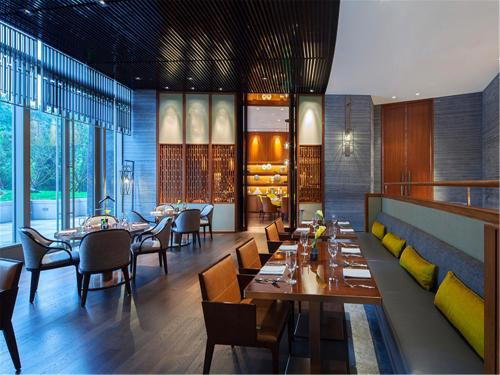
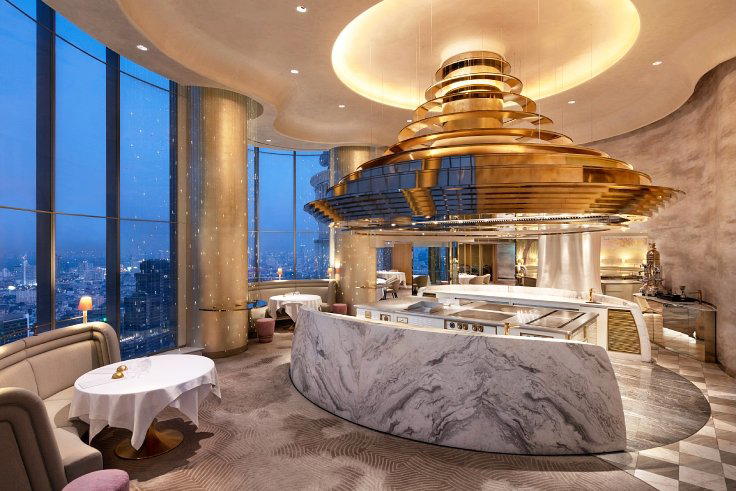
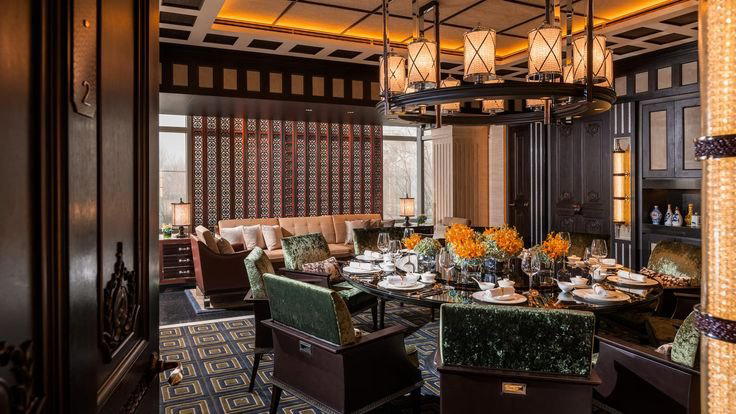
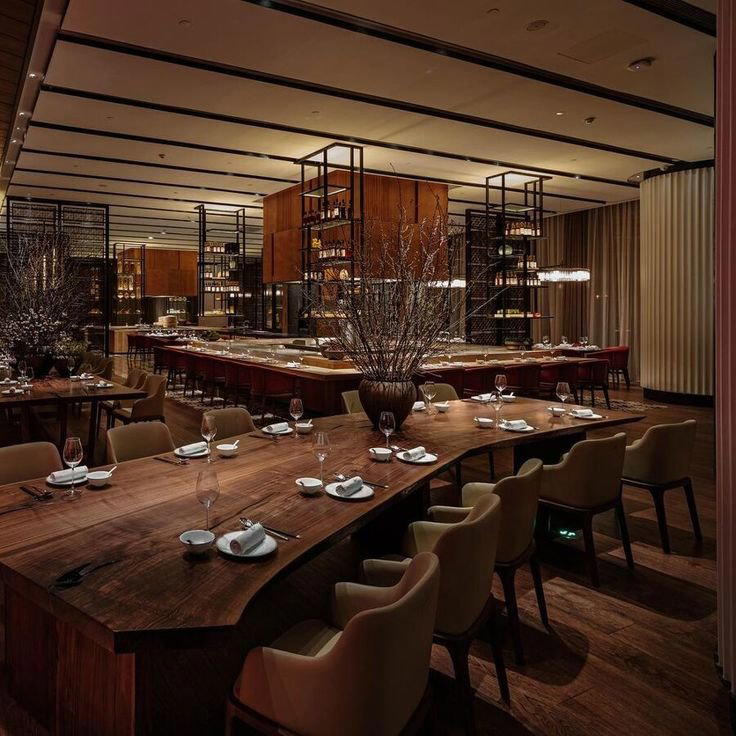
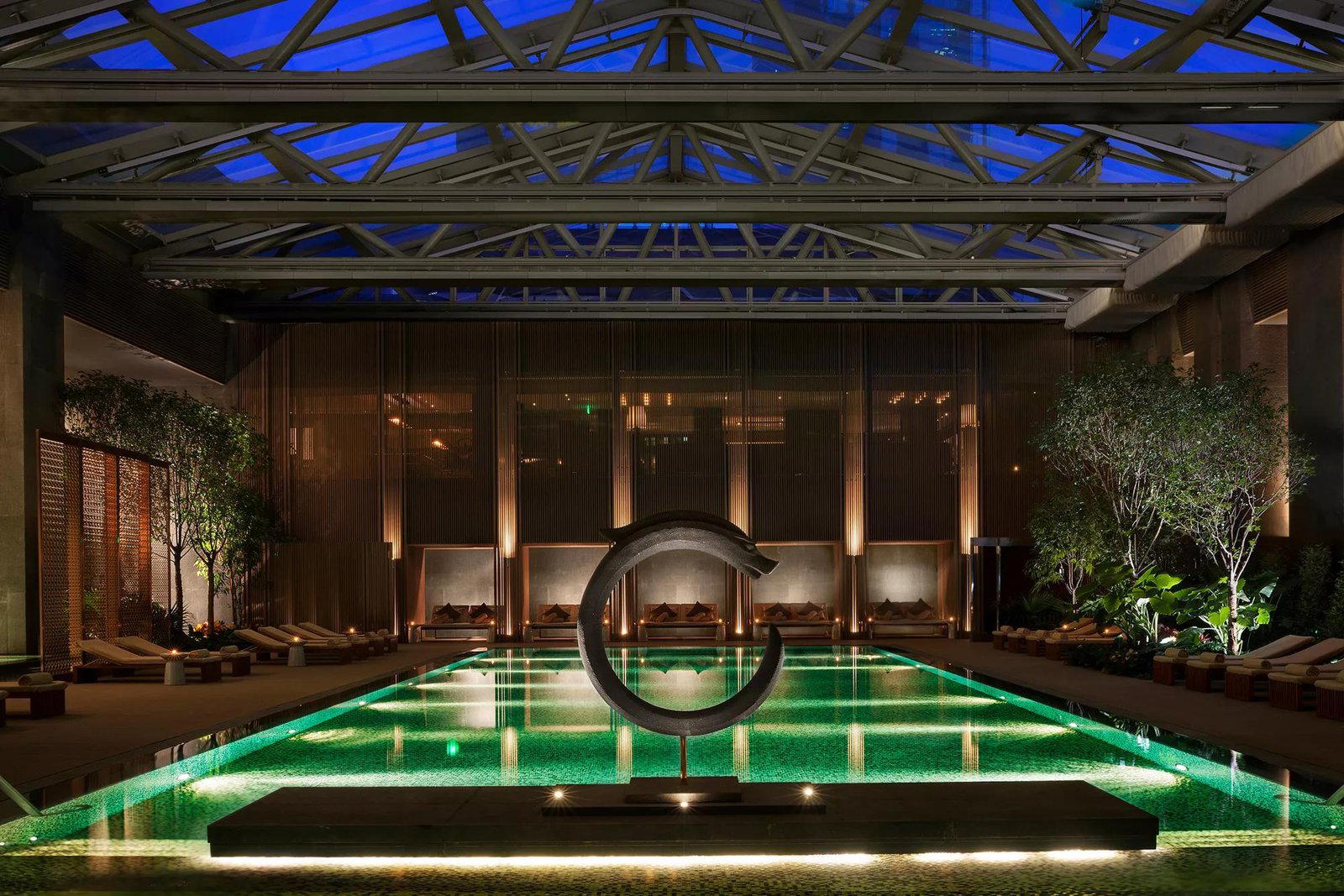
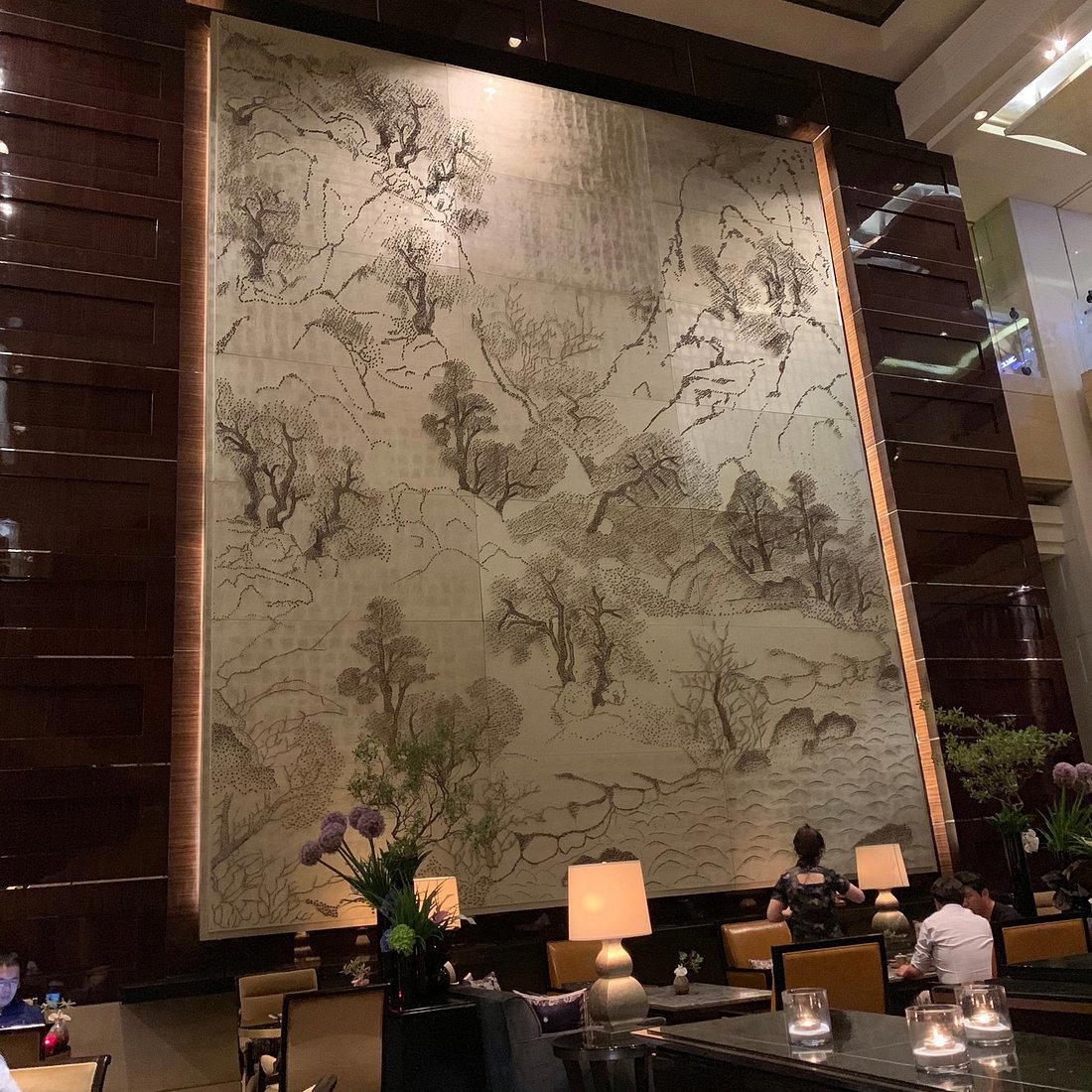
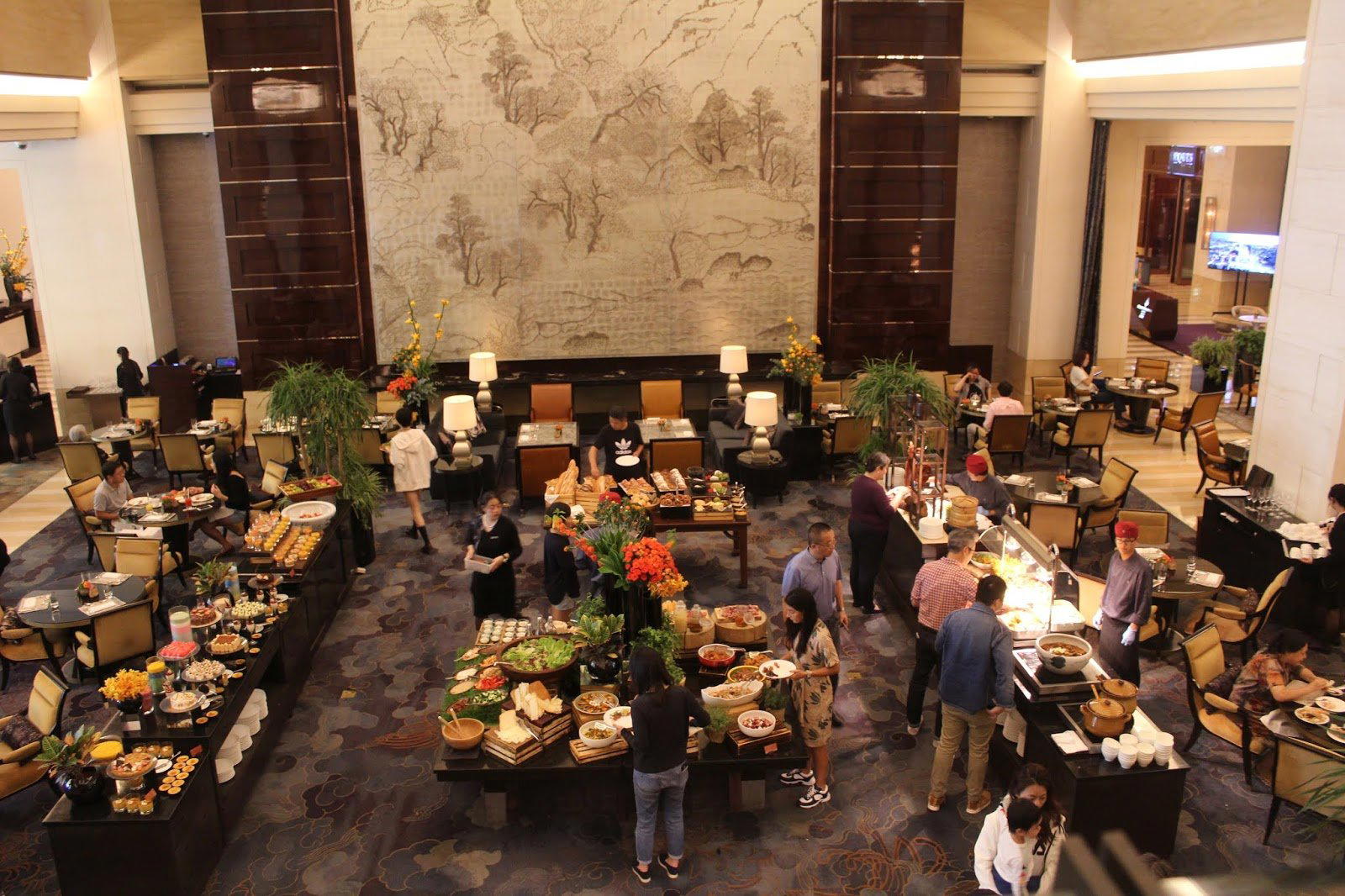
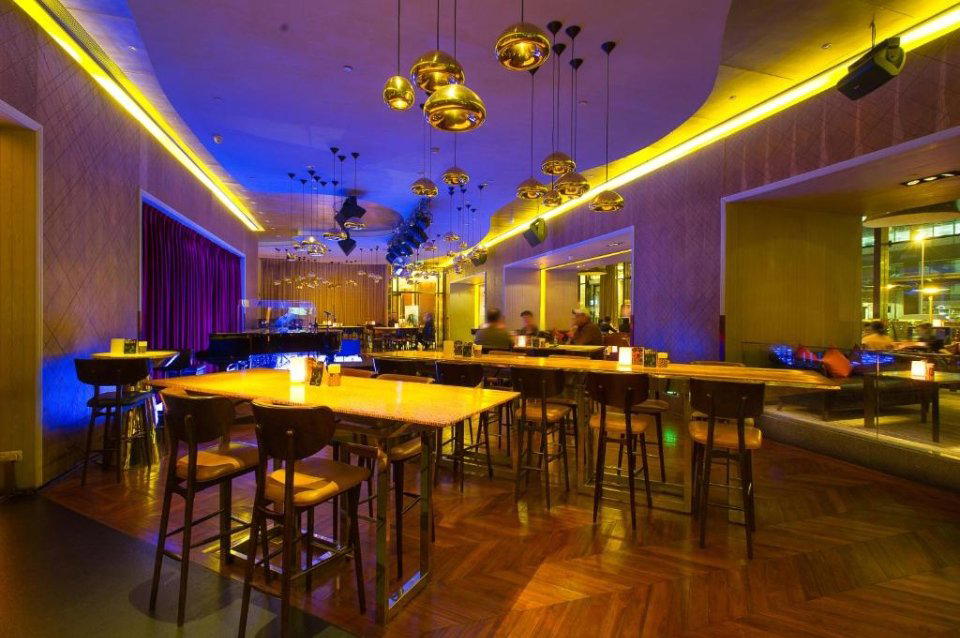
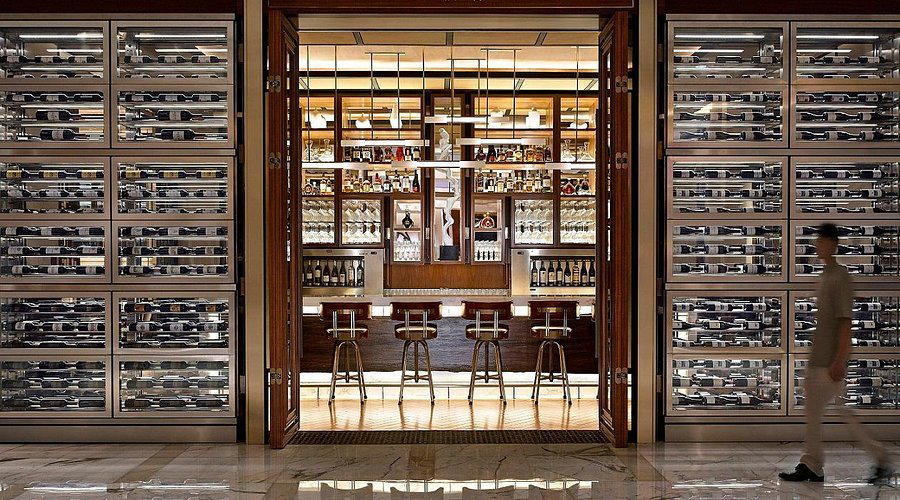
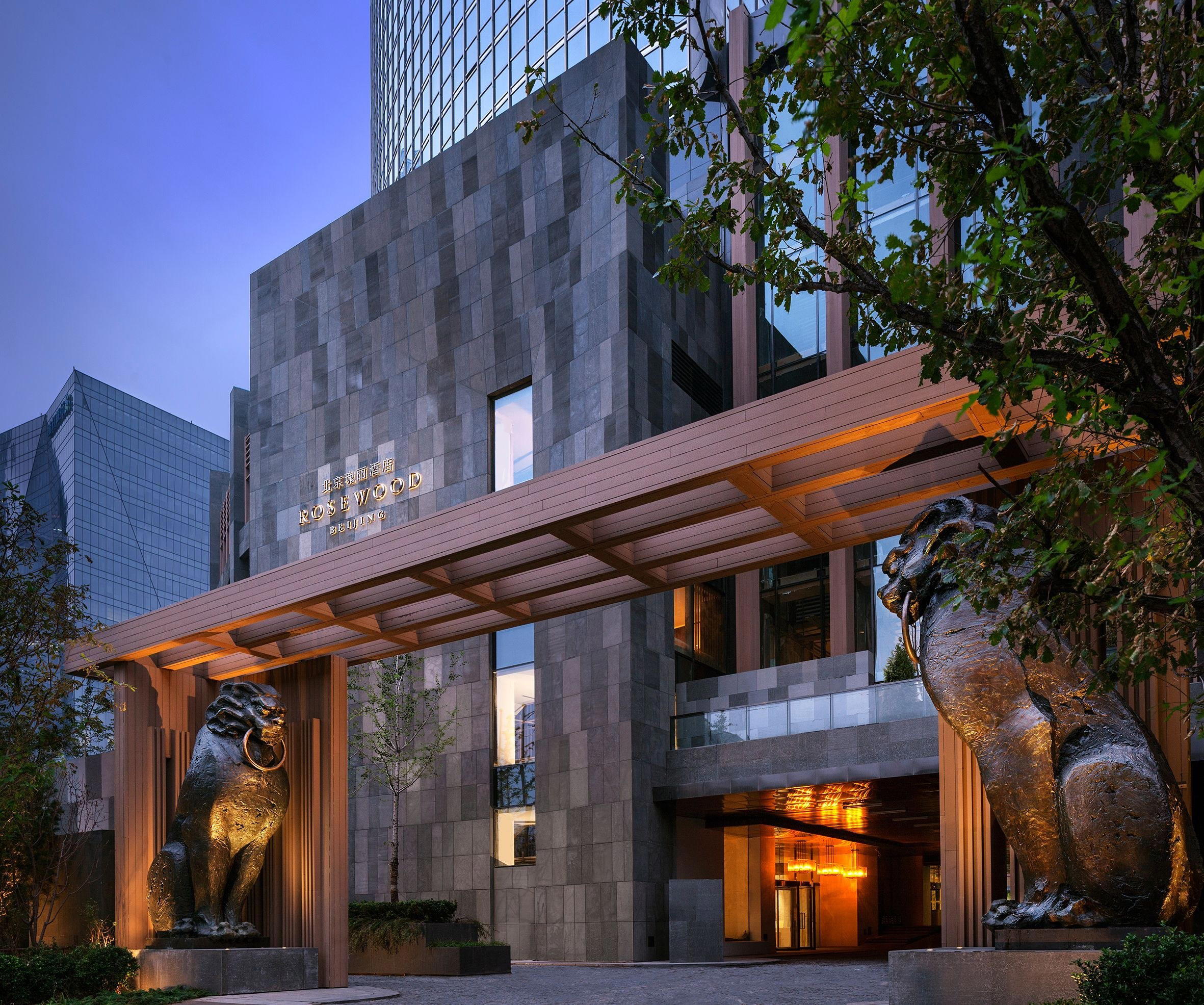
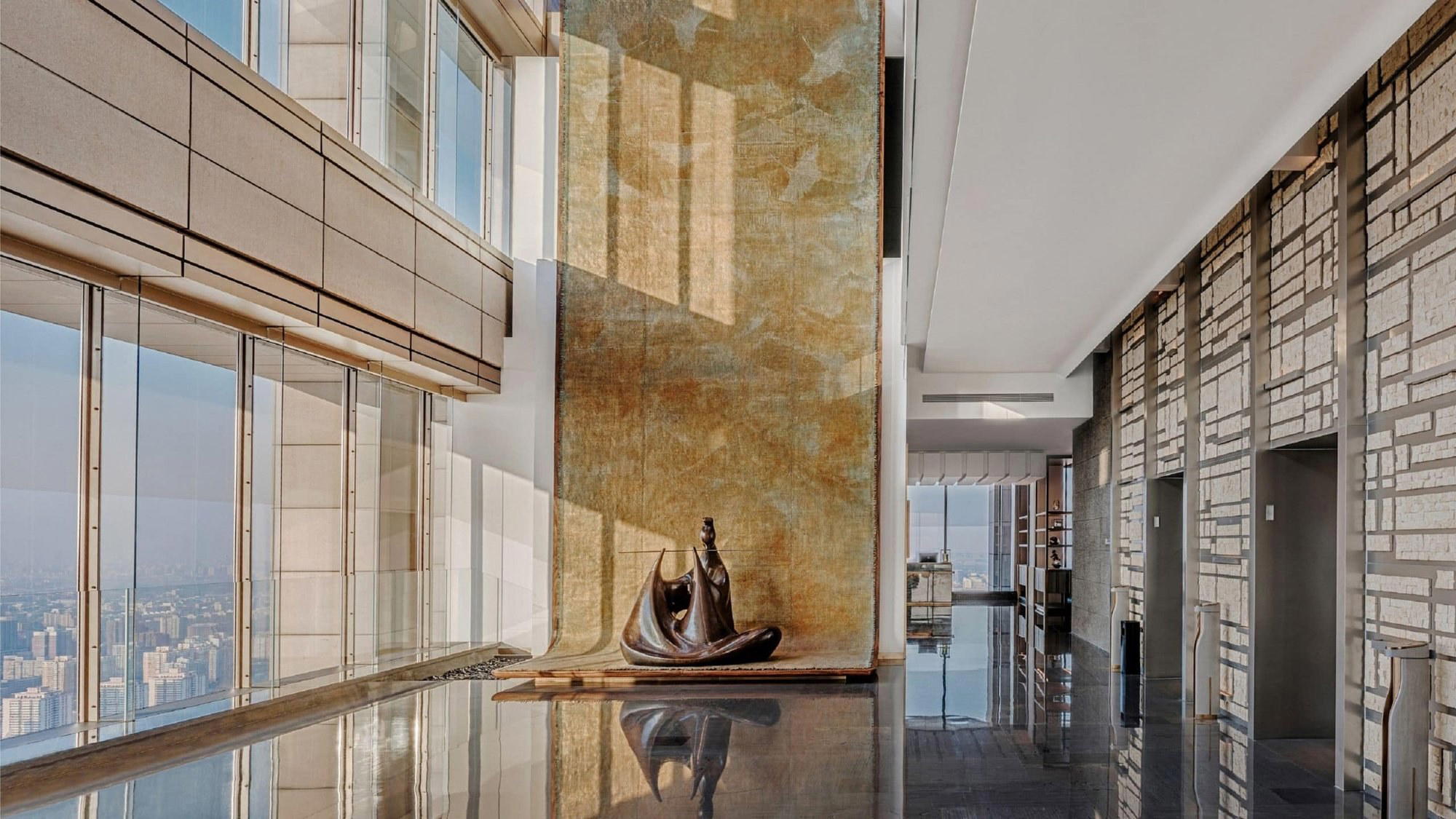
Intimate and hushed with lacquered wood finishes, bamboo-lined alleys, and an otherworldly alfresco lounge veiled in gentle mist creating a cinematic, worldly escape from the city's bustle.