
Forbes 4-Star
Unlike most Aman properties, which trade on remote wilderness or beachfront seclusion, Aman Summer Palace operates at the gates of a UNESCO World Heritage Site in northwest Beijing. Fifty-one rooms occupy restored century-old guesthouses inside a private compound, placing guests inside imperial history while keeping the full Aman infrastructure, underground spa, pools, and a staff-to-guest ratio that tilts decisively toward the former, within reach.

Pearl is the En Primeur Club membership app, where members save venues, book tables and use the concierge.
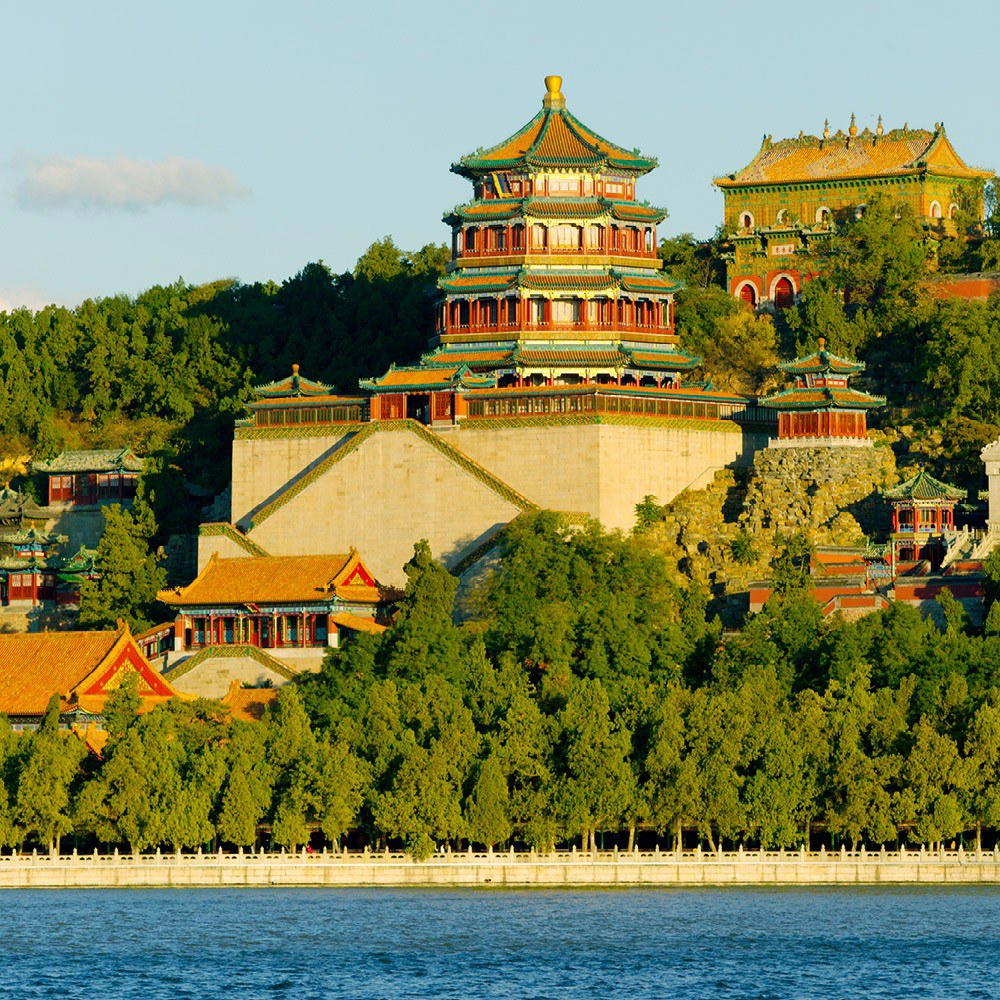
A Private Compound at the Edge of Imperial Beijing
The Aman group has built its reputation on placing guests somewhere they cannot easily be otherwise: a clifftop in Greece, a canyon in Utah, a rice-field village outside Hangzhou. The Summer Palace property in Beijing operates on a different logic. The address here is not remote wilderness but 1 Gongmenqian Street, pressed directly against the northern gates of the 260-year-old Summer Palace, one of six UNESCO World Heritage Sites in the capital. What the location trades in remoteness, it more than compensates for in rarity. The compound itself is closed to the public; the gardens, ponds, and century-old guesthouses that make up the resort are accessible only to guests and their visitors. In a city of 21 million people, that kind of territorial exclusivity is harder to arrange than any mountain hideaway.
Approaching from central Beijing, the transition is gradual and then sudden. The drive from the city center runs approximately 30 to 45 minutes, covering the 9 miles northwest to the Haidian district. The further you travel from the Second Ring Road, the more the dense urban fabric loosens. By the time the resort's gates appear, the scale of Beijing has quietly receded. Inside, the prevailing feeling is one the brand has become practiced at engineering: a conspicuous, deliberate quiet. Unlike the Summer Palace proper next door, which draws millions of visitors annually, the Aman compound functions as a sealed pocket of stillness within one of the world's most active cities.
Architecture That Earns Its Setting
The 51 rooms at Aman Summer Palace occupy restored guesthouses that originally served visitors to the imperial court. That historical context shapes the guest experience more concretely than most heritage-marketing language tends to imply. The structures themselves, low-slung pavilions with traditional roof lines, bamboo blinds, ornate hand-carved screens, establish a spatial and tonal consistency that modern luxury frequently claims but rarely achieves with this degree of material coherence. The integration of contemporary technology sits deliberately below the surface: electronics are present but unobtrusive, bathrooms are modern in function (large soaking tubs, separate showers) without disrupting the visual register of the architecture above.
The property's infrastructure follows the same logic of concealment. The pools, spa, fitness center, Pilates studio, and squash court are all located underground, preserving the historic streetscape at ground level. This is a design decision worth noting because it reflects a broader tension in Beijing hospitality: several luxury properties, including Bvlgari Hotel Beijing and the Four Seasons Hotel Beijing, offer high-specification modern interiors but operate from contemporary towers in commercial or diplomatic districts. Aman Summer Palace occupies a different position entirely, one grounded in physical continuity with a specific historical moment rather than in tower-floor views or lobby spectacle.
What the Address Actually Provides
Location argument for this property runs in two directions simultaneously, and understanding both is useful before booking. First, the Summer Palace itself: a 700-acre royal garden complex built during the Qing dynasty, with Kunming Lake, Longevity Hill, and covered walkways that stretch for nearly half a mile. Access from the resort's gates means guests can arrive at the site before the general tourist crowd, at the edges of the day when the light on the water is most compositionally interesting. Second, the broader northwest corridor of Beijing: Yuanmingyuan (the Old Summer Palace ruins), the Fragrant Hills, and several temples are all within reach from this address in a way they simply are not from properties closer to the CBD or Wangfujing.
Resort's cultural programming extends the location logic indoors. The property regularly invites specialists to demonstrate traditional arts, including calligraphy, paper cutting, and kite making. It also organizes Wall tours, palace walks, and temple visits, functions that hotels closer to the urban core must manage as longer logistical exercises. Here, they originate from a quieter base. For guests who want to combine the Aman formula of seclusion with serious engagement with a world-class historical city, the combination is one that properties like Mandarin Oriental Qianmen or the China World Summit Wing, Beijing cannot replicate from their respective footprints.
For those who want to position this visit within a broader exploration of China's luxury hotel range, the Aman group operates two comparable historically-anchored properties on the mainland: Amandayan in Lijiang, set within the old town of a Naxi heritage city, and Amanfayun in Hangzhou, organized around a preserved pilgrims' village near Lingyin Temple. The Summer Palace property is the most urban of the three in strict geographic terms, though it would not feel that way to a guest spending a morning by the serene compound pond.
Seasonal Timing and Practical Details
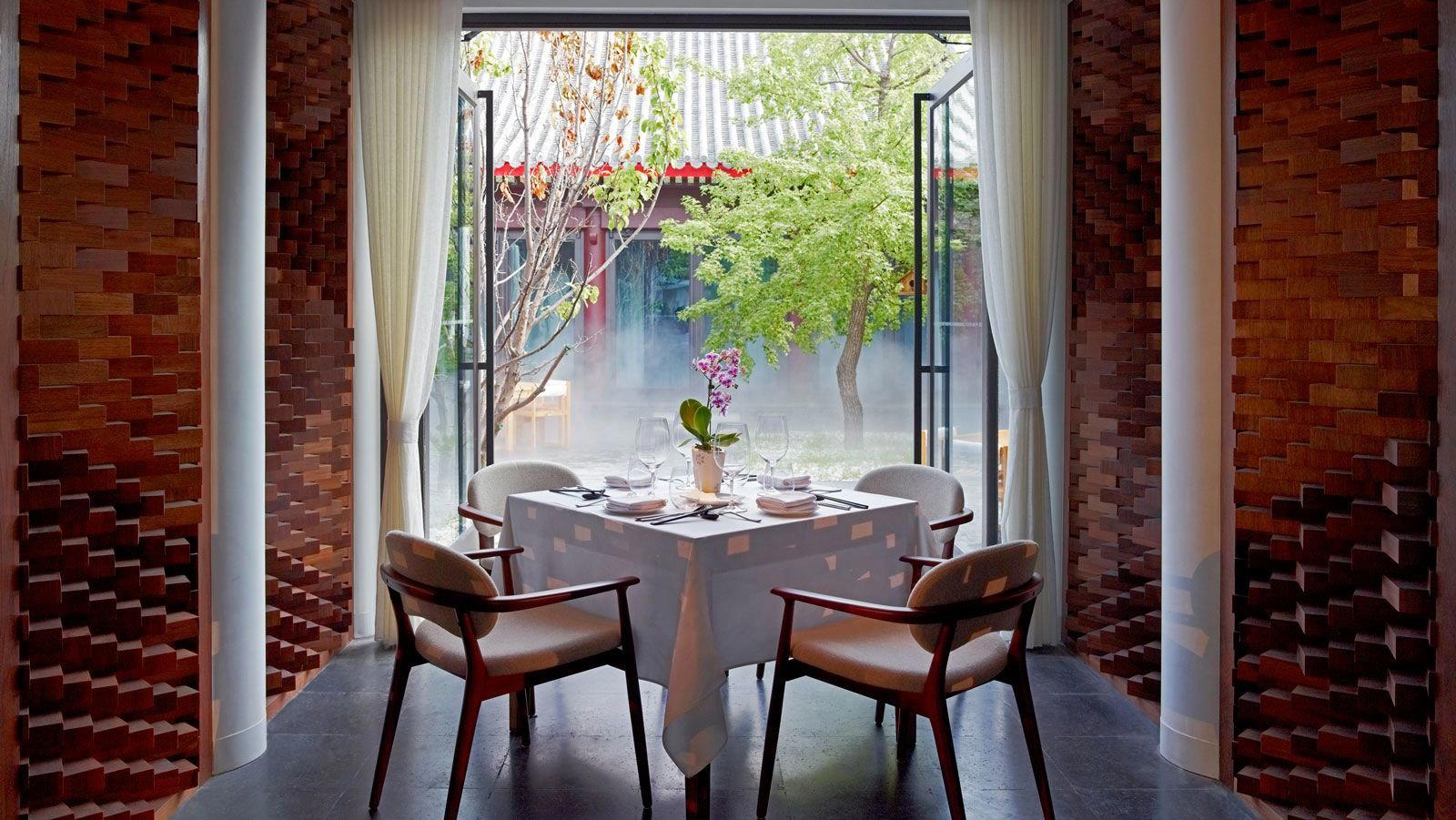
Beijing's climate makes timing a real consideration rather than a formality. September through November offers the most reliable conditions: dry, frequently sunny, and cool enough to make extended outdoor walking comfortable. The Summer Palace grounds are at their most photogenic in the late-autumn light before the leaves drop completely. Summer months carry significant rainfall, which can affect both outdoor programming and the general experience of moving between sites on foot. In winter, the pond situated between the Music Pavilion and the Reflection Pavilion freezes, and the resort uses the setting for private dining, a detail that changes the character of the compound considerably from its warmer months.
The 51-room count, combined with a staff complement of approximately 300, produces a service ratio that puts Aman Summer Palace in a different operational register from properties like the Fairmont Beijing Hotel or the Conrad Beijing, both of which operate at significantly larger scales. Rates start at approximately $632 per night for standard rooms. Guests who cancel should do so at least four days before arrival to avoid cancellation fees. For those interested in the Imperial Suite, the room includes a private pavilion with a living area, private dining room, spa treatment room, and enclosed courtyard, a configuration that makes it self-sufficient as a standalone compound within the compound.
Guests planning cultural excursions should contact the hotel in advance to confirm the schedule for traditional arts demonstrations, as visiting specialists rotate and programming is not fixed. The Great Wall, Temple of Heaven, and the hutong districts of central Beijing all feature on the resort's organized itinerary options, though the Great Wall is also accessible through specialist guides operating from outside the resort; Brickyard Retreat at Mutianyu Great Wall represents an alternative base for visitors whose primary interest is the Wall itself. For a broader view of what Beijing's hotel market offers across price points and neighborhoods, see our full Beijing restaurants guide.
Beyond Beijing, the Aman group's urban format continues elsewhere. Aman New York applies a comparable logic of seclusion within a dense city, while Aman Venice occupies a 16th-century palazzo on the Grand Canal. The Summer Palace property belongs to that small cohort of Aman addresses where the architectural and historical context of the site is the central argument for staying, rather than a backdrop to it.
The Quick Read
Comparable venues nearby, for context on price, style, and recognition.
| Venue | Price | Awards | Notes |
|---|---|---|---|
| Aman Summer PalaceThis venue (the venue you are viewing) | $1,000–1,500 | Forbes 4-Star | Not listed |
| Waldorf Astoria Beijing | $300–500 | 1 Michelin Key · La Liste Top Hotels | Chaoyangmen, Luxury heritage hotel inspired by traditional Hutong courtyards in a modern setting. |
| Mandarin Oriental Wangfujing, Beijing | Not listed | 1 Michelin Key · La Liste Top Hotels | Wangfujing, Contemporary residential luxury with classic Chinese elements |
| The PuXuan Hotel and Spa | $300–500 | 1 Michelin Key · La Liste Top Hotels | Zhengyilu, Contemporary luxury urban retreat blending modern design with historical proximity |
| Shangri-La Shougang Park, Beijing | $100–200 | 1 Michelin Key · La Liste Top Hotels | Shijingshan, Contemporary luxury hotel integrated into a repurposed industrial landmark, blending heritage preservation with modern Asian hospitality and sustainability. |
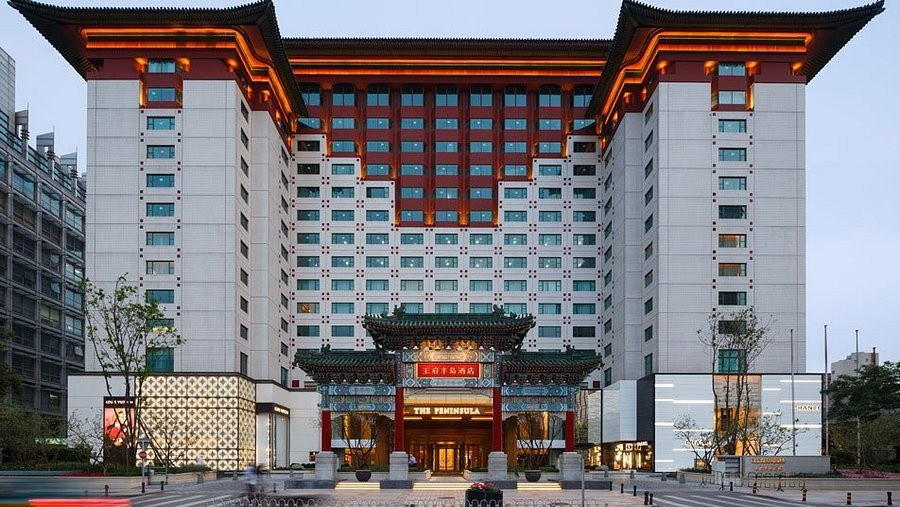
| The Peninsula Beijing | $300–500 | 1 Michelin Key · La Liste Top Hotels | Chaoyangmen, Imperial elegance meets modern luxury all-suite sanctuary |
Recognition history
Dated appearances from independent guides and award organizations, with the underlying list record or original source where available.
Forbes 4-Star
Forbes
Continue exploring
More in Beijing
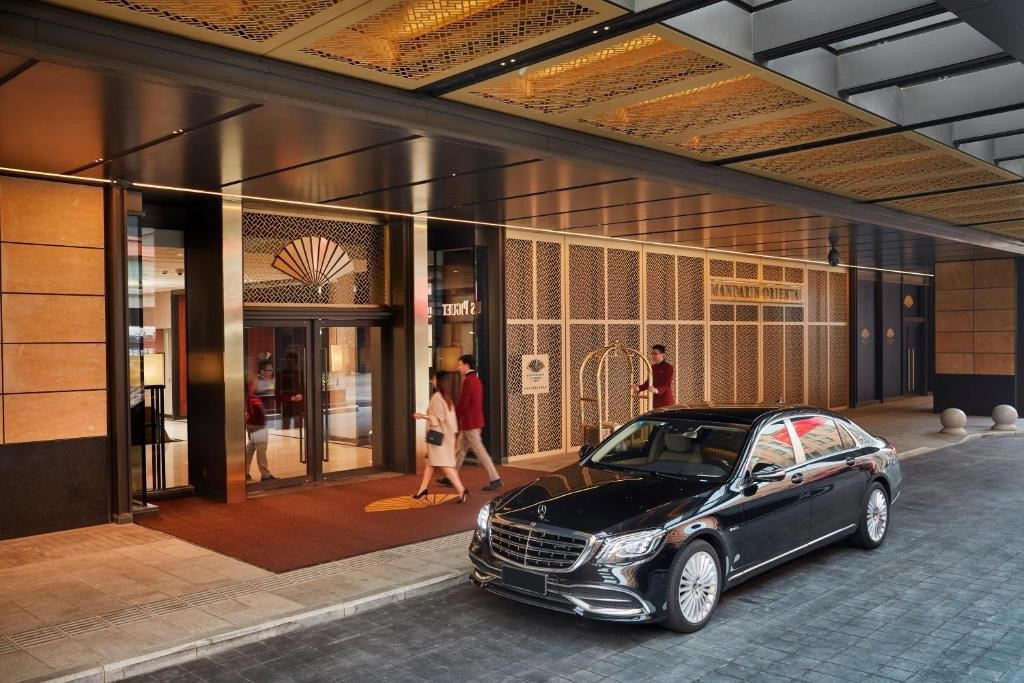
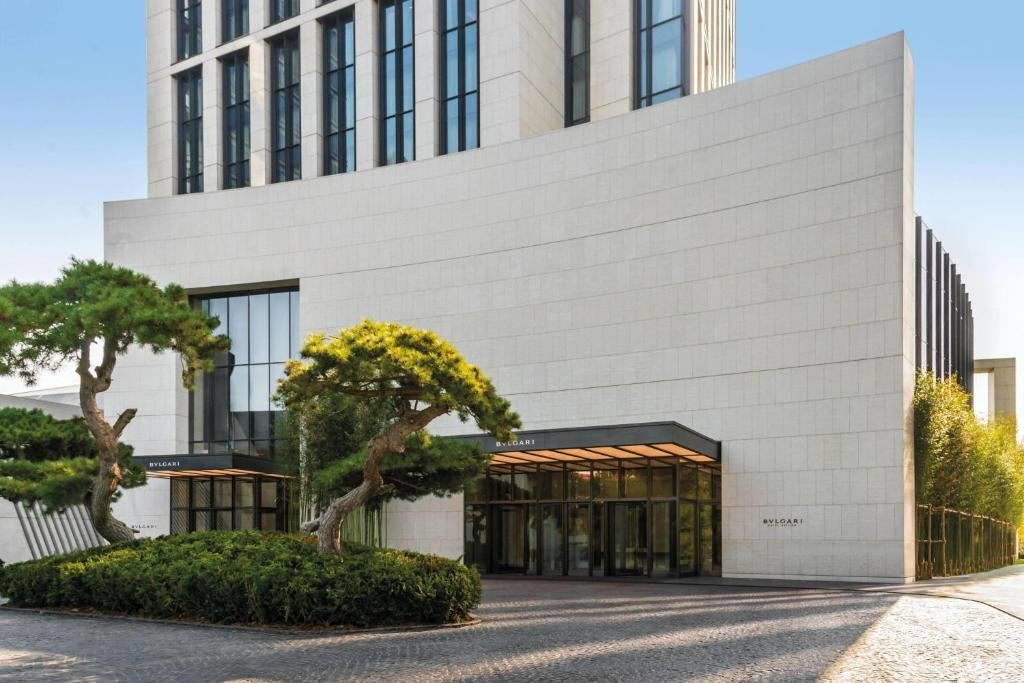
Hotels in Beijing
All hotels in Beijing →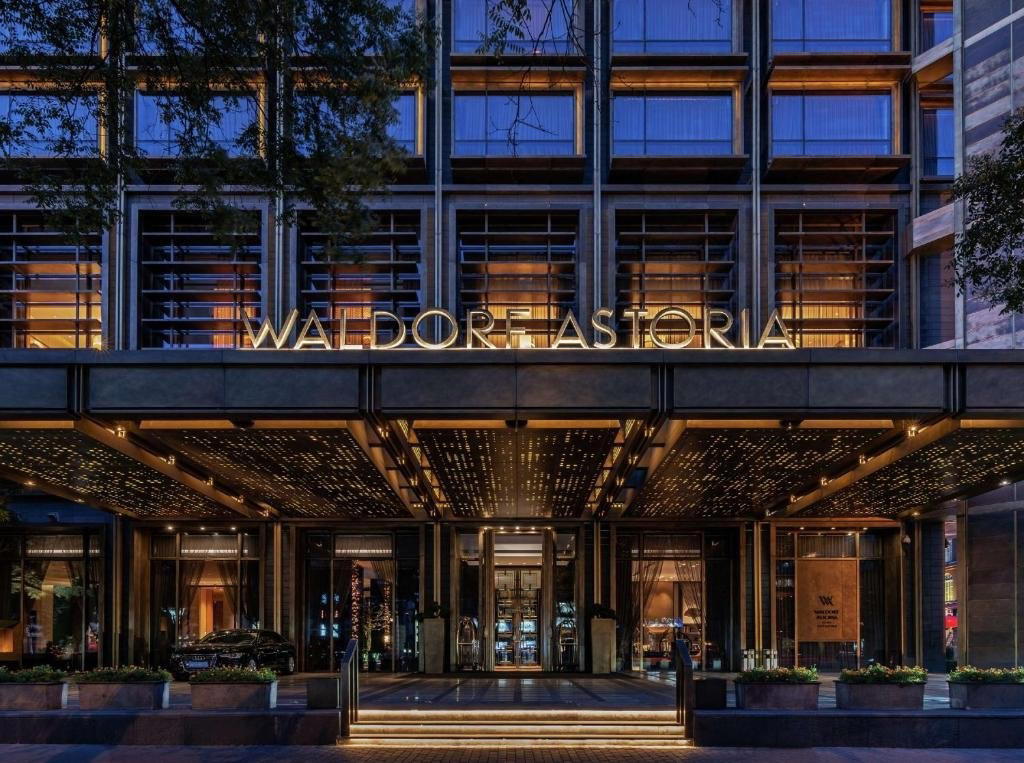
Bars in Beijing
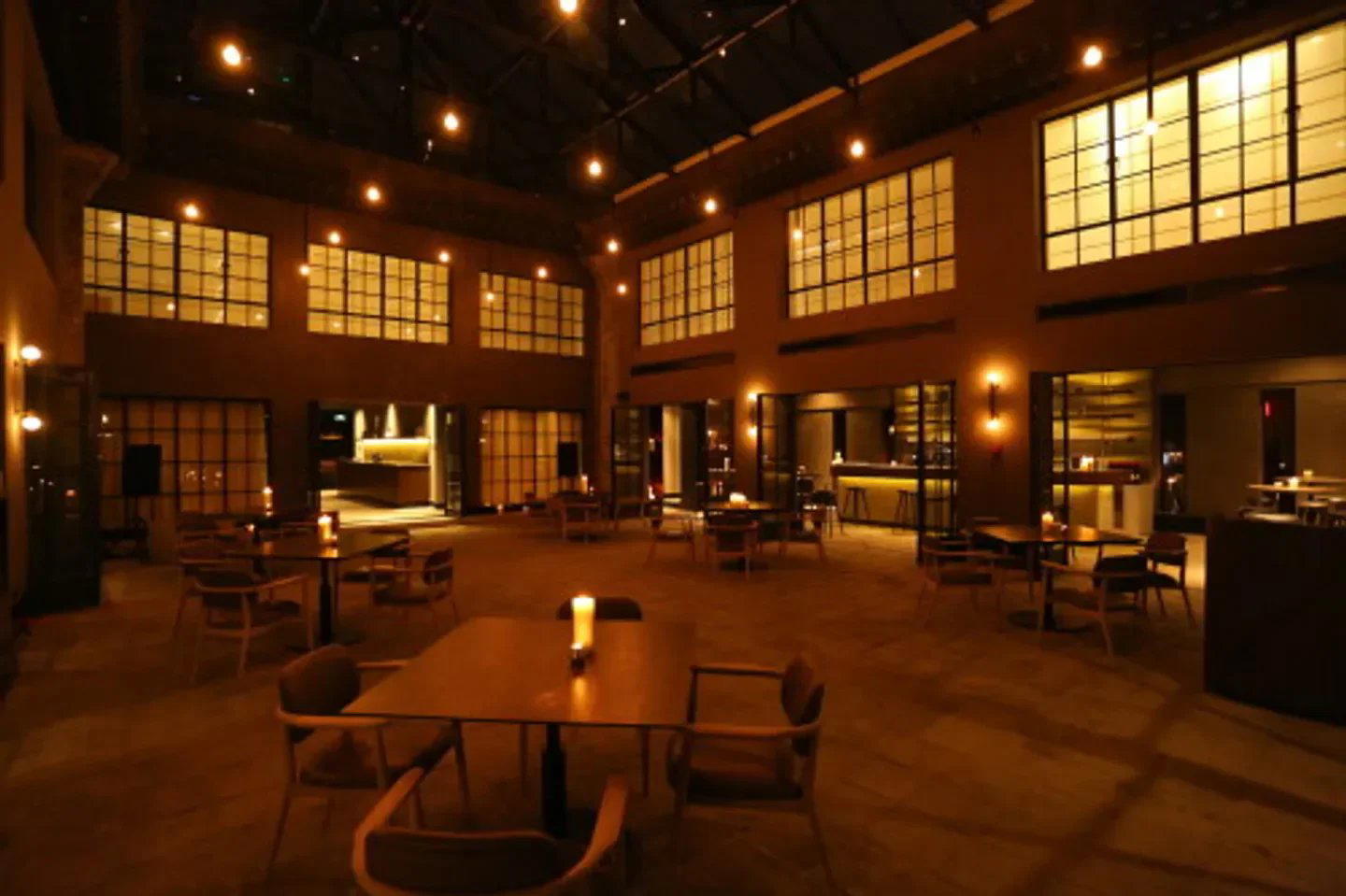
All bars in Beijing →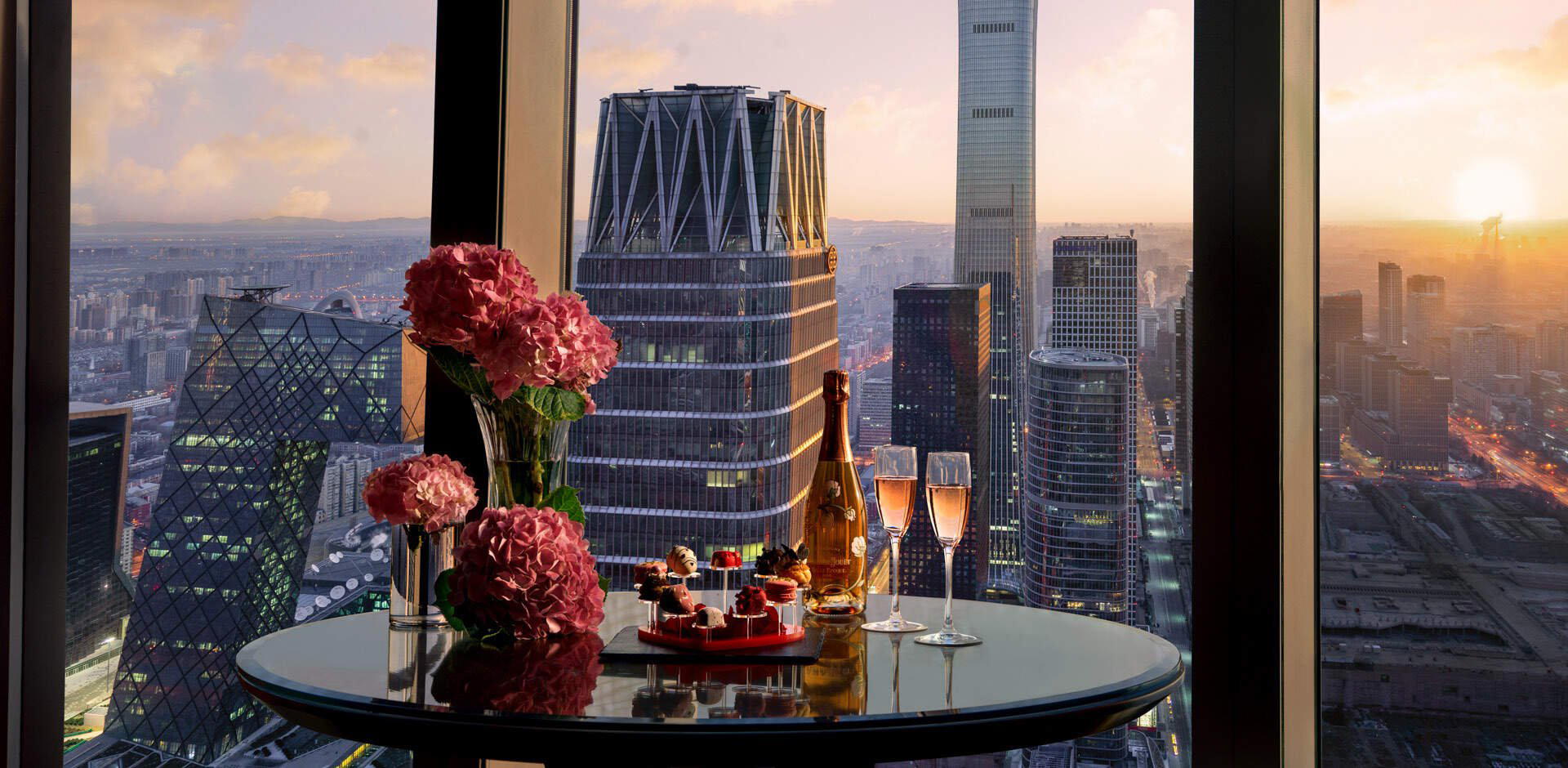
Details
- Romantic
- Elegant
- Classic
- Scenic
- Intimate
- Sophisticated
- Honeymoon
- Romantic Getaway
- Wellness Retreat
- Anniversary
- Celebration
- Historic Building
- Garden
- Private Dining
- Destination Spa
- Panoramic View
- Waterfront
- Wi Fi
- Pool
- Spa
- Fitness Center
- Room Service
- Concierge
- Business Center
- Valet Parking
- Restaurant
- Sauna
- Garden
- Elevator
- Accessible Restroom
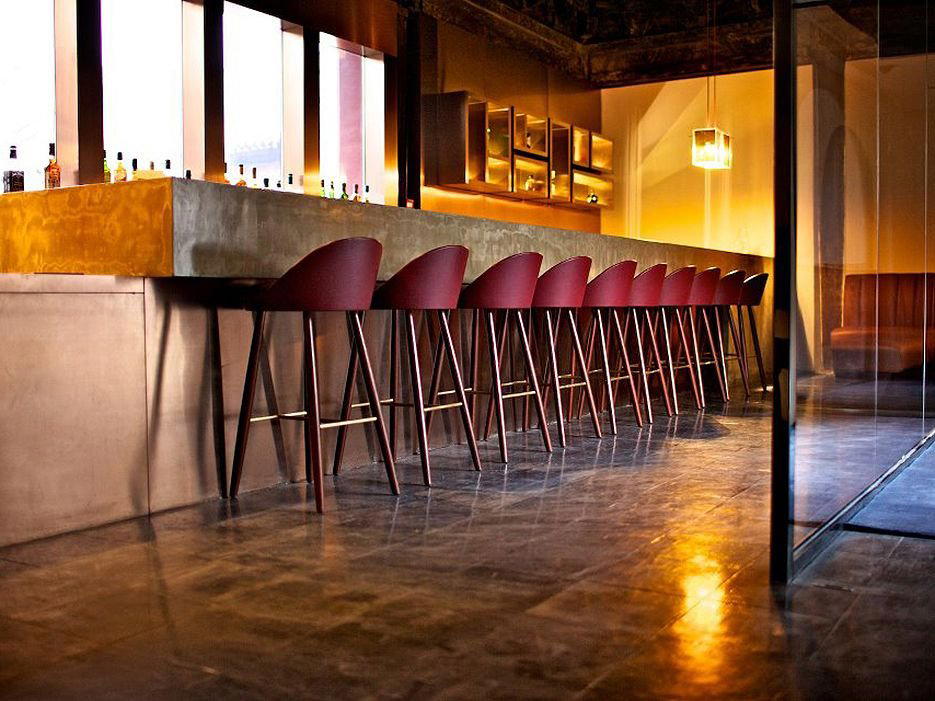
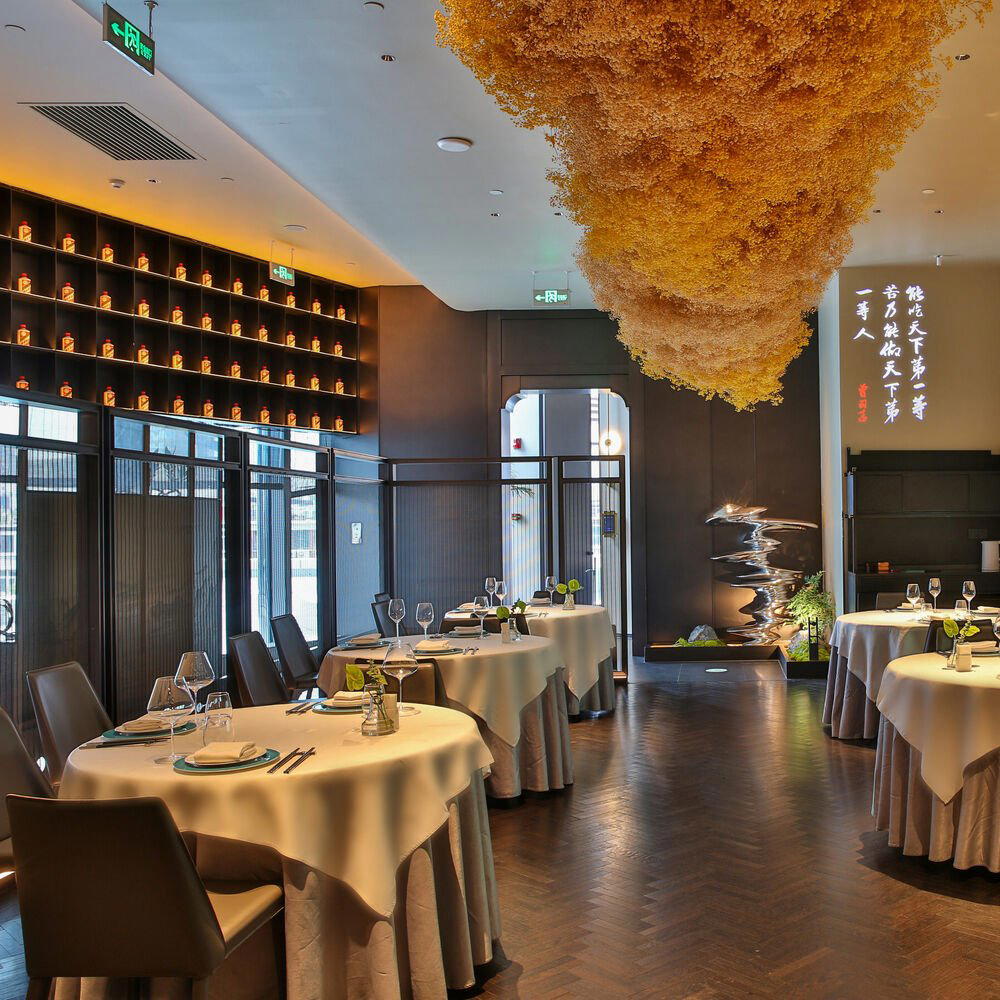
Serene and regal with dimly lit, calming spaces; minimalist yet ornate design blending traditional Imperial Chinese aesthetics with modern luxury; peaceful courtyard settings with bamboo and gardens.