

1 Michelin Star
Our verdict
Fuzhou's most formally positioned Huaiyang table earns its 2024 Michelin star by straddling two culinary geographies: the refined braising traditions of the Jiangnan delta and the seafood-forward instincts of Fujian's Minnan coast. Twelve private rooms with tea-serving facilities make it the city's default address for banquet-scale dining. The ginger eight-treasure duck, requiring advance pre-order, signals the kitchen's ambition.

Pearl is the En Primeur Club membership app — saves, bookings, and concierge access live there. Same editors, same standards.
- Address
- 8338 Capstan Wy #1211, Richmond, BC V6X 4B5, Canada
- Phone
- (778) 916-0888
- Hours
- Daily 11 AM–10 PM
- Directions
- Get directions
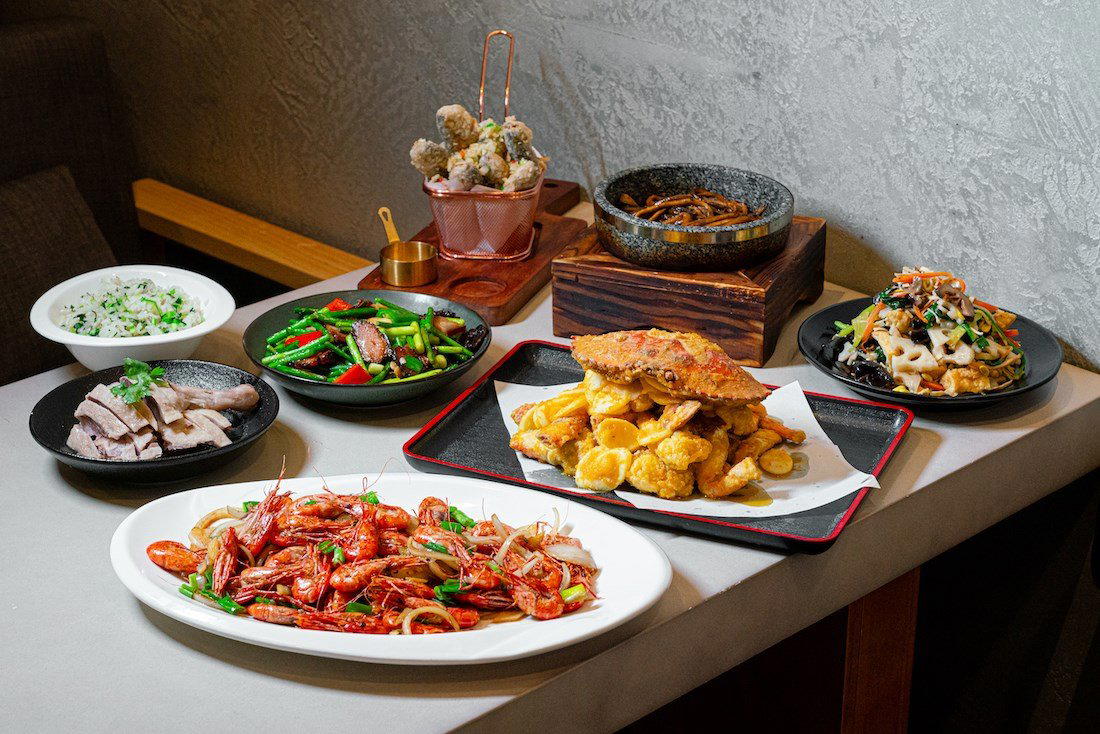
The menu
What to order
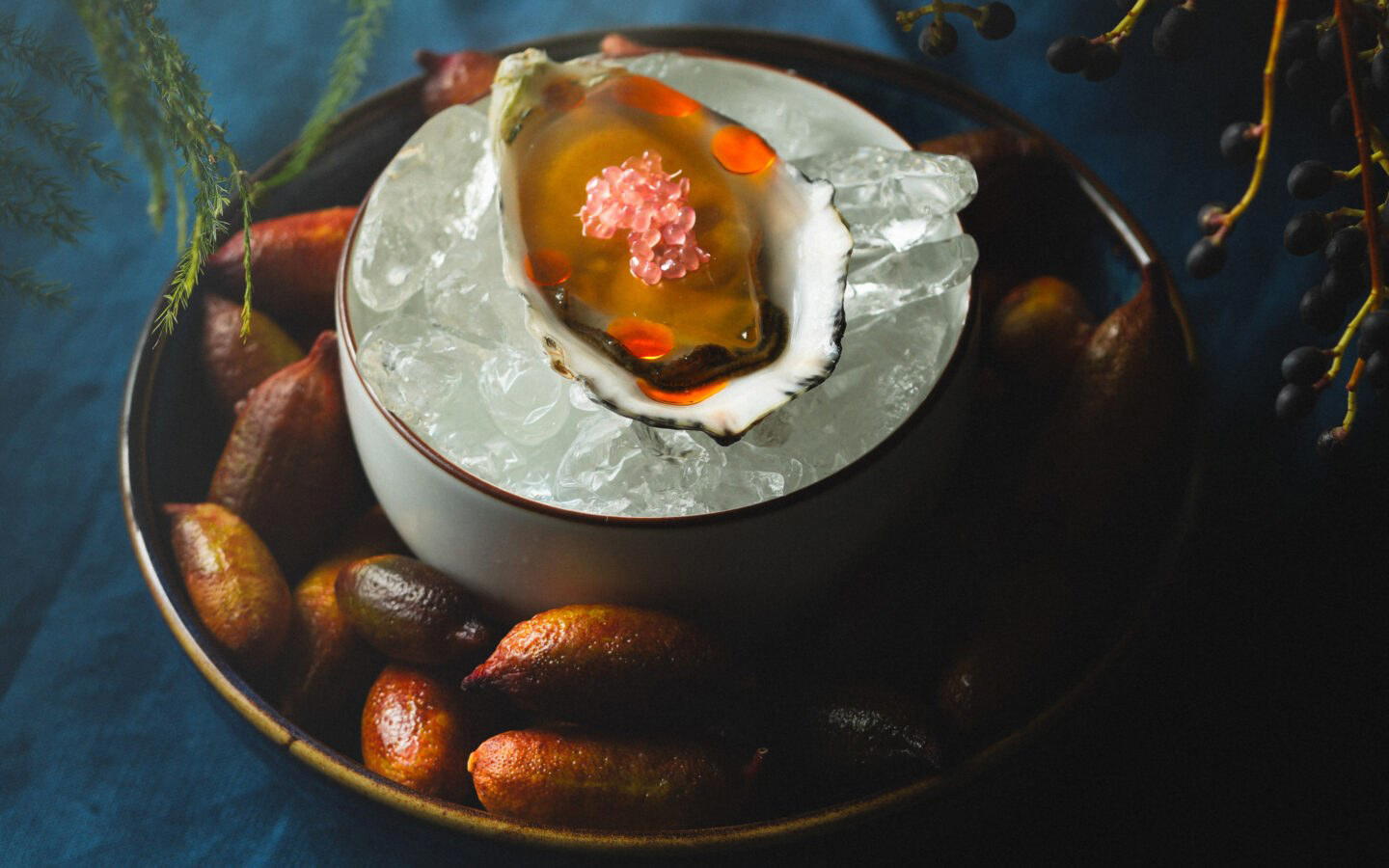
- Squirrel fish
Green Tiles, Fish Scales, and the Architecture of a Culinary Crossroads
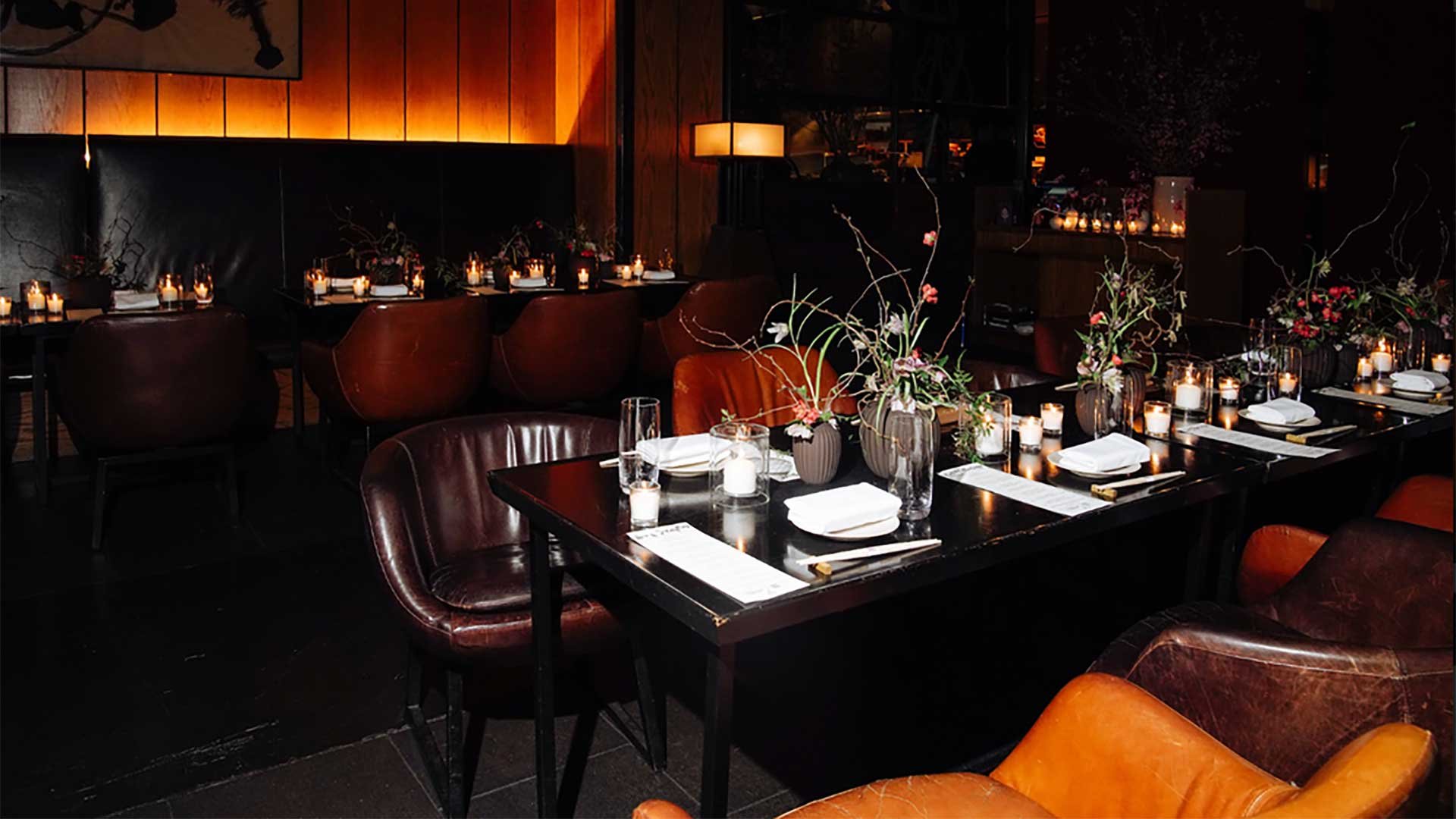
Walk into Jiangnan Wok·Rong and the first thing that registers is the colour: a considered deep green that runs across walls and panelling, interrupted by fish-scale tile work and plant motifs rendered with enough restraint to read as design rather than decoration. The interior sits at a deliberate midpoint between two regional aesthetics. Jiangnan style, associated with the water towns of the Yangtze delta, tends toward refined literati minimalism; Fujianese interiors more often lean on warm ochres and maritime references. This room tries to hold both in balance, and largely succeeds. The fish-scale tiling in particular functions as a visual argument: it is simultaneously a motif from Fujian's coastal vernacular and an abstraction that fits within the cleaner Jiangnan sensibility.
That spatial negotiation is not incidental. It reflects a menu philosophy that the kitchen treats with the same structural seriousness. Huaiyang cuisine, one of China's four great classical traditions, is built on technical precision: controlled heat, slow braisings, obsessive knife work, a preference for ingredients that reward patience over force. Jiangnan Wok·Rong imports that discipline into a city where the dominant culinary instinct runs toward sharper Minnan flavours and where local produce, particularly the seafood, arrives with a regional character that pushes back against any kitchen that ignores it.
What the Michelin Recognition Means in This Context
The 2024 Michelin one-star award positions Jiangnan Wok·Rong within a narrow peer tier in Fuzhou. Michelin's China coverage has expanded considerably over the past decade, but starred Huaiyang tables outside Shanghai, Beijing, and the major resort cities remain relatively rare. A Huaiyang kitchen earning recognition in Fujian's provincial capital carries a specific signal: the inspectors found that the cuisine's classical standards were being met on their own terms, not diluted into a regional fusion that would have been the easier commercial choice.
For comparative context, Huaiyang specialists in China's larger markets occupy a range from technically correct mid-range dining to the most formally appointed banquet rooms. In Beijing, Huaiyang Fu (Dongcheng) represents the tradition at one register; The Huaiyang Garden in Macau operates at another. Jiangnan Wok·Rong sits in that conversation, bringing a starred Huaiyang option to a city where Fujian-tradition restaurants, like Wenru No.9 and Fuyuan, have historically dominated the formal dining tier. The ¥¥¥ price positioning places it above the mid-range Fujian tables in the city but below the ceiling set by European contemporary rooms like Hatter, which occupies the ¥¥¥¥ bracket.
Across China's wider dining map, the pattern of Huaiyang kitchens earning recognition outside their traditional base cities has grown more pronounced. Xin Rong Ji in Beijing and Xin Rong Ji in Chengdu demonstrate how the tradition travels when a kitchen commits to sourcing discipline and classical technique rather than adapting toward local palatial preferences. Jiangnan Wok·Rong's approach, blending Huaiyang method with Fujian produce, represents a more explicit hybridisation than those examples, and the Michelin recognition suggests the committee found the blend coherent rather than opportunistic.
The Menu Logic: Two Traditions, One Kitchen
Huaiyang cooking is most immediately associated with its treatment of fish and freshwater ingredients: the meticulous deboning of mandarin fish, the slow-braised pork belly preparations, the clear broths that require hours of careful reduction. When that tradition intersects with Fujian's coastal produce, the potential for interesting friction is real. Minnan cooking is less shy about assertive flavour, more comfortable with fermented and dried seafood notes, and structurally different in its preference for quick-fire techniques alongside long braisings.
The braised yellow croaker lion's head meatball on the menu is a telling example of how the kitchen manages this. Lion's head meatballs are a Huaiyang classic, traditionally made with pork and associated with Yangzhou; substituting yellow croaker, a fish central to Fujian coastal cooking, is a direct textural and flavour shift. The result, by available account, achieves a silky, deep-umami profile that suggests the kitchen understands how to apply Huaiyang braising technique to a local ingredient without simply recreating a pork preparation with fish as a substitute protein.
The ginger eight-treasure duck requires pre-ordering, which is a structural signal as much as a practical one. Dishes that demand advance notice in formal Chinese kitchens are typically time-intensive preparations where the kitchen cannot absorb the production demand without planning. Eight-treasure duck, stuffed with glutinous rice and varied fillings before slow cooking, is one of the canonical banquet dishes of the Jiangnan tradition. Requiring a pre-order is the kitchen's way of indicating it is being made properly rather than held ready in production. Diners planning a first visit should factor this into their booking conversation.
For Fuzhou diners whose reference point is the city's strong noodle and casual Fujian tradition, represented by places like A Xin Xian Lao (Gongnong Road), the formal register here is a different proposition entirely. The comparison with 167 Shan Hai Li is also instructive: Fuzhou now has enough varied formal dining options that the choice of register carries meaning. Chosop addresses the Sichuan tier at ¥¥; Jiangnan Wok·Rong is making a different argument about where classical Chinese cooking sits in a provincial capital that has historically been defined by its own regional tradition.
The Private Room Setup and Who Uses It
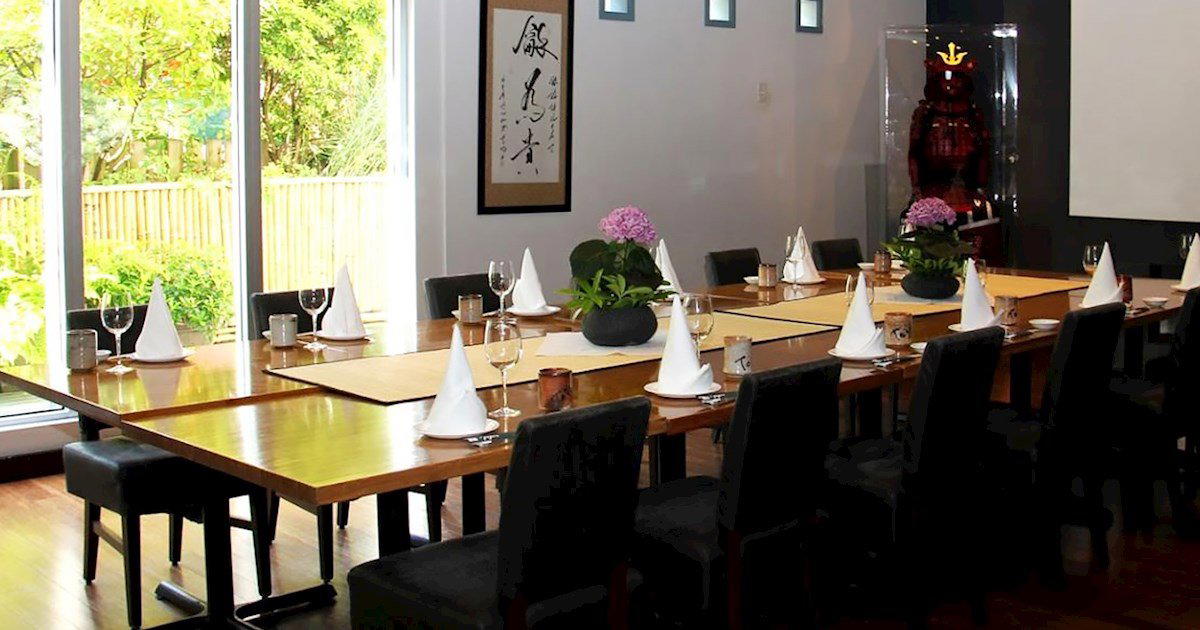
Twelve private rooms, each equipped with tea-serving facilities, is a configuration that speaks directly to the banquet and business dining market. In formal Chinese restaurant culture, private room count is a meaningful indicator of the venue's primary constituency. A twelve-room configuration at this price tier is designed for group occasions where conversation privacy, pacing control, and the theatre of tea service matter as much as the food itself. Tea-serving facilities in each room rather than a shared service point signal that the room considers the full beverage ritual part of the experience, not an afterthought.
This positions Jiangnan Wok·Rong in the same functional category as established banquet specialists across China's major cities. Imperial Treasure Fine Chinese Cuisine in Guangzhou, 102 House in Shanghai, and Chef Tam's Seasons in Macau all operate within a similar framework of formal occasion dining where private space is integral to the proposition. Ru Yuan in Hangzhou, operating closer to the Jiangnan heartland, offers a useful geographic benchmark for the tradition Jiangnan Wok·Rong is drawing from.
Walk-in dining at a twelve-private-room restaurant of this configuration is structurally unlikely on any weekend or holiday evening. Advance reservation is the operative assumption, with pre-ordering of the eight-treasure duck requiring communication at the time of booking rather than on arrival. The restaurant's address at 8338 Capstan Way in Fuzhou places it within the city's developed dining corridor; the ¥¥¥ price point means the typical table spend will exceed that of casual Fujian competitors in the same neighbourhood.
Planning a Visit
For visitors arriving in Fuzhou for the first time, the city's dining hierarchy moves from casual noodle and small-eats culture at the ¥ and ¥¥ tier through to a smaller set of formal Chinese rooms at ¥¥¥ and above. Jiangnan Wok·Rong sits at the top of the local Huaiyang offering and in the broader formal Chinese tier alongside Wenru No.9 and Fuyuan. The combination of a 2024 Michelin star and a twelve-room private dining format makes it most suitable for occasions where the meal is the event rather than an accompaniment to it.
Explore the full picture of dining, drinking, and staying in Fuzhou through our guides: our full Fuzhou restaurants guide, our full Fuzhou hotels guide, our full Fuzhou bars guide, our full Fuzhou wineries guide, and our full Fuzhou experiences guide.
Frequently asked questions
Is Jiangnan Wok‧Rong expensive?
Pricing at Jiangnan Wok‧Rong is listed as ¥¥¥.
What's Jiangnan Wok‧Rong known for in terms of accolades?
Jiangnan Wok‧Rong has received recognition including: The interior sports a tasteful green colour scheme with plant motifs and fish scale tiles for a style poised between Jiangnan and Fuzhou. In the same vein, the menu features authentic Huaiyang classics alongside Fujian produce and Minnan tw….
What part of town is Jiangnan Wok‧Rong in?
Jiangnan Wok‧Rong is located at 8338 Capstan Wy #1211, Richmond, BC V6X 4B5, Canada, Fuzhou.
Do they take walk-ins at Jiangnan Wok‧Rong?
Reservations are recommended for Jiangnan Wok‧Rong in Fuzhou. Confirm current policy via the venue's official channels.
Peers Worth Knowing
A quick peer reference to anchor this venue in its category.
| Venue | Cuisine | Awards |
|---|---|---|
| Jiangnan Wok‧RongThis venue — the venue you are viewing | Huaiyang Chinese Cuisine | 1 Michelin Star |
| Hou Jie Lao Hua (Yadao Lane) | Noodles | Not listed |
| Jing Li | Fujian | Not listed |
| Mei Ya Bo Hua Sheng Tang | Small eats | Not listed |
| Chosop | Sichuan | Not listed |
| Hatter | European Contemporary | Not listed |
Recognition history
Dated appearances from independent guides and award organizations, with the underlying list record or original source where available.
Michelin 1 Star
Michelin
Chinese Restaurant Awards — Top 50 Honouree Canada: Top 50 Honouree Canada
Chinese Restaurant Awards
Full recognition history (8 entries)
Chinese Restaurant Awards — Top 50 Honouree Canada: Top 50 Honouree Canada
Chinese Restaurant Awards
Chinese Restaurant Awards — Critics’ Choice Signature Dish: Wenshi Tofu Soup
Chinese Restaurant Awards
Chinese Restaurant Awards — Elite 30 Canada: Elite 30 Canada #11
Chinese Restaurant Awards
Michelin 1 Star
Michelin
Chinese Restaurant Awards — Critics’ Choice Signature Dish: A Handful of Pepper Fried Eel Paste with Emerald Vegetable Fried Rice
Chinese Restaurant Awards
Michelin 1 Star
Michelin
Details
- Modern
- Minimalist
- Family
- Casual Hangout
- Group Dining
- Standalone
- A La Carte
Current opening hours
- Monday
- 11 AM–10 PM
- Tuesday
- 11 AM–10 PM
- Wednesday
- 11 AM–10 PM
- Thursday
- 11 AM–10 PM
- Friday
- 11 AM–10 PM
- Saturday
- 11 AM–10 PM
- Sunday
- 11 AM–10 PM
Hours can change for holidays and private events. Last verified .
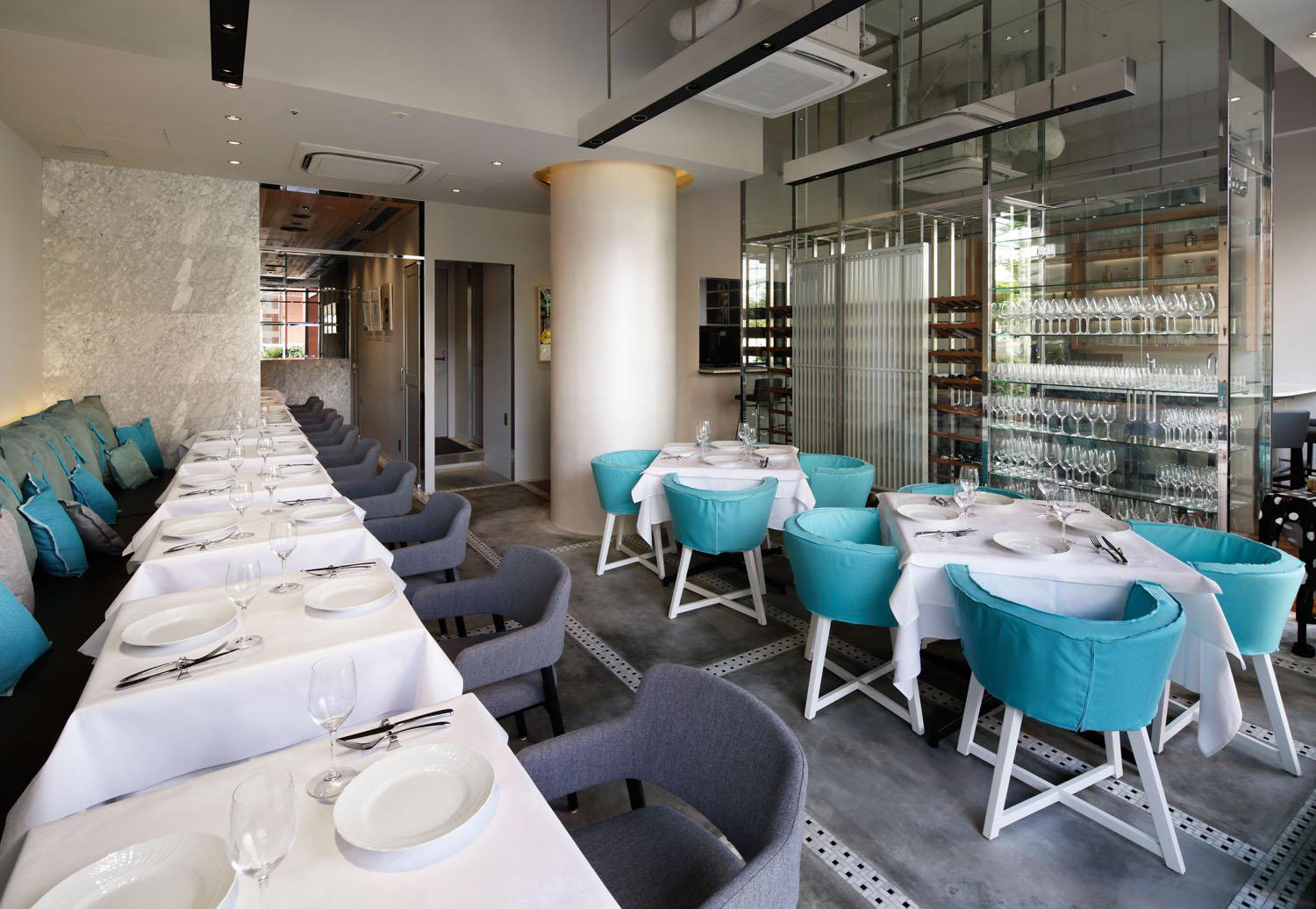
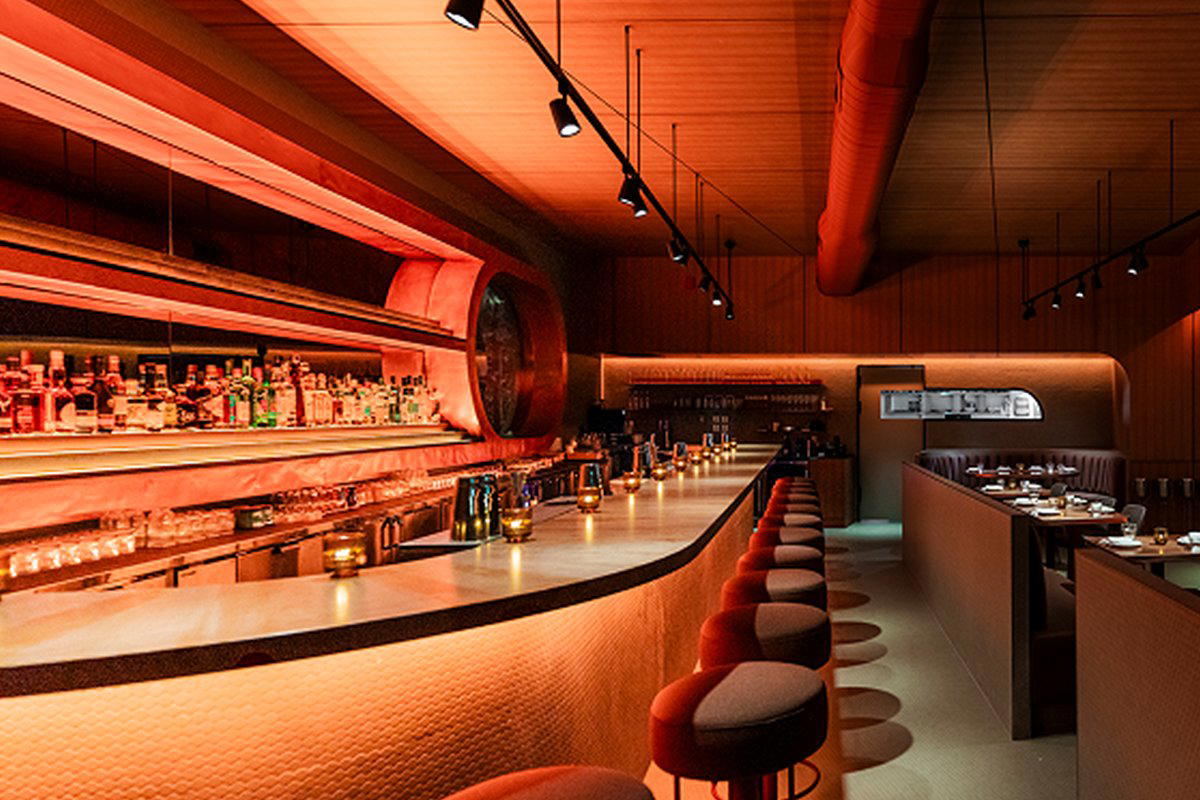
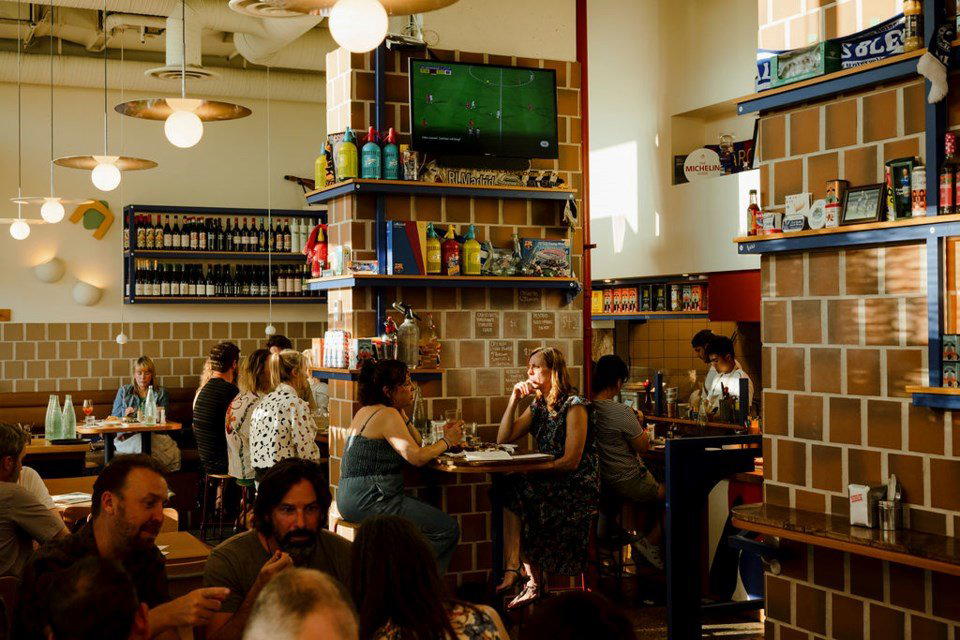
Minimal and modern, with faux raw concrete walls, cool lighting, slab tables, and a busy but reasonably conversational dining room.