


1 Michelin Star · La Liste Top Restaurants · Black Pearl 1 Diamond
Our verdict
The Beijing Kitchen (Jianguo Road) places Cantonese craft inside Beijing’s competitive southern Chinese dining tier, with dim sum, double-boiled soups and roast work carrying the argument. Recognition from Michelin, Black Pearl and La Liste gives it more weight than a casual ¥¥ Cantonese room, while the cooking remains anchored in technique rather than theatre.

Pearl is the En Primeur Club membership app, where members save venues, book tables and use the concierge.
The menu
What to order
- Peking duck
- Sweet and sour pork
The first cue in a serious dining room is rarely volume but choreography: bamboo steamers moving with purpose, tea poured before the table settles, roast meats treated as timing tests rather than decoration. In Beijing, where established banqueting habits often set the pace, this style of cooking must argue through restraint, heat control and disciplined repetition. The Beijing Kitchen (Jianguo Road) belongs in that conversation because its best evidence is not novelty, but craft applied to familiar forms: dim sum, double-boiled soups, deep-fried squab and fruit-led desserts.
Beijing’s dining scene sits in tiers. At the higher end, The House of Dynasties and Zijin Mansion favour formal banquet polish. In the same city, Horizon, Xin Ming Yuen and San Qing Tan occupy a more direct register, where roast work, dim sum and soup can matter more than ceremony. The Beijing Kitchen (Jianguo Road) reads close to that set, but its recognition raises expectations: Michelin 1 Star, Black 1 Diamond and an 80-point listing in La Liste Top Restaurants 2026 place its technical consistency under public scrutiny.
Dim sum as a measure of kitchen discipline
Dim sum is often misread as variety first and technique second. In practice, the reverse is nearer the truth. A dumpling wrapper must carry filling without heaviness; a steamed item must hold heat without collapse; fried pieces need audible crispness without grease. Service can therefore reveal more than a longer menu because the format asks whether a team can repeat small, precise tasks across many tables.
The Beijing Kitchen (Jianguo Road) is strongest through that lens. Its listed strengths include dim sum and double-boiled soups, two categories that resist shortcuts. Soup here is not garnish but a statement of extraction, clarity and patience. Dim sum makes the kitchen show knife work and steaming discipline in miniature. For travellers comparing Beijing dining rooms, that matters more than a long dish list: a kitchen that handles small forms well usually has clearer command of larger ones.
The wider dining conversation frames the point. Other major cities have polished southern-leaning circuits, while different local palates show how technique shifts when sourcing, private-room culture and regional preference pull it in different directions. Beijing’s challenge is different: this cooking must persuade in a city with powerful local defaults. The more convincing kitchens do that by keeping technique legible.
Squab, soup and the Hong Kong owner-chef signal
Clearest credential is the owner-chef’s Hong Kong background and more than 40 years of experience. That matters because this cooking has long treated consistency as public performance: roast birds, stock, pastry and steamed items are judged by repeat customers who know the category. The Beijing Kitchen (Jianguo Road) adds daily quality control, with the owner-chef sampling what the team makes. In a kitchen where small deviations show quickly, that routine matters more than a decorative origin story.
Crispy deep-fried squab gives the kitchen a useful anchor. The listed preparation uses 30-day-old birds basted three times, aiming for crisp skin with juicy, silky meat. The specificity matters. Squab is unforgiving: too little heat leaves skin dull; too much dries the bird. In this dining context, it is not flourish but a sequencing test, from basting to frying to service temperature. It also places the room in a lineage where roast and fried poultry carry as much status as luxury ingredients.
Dessert completes the arc differently from richer pastry or heavier sweets. Sago and pomelo in mango purée appears among the cited standouts, valued for the sweet-tangy balance often welcome after a meal built around stock, steam and roast work. The closing note follows the meal’s logic: refreshment, acidity and texture rather than sugar as spectacle.
How to read it against Beijing's dining field
For a city guide, the useful question is not whether Beijing has comparable restaurants. It does. The sharper question is which rooms treat the cooking as a technical system rather than a luxury label. The Beijing Kitchen (Jianguo Road) sits among award-recognised Beijing dining rooms where dim sum, soup and poultry need to justify the attention. That makes it relevant for travellers seeking craft without turning the meal into a purely formal occasion.
It also belongs in a wider Beijing dining itinerary. For other contemporary cooking, compare it with unnamed Beijing dining rooms working in different registers. For a different international reference point, other Beijing restaurants may belong to another dining language entirely. Beijing rewards that contrast: one meal built around steam, stock and poultry; another around local structure, private-room service or imported technique.
Travellers extending the comparison beyond Beijing can use regional restaurants as calibration rather than competition. Across China, regional dining changes as climate, staple foods and service culture shift. The Beijing Kitchen (Jianguo Road) is therefore not a substitute for eating elsewhere; it is a Beijing interpretation judged by how much discipline survives the move.
For trip planning, keep the restaurant inside a broader Beijing map rather than treating it as a standalone trophy. Use our full Beijing restaurants guide for dining context, then pair the meal with our full Beijing hotels guide, our full Beijing bars guide, our full Beijing wineries guide and our full Beijing experiences guide. The stronger itinerary is not a string of prestige names, but a sequence letting Beijing’s regional, formal, international and southern-leaning registers speak in turn.
Frequently asked questions
What cuisine category does The Beijing Kitchen (Jianguo Road) fall under?
The Beijing Kitchen (Jianguo Road) is known for dim sum, double-boiled soups, crispy deep-fried squab, and sago and pomelo in mango purée.
Is The Beijing Kitchen (Jianguo Road) expensive?
The provided recognition highlights the restaurant’s awards and signature dishes, but does not specify a price category.
What kind of recognition has The Beijing Kitchen (Jianguo Road) received?
The Beijing Kitchen (Jianguo Road) has received recognition including La Liste Top Restaurants (2026): 80pts; Black 1 Diamond (2025); and Michelin 1 Star (2024).
What's The Beijing Kitchen (Jianguo Road)'s location?
Beijing.
Should I book The Beijing Kitchen (Jianguo Road) in advance?
Yes. Michelin 1 Star (2024), Black 1 Diamond (2025), and La Liste Top Restaurants (2026) recognition make advance planning sensible in Beijing.
What's the defining dish or idea at The Beijing Kitchen (Jianguo Road)?
The clearest calling card is the crispy deep-fried squab: 30-day-old birds are basted three times to keep the skin crisp and the meat juicy. That sits alongside double-boiled soups, dim sum, and the owner-chef’s Hong Kong background and more than 40 years of experience.
Cost Snapshot
Side-by-side context: comparable cuisine and price.
| Venue | Cuisine | Price | Awards | Notes |
|---|---|---|---|---|
| The Beijing Kitchen (Jianguo Road)This venue (the venue you are viewing) | High-end Cantonese | $50–100 | 1 Michelin Star · La Liste Top Restaurants | Not listed |
| Horizon | Cantonese & Peking Duck | $50–100 | Michelin Plate | Cantonese |
| The House of Dynasties | Modern Cantonese Dim Sum & Zhanjiang Cuisine | $50–100 | 1 Michelin Star · Black Pearl 1 Diamond | Cantonese |
| Zijin Mansion | Modern Cantonese with Beijing Specialties | $150–200 | 1 Michelin Star · La Liste Top Restaurants | Cantonese |
| Xin Ming Yuen | Cantonese | Not listed | Michelin Plate | Not listed |
| San Qing Tan (Sanlitun Road) | Refined Cantonese Roast Goose & Dim Sum | Not listed | Michelin Plate | Cantonese |
Recognition history
Dated appearances from independent guides and award organizations, with the underlying list record or original source where available.
Michelin 1 Star
Michelin
La Liste Top Restaurants
La Liste
Black Pearl 1 Diamond
Black Pearl
Full recognition history (5 entries)
Black Pearl 1 Diamond
Black Pearl
Michelin 1 Star
Michelin
Continue exploring
More in Beijing
Restaurants in Beijing
All restaurants in Beijing →
Bars in Beijing
All bars in Beijing →

Details
- Elegant
- Sophisticated
- Business Dinner
- Special Occasion
- Open Kitchen
- Hotel Restaurant
- A La Carte
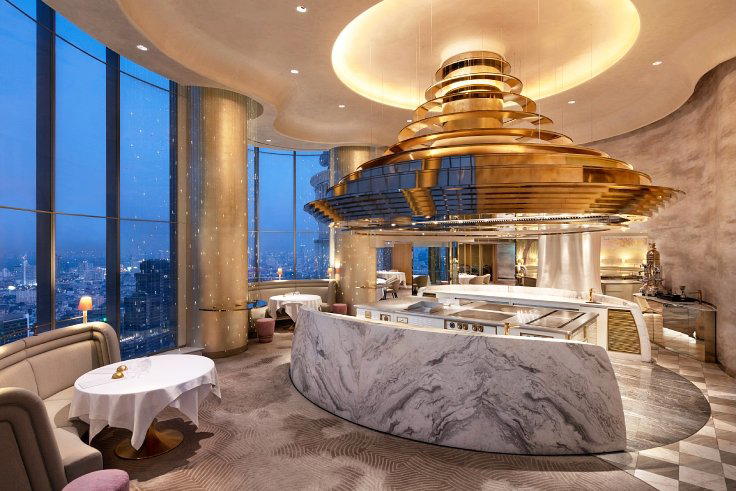
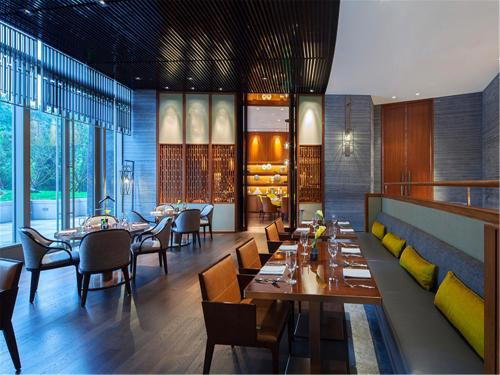
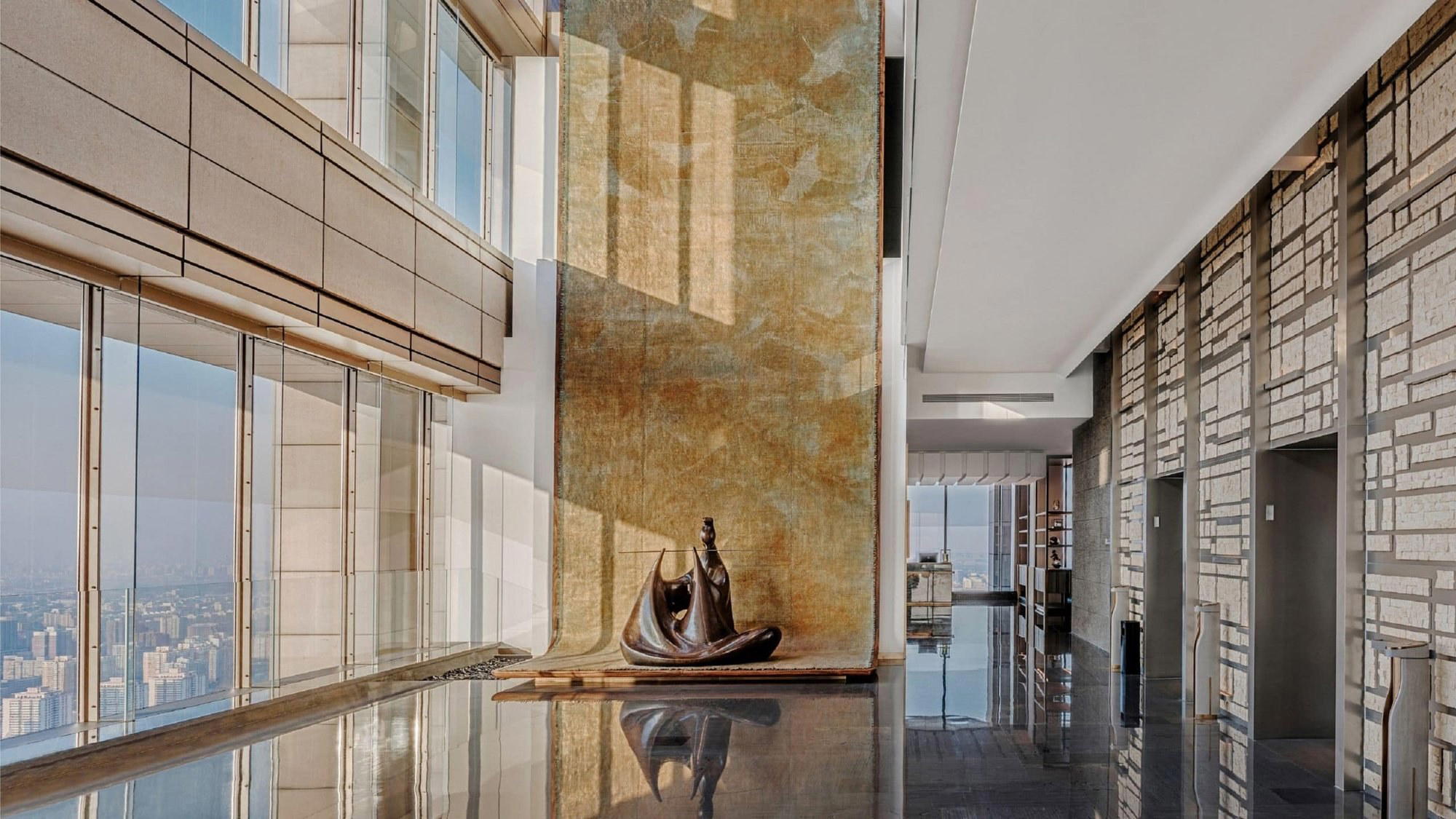
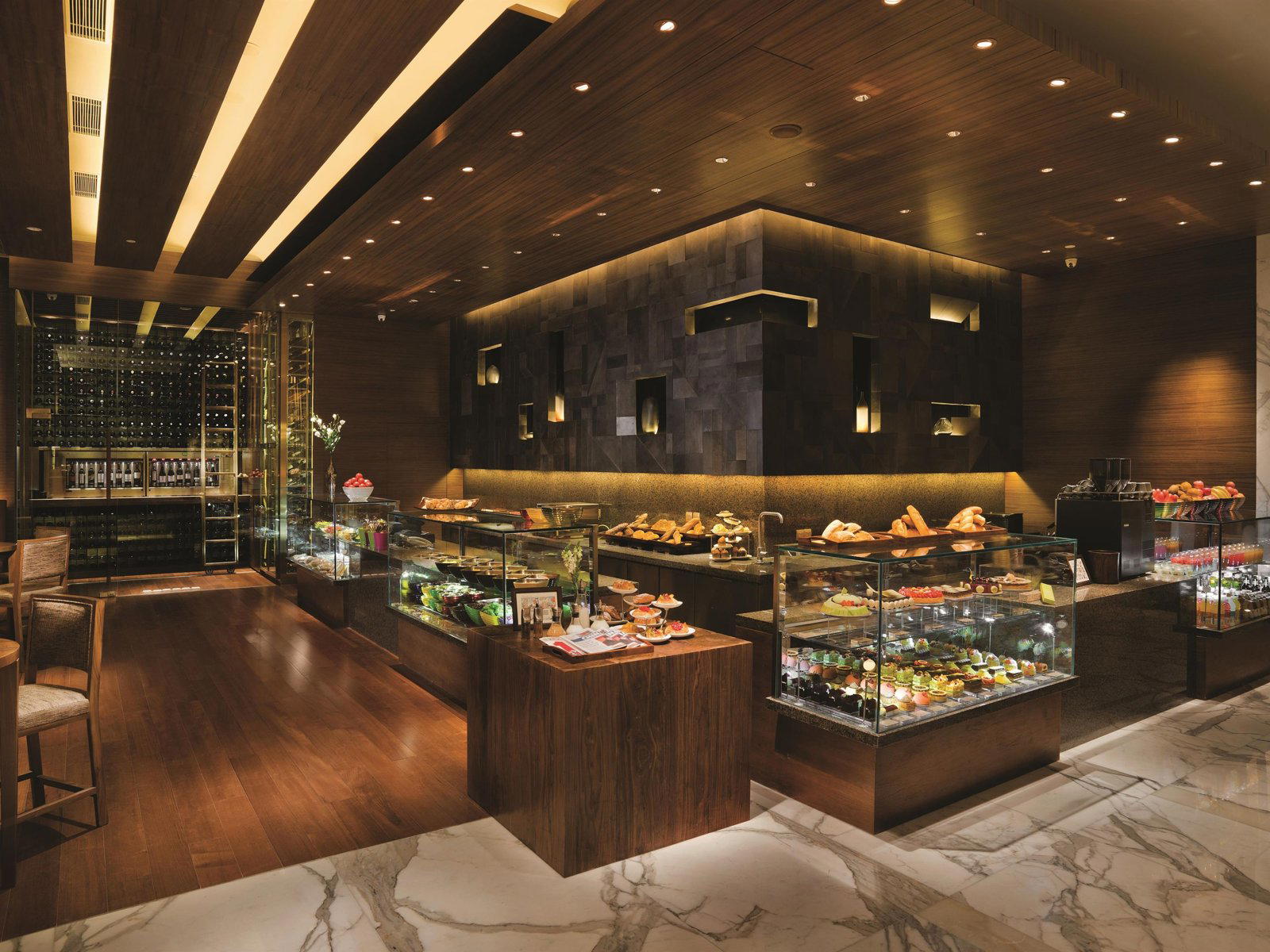
High-end elegant atmosphere with considerate service in a luxury mall setting.