


Imperial Treasure Fine Teochew Cuisine holds a Michelin star and consistent OAD Asia rankings in Guangzhou's Yuexiu District, making it one of the city's most credentialed addresses for Chao Zhou cooking. The kitchen operates under Chef Alfred Leung, working within a tradition that prizes subtlety, precise seasoning, and unhurried pacing over spectacle. Priced at ¥¥¥, it sits in the upper-mid tier of Guangzhou's formal dining bracket.
Pearl is the En Primeur Club membership app — saves, bookings, and concierge access live there. Same editors, same standards.
- Address
- 293 Guangzhou Blvd Middle, Yuexiu District, Guangzhou, Guangdong Province, China, 510600
- Phone
- +86 20 8737 1288
- Website
- imperialtreasure.com
- Directions
- Get directions
 Saves & bookings on Pearl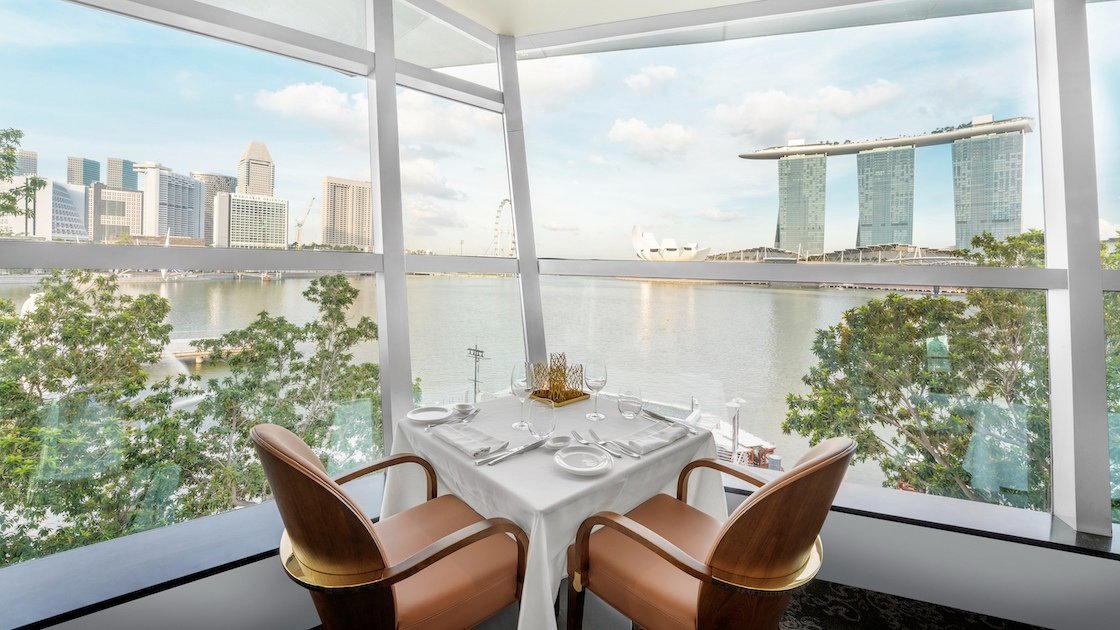
The Weight of a Quiet Cuisine
Guangzhou is a Cantonese city in identity and appetite, which makes the sustained presence of serious Teochew dining here a more interesting fact than it first appears. Teochew cuisine, the cooking of the Chaoshan region east of Guangdong, has always occupied its own register: lighter saucing, longer braising times, a preference for freshness expressed through restraint rather than complexity. In a city that celebrates wok hei and bold Cantonese roasting, a room committed to Teochew pacing asks something different of its guests. Imperial Treasure Fine Teochew Cuisine is a one-Michelin-star restaurant serving Fine Teochew Cuisine in Guangzhou's Yuexiu District, at 293 Guangzhou Blvd Middle.
The Yuexiu District is one of Guangzhou's older commercial and civic quarters, and dining here tends toward the formal and established rather than the experimental. Arriving on Guangzhou Boulevard Middle, you are on one of the city's main north-south arteries, surrounded by a mix of government buildings, older residential blocks, and the kinds of restaurants that have been serving local families and business tables for decades. It is not the neighbourhood of new openings; it is a neighbourhood where longevity counts.
The Architecture of a Teochew Meal
The structure of a Teochew meal differs from Cantonese banquet format in ways that matter for anyone approaching it from the outside. Where Cantonese fine dining often builds toward climactic courses, the whole steamed fish, the roast suckling pig, Teochew ritual is more lateral. Dishes arrive in a sequence designed to balance temperature and texture rather than escalate intensity. Cold plates of braised goose or marinated tofu typically open the table; braised dishes in master stock follow; seafood and vegetables occupy the middle; and congee or plain rice often closes. The pacing is deliberate, and the instinct to rush through it works against what the cuisine is doing.
This rhythm shapes the experience at any credentialed Teochew room, and it is the appropriate lens for understanding what Imperial Treasure is offering at its price tier. The ¥¥¥ positioning places it in the formal tier for Guangzhou, while Imperial Treasure Fine Chinese Cuisine, the group's Cantonese sibling in the city, holds two Michelin stars. Within Teochew cooking specifically, the restaurant sits at the more formal end of a spectrum that runs from street-level Chaoshan noodle shops to white-tablecloth rooms like this one.
Chef Alfred Leung leads the kitchen, and the relevant credential here is less biographical than positional: operating a Michelin-starred Teochew restaurant in a Cantonese city, where the cuisine has fewer reference points for casual diners and where the margin for misreading the room is smaller. The discipline required to hold that position consistently suggests a kitchen that is managing its output carefully rather than riding an early-run surge.
Reading the OAD Signal
The Opinionated About Dining rankings can be a useful gauge of sustained peer regard rather than a single strong meal. Holding within the top 150 across three years, with only modest movement in rank, is a different signal from a restaurant that debuts high and fades. For Teochew cooking specifically, where the cuisine is underrepresented in major ranking systems relative to Cantonese or Shanghainese formats, any consistent OAD presence is meaningful.
Across mainland China, Teochew fine dining at this level is a thin category. Chao Shang Chao in Beijing and Fleurs Et Festin in Xiamen represent two other formal expressions of the cuisine in major cities, each with a different relationship to the Chaoshan source material. The Guangzhou iteration at Imperial Treasure operates with the geographical advantage of proximity to the Chaoshan region and the supply chains it supports, fresh seafood, specific braising ingredients, and the herb and spice profiles that define the cuisine's cold dish tradition.
What the Ritual Demands of the Diner
Teochew etiquette around the table has specific elements worth understanding before you sit down. Tea service is not incidental here: Chaoshan gongfu cha, served in small cups from a clay pot, is an integral part of the meal's pacing, and ignoring it or rushing it signals unfamiliarity with the form. The braised goose, if available, is a dish with strong regional identity, the preparation and quality of the master stock used for braising is one of the kitchen's primary technical signatures, and ordering it early in the meal rather than as an afterthought reflects an understanding of how the sequence is meant to work.
Cold plates in Teochew cooking are not merely appetizers in the Western sense; they function as a compositional statement about seasoning range and raw-ingredient quality. The transition from cold to hot dishes, and from lighter to more umami-forward preparations, is the meal's actual narrative arc. Guests who follow the kitchen's lead rather than reordering the sequence around personal preference will encounter the meal as it is intended.
For anyone building a broader Guangzhou itinerary, the city's fine dining field covers considerably more ground than Teochew alone. Suyab Courtyard and Dai Yong Town represent different registers of the city's restaurant scene, while Hai Men Yu Zi Dian on Yanling Road and Hui Cheng on Dunhe Road anchor the more traditional end of the Cantonese spectrum.
Placing Guangzhou in the Regional Picture
The mainland China fine dining circuit has deepened considerably outside Shanghai and Beijing over the last decade. Guangzhou, with its history as a trade city and its native Cantonese cuisine infrastructure, has been a consistent contributor to that expansion. Comparing notes across cities: Xin Rong Ji in Beijing and Xin Rong Ji in Chengdu represent how a single brand can hold different positions in different city contexts, while 102 House in Shanghai, Chef Tam's Seasons in Macau, Ru Yuan in Hangzhou, and Dai Yuet Heen in Nanjing illustrate the range of approaches to formal Chinese dining across the region. Against that field, a Michelin-starred Teochew room in Guangzhou occupies a specific and relatively narrow niche, formal, regionally specific, and operating without the broader cultural visibility that Cantonese and Shanghainese cuisines command internationally.
This is a pattern common to specialized regional Chinese cuisines at the formal end of the market: the cuisine rewards preparation.
Planning the Visit
Imperial Treasure Fine Teochew Cuisine is at 293 Guangzhou Blvd Middle, Yuexiu District. The ¥¥¥ pricing positions meals in the formal dinner bracket for Guangzhou. Booking in advance is recommended.
Cost Snapshot
Comparable venues nearby, for context on price, style, and recognition.
| Venue | Cuisine | Price | Awards | Notes |
|---|---|---|---|---|
| Imperial Treasure Fine Teochew CuisineThis venue — the venue you are viewing | Guangzhoushi, Fine Teochew Cuisine | $$$$ | Michelin 1 Star | Not listed |
| Lei Garden (Yuexiu) | Guangzhoushi, Traditional Cantonese | $$$ | Michelin 1 Star | Not listed |
| Bingsheng Mansion (Zhujiang New Town) | Guangzhoushi, Refined Cantonese | $$$$ | Michelin 1 Star | Not listed |
| BingSheng Mansion (Xiancun Road) | Guangzhoushi, Refined Cantonese | $$$$ | Michelin 1 Star | Not listed |
| BingSheng Private Kitchen (Tianhe East Road) | Not listed | $$$ | Michelin 1 Star | Guangzhoushi, Michelin-Starred Cantonese Private Kitchen |
| Wisca (Haizhu) | Not listed | $$ | Michelin 1 Star | Guangzhoushi, Traditional Cantonese Claypot & Dim Sum |
Recognition history
Dated appearances from independent guides and award organizations, with the underlying list record or original source where available.
La Liste Top Restaurants
La Liste
La Liste Top Restaurants
La Liste
Michelin 1 Star
Michelin
Michelin 2 Stars
Michelin
Opinionated About Dining Top Restaurants in Asia Ranked #147
Opinionated About Dining
Opinionated About Dining Top Restaurants in Asia Ranked #138
Opinionated About Dining
Opinionated About Dining Top Restaurants in Asia Ranked #117
Opinionated About Dining
Continue exploring
More in Guangzhou
Restaurants in Guangzhou
Browse all →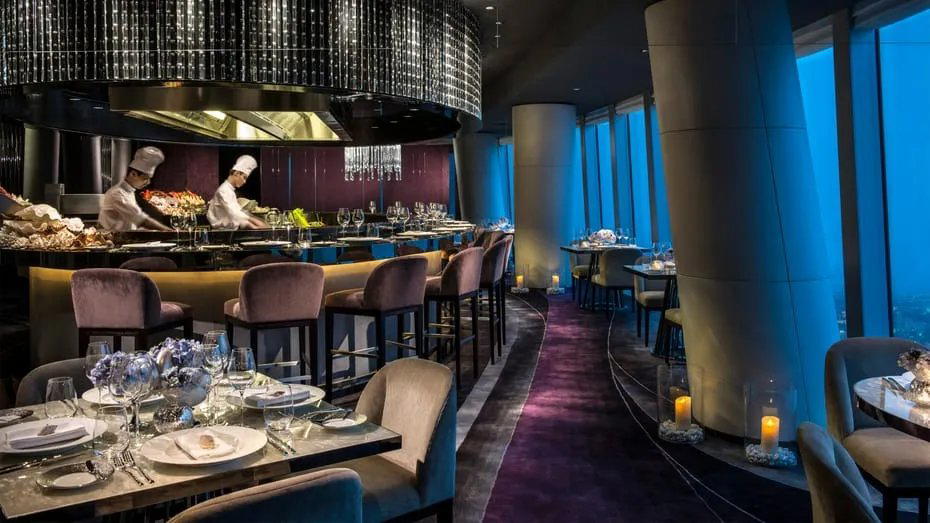
Bars in Guangzhou
Browse all →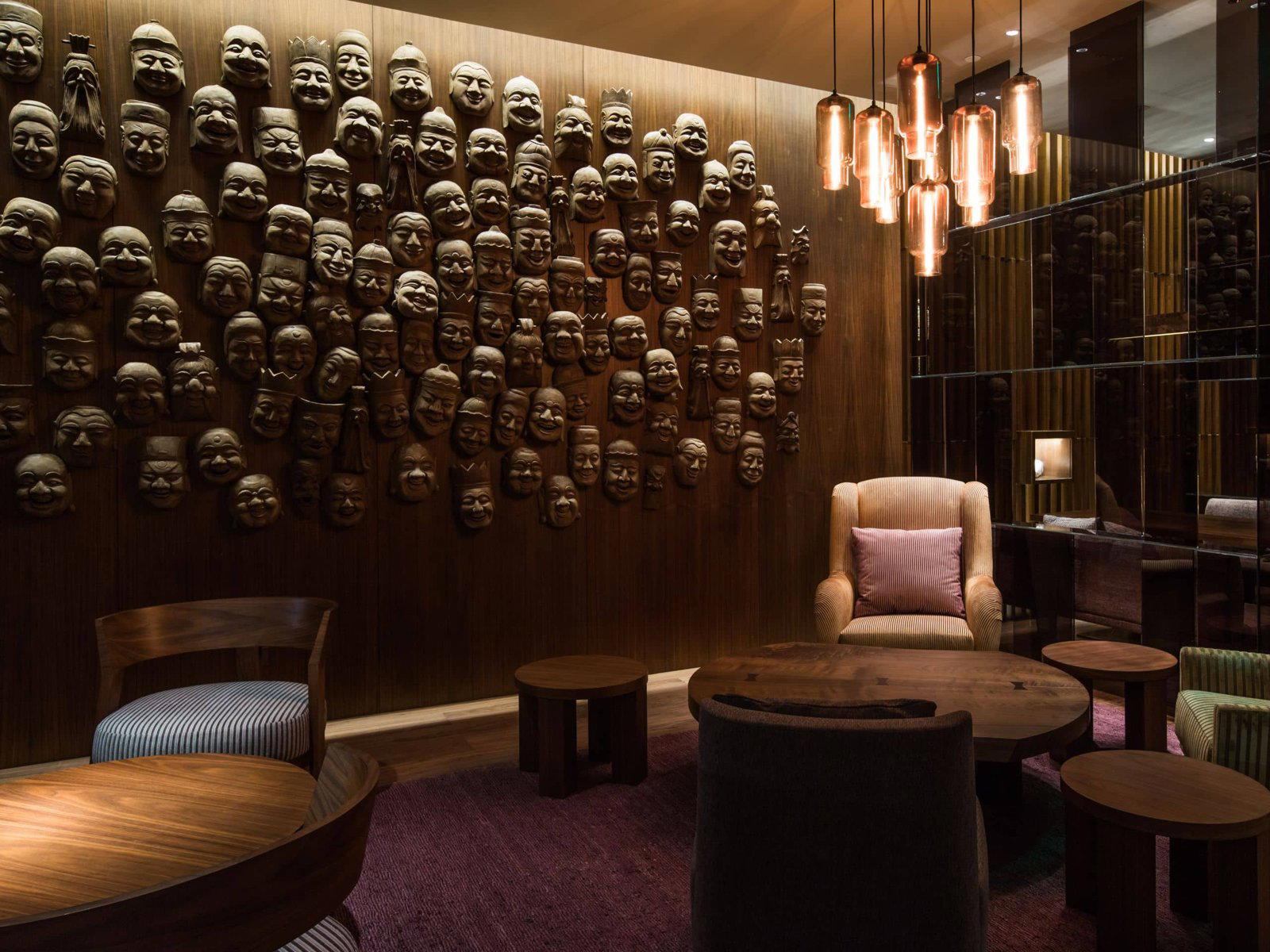
At a Glance
- Elegant
- Sophisticated
- Special Occasion
- Business Dinner
- Group Dining
- Private Dining
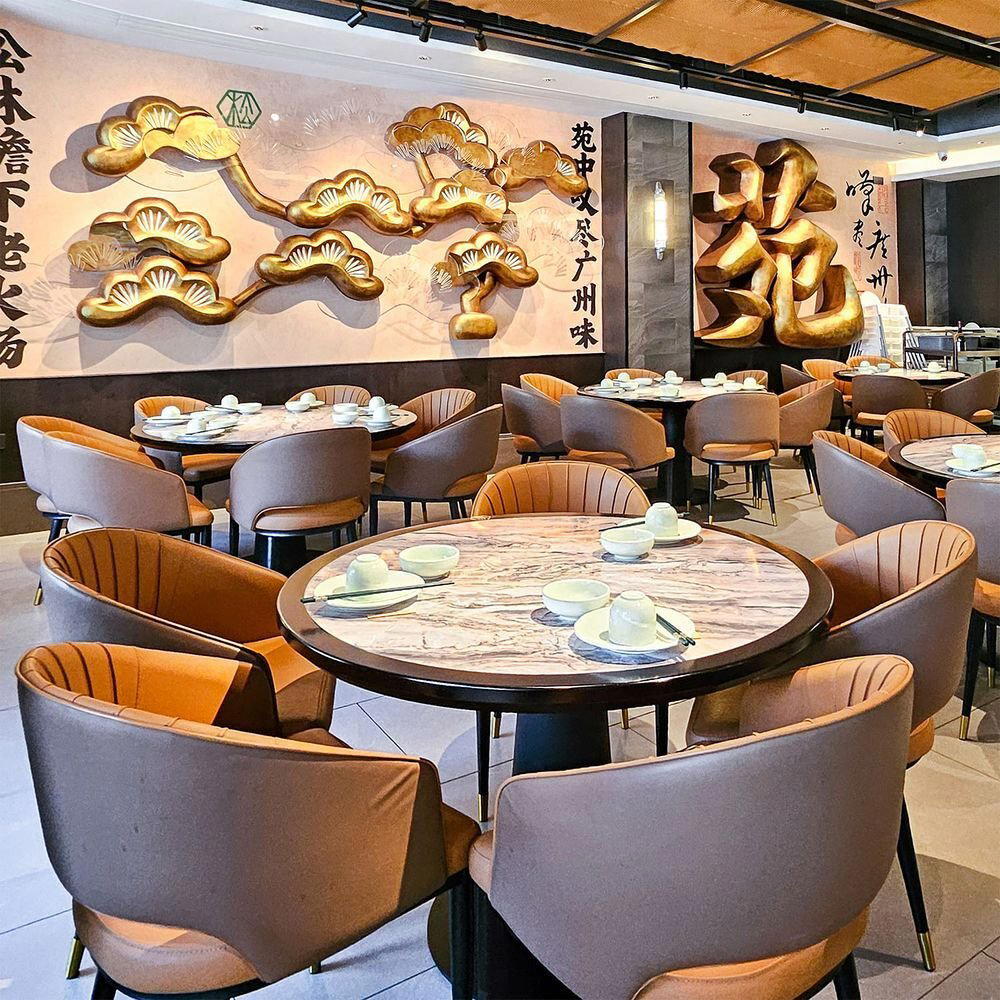
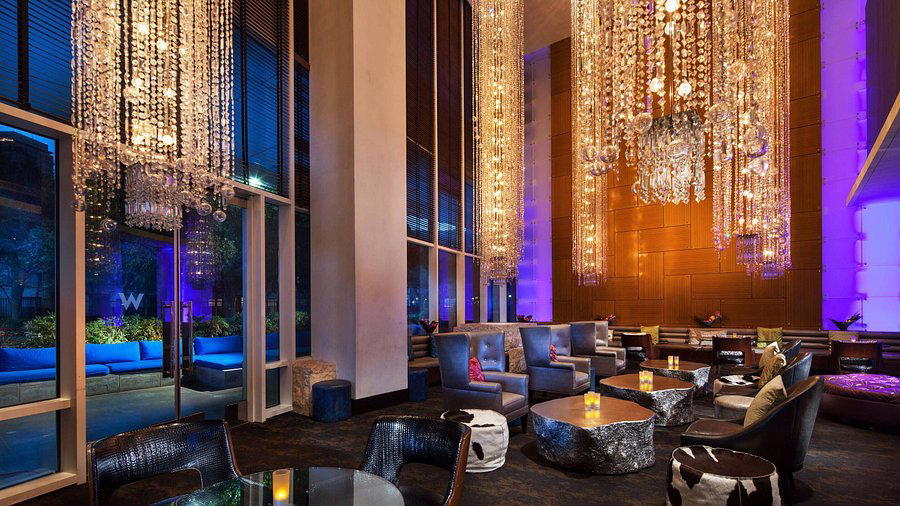
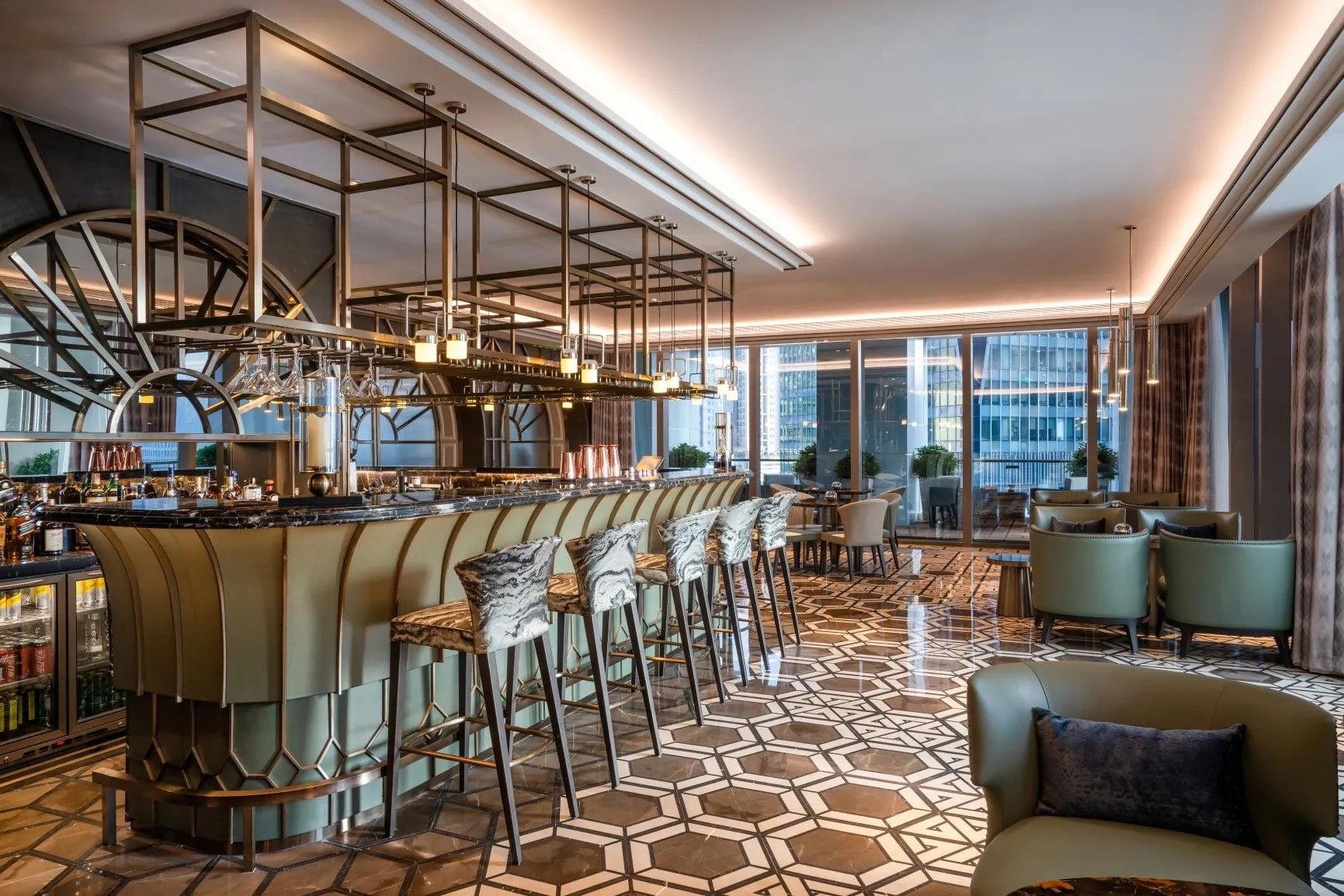
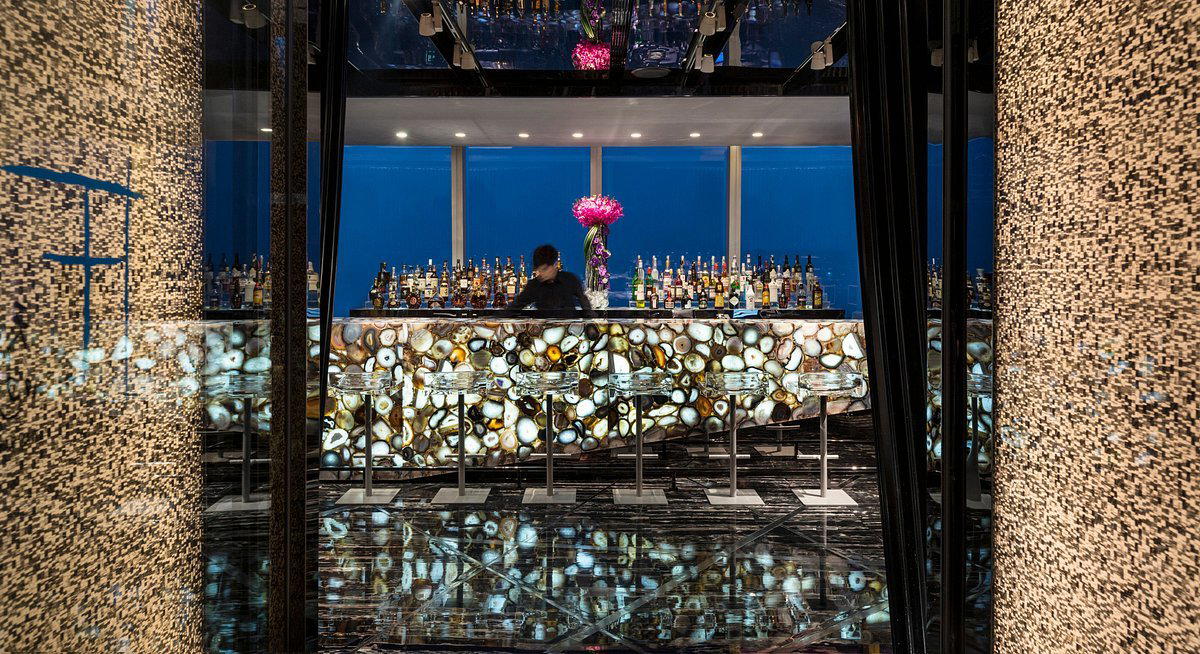
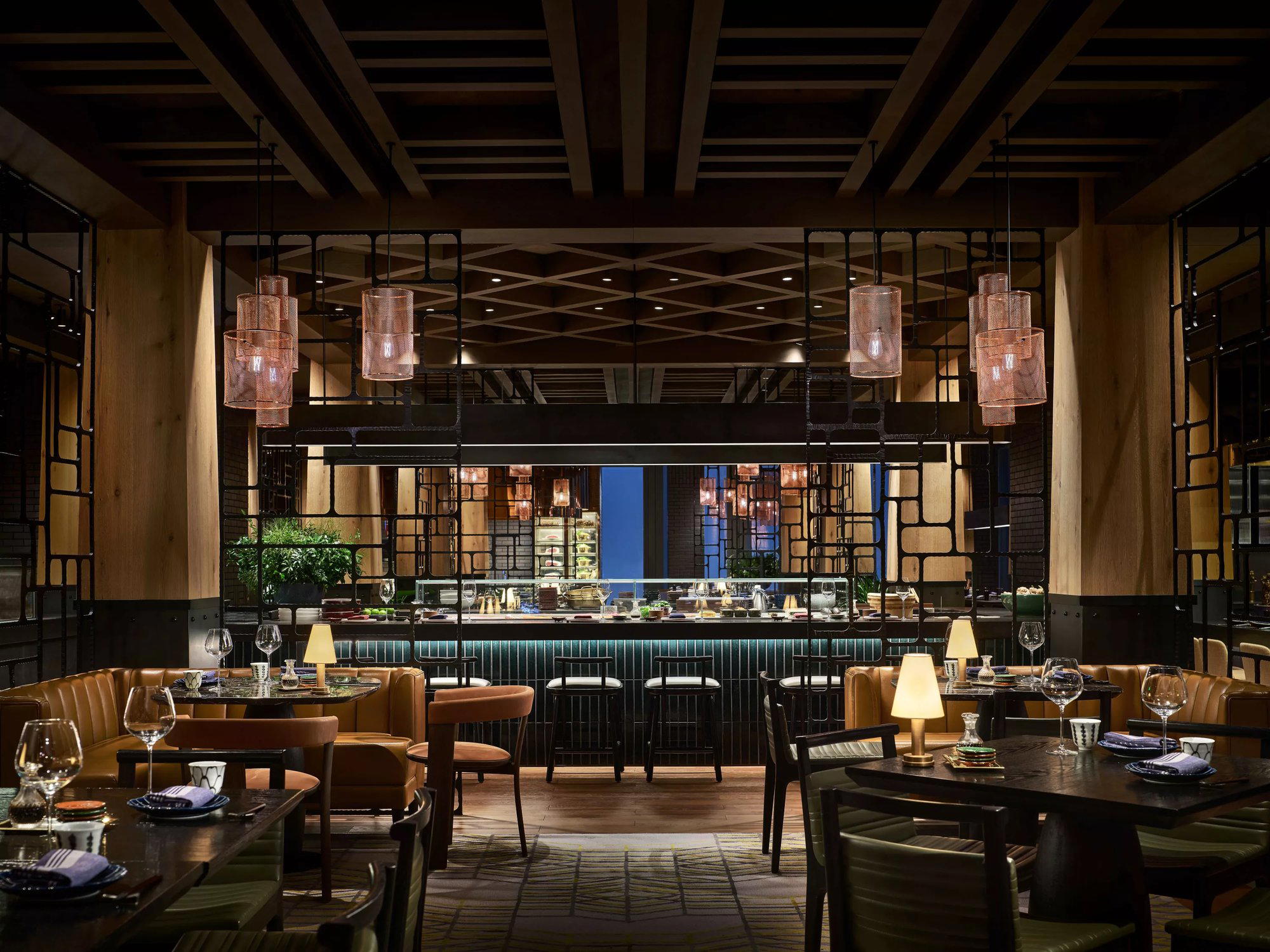
Refined and sophisticated ambience blending modern chic with traditional aesthetics and soft ambient lighting.