

The older of Beijing's two Ritz-Carlton properties, this Chaoyang address trades on classical European hotel language rather than contemporary minimalism, marble foyers, silk-upholstered seating, and two in-house restaurants that anchor a dining programme built for guests who want to eat and drink without leaving the building. La Liste placed it at 95 points in its 2026 Top Hotels ranking, a signal of where it sits among Beijing's upper-tier international properties.
Pearl is the En Primeur Club membership app — saves, bookings, and concierge access live there. Same editors, same standards.
- Address
- Bei Jing Shi, Chao Yang Qu, CN 北京市 朝阳区 建国路甲83号 邮政编码: 100025
- Phone
- +86 10 5908 8888
- Website
- ritzcarlton.com
- Directions
- Get directions
 Saves & bookings on Pearl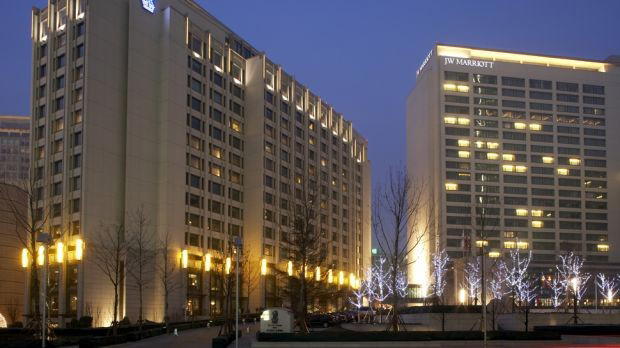
Old-World Register in Chaoyang's New-Money District
Beijing's luxury hotel market has split into two distinct camps: the contemporary glass-and-minimalist towers that have multiplied around the CBD since the mid-2000s, and an older cohort of properties that built their identity around the kind of European classicism that Chinese hotel culture of that era found aspirational. The Ritz-Carlton on Jian Guo Road, the brand's original Beijing address, distinct from the newer Ritz-Carlton Financial Street, belongs firmly to the second group. Where properties like the Bvlgari Hotel Beijing or the Eclat Beijing push contemporary design forward, this hotel leans into the marble-and-molding register that the Ritz-Carlton brand built its global reputation on.
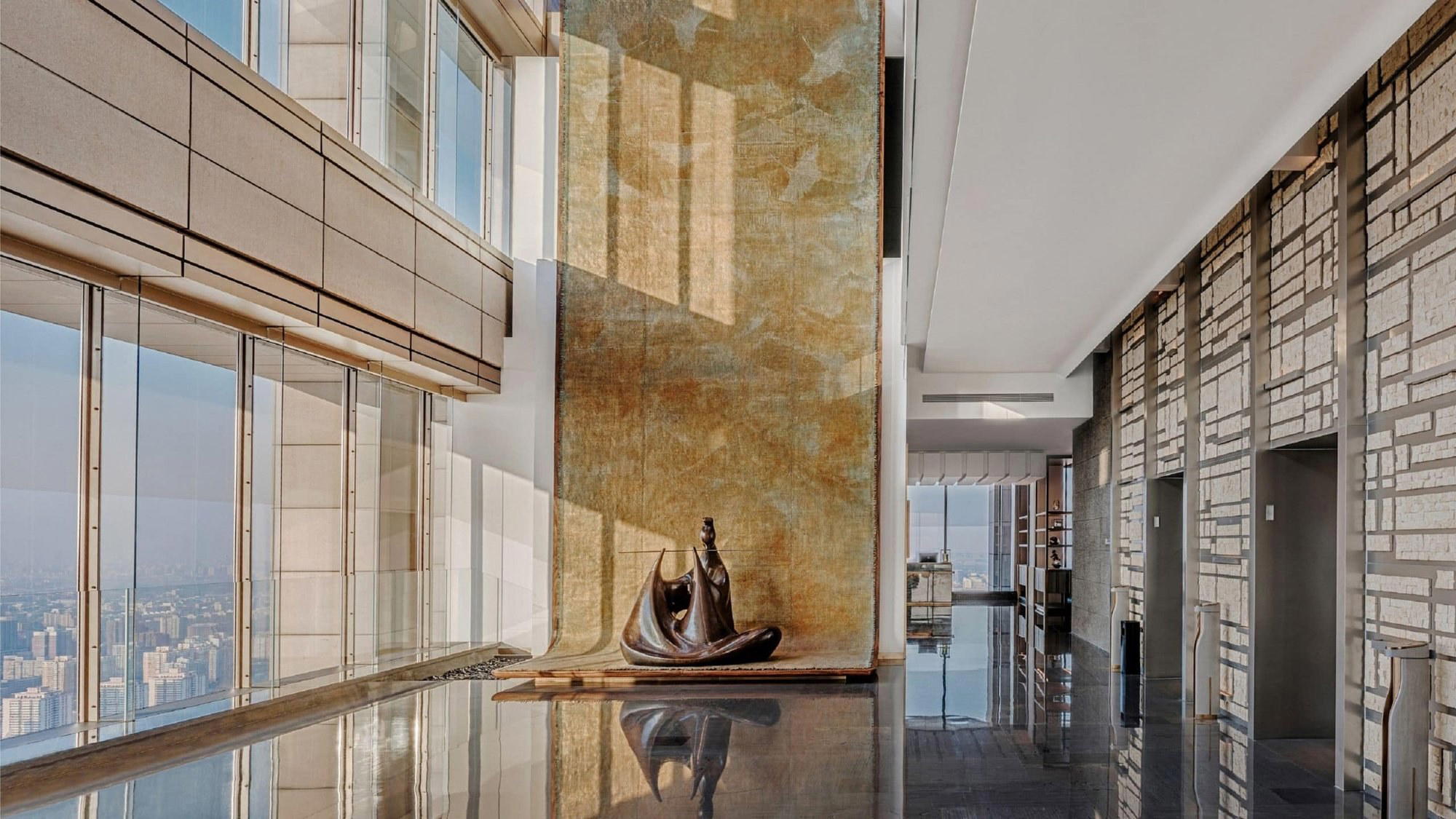
The lobby announces this position immediately: fresh flower arrangements sit against a marble foyer whose proportions are scaled to impress rather than to feel intimate. Flower-patterned wallpaper, thick architectural moldings, and silk-upholstered seating in the rooms continue the language. For guests who find the harder-edged aesthetic of newer luxury properties austere, the sensibility here offers a coherent alternative. La Liste's 2026 Leading Hotels ranking placed the property at 95 points, positioning it within Beijing's upper tier of internationally recognised addresses.
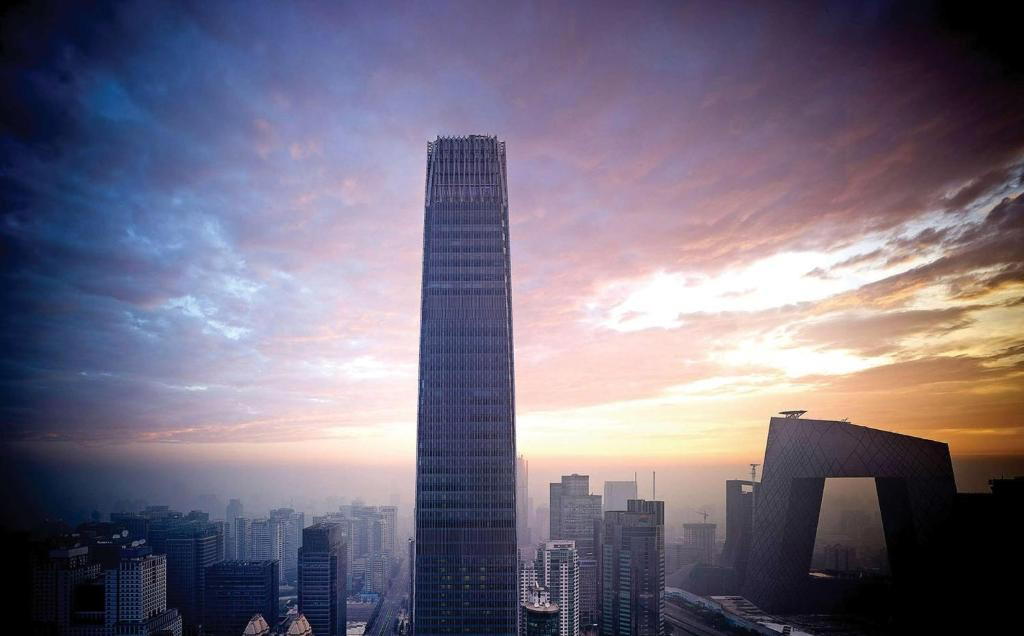
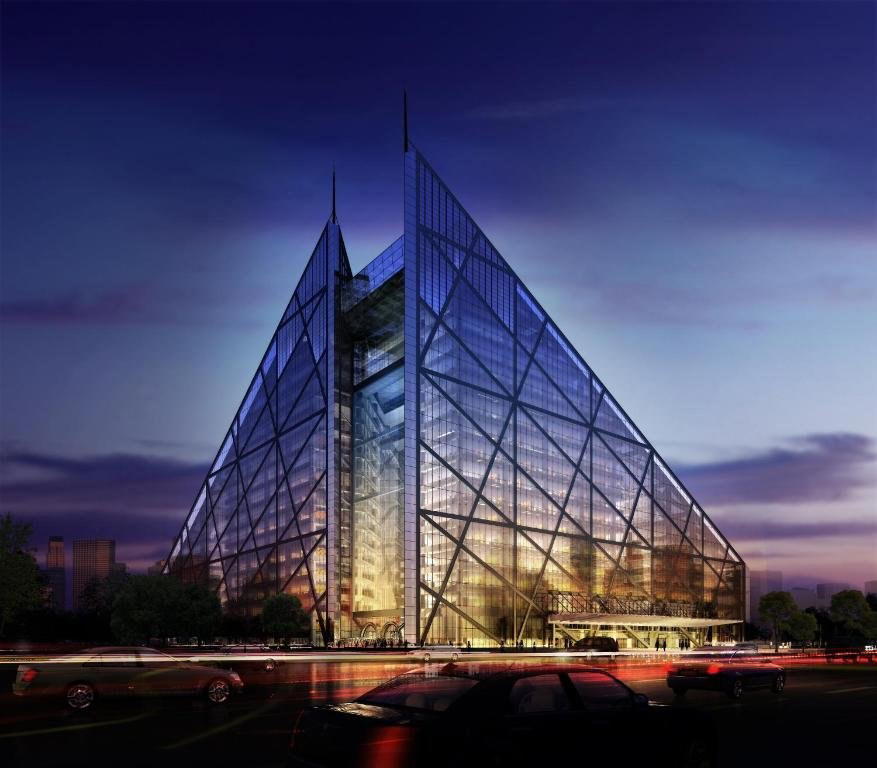
The surrounding neighbourhood adds its own logic. China Central Place, the mixed-use development at 83A Jian Guo Road that the hotel anchors, puts the SKP department store within walking distance, one of Beijing's most edited luxury retail destinations. The Forbidden City and the older sightseeing core sit roughly 20 to 25 minutes by car, a distance that reflects the east-versus-centre geography that defines how Chaoyang-based guests experience the city.
The Dining Programme: Yu, Aroma, and a Lounge Worth Factoring In
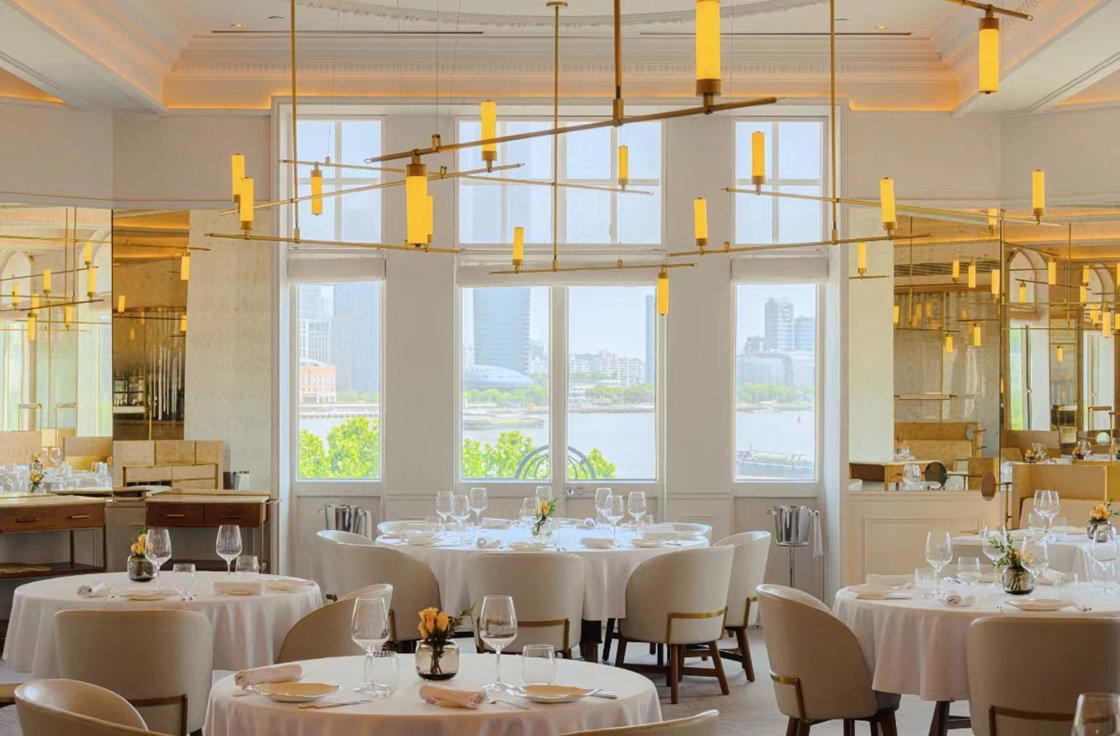
In Beijing's upper-bracket hotel tier, the strength of an in-house dining programme increasingly determines how much of a guest's eating and drinking happens on property versus in the city's external restaurant scene. Properties like the China World Summit Wing and the Fairmont Beijing Hotel have invested heavily in their F&B; floors precisely because a well-run in-house restaurant keeps revenue inside the building and deepens the overall guest experience. The Ritz-Carlton on Jian Guo Road operates two restaurants, Yu and Aroma, that between them cover the kind of breadth a full-service property at this level requires.
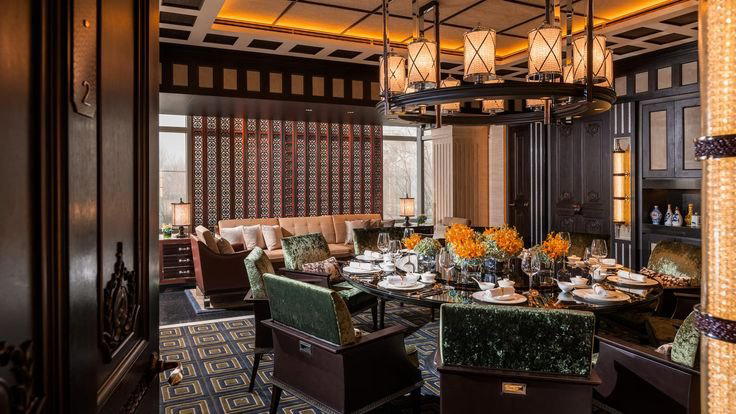
Yu handles the Chinese dining side of the programme. In a city where hotel-based Chinese restaurants frequently compete for the same corporate banquet business as the freestanding Cantonese and Beijing duck houses, holding a credible Chinese restaurant matters both commercially and symbolically. Aroma represents the Western counterpart, providing the all-day dining and European menu functionality that international guests with variable schedules tend to need. Both restaurants extend their reach through room service during dinner hours, which allows guests to order from the full restaurant menus rather than defaulting to a limited in-room menu, a practical distinction that matters when jet lag or a long day of meetings makes the dining room less appealing than the room itself.
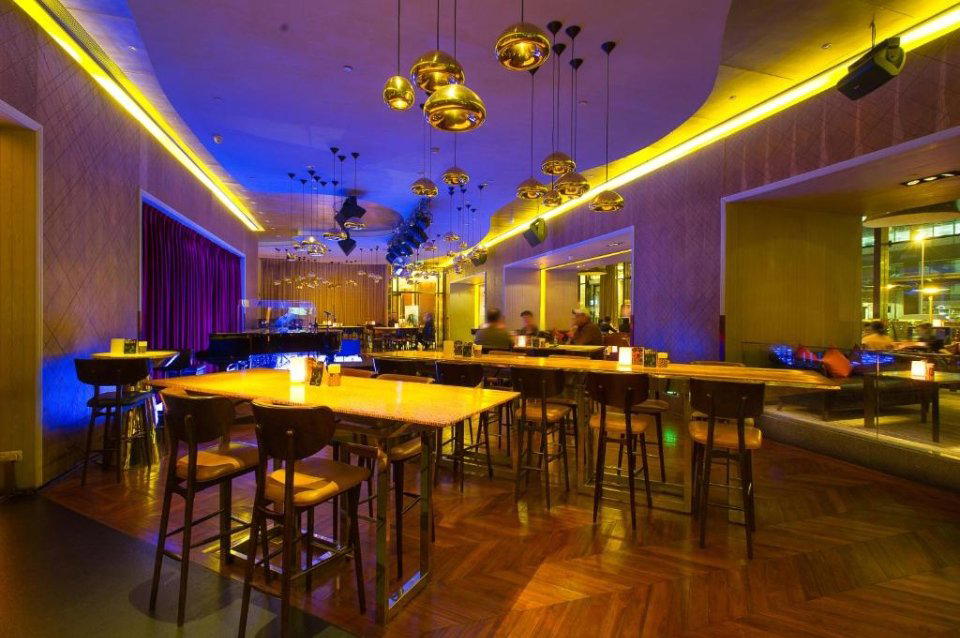
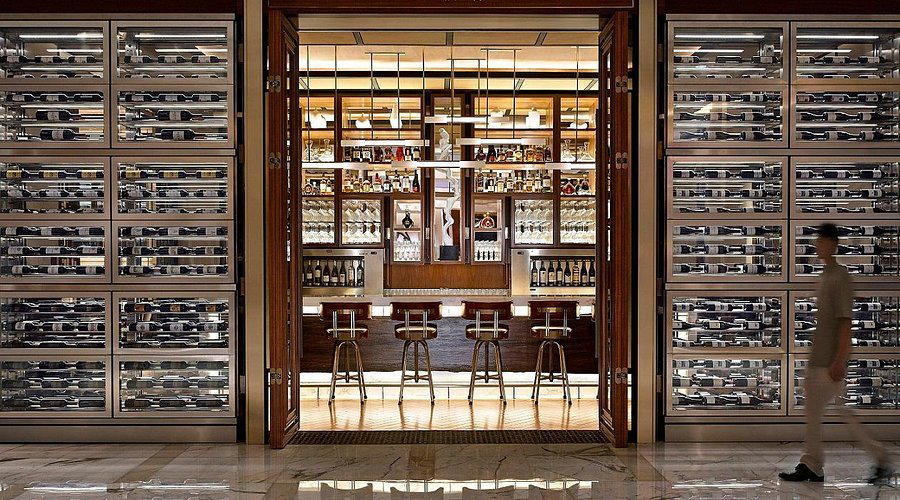
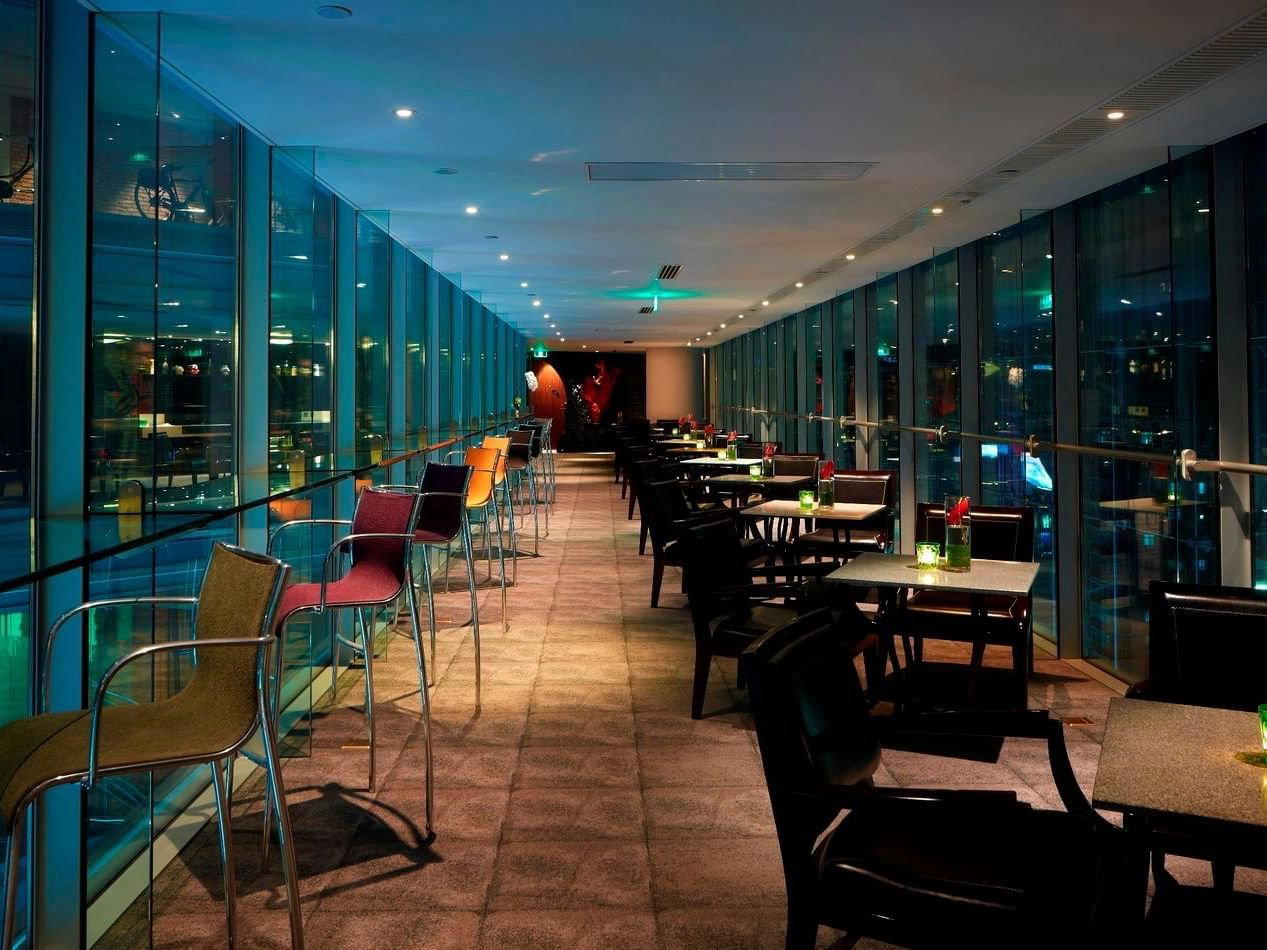
The Lounge completes the F&B; picture. In classic European hotel convention, the lounge functions as a transitional space between the day's business and the evening proper, a place for a pre-dinner drink, a working afternoon tea, or a nightcap that doesn't require the full commitment of a restaurant booking. The seating here runs toward comfortable sofas, and the drinks list is calibrated for the after-hours crowd.
Room Configuration and the Case for the Classic Approach
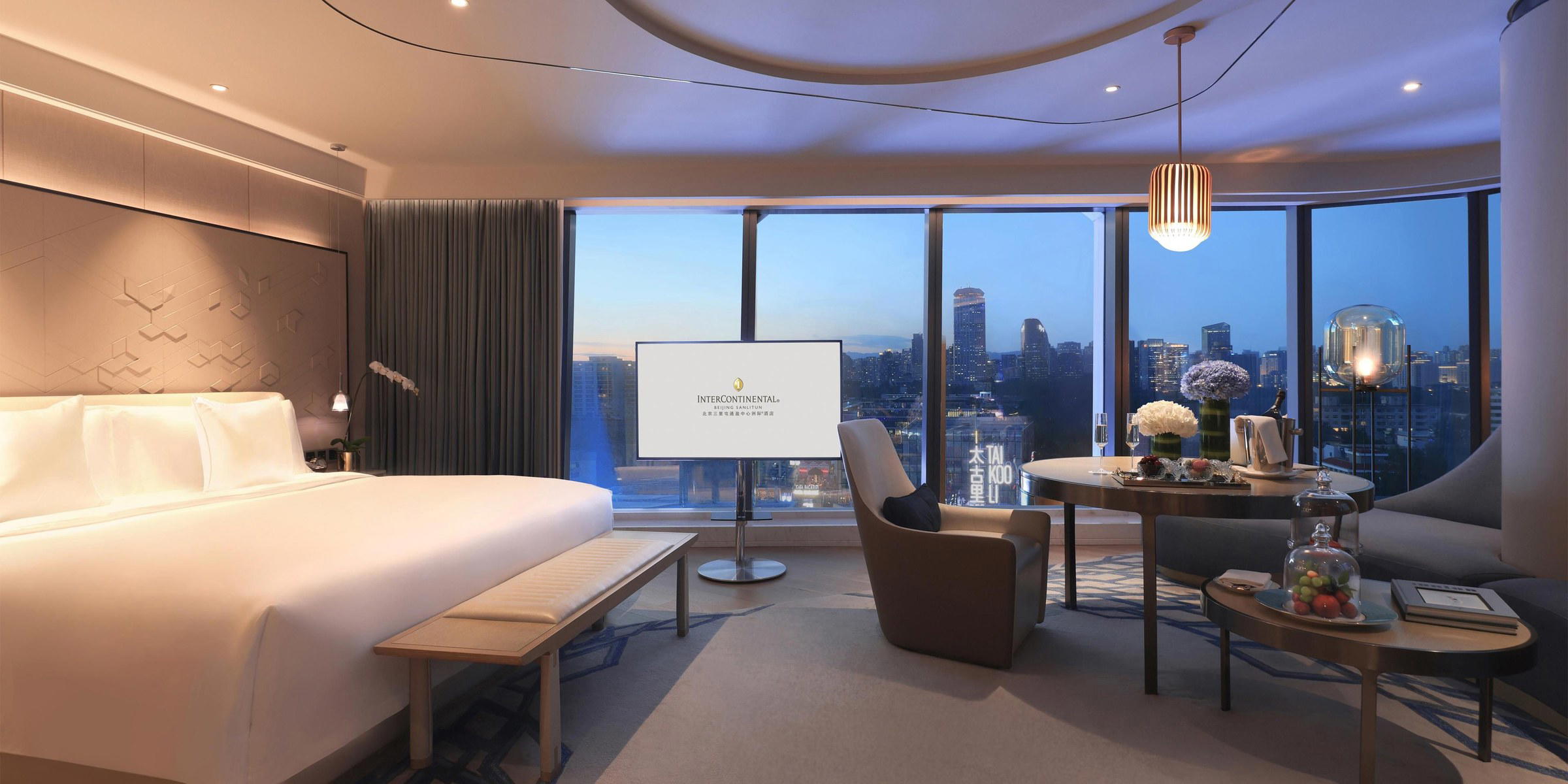
The guestroom design follows the same logic as the public spaces. Double closets sit in the entrance hallway, bathroom counter space runs wide enough for two guests to use simultaneously, and the bathtubs come fitted with bath pillows and bath salts, details that reflect a hospitality philosophy oriented around tactile comfort rather than design statement. The bedding sits at the centre of each room in the configuration that the brand's properties standardised across its upper-tier portfolio during the decade when this property was in its prime.
Distinction matters when placed against Beijing properties that have invested more recently in their room product. The Mandarin Oriental Qianmen and the Aman Summer Palace each offer room experiences shaped by significantly larger per-room capital expenditure and more recent renovation cycles. The Ritz-Carlton here competes on a different basis: the familiarity and reliability of an established luxury template rather than the freshness of a recent fit-out. Guests who have stayed in the Ritz-Carlton system globally will find the experience consistent with expectations.
Wellness, the Pool, and What Actually Gets Used
Spa at this property offers the standard premium hotel treatment menu: massages, facials, and body wraps in formats that target the recovery needs of long-haul travellers. For guests arriving from long-haul flights, the Beijing Capital and Daxing airports both carry significant international traffic, a solid spa programme serves a genuine function rather than a purely symbolic one.
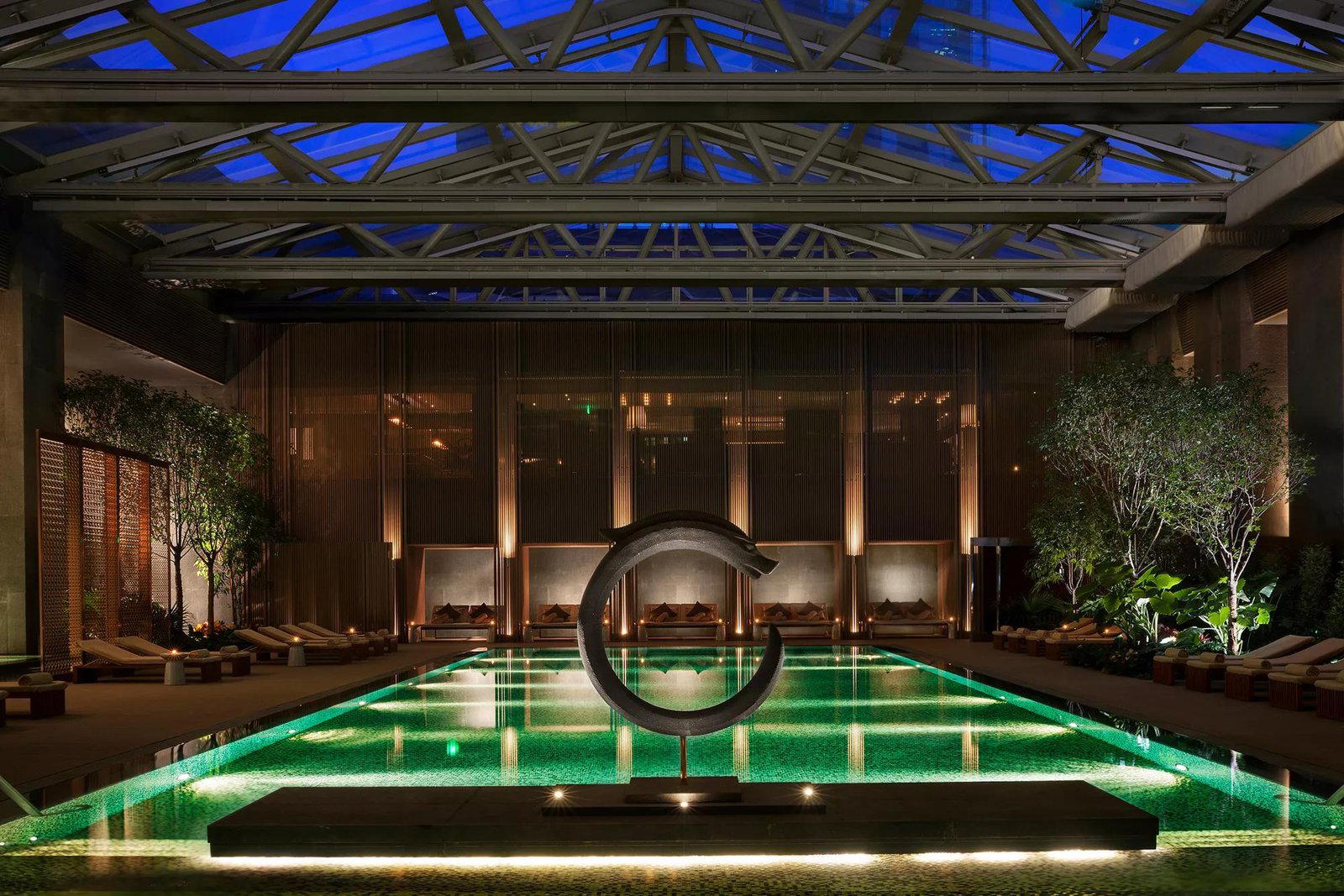
Pool operates at 82 degrees Fahrenheit year-round, a temperature calibrated for actual lap swimming rather than passive floating. Access to the Jacuzzi, steam room, and sauna follows from the pool area, which creates a post-workout circuit that doesn't require leaving the wellness floor. Among Chaoyang's hotel pool facilities, a heated indoor pool in this configuration is a practical asset during Beijing's colder months, when the city's continental climate makes outdoor options impractical from November through March.
Practical Information for Planning a Stay
Hotel's address at 83A Jian Guo Road, China Central Place, Chaoyang District, places it within the eastern CBD corridor that also contains several of Beijing's strongest competing luxury properties. The Conrad Beijing operates nearby, and the broader Chaoyang luxury corridor runs from here out toward the embassy district and the Sanlitun entertainment area. A concierge-provided hotel address card in Chinese characters is a practical tool for taxi and ride-hailing journeys, given that navigating back from the city's tourist core or restaurant districts by car requires the driver to have a clear destination address in the local script.
Families travelling with children will find the property prepared for younger guests: the hotel assembles child-specific packages that include a night light and corner protectors alongside branded amenity items. The child-friendly positioning is relevant context for a property that sits in an area with strong retail access and whose central location keeps major sightseeing within a manageable car ride.
The hotel operates under Marriott International's portfolio, which means Bonvoy programme benefits apply, relevant for frequent travellers accumulating points across Marriott's broader Chinese network, which extends from properties like the JW Marriott Hotel Shanghai at Tomorrow Square to regional addresses such as the Hyatt Place Nanjing Xuanwu and resort properties including the 1 Hotel Haitang Bay, Sanya and Xiamen Yunding Resort.
Other properties in Beijing's upper tier worth comparing directly include the Brickyard Retreat at Mutianyu Great Wall for travellers prioritising proximity to the northern historic sites, or the Aman Summer Palace for those whose primary interest lies in the imperial quarter of the city.
The Essentials
Comparable venues nearby, for context on price, style, and recognition.
| Venue | Price | Notes |
|---|---|---|
| The Ritz-Carlton, BeijingThis venue — the venue you are viewing | $$$$ | Not listed |
| Kerry Hotel, Beijing | $$$$ | Chaoyang, Contemporary urban hotel with extensive sports and business facilities |
| Conrad Beijing | $$$$ | Tuanjiehu, Contemporary luxury with natural wood, stone elements, and panoramic city views |
| Sofitel Beijing Central | $$$$ | Balizhuang, Contemporary luxury hotel with French brand heritage positioned for culture industry professionals and younger affluent travelers seeking modern design and lively nightlife. |
| Hyatt Regency Beijing Wangjing | $$$$ | Dashanzi, Modern urban oasis blending minimalist design with natural elements. |
| Xitan Hotel Beijing | $$$$ | Mentougou District, Oriental aesthetic resort with single-story buildings and private courtyards |
Recognition history
Dated appearances from independent guides and award organizations, with the underlying list record or original source where available.
Forbes 4-Star
Forbes
La Liste Top Hotels
La Liste
Forbes 4-Star
Forbes
At a Glance
- Elegant
- Sophisticated
- Classic
- Ornate
- Business Trip
- Romantic Getaway
- Celebration
- Panoramic View
- Butler Service
- Wi Fi
- Pool
- Spa
- Fitness Center
- Room Service
- Concierge
- Business Center
- Valet Parking
- Skyline
- Wi Fi
- Pool
- Spa
- Fitness Center
- Room Service
- Concierge
- Business Center
- Valet Parking
Elegant and timeless with warm hospitality, marble bathrooms, and relaxing lounge atmospheres.