
2 Michelin Stars
Our verdict
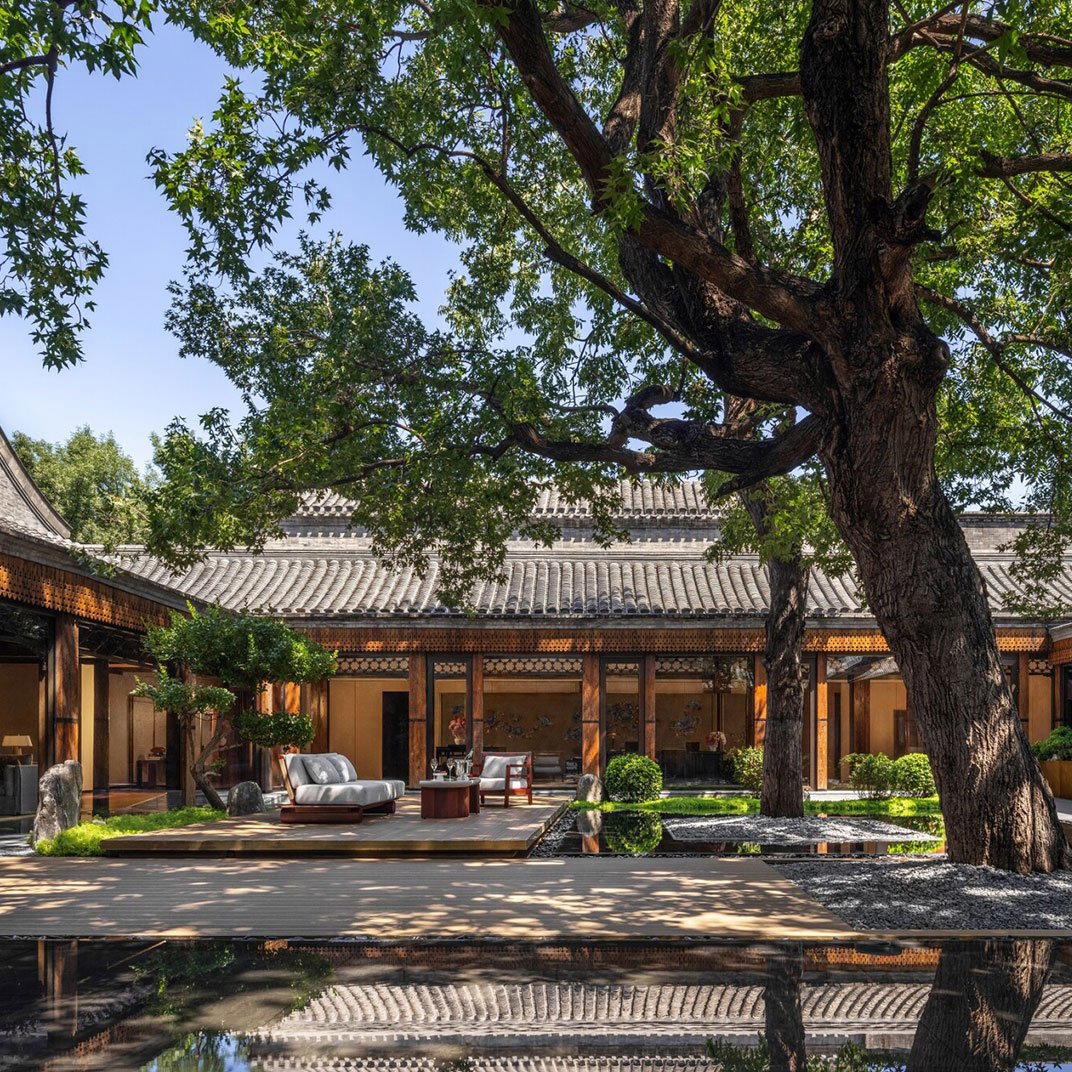
Lu Shang Lu holds two Michelin stars in both 2024 and 2025, placing it among the most critically recognised Shandong restaurants operating anywhere in China. Located in Beijing's Haidian District, the restaurant brings classical Lu cuisine — China's oldest and most formative regional cooking tradition — into a fine-dining register that the city's highest-tier restaurant circuit has come to take seriously.

Pearl is the En Primeur Club membership app — saves, bookings, and concierge access live there. Same editors, same standards.
- Address
- Haidian District, China, 100089
- Phone
- +86 10 8882 6732
- Hours
- Daily 11 AM–2:30 PM, 5–10 PM
- Website
- shangri-la.com
- Directions
- Get directions
- Booking
- Book on the venue's website
The menu
What to order
- Roast 45-day-old duck with caviar
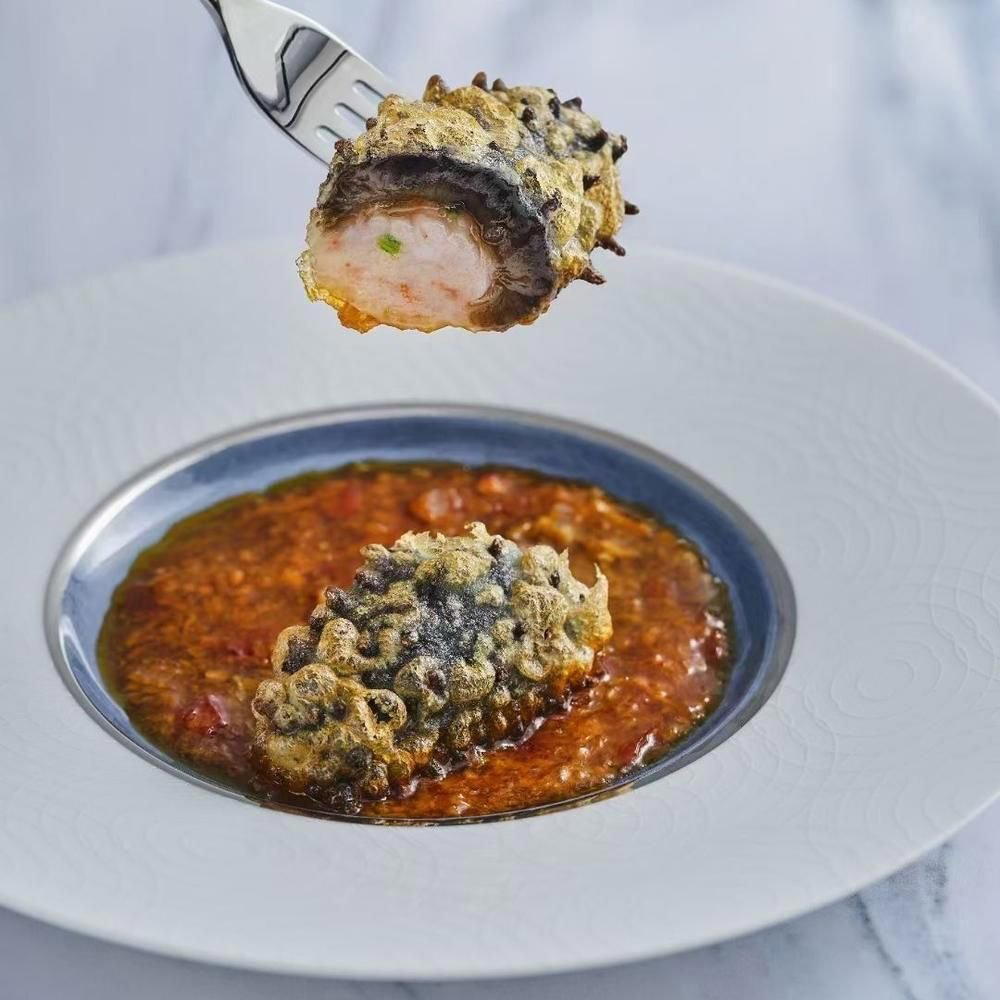
- Sea cucumber
Shandong Cooking at the Apex of Beijing's Fine-Dining Circuit
There is a particular weight to dining inside a room that has held two Michelin stars in consecutive years. The critical apparatus that produces those recognitions is not sentimental: it rewards consistency, technical command, and a coherent culinary argument sustained across every service. Lu Shang Lu, operating in Beijing's Haidian District, has earned that recognition twice over, in 2024 and again in 2025. That kind of sustained critical endorsement places it in a small cohort of Beijing restaurants where the conversation has moved past novelty and settled into something more considered.
Haidian is not the neighbourhood most visitors associate with fine dining. The district is historically shaped by universities, technology companies, and the sprawling cultural institutions clustered around the Summer Palace and the old imperial gardens. That geography matters because it produces a different dining public than Chaoyang or the hutong corridors of Dongcheng: more local, more academic, less shaped by the expense-account circuits that drive reservation demand in the central districts. A two-Michelin-star address here answers to a different audience than its peers elsewhere in the city, and that shapes what the room asks of itself.
Lu Cuisine and the Canon It Carries
To understand what Lu Shang Lu is doing, it helps to understand what Lu cuisine is. Shandong cooking — Lu is the classical abbreviation for the province — is the oldest of China's eight recognised culinary traditions and the one that most directly shaped the imperial kitchens of Beijing for centuries. The foundational techniques of Shandong cooking are complex: braising over controlled heat cycles, precise work with stocks and sauces, a grammar of knife skills that remains one of the most demanding in any kitchen tradition. This is not regional food in the sense of rustic or home-style; it is formal cooking with a documented lineage stretching back well over a thousand years.
That historical weight creates both authority and obligation. A restaurant working seriously in this tradition is not simply offering regional food on a menu; it is engaging with a canon. The Michelin inspectors who returned a two-star rating in consecutive years were, in effect, recognising that engagement as credible. For context, two Michelin stars in the Guide's framework indicates cooking worth a detour, a specific, deliberate journey rather than a convenient stop. At a price point of ¥¥¥¥, Lu Shang Lu prices against Beijing's upper tier of formal restaurants, a bracket that includes Xin Rong Ji (Xinyuan South Road), Chao Shang Chao (Chaoyang), and Lamdre, each working in distinct traditions at the same price register.
Beijing's Michelin-starred Chinese restaurant circuit has grown substantially since the Guide launched in the city, but two-star holders in classical Chinese categories remain a short list. That is a meaningful distinction: single-star recognition frequently marks technically correct cooking; two stars imply a more specific argument, a point of view that holds up under repeat scrutiny.
Chef David Yárnoz holds the kitchen at Lu Shang Lu, a detail that stands out in the context of classical Shandong cooking. The name signals a non-Chinese background applied to one of China's most structured and historically loaded culinary traditions. This kind of cross-cultural positioning has produced notable results across Asia's fine-dining circuit, European-trained precision applied to Chinese classical frameworks, and the consecutive Michelin endorsements suggest the inspectors found the synthesis coherent rather than contrived. The relevant question for any serious reader is not whether a non-Chinese chef can cook Lu cuisine, but whether the cooking holds its argument under professional scrutiny. In this case, the evidence says it does.
For comparison across Chinese fine-dining markets, the two-star tier in other cities includes restaurants such as 102 House in Shanghai, Ru Yuan in Hangzhou, and Chef Tam's Seasons in Macau. Each operates at the intersection of classical Chinese cooking and contemporary fine-dining format, and each holds its position in its respective city's highest competitive bracket. Lu Shang Lu reads in that company rather than against mid-tier Chinese restaurants.
Shandong in Beijing: A Tradition Finding Its Fine-Dining Register
Beijing has always had Shandong cooking, the historical migration of Shandong cooks into the capital's imperial kitchens meant the city's culinary DNA carries Lu influence at a foundational level. What has changed over the past decade is the willingness of a new generation of operators to present that tradition in a format that matches the production values and pricing of formal international fine dining. The rough-and-ready Shandong canteens that populated the capital's outer districts for generations are not the same project as a two-Michelin-star room working through the same ingredients and techniques at a ¥¥¥¥ price point.
That shift mirrors what has happened elsewhere with regional Chinese traditions. In Shanghai, the Lu tradition is represented by restaurants such as Lu Style (Huangpu) and Bai Rong. In Beijing itself, Lu Style (Anding Road) and Tong He Ju (Yuetan South Street) occupy lower price brackets within the same tradition, offering a point of comparison for diners calibrating where Lu Shang Lu sits in the spectrum from approachable to formal. The market has developed enough to sustain multiple tiers within a single regional cuisine, which is a signal of maturation rather than oversupply.
The broader Chinese fine-dining circuit worth tracking alongside Beijing includes Xin Rong Ji in Chengdu, Imperial Treasure Fine Chinese Cuisine in Guangzhou, and Dai Yuet Heen in Nanjing. Together these properties illustrate how China's regional culinary traditions are being formalised, priced, and presented to an audience that expects both classical rigour and contemporary production standards.
Planning Your Visit
Lu Shang Lu's two consecutive Michelin star ratings mean booking pressure is real. At the ¥¥¥¥ price tier, this is a deliberate reservation rather than a walk-in decision. Haidian is most accessibly reached via Beijing's subway system, with multiple lines serving the district; exact travel time depends on origin point within the city. For visitors building a broader Beijing dining itinerary, the full Beijing restaurants guide maps the city's competitive dining tiers. Related resources for trip planning include the Beijing hotels guide, Beijing bars guide, Beijing wineries guide, and Beijing experiences guide.
Know Before You Go
- Cuisine: Shandong (Lu)
- Price range: ¥¥¥¥
- Awards: Michelin 2 Stars (2024); Michelin 2 Stars (2025)
- Location: Haidian District, Beijing, 100089
- Chef: David Yárnoz
- Booking: Advance reservation strongly recommended given sustained Michelin recognition
Frequently asked questions
What should I budget for a meal at Lu Shang Lu?
Pricing at Lu Shang Lu is listed as ¥¥¥¥.
What kind of recognition has Lu Shang Lu received?
Lu Shang Lu has received recognition including: Michelin 2 Stars (2025); Michelin 2 Stars (2024).
What's the must-try dish at Lu Shang Lu?
What the two consecutive Michelin stars (2024 and 2025) do confirm is that the kitchen's command of Shandong technique — braising, precise knife work, the stock-based sauces that define Lu cuisine — is operating at the top of Beijing's classical Chinese fine-dining circuit. At the ¥¥¥¥ price tier, the tasting direction will reflect the canon: expect the cooking to centre on craft rather than novelty.
What It’s Closest To
A quick peer reference to anchor this venue in its category.
| Venue | Cuisine | Price | Awards | Notes |
|---|---|---|---|---|
| Lu Shang LuThis venue — the venue you are viewing | Modern Shandong Confucius Cuisine | Not listed | 2 Michelin Stars | Not listed |
| Jing | Modern French with Asian Influences | $300–500 | 1 Michelin Star · Black Pearl 1 Diamond | French Contemporary |
| Xin Rong Ji (Xinyuan South Road) | Taizhou Chinese Fine Dining | $300–500 | 3 Michelin Stars · World's 50 Best #84 | Taizhou |
| Chao Shang Chao (Chaoyang) | Modern Teochew (Chaoshan) Fine Dining | $200–300 | Michelin Plate · La Liste Top Restaurants | Chao Zhou |
| Lamdre | Modern Plant-Based Chinese Vegetarian | Not listed | 2 Michelin Stars · World's 50 Best #17 | Vegetarian |
| Jingji | Imperial Beijing Royal Cuisine | $200–300 | 2 Michelin Stars · La Liste Top Restaurants | Beijing Cuisine |
Recognition history
Dated appearances from independent guides and award organizations, with the underlying list record or original source where available.
Michelin 2 Stars
Michelin
Full recognition history (2 entries)
Michelin 2 Stars
Michelin


Details
- Elegant
- Sophisticated
- Special Occasion
- Business Dinner
- Sake Program
- Sustainable Seafood
- Tasting Menu
- Vegetarian Friendly
- Gluten Free Options
- Pescatarian Friendly
Current opening hours
- Monday
- 11 AM–2:30 PM, 5–10 PM
- Tuesday
- 11 AM–2:30 PM, 5–10 PM
- Wednesday
- 11 AM–2:30 PM, 5–10 PM
- Thursday
- 11 AM–2:30 PM, 5–10 PM
- Friday
- 11 AM–2:30 PM, 5–10 PM
- Saturday
- 11 AM–2:30 PM, 5–10 PM
- Sunday
- 11 AM–2:30 PM, 5–10 PM
Hours can change for holidays and private events. Last verified .
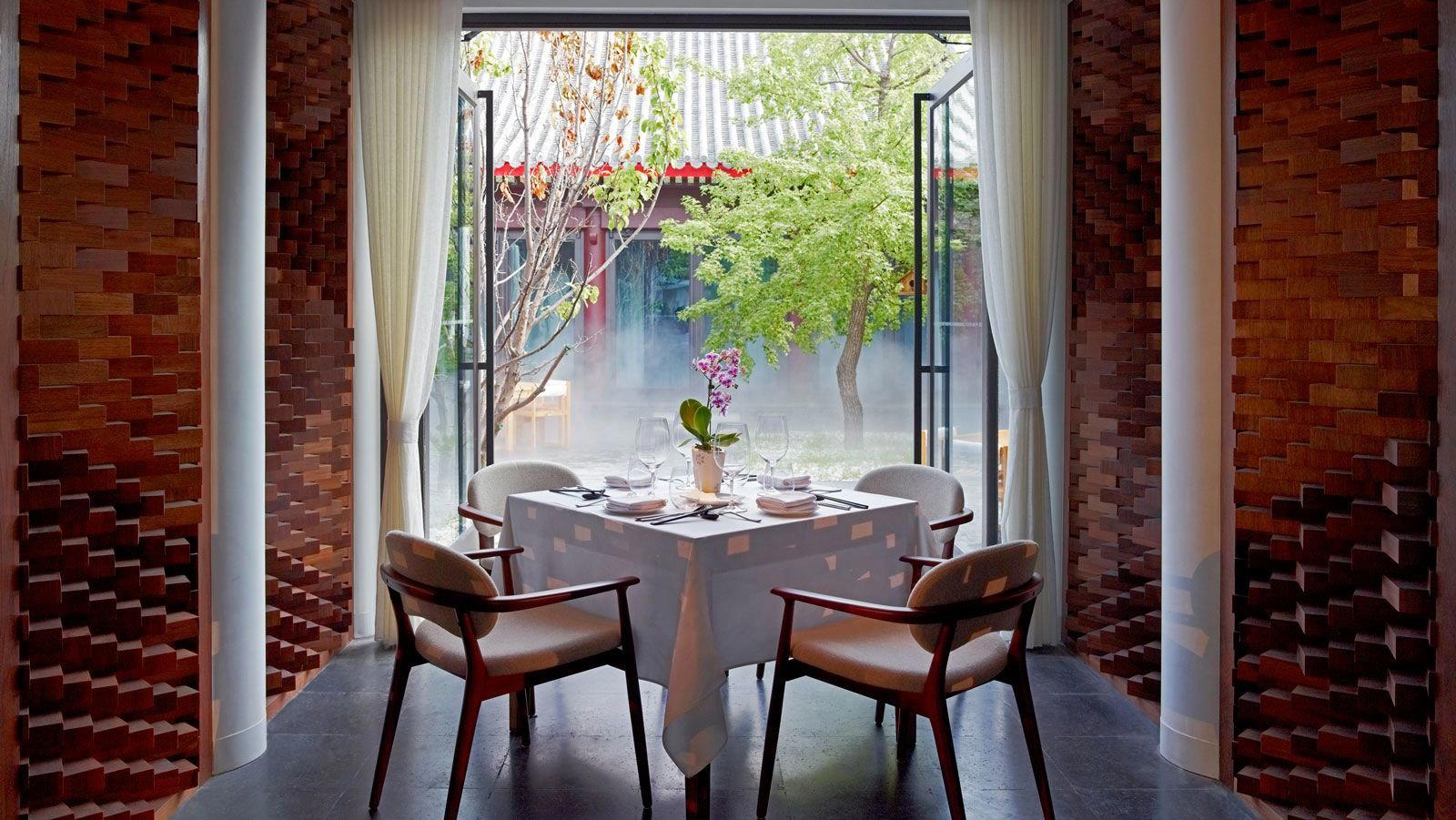
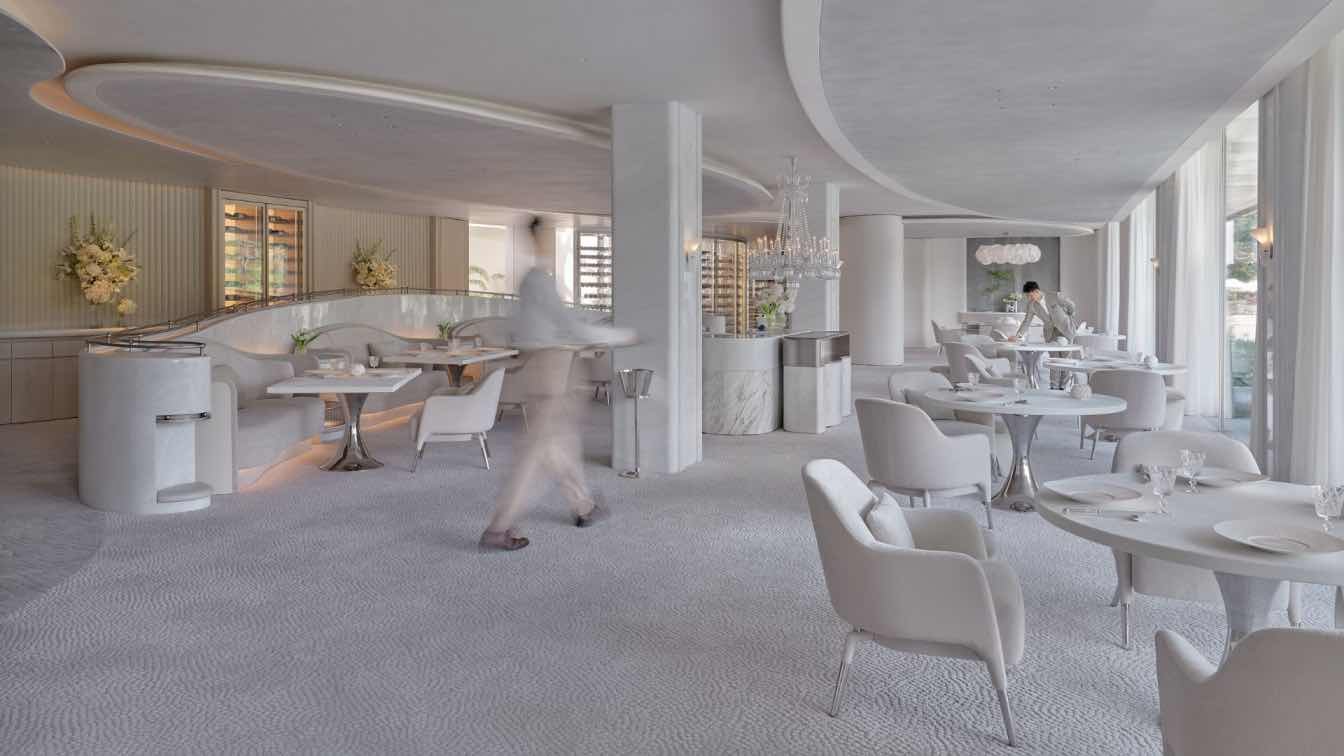
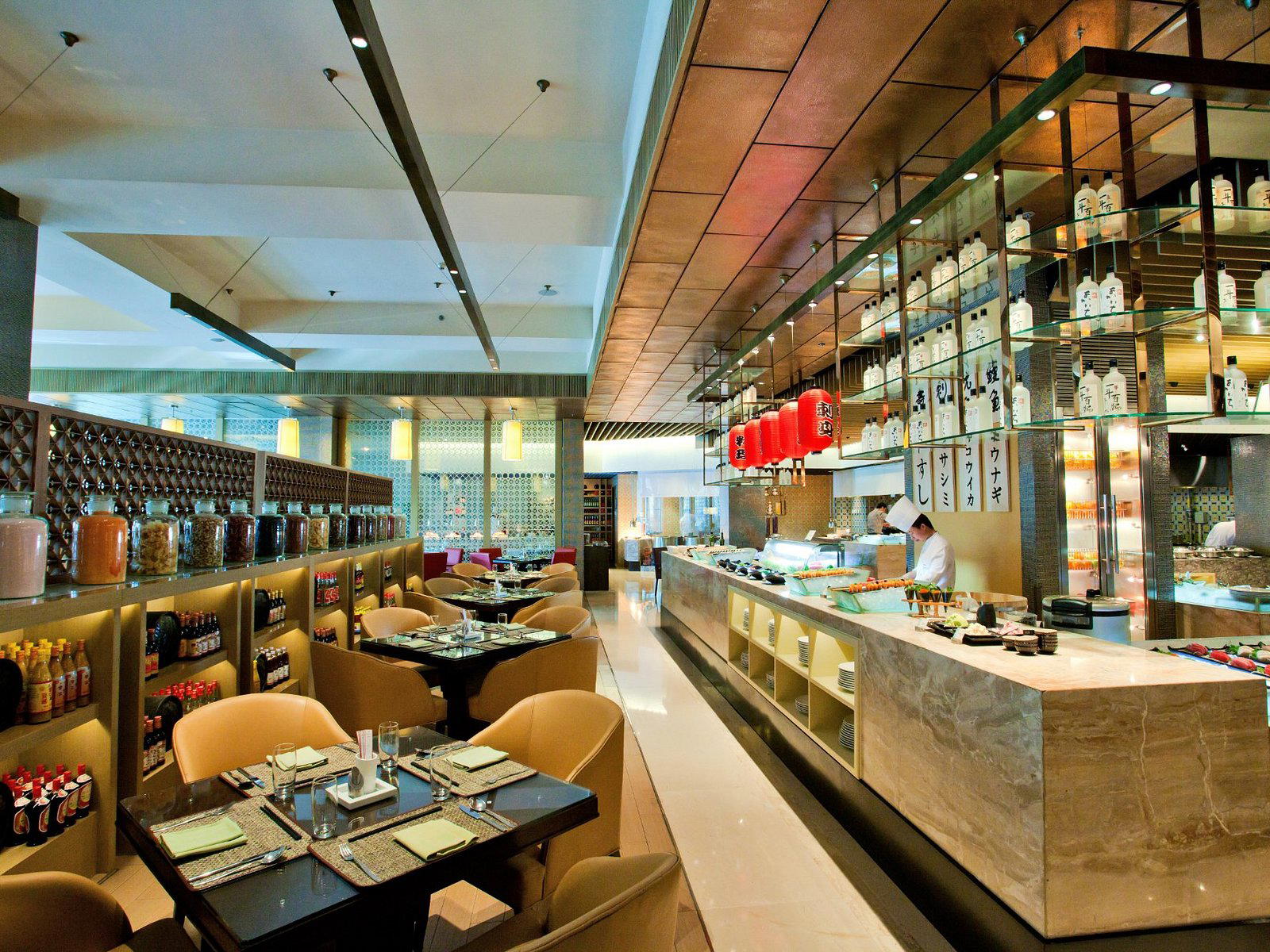
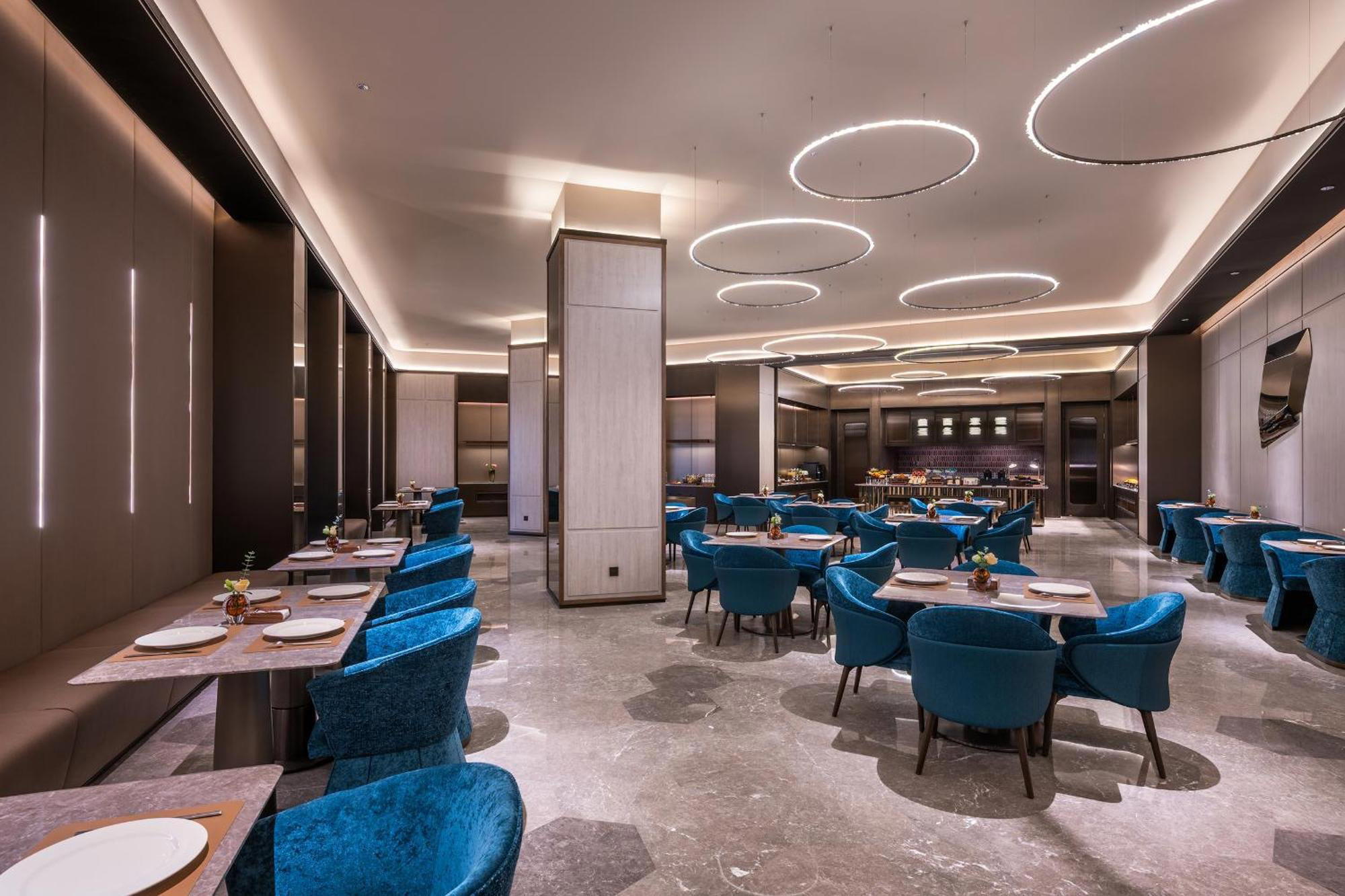
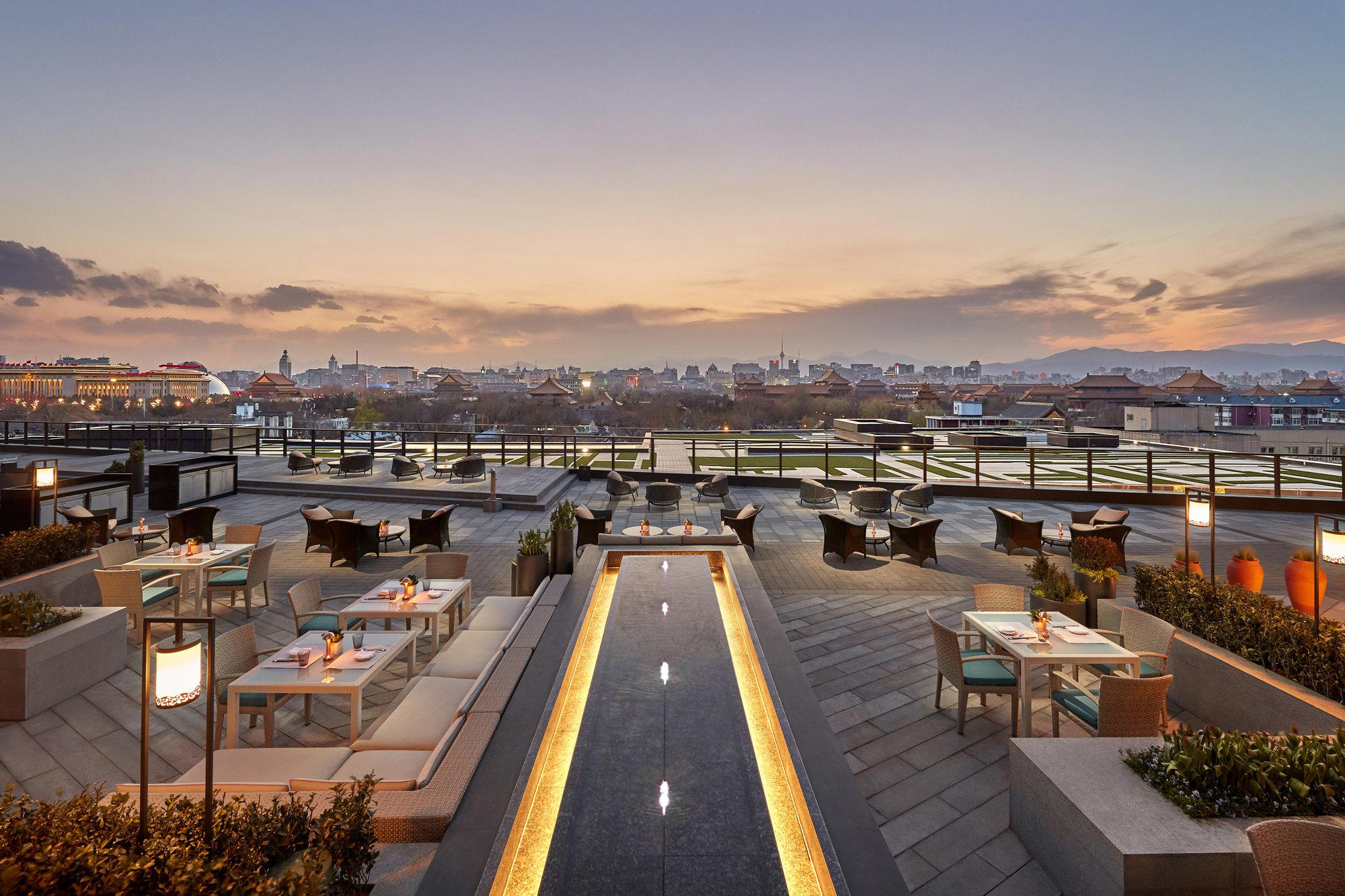
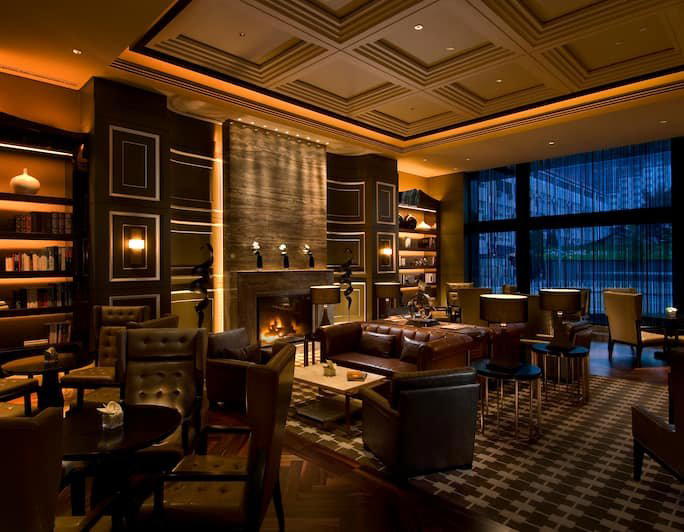
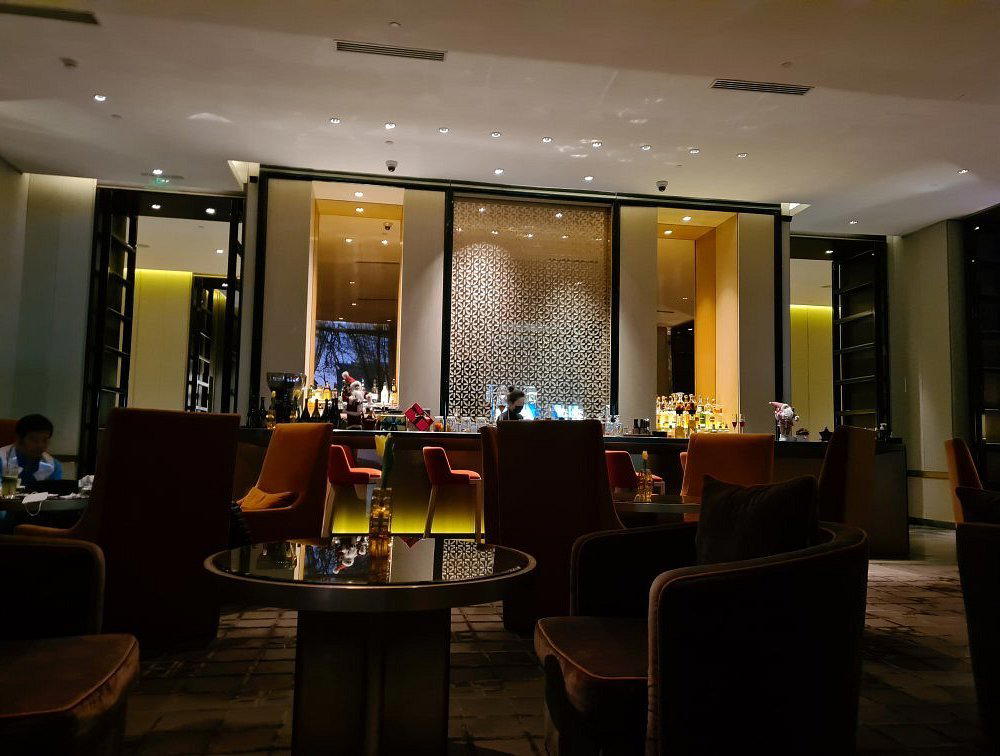
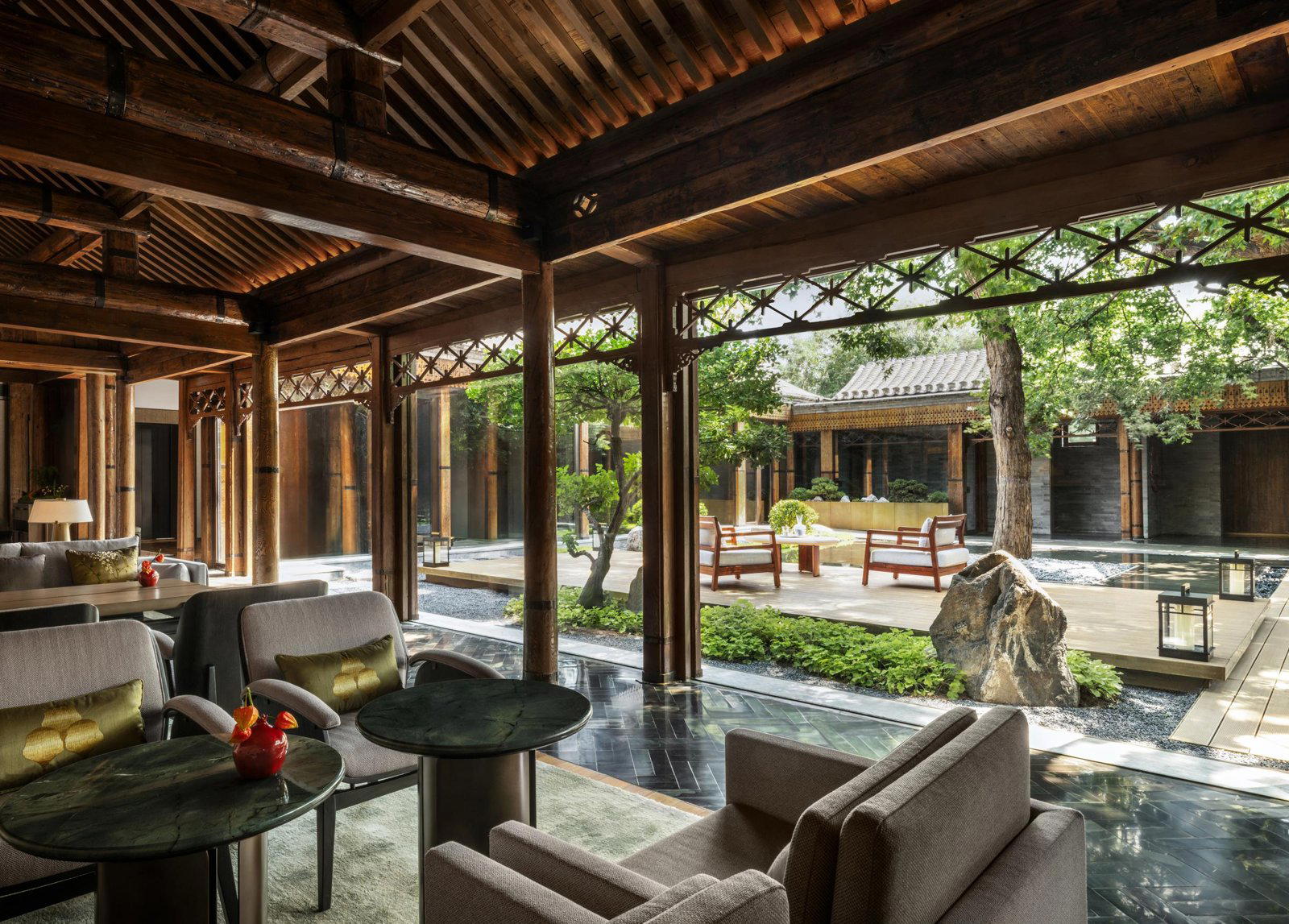
Elegant and refined atmosphere suitable for fine dining, with a focus on quality and consistency as per Michelin standards.