Atmosphere in Beijing fits a city dining culture where ritual matters as much as the plate: pacing, room tone, and the etiquette of arrival shape the evening before any menu detail does. With no public award, chef, price, or cuisine data to anchor a tighter classification, it is better read through Beijing’s broader premium-venue habits than through a conventional restaurant checklist.
Pearl is the En Primeur Club membership app — saves, bookings, and concierge access live there. Same editors, same standards.
- Address
- China, Bei Jing Shi, Chao Yang Qu, 建国门外大街2号 邮政编码: 100022
- Phone
- +86 10 6515 8855
- Directions
- Get directions
 Saves & bookings on Pearl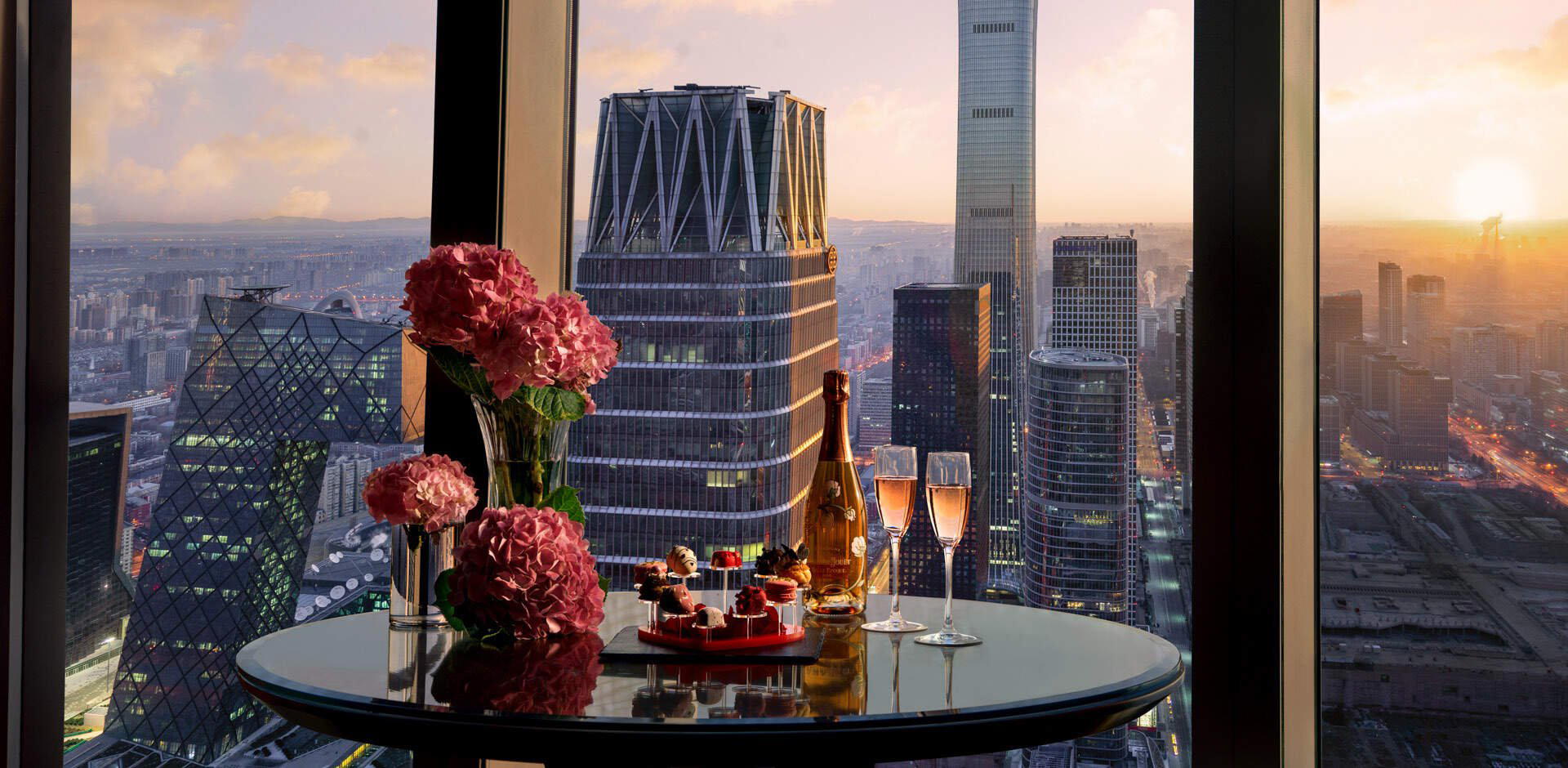
Beijing’s serious dining rooms rarely announce themselves only through food. The first signal is usually behavioural: the way arrivals slow at the door, how tables settle into the room, whether the evening feels built for quick turnover or for a longer rhythm of conversation. Atmosphere enters that context by name alone, which is not a small thing in a city where setting often carries social meaning before the menu has a chance to speak.
The capital’s premium dining culture has always had a ceremonial streak. Banquet traditions, business hosting, private-room etiquette, and multi-course pacing have shaped how meals are read here. A restaurant can be judged not only by what it serves, but by how it manages tempo: when tea or drinks appear, how space is given between courses, how the room protects conversation, and whether service understands that a Beijing dinner may be part meal, part negotiation, part reunion.
Beijing dining is still governed by pace, not just cuisine
The useful way to approach Atmosphere is through ritual rather than genre. With cuisine type, chef, awards, and price not publicly defined, the safer editorial lens is the city itself. Beijing rewards restaurants that understand occasion. A casual noodle shop can be judged in minutes; a higher-stakes dining room is judged over the length of an evening, by its ability to hold attention without rushing the table.
This is where the city differs from faster restaurant cultures in Shanghai, Hong Kong, or Tokyo. Beijing has a thicker relationship with hosting. Meals often carry hierarchy: who orders, who pours, who pays, who sits facing the door. Even contemporary rooms inherit some of that grammar. The result is a dining scene in which atmosphere is not a decorative extra. It is part of the meal’s structure.
That does not mean every polished room in Beijing should be treated as formal. The city’s recent dining habits have become more flexible, with European contemporary rooms, roast-duck specialists, regional Chinese cooking, hotel restaurants, and bar-led venues all competing for the same evening slot. For readers building a wider map of the capital, EP Club’s full Beijing restaurants guide is the more useful starting point than trying to infer a category from name alone.
The ritual of the room matters when menu signals are sparse
When a restaurant does not publish the usual markers, the decision shifts from trophy-chasing to fit. Awards can help identify a dining room’s external validation; chef credentials can explain a kitchen’s technical lineage; price can clarify whether the venue belongs to an everyday, occasion, or expense-account tier. Without those signals, the stronger question is what kind of evening the reader is trying to construct in Beijing.
For a city with deep dining traditions, that question is more practical than it sounds. Roast duck remains one of Beijing’s clearest ritual meals, with carving, wrappers, condiments, and pacing doing as much work as the bird itself. Regional Chinese rooms can be more flexible, especially for groups. Contemporary European venues tend to suit smaller tables and more linear menus. Hotel dining, meanwhile, often appeals when predictability, language comfort, and a controlled room matter.
Atmosphere sits inside that decision tree rather than outside it. Readers who need a defined culinary brief before choosing should compare across Beijing categories first, from 1949 - Duck de Chine and 1949 The Hidden City to Amico BJ and Aroma. Those links are not a ranking; they simply show how varied the capital’s premium dining vocabulary has become.
How to place Atmosphere in a Beijing itinerary
The sensible use case is an evening where setting and pacing matter, and where the party is comfortable confirming specifics before committing. Beijing rewards that kind of planning. Traffic, district choice, and the formality of the meal can change the entire night. A restaurant that works for a late, small-table dinner may not suit a family meal; a room designed for hosting may feel too structured for a spontaneous stop.
For a broader trip, build the evening around neighbourhood logic rather than isolated names. Dining can pair with a hotel base from EP Club’s Beijing hotels guide, a later drink from the Beijing bars guide, or daytime planning through the Beijing experiences guide. Wine-focused travellers can also scan the Beijing wineries guide, though Beijing is more often consumed through restaurants, hotels, and bars than cellar-door touring.
China’s wider dining map also helps calibrate expectations. Chengdu’s table culture reads differently from the capital’s, as seen in #8 in Chengdu; Shanghai’s vertical hotel dining has another grammar, visible at 100 Century Avenue Cantonese. Coastal and southeastern cities bring their own codes, from 167 Shan Hai Li in Fuzhou and 1913 in Hangzhou to 1927 Dong Yuan Si Chu in Xiamen and 1980烧肉粽 in 厦门市. Even the overseas Japanese casual formats at Jōdo Saké Bar in Los Angeles and Onigiri Time in Pasadena underline the same point: format determines behaviour before flavour does.
The editorial verdict is restrained. Atmosphere is not a venue to choose on award data, chef lineage, or price tier, because those signals are not publicly attached here. It is a Beijing option to evaluate through the ritual of the evening: the desired room tone, the group’s needs, and the level of certainty required before arrival. In this city, that is often the difference between a meal that functions and one that feels miscast.
For additional Beijing context, readers can also cross-reference 1949-å ¨é¸å£, especially when comparing how capital dining rooms frame Chinese tradition for different occasions.
Comparable venues nearby, for context on price, style, and recognition.
| Venue | Cuisine | Price | Notes |
|---|---|---|---|
| AtmosphereThis venue — the venue you are viewing | Cocktail Bar / Lounge and Bar | $$$ | Not listed |
| Mao Mao Chong (毛毛虫) | Pizza Bar with Cocktails | $$ | Dongcheng District |
| QUANJUDE | Traditional Peking Roast Duck | $$$ | Qianmendajie |
| LU STYLE | Modern Shandong Seafood | $$$ | Chaoyang District |
| Tiandi Yijia | Imperial Chinese Cuisine | $$$ | Donghuamen |
| Quanjude Roast Duck Restaurant | Traditional Peking Duck | $$$ | Wangfujing |
At a Glance
- Scenic
- Sophisticated
- Modern
- Well Known
- Elegant
- After Work
- Casual Hangout
- Celebration
- Special Occasion
- Date Night
- Rooftop
- Live Music
- Panoramic View
- Design Destination
- Hotel Restaurant
- Craft Cocktails
- Skyline
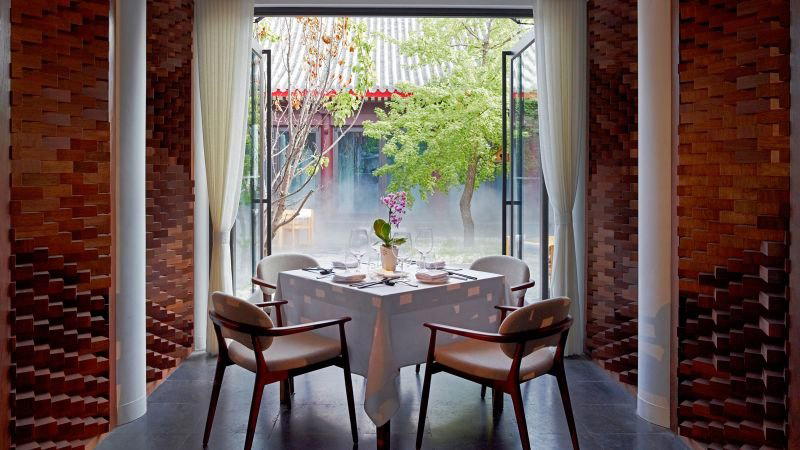
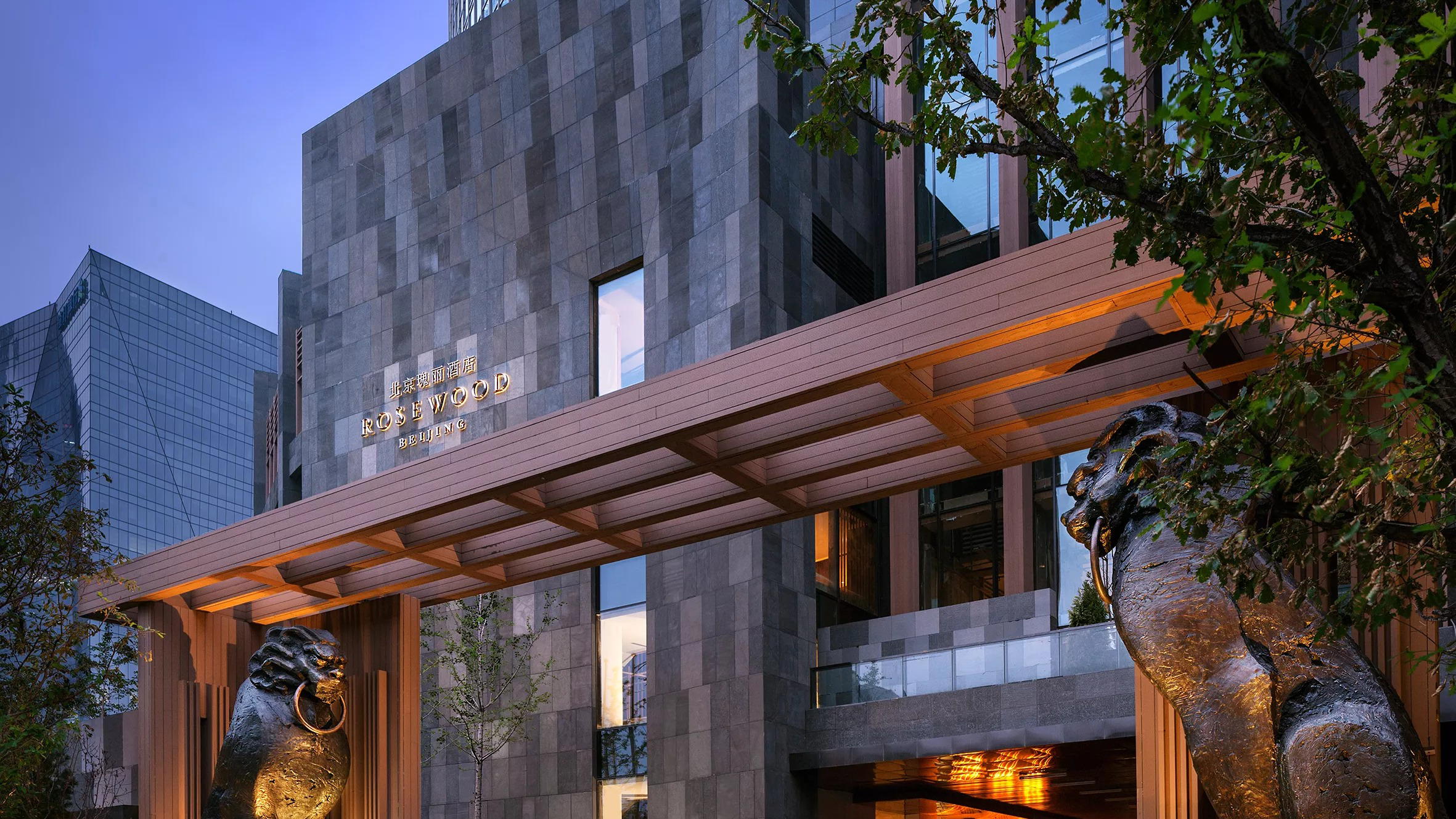
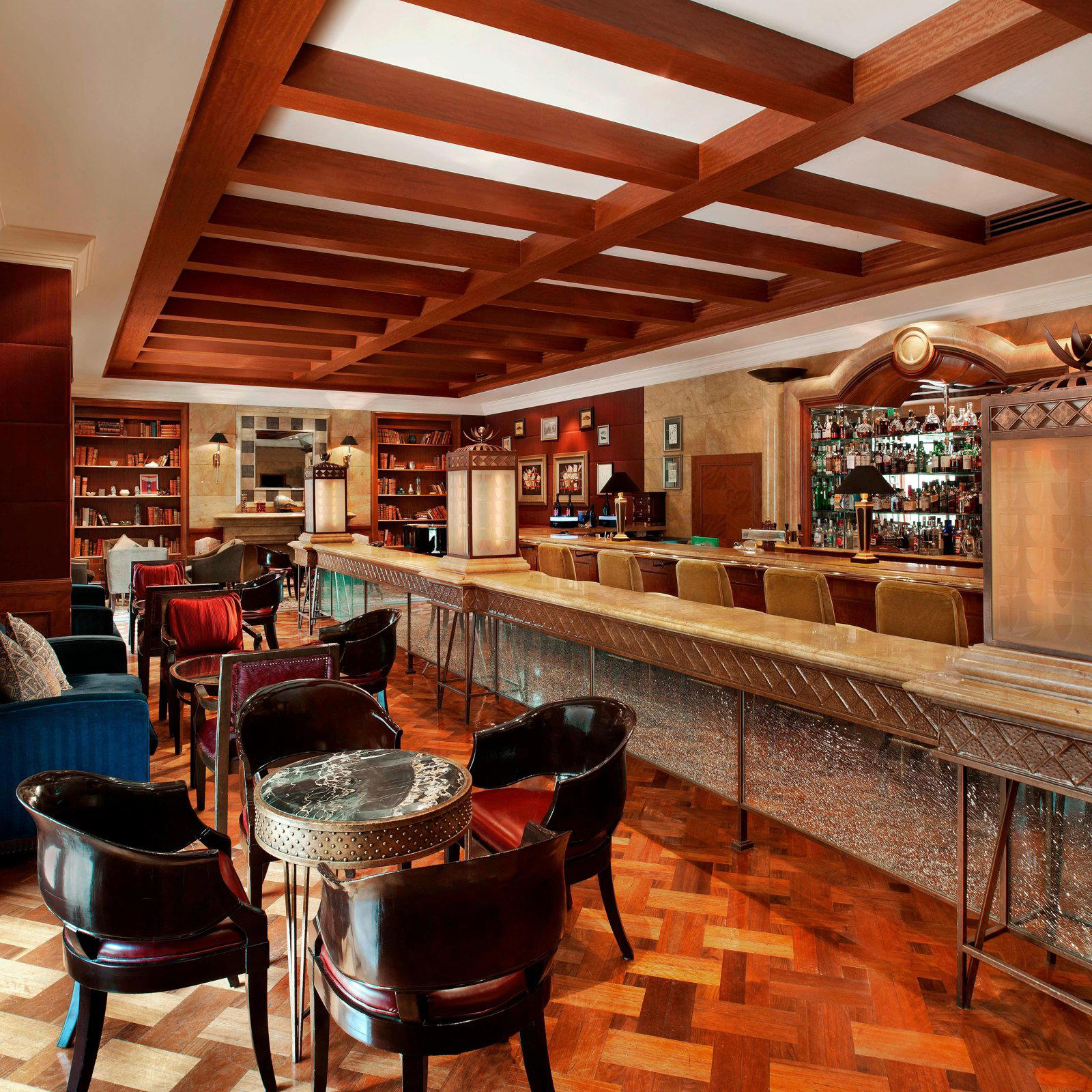
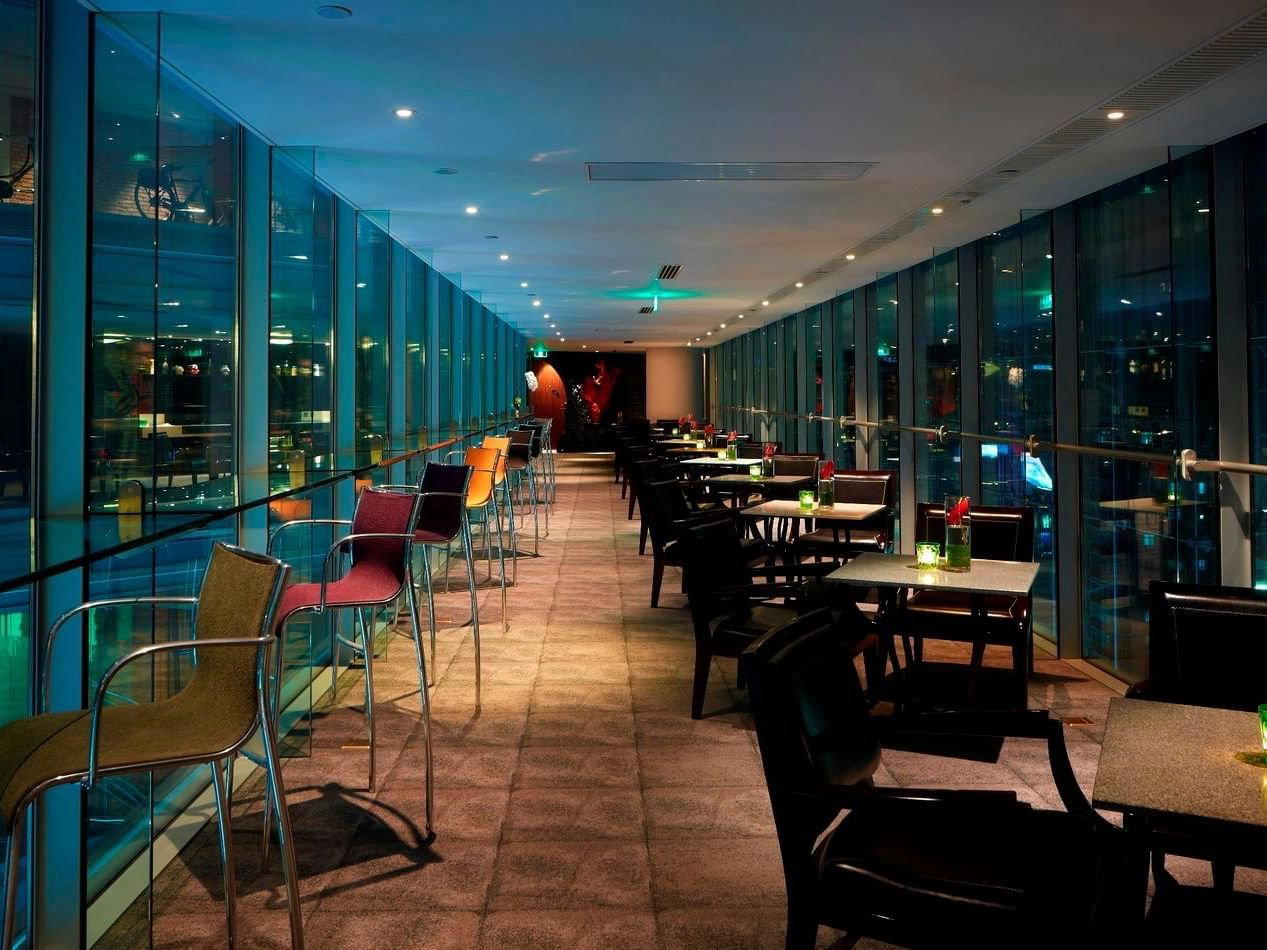
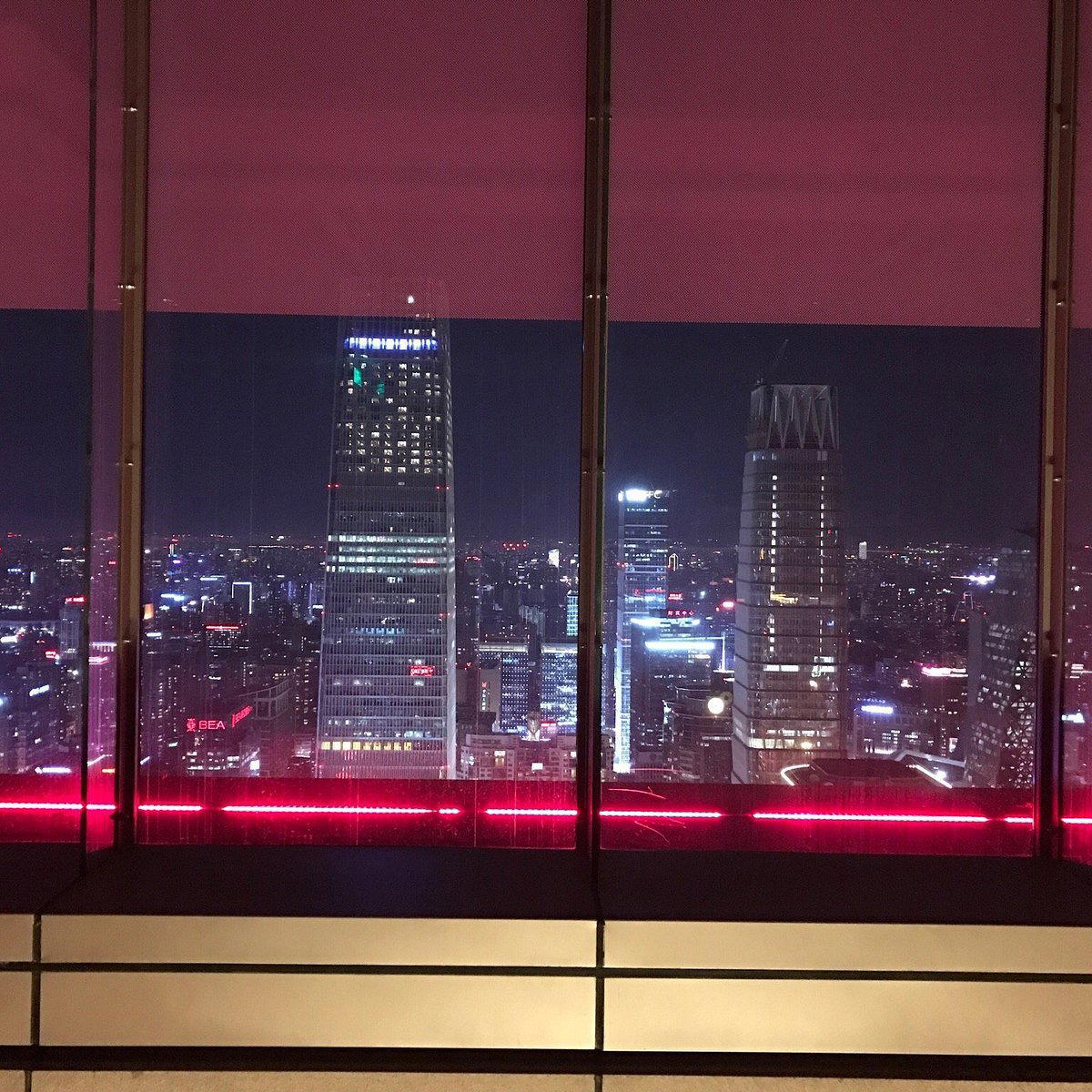
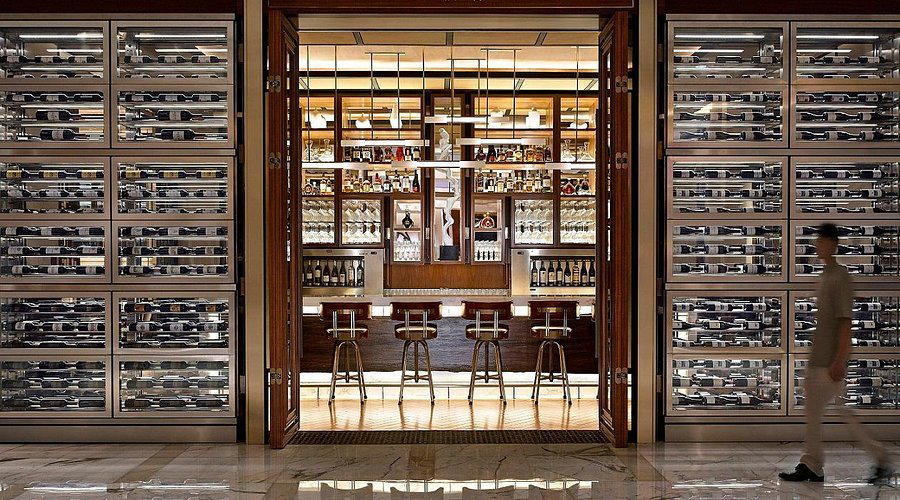
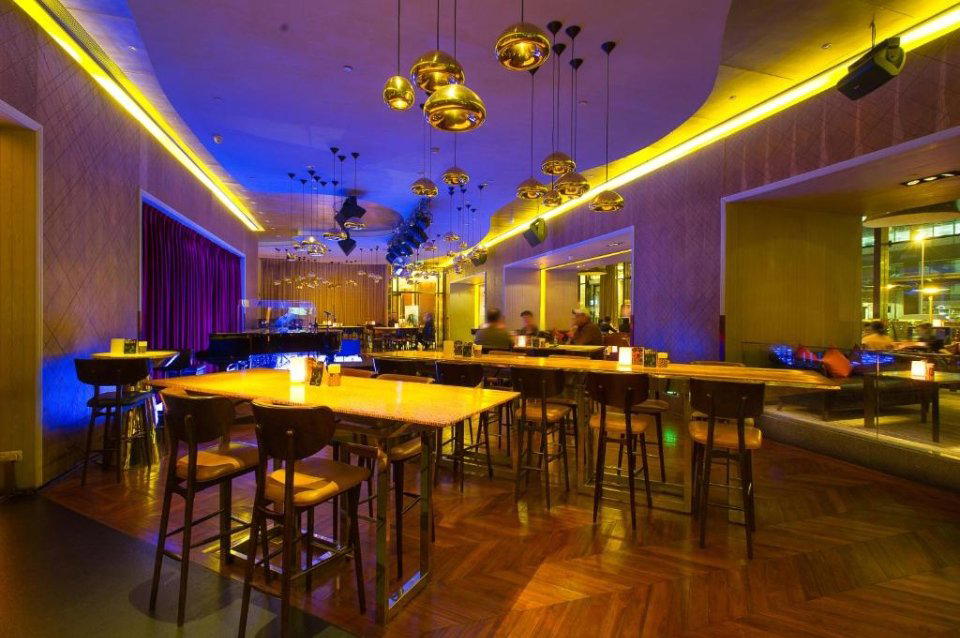
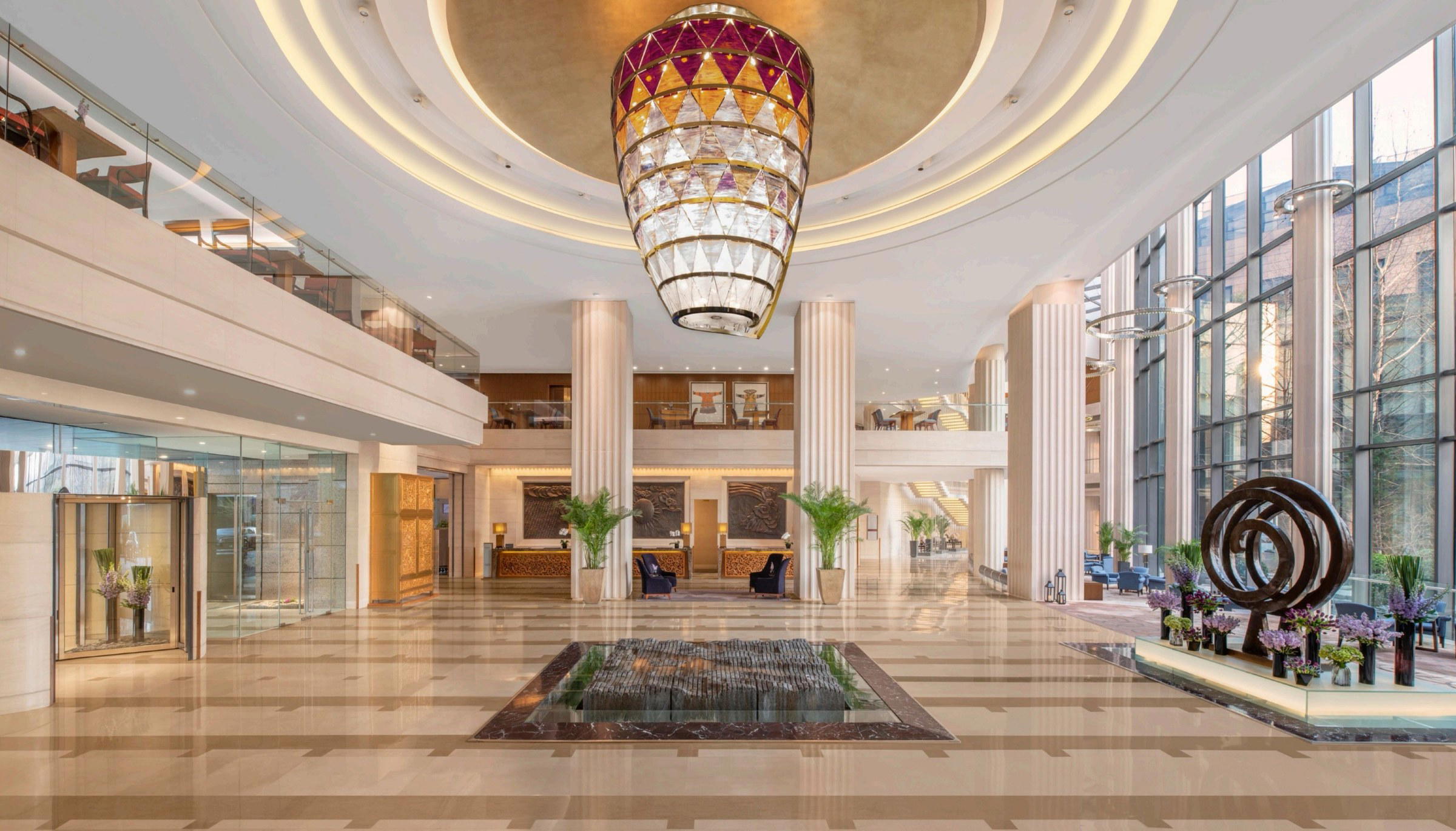
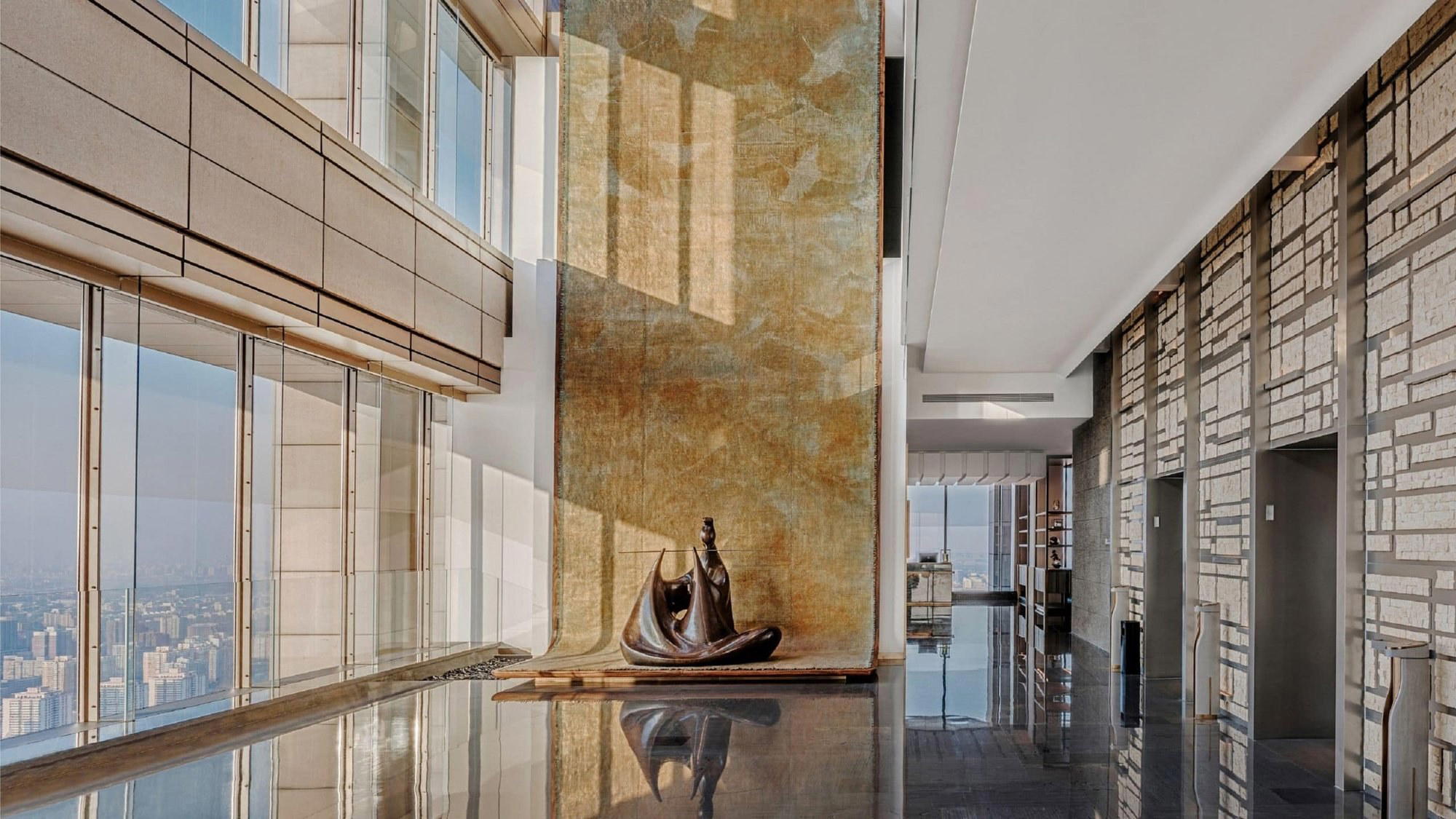
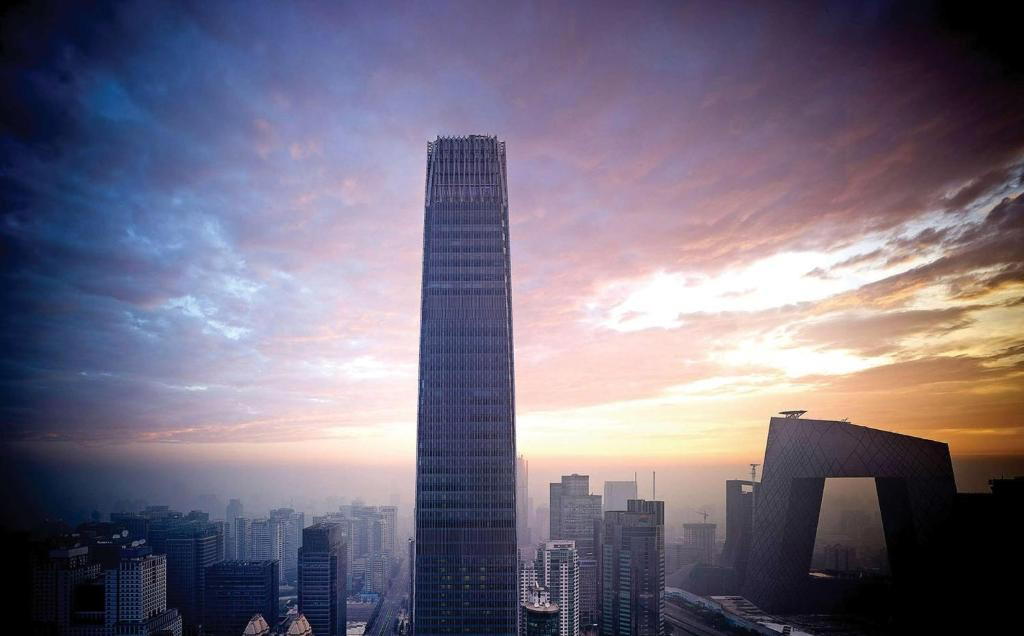
Cool, sophisticated, and stylish, with dramatic panoramic views, live acts and DJs, and a polished hotel-bar atmosphere.