
La Liste Top Restaurants
Our verdict
Huaiyang Fu (Dongcheng) gives Beijing a formal reading of Jiangnan dining ritual: restrained seasoning, careful textures, and a room whose period-mansion setting suits the cuisine’s slower tempo. La Liste scored it 76 points for 2026 and 78 points for 2025, placing it in a serious bracket for diners comparing Beijing’s Huaiyang tables.

Pearl is the En Primeur Club membership app, where members save venues, book tables and use the concierge.
The menu
What to order
- Braised pork belly in brown sauce with arrowroot
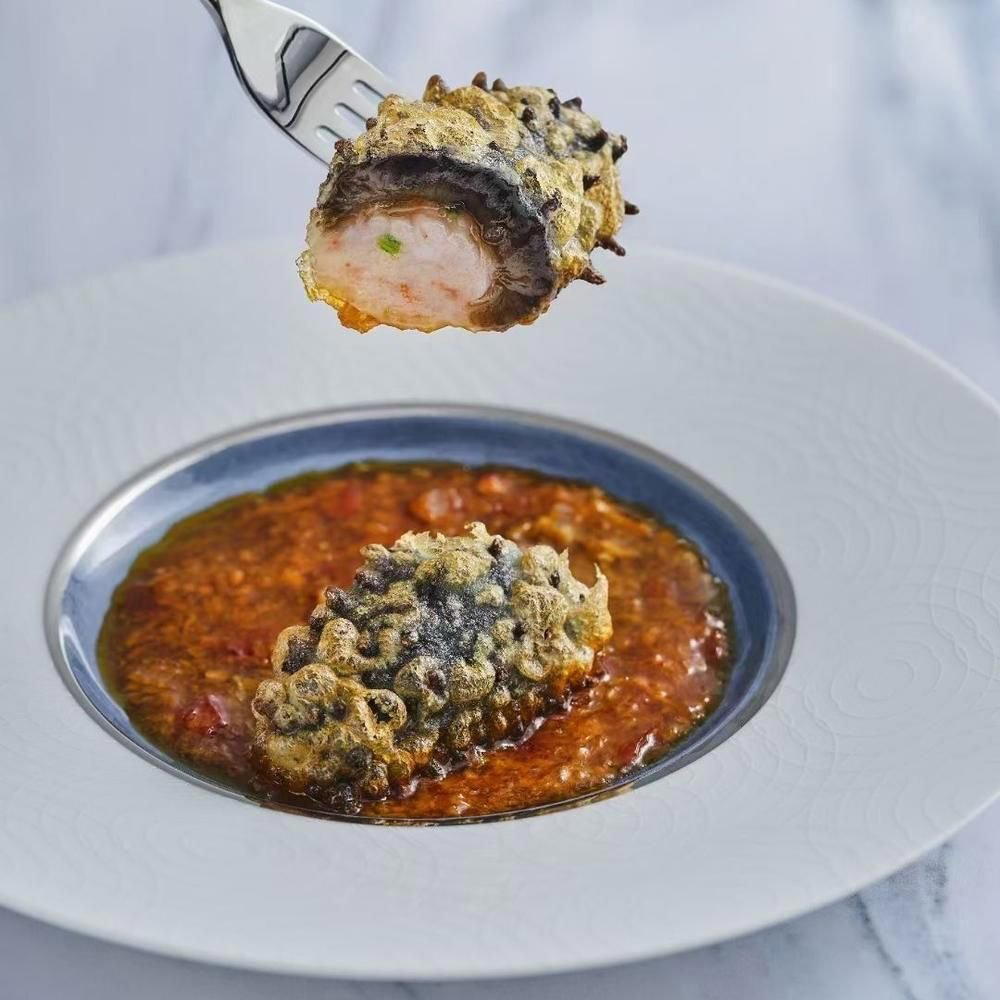
- Sautéed swamp eel in pepper sauce
- Hand-peeled lake shrimps with fox nuts
- Yangzhou fried rice
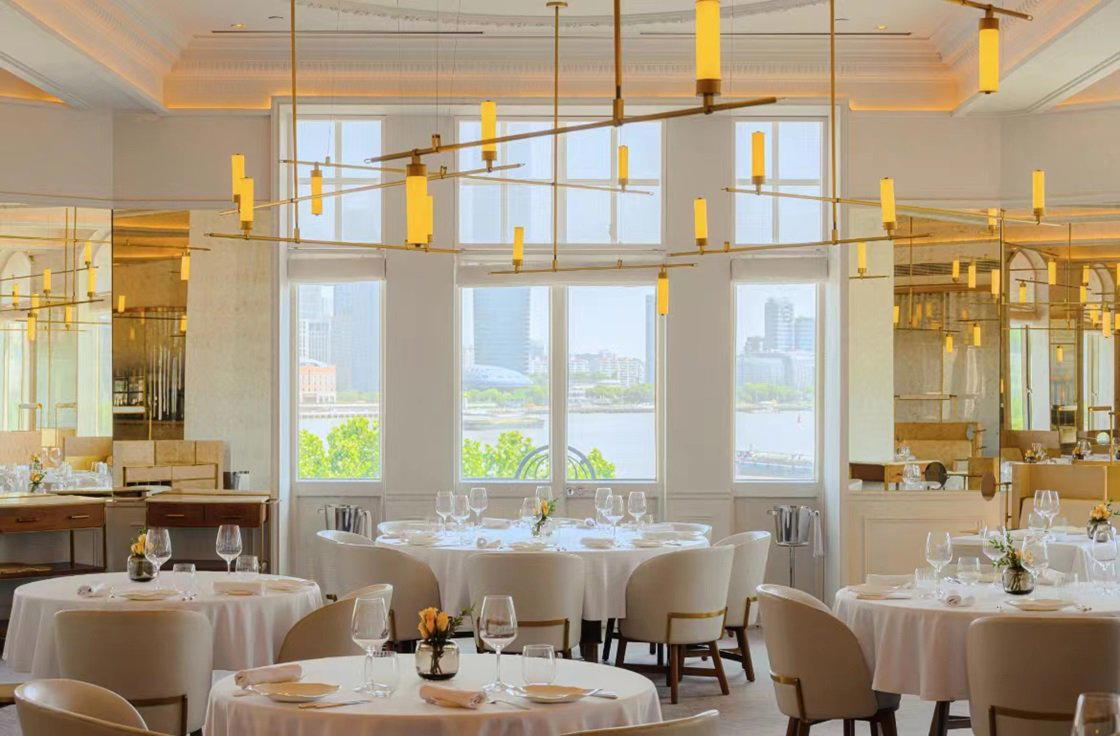
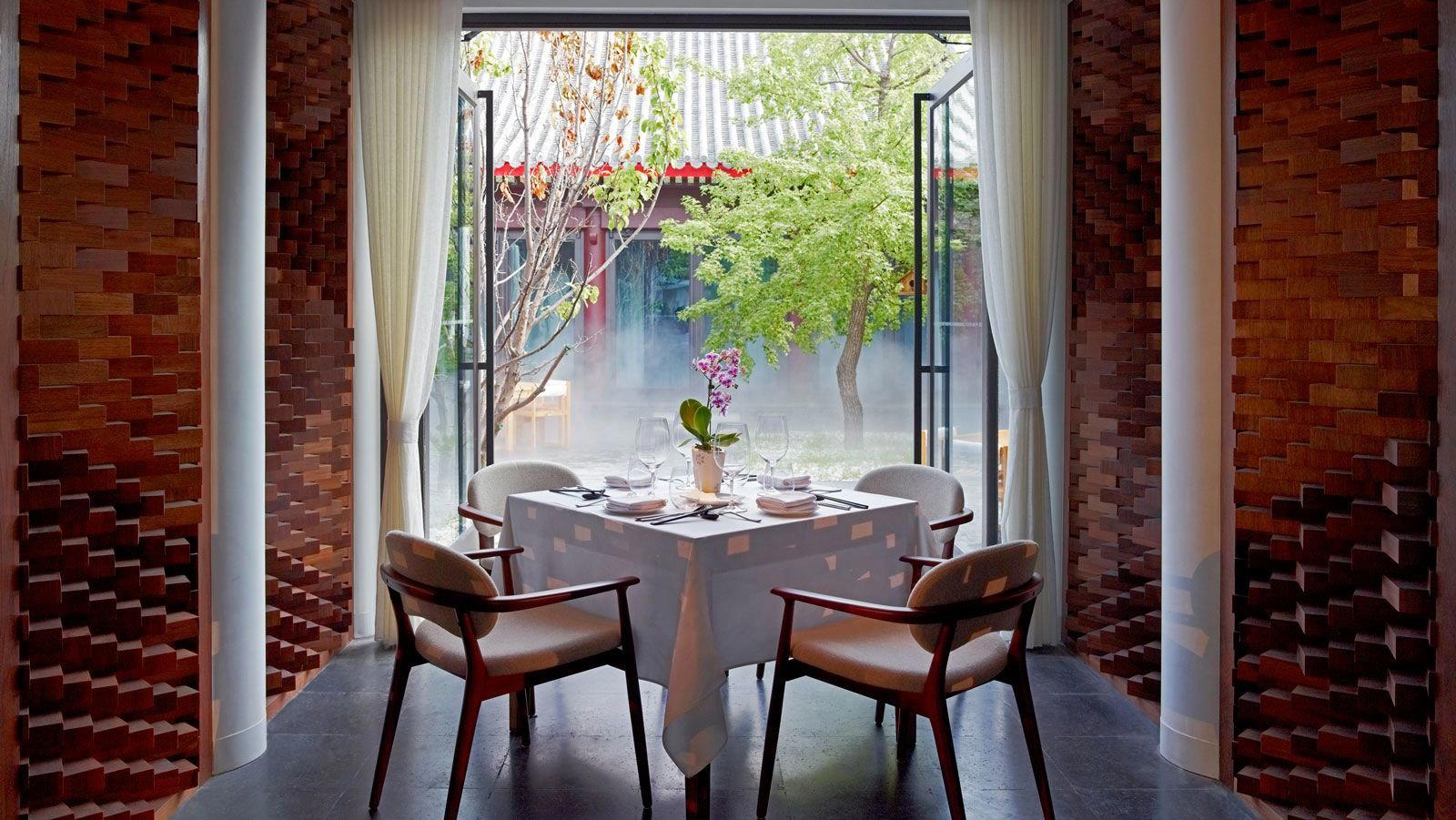
The first cue is architectural rather than culinary: a period mansion, a stone garden, carved wooden windows, and the quiet theatricality of a room built for measured service. That matters for Huaiyang cooking. This is a cuisine of sequence and restraint, where the meal depends less on a single dramatic plate than on timing, temperature, texture, and the host’s sense of order. In Beijing, where formal banqueting, regional power dining, and other established rooms compete for attention, Huaiyang has a different register: softer, more exacting, and often more formal.
Huaiyang Fu (Dongcheng) belongs to that formal camp. Diners comparing Huaiyang in the capital often weigh it against Huai Xiang Guo Se, Yu Hua Tai (Xicheng), and Zhong. The category is narrow enough that differences in room, pacing, and menu discipline matter as much as any broader luxury label.
Huaiyang dining in Beijing is about pace, not spectacle
Huaiyang cooking prizes restraint, clarity, braising, and careful handling of texture. It is difficult to fake because the cooking depends on control rather than force. In a Beijing setting, that makes the meal feel distinct from the capital’s louder regional options. Strong spice, luxury ingredients, and hearty staples can announce themselves quickly; Huaiyang works through texture, sauce weight, and the order in which dishes arrive.
The listed classics tell the story. Braised pork belly in brown sauce with arrowroot belongs to the slow-braised, lacquered side of the tradition. Sautéed swamp eel in pepper sauce brings a sharper register without turning the meal into a chilli-driven performance. Hand-peeled lake shrimps with fox nuts point to the cuisine’s technical center: small ingredients, careful handling, and a texture-led pleasure that depends on restraint. Aged vinegar is not decoration in this context; it is a calibrating tool, used to cut richness and sharpen sweetness without dominating the plate.
The dining ritual rewards a table willing to let the meal unfold. Ordering only for status ingredients misses the point. The better strategy is to build contrast: one braised dish, one freshwater or river ingredient, one vegetable or starch component, and something seasonal if offered. Huaiyang’s prestige has always been tied to hospitality and sequencing, so the table’s rhythm matters. Dishes should not be treated as isolated trophies; they work as a progression from softness to savor, from gloss to acidity, from quiet sweetness to deeper sauce.
A mansion room suits the cuisine's social code
Beijing setting helps because Huaiyang food is unusually sensitive to context. A carved-window mansion room can turn formal service into part of the meal’s logic, not a decorative overlay. This is not the casual, quick-meal reading of the cuisine, nor the banquet hall version that reduces the meal to private-room ceremony. It sits between the two: polished enough for business dining, serious enough for regional-cuisine comparison, and controlled enough for diners who care about the grammar of the meal.
That distinction matters in Beijing, a city where regional restaurants often function as cultural shorthand. Other Beijing dining rooms may lean more heavily on ceremony, display, or familiar local signatures. Huaiyang sits elsewhere in the hierarchy: less performative at the table, more dependent on collective ordering, and better suited to diners who notice sauce reduction, knife-cut textures, and whether sweetness has been kept in check.
For wider planning, Beijing’s dining field is easier to read by region than by generic luxury labels. Our full Beijing restaurants guide maps that range across capital cuisine, regional Chinese cooking, and international rooms. The city also rewards a broader itinerary: our full Beijing hotels guide, our full Beijing bars guide, our full Beijing wineries guide, and our full Beijing experiences guide help separate serious dining choices from convenience-led ones.
How to read the order: braise, river, vinegar, season
The useful way into Huaiyang Fu (Dongcheng) is through categories rather than a chase for novelty. Brown-sauce braising gives the meal depth; eel introduces the cuisine’s riverine side; hand-peeled shrimp and fox nuts show the importance of fine texture; aged vinegar supplies the acid line. Seasonal dishes deserve attention because Huaiyang cooking is closely tied to ingredient condition, especially in freshwater produce, greens, and delicate proteins. The point is not abundance for its own sake, but a table that shows the range of the tradition without collapsing into repetition.
For diners building a China itinerary around regional technique, the comparison becomes clearer when kept focused on style rather than brand-chasing. Other dining rooms across China may foreground heat, seafood polish, coastal ingredients, or different regional rhythms. In Beijing, the useful comparison is tighter: Huaiyang Fu (Dongcheng) can be read alongside Huai Xiang Guo Se, Yu Hua Tai (Xicheng), and Zhong, with the emphasis on room, pacing, and how confidently each meal handles restraint.
The editorial case for this restaurant is not that it overwhelms. It is that Beijing’s Huaiyang tier needs rooms where the cuisine’s manners are taken seriously: composed pacing, disciplined sweetness, careful handling of freshwater ingredients, and enough formality for a hosted meal. Huaiyang Fu (Dongcheng) is strongest for diners who want that ritual rather than a quick survey of famous dishes.
Frequently asked questions
Would Huaiyang Fu (Dongcheng) be comfortable with kids?
Yes, for children used to quieter dining rooms. The setting is a period mansion, and the overall mood suggests a formal meal rather than a casual family stop.
What kind of setting is Huaiyang Fu (Dongcheng)?
It occupies a period mansion in Beijing, with a stone garden and carved wooden windows. That frame suits Huaiyang cuisine, which is usually served with measured pacing and close attention to texture.
What's Huaiyang Fu (Dongcheng) known for in terms of accolades?
La Liste also notes the period mansion, stone garden, carved wooden windows, polished cuisine, Huaiyang favourites, and seasonal menu.
What kind of cuisine does Huaiyang Fu (Dongcheng) serve?
Huaiyang Fu (Dongcheng) serves Huaiyang cuisine, with dishes such as braised pork belly in brown sauce with arrowroot, sautéed swamp eel in pepper sauce, and hand-peeled lake shrimps with fox nuts.
What price level is Huaiyang Fu (Dongcheng)?
Check directly with Huaiyang Fu (Dongcheng) for current pricing and menu format.
How do I find Huaiyang Fu (Dongcheng)?
Huaiyang Fu (Dongcheng) is located in Beijing.
How hard is it to get a table at Huaiyang Fu (Dongcheng)?
In Beijing, that usually places it above an everyday walk-in meal, especially for a polished Huaiyang address.
Where It Fits
Comparable venues to calibrate price, style, and recognition.
| Venue | Cuisine | Price | Awards |
|---|---|---|---|
| Huaiyang Fu (Dongcheng)This venue (the venue you are viewing) | Huaiyang Cuisine | $20–30 | La Liste Top Restaurants |
| Huai Xiang Guo Se | Traditional Huaiyang Fine Dining | $100–150 | Michelin Plate · Black Pearl 1 Diamond |
| Yu Hua Tai (Xicheng) | Refined Huaiyang Cuisine | $10–20 | Michelin Bib Gourmand |
| Zhong | Huaiyang Cuisine | Not listed | Michelin Bib Gourmand |
Recognition history
Dated appearances from independent guides and award organizations, with the underlying list record or original source where available.
La Liste Top Restaurants
La Liste
Full recognition history (2 entries)
La Liste Top Restaurants
La Liste
Continue exploring
More in Beijing
Restaurants in Beijing
All restaurants in Beijing →
Bars in Beijing
All bars in Beijing →
Details
- Elegant
- Classic
- Sophisticated
- Quiet
- Business Dinner
- Group Dining
- Special Occasion
- Private Dining
- Garden
- Historic Building
- Courtyard
- Garden
- Family Style
- A La Carte
- Aged Vinegar
Tranquil and elegant atmosphere enhanced by traditional architectural elements including stone garden and carved wooden windows; refined and polished dining environment.