Located in Ginza's 8-chome, 鮨 くわ野 occupies the upper tier of Tokyo's omakase counter scene, where format discipline and seasonal rhythm define the experience more than any single dish. Ginza's density of premium sushi means the bar for credibility is set by the neighbourhood itself, and counters here price and perform accordingly. Booking ahead is strongly advised.
 Discover on Pearl
Pearl is the En Primeur Club membership app — saves, bookings, and concierge access live there. Same editors, same standards.
- Address
- 8 Chome-7-6 Ginza, Chuo City, Tokyo 104-0061, Japan
- Phone
- +81335736577
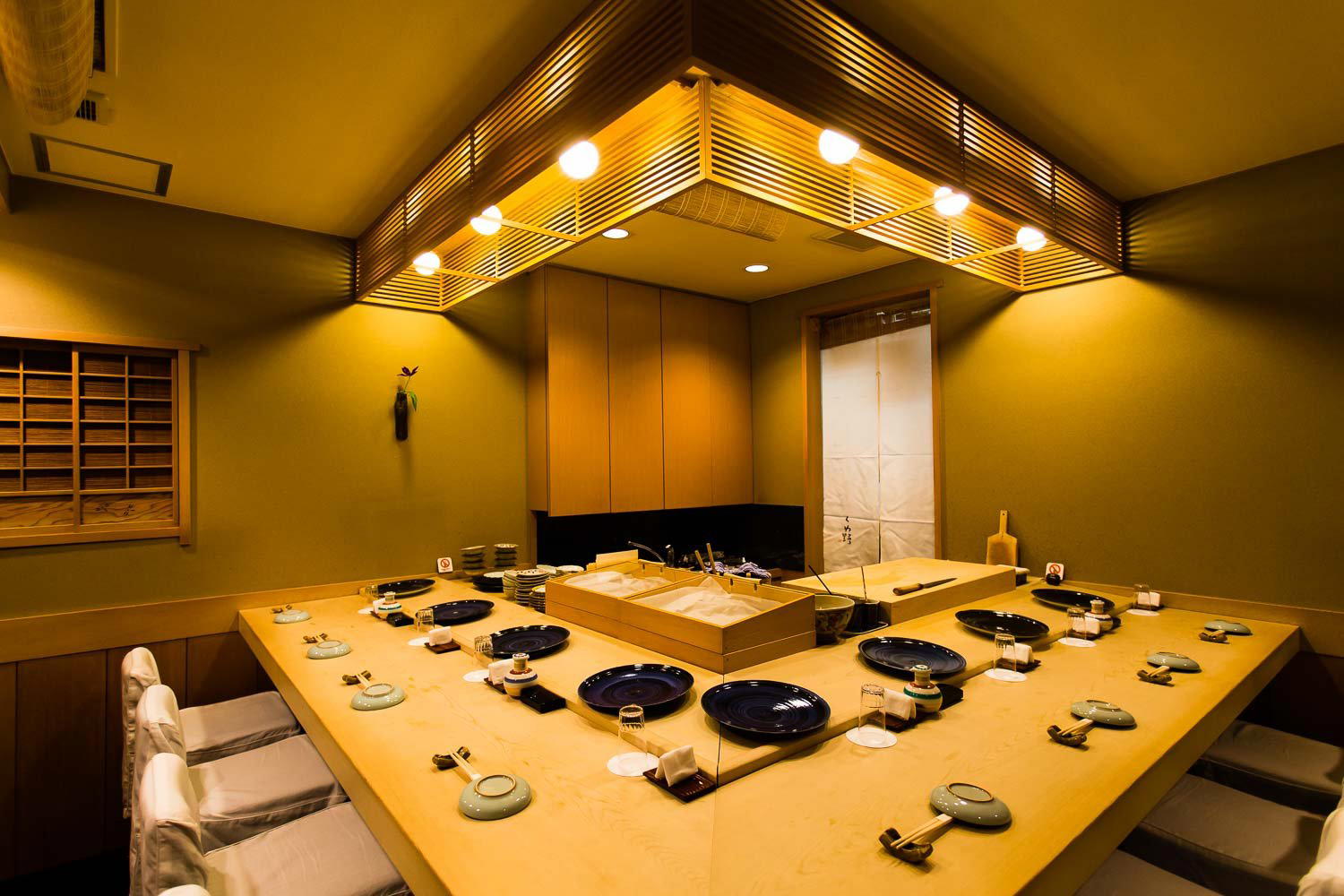
What Ginza Asks of a Sushi Counter
Ginza's 8-chome block has long functioned as one of Tokyo's most demanding culinary addresses. The neighbourhood carries a high level of expectation for craft and consistency. Within a short radius, diners can access some of the city's most recognised omakase experiences, including Harutaka. In this context, every sushi-ya on the block is implicitly measured against its neighbours, and the standards are not modest.
鮨 くわ野 sits at 8 Chome-7-6 Ginza, Chuo City, Tokyo, placing it squarely within the district's tightest competitive cluster. Ginza omakase at this level is not about theatrical gestures, it is about accumulated small decisions made correctly over the course of a meal.
The Atmosphere a Counter Like This Produces
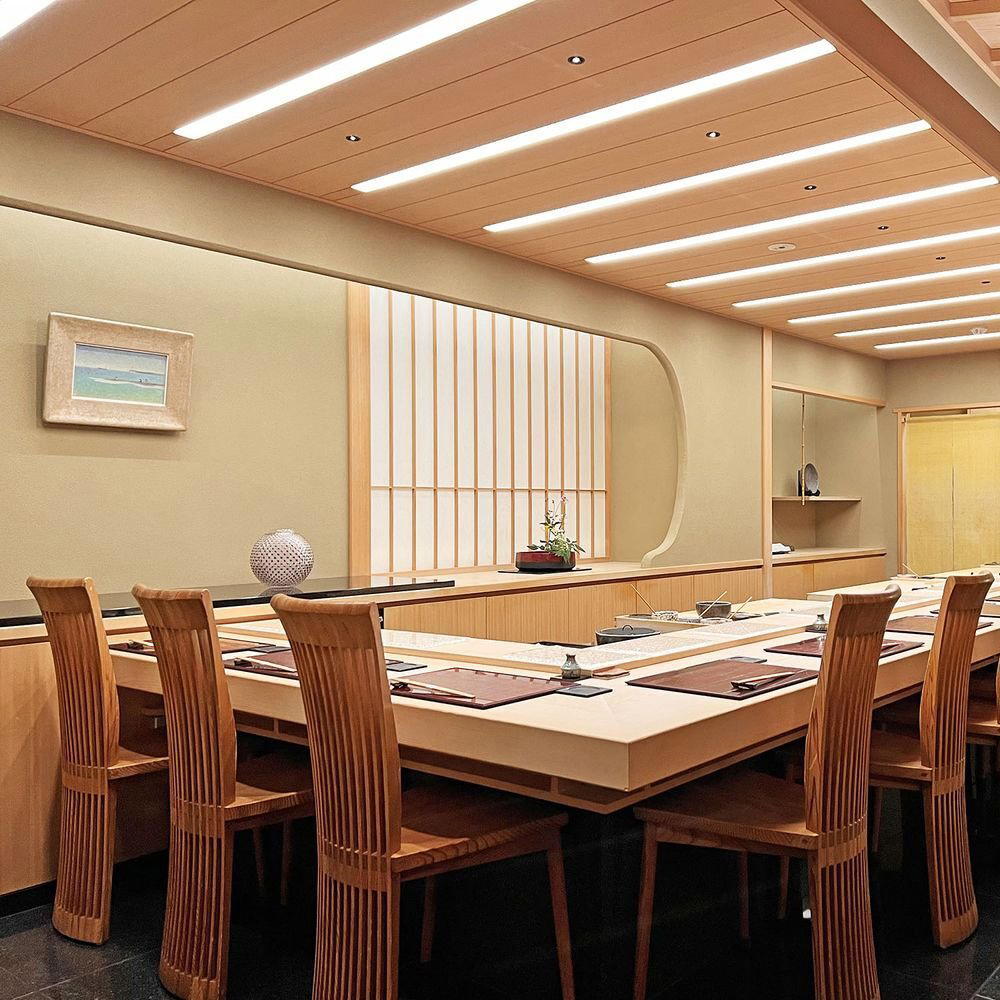
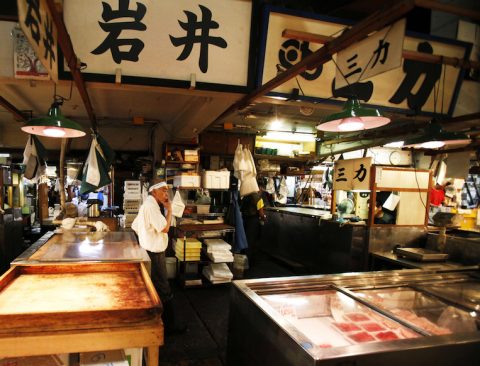
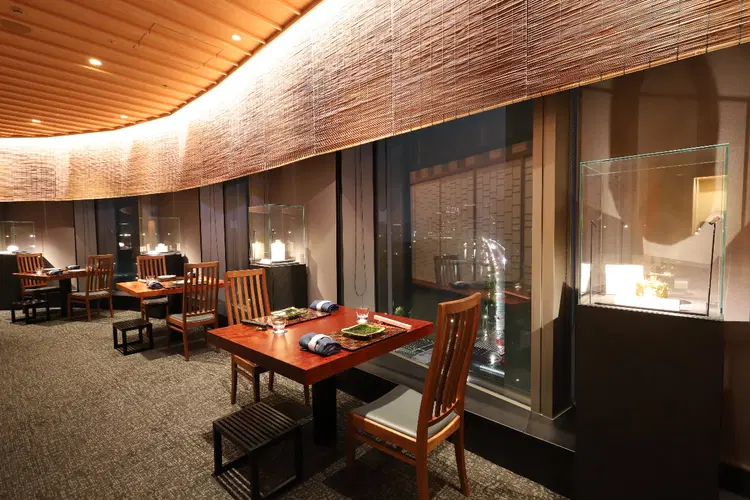
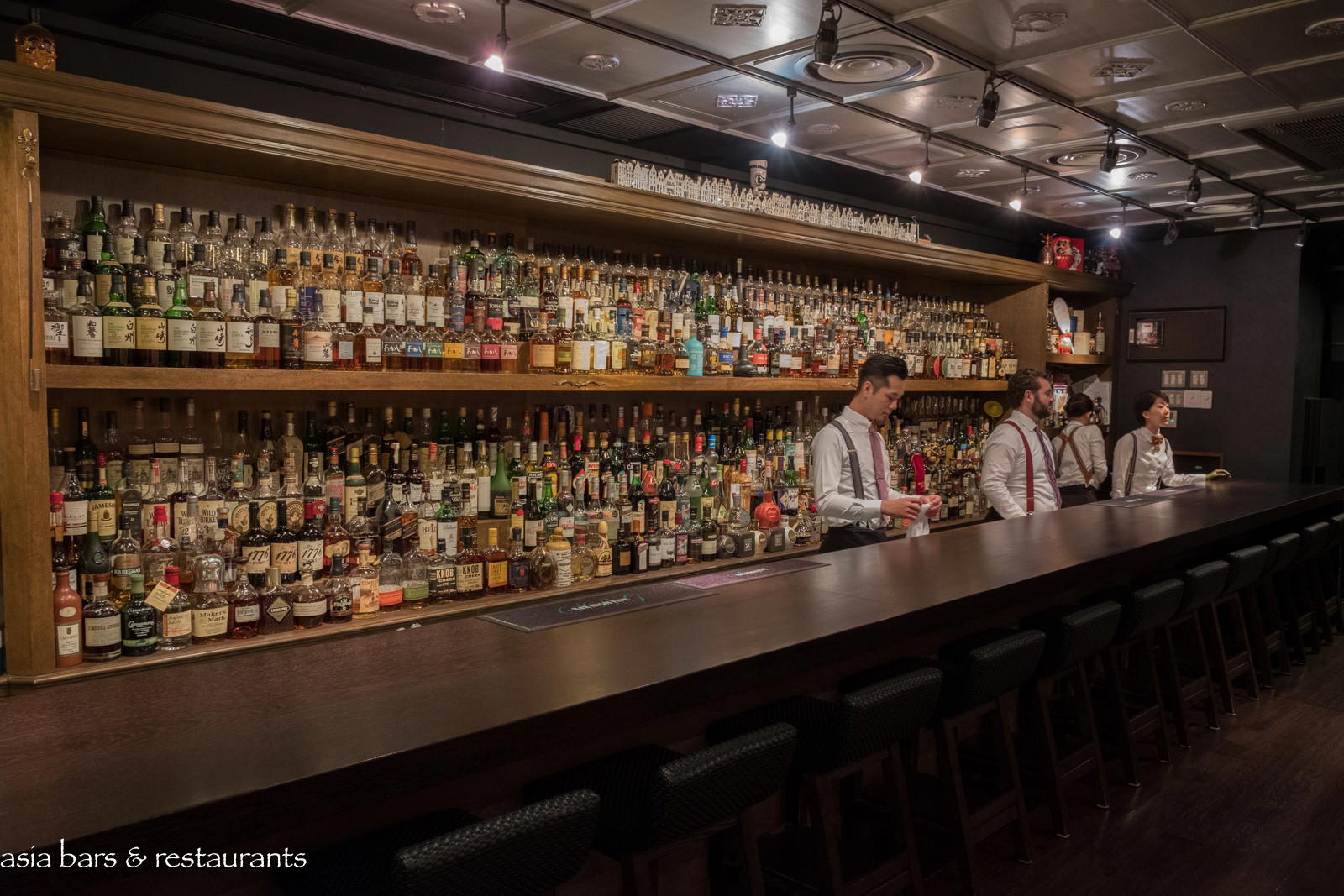
The sensory register of a Ginza sushi counter follows a fairly consistent grammar. Spaces are compact and deliberately quiet. Lighting tends toward warm and focused, drawn toward the hinoki wood of the counter itself rather than diffused across a room. The sound environment is close: the soft percussion of a knife returning to its board, the brief exchange between itamae and guest, the particular stillness that settles between courses. These are not incidental details, they are the format itself, shaped over decades of small counter tradition in which the chef-to-guest ratio is kept narrow enough that attention can move in both directions.
At counters of this type, the visual progression of a meal is its own structure. Neta arrives in sequence, each piece timed to the rice it meets, and the discipline of that timing is one of the primary ways craft announces itself to an informed diner. There is no written menu to read ahead. The intelligence of the meal is carried in the chef's selection of what is at peak that day, and in how the sequence builds and resolves. This is the form that Tokyo's premium omakase tradition has refined over generations, and it is the form that a counter at this address is expected to command.
Where 鮨 くわ野 Sits in the Broader Scene
Tokyo's omakase tier has stratified significantly over the past decade. At the upper end, counters now occupy price and booking brackets that effectively separate them from mid-market competitors. The city's broader fine dining scene reflects this same stratification: kaiseki houses like RyuGin and French-inflected rooms like L'Effervescence and Sézanne operate in comparable price territory, and the competition for the city's most committed diners is spread across formats, not just within sushi.
Within the sushi category specifically, Ginza counters tend to price against each other rather than against the city's broader dining market. The neighbourhood has essentially set its own floor for what premium omakase costs, and that floor reflects the real expense of operating with top-tier seasonal fish, trained staff, and low seat counts. Counters that survive in this district over multiple years do so because their execution justifies the positioning. The address is not sufficient on its own, it is a precondition, not a credential.
For diners comparing across Japan's broader fine dining geography, the Ginza counter model has counterparts in other cities, though the format and register differ. HAJIME in Osaka and Gion Sasaki in Kyoto represent what serious dining looks like in their respective cities, each shaped by distinct local ingredients and hospitality traditions. Japan's regional dining depth is considerable, from akordu in Nara to Goh in Fukuoka, and the Ginza counter should be understood as one node in a national network of serious cooking, not as a category unto itself. Regionally, venues like 一本木 皆川製 in Nanao, 夕佳亭山乃 in Sapporo, 湖隣庵 in Takashima, and 羽根屋 in Nishikawa Machi each make the case that Japan's most compelling dining is distributed well beyond the capital.
Even internationally, the counter-format conversation extends further. Atomix in New York City and Le Bernardin both operate in the kind of precision-first register that Tokyo's leading counters established decades earlier, while venues like Crony in Tokyo itself demonstrate how the city's appetite for technical discipline cuts across cuisine categories. Birdland in Sakai and Bistro Ange in Toyohashi further illustrate Japan's depth of serious, specialist cooking outside the obvious metropolitan poles.
Planning a Visit
Reservation logistics at premium Ginza counters typically require advance planning measured in weeks rather than days, and in some cases months. The most reliable approach is to contact the restaurant directly or engage a hotel concierge with established relationships in the neighbourhood. Ginza counters at this level rarely maintain walk-in capacity, and last-minute access, where it exists at all, tends to emerge from cancellations rather than held seats. For international visitors, aligning a reservation attempt with a hotel concierge early in the trip planning process is the most effective strategy.
Accolades, Compared
Comparable venues nearby, for context on price, style, and recognition.
| Venue | Cuisine | Price | Awards | Notes |
|---|---|---|---|---|
| 鮨 くわ野This venue — the venue you are viewing | Traditional Ginza Omakase Sushi | $$$$ | , | |
| Yachiyo | Traditional Japanese Kaiseki | $$$$ | , | Marunouchi |
| Torioka | Premium Yakitori Omakase | $$$$ | , | Azabudai, Minato Ward |
| Ginza Inaba | Seasonal Japanese Kaiseki Omakase | $$$$ | , | Chūō |
| さわ田 | Edo-Style Omakase Sushi | $$$$ | , | Chūō |
| 日本橋ゆかり | Traditional Kaiseki Kappo | $$$$ | , | Chūō |


At a Glance
- Elegant
- Intimate
- Sophisticated
- Quiet
- Classic
- Special Occasion
- Date Night
- Chefs Counter
- Sake Program
Refined and delicate counter seating for 8 guests in Ginza's luxury district, fostering an intimate and studious sushi experience.