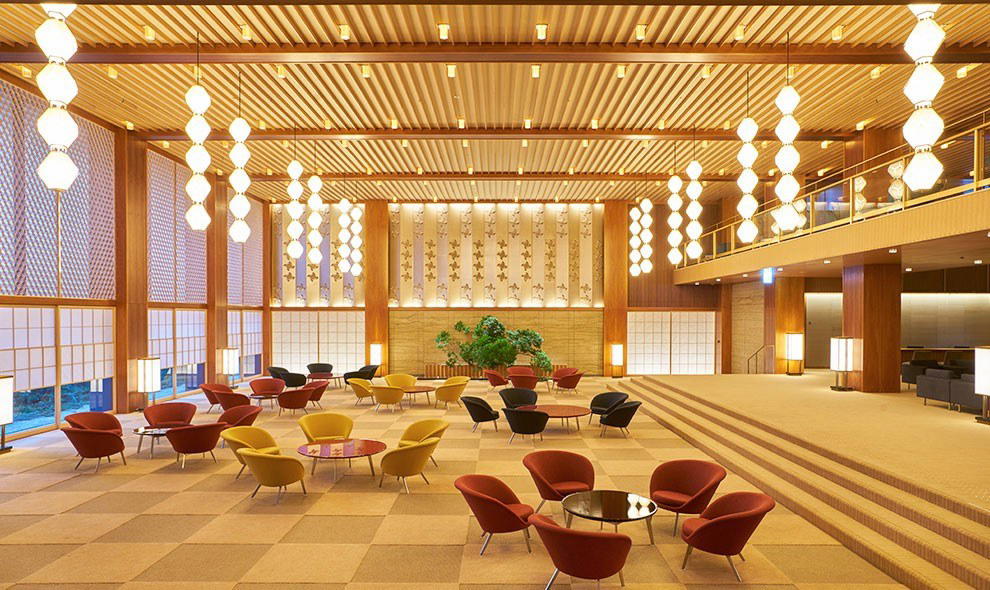
Michelin Plate
Our verdict
Shirokane Shin occupies a quietly residential pocket of Minato City where the format itself makes a considered argument against pure omakase orthodoxy. The chef opens with a curated sequence, then hands authorship to the guest, creating a meal that is part editorial, part personal. A Michelin Plate holder since 2024, it sits in a mid-premium tier where format intelligence matters as much as technique.

Pearl is the En Primeur Club membership app, where members save venues, book tables and use the concierge.
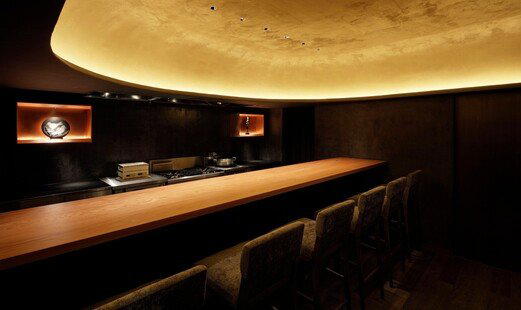
Shirokane's Dining Character and Where Shin Fits
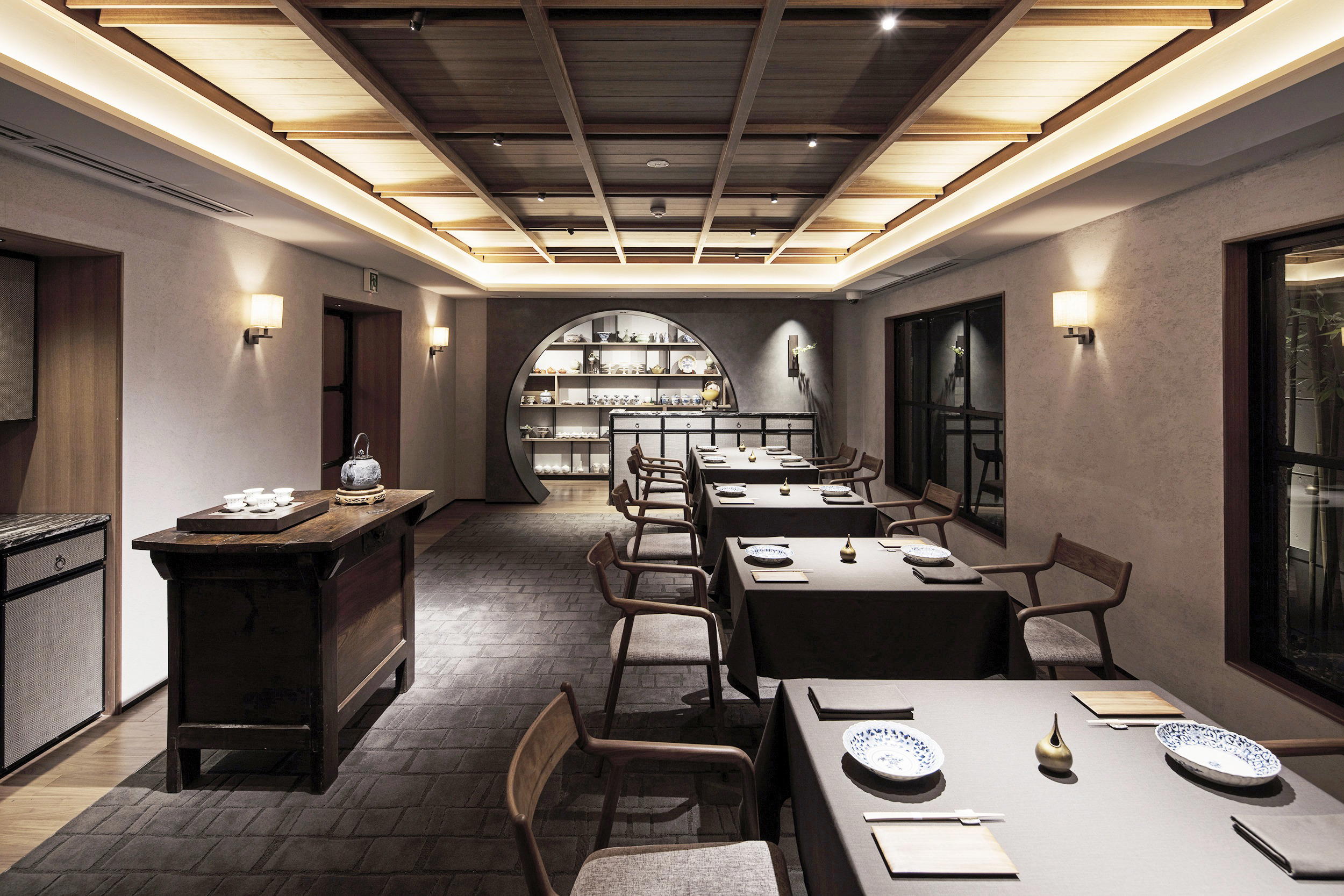
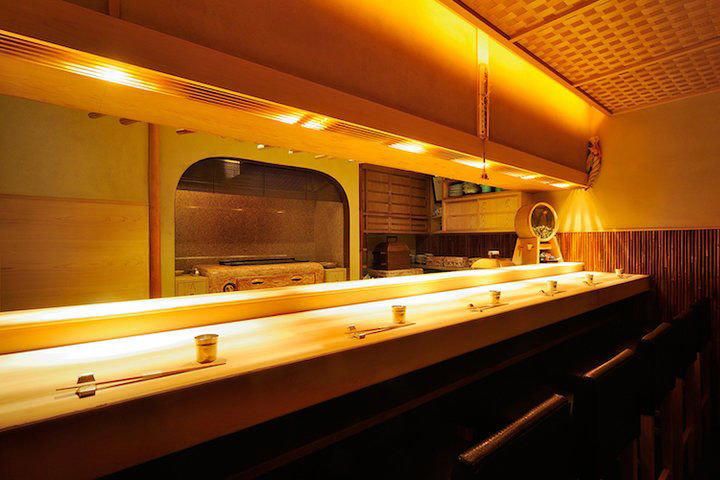
Minato City's Shirokane district does not announce itself the way Ginza or Shinjuku do. The streets around Shirokane 3-chome run quiet in the evenings, lined with low-rise apartment buildings and the occasional neighbourhood izakaya, with few of the neon signals that draw crowds to Tokyo's more theatrical dining corridors. That restraint in the surroundings tends to produce a particular kind of restaurant: one that earns its regulars through craft and format rather than through foot traffic or visibility. Shirokane Shin, on the ground floor of the Kinshun Building, belongs to that category.
For context on Tokyo's wider Japanese dining scene, the dominant premium format remains omakase, where the chef controls the sequence entirely and guests submit. That model has expanded well beyond its sushi origins into kaiseki-adjacent and creative Japanese cooking, to the point where the format itself has become a shorthand for seriousness. Venues like Azabu Kadowaki and Kagurazaka Ishikawa operate within that tradition at a three-Michelin-star tier, where full chef-led sequencing is the expectation and deviation from it is rare. Shirokane Shin works from a different premise entirely.
A Format That Redraws the Agreement Between Chef and Guest
The structure here is a deliberate departure from the fully prescribed meal. The chef opens with several courses arranged according to a narrative he has chosen, setting a tone and establishing a culinary argument. After that opening sequence, guests take over, ordering freely from the menu according to what appeals to them on the night. The result is a meal with a fixed prologue and an improvised second half.
This is not a gimmick or a compromise. In a city where omakase has become so prevalent that the format risks feeling formulaic, the hybrid structure at Shirokane Shin registers as a considered position. The chef's curated opening communicates intention and skill; the guest-directed remainder communicates trust. The Michelin guide, which awarded the restaurant a Plate recognition in both 2024 and 2025, framed the approach explicitly in its notes: the chef's decision to open the meal and then yield control is described as a show of mutual respect, one that distinguishes the experience from venues that interpret omakase as a one-directional exercise in chef authority. Two consecutive years of Michelin Plate recognition confirm that the approach has been assessed against the city's wider competitive field and found credible.
The Neighbourhood Table in Practice
The restaurant's address in Shirokane is not incidental to what it does. Residential neighbourhoods in Tokyo produce a different dining ecology than commercial or tourist zones. The customer base tends toward locals with some depth of loyalty, professionals from the surrounding area, and guests who have sought the place out rather than stumbled across it. That audience tends to make restaurants more responsive to preference and less dependent on spectacle, which is part of why the guest-directed format works here where it might feel awkward in a more performative setting.
Compare this to the experience at Myojaku or Ginza Fukuju, both of which operate in higher-traffic zones with formats built partly around the theatrical expectations of destination diners. Shirokane Shin does not compete on those terms. Its mid-premium price tier (¥¥¥ against the ¥¥¥¥ of venues like RyuGin or Harutaka) positions it as a neighbourhood-calibre option in terms of accessibility, without conceding on the kitchen's ambition.
The same structural logic applies to how Jingumae Higuchi operates in its own residential-adjacent context, where the format reflects the expectations of a returning local audience rather than a rotating international one. Across Tokyo's serious Japanese dining tier, the quieter districts consistently produce the more experimental format decisions.
Tokyo Japanese Dining Beyond the Capital
For readers who are building an itinerary across Japan's major cities, the format experimentation at Shirokane Shin has loose parallels elsewhere in the country. Gion Sasaki in Kyoto and Isshisoden Nakamura in Kyoto both operate within kaiseki's more prescribed traditions, offering a useful contrast. Kashiwaya Osaka Senriyama in Osaka and HAJIME in Osaka represent the range from classical to contemporary at Osaka's upper tier. Further afield, Goh in Fukuoka and akordu in Nara sit at interesting intersections of format and geography. 1000 in Yokohama and 6 in Okinawa add further range for those extending their trip.
For a complete picture of Tokyo's dining options across price tiers and styles, our full Tokyo restaurants guide maps the field. Complementary resources include our full Tokyo hotels guide, our full Tokyo bars guide, our full Tokyo wineries guide, and our full Tokyo experiences guide.
Planning Your Visit
Price tier: ¥¥¥ (mid-premium by Tokyo Japanese dining standards, below the ¥¥¥¥ tier occupied by RyuGin and Harutaka). Location: Ground floor, Kinshun Building, Shirokane 3-chome, Minato City. Recognition: Michelin Plate 2024 and 2025. Guest rating:Reservations: Dress: No confirmed dress code; smart casual is standard for Tokyo dining at this tier. Timing:
Frequently asked questions
What part of town is Shirokane Shin in?
Shirokane Shin is located at Japan, 〒108-0072 Tokyo, Minato City, Shirokane, 3 Chome−2−3 白金 金春ビル 1階, Tokyo.
What should I expect cuisine-wise at Shirokane Shin?
What's Shirokane Shin known for in terms of accolades?
Shirokane Shin has received recognition including: The chef queues up the first few items with a narrative arc in mind. Guests then order whatever they like from the menu, creating a programme of their own. That is to say, the chef decides the start of the meal, then guests freely request p….
What do regulars order at Shirokane Shin?
The format at Shirokane Shin is structured so regulars can shape their own experience: the chef sets the opening narrative with several fixed courses, then guests order freely from the menu based on preference that evening. This means repeat visitors often build a personal repertoire across visits, steering toward the portions and flavours that worked for them before. It is a deliberate design choice by the chef, and the Michelin Plate recognition in both 2024 and 2025 reflects that the approach lands with critics as well as locals.
What does dinner at Shirokane Shin typically cost?
Pricing at Shirokane Shin is listed as ¥¥¥.
Is Shirokane Shin reservation-only?
Shirokane Shin sits on the ground floor of the Kinshun Building in Shirokane 3-chome, a quiet residential pocket of Minato City where walk-in traffic is low by nature. Given the ¥¥¥ price tier and the structured format that opens with chef-sequenced courses, the restaurant operates at a level where reservations are the practical requirement.
Cuisine and Awards Snapshot
| Venue | Cuisine | Price | Awards | Notes |
|---|---|---|---|---|
| Shirokane ShinThis venue (the venue you are viewing) | Modern Japanese Omakase with A La Carte | $100–150 | Michelin Plate | Not listed |
| Harutaka | Edo-Style Omakase Sushi | $200–300 | 3 Michelin Stars · World's 50 Best #76 | Sushi |
| RyuGin | Modern Kaiseki | $500+ | 3 Michelin Stars · World's 50 Best #41 | Kaiseki, Japanese |
| L'Effervescence | Modern French with Japanese Influences | $200–300 | 3 Michelin Stars · World's 50 Best #69 | French |
| HOMMAGE | Modern French with Japanese Influences | $150–200 | 2 Michelin Stars · World's 50 Best #78 | Innovtive French, French |
| MAZ | Innovative Peruvian-Japanese Fusion | $150–200 | 2 Michelin Stars · World's 50 Best #28 | Innovative |
Recognition history
Dated appearances from independent guides and award organizations, with the underlying list record or original source where available.
Michelin Plate
Michelin
Full recognition history (3 entries)
Michelin Plate
Michelin
Michelin Plate
Michelin