

Akasaka’s sushi counters sit in a demanding part of Tokyo’s dining culture, where fish selection, rice temperature, pacing, and restraint are judged with little patience for theatrics. Sushisho Saito belongs to that serious tier, with an 11-seat counter, Tabelog Bronze recognition in 2026, and a dinner budget listed at JPY 60,000–79,999.
Pearl is the En Primeur Club membership app — saves, bookings, and concierge access live there. Same editors, same standards.
- Address
- 2F, 4 Chome-2-2 Akasaka, Minato City, Tokyo 107-0052, Japan
- Phone
- +81 3-3505-6380
- Website
- tabelog.com
- Directions
- Get directions
 Saves & bookings on Pearl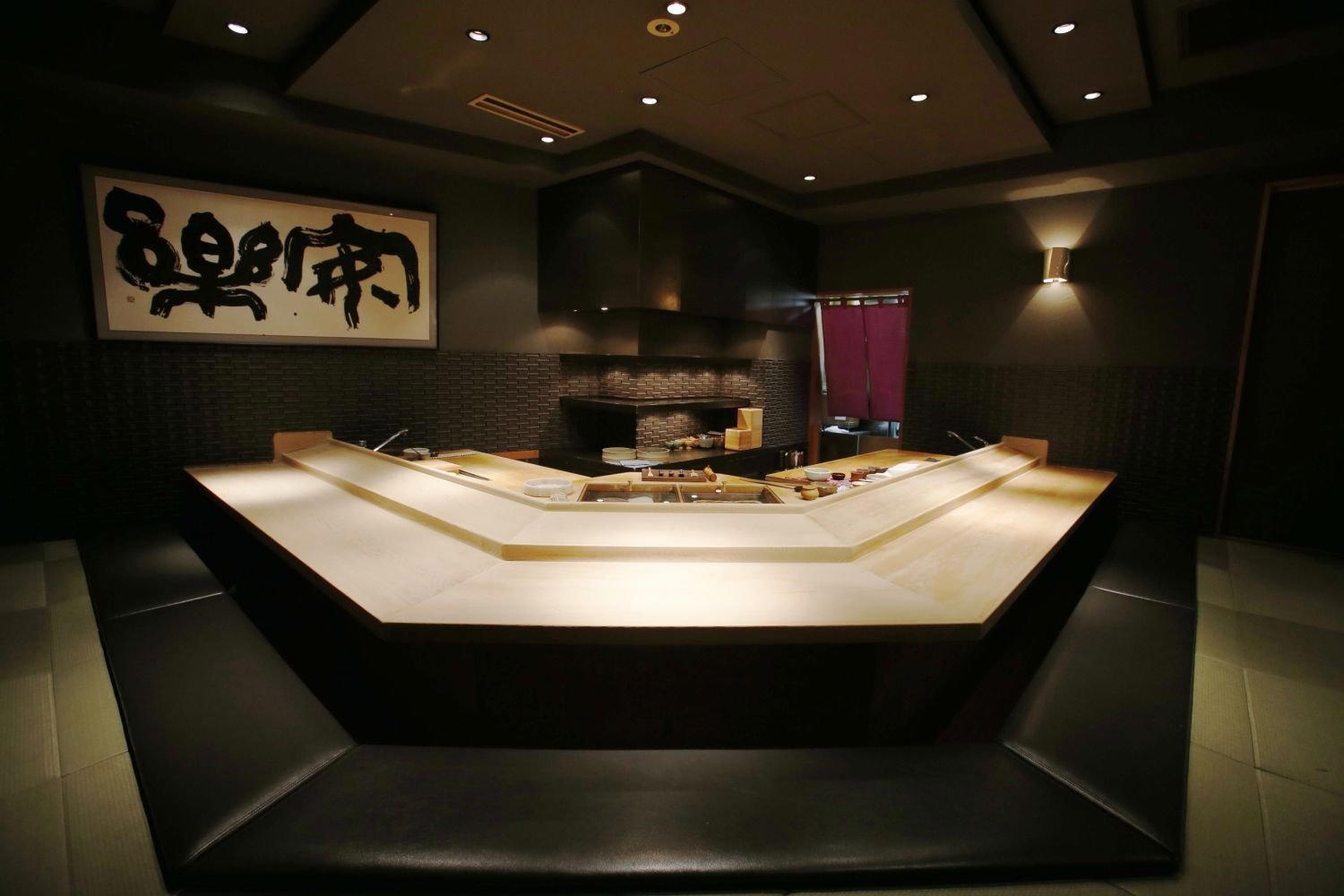
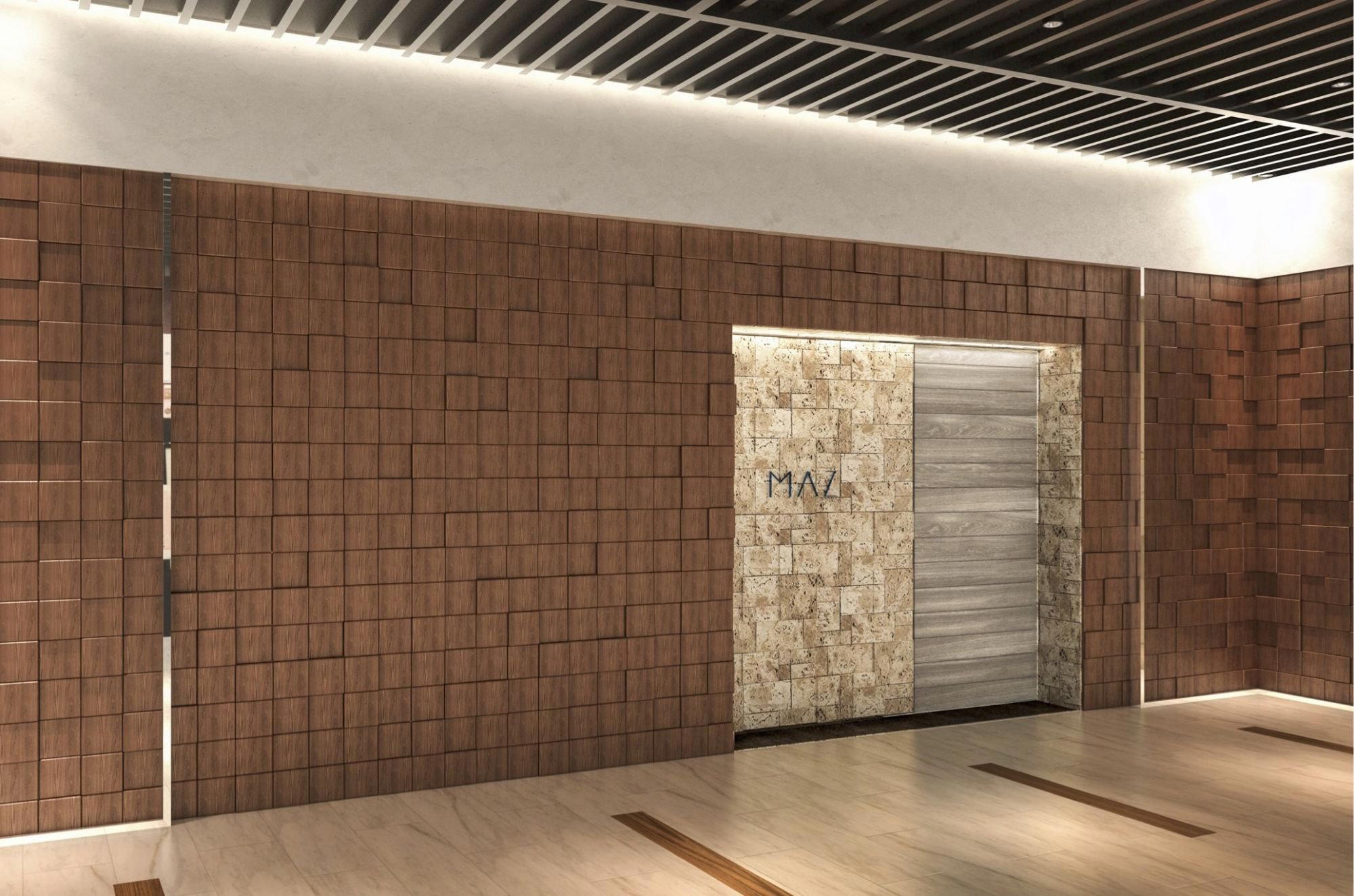
Akasaka dining rooms often reveal themselves upstairs, behind building directories and elevator doors rather than at street level. That suits high-end sushi in Tokyo: the point is control inside the room, not pavement spectacle. At this level, counter seating turns the meal into decisions about fish condition, rice, seasoning, and pace. Sushisho Saito sits in the compact Tokyo category where the room is small, the rhythm disciplined, and the meal alternates otsumami and nigiri rather than following a simple run of pieces.
Read this address through sourcing pressure. Tokyo sushi at this level is defined not by luxury ingredients alone, but by what the counter does with fish that shifts by season, market condition, cut, aging, and temperature. Edomae sushi has always been partly a preservation culture, using curing, marinating, simmering, and controlled rest to make fish more precise, not merely fresher. Its contemporary form is less old Tokyo nostalgia than each counter’s interpretation of that grammar under today’s cost, scarcity, and technical expectations.
Akasaka sushi, judged by fish discipline rather than theatre
Tokyo has several sushi ecosystems at once. Ginza carries the international shorthand, Yotsuya has deep lineage associations, and Akasaka sits closer to political, hotel, and expense-account Tokyo, where small rooms can operate with little street performance. Here, a serious counter must justify itself through consistency rather than neighbourhood glamour. Sushisho Saito’s 2026 Tabelog score of 4.32, Tabelog Award Bronze status, and inclusion in the 2025 Tabelog 100 for Sushi Tokyo place it in a vetted local conversation, not merely an overseas checklist.
The relevant comparison is with compact counters where diners pay for procurement judgment and sequencing. Kizaki, Hashiguchi, Kioicho Mitani, Sushi Inomata, and Edomae Sushi Hanabusa show the breadth of Tokyo’s serious sushi field: some counters lean classical, others emphasize personal pacing or a broader sake conversation. Sushisho Saito’s format, alternating snacks and nigiri, puts appetite, seasoning, and temperature changes at the meal’s centre. The diner is not simply counting pieces; each interlude should reset the palate for the next piece of rice and fish.
That format explains why sourcing matters. In a snack-and-nigiri sequence, fish cannot hide behind abundance. A small counter gives every cut, cure, and transition disproportionate importance. The listing’s emphasis on fish, sake, shochu, and wine is not decorative; it signals a meal built for pairings and tempo, where drinks must keep pace with cooked, cured, seasoned, and raw preparations. The better Tokyo counters need disciplined procurement and the confidence to serve fish when it is ready, not when a diner expects a familiar name.
The Sushisho lineage as a format, not a biography
The name carries weight because Sushisho has become shorthand for a Tokyo sushi logic: less rigidly linear than some Edomae counters, more willing to place otsumami and nigiri in conversation, and attentive to how sake, rice, and fish texture change across a sitting. Chef Toshio Saito’s role matters as a credential inside a recognizable school rather than as personal myth. For diners, the value is the format’s discipline: the counter need not perform luxury through excess when sequence and sourcing are doing the work.
Tokyo’s high-end sushi culture has become more expensive and stratified. A dinner budget of JPY 60,000–79,999 puts this room above many mid-tier omakase counters and in direct competition with addresses where regular access, local reputation, and repeat recognition matter. The 11-seat scale reinforces the economics: few covers, high ingredient cost, and little margin for a weak night. Third-party recognition is useful here: Tabelog Bronze in 2026, Bronze recognition across multiple recent years, and Opinionated About Dining’s 2026 Highly Recommended listing all indicate sustained attention from audiences that follow Japanese restaurants closely.
The small scale also changes formality. Counter sushi at this price is not for broad group dynamics; it rewards attention to pacing, quiet exchange, and the chef’s sequence. Private rooms are listed for smaller parties, and private use is possible up to a larger group size, but the counter remains the meaningful format. Choose this meal less for maximal privacy than for whether the counter’s cadence suits the occasion.
How to place it in a Tokyo itinerary
For a food-focused Tokyo trip, the restaurant is a specialist choice, not an all-purpose luxury dinner. It makes sense when the priority is sushi technique, fish condition, and a format varied enough to move between snacks and nigiri. It makes less sense for diners wanting elaborate room design, a long written menu, or a broader Japanese tasting-menu survey. The address belongs to the part of Tokyo dining where differences are granular: rice temperature, seasoning restraint, progression, and confident handling of fish without leaning on explanation.
Akasaka also works well for comparing Tokyo dining styles across a few nights. Balance a counter like this with French-leaning rooms such as 3110 or Bistrot Dia, classic Western-style dining at Daikanyama Ogawaken, or other Japanese counters such as Ebisu Endo. For planning beyond one meal, use Our full Tokyo restaurants guide, Our full Tokyo hotels guide, Our full Tokyo bars guide, Our full Tokyo wineries guide, and Our full Tokyo experiences guide.
Travellers extending the itinerary outside central Tokyo can compare how Japanese dining shifts by region and category through -Grilled beef Sukiyaki- KAMAKURA TANUKIAN 鎌倉 たぬき庵 in Kamakura.cafe in Osaka.know in Kumamoto, (Shoku) Vietnam in Kawasaki, [Curry Senmon Ten] Maruyama Kyoju. in Sapporo, [ki:] in Kyoto, AKA to SHIRO, Sushi in Osaka, and Akikos, Sushi in San Francisco. The point is not to rank them against a Tokyo counter, but to show how different cities price intimacy, sourcing, and format.
The editorial case for the restaurant is clear: it belongs to the expensive, small-seat Tokyo sushi tier where procurement and sequence carry the meal. The evidence is practical as much as reputational: 11 seats, a high dinner budget, repeated Tabelog Bronze recognition, and a format alternating snacks with nigiri. For diners who want a serious sushi counter rather than a general fine-dining performance, that combination is the signal.
Same-City Peers
Comparable venues to calibrate price, style, and recognition.
| Venue | Cuisine | Price | Notes |
|---|---|---|---|
| Sushisho SaitoThis venue — the venue you are viewing | Innovative Edomae Omakase | $$$$ | Not listed |
| 東麻布 天本 - Amamoto | Modern Edomae Omakase | $$$$ | Minato |
| Mitani | Edomae Omakase | $$$$ | Shinjuku |
| Sushi Matsumoto | Michelin-Starred Edomae Omakase | $$$$ | Shinjuku |
| Sushi Satoru | Modern Omakase Sushi | $$$$ | Shibuya |
| Oryori Kokoroba | Kaiseki with Oyakodon | $$$$ | Chūō |
Recognition history
Dated appearances from independent guides and award organizations, with the underlying list record or original source where available.
Opinionated About Dining Top Restaurants in Japan Highly Recommended
Opinionated About Dining
Tabelog Silver #131
Tabelog
Tabelog Bronze #434
Tabelog
Opinionated About Dining Top Restaurants in Japan Ranked #173
Opinionated About Dining
Tabelog Silver
Tabelog
Tabelog Bronze
Tabelog
Tabelog 100 #94 · No. 94
Tabelog · Tabelog 100 - Sushi - TOKYO - 2025
Opinionated About Dining Top Restaurants in Japan Ranked #129
Opinionated About Dining
Opinionated About Dining Top Restaurants in Japan Ranked #117
Opinionated About Dining





At a Glance
- Intimate
- Elegant
- Cozy
- Sophisticated
- Classic
- Special Occasion
- Date Night
- Business Dinner
- Chefs Counter
- Sake Program
- Sustainable Seafood
Current opening hours
- Monday
- Closed
- Tuesday
- 6–11 PM
- Wednesday
- 6–11 PM
- Thursday
- 6–11 PM
- Friday
- 6–11 PM
- Saturday
- 6–11 PM
- Sunday
- 6–11 PM
Hours can change for holidays and private events. Last verified .
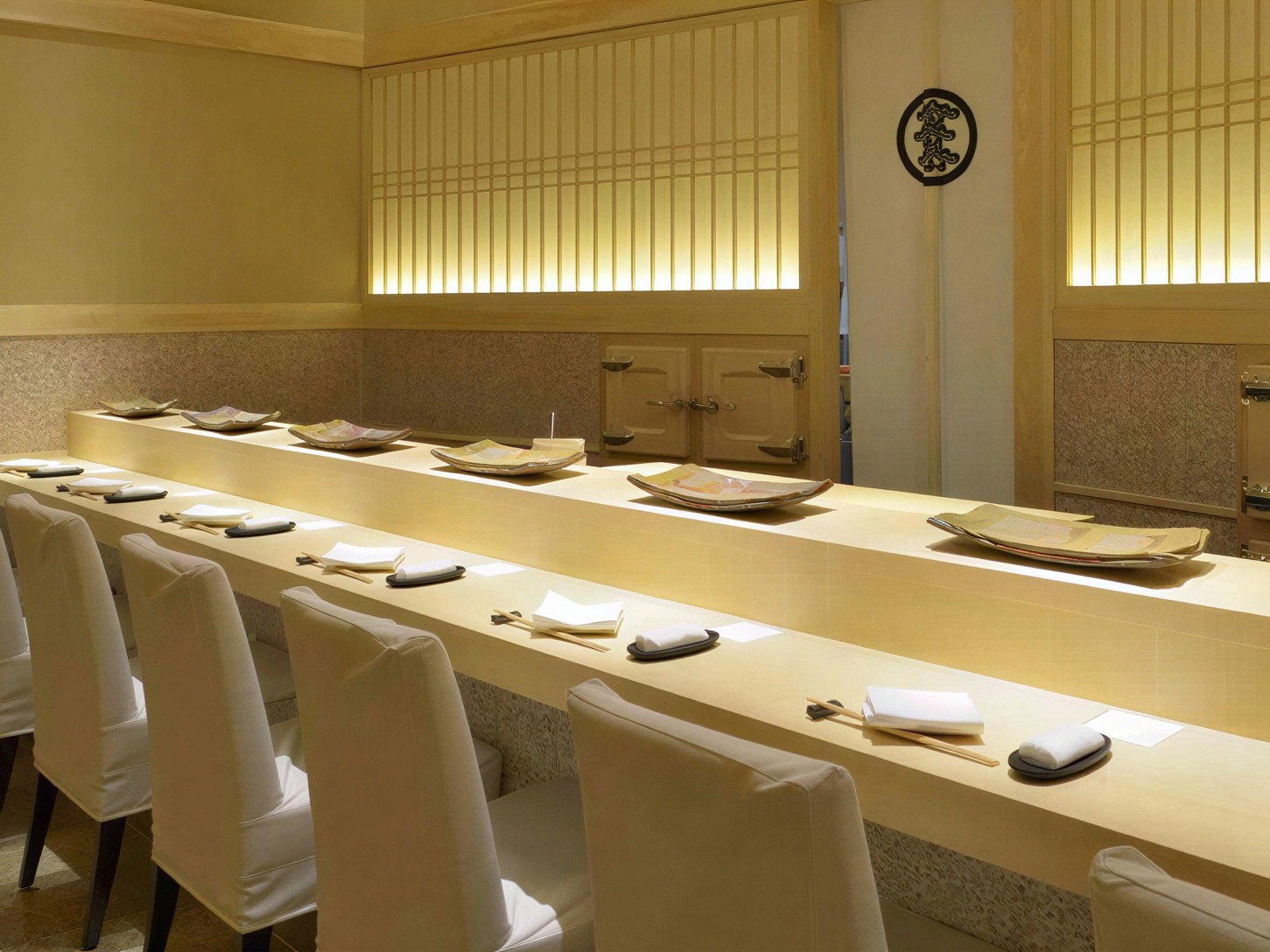
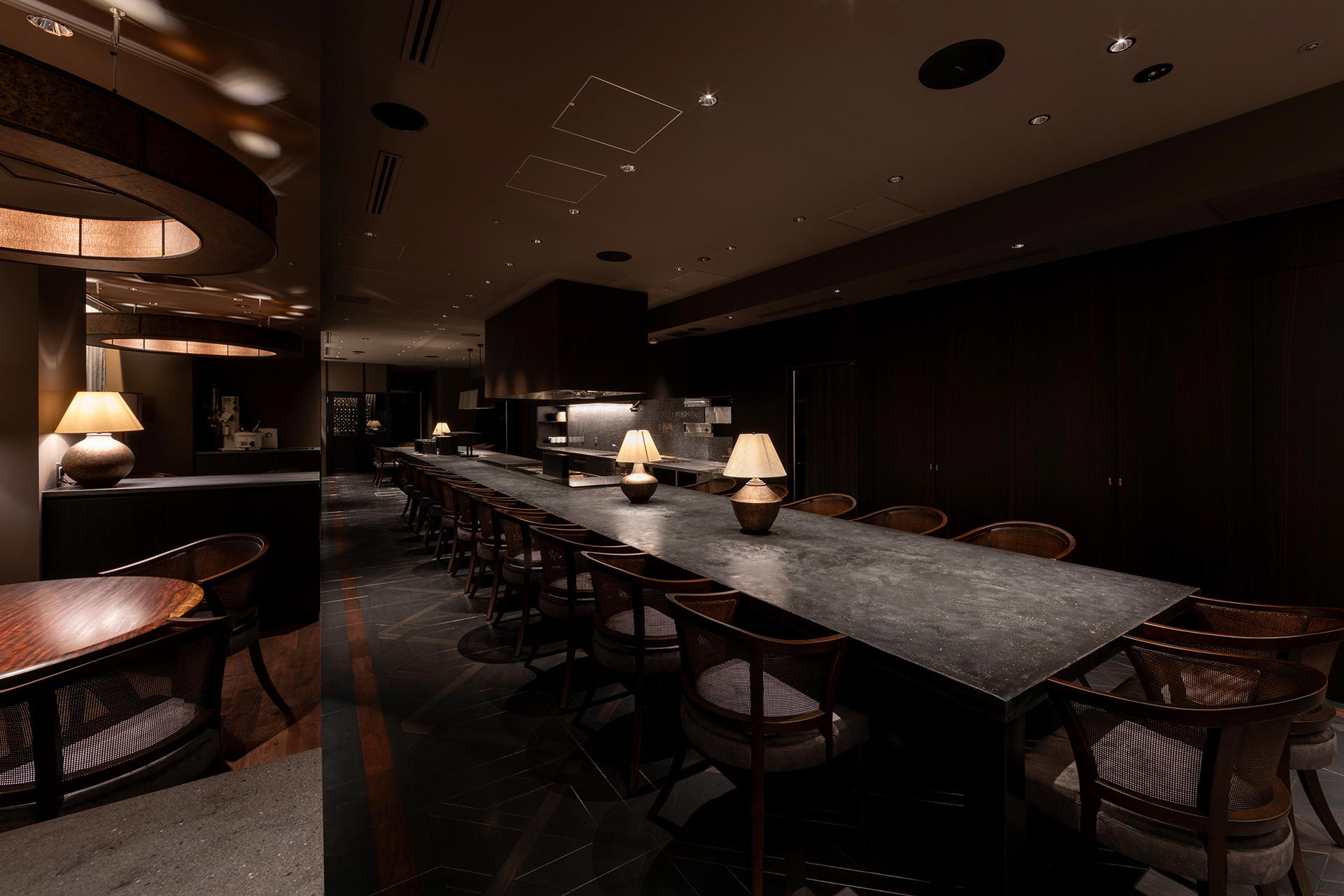
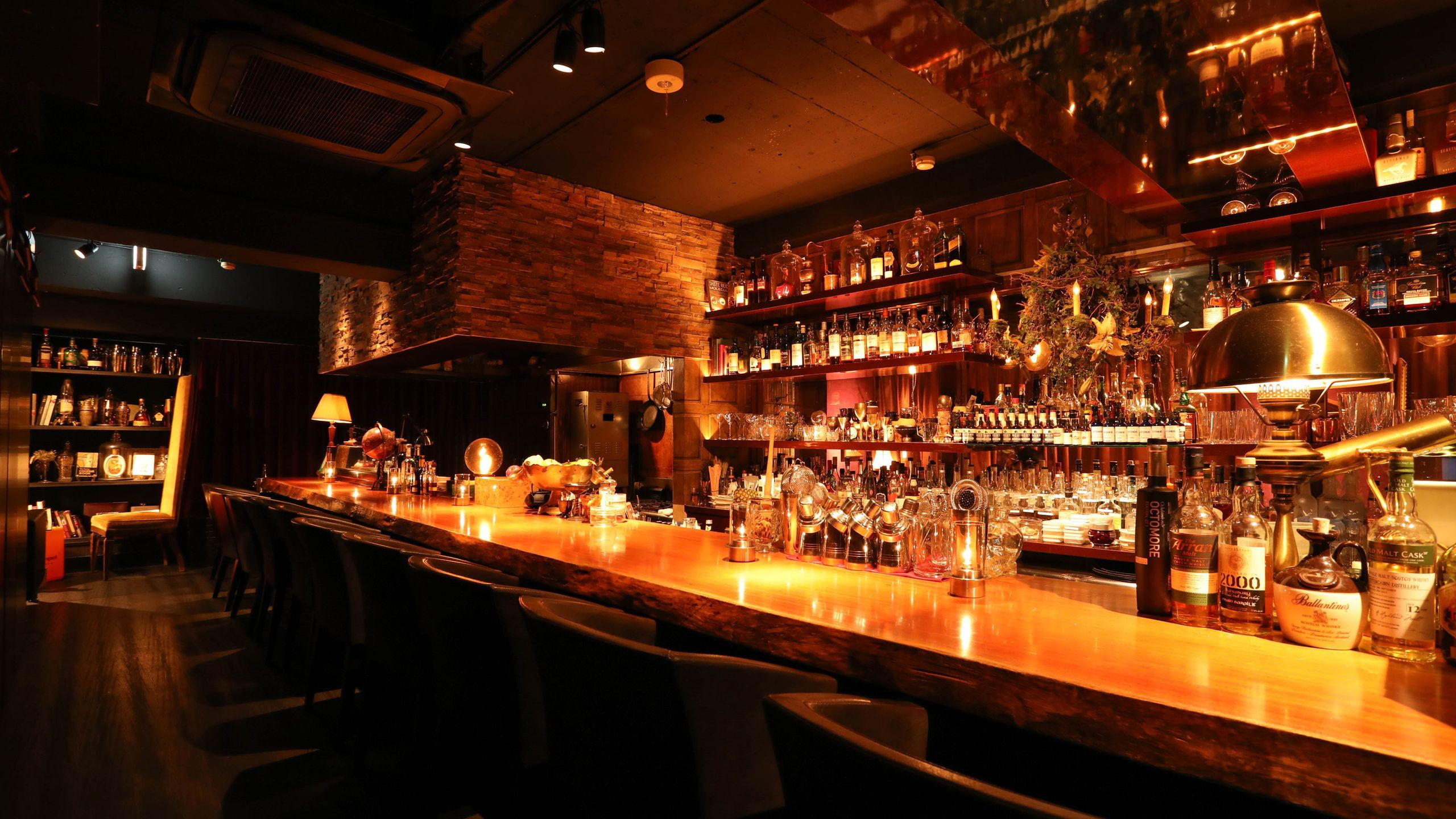
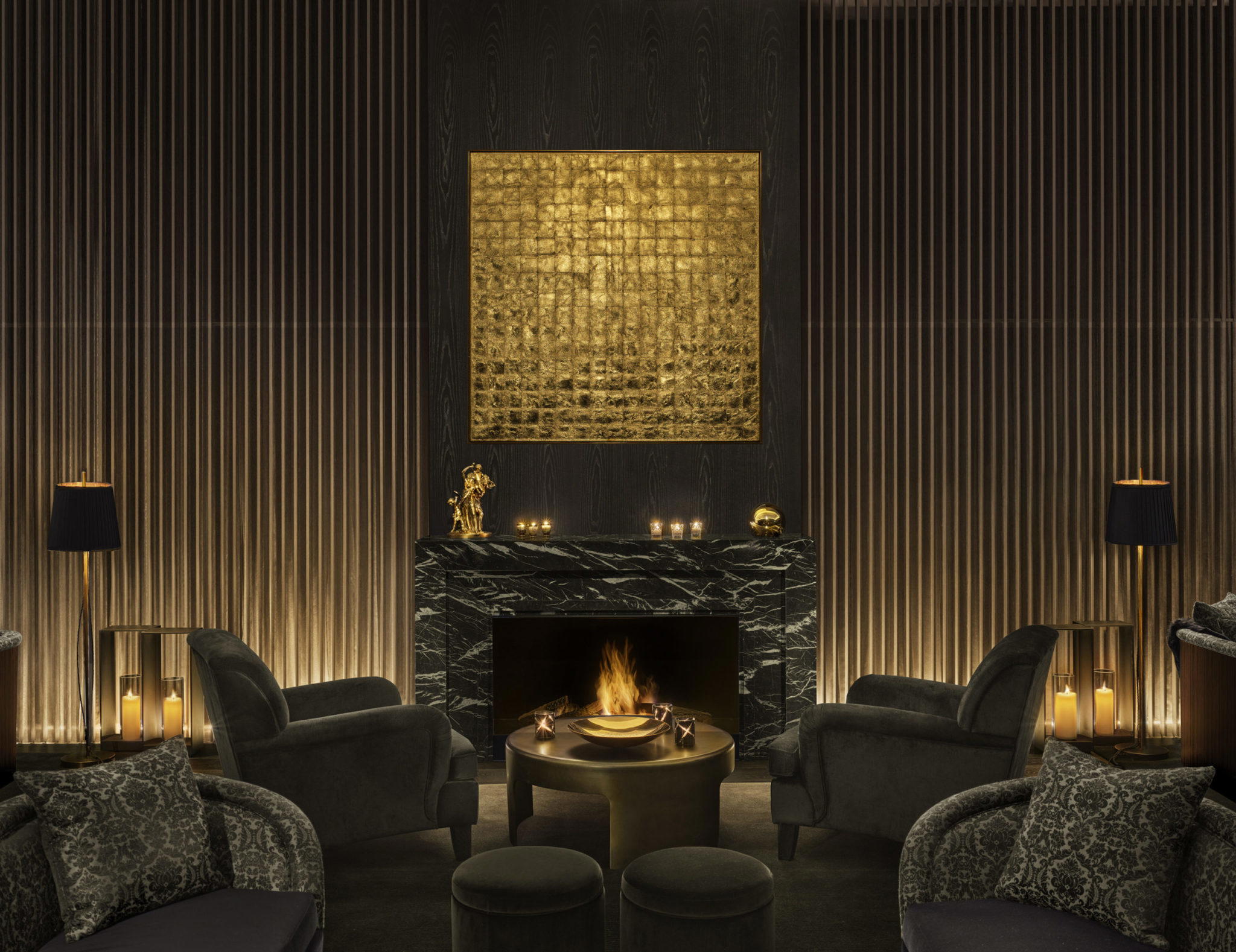
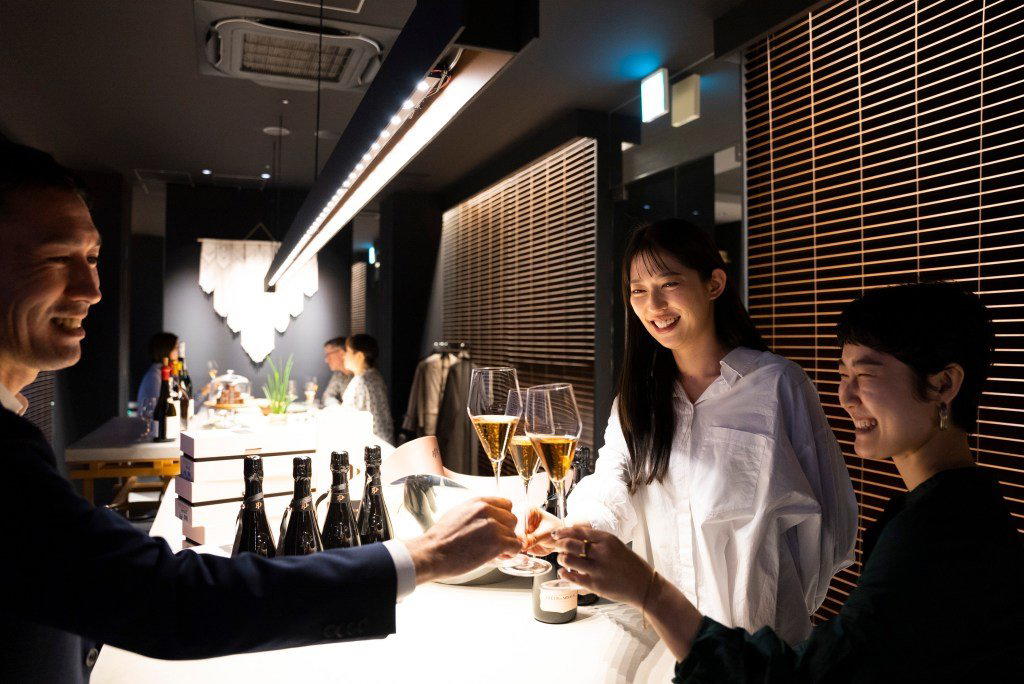
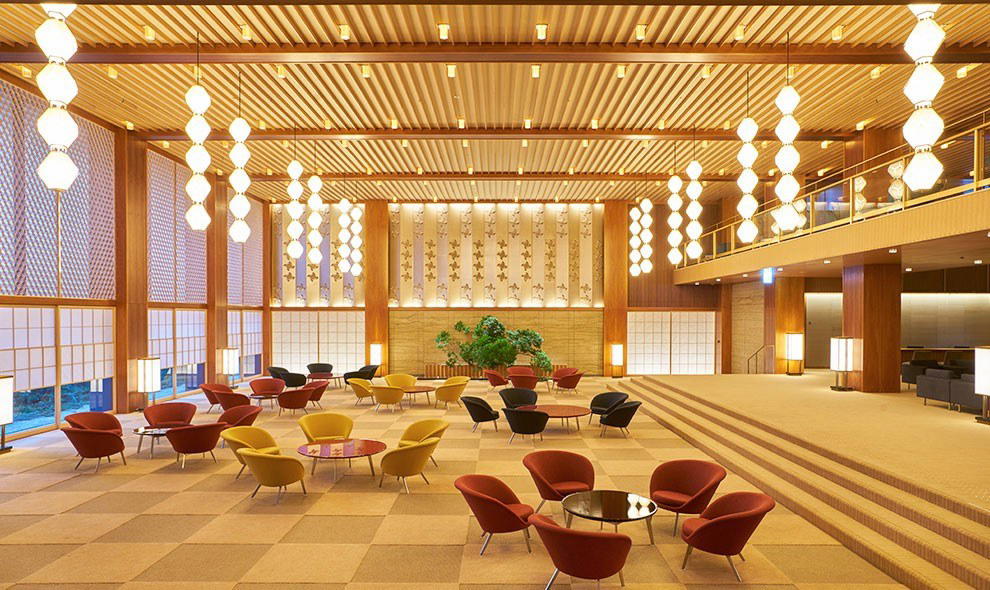
Cozy and relaxing with soft lighting, minimalist wooden accents, sunken kotatsu counter seating, and a warm, welcoming atmosphere fostering direct interaction with the chef.