
A Michelin Plate kappo counter in Shinbashi, Minato City, Kappo Ryu takes a distinctly beef-forward approach to a format more commonly associated with seafood progression. The kitchen layers umami methodically, dashi vinegar, dried sardine stock, boiled-down sake, producing a menu anchored by wagyu preparations at a price tier that sits well below the city's multi-starred kaiseki rooms.
Pearl is the En Primeur Club membership app — saves, bookings, and concierge access live there. Same editors, same standards.
- Address
- Japan, 〒105-0004 Tokyo, Minato City, Shinbashi, 3 Chome−2−12 高松ビル 2F
- Phone
- +81 3-3501-4477
- Website
- restaurant.ikyu.com
- Directions
- Get directions
 Saves & bookings on Pearl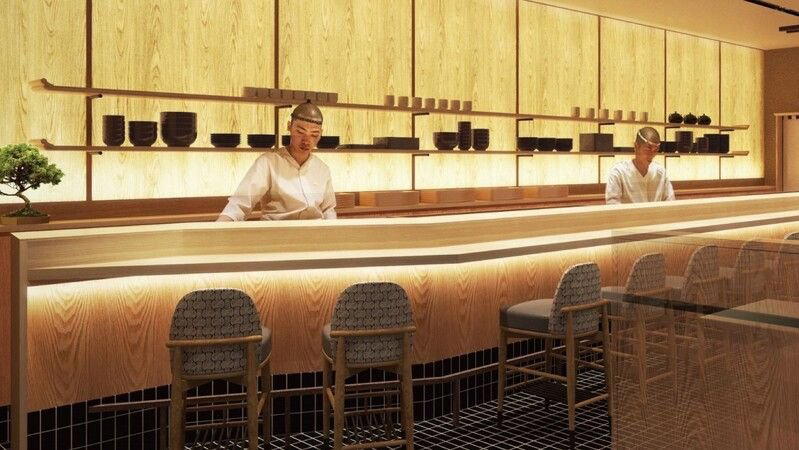
Second Floor, Shinbashi: What the Setting Signals
Arriving at the second floor of a low-rise building on a Shinbashi backstreet, you are entering a neighbourhood that still functions as a working salaryman district, a long way from the gallery-lit dining rooms of Ginza or the quietly expensive townhouses of Azabu. Shinbashi rewards the visitor willing to look above street level, where a significant number of Tokyo's value-tier kappo counters operate outside the radius of heavy tourist foot traffic.
Kappo as a dining category occupies an interesting position in Tokyo's hierarchy. Less ceremonially rigid than kaiseki, it allows the chef to adjust the sequence as ingredients dictate, combining the theatrical directness of counter cooking with the structured progression of a set menu. Rooms like Kagurazaka Ishikawa and Azabu Kadowaki have taken this format into ¥¥¥¥ territory with three Michelin stars to justify the pricing. Kappo Ryu operates at a different point on that curve, which changes the calculus for the reader deciding how to distribute a dining budget across a Tokyo trip.
A Kitchen Philosophy Built on Addition
Kappo Ryu's kitchen works through a logic of accumulation: umami is added to umami, flavour compounded on flavour, each element sharpened by the next. The kitchen works through a logic of accumulation: umami is added to umami, flavour compounded on flavour, each element sharpened by the next. This is not minimalism in the vein of the current Tokyo trend toward restraint. It is a deliberate argument in the opposite direction, using technique to intensify rather than edit.
That approach shows up concretely in the documented preparations. Tsukuri, the raw fish course that anchors most Japanese menus, arrives here alongside grated onion and a Tosa vinegar jelly, adding acid and aromatic sharpness to what is often treated as a vehicle for pure product quality. In the grilled section, sake is boiled down and combined with dried sardine dashi, which pulls out the grain character of the sake while the dashi grounds it in a savoury register. These are not simple garnish decisions; they reflect a studied interest in how Japanese seasoning agents interact when stacked.
The more significant editorial point is the menu's structural departure. Most kappo and kaiseki sequences begin with smaller appetisers and a soup course that establishes the kitchen's dashi before proceeding. Kappo Ryu removes both, redirecting the menu toward wagyu beef in a way that is unusual for the format. Among the documented dishes, beef tongue braised in dashi vinegar and breaded wagyu cutlets are identified as the chef's signature preparations. This is a kitchen making a specific argument about what Japanese fine dining can prioritise, and the Michelin Plate acknowledgement in consecutive years suggests that argument is being heard.
Value Positioning in Tokyo's Fine Dining Tier
The editorial angle here requires some directness. Tokyo's fine dining scene is not one market; it is several, operating at different price points with different reward structures. At the leading, addresses like RyuGin at ¥¥¥¥ with three Michelin stars, or Myojaku in its own register, represent one end of the value equation: high spend, high certainty of execution, significant international reputation. Den at ¥¥¥ with two Michelin stars offers a different trade-off, where innovation and a less formal atmosphere justify the price.
The restaurant at ¥¥¥ with a Michelin Plate sits in a category that requires a different kind of reading. For a traveller building a Tokyo itinerary that might also include Ginza Fukuju or Jingumae Higuchi, the restaurant serves a specific function: a mid-tier session with a point of view, at a spend level that preserves budget for a starred counter elsewhere in the trip.
That positioning becomes more relevant when you consider that kappo at this price tier in a non-tourist neighbourhood rarely receives any Michelin recognition at all. The majority of comparable addresses in Shinbashi operate without guide acknowledgement. Consecutive Plate listings here indicate that the kitchen's intensity-forward philosophy has enough technical grounding to satisfy inspectors accustomed to the full spectrum of Tokyo Japanese cooking.
Context Across Japan
For travellers using Tokyo as one stop in a broader Japan itinerary, the beef-forward kappo model at the restaurant offers a reference point for understanding how regional Japanese kitchens handle wagyu differently. HAJIME in Osaka and Gion Sasaki in Kyoto represent two other poles of Japanese fine dining, each with their own relationship to red meat within a broader kaiseki or innovative framework. The contrast is instructive. Where Kyoto kaiseki tends to treat wagyu as a single punctuating course within a seafood-and-vegetable sequence, the restaurant appears to invert that hierarchy, treating beef as the structural backbone. Beyond the main islands, 6 in Okinawa and Goh in Fukuoka offer further examples of how Japanese fine dining adapts its ingredient priorities by region. See also akordu in Nara, 1000 in Yokohama, Isshisoden Nakamura in Kyoto, and Kashiwaya Osaka Senriyama for further benchmarks in the Japanese fine dining category.
Planning Your Visit
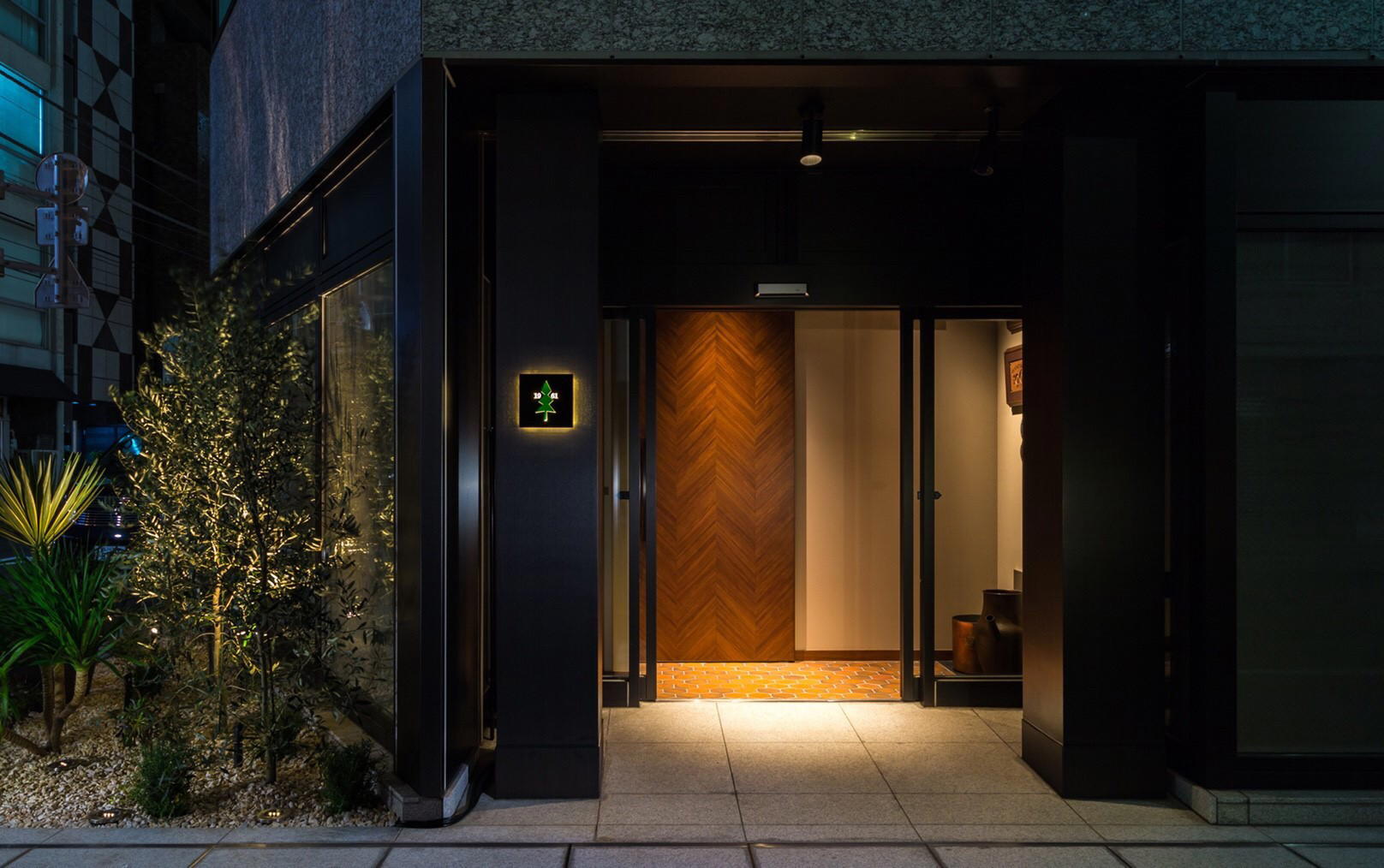
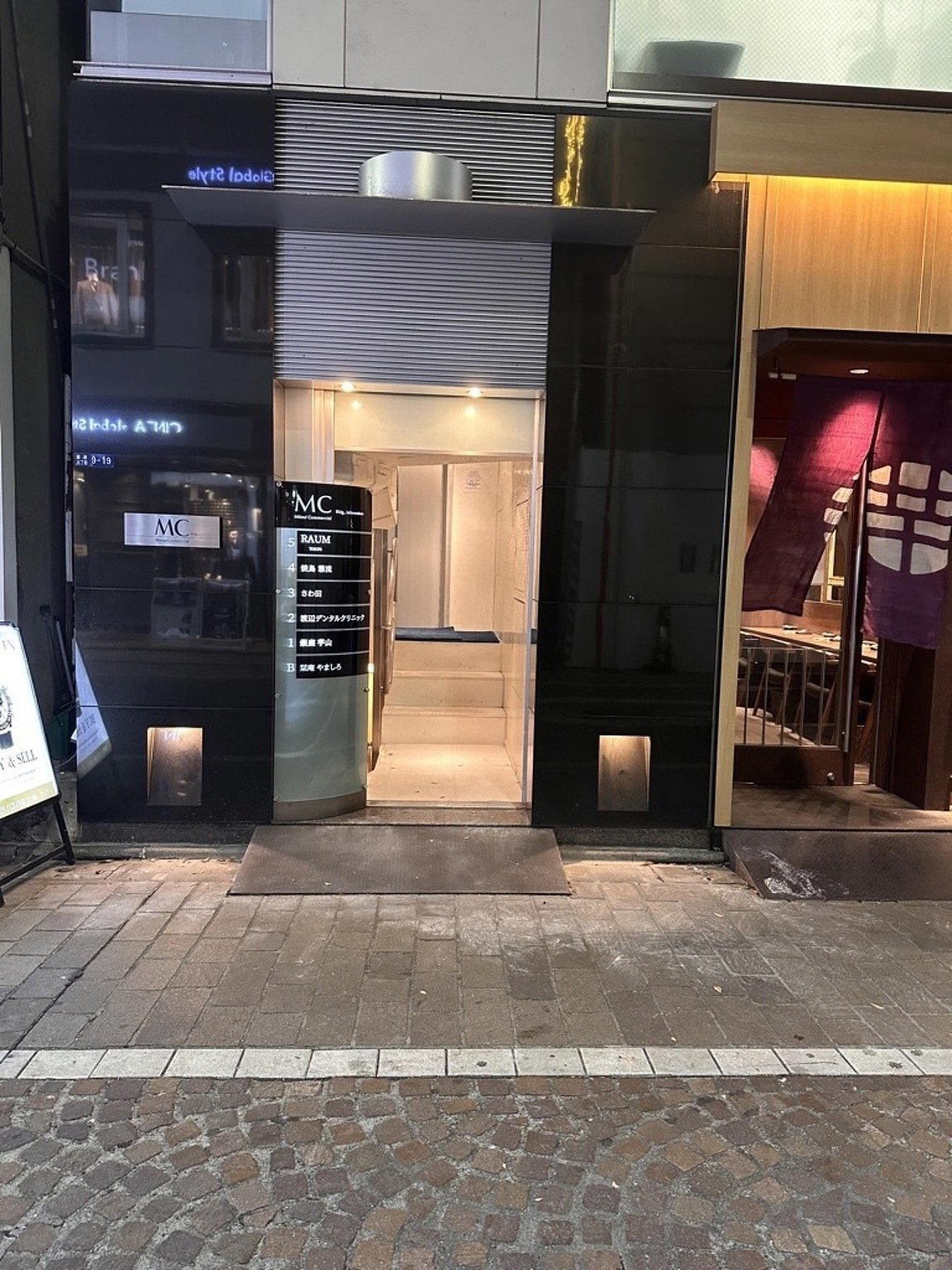
The restaurant operates from a second-floor address at 3 Chome-2-12 Takamatsu Building, Shinbashi, Minato City, Tokyo. The ¥¥¥ pricing tier places it below the city's starred kaiseki rooms in nightly spend. Reservations are essential. Shinbashi Station on the JR Yamanote Line and Tokyo Metro Ginza Line is the nearest access point, making the address direct to reach from most central Tokyo accommodation.
Quick reference: the restaurant, 3 Chome-2-12 Takamatsu Building 2F, Shinbashi, Minato City, Tokyo. Price range: ¥¥¥. Michelin Plate 2024 and 2025.1 (74 reviews). Nearest station: Shinbashi.
Cuisine Lens
Comparable venues nearby, for context on price, style, and recognition.
| Venue | Cuisine | Price | Awards | Notes |
|---|---|---|---|---|
| Kappo RyuThis venue — the venue you are viewing | Seasonal Kappo Omakase | $$$$ | Michelin Plate | Not listed |
| Noto Kanazawanosachi Ginza Furuta | Ishikawa Regional Japanese Kaiseki | $$$$ | Michelin Plate | Chūō |
| Hatsunezushi | Edomae Sushi Omakase | $$$$ | Not listed | Ōta |
| Kyubey | Traditional Japanese Omakase Sushi | $$$$ | Not listed | Chūō |
| Vesta | Luxury Japanese Kobe Beef Steakhouse | $$$$ | Not listed | Chūō |
| Hashiguchi | Edomae Sushi Omakase | $$$$ | Not listed | Minato |
Recognition history
Dated appearances from independent guides and award organizations, with the underlying list record or original source where available.
Michelin Plate
Michelin
Michelin Plate
Michelin
Michelin Plate
Michelin










At a Glance
- Intimate
- Elegant
- Sophisticated
- Cozy
- Minimalist
- Date Night
- Business Dinner
- Solo
- Special Occasion
- Chefs Counter
- Open Kitchen
- Private Dining
- Sake Program
Current opening hours
- Monday
- Closed
- Tuesday
- 6–11 PM
- Wednesday
- 6–11 PM
- Thursday
- 6–11 PM
- Friday
- 6–11 PM
- Saturday
- 6–11 PM
- Sunday
- Closed
Hours can change for holidays and private events. Last verified .
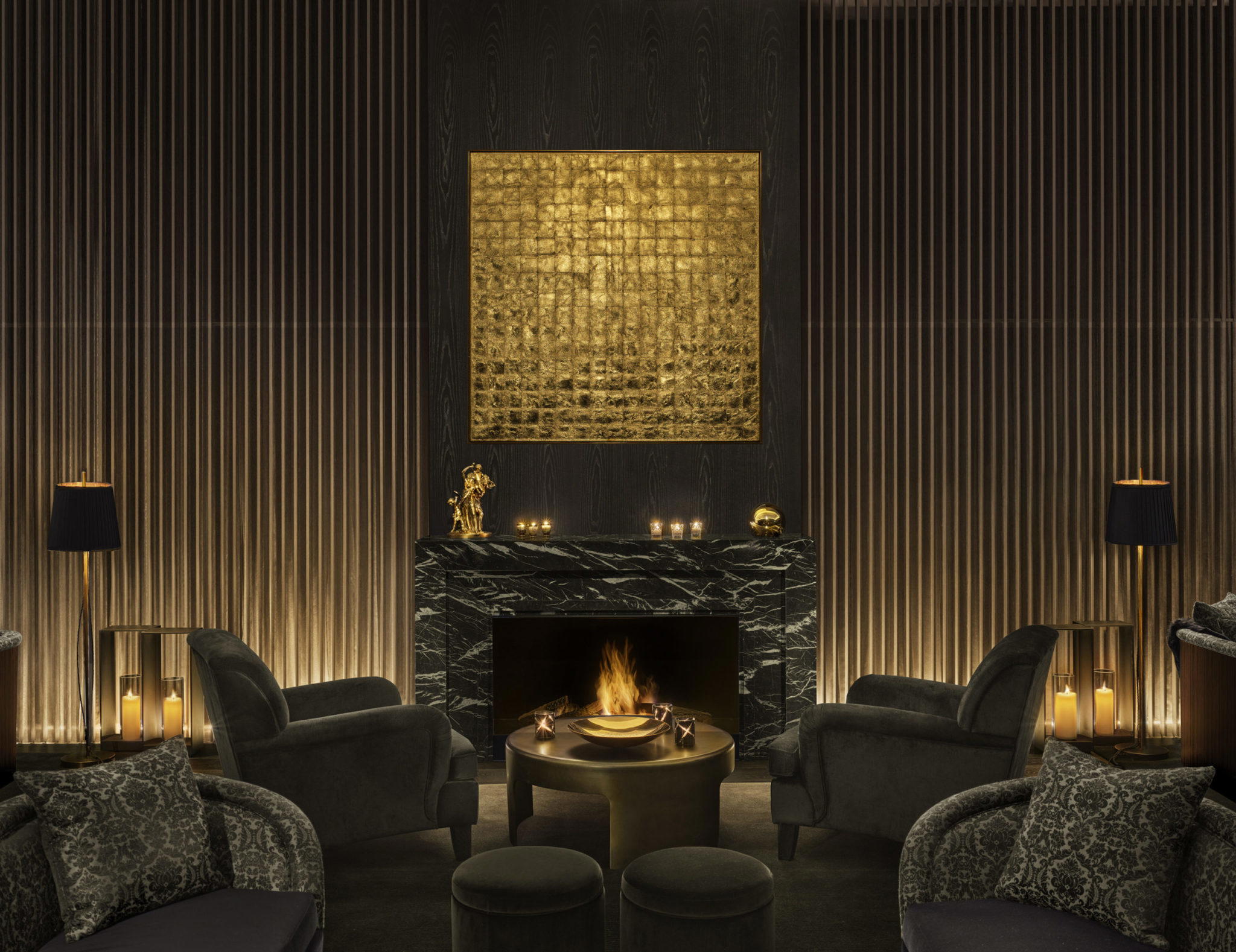
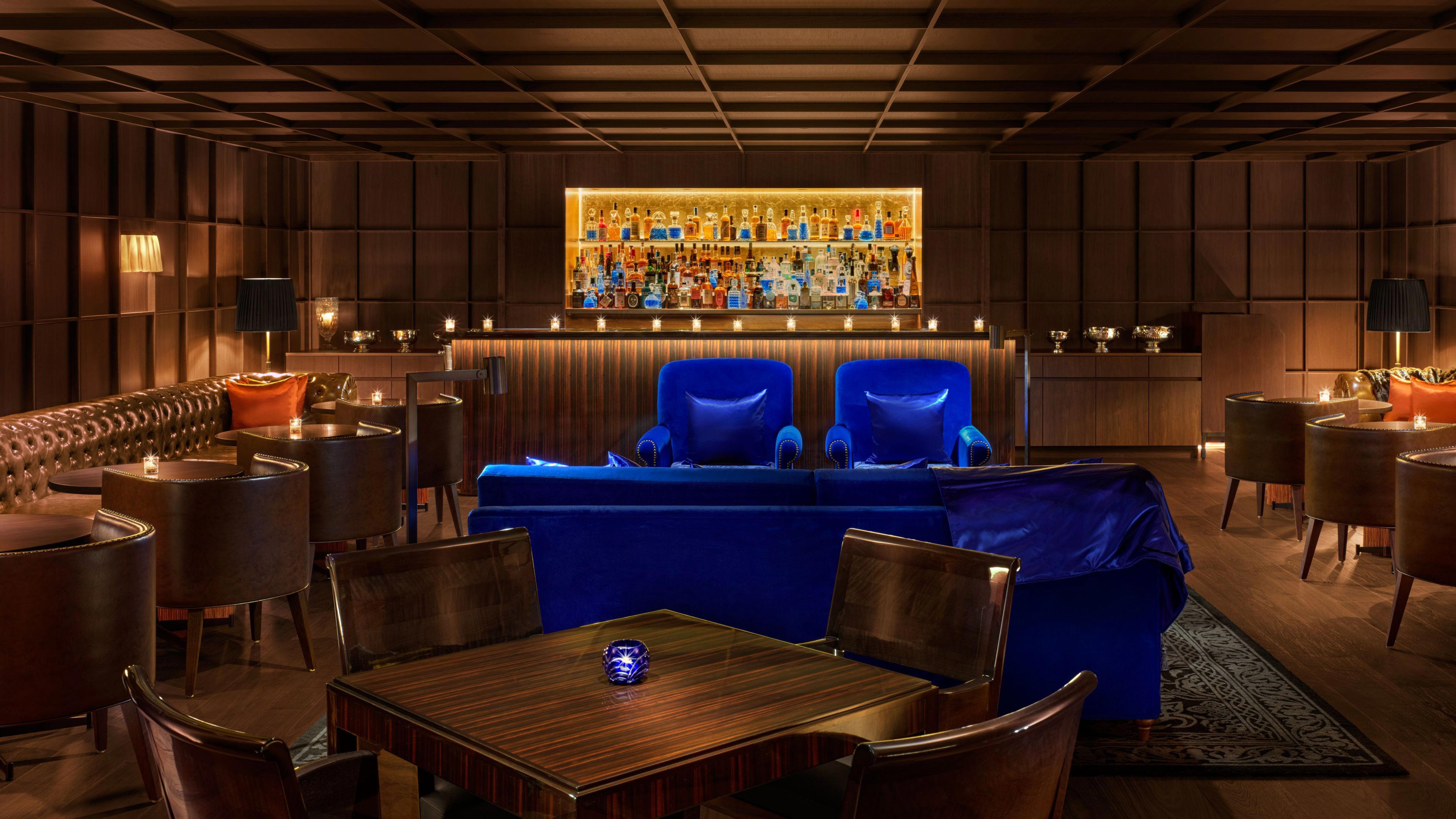
Sophisticated basement den with muted grey and black stone walls, exotic ikebana arrangement behind open kitchen, darkwood hinoki counter, and subdued lighting evoking a members-only club.