

Tabelog Silver #148
Our verdict
Toshi belongs to Tokyo’s small, expensive tier of Chinese-led counter dining, where French technique and Japanese pacing are judged against sushi and kappo as much as Chinese restaurants. Its 2026 Tabelog Silver award, Tabelog Chinese TOKYO 100 selection, and OAD Highly Recommended listing place it firmly inside the city’s critical conversation.

Pearl is the En Primeur Club membership app, where members save venues, book tables and use the concierge.
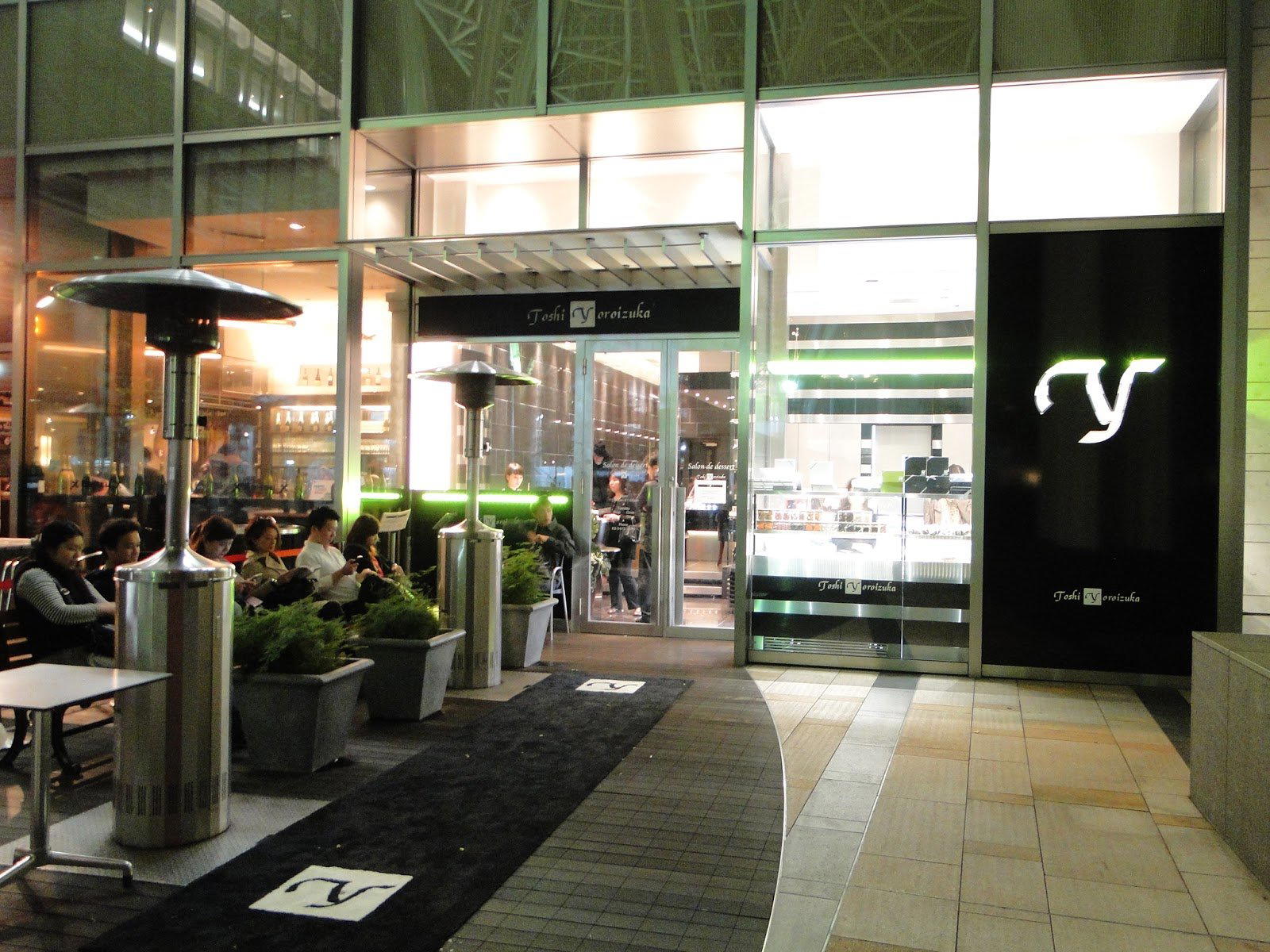
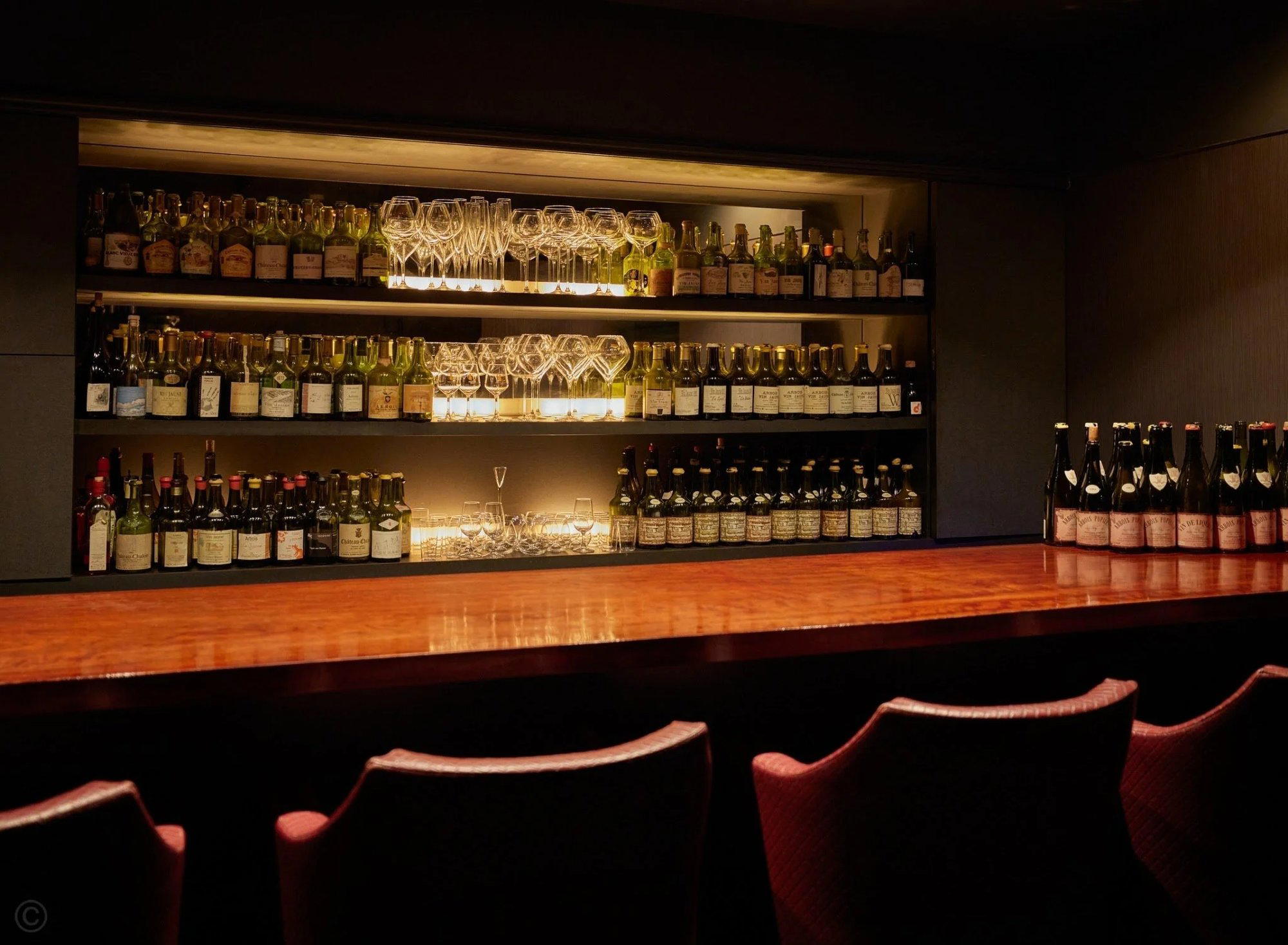
Roppongi’s basement dining rooms have a particular tension: city noise drops away, the room contracts, and the meal becomes a controlled sequence. In that context, Toshi reads less as a conventional Chinese restaurant than as part of Tokyo’s counter-dining culture, where format, timing, and precision matter as much as cuisine label. The category is Chinese and Innovative, but the competitive set is broader: high-ticket sushi counters, French dégustation rooms, and small-seat Japanese restaurants that train diners to expect concentration rather than abundance.
That is why the awards matter. Tokyo has many Chinese restaurants with strong local followings, but Tabelog’s 2026 Silver recognition and the 2026 Tabelog Chinese TOKYO 100 selection place Toshi in a narrower conversation. Opinionated About Dining also lists it as Highly Recommended in its 2026 Japan restaurant coverage. Together, those signals point to a restaurant assessed not only for comfort or generosity, but for how convincingly it advances the city’s current Chinese fine-dining vocabulary.
Chinese technique filtered through Tokyo's counter-dining discipline
Modern Chinese dining in Tokyo has moved beyond the old split between grand hotel Cantonese rooms and neighbourhood gyoza counters. A newer bracket uses tasting-menu pacing, French-adjacent structure, and the ingredient scrutiny associated with Japanese luxury dining. Toshi sits there. Its public classification as Chinese and Innovative tells diners not to expect a broad à la carte survey of regional Chinese cooking. The point is narrower: a controlled sequence shaped for a small room.
The chef name attached to the restaurant in award coverage is Toshiyuki Yoshida, and the Tabelog description frames the cooking around Chinese and French crossover. That explains the critical appeal without turning this into a chef portrait. Tokyo rewards restaurants that make hybridity feel disciplined. The weaker version becomes technique for its own sake; the stronger uses French structure to tighten Chinese flavours rather than soften them into generic luxury dining.
The price tier reinforces the comparison. With dinner listed at JPY 50,000 to JPY 59,999, Toshi competes with serious omakase and counter-led tasting rooms, not mid-range Chinese dining. In the supplied comparison set, Sifon Choi Yoshida sits lower at JPY 15,000 to JPY 19,999, while Sushi Sagawa enters at JPY 30,000 to JPY 39,999. That spread is useful: Toshi is for diners already comfortable with Tokyo’s small-room luxury economy who want Chinese technique placed under the same pressure as sushi, French, or kappo.
Awards have turned this genre into a serious Tokyo category
Tabelog awards carry weight in Japan because they reflect a domestic restaurant culture that often diverges from international guidebook priorities. A 2026 Silver result, following Bronze and Silver recognition in previous years, suggests sustained local confidence rather than one burst of attention. The Chinese TOKYO 100 selection adds category-specific confirmation, important in a city where Chinese dining can be internationally overshadowed by sushi, tempura, and kaiseki.
OAD’s Highly Recommended placement adds an international dining-community lens rather than a purely domestic one. The overlap is the point. When both local Japanese scoring culture and a global restaurant-audience list register the same small Roppongi counter, the meal is no longer just a specialist booking for Chinese cuisine followers. It becomes part of how Tokyo’s luxury dining scene absorbs, edits, and reframes cuisines through its service habits.
Roppongi also matters. The neighbourhood can be noisy, international, and uneven, but it has long supported serious destination dining alongside late-night entertainment. A basement counter here does not need Ginza’s ceremonial polish or Aoyama’s design-language softness; it can be compressed and direct. For travellers mapping Tokyo by appetite rather than ward boundaries, the area is a hinge between luxury hotels, bars, and small destination restaurants. For broader planning, Our full Tokyo restaurants guide, Our full Tokyo bars guide, and Our full Tokyo hotels guide give that context without treating dinner as isolated.
Who should choose this room over another Tokyo splurge
The right diner is not simply looking for Chinese food in Tokyo. The stronger case is for someone comparing small, exacting rooms across categories and wanting Chinese cooking pulled into Tokyo’s high-control dining grammar. If the priority is ramen speed, IRUCA TOKYO belongs to a different rhythm. If the night calls for French formality, Ryuzu offers another route through the city’s precision economy. If the goal is dessert-led or casual, Toshi Yoroizuka Middo Taun sits in a separate price and occasion band. Toshi’s value is seeing Chinese technique judged at a level usually reserved, in travel itineraries, for sushi or French.
The constraints are part of the experience. The room is listed with eight seats across two shifts, private rooms are unavailable, and the format is reservation-only. It is better suited to focused pairs or solo diners than flexible group dining. The restaurant is non-smoking, has no parking listed, and accepts major credit cards while not taking electronic money or QR code payments. These details sound minor until Tokyo logistics stack up; at this level, missed timing or a mismatched party can change the evening.
For readers building a wider Japan itinerary, Toshi is better paired with contrast than repetition. A Tokyo run could include casual texture at 3 Chome no Curry Ya San, visual play at 2D Cafe, grilled focus at 124. KAGURAZAKA (Yakitori), seafood casualness at. 鮪と炭火焼き うお炭 秋葉原店, and another Shinjuku angle at 12/10 Shinjuku ten. Beyond Tokyo, useful contrasts include -Grilled beef Sukiyaki- KAMAKURA TANUKIAN 鎌倉 たぬき庵 in Kamakura.cafe in Osaka.know in Kumamoto, (Shoku) Vietnam in Kawasaki, [Curry Senmon Ten] Maruyama Kyoju. in Sapporo, and [ki:] in Kyoto. For a broader city-by-city view, Our full Tokyo experiences guide and Our full Tokyo wineries guide sit alongside out-of-Japan references such as Jōdo Saké Bar in Los Angeles and Onigiri Time in Pasadena.
The editorial case is clear: Toshi is for diners who already understand Tokyo’s small-room seriousness and want to see that discipline applied to Chinese cooking with critical backing. The awards are not decorative; they explain why this room belongs in the same planning conversation as the city’s harder-to-secure counters.
Frequently asked questions
How do I find Toshi?
Toshi is located in Tokyo.
Is Toshi open every day?
Hours at Toshi: ■Business hours(Starting at the same time)From 18:00 onwardsFrom 21:00 onwards*Please be punctual. *If you are significantly late, we will start without you. Please note that the meal will begin from the time of your arrival.
What do critics highlight about Toshi?
Critics point to its awards first: Tabelog 2026 Silver, Tabelog 2025 Silver, and a place in Tabelog Chinese TOKYO 100 for 2026. The room’s 8-seat, two-shift format in Roppongi fits the Chinese, Innovative label and keeps the experience tightly controlled.
Is Toshi allergy-friendly?
Toshi runs a reservation-only service through OMAKASE, with two fixed seatings at 18:00 and 21:00 and a strict punctuality policy. That setup makes advance communication essential for any allergy concern, especially in an 8-seat counter room where timing is fixed.
Would Toshi be comfortable with kids?
The 8-seat counter and two-shift dinner structure in Roppongi suggest a room designed for quiet, adult dining rather than family flexibility. Older children who can sit through a timed service may be fine, but the format is not built for a loose meal.
Fast Comparison
Comparable venues to calibrate price, style, and recognition.
| Venue | Cuisine | Price | Awards | Notes |
|---|---|---|---|---|
| ToshiThis venue (the venue you are viewing) | Modern Dessert Bar | $20–30 | Tabelog Silver #148 | Not listed |
| Patisserie Satsuki | Hotel patisserie & bakery | $30–50 | Tabelog 100 #65 | Chiyoda |
| STARBUCKS RESERVE ROASTERY TOKYO | Starbucks Reserve Roastery café & bar with Italian bakery | Not listed | Not listed | Meguro |
| Eau de Vie | Classic Hotel Bar & Cocktails | $50–100 | Tabelog 100 #81 | Shinjuku |
| Oak | Classic Japanese whisky & cocktail bar | $50–100 | Tabelog 100 #67 | Chiyoda |
| seiohtei Shinjuku ten | Japanese-style Western (Yoshoku) | $30–50 | Tabelog 100 #79 | Shinjuku |
Recognition history
Dated appearances from independent guides and award organizations, with the underlying list record or original source where available.
Opinionated About Dining Top Restaurants in Japan Highly Recommended
Opinionated About Dining
Tabelog Silver #148
Tabelog
Full recognition history (4 entries)
Tabelog 100 #68 · No. 68
Tabelog · Tabelog 100 - Chinese cuisine - TOKYO - 2026
Tabelog Silver
Tabelog
Continue exploring
More in Tokyo
Restaurants in Tokyo
All restaurants in Tokyo →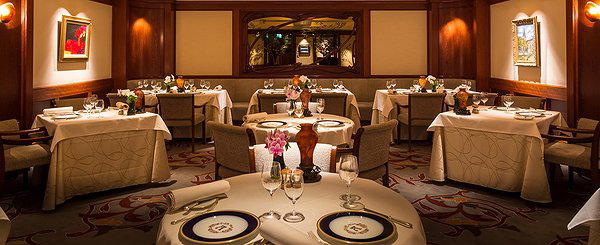
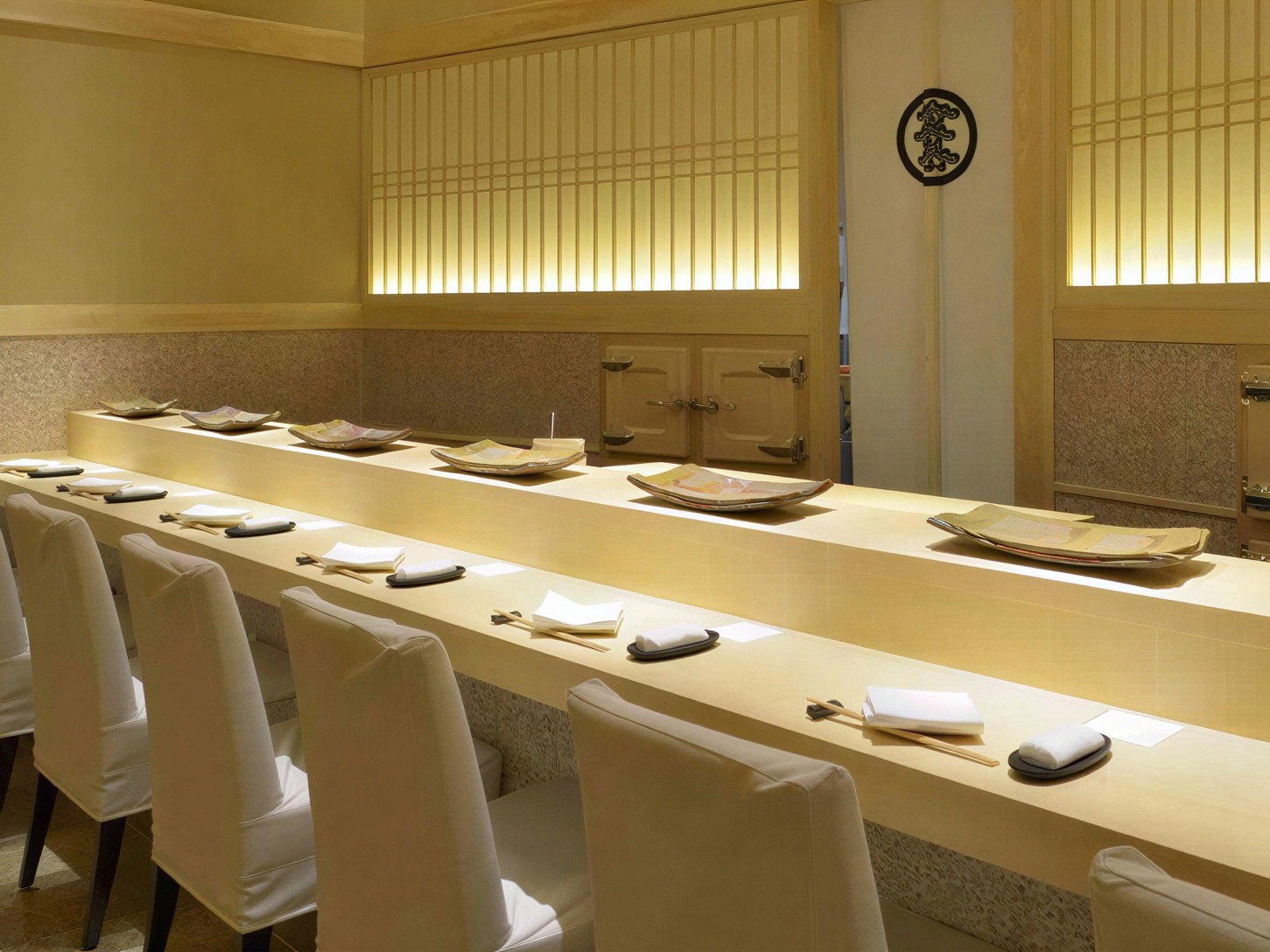


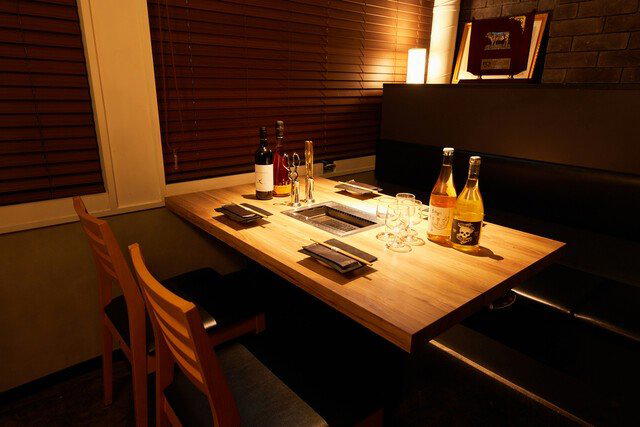
Bars in Tokyo
All bars in Tokyo →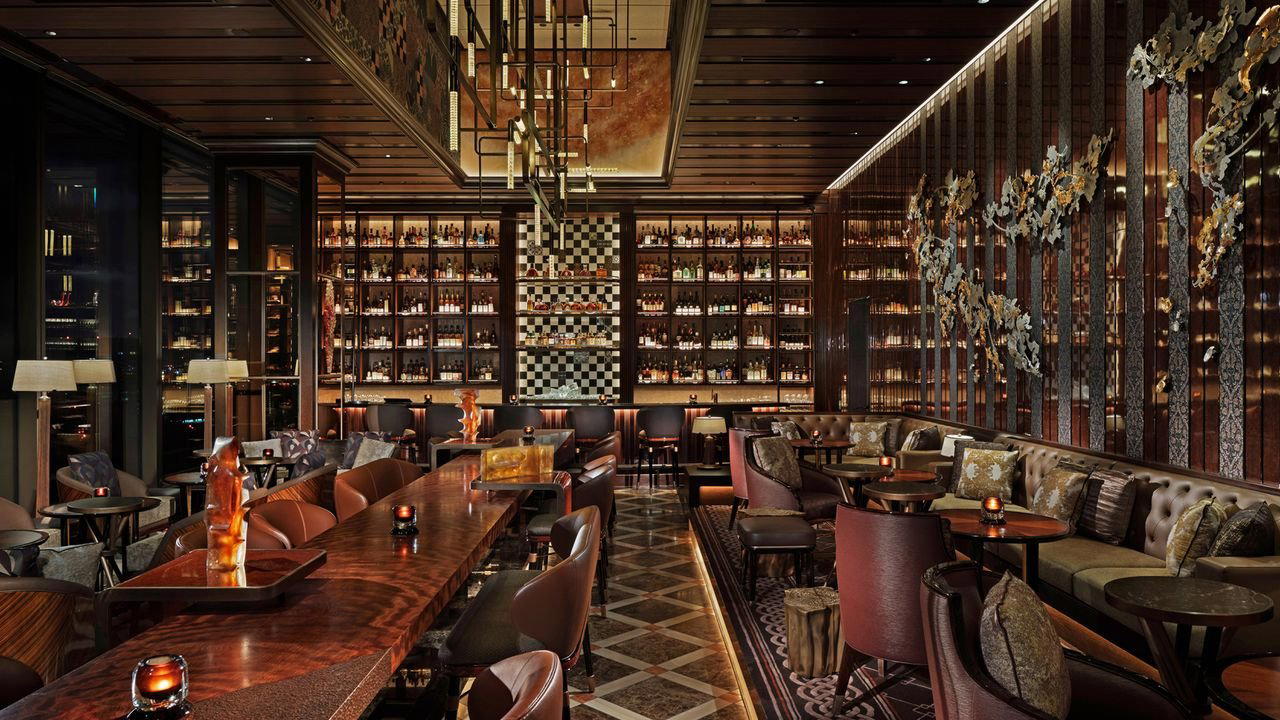






Details
- Elegant
- Modern
- Intimate
- Date Night
- Casual Hangout
- Chefs Counter
- A La Carte
- Counter Dining
Current opening hours
- Monday
- Closed
- Tuesday
- 6–11 PM
- Wednesday
- 6–11 PM
- Thursday
- 6–11 PM
- Friday
- 6–11 PM
- Saturday
- 6–11 PM
- Sunday
- Closed
Hours can change for holidays and private events. Hours as of .
Elegant counter seating with a focus on the pastry-making process, creating an intimate and artistic atmosphere.