Tonkatsu Maisen is one of Tokyo's most recognised names in breaded pork cutlet, operating from the 12th floor of Daimaru Tokyo in Marunouchi. The Aoyama flagship location has defined the category for decades, and the department store outpost brings that same approach to one of the city's busiest transit hubs. A practical anchor for tonkatsu in central Tokyo, positioned well below the city's fine-dining tier.
Pearl is the En Primeur Club membership app — saves, bookings, and concierge access live there. Same editors, same standards.
- Address
- 丸の内1-9-1 (大丸東京店 12F レストランフロア), 千代田区, 東京都, 100-6701
 Saves & bookings on Pearl
Tonkatsu at Altitude: The Department Store Counter in Context
The 12th floor of Daimaru Tokyo sits above one of the city's most relentlessly trafficked stations, and the restaurant floor there operates in a mode that is distinctly Japanese in character: serious food, efficiently delivered, in a setting that prioritises accessibility over atmosphere. Tonkatsu Maisen occupies this floor as part of a cohort of established Japanese restaurant brands that use department store real estate to reach a broader urban audience than any single standalone location could. Department store dining floors, restoran-gai, carry genuine culinary credibility, and the brands that appear on them are typically those with proven track records at their origin sites.
The tonkatsu category itself rewards this kind of systematic thinking. Breaded and deep-fried pork cutlet is a dish governed by process: the grade of pork, the texture of the panko, the temperature and cleanliness of the oil, the resting time before service. A kitchen that has refined these variables across decades of volume can replicate results at scale in a way that more improvisational cooking cannot. Maisen's presence in Marunouchi is, in that sense, a statement about the replicability of a disciplined production method rather than a concession to mass-market convenience.
Where Tonkatsu Sits in Tokyo's Broader Food Map
Tokyo's restaurant scene is frequently discussed through its Michelin-starred layer, counters like Harutaka in sushi, or kaiseki destinations like RyuGin, or French-influenced rooms like L'Effervescence and Sézanne. But the city's food culture is equally defined by category specialists operating at mid-market price points with rigorous standards. Tonkatsu, ramen, tempura, yakitori, these categories have their own hierarchies, their own connoisseur communities, and their own version of the quality arms race that drives the fine-dining tier.
Maisen sits near stronger examples from the accessible tonkatsu tier. Its Aoyama location, operating from a repurposed public bathhouse, is the origin point of the brand's reputation and the address most often cited in international food press. The Daimaru Tokyo branch serves a different function: it is one convenient entry point for visitors arriving at or transiting through Tokyo Station, placing a reliable, nationally recognised tonkatsu kitchen within walking distance of the Shinkansen gates. For those moving between cities, heading to HAJIME in Osaka or Gion Sasaki in Kyoto, it functions as a practical benchmark meal before or after a journey.
The Sustainability Dimension: Pork Sourcing and Craft Frying
Tonkatsu, as a category, has its own embedded logic worth examining.
High-quality tonkatsu depends on breed-specific pork, Berkshire (Kurobuta), Kagoshima black pork, and other heritage or regional breeds that are raised on longer timelines and with more intentional feed programmes than commodity pork. The premium tonkatsu segment effectively creates a market for slower, more considered pork production, in the same way that premium beef culture sustains Wagyu farming practices. Maisen has long been associated with quality pork sourcing as a core part of its production logic, which positions it within a supply chain that, at its upper end, runs counter to industrial commodity meat.
The frying medium is also relevant here. Tonkatsu kitchens that maintain clean oil discipline, monitoring temperature precisely, filtering and replacing regularly, are, from a pure waste and resource perspective, operating more efficiently than operations that run oil past its useful life. These are not talking points that Maisen necessarily markets, but they are characteristics of the craft-frying tradition that distinguishes serious tonkatsu from fast-food approximations. The same attention to process that produces a better cutlet also tends to produce less waste and more consistent resource use across a kitchen session.
Visitors interested in how Japanese food culture thinks about material quality without necessarily using the language of sustainability would find the tonkatsu category instructive. For a wider view of how this plays out across the country's regional dining scenes, the EP Club guides to restaurants in Nanao, Sapporo, Takashima, and Nishikawa Machi document how ingredient sourcing and local production shape menus well outside the capital.
Practical Context: Marunouchi and the Daimaru Location
The Daimaru Tokyo building connects directly to Tokyo Station, making the 12th-floor restaurant floor one of the more straightforwardly reached dining destinations in central Tokyo. The station itself is one of the busiest in the world by passenger volume, and the Marunouchi side, where Daimaru sits, is the more formal, corporate-facing face of the station district, as opposed to the Yaesu side's more transit-commercial character.
Department store restaurant floors in Japan typically operate on building hours rather than independent kitchen schedules, which means lunch and dinner service are both available within the store's opening window. Queues at Maisen's Daimaru location are a known variable, particularly at peak lunch hours on weekends and during holiday periods. The Aoyama flagship, by contrast, operates in a more residential neighbourhood context and tends to draw a different mix of local regulars and destination visitors. For those with flexible timing, arriving before the main lunch rush or after 14:00 reduces wait time considerably.
The mid-market tonkatsu tier that Maisen occupies is distinct from destinations like Birdland in the yakitori category or Western references like Le Bernardin in New York and Atomix, but shares with them the same underlying principle: a single category, executed with discipline, produces a more reliable and ultimately more satisfying result than ambition spread too thin. For context on how French technique at mid-market price points compares in a Japanese regional setting, Bistro Ange in Toyohashi offers an interesting counterpoint.
Booking and Cost Snapshot
Comparable venues nearby, for context on price, style, and recognition.
| Venue | Cuisine | Price | Notes |
|---|---|---|---|
| Tonkatsu Maisen (とんかつ まい泉)This venue — the venue you are viewing | Omotesando, Tonkatsu Specialist | $$ | Not listed |
| Yakiniku Akira Hongou honten | Not listed | $$ | Bunkyō, Japanese Yakiniku (BBQ Beef) |
| Mendokoro Kinari | Nakano, Modern Shoyu Ramen | $$ | Not listed |
| Tonkatsu Yamaichi | Chiyoda, Classic Japanese Tonkatsu | $$ | Not listed |
| TAIZEN | Not listed | $$ | Shinjuku, Hinai Jidori chicken and oyakodon–focused Japanese restaurant |
| Teuchi Shimada | Not listed | $$ | Minato, Udon & soba izakaya with handmade noodles |







At a Glance
- Classic
- Cozy
- Retro
- Casual Hangout
- Family
- Group Dining
- Historic Building
- Sake Program
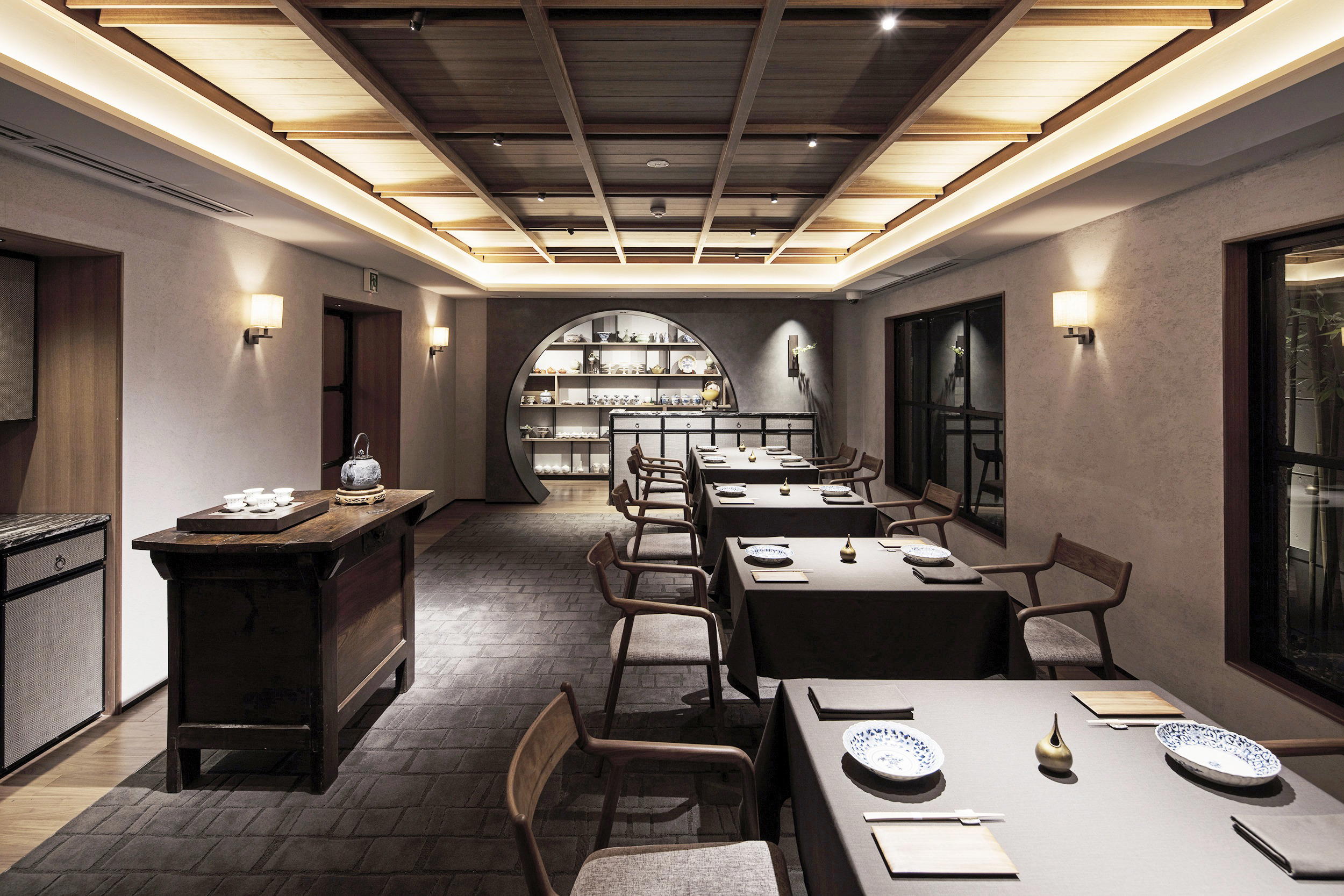
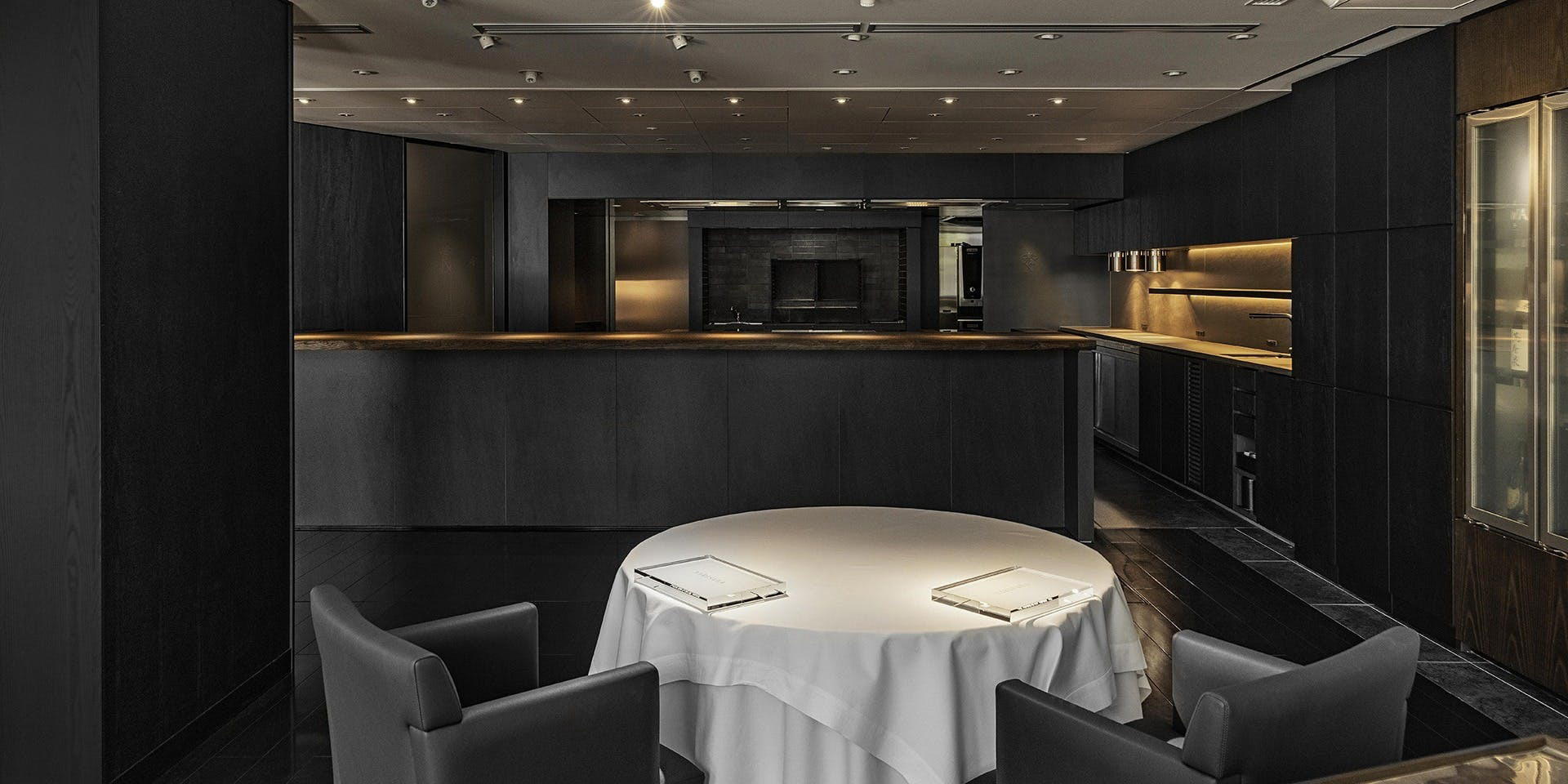
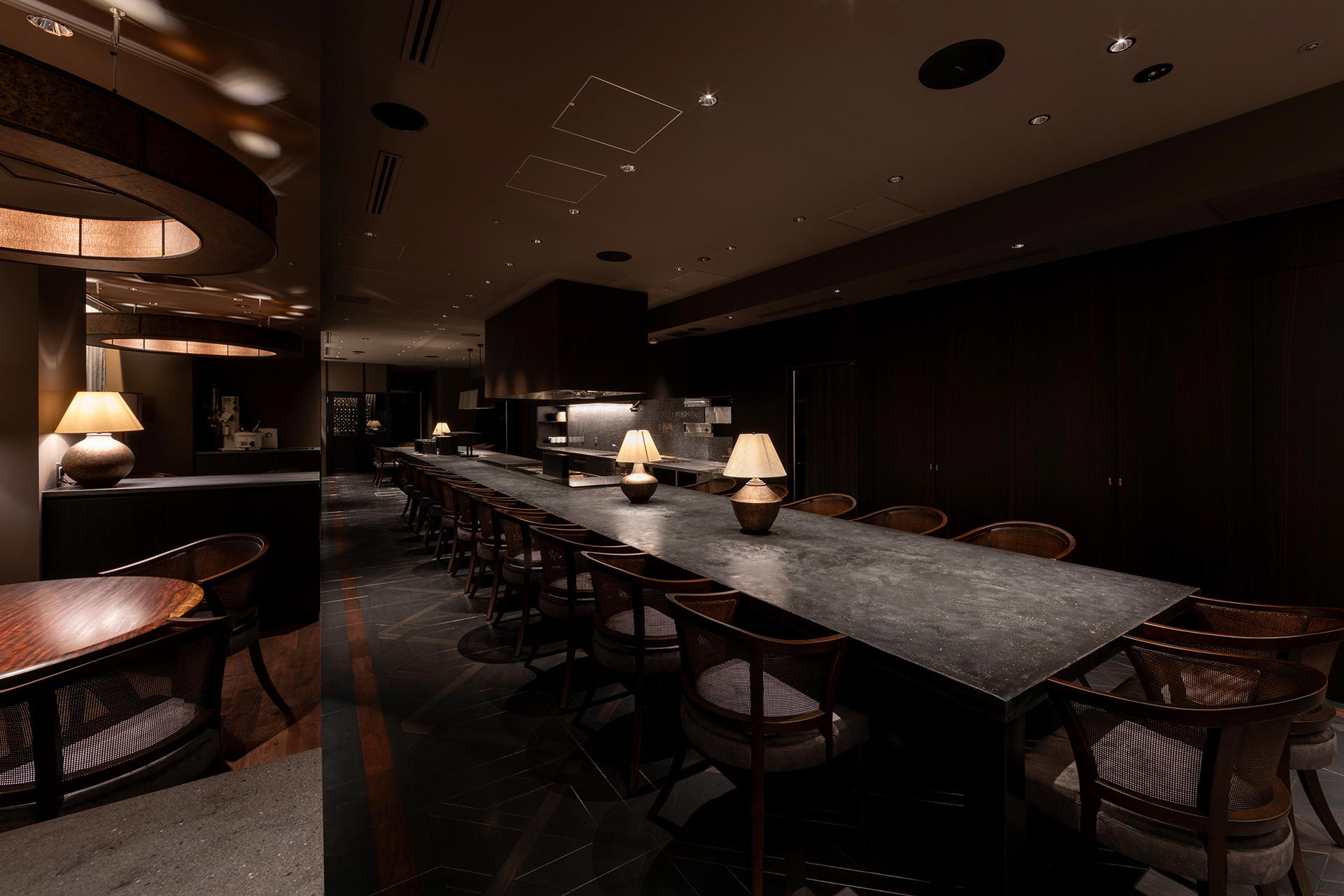
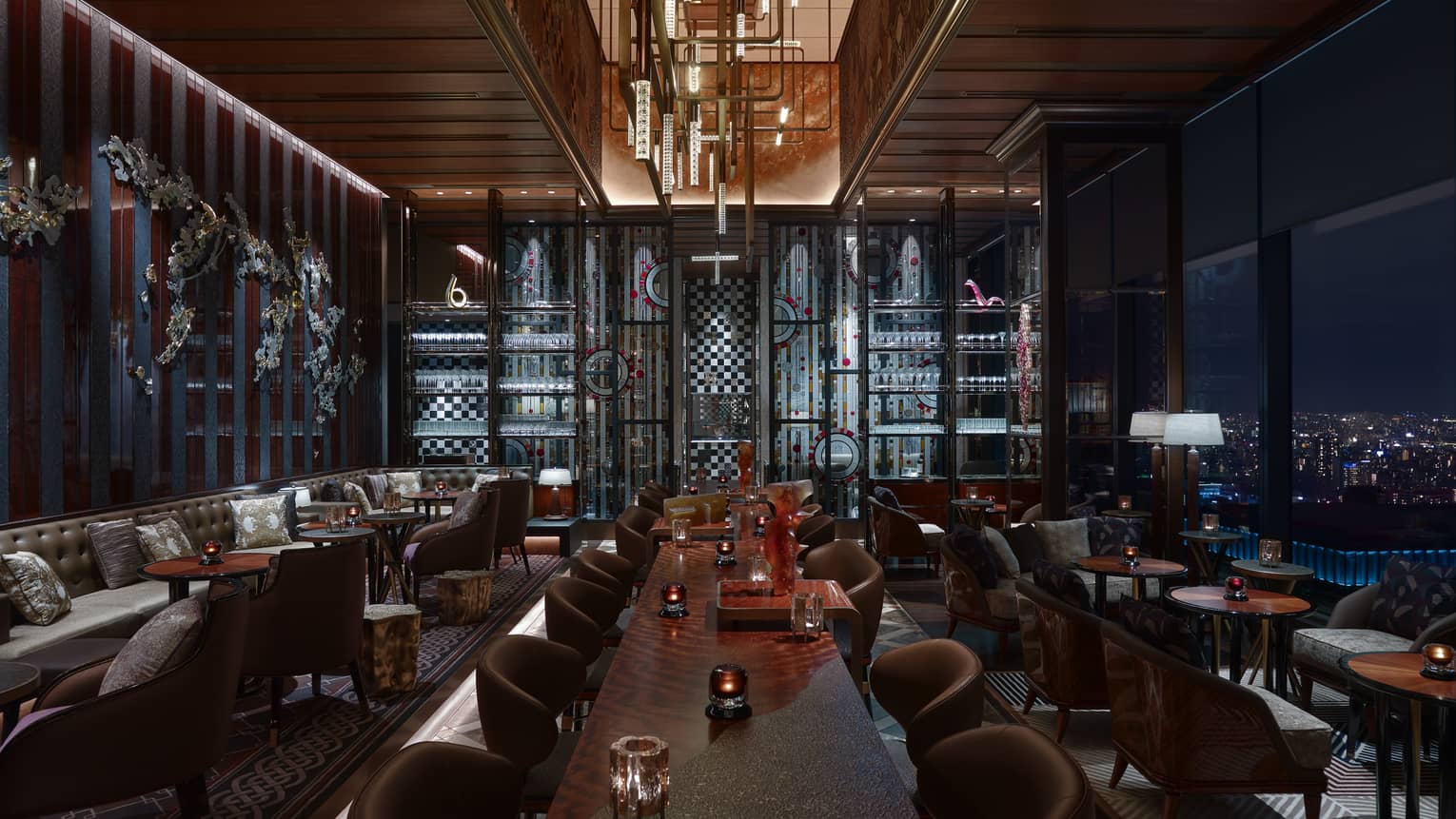
Retro-modern atmosphere featuring high coffered ceilings, wooden paneling, antique Eames chairs, and warm welcoming vibe from an old bathhouse conversion.