





3 Michelin Keys · World's 50 Best #7 · Virtuoso Luxury Hotel Partner
Mandarin Oriental Qianmen sits inside Beijing's historic Dongcheng district, a block from Tiananmen Square's southern edge, where hutong alleyways meet one of the capital's oldest commercial corridors.

Pearl is the En Primeur Club membership app, where members save venues, book tables and use the concierge.
Where the Outer City Begins
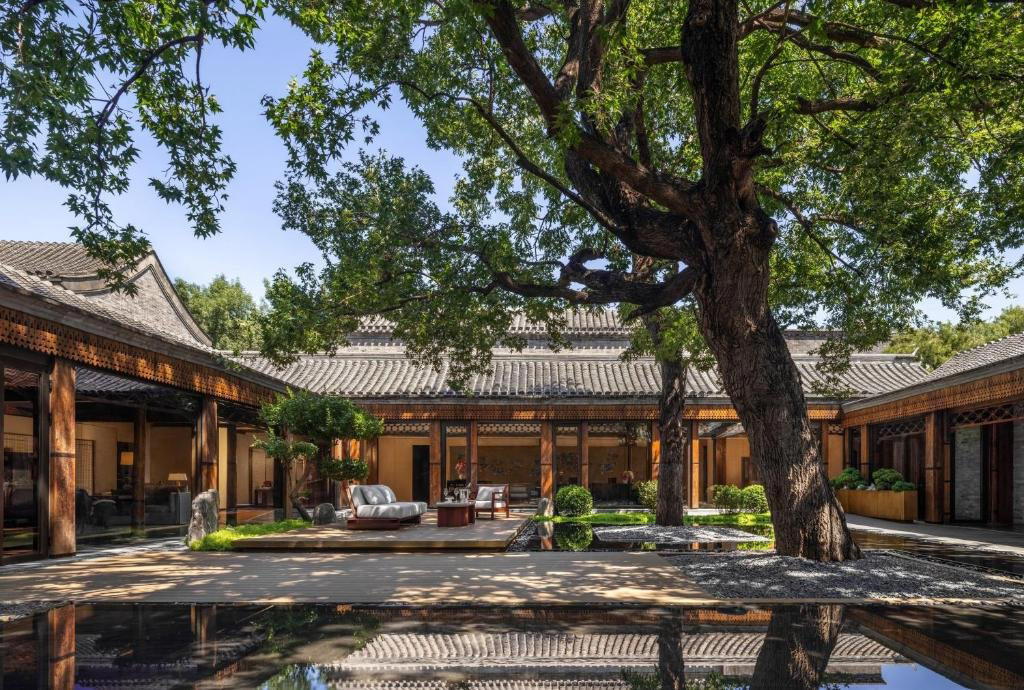
Beijing's hotel geography divides along a familiar fault line: the international towers clustered around the CBD and Sanlitun to the east, and the smaller, address-driven properties that have staked their identity on the city's older southern districts. Mandarin Oriental Qianmen belongs firmly to the second category. Its address on Caochang Alley in Dongcheng places it one block south of Qianmen Gate, the ceremonial entrance to the outer city that has marked the southern boundary of imperial Beijing for six centuries. The scale of that setting registers before you reach the lobby: the surrounding hutongs are low, the sightlines long, and the proximity to the Forbidden City's southern axis is felt rather than simply noted on a map.
That location is not incidental to the property's identity. In a city where most internationally branded hotels occupy towers with little connection to the street below, a boutique address within a historic neighbourhood carries a different kind of context. The Qianmen area has absorbed waves of renovation over the past two decades, but the basic urban texture, narrow alleys, courtyard footprints, a pedestrian scale that the CBD entirely lacks, remains the dominant register. Arriving here from the airport expressway or from a meeting in the Guomao district involves a conscious crossing of the city's temporal layers.
The Sensory Register of Dongcheng
The sensory environment around Caochang Alley operates differently from Beijing's hotel corridors further east. Sound carries differently in hutong architecture: there is less ambient traffic roar and more of the textured quiet that comes from low-rise streets with interior courtyards absorbing noise. Light at this latitude, particularly in the slant of late afternoon, falls at an angle that makes the grey brick of Beijing's historic fabric read almost warm. These are the atmospheric conditions that the property's designers would have worked with, and they distinguish the experience from anything achievable in a high-rise setting.
Beijing's northern light and its continental climate mean the city reads differently season by season. Spring brings dust and then sudden warmth; summer is humid and green; autumn, widely considered the most photogenic season in Beijing, delivers clear skies and sharp contrasts; winter is dry, cold, and, in the hutongs, surprisingly still. Guests timing a visit for October or November will find the neighbourhood at its most legible, with the Qianmen pedestrian street nearby drawing fewer summer crowds and the light quality at its sharpest.
Where It Sits in the Beijing Hotel Set
Beijing's premium hotel market has developed two distinct tiers of prestige. The first is scale-and-spectacle: large-footprint properties with multiple restaurants, ballrooms, and floor counts that read as statements of corporate hospitality. China World Summit Wing, Fairmont Beijing, and Conrad Beijing operate in that register. The second tier is address-led and smaller in key count, where the value proposition is location specificity and a more curated atmosphere. Mandarin Oriental Qianmen sits in that second tier, alongside properties like Aman Summer Palace in the northwest and Eclat Beijing in the Sanlitun corridor, hotels where the choice of neighbourhood signals something about what the guest is seeking.
Guests who have stayed at Bvlgari Hotel Beijing or the Brickyard Retreat at Mutianyu will recognise the pattern: boutique properties in China's major cities increasingly compete on depth of local connection rather than breadth of amenity. The Tatler Asia-Pacific Leading Hotels list for 2025 recognised Mandarin Oriental Qianmen with its Leading Innovation badge, an award that places it alongside properties across a region where the definition of hotel innovation has shifted decisively toward authenticity of context rather than novelty of technology. The same year, the World Travel Awards named it China's Leading Boutique Hotel, a credential that positions it at the top of its category nationally.
Recognition and What It Signals
Two awards in the same year from different evaluation frameworks, Tatler's editor-Asia-Pacific list and the World Travel Awards' competitive national category, represent a form of cross-validation that single-source recognition cannot. Tatler's Leading Innovation badge in particular requires a property to demonstrate something beyond comfort and service: a rethinking of what a hotel in its specific location should do or be. For a Mandarin Oriental property in a historic Beijing district, that framing points toward the interface between the brand's established luxury standards and the neighbourhood's particular historical and architectural character.
Whether Mandarin Oriental Qianmen fully delivers on that standard is a judgment each guest will form in context, but the awards data suggests the editorial and trade communities believe it does. For comparison with other Aman-operated properties in China that pursue a similar model, Amandayan in Lijiang and Amanfayun in Hangzhou represent the most directly analogous reference points in terms of heritage-district integration.
Planning a Stay
The property is reached via Dongcheng district at No. 1, 10 Caochang Alley. The address is walkable from Qianmen subway station on Line 2, which connects directly to Beijing Capital International Airport via the Airport Express and Line 10 interchange. For guests arriving at Daxing International Airport, a dedicated express rail link connects to the city centre in under 30 minutes. The surrounding area rewards early mornings: the hutong streets around Qianmen are quietest before 9am, when the nearby pedestrian commercial zone begins to fill. The phone number on record is +86 10 8592 8888. Booking directly through Mandarin Oriental's own channels is standard for this tier, where loyalty programme benefits and rate parity are most reliably managed by the hotel directly. For a broader orientation to what else Beijing's hotel and dining scene offers, our full Beijing guide covers the city's major districts and the properties that define each one.
Guests also considering the brand's approach in other global markets can reference Aman New York and The Fifth Avenue Hotel for how the boutique-in-a-historic-neighbourhood model translates to a Western context, or Aman Venice for the European heritage-site version of the same proposition. Within China, the range of approaches to premium accommodation is wide: from urban towers like the JW Marriott Shanghai at Tomorrow Square to coastal resorts like 1 Hotel Haitang Bay in Sanya, and smaller regional properties such as Vanke Lake Songhua Yunlu in Jilin and Xiamen Yunding Resort. Mandarin Oriental Qianmen's position in that spectrum is clear: it is a city hotel, in the specific and historically loaded sense that Beijing's southern districts give that phrase.
A Pricing-First Comparison
Comparable venues nearby, for context on price, style, and recognition.
| Venue | Price | Awards | Notes |
|---|---|---|---|
| Mandarin Oriental Qianmen, BeijingThis venue (the venue you are viewing) | $1,500–2,500 | 3 Michelin Keys · World's 50 Best #7 | Not listed |
| The St. Regis Beijing | $300–500 | Forbes Recommended | Chaoyang, Luxury urban palace with St. Regis traditions |
| Kerry Hotel, Beijing | Not listed | Forbes Recommended | Chaoyang, Contemporary urban hotel with extensive sports and business facilities |
| Park Hyatt Beijing Hotel | Not listed | Michelin Selected · La Liste Top Hotels | Chaoyang, Contemporary luxury tower in Beijing CBD with panoramic views |
| Conrad Beijing | $200–300 | Forbes Recommended | Tuanjiehu, Contemporary luxury with natural wood, stone elements, and panoramic city views |
| Xitan Hotel Beijing | Not listed | 2 Michelin Keys · Relais Chateaux Award | Mentougou District, Oriental aesthetic resort with single-story buildings and private courtyards |
Recognition history
Dated appearances from independent guides and award organizations, with the underlying list record or original source where available.
Michelin 3 Keys
Michelin
World's 50 Best Hotels #7 · No. 7
World's 50 Best · 2026 World’s 50 Best Hotels 1-50
Forbes 5-Star
Forbes
Virtuoso Luxury Hotel Partner
Virtuoso
Architectural Digest 2025 Architectural Digest Great Design Hotel Award Winners
Architectural Digest
Full recognition history (10 entries)
Michelin 2 Keys
Michelin
Tatler Listed in Best Hotels Asia-Pacific
Tatler
Tatler Best Innovation
Tatler
World Travel Awards
World Travel Awards
World's 50 Best Hotels #14
World's 50 Best
Continue exploring
More in Beijing
Hotels in Beijing
All hotels in Beijing →
Bars in Beijing
All bars in Beijing →
Details
- Elegant
- Sophisticated
- Quiet
- Intimate
- Scenic
- Honeymoon
- Romantic Getaway
- Family Vacation
- Business Trip
- Anniversary
- Private Villa
- Historic Building
- Panoramic View
- Garden
- Terrace
- Spa
- Pool
- Fitness Center
- Room Service
- Concierge
- Wi Fi
- Sauna
- Restaurant
- Bar
- Garden
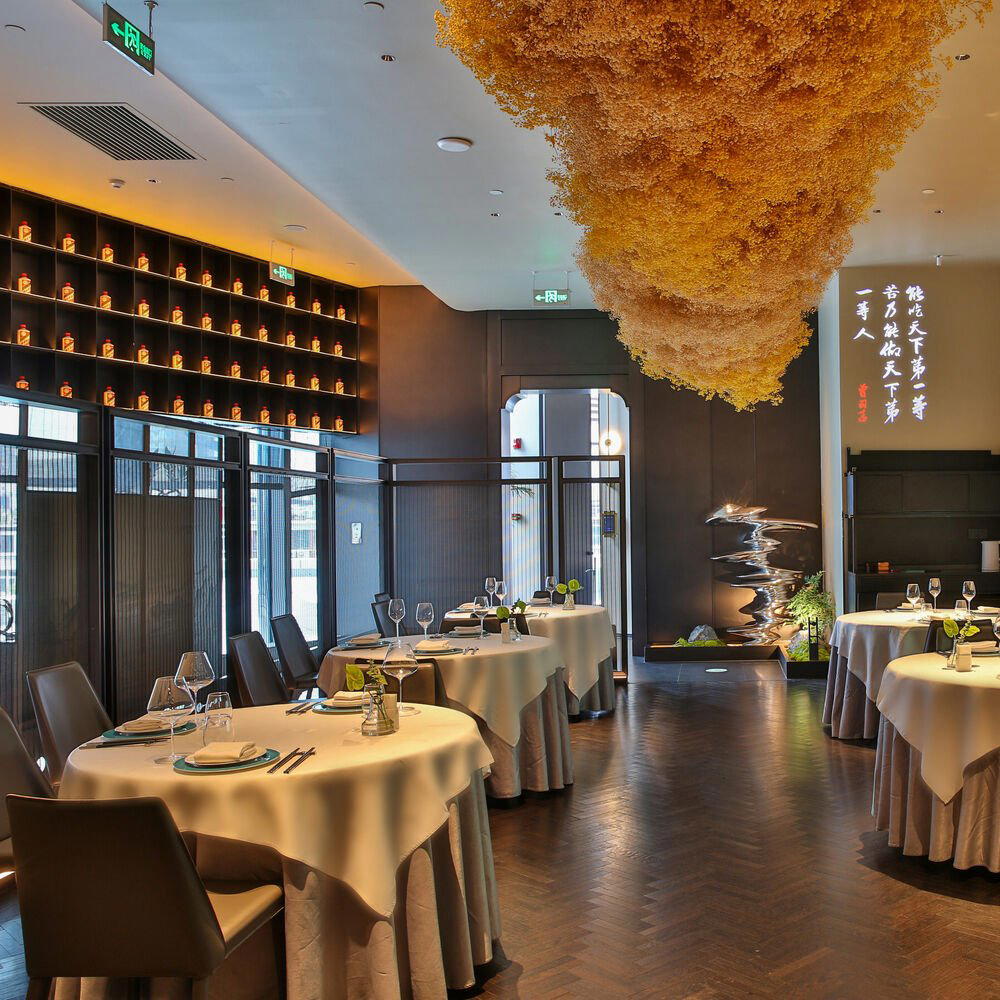
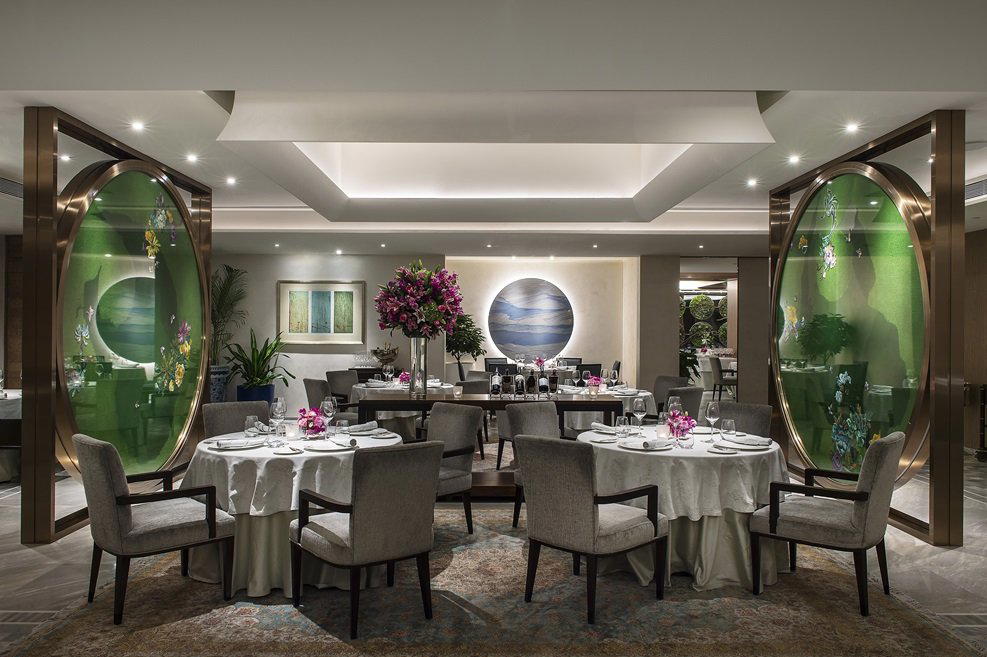
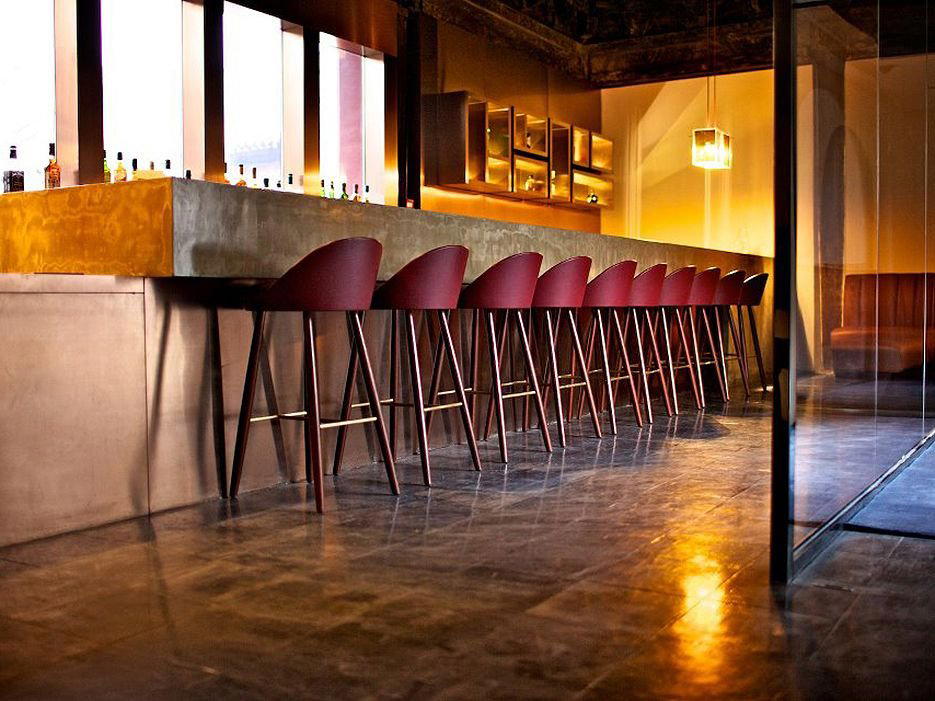
Serene and tranquil with natural light flooding through floor-to-ceiling windows into quiet private courtyards, creating a calming retreat amid historic surroundings.