
LU STYLE sits in Beijing’s serious Chinese dining conversation with a Black Pearl Restaurant Guide 2026 one-diamond listing. The useful frame is not spectacle but sourcing discipline: Lu-style cooking depends on stock work, wheat culture, seafood handling, vinegar, aromatics, and the clean expression of northern ingredients rather than decorative luxury.

Pearl is the En Primeur Club membership app — saves, bookings, and concierge access live there. Same editors, same standards.
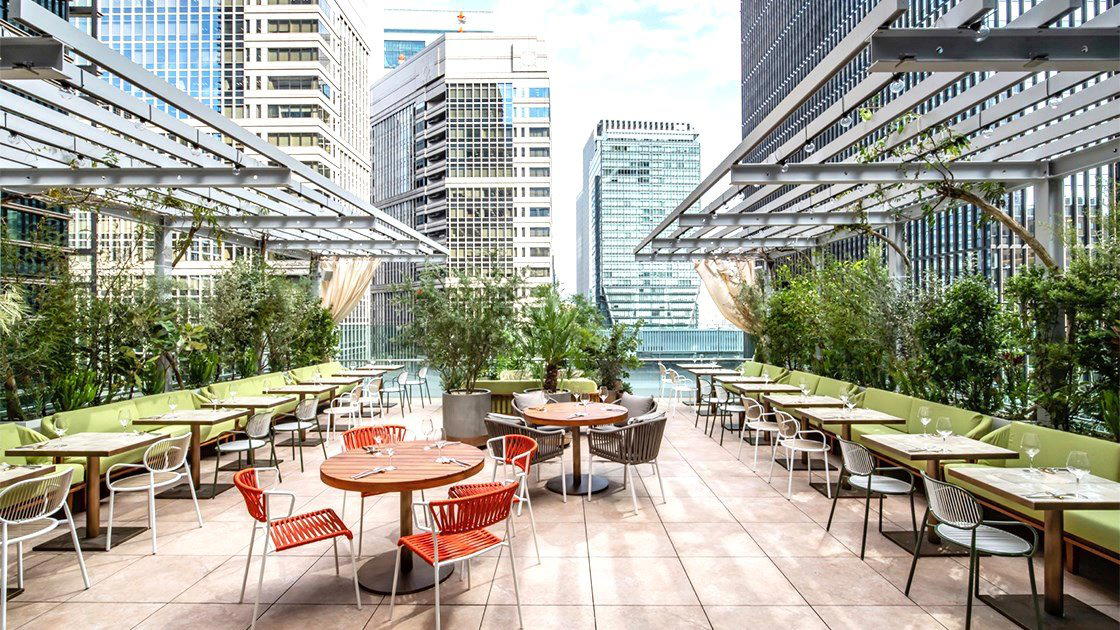
In Beijing, the transition from street noise to a composed dining room matters because northern Chinese cooking rewards attention. LU STYLE belongs to the city’s quieter premium tier, where the signal is less theatrical presentation than control: clean stocks, measured seasoning, careful heat, and ingredients that carry their own authority. Its Black Restaurant Guide 2026 one-diamond listing gives it a current national dining credential, but the more interesting point is what that recognition says about Beijing’s renewed respect for regional Chinese formats that do not need to imitate tasting-menu conventions.
Northern Chinese sourcing is the real argument
The name points toward Lu-style cooking, one of China’s major culinary traditions and a foundation for much of Beijing’s formal dining language. Shandong influence has long shaped capital cuisine through seafood, wheat-based staples, vinegar, scallion, garlic, clear broths, and a preference for structure over excess. In this tradition, ingredient sourcing is not a romantic sidebar. It determines whether a dish feels precise or merely heavy.
That matters in Beijing because the city’s premium Chinese restaurants often split into two camps: banquet-room abundance and regionally literate cooking with tighter editing. LU STYLE is better read through the second lens. A one-diamond Black listing does not identify a casual neighbourhood canteen; it places the restaurant in a vetted bracket where execution, consistency, and service polish are part of the assessment. For diners used to Cantonese seafood rooms or Sichuan heat-led dining, Lu-style cooking can feel more restrained, but that restraint is the point. The pleasure is in stock clarity, dough texture, the sweetness of alliums, and the way vinegar or fermented notes sharpen richness without dominating the table.
Beijing is also the right city for this conversation. The capital has absorbed regional cuisines for centuries, yet northern cooking remains central to how formal Chinese hospitality is understood here. Wheat rather than rice, colder-climate preservation habits, and a taste for savoury depth give the table a different rhythm from coastal southern dining. When a restaurant working in this register earns Black recognition, it signals that the guide is valuing not only luxury cues but also the technical grammar of a regional cuisine that can look understated to outsiders.
How to read the experience in Beijing's dining context
The useful approach is to treat LU STYLE as a restaurant for diners who want to understand northern Chinese technique rather than simply collect another high-status meal. The absence of public emphasis on a single celebrity chef shifts attention back to the kitchen’s system: procurement, prep discipline, heat control, and the sequencing of dishes around texture and savoury balance. That is often where Lu-style cooking either succeeds or fails.
For travellers building a Beijing dining itinerary, this kind of restaurant fills a different role from roast-duck institutions, hotel dining rooms, cocktail-led evenings, or experience-led cultural programming. It is a meal to schedule when the priority is regional Chinese craft with a current award signal. For wider planning, EP Club’s city pages are useful context: Our full Beijing restaurants guide, Our full Beijing hotels guide, Our full Beijing bars guide, Our full Beijing wineries guide, and Our full Beijing experiences guide. Nearby Beijing dining references on the platform include 1949 - Duck de Chine, 1949 The Hidden City (Beijing cuisine), 1949-å ¨é¸å£, Amico BJ (European Contemporary), and Aroma.
China’s regional dining map also helps explain why a Beijing Lu-style meal belongs in a broader itinerary rather than a single-city checklist. Sichuan, Cantonese, Fujian, Hangzhou, and Xiamen traditions each organise flavour and sourcing differently, from river fish and pickling to seafood, tea-country cooking, and coastal snacks. EP Club’s wider China and Asia coverage includes #8 in Chengdu, 100 Century Avenue Cantonese in Shanghai, 167 Shan Hai Li in Fuzhou, 1913 in Hangzhou, 1927 Dong Yuan Si Chu in Xiamen, and 1980烧肉粽 in 厦门市. For a different drinking-and-snack register outside China, see Jōdo Saké Bar in Los Angeles and Onigiri Time in Pasadena.
Who should prioritise it
The restaurant makes the strongest case for diners who already care about regional Chinese distinctions. The Black one-diamond mark gives enough external validation to justify attention, but the restaurant’s real value lies in how it fits Beijing’s current dining mood: less dependence on imported luxury signals, more confidence in Chinese culinary lineages with their own standards of refinement. It is a sharper choice for a table interested in sourcing, stocks, dough, seafood handling, and northern flavour architecture than for diners seeking a personality-driven chef narrative.
The editorial read is clear: in a city crowded with status meals, the restaurant is worth considering when the goal is to understand how Lu-style technique continues to shape formal dining in the capital. The restaurant’s award signal matters, but the deeper reason to pay attention is the cuisine’s demand for restraint. Northern Chinese cooking gives little cover to weak sourcing or careless seasoning; when handled well, it explains Beijing far better than another generic luxury dining room.
- Laizhou Bay penis fish salad with ice plant
- Donkey soup with Solomon’s seal and black garlic
- Sea cucumber soup
- Braised sea cucumber with leeks
- Yimeng six-flavor pancake
- Bohai Bay salt pan shrimp roasted cabbage
How It Compares
Comparable venues nearby, for context on price, style, and recognition.
| Venue | Cuisine | Price | Notes |
|---|---|---|---|
| LU STYLEThis venue — the venue you are viewing | Modern Shandong Seafood | $$$ | Not listed |
| Yatang | Regional Chinese with Peking Duck | $$$ | Tuanjiehu |
| Wulixiang | Traditional Shanghainese | $$$ | Tuanjiehu |
| Huajia Yiyuan | Traditional Beijing Peking Duck | $$$ | Beixinqiao |
| BoJingXuanChineseRestaurant | Beijing–Cantonese fusion Chinese fine dining | $$$ | /海淀区 (near Jimen Bridge, northwest 2nd Ring) |
| 1949 The Hidden City | Upscale Peking Duck & Chinese Fine Dining | $$$ | Chaoyang District |
Recognition history
Dated appearances from independent guides and award organizations, with the underlying list record or original source where available.
Black Pearl 1 Diamond
Black Pearl
At a Glance
- Elegant
- Sophisticated
- Minimalist
- Cozy
- Modern
- Business Dinner
- Group Dining
- Celebration
- Date Night
- Private Event
- Open Kitchen
- Private Dining
- Terrace
- Courtyard
- Design Destination
- Standalone
- Extensive Wine List
- Local Sourcing
- Sustainable Seafood
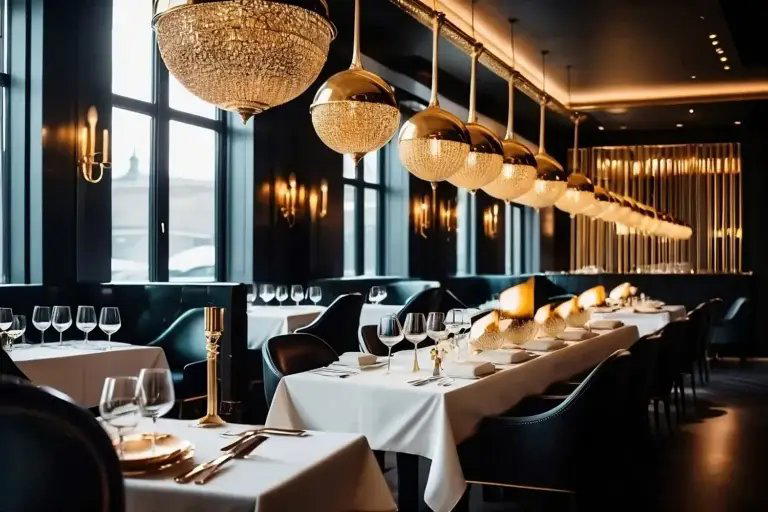
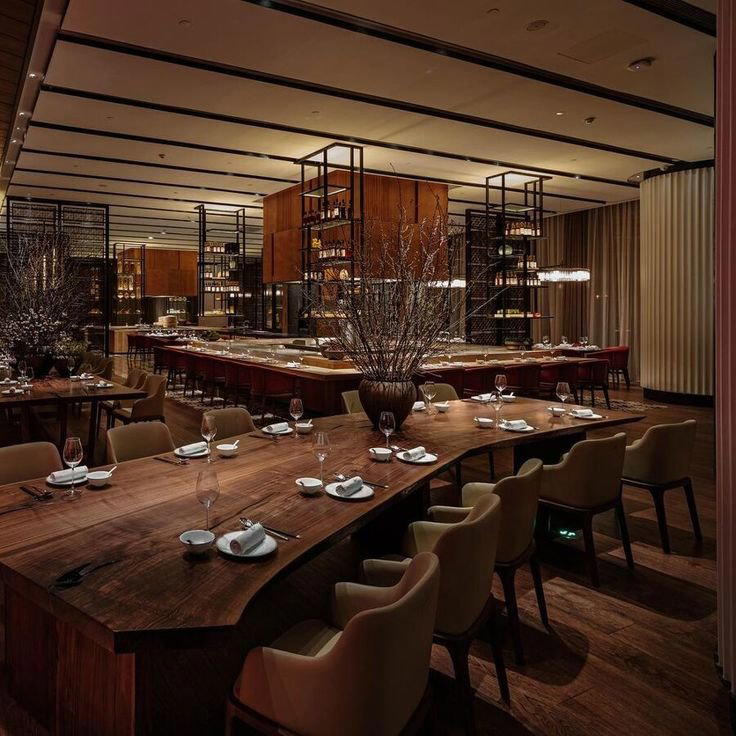
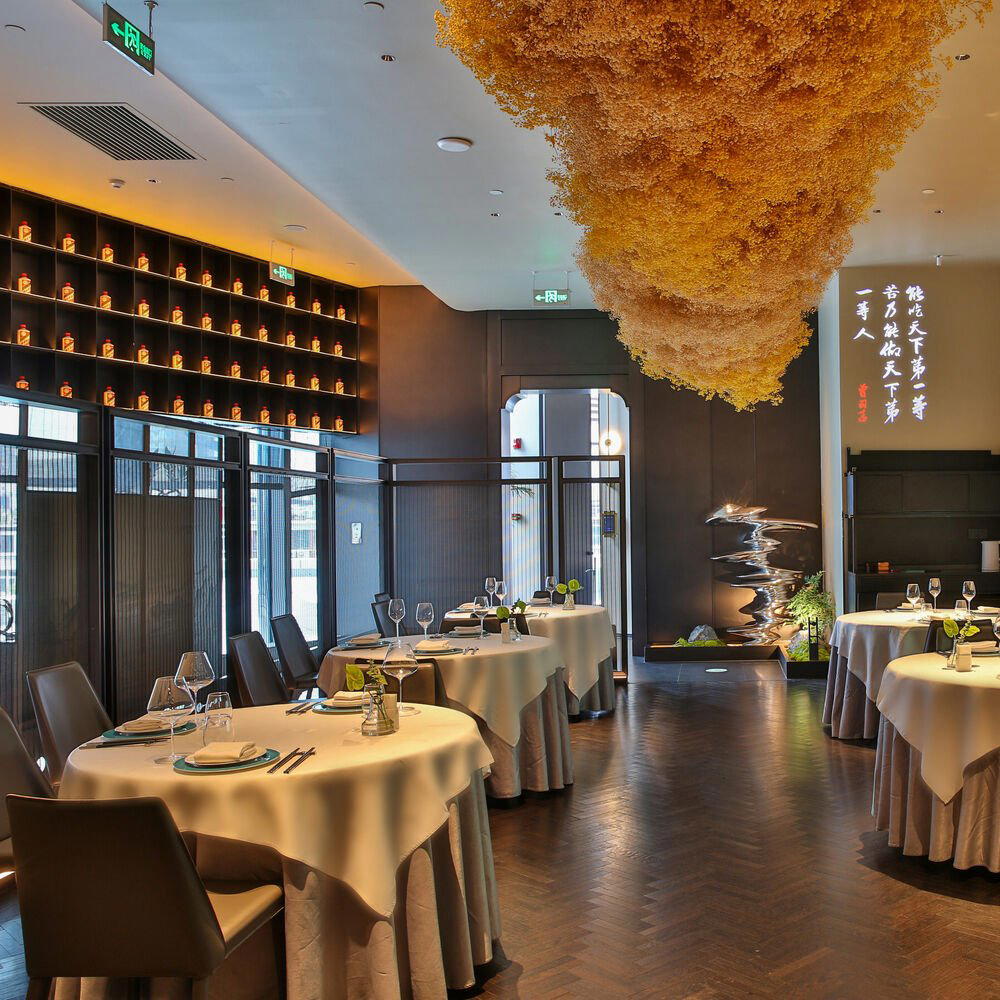
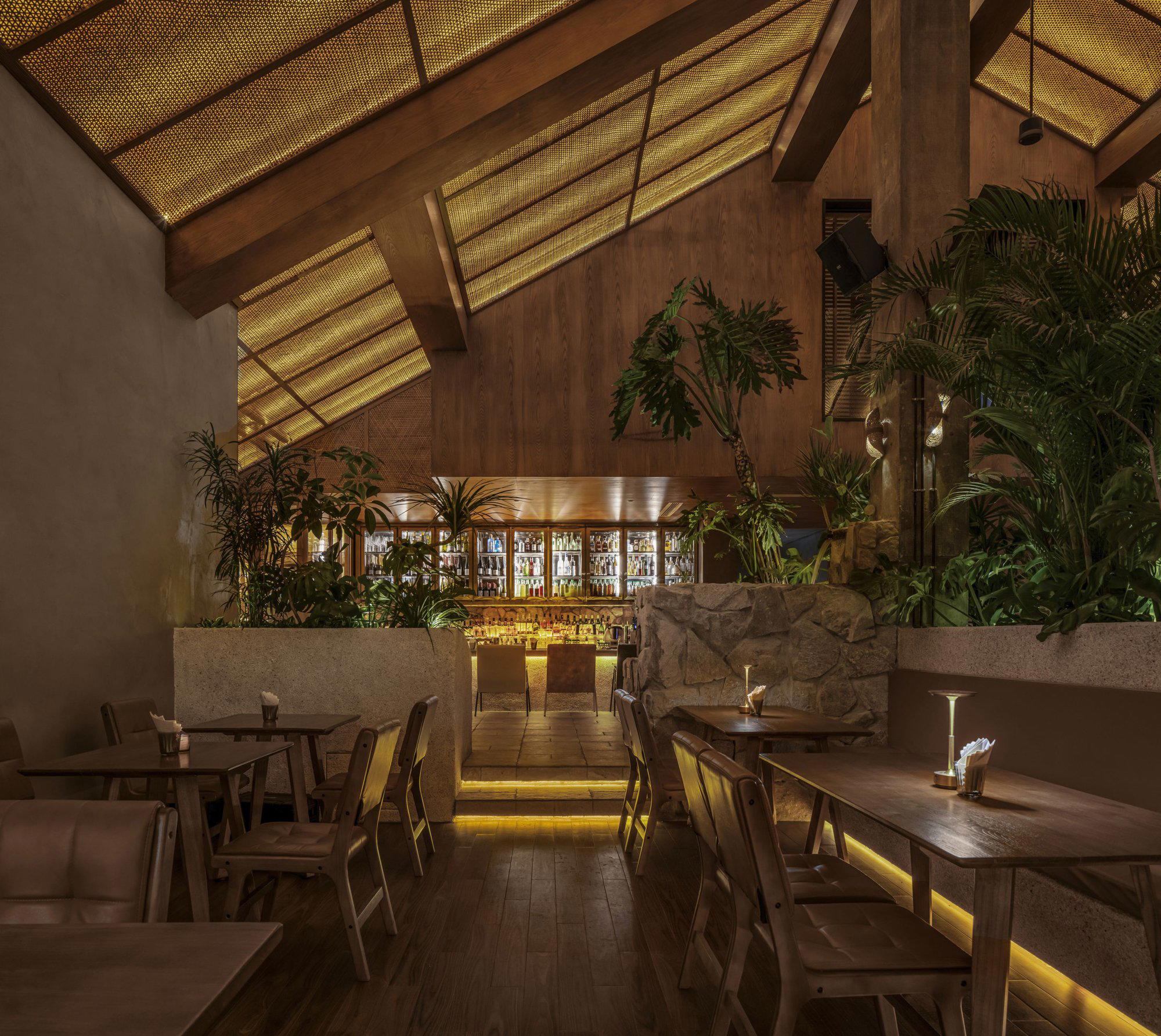
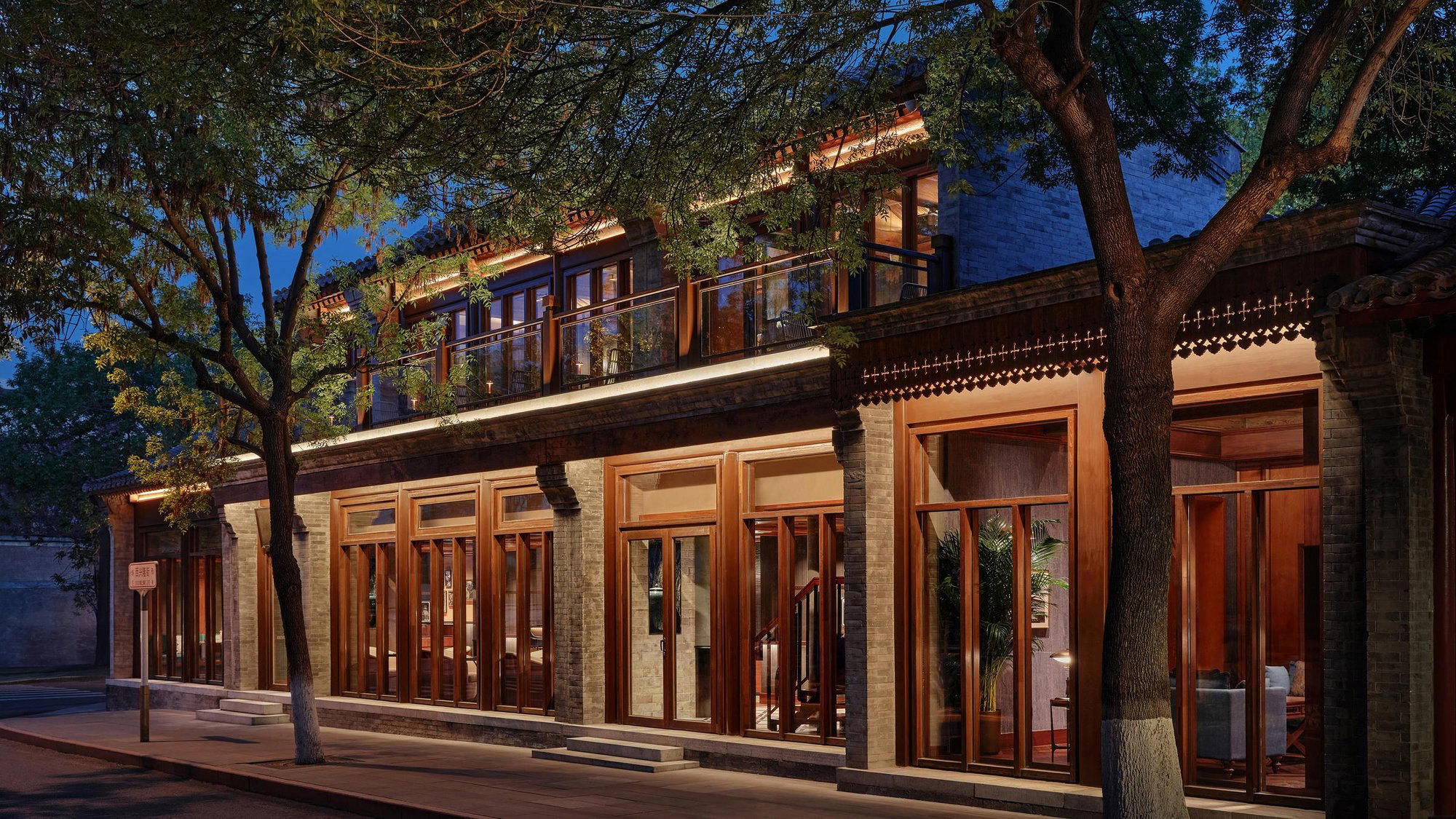
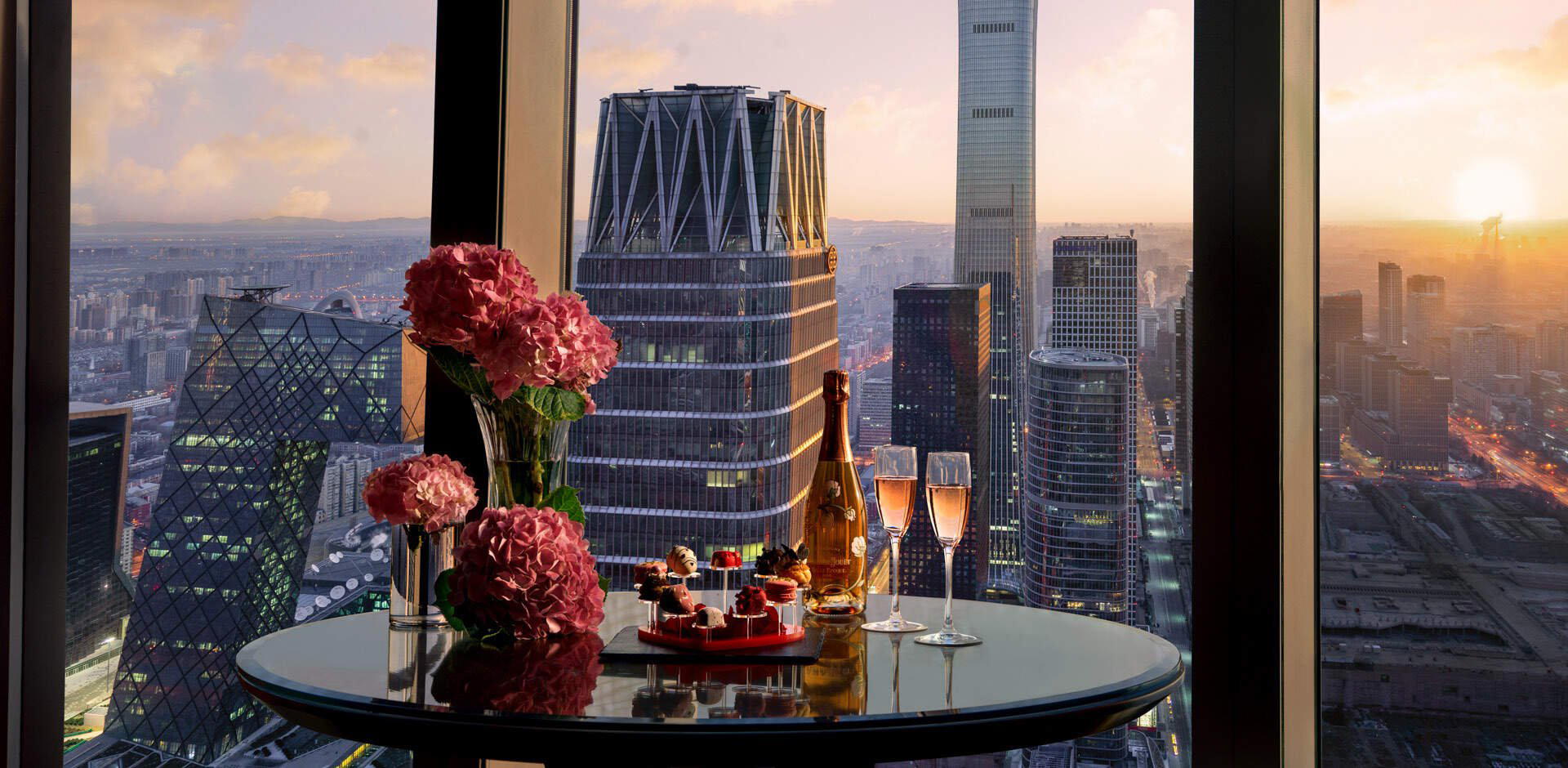
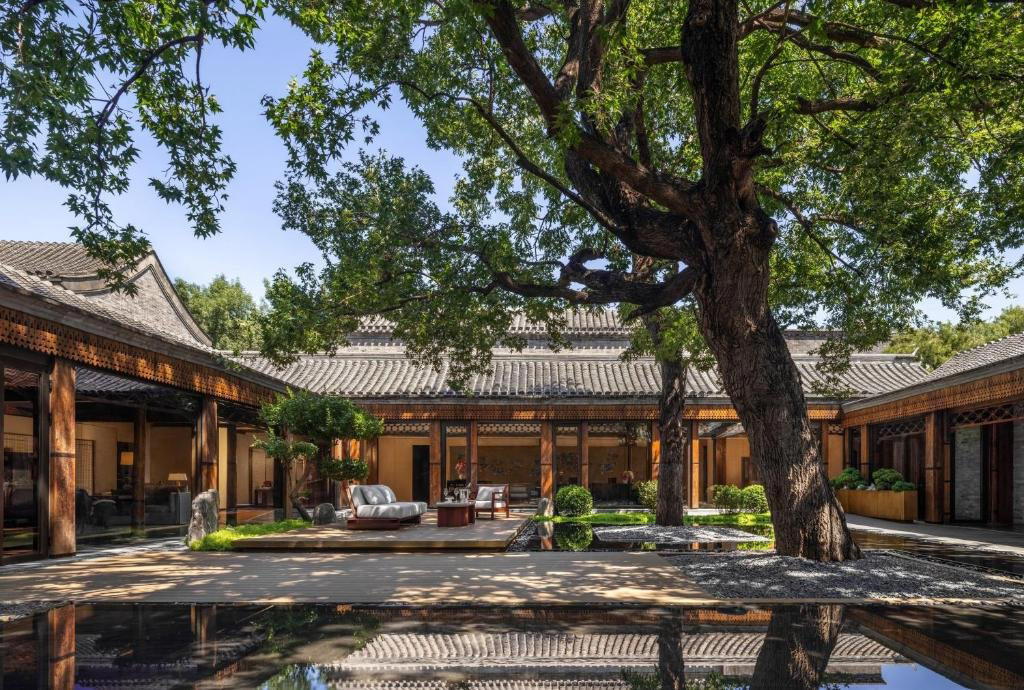
Elegant, minimalist room with soft woods, pale stone, and burnished brass that evokes coastal serenity, warmed by starry crystal chandeliers and mood lighting for a composed, ceremonial atmosphere.