
Beijing Kitchen occupies the sixth floor of SKP-S on Jianguo Road, positioning it inside one of Beijing's most architecturally ambitious retail and dining complexes. The restaurant sits in a tier of Chinese dining that takes physical setting as seriously as the menu, placing it alongside Chaoyang's higher-price-point houses. For visitors approaching the capital's formal Chinese dining scene, it offers a considered entry point in a neighbourhood defined by luxury consumption.
Pearl is the En Primeur Club membership app — saves, bookings, and concierge access live there. Same editors, same standards.
- Address
- China, CN åäº¬å¸ æé³åº 建å½è·¯ 87 87å·å京SKPDåº6å± é®æ¿ç¼ç
- Phone
- +861065307995
- Directions
- Get directions
 Saves & bookings on Pearl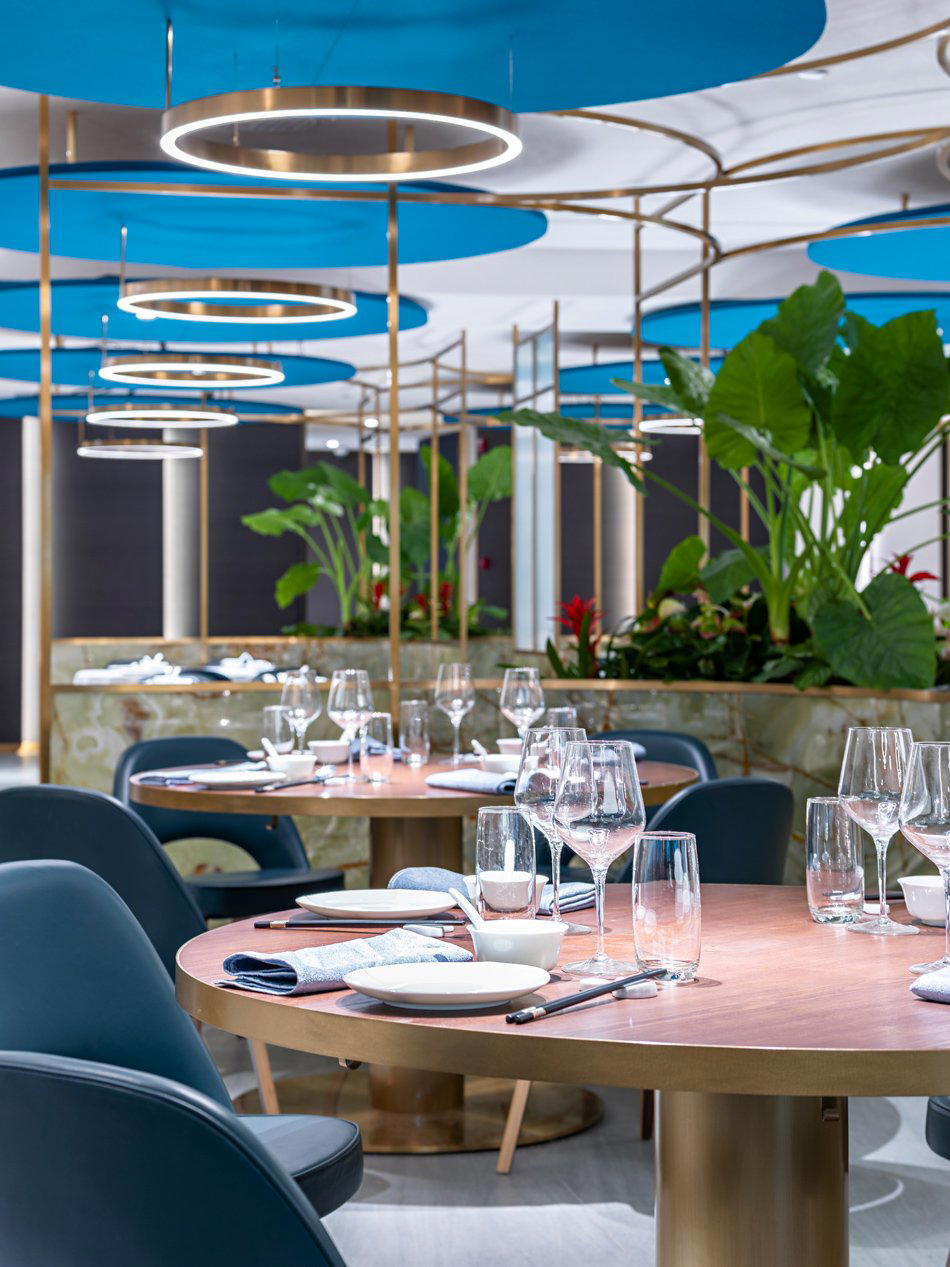
Jianguo Road and the SKP-S Dining Tier
Chaoyang District's eastern spine along Jianguo Road has, over the past decade, consolidated into Beijing's clearest expression of luxury retail-anchored dining. SKP-S, the more architecturally adventurous sibling of the original SKP department store, brought that logic further: its upper floors host restaurants that price and position against the city's serious Chinese dining rooms rather than the department store café tier. Beijing Kitchen sits on the sixth floor of SKP-S, which places it inside that framework from the moment you step off the lift. The building's design language, futurist materials, controlled sightlines, a retail environment that treats merchandise as installation, sets expectations before the restaurant itself comes into view. That kind of context matters in a city where the room you arrive through shapes the reading of the meal that follows.
The Chaoyang Competitive Set
Beijing's high-end Chinese dining has never been geographically uniform. Wangfujing and the hutong belt around the old imperial core carry historical gravity, but Chaoyang has attracted the newer, more commercially sophisticated wave of formal restaurants, places that invest in design, service structure, and positioning signals as deliberately as they invest in sourcing. Within that cohort, the SKP-S address places Beijing Kitchen in a peer group defined as much by physical ambition as by culinary category.
The comparison venues in this tier are instructive. Xin Rong Ji on Xinyuan South Road anchors the Taizhou cuisine corner of the ¥¥¥¥ bracket with a precision-sourcing reputation that extends across its national footprint. Chao Shang Chao in Chaoyang occupies the Chaozhou end of that same price tier, where Cantonese technique meets northern appetite for ceremony. Lamdre and Jingji represent the vegetarian and Beijing-cuisine poles respectively, each operating at ¥¥¥¥. What connects them is a shared investment in the total environment, room, service choreography, and the sense that the occasion has been considered in full.
Across China's broader fine-dining geography, restaurants that succeed at this intersection of retail architecture and serious Chinese cooking have set a model that other cities have followed with varying results. Fu He Hui in Shanghai and Imperial Treasure Fine Chinese Cuisine in Guangzhou operate in comparable register in their respective cities, where the room is understood as part of the proposition.
What the Location Implies About the Experience
The SKP-S address is not incidental. Restaurants that choose to operate inside architecturally ambitious retail environments are making a deliberate statement about their audience and their occasion type. The visitor arriving at Beijing Kitchen is typically not there for a quick lunch, the surrounding infrastructure, from the building's access points to its retail adjacency, filters toward a specific kind of intentionality. That self-selection matters: it shapes service pace, table spacing assumptions, and the overall register of the room in ways that a standalone restaurant in the same neighbourhood would not replicate.
Jianguo Road itself connects Chaoyang's commercial core to the embassy quarter to the west, making it a genuinely accessible address by Beijing standards. The Guomao and Dawanglu subway stations bracket the area, with SKP-S positioned between them, which means the building is reachable without the taxi dependency that affects some of Beijing's dining destinations deeper in residential hutong networks. For visitors staying in the Sanlitun corridor or the CBD, the travel logic is direct.
Beijing's formal Chinese dining rooms of this generation tend to plan well ahead. Reservations at the upper tier of the Chaoyang dining scene, whether at King's Joy for its vegetarian Chinese approach or at the Taizhou specialists, typically require booking several days to two weeks in advance, particularly for weekend evenings or private room arrangements.
Chinese Dining Tradition and the Modern Beijing Room
The broader question that venues like Beijing Kitchen sit inside is what formal Chinese dining looks like when it sheds the banquet-hall formula without abandoning the ceremonial dimension that has always distinguished a serious Chinese meal from casual eating. Across mainland Chinese cities, a cohort of restaurants has spent the past decade working through that question. Some have borrowed from the Japanese omakase model, intimate counters, chef-proximity, single-sitting formats. Others have doubled down on the private-room structure that Chinese dining has historically used to demarcate occasions. The SKP-S setting suggests a third path: the restaurant as component of a designed cultural environment, where the building's ambition serves as a kind of credentialing mechanism.
That approach has parallels internationally. The restaurant-within-a-cultural-institution model, seen in places like Le Bernardin in New York or the event-dining format of Lazy Bear in San Francisco, uses institutional or designed context to signal the category of experience before a single dish arrives. In Beijing's case, the luxury retail context plays a functionally similar role, setting a frame that the food and service then either justify or fail to meet.
For readers interested in how regional Chinese cuisine traditions translate into fine-dining formats across China, the comparison is worth extending. Ru Yuan in Hangzhou, Chef Tam's Seasons in Macau, Dai Yuet Heen in Nanjing, and Pingjiangsong in Suzhou each represent city-specific approaches to that same challenge, and together they sketch the range of solutions that have emerged across the mainland over the same period. The SKP-S placement in Beijing is one answer to the question of how a restaurant signals seriousness in a city where the historical grammar of occasion dining was always theatrical.
Planning Your Visit
The restaurant's address at 87 Jianguo Road, sixth floor of SKP-S, Chaoyang District, places it in among the more legible parts of the city for first-time visitors. Reservations are recommended, and guests should arrange them directly or through SKP-S concierge services. Dress code is smart casual.
Just the Basics
Comparable venues nearby, for context on price, style, and recognition.
| Venue | Cuisine | Price | Notes |
|---|---|---|---|
| Beijing KitchenThis venue — the venue you are viewing | Balizhuang, Modern Chinese | $$$ | Not listed |
| LU STYLE | Not listed | $$$ | Chaoyang District, Modern Shandong Seafood |
| LEI GARDEN | Chaoyang, Authentic Cantonese Dim Sum | $$$ | Not listed |
| 1949-å ¨é¸å£ | Chaoyangmen, Handmade Noodles | $$$ | Not listed |
| Wulixiang | Tuanjiehu, Traditional Shanghainese | $$$ | Not listed |
| Huajia Yiyuan | Not listed | $$$ | Beixinqiao, Traditional Beijing Peking Duck |
Recognition history
Dated appearances from independent guides and award organizations, with the underlying list record or original source where available.
Black Pearl 1 Diamond
Black Pearl
At a Glance
- Modern
- Elegant
- Family
- Group Dining
- Casual Hangout
- Open Kitchen
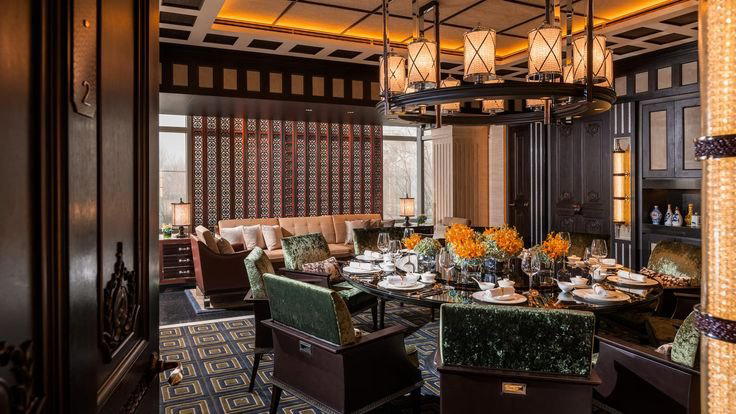
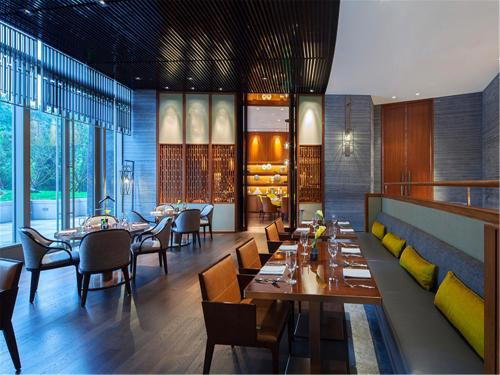
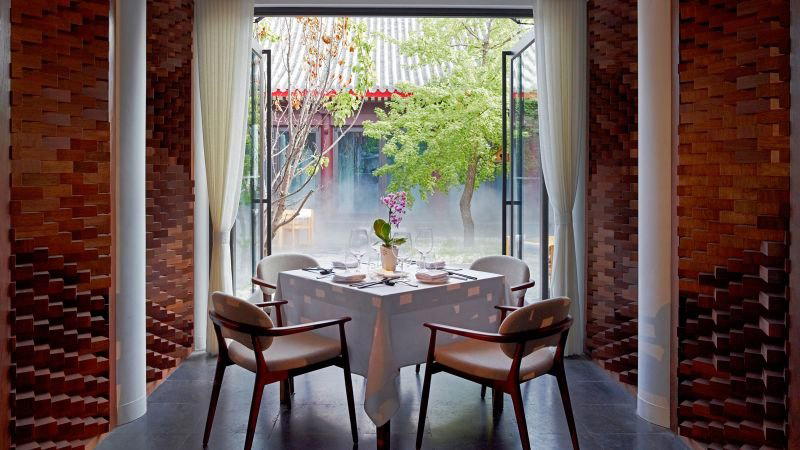
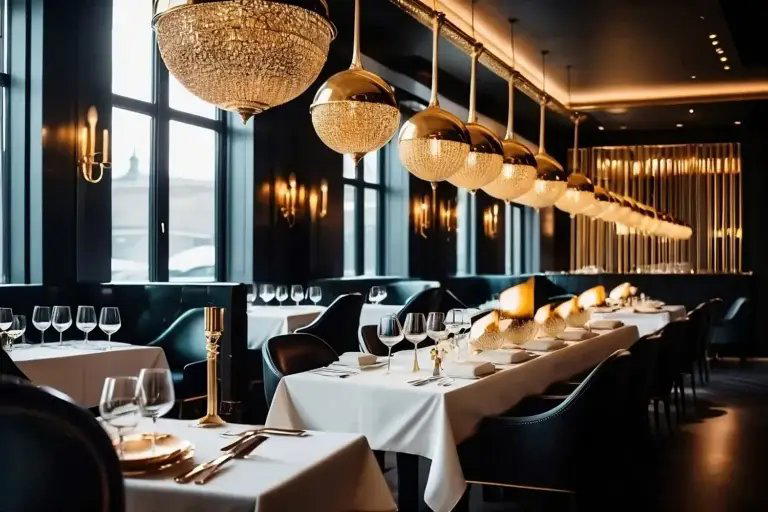
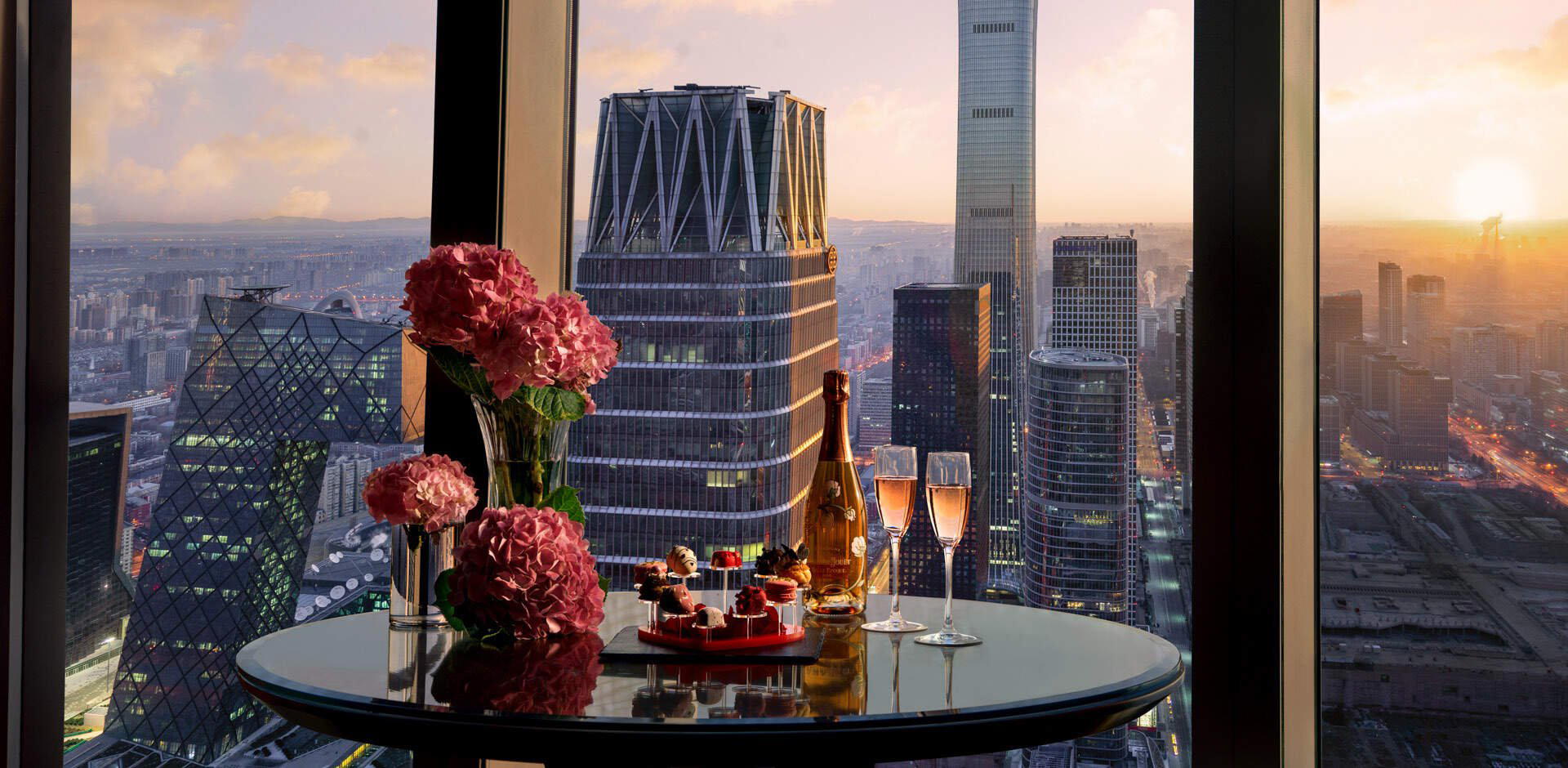
Contemporary decor with inviting and lively atmosphere.