Positioned steps from the Forbidden City's eastern gate on Donghuamen Street, Courtyard occupies one of Beijing's most historically charged addresses. The restaurant sits within the premium tier of the capital's dining scene, drawing comparison to neighbours who trade on imperial proximity and architectural heritage as much as what arrives at the table.
Pearl is the En Primeur Club membership app — saves, bookings, and concierge access live there. Same editors, same standards.
- Address
- 95 Donghuamen St, Dongcheng, Beijing, China, 100006
- Phone
- +86 10 6526 8883
- Directions
- Get directions
 Saves & bookings on Pearl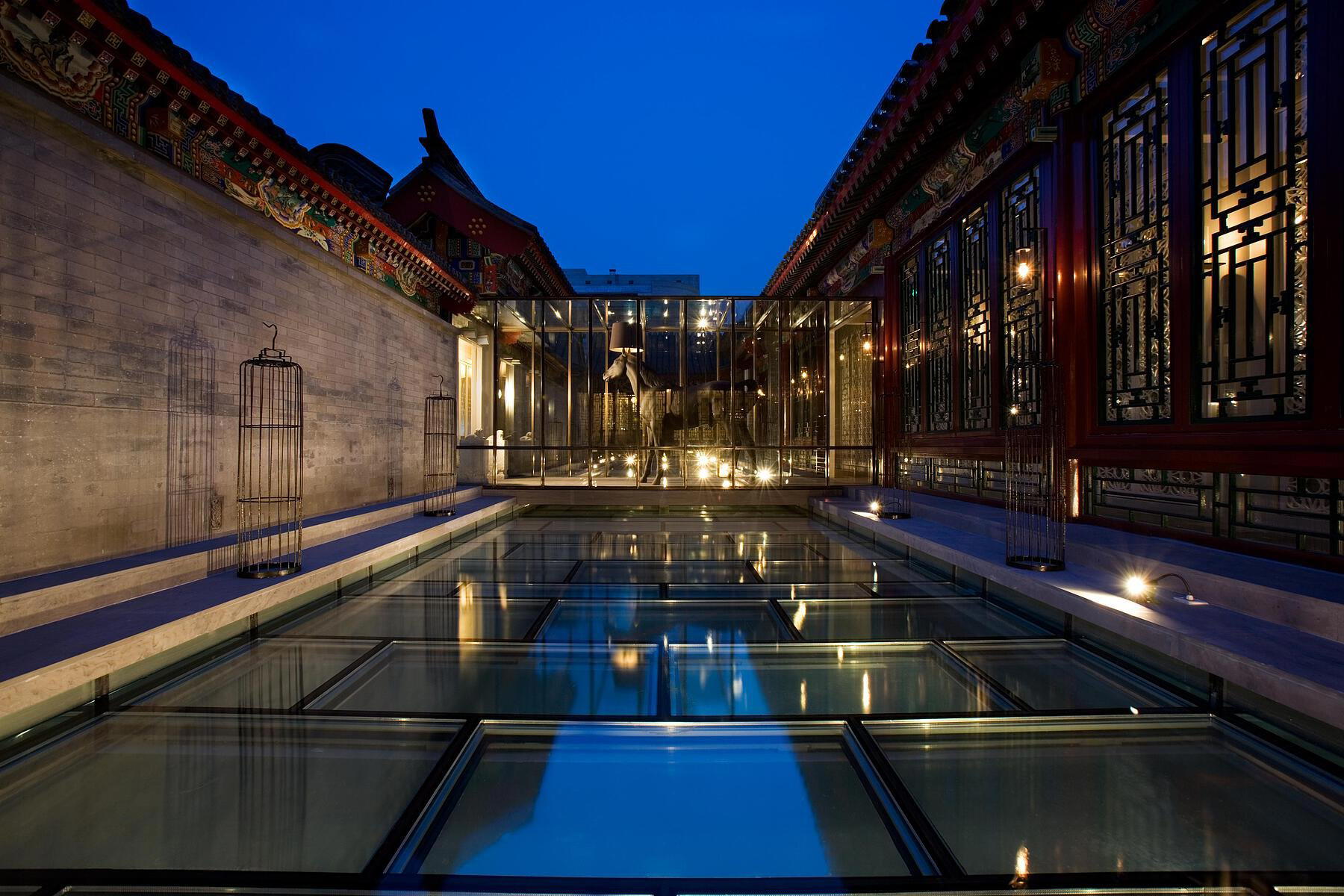
Dining in the Shadow of the Forbidden City
Donghuamen Street runs along the eastern moat of the Forbidden City, and few addresses in Beijing carry the same weight of accumulated history. The neighbourhood's character is set before you reach the door: grey stone walls, the measured geometry of imperial planning, and the low hum of the city held at a respectful distance. Restaurants that occupy this corridor operate in a specific kind of context, one where the setting does editorial work that almost no interior design could replicate. Courtyard, at 95 Donghuamen St, Dongcheng, Beijing, China, 100006, is an Imperial Chinese restaurant.
This location places Courtyard in a competitive set defined less by cuisine category and more by the premium positioning that proximity to the imperial core tends to command. In Beijing's dining hierarchy, restaurants along this stretch are understood to target a guest who is already thinking about place, history, and occasion rather than simply choosing a meal. That context shapes what a menu is expected to do and how it is expected to be read.
What the Address Asks of a Menu
The editorial angle at a restaurant like this is always partially architectural. When a dining room faces the imperial palace, the menu carries an implicit obligation to the setting: either honour it with food rooted in Beijing's culinary traditions, depart from it deliberately with a contrasting international register, or find a third position that uses the tension productively. Across Beijing's premium tier, all three strategies exist in practice.
Venues like Jingji, which holds two Michelin stars and focuses on Beijing cuisine, resolve the question by going deep into the capital's own culinary grammar. At the four-star price point and Michelin three-star level, Xin Rong Ji on Xinyuan South Road and Chao Shang Chao in Chaoyang each bring a regional Chinese identity that gives the menu a legible narrative thread. Courtyard's own position in this spectrum is worth considering for any guest choosing between these options.
Menu architecture at premium Beijing addresses tends to signal intent clearly. A structured progression of courses, attentive to both Chinese culinary reference and international technique, has become the dominant grammar at this tier. The question a well-constructed menu answers before the first dish arrives is: what does this kitchen believe about the relationship between where it is and what it cooks? That answer determines whether the meal is coherent or simply expensive.
The Competitive Field in Beijing's Premium Tier
Beijing's upper dining bracket has consolidated around a set of well-credentialled addresses spread across Dongcheng and Chaoyang. Michelin recognition has increasingly served as the calibration tool: one-star addresses like Jing in the French Contemporary category operate at the ¥¥¥ price point, while two and three-star venues occupy the ¥¥¥¥ tier. Vegetarian-focused destinations, including Lamdre (one Michelin star) and King's Joy, have built a separate and genuinely respected track within that framework, demonstrating that constraint-led menus can compete at the highest levels of the city's dining conversation.
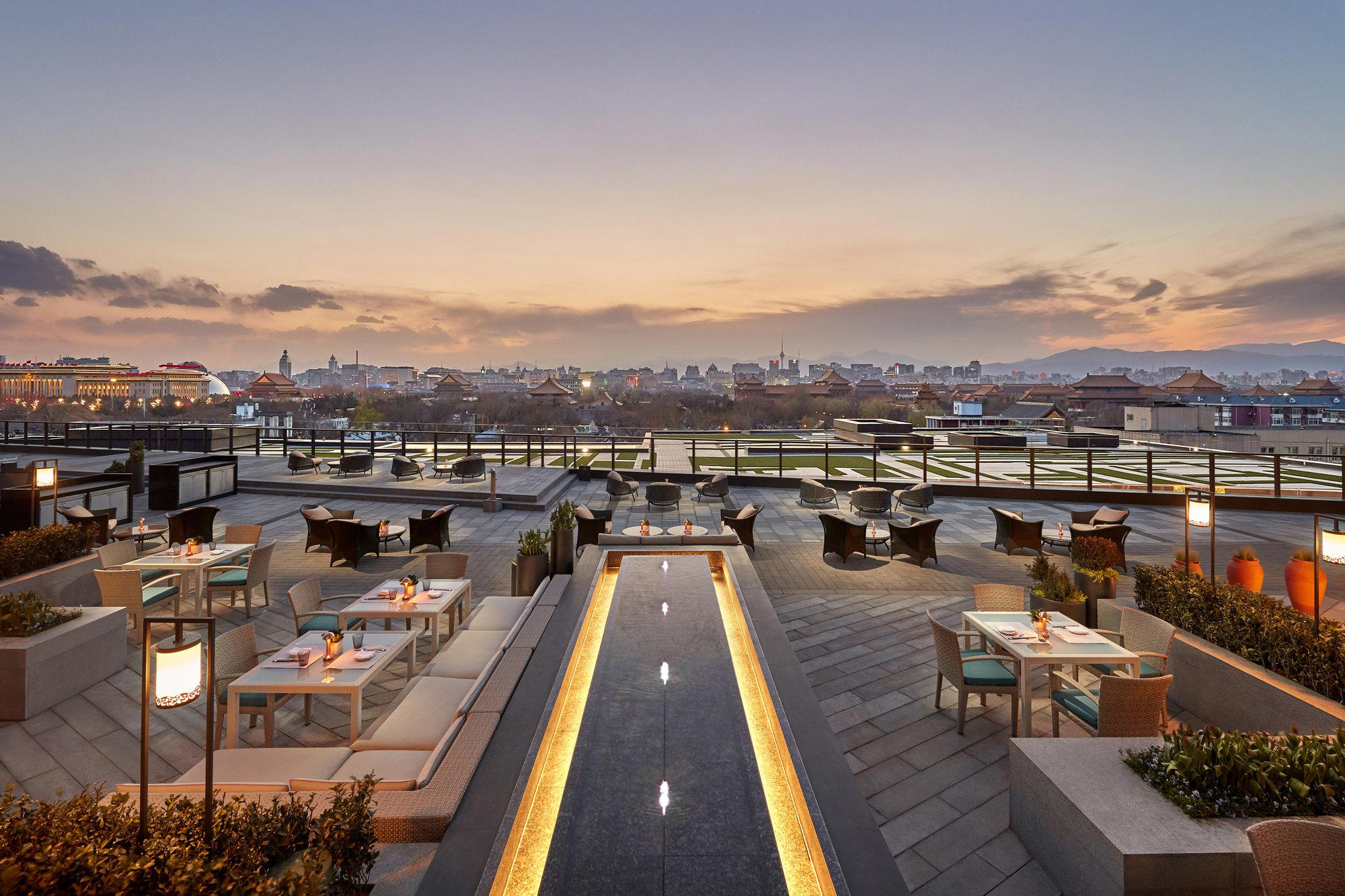
For guests considering Courtyard alongside these options, the primary differentiator is the physical setting. No other address in this competitive set places the dining room in direct visual dialogue with the Forbidden City moat. That specificity has value that extends beyond décor: it shapes the pace of a meal, the rhythm of conversation, and the kind of occasion the restaurant is suited to host.
Regional Comparison: China's Premium Dining Tier
To understand where a Beijing address like Courtyard sits within the wider Chinese premium dining scene, it helps to map it against the tier's leading addresses in other cities. Chef Tam's Seasons in Macau and Imperial Treasure Fine Chinese Cuisine in Guangzhou represent the Cantonese-anchored strand of China's fine dining premium. Ru Yuan in Hangzhou and Xin Rong Ji in Chengdu each work within strong regional culinary identities. 102 House in Shanghai and Dai Yuet Heen in Nanjing demonstrate how premium Chinese dining continues to evolve in second-tier and coastal cities.
Beijing's contribution to this map is shaped by its political and cultural centrality. The capital's leading addresses operate with an awareness of audience that differs from Shanghai's commercial cosmopolitanism or Chengdu's culinary regionalism. A restaurant at the Forbidden City's edge is, in effect, making a statement about what Chinese dining means in the context of national identity, and that awareness tends to be reflected in how menus are composed and how service is pitched.
For reference points outside China, the structural logic of high-investment tasting menus at premium urban addresses translates across markets. Le Bernardin in New York City and Atomix in New York City both illustrate how a clear culinary philosophy, embedded in a specific cultural reference, holds coherence across the full arc of a menu.
Planning Your Visit
Courtyard is located at 95 Donghuamen Street, Dongcheng, Beijing, directly adjacent to the eastern approach to the Forbidden City. The address is accessible on foot from Tiananmen East subway station, and the immediate neighbourhood rewards a walk along the moat before or after a meal. Given the area's tourist density during daylight hours, evening visits tend to offer a quieter approach to the restaurant. For those intending to combine dinner with a visit to Donghuamen Night Market, the street-level food stalls operate in the early evening, making a clear two-part itinerary direct to plan. The restaurant is open daily from 10:30 a.m. to 10 p.m. and reservations are essential.
The Quick Read
Comparable venues nearby, for context on price, style, and recognition.
| Venue | Cuisine | Price | Notes |
|---|---|---|---|
| CourtyardThis venue — the venue you are viewing | Donghuamen, Imperial Chinese | $$$ | Not listed |
| 功德林 | Zhengyilu, Modern Chinese | $$$ | Not listed |
| 1949 The Hidden City | Not listed | $$$ | Chaoyang District, Upscale Peking Duck & Chinese Fine Dining |
| Wulixiang | Tuanjiehu, Traditional Shanghainese | $$$ | Not listed |
| Liqun Roast Duck | Zhengyilu, Traditional Peking Roast Duck | $$$ | Not listed |
| Tongheju | Yuetan, Authentic Shandong Cuisine | $$ | Not listed |
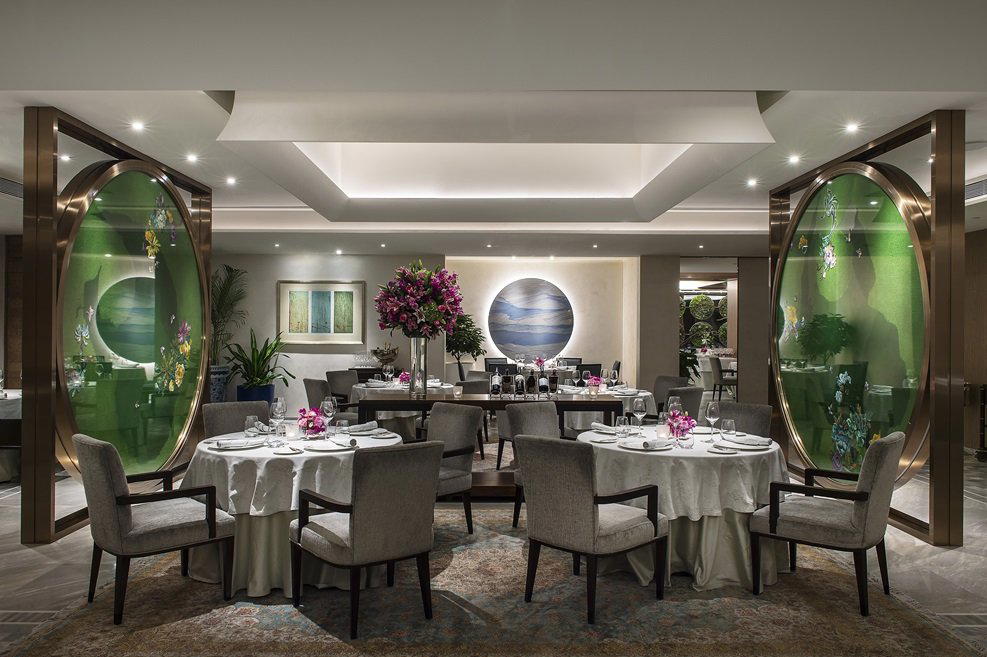
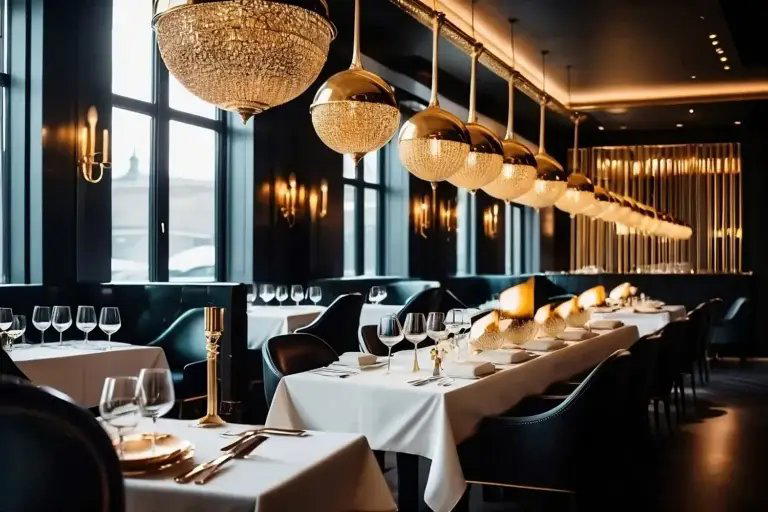
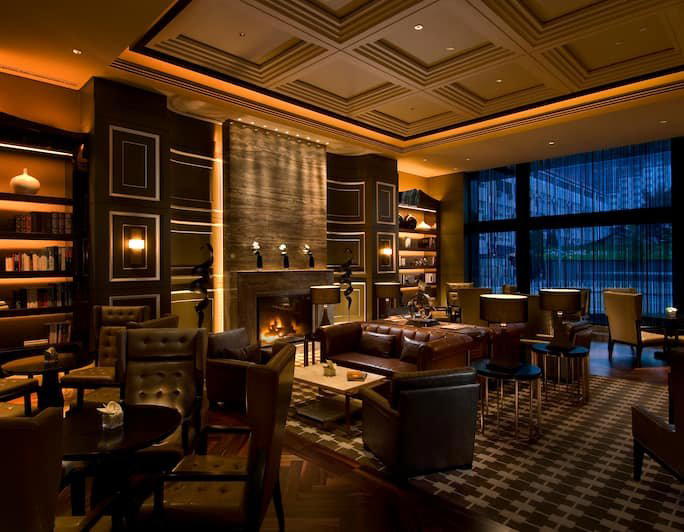
At a Glance
- Quiet
- Cozy
- Elegant
- Intimate
- Special Occasion
- Business Dinner
- Courtyard
- Private Dining
Current opening hours
- Monday
- 10:30 a.m.–10 p.m.
- Tuesday
- 10:30 a.m.–10 p.m.
- Wednesday
- 10:30 a.m.–10 p.m.
- Thursday
- 10:30 a.m.–10 p.m.
- Friday
- 10:30 a.m.–10 p.m.
- Saturday
- 10:30 a.m.–10 p.m.
- Sunday
- 10:30 a.m.–10 p.m.
Hours can change for holidays and private events. Last verified .
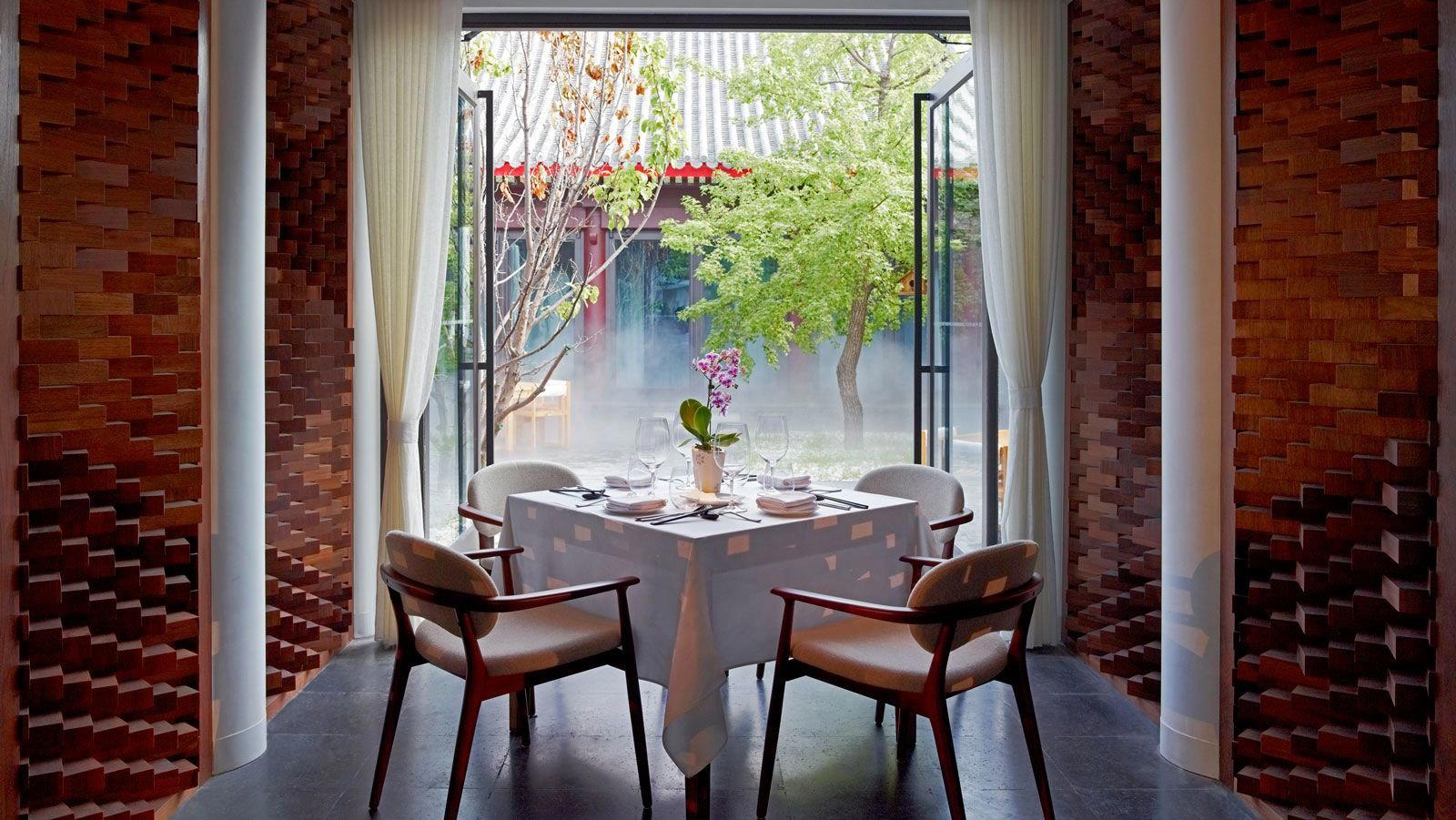
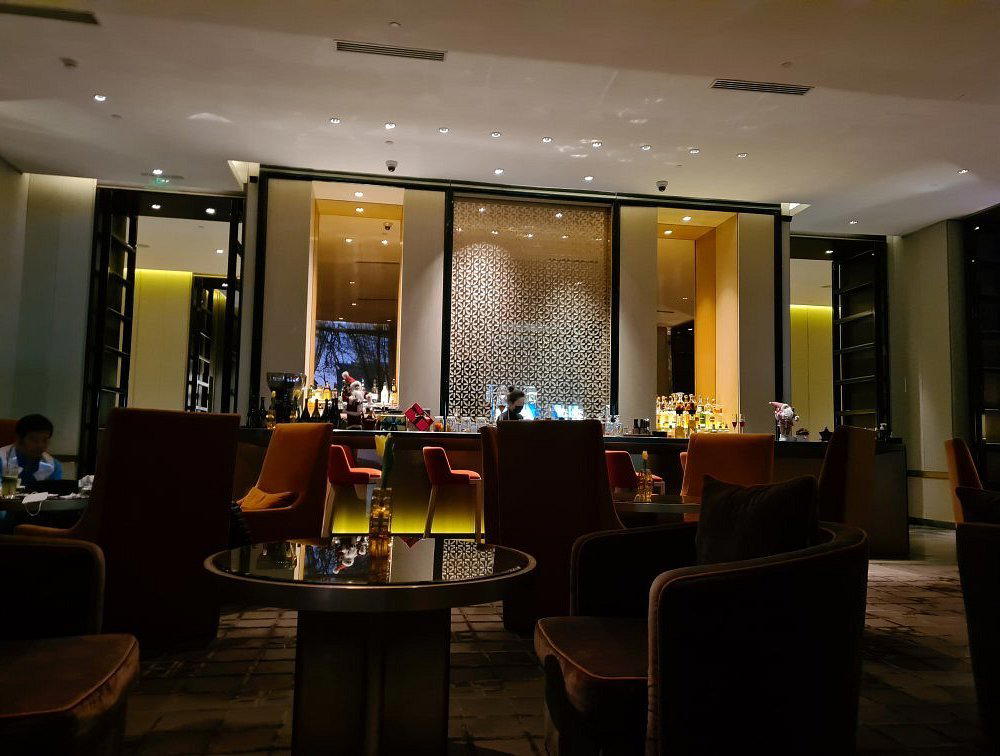
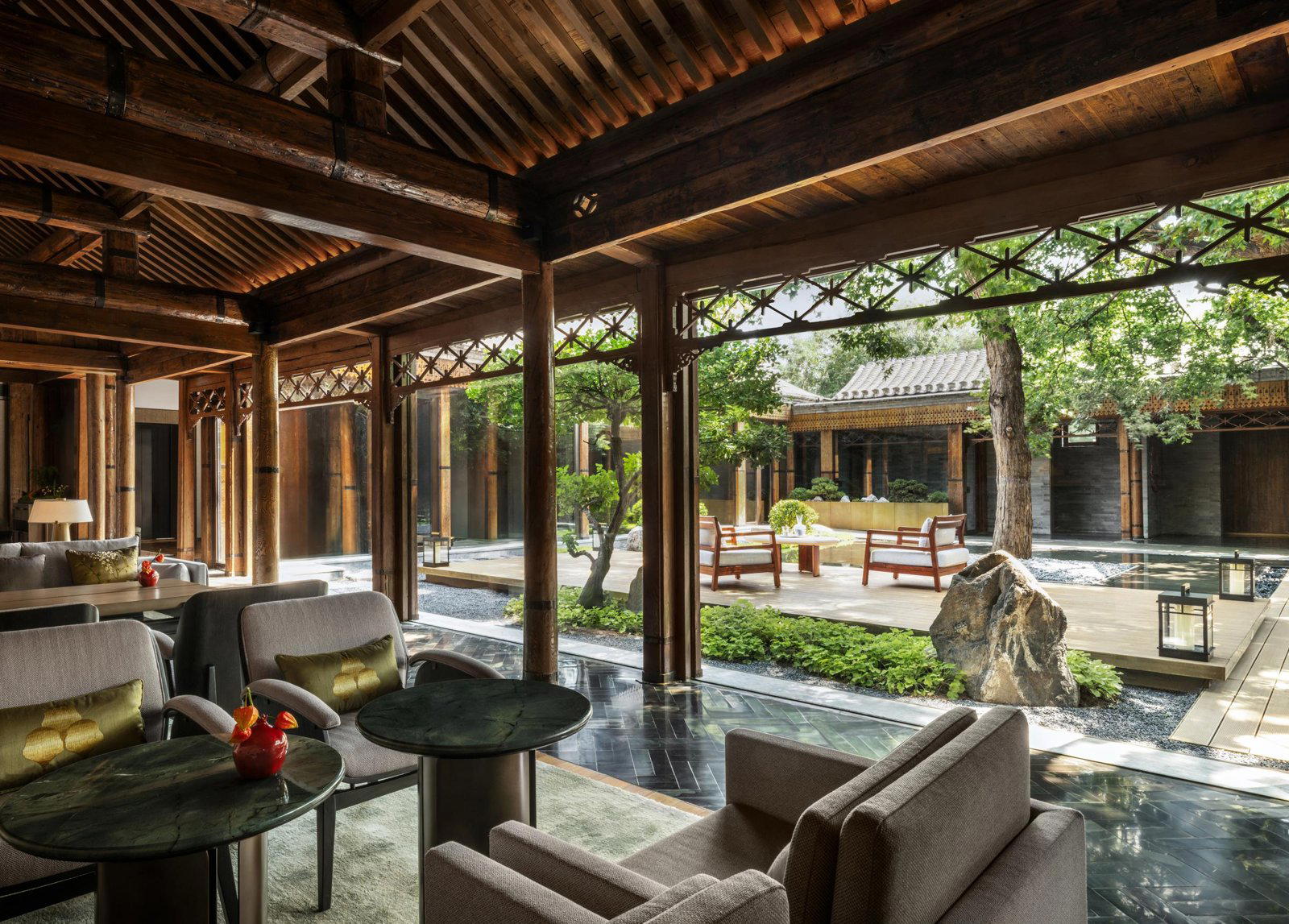
Quiet modest courtyard oasis away from busy Beijing, featuring traditional Chinese art, furniture, and private rooms.