1 Michelin Star
Our verdict
Forum's Beijing outpost brings the Hong Kong flagship's canon of deluxe Cantonese cooking to the Wangfujing address inside the Bulgari Hotel. Chef Lee, with more than thirty years of classical Cantonese training, delivers signatures including braised abalone and sautéed lobster with crab meat and pigeon egg — dishes that have defined Forum's reputation across the border for decades. At the ¥¥¥¥ tier, it sits among Beijing's most serious Chinese fine-dining rooms.

Pearl is the En Primeur Club membership app — saves, bookings, and concierge access live there. Same editors, same standards.
- Address
- China, 1, Dongcheng, Wangfujing Ave, 1号CN 北京市3层璞瑄酒店 邮政编码: 100006
- Phone
- +86 10 5280 6418
- Directions
- Get directions
The menu
What to order
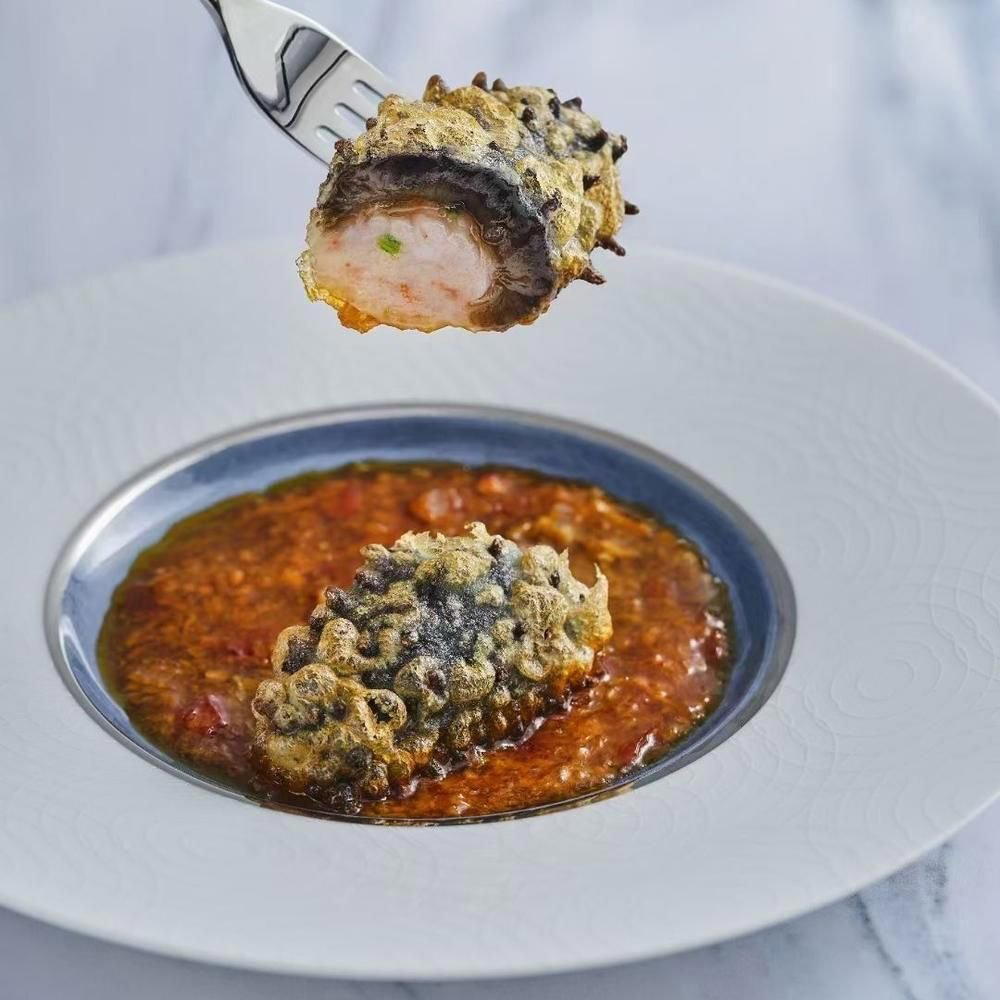
- Braised abalone
- Sauteed lobster with crab meat and pigeon egg
- Fried rice
Cantonese Fine Dining in a Northern Capital
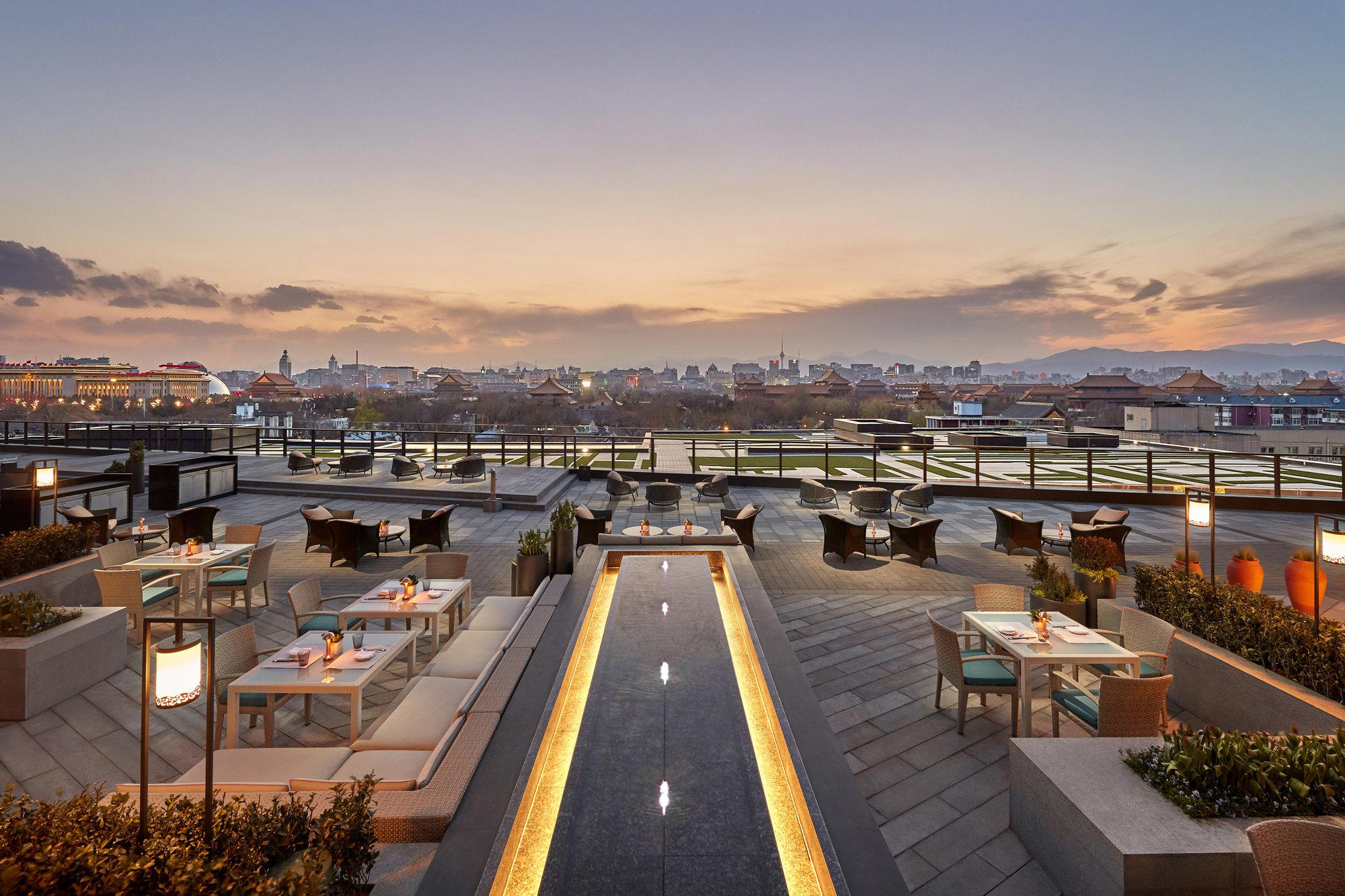
There is something deliberately incongruous about sitting down to a bowl of braised abalone prepared to Hong Kong standards while the Forbidden City sits a few minutes' walk to the west. Beijing has always been a city that measures culinary ambition through the lens of imperial northern cooking — roast duck, hand-pulled noodles, court banquet traditions that have little to do with the Cantonese coast. Forum's arrival here represents a specific argument: that the southern canon of deluxe Yue cuisine, built on live seafood, slow braises, and sauces calibrated to the millimetre, can transplant successfully to a city with a different palate and a different set of expectations.
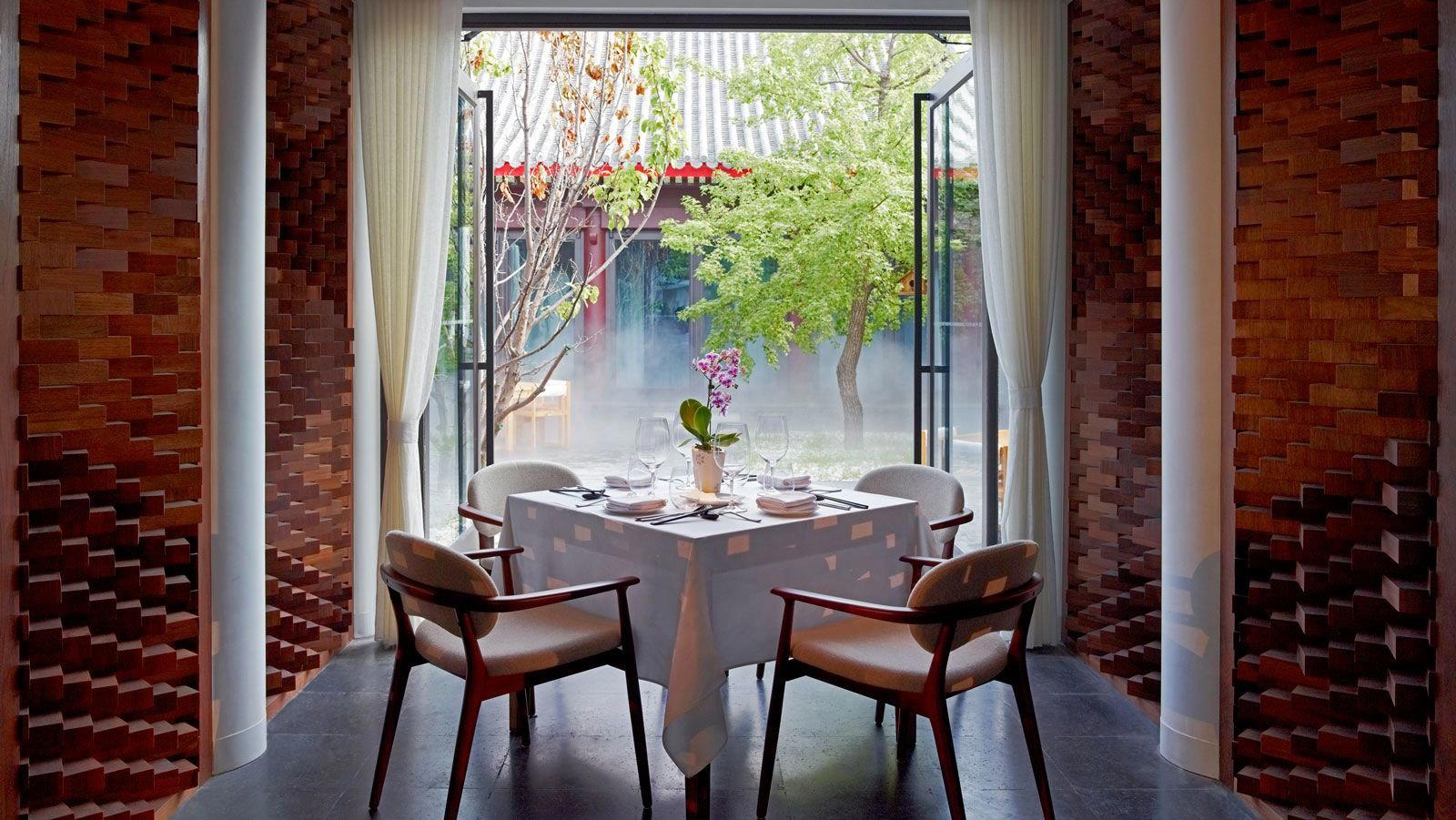
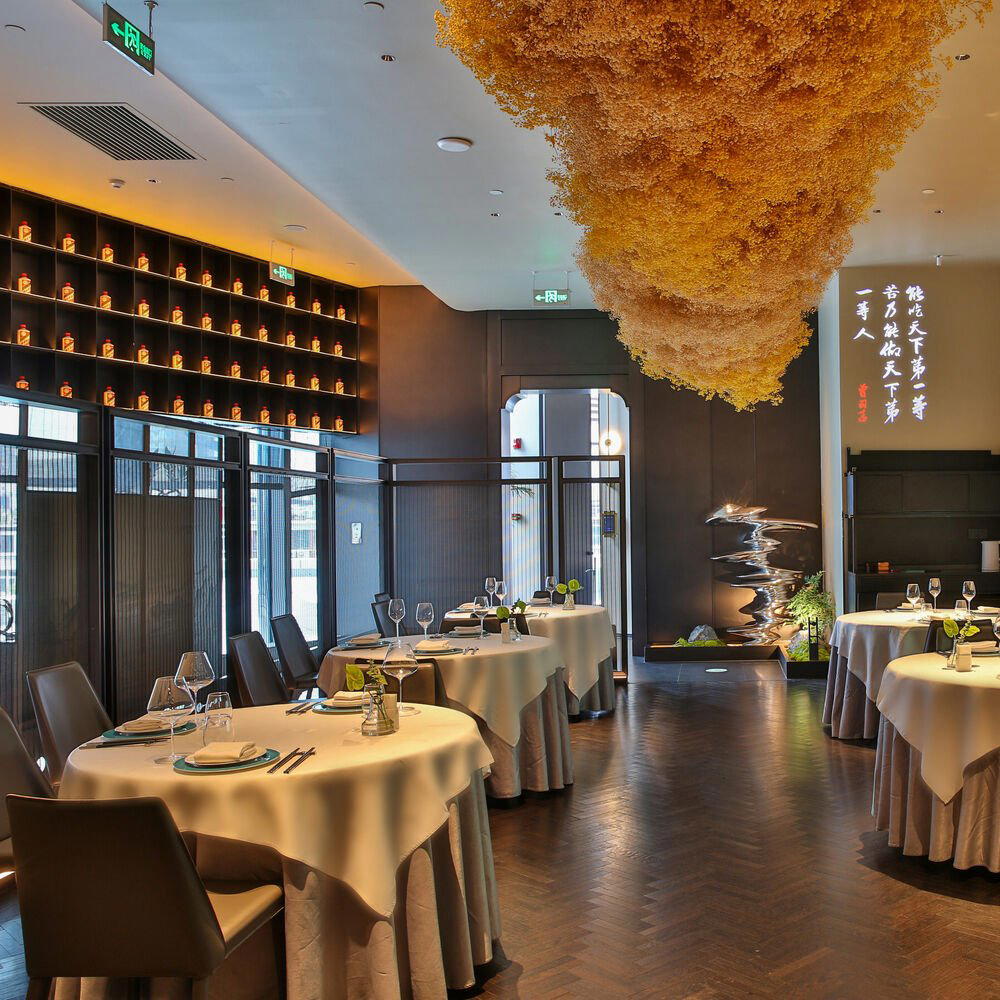
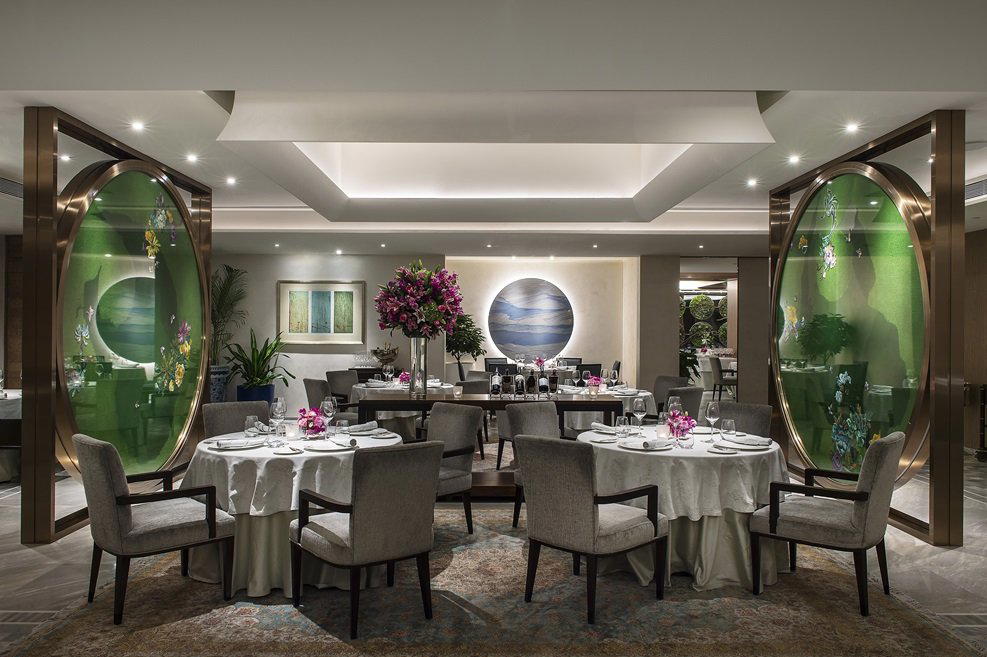
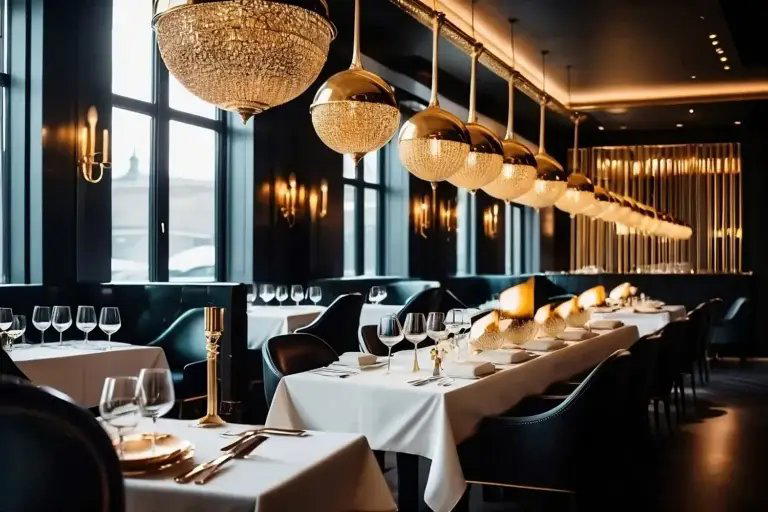
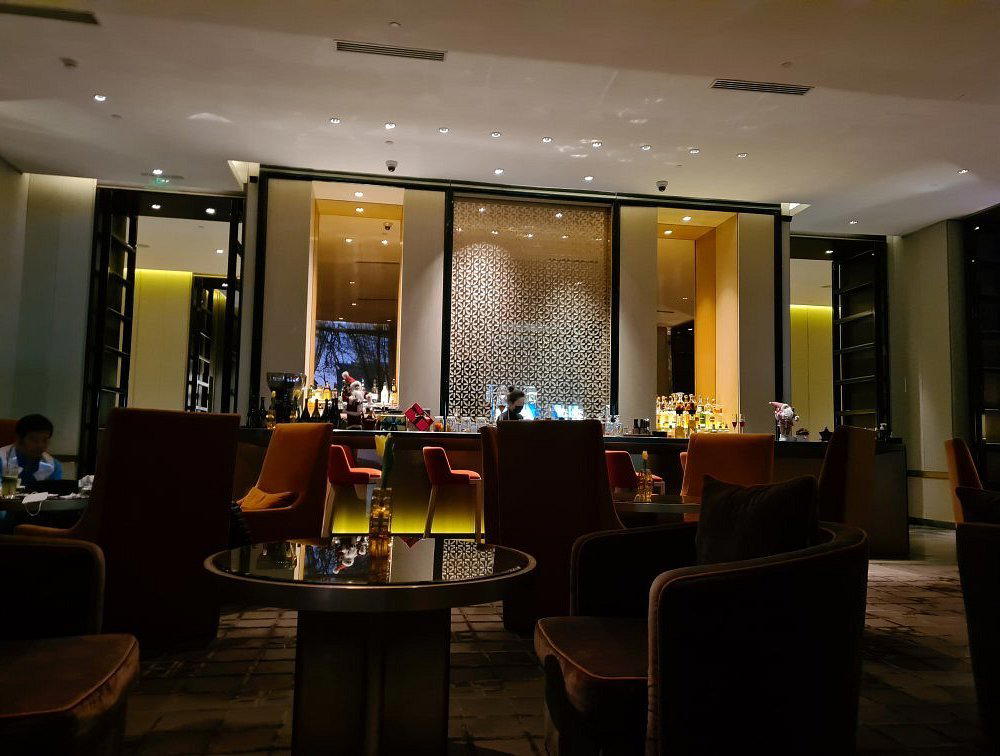
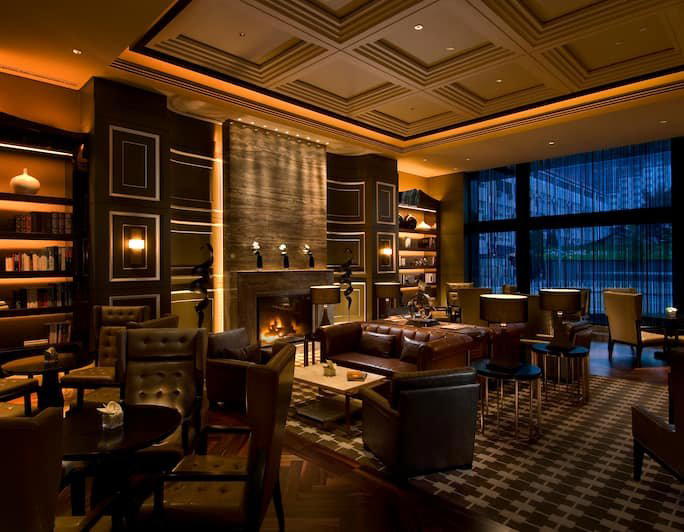
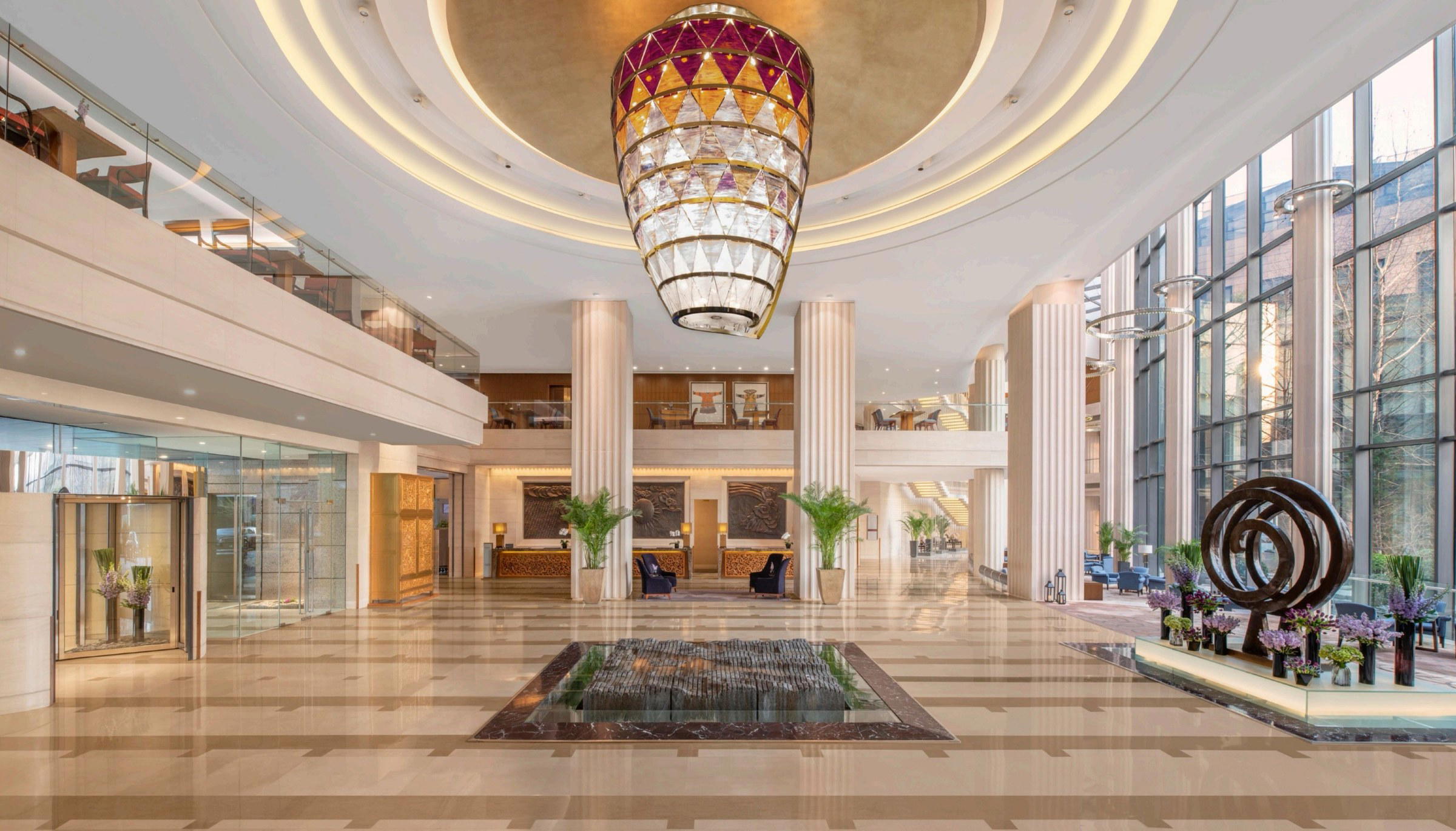
The restaurant occupies the third floor of the Bulgari Hotel on Wangfujing Avenue, Dongcheng — the kind of address that signals a particular tier of dining before a menu is even opened. Wangfujing is Beijing's most central commercial corridor, and the Bulgari property places Forum squarely in the company of the capital's other destination dining rooms rather than its neighbourhood restaurants. The physical setting frames what follows: this is a room designed for business entertaining, milestone celebrations, and the kind of meal where the occasion justifies the invoice.
What Forum Brings from Hong Kong
Cantonese cuisine occupies a specific and contested position within Chinese gastronomy. It prizes ingredient quality above almost everything else, relies on restraint rather than heavy spicing, and treats the wok as a precision instrument rather than a vessel for volume cooking. The great Cantonese houses of Hong Kong, of which Forum is one, built their reputations over decades by sourcing premium live seafood, maintaining relationships with abalone suppliers, and holding a cooking style that does not overwrite the ingredient with flavour.
Forum's Hong Kong flagship has been a reference point for deluxe Cantonese cooking for long enough that it functions as a standard against which other high-end Cantonese rooms are measured across the region. Comparable southern Chinese fine dining in mainland China includes operations like Dai Yuet Heen in Nanjing and Imperial Treasure Fine Chinese Cuisine in Guangzhou, both of which play in the same register of premium Cantonese and Chinese fine dining. The Beijing outpost carries the same menu DNA as its originating kitchen, which matters: it is not a looser interpretation or a localised adaptation, but an attempt to replicate the flagship's signatures in a new city.
Chef Lee, who has developed his craft over more than thirty years in Cantonese kitchens, oversees the Beijing operation. That career length functions as a credential in this context, classical Cantonese technique at the leading end takes years to accumulate, and the signatures on Forum's menu are not dishes that respond well to shortcuts. The braised abalone requires the patience and sourcing discipline that distinguish serious Cantonese rooms from those operating on a similar price point without the same depth of execution.
The Menu's Core Arguments
The dishes that Forum is known for in Hong Kong travel intact to Beijing. Sautéed lobster with crab meat and pigeon egg delivers the briny-sweet register that defines the style: layered shellfish flavour without obscuring the individual components, a dish that demonstrates why Cantonese cooking at this level is considered technically demanding. The braised abalone is the room's signature commitment, abalone preparation is a bellwether for any Cantonese kitchen's seriousness, and Forum's version is repeatedly cited as a reason to visit.
The set menu is worth considering as a way into the kitchen's range. It covers many of the house signatures in sequence, which allows a fuller reading of the menu's logic than ordering à la carte at this price point. For visitors unfamiliar with Forum's repertoire, or those making a single visit rather than returning regularly, the set format provides the most complete picture of what the kitchen does well.
At the ¥¥¥¥ tier, Forum sits alongside Beijing's other serious Chinese fine-dining rooms. Chao Shang Chao in Chaoyang holds three Michelin stars for Chao Zhou cuisine at the same price tier, and Xin Rong Ji on Xinyuan South Road operates at equivalent cost with three Michelin stars for Taizhou cooking. Jingji, at ¥¥¥¥ with two Michelin stars, represents the Beijing Cuisine tradition at a similar outlay. Forum's position in that competitive set is defined not by local awards but by the reputational weight of its Hong Kong origin, a different kind of trust signal than a local Michelin listing, but one that carries its own authority with guests who know the source.
Cantonese in Beijing: The Regional Tension
Transplanting a Cantonese kitchen to Beijing involves more than logistics. Northern Chinese palates have historically skewed toward wheat-based dishes, stronger seasonings, and the kind of cooking that registers as substantial rather than restrained. The demand for premium live seafood and abalone in Beijing is real and has grown considerably over the past two decades as the city's wealth concentration has increased, but the cultural centre of gravity for this style of eating remains Hong Kong and Guangdong.
What Forum's presence in Beijing represents, in that context, is a signal about how the capital's high-end dining has developed. The same dynamic appears in Macau, where Chef Tam's Seasons operates in the premium Cantonese register, and in cities like Hangzhou, where Ru Yuan and Xin Rong Ji in Chengdu represent the expansion of southern-style fine dining across China's major cities. Premium Cantonese cooking has, in effect, become a national luxury category rather than a regional one, and Forum's Beijing address is evidence of that shift.
For vegetarian diners or those seeking an entirely different register of Chinese fine dining in the same city, King's Joy and Lamdre both operate at the ¥¥¥¥ tier with Michelin recognition. Neither competes with Forum's seafood-focused Cantonese canon, but they represent the range of serious Chinese dining available in the capital for those building a longer itinerary.
Planning a Visit
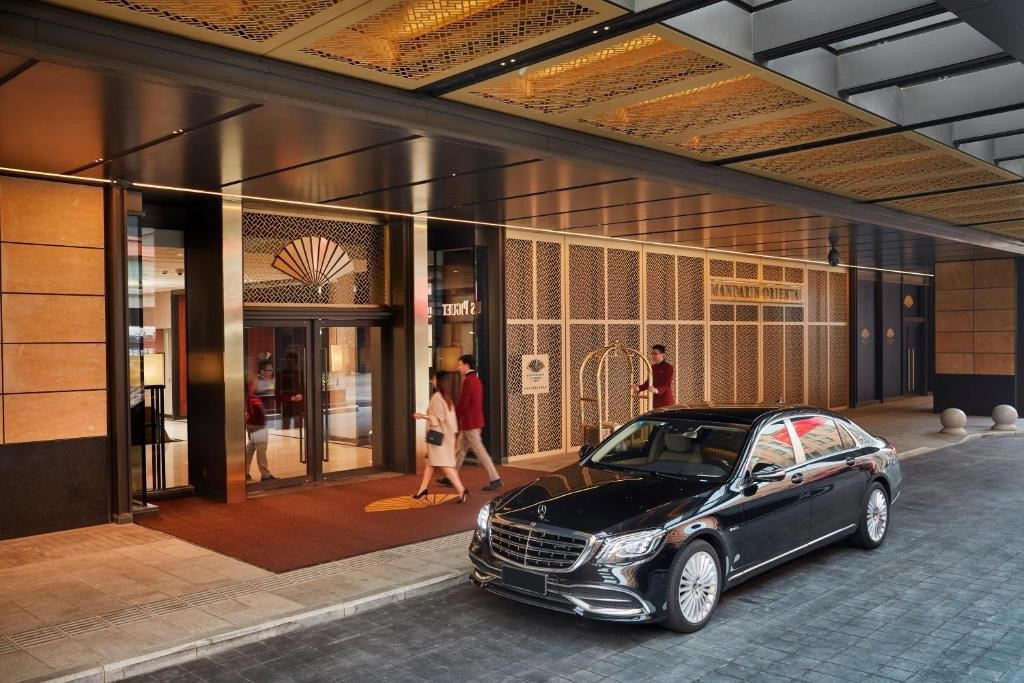
Forum is located on the third floor of the Bulgari Hotel, Wangfujing Avenue, Dongcheng, Beijing. The address is central enough to combine with other Dongcheng commitments, and the hotel setting means the front-of-house standards align with the kitchen's ambitions. Given the nature of the menu, abalone, live shellfish, and multi-course set formats, advance reservation is the practical approach, particularly for weekend evenings and private dining configurations. For broader context on where Forum sits within the capital's dining options, see our full Beijing restaurants guide, and for hotels, bars, and experiences nearby, our Beijing hotels guide, bars guide, and experiences guide cover the broader picture.
Those tracking the expansion of premium Chinese dining across the region may also find value in 102 House in Shanghai as a point of comparison, or, for a different angle on what ambition looks like at the top of the international dining market, Le Bernardin and Atomix in New York City offer useful reference points for how serious kitchens approach the relationship between technique, sourcing, and price.
Frequently asked questions
Where is Forum in Beijing?
Forum is located at China, 1, Dongcheng, Wangfujing Ave, 1号CN 北京市3层璞瑄酒店 邮政编码: 100006, Beijing.
What kind of cuisine does Forum serve?
What distinctions does Forum have?
Forum has received recognition including: Forum is a long-standing culinary landmark in Hong Kong for deluxe Cantonese fare. Its first outpost in Beijing is helmed by chef Lee who has perfected his skills over 30+ year career. The menu offers many of the same dishes as its Hong Kon….
What's the best thing to order at Forum?
The braised abalone is the dish most closely associated with Forum's Hong Kong reputation and worth ordering on any visit. The sautéed lobster with crab meat and pigeon egg is equally central to the menu, delivering a briny-sweet register that defines the kitchen's Cantonese approach. For a structured introduction to the range, the set menu covers many of the signatures that have made Forum a long-standing reference point for deluxe Cantonese fare.
Comparable Spots, Quickly
| Venue | Cuisine | Price | Awards | Notes |
|---|---|---|---|---|
| ForumThis venue — the venue you are viewing | Deluxe Cantonese | Not listed | 1 Michelin Star | Not listed |
| Jing | Modern French with Asian Influences | $300–500 | 1 Michelin Star · Black Pearl 1 Diamond | French Contemporary |
| Xin Rong Ji (Xinyuan South Road) | Taizhou Chinese Fine Dining | $300–500 | 3 Michelin Stars · World's 50 Best #84 | Taizhou |
| Chao Shang Chao (Chaoyang) | Modern Teochew (Chaoshan) Fine Dining | $200–300 | Michelin Plate · La Liste Top Restaurants | Chao Zhou |
| Lamdre | Modern Plant-Based Chinese Vegetarian | Not listed | 2 Michelin Stars · World's 50 Best #17 | Vegetarian |
| Jingji | Imperial Beijing Royal Cuisine | $200–300 | 2 Michelin Stars · La Liste Top Restaurants | Beijing Cuisine |
Recognition history
Dated appearances from independent guides and award organizations, with the underlying list record or original source where available.
Michelin 1 Star
Michelin