
1 Michelin Star · Black Pearl 1 Diamond
Our verdict
Furong brings Hunanese cooking into Beijing's Financial Street dining corridor with a seriousness that earned it both a Michelin star (2024) and a Black Pearl Diamond (2025). Named for the provincial flower of Hunan, the restaurant is part of the Xin Rong Ji Group and anchors its menu on the region's defining flavours: fermented, pickled, and chilli-driven. The steamed fish head with chopped chilli and charcoal-cooked pork tripe soup are the clearest arguments for a booking.

Pearl is the En Primeur Club membership app — saves, bookings, and concierge access live there. Same editors, same standards.
The menu
What to order
- Sesame curry balls
- Shrimp spring rolls
- Beef rice rolls
Where Hunan's Fire Meets Beijing's Financial District
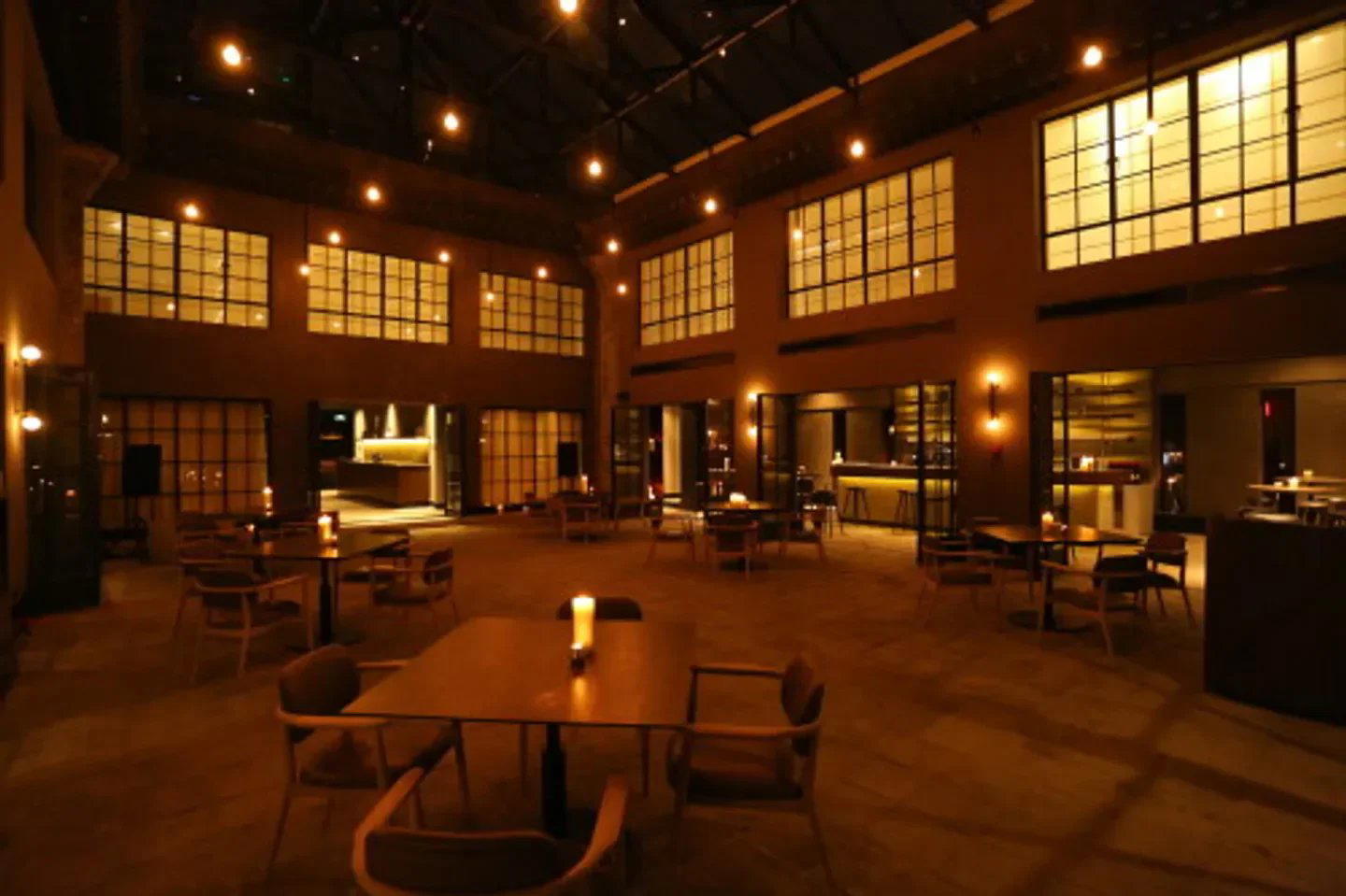
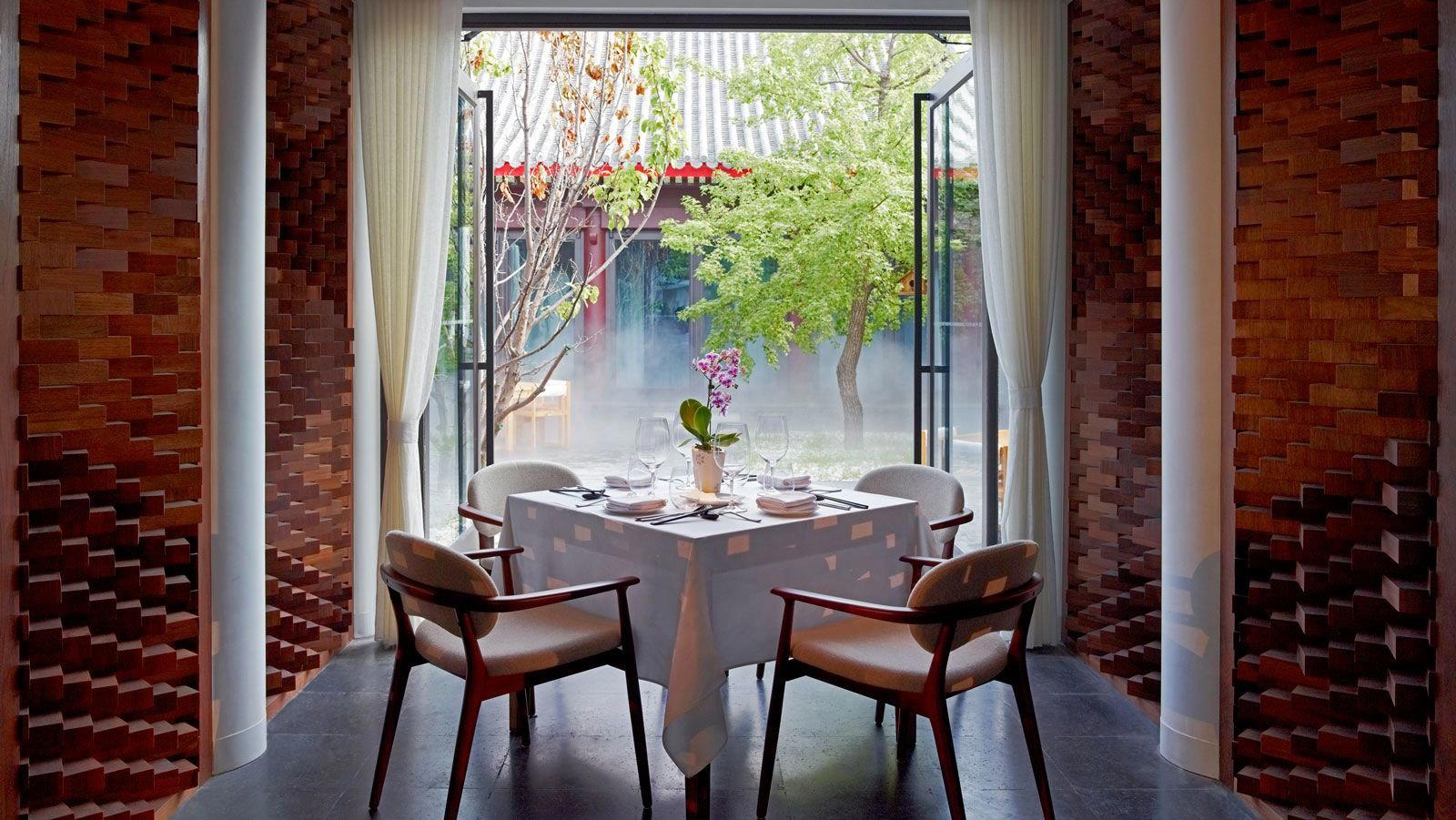
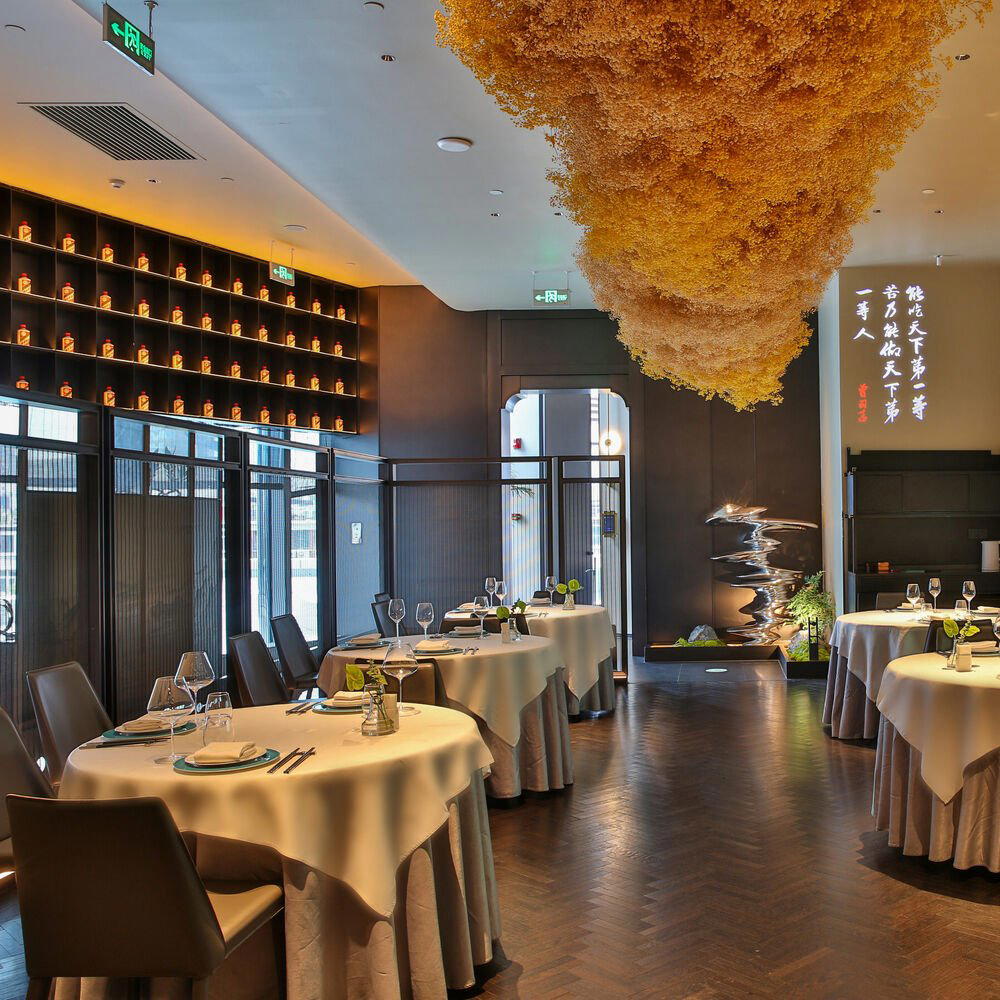
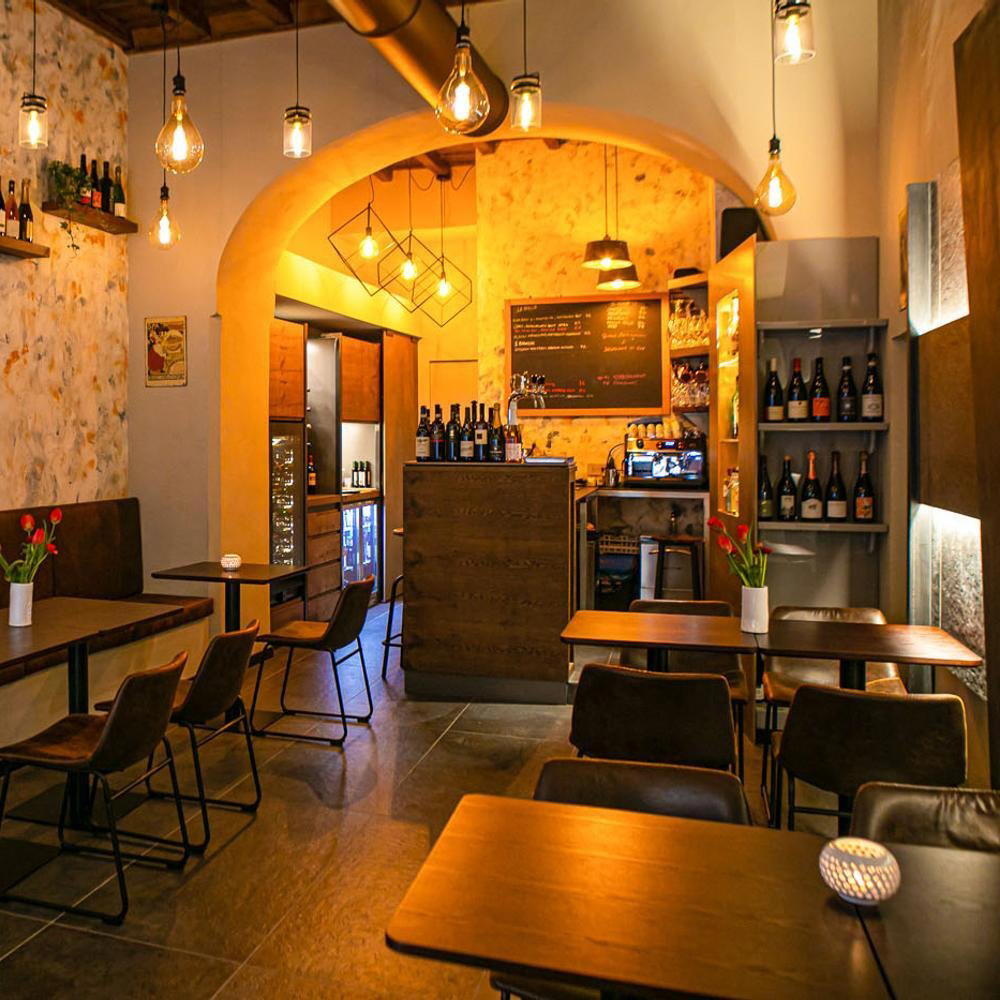
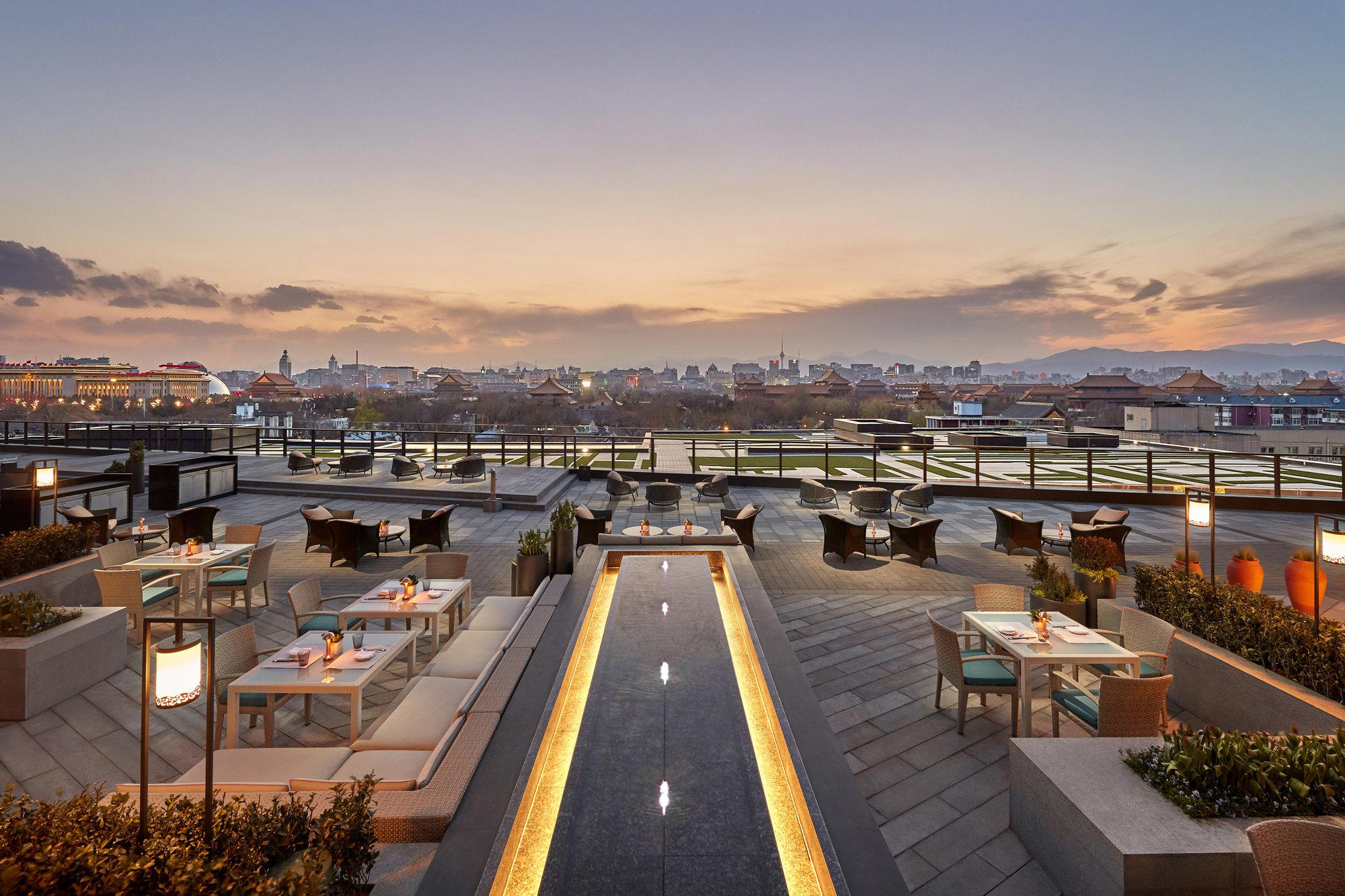
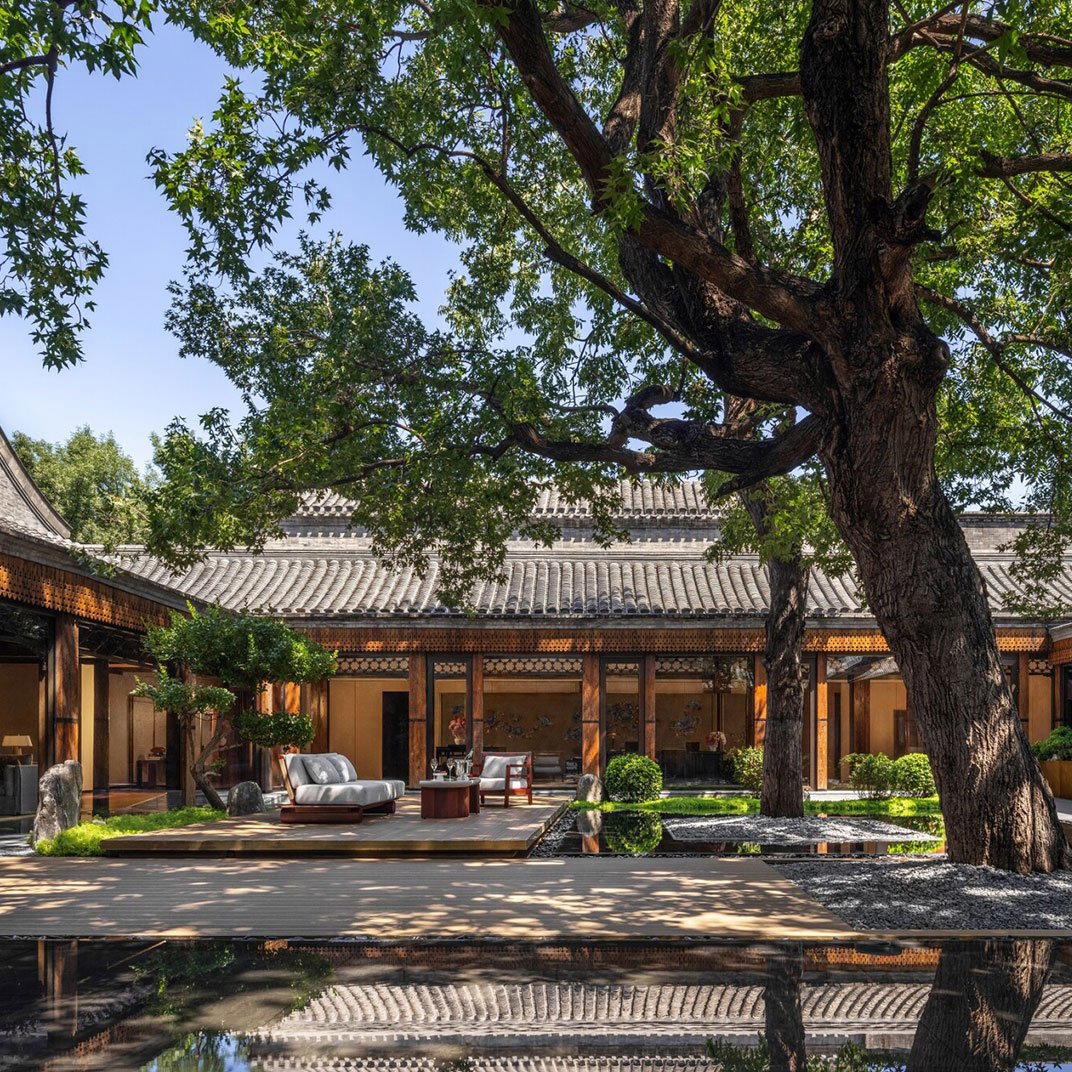
Beijing's Financial Street corridor is not where you expect to find serious regional Chinese cooking. The stretch running through Xicheng is built for corporate lunches and hotel dining rooms that hedge toward broad appeal. Furong, positioned on the ground floor of the Westin on Jiajinyuanjie, runs against that tendency. The dining room arrives with the kind of composure that the surrounding business district expects, but the cooking does not negotiate with the capital's appetite for milder flavours. This is Hunanese food at the register it belongs in: fermented, briny, and loud with chilli heat.
The Hunan Tradition on a Beijing Table
Hunanese cuisine sits in a different heat register from its Sichuan neighbour, and that distinction matters when reading the menu. Where Sichuan's spice is numbing and oily, Hunan's is direct and dry, built on fresh and pickled chillies rather than the mala peppercorn. The province's cooking also leans heavily on preservation techniques — salting, smoking, and fermenting — which give its dishes an edge of sourness and depth that lingers well past the first wave of heat.
That culinary character is exactly what Furong imports to Beijing. The restaurant takes its name from the lotus, the provincial flower of Hunan, which itself signals an intent to represent the region rather than adapt it. As part of the Xin Rong Ji Group, the same hospitality company behind the three-Michelin-star Xin Rong Ji (Xinyuan South Road) in Beijing and Xin Rong Ji in Chengdu, the restaurant carries group infrastructure and sourcing discipline behind it. The group's track record with regional Chinese cooking gives Furong a credibility that individual restaurant openings often lack.
A Michelin star in 2024 and a Black Pearl Diamond in 2025 place Furong inside a specific tier of Beijing dining. Both recognition systems treat it as a serious destination rather than a capable neighbourhood option, which matters for how to frame the booking. Among Beijing's Michelin-starred regional Chinese restaurants, Furong sits at the ¥¥¥ price point, one tier below the ¥¥¥¥ bracket occupied by Chao Shang Chao (Chaoyang) for Cantonese Chao Zhou cooking and by Xin Rong Ji for Taizhou cuisine. That pricing structure means Furong functions as an accessible entry point into the Xin Rong Ji Group's standards without requiring the top-of-market spend.
For comparison, Hunanese restaurants at a similar critical level elsewhere in China, Café Hunan in Hong Kong's Western District and Cheers on Kaichuang Avenue in Guangzhou, demonstrate that the cuisine has found serious expression across mainland cities and Hong Kong, not just in Changsha. Furong's recognition in Beijing follows that pattern and suggests the capital now has a credible option in this regional category.
The Menu's Core Arguments
The steamed fish head with chopped chilli is the dish that most directly communicates what Hunanese cooking is for. The preparation is confrontational by design: a split fish head buried under a mound of chopped red and fermented chillies, steamed until the flesh yields without resistance. The heat is immediate but the fermentation underneath softens the aggression into something more complex. For diners used to Beijing's milder Cantonese-leaning hotel kitchens, this is an adjustment. For those who know the dish from Changsha or from Hunanese restaurants in Shanghai, such as 102 House, it reads as a reliable benchmark.
Pork tripe soup with pickled radish, cooked in a casserole over charcoal, demonstrates the other side of Hunanese technique. The charcoal method keeps the heat consistent and imparts a faint smokiness to the broth, while the pickled radish introduces the tangy, briny depth that defines the province's preserved-ingredient tradition. This is slow cooking in the most direct sense: the casserole format is not a presentation choice, it is a functional one that maintains temperature through service and continues to develop flavour at the table.
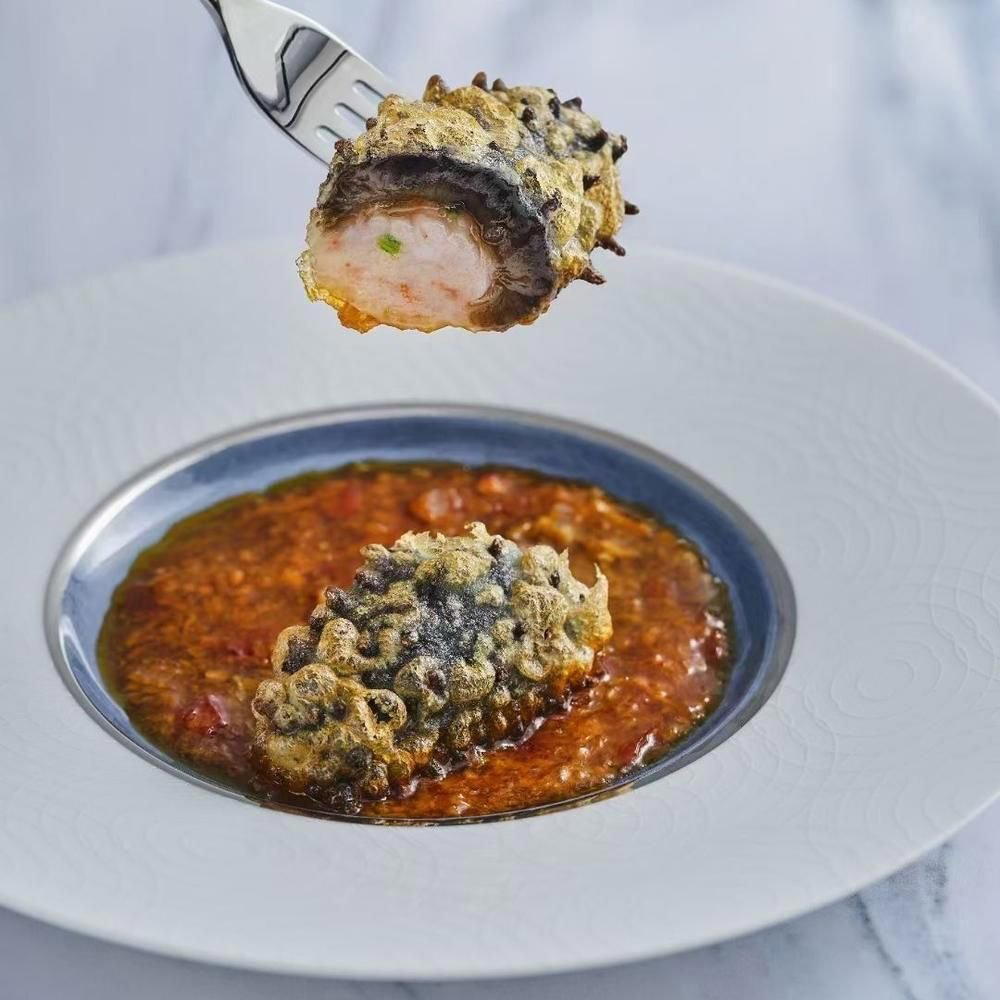
Softshell turtle appears in two forms: steamed with yellow chilli, which keeps the preparation lighter and the chilli flavour clean, or red-braised, which adds soy and sugar to build a heavier, lacquered finish. The smaller horse-hoof variety is the practical choice for a table of two, yielding enough meat to engage with without requiring the larger portioning that suits group dining. The dual preparation options reflect a menu that scales deliberately across party sizes rather than defaulting to sharing-heavy formats.
Noodles and the Regional Pantry
Hunan's noodle tradition runs deeper than most outside the province recognise. Changsha's rice noodle culture, with its sharp pickled-vegetable toppings and chilli-oil dressings, is among China's most distinctive regional noodle forms, different in character from the wheat-based hand-pulled traditions of northern provinces and from the soup-forward rice noodle cultures of Yunnan and Guangxi. The Hunanese approach to noodles is typically dry-mixed or served in intensely flavoured broths, with fermented black beans, preserved vegetables, and dried chilli doing the structural work of the dish. At restaurants like Furong, where the kitchen draws from the Hunanese pantry with discipline, noodle preparations carry the same fermented and pickled intensity as the signature meat and fish dishes. That continuity across the menu is what separates a restaurant working from genuine regional knowledge from one borrowing surface-level techniques.
How Furong Sits in Beijing's Broader Regional Chinese Scene
Beijing's recognised regional Chinese dining now extends well beyond the capital's own cuisine. Everlasting Happiness, In Love on Gongti East Road, and Xiang Shang Xiang on Jinhe East Road represent different nodes in a city that has developed genuine appetite for authoritative out-of-province cooking. Furong occupies the Hunanese position in that map with more critical weight than most competitors in the category, partly because the Xin Rong Ji Group's operational model supports the sourcing consistency that regional cooking demands and partly because the dual-award recognition in 2024 and 2025 validates the kitchen's ongoing performance rather than a single strong year.
Elsewhere in the group's network, Ru Yuan in Hangzhou and Imperial Treasure Fine Chinese Cuisine in Guangzhou and Chef Tam's Seasons in Macau and Dai Yuet Heen in Nanjing show how China's premium regional dining tier has extended across multiple cities with consistent standards. Furong is Beijing's version of that proposition for Hunanese cooking specifically.
Planning a Visit
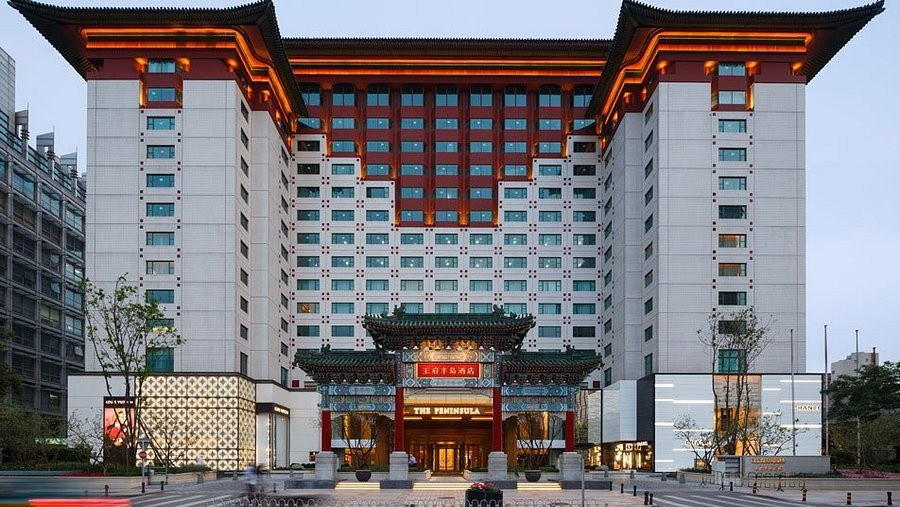
Furong is located at Jiajinyuanjie 9, Xicheng District, within the Westin on Financial Street. The ¥¥¥ price point makes it one of the more accessible options in the awarded dining tier along this stretch of Xicheng, though bookings for weekend evenings and holiday periods benefit from advance planning given the recognition the restaurant has accumulated. For parties of two, the horse-hoof softshell turtle is the right format; larger groups should consider the full-size preparation. The fish head with chopped chilli and the charcoal pork tripe soup together constitute the clearest argument the kitchen makes, and ordering both gives a useful read on the kitchen's range across Hunan's chilli and fermented-ingredient traditions. For broader orientation on eating and staying in the capital, see our full Beijing restaurants guide, our full Beijing hotels guide, our full Beijing bars guide, our full Beijing wineries guide, and our full Beijing experiences guide.
What Do Regulars Order at Furong?
The two dishes that anchor returning visits are the steamed fish head with chopped chilli and the pork tripe soup with pickled radish cooked over charcoal. Both are cited in the restaurant's Black Pearl and Michelin documentation as representative of the kitchen's approach: the fish head for its direct confrontation with Hunan's chilli heat, the tripe soup for the slow-cooked, fermented-vegetable depth that the charcoal casserole format produces. The softshell turtle, available in yellow chilli or red-braised preparations, is a more specialist order that rewards diners who have moved past the introductory dishes and want to test the kitchen's range further.
Frequently asked questions
What's the address for Furong?
Furong is located at China, CN 北京市 西城区 金融大街 9 丙9号1层威斯汀酒店 邮政编码: 100032, Beijing.
What kind of cuisine does Furong serve?
Is Furong award-winning?
Furong has received recognition including: Black Pearl 1 Diamond (2025); Named after the provincial flower of Hunan, this brand is part of the Xin Rong Ji Group. It serves Hunanese classics such as steamed fish head with chopped chilli that packs a punch. Pork tripe soup with pickle….
What do regulars order at Furong?
Two dishes anchor returning visits: the steamed fish head with chopped chilli, which defines the kitchen's approach to Hunanese heat, and the pork tripe soup with pickled radish cooked in a casserole over charcoal. Softshell turtle, available steamed with yellow chilli or red-braised, is a speciality worth ordering if the table runs to three or more. The smaller horse-hoof variety of turtle is noted as the right call for a party of two.
How much does it cost to eat at Furong?
Pricing at Furong is listed as ¥¥¥.
Peers You’d Cross-Shop
A small set of peers for context, based on recorded venue fields.
| Venue | Cuisine | Price | Awards | Notes |
|---|---|---|---|---|
| FurongThis venue (the venue you are viewing) | Modern Cantonese Dim Sum | $20–30 | 1 Michelin Star · Black Pearl 1 Diamond | Not listed |
| Jing | Modern French with Asian Influences | $300–500 | 1 Michelin Star · Black Pearl 1 Diamond | French Contemporary |
| Xin Rong Ji (Xinyuan South Road) | Taizhou Chinese Fine Dining | $300–500 | 3 Michelin Stars · World's 50 Best #84 | Taizhou |
| Chao Shang Chao (Chaoyang) | Modern Teochew (Chaoshan) Fine Dining | $200–300 | Michelin Plate · La Liste Top Restaurants | Chao Zhou |
| Lamdre | Modern Plant-Based Chinese Vegetarian | Not listed | 2 Michelin Stars · World's 50 Best #17 | Vegetarian |
| Jingji | Imperial Beijing Royal Cuisine | $200–300 | 2 Michelin Stars · La Liste Top Restaurants | Beijing Cuisine |
Recognition history
Dated appearances from independent guides and award organizations, with the underlying list record or original source where available.
Michelin 1 Star
Michelin
Black Pearl 1 Diamond
Black Pearl
Full recognition history (3 entries)
Michelin 1 Star
Michelin