



1 Michelin Key · La Liste Top Hotels · Virtuoso Luxury Hotel Partner
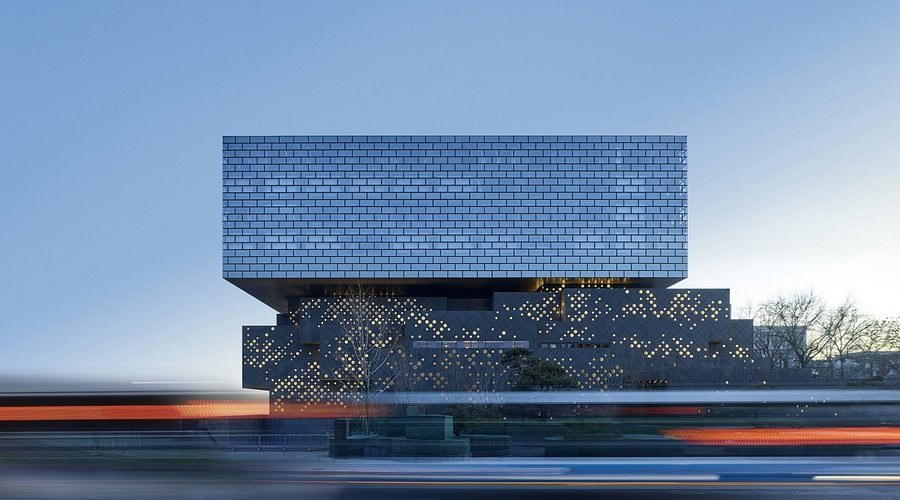
Occupying the upper floors of WF Central on Wangfujing Street, Mandarin Oriental Wangfujing positions 73 oversized rooms and suites — many facing the Forbidden City — at the intersection of imperial Beijing and the city's contemporary retail corridor. La Liste's 2026 ranking awarded it 96.5 points, placing it among a narrow tier of boutique luxury properties in the Chinese capital.

Pearl is the En Primeur Club membership app — saves, bookings, and concierge access live there. Same editors, same standards.
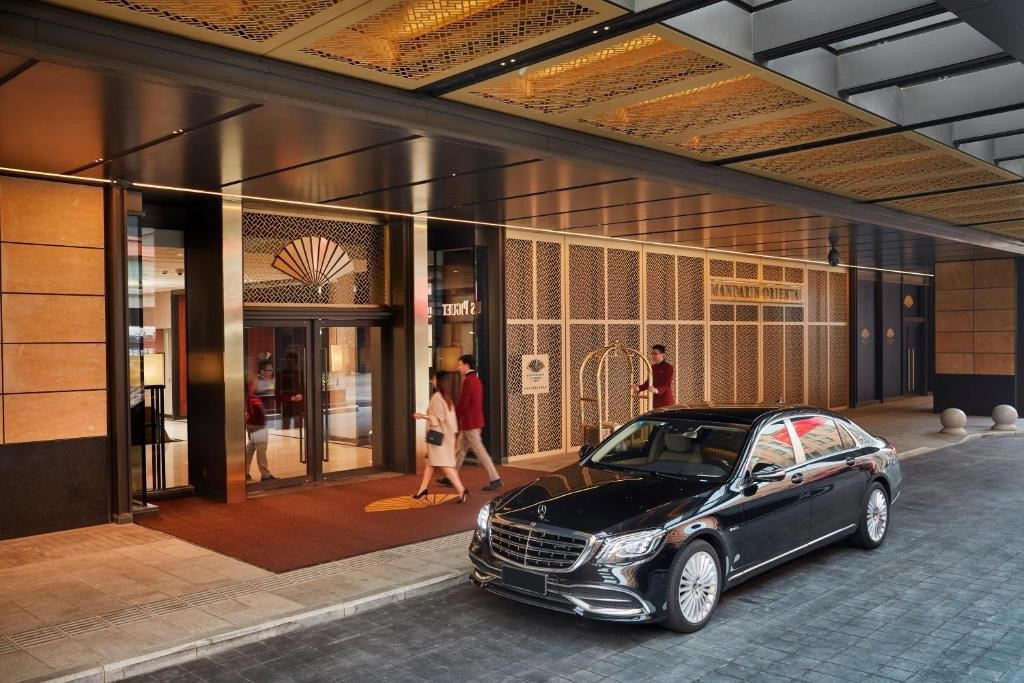
Where Imperial Beijing Meets Boutique Ambition
Wangfujing Street has long functioned as Beijing's commercial spine, running north from Chang'an Avenue toward the edge of the old imperial quarter. The luxury hotel segment along this corridor has evolved considerably over the past decade: international brands initially gravitated toward the CBD and Chaoyang districts, but the area around the Forbidden City now holds some of the capital's most precisely positioned properties. Mandarin Oriental Wangfujing sits at the upper end of that repositioning, occupying the leading floors of WF Central — a retail destination anchored by Fendi, Gucci, Jimmy Choo, and Longchamp — while keeping the Forbidden City close enough to see from several of its room terraces.
That physical relationship with the UNESCO World Heritage Site is not incidental. Among Beijing's premium hotel set, few properties can offer a north-facing room terrace with an unobstructed view of the palace complex. The Aman Summer Palace commands the northwestern imperial axis near the Summer Palace, while the Bvlgari Hotel Beijing and China World Summit Wing, Beijing align more closely with the business and financial district to the east. Mandarin Oriental Wangfujing occupies a different niche: boutique in scale at 73 rooms, but positioned to serve both leisure travelers seeking proximity to imperial heritage and corporate guests who need quick access to the CBD.
La Liste Recognition and What It Signals
La Liste's 2026 Leading Hotels ranking awarded Mandarin Oriental Wangfujing 96.5 points, a score that places it within the upper tier of properties indexed by the French ranking body, which aggregates critical reviews, guest feedback, and editorial assessments across international sources. For context, La Liste operates on a methodology that weights consistency of experience across multiple dimensions rather than any single attribute, making a score in the mid-90s meaningful as an indicator of sustained delivery rather than a peak moment. Within Beijing's competitive luxury set, which includes properties from the Fairmont Beijing Hotel, Conrad Beijing, and Eclat Beijing, a 96.5 from La Liste positions the property in a credible peer bracket without requiring further qualification.
The Mandarin Oriental Hotel Group's service model is itself a trust signal in this market. The brand's reputation for staff-to-guest attentiveness is well-documented across its international portfolio, and the Wangfujing property reportedly carries that standard into its concierge operation specifically. For travelers arriving without a fixed itinerary in a city as logistically complex as Beijing, a concierge team with deep local knowledge is a practical differentiator, not a soft amenity. The Mandarin Oriental Qianmen, the group's second Beijing address, takes a more hutong-adjacent position south of Tiananmen; the Wangfujing property reads differently, angled toward the intersection of heritage sightseeing and contemporary commerce.
The Rooms: Scale as a Competitive Advantage
Beijing's luxury hotel market has not historically prioritized room size. International-flag properties in the CBD tend to follow global prototypes that optimize for views and technology over floor area. Mandarin Oriental Wangfujing takes a different approach: rooms begin at 592 square feet, which is notably generous within the city's boutique luxury tier. The 73 jade-hued accommodations include floor-to-ceiling windows throughout, with select units offering direct views toward the Forbidden City.
In-room technology runs to tablets for room-service ordering, Bluetooth Bose speakers, and Dyson hair dryers. Bathrooms are marble-fitted with heated floors, rain showers, separate soaking tubs, and Diptyque toiletries, a specification level consistent with Mandarin Oriental's upper bracket internationally. The Presidential Suite extends to 2,799 square feet of interior space with a private terrace of 3,229 square feet overlooking the palace complex. That configuration is unusual in central Beijing regardless of brand, and situates the suite in a category with very few direct comparators. For an alternative approach to space at the prestige tier elsewhere in China, properties like Amanfayun in Hangzhou and Amandayan in Lijiang each trade views and heritage access against a different landscape entirely.
Dining at Wangfujing: Two Registers
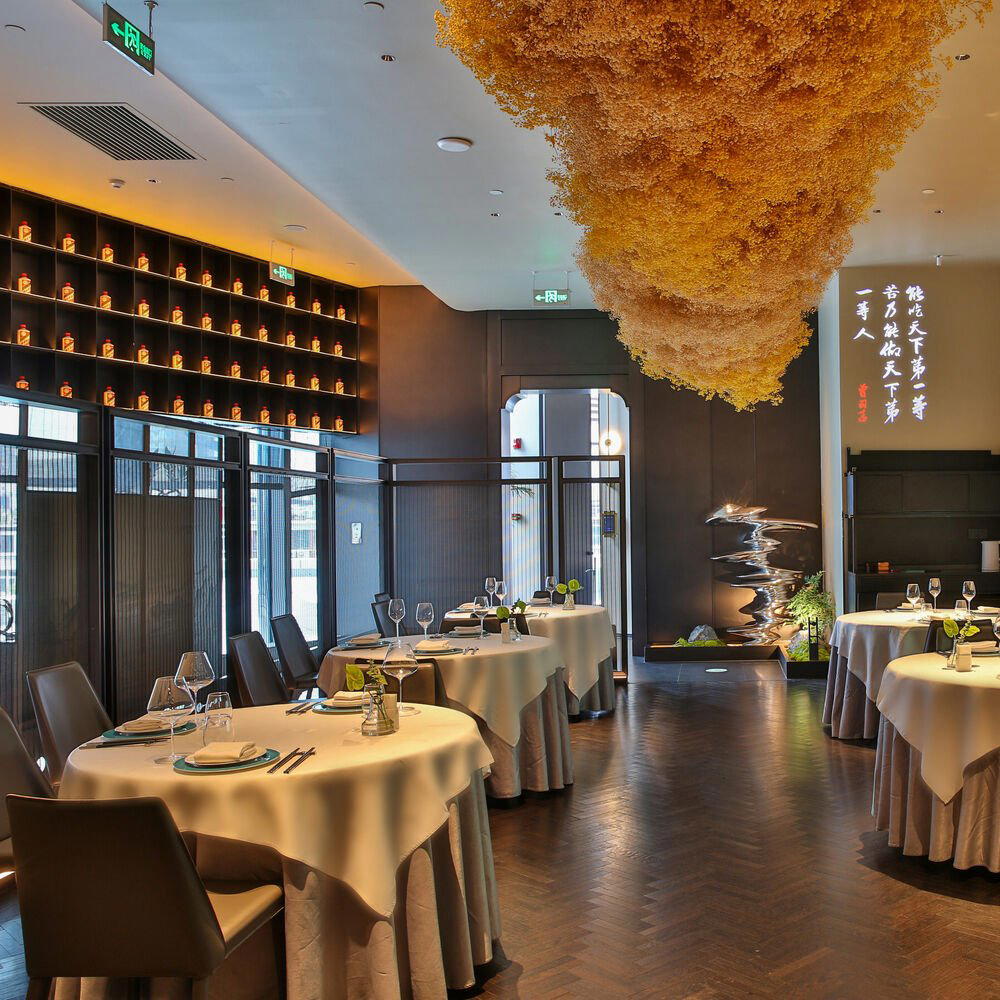
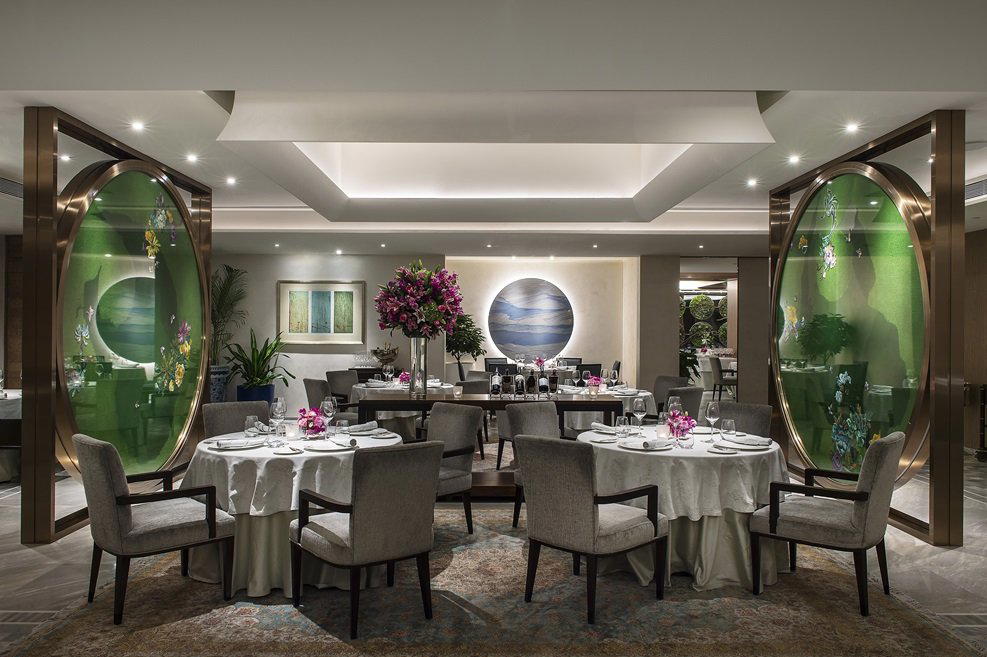
The hotel's two dining outlets operate at distinct registers. Mandarin Grill + Bar was designed by Adam Tihany, whose hospitality design credits span multiple continents and align the space with international luxury-hotel dining conventions: the menu centers on steak and seafood in a format that travels well for international guests who may not yet be ready to commit to Beijing's regional specialties. Café Zi approaches the question differently, with dim sum and broader Asian preparations overseen by Hong Kong chef Wong Wing-Keung, whose training and regional credibility grounds the outlet in a more specifically Chinese culinary tradition. The presence of a named Hong Kong chef in a Beijing hotel context is a deliberate signal: it positions Café Zi within a tier of hotel restaurants that compete against the city's standalone Cantonese dining rather than simply serving as convenient in-house options.
For travelers interested in Beijing's broader dining scene beyond the hotel, our full Beijing restaurants guide covers the capital's range from Peking duck institutions to the newer wave of contemporary Chinese cooking in Sanlitun and beyond.
Spa and Wellness: The Emperor's Longevity Format
The spa draws on the hotel's proximity to the Forbidden City as a thematic anchor. Four treatment suites carry distinct themes, and the flagship treatment, a two-hour format called the Emperor's Longevity, frames the wellness experience through the lens of imperial ritual. This approach, positioning the spa around historical and cultural narrative rather than purely clinical wellness, reflects a broader trend in luxury hotel spas across Asia: the move from generic relaxation menus toward place-specific programming that justifies the property's location and price point.
MO Bar: Late-Night with a View
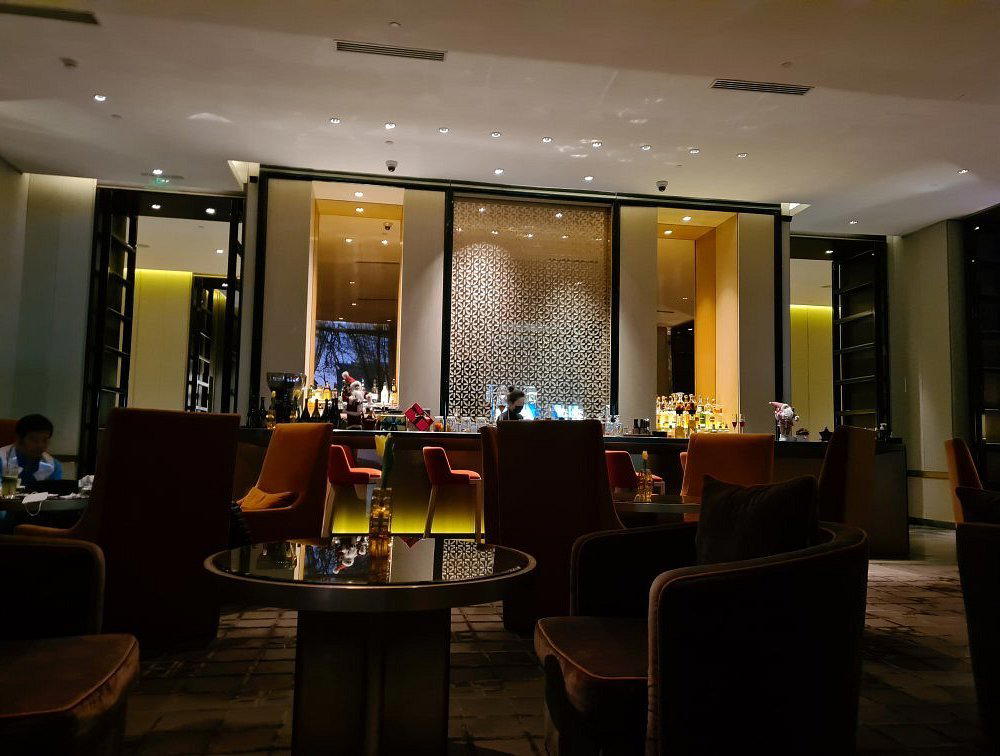
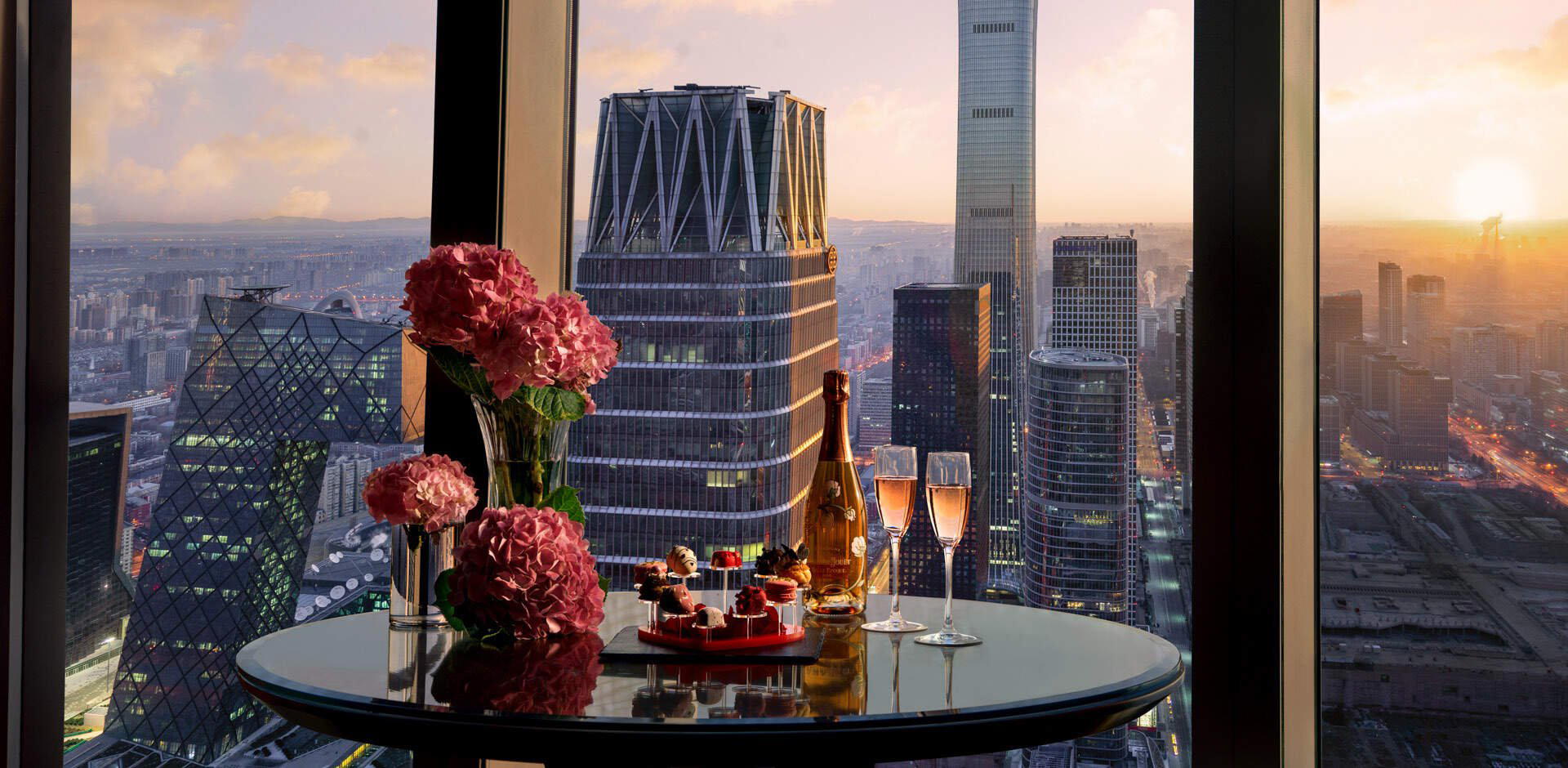
The MO Bar occupies a position within the hotel that takes full advantage of the Forbidden City sightline. The terrace functions as one of central Beijing's more architecturally privileged sunset points, with the palace complex visible below. The bar's cocktail program sits within a sophisticated-late-night format, and the team has a reported reputation for engagement, relevant for solo travelers who want a conversation rather than a transactional drink. Compared to the rooftop and terrace bar formats emerging at properties like Andaz Shenzhen Bay or 1 Hotel Haitang Bay, Sanya, MO Bar's advantage is specific: it is looking at the Forbidden City, not the ocean.
Planning Your Stay
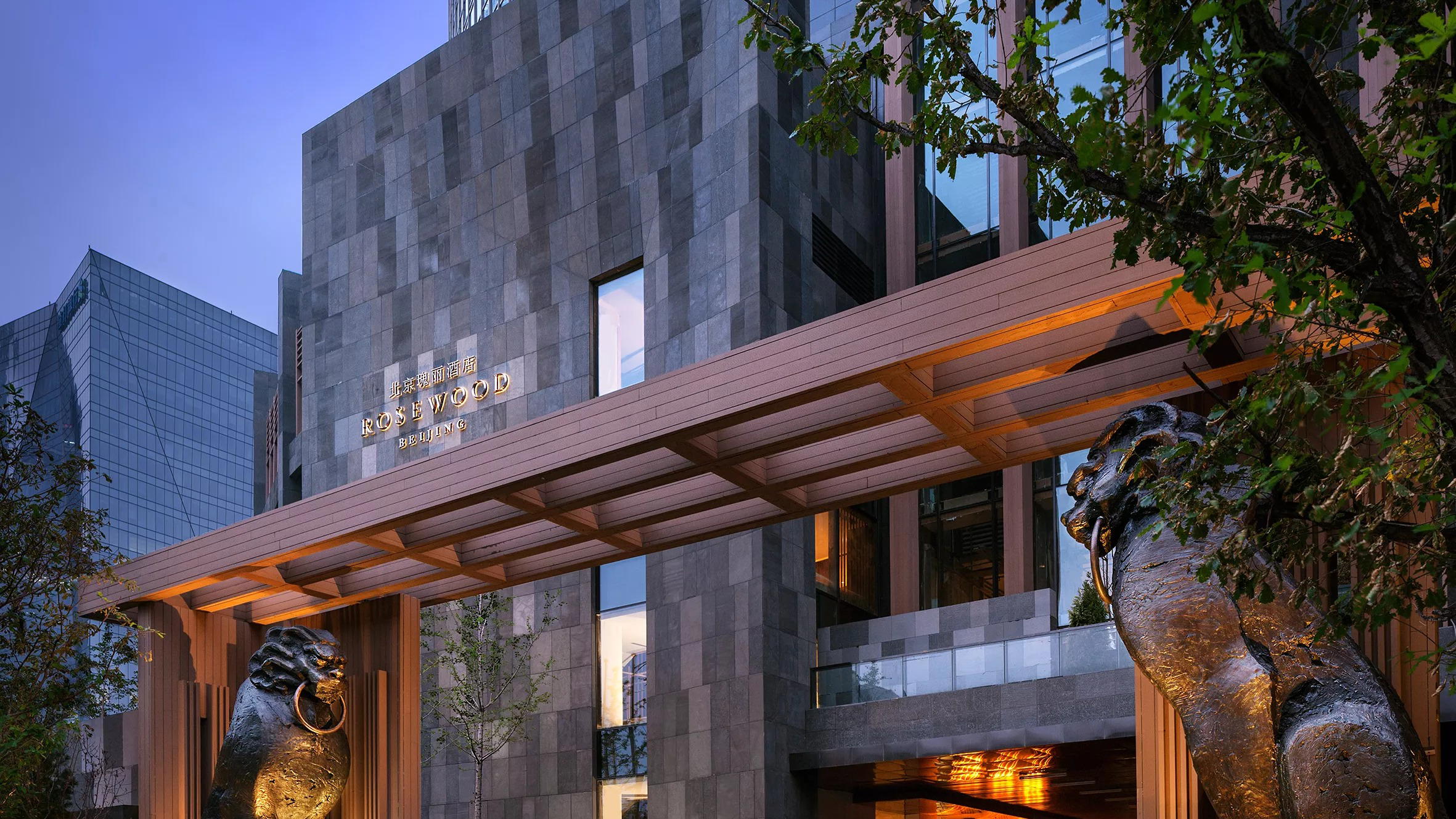
Hotel's address, No. 269 Wangfujing Street, Dongcheng District, places it within walking distance of the Forbidden City's eastern approach, a short ride from Beijing Capital International Airport via the expressway, and close enough to the CBD that corporate travelers lose minimal time in transit. The property sits atop WF Central, which means retail from Fendi to Longchamp is accessible without leaving the building. The hotel accommodates dogs, with Teddy Maximus amenities and dedicated in-room dining menus for pets, a small detail that signals the property's read on its guest profile. For travelers benchmarking Beijing's boutique luxury options, comparison with the Brickyard Retreat at Mutianyu Great Wall illustrates the breadth of the capital's premium tier: one property looks inward at imperial history from the city center, the other places guests on the wall itself. Across China more broadly, the range extends from Xiamen Yunding Resort on the southeastern coast to Mohe Youran Mountain Residence in the far north, each operating in a different register entirely. For international comparisons at the Mandarin Oriental tier, Aman New York and Aman Venice represent the same premium boutique positioning in their respective markets, as does The Fifth Avenue Hotel in New York City.
Cuisine Lens
Comparable venues nearby, for context on price, style, and recognition.
| Venue | Cuisine | Price | Awards | Notes |
|---|---|---|---|---|
| Mandarin Oriental Wangfujing, BeijingThis venue — the venue you are viewing | Contemporary residential luxury with classic Chinese elements | Not listed | 1 Michelin Key · La Liste Top Hotels | Not listed |
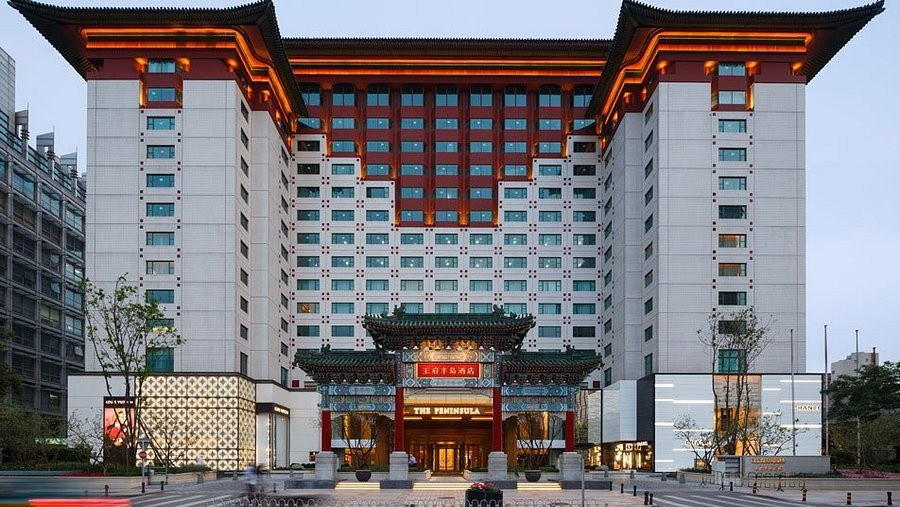
| The Peninsula Beijing | Imperial elegance meets modern luxury all-suite sanctuary | $300–500 | 1 Michelin Key · La Liste Top Hotels | Chaoyangmen |
| Waldorf Astoria Beijing | Luxury heritage hotel inspired by traditional Hutong courtyards in a modern setting. | $300–500 | 1 Michelin Key · La Liste Top Hotels | Chaoyangmen |
| Shangri-La Shougang Park, Beijing | Contemporary luxury hotel integrated into a repurposed industrial landmark, blending heritage preservation with modern Asian hospitality and sustainability. | $100–200 | 1 Michelin Key · La Liste Top Hotels | Shijingshan |
| The PuXuan Hotel and Spa | Contemporary luxury urban retreat blending modern design with historical proximity | $300–500 | 1 Michelin Key · La Liste Top Hotels | Zhengyilu |
| Aman Summer Palace | Heritage luxury resort housed in restored imperial-era dwellings with contemporary underground facilities; blends 200-year-old architecture with modern five-star amenities. | $1,000–1,500 | Forbes 4-Star | Jiaodaokou |
Recognition history
Dated appearances from independent guides and award organizations, with the underlying list record or original source where available.
Michelin 1 Key
Michelin
La Liste Top Hotels
La Liste
Forbes 5-Star
Forbes
Virtuoso Luxury Hotel Partner
Virtuoso
Full recognition history (6 entries)
Forbes 5-Star
Forbes
Michelin 1 Key
Michelin
Continue exploring
More in Beijing
Hotels in Beijing
All hotels in Beijing →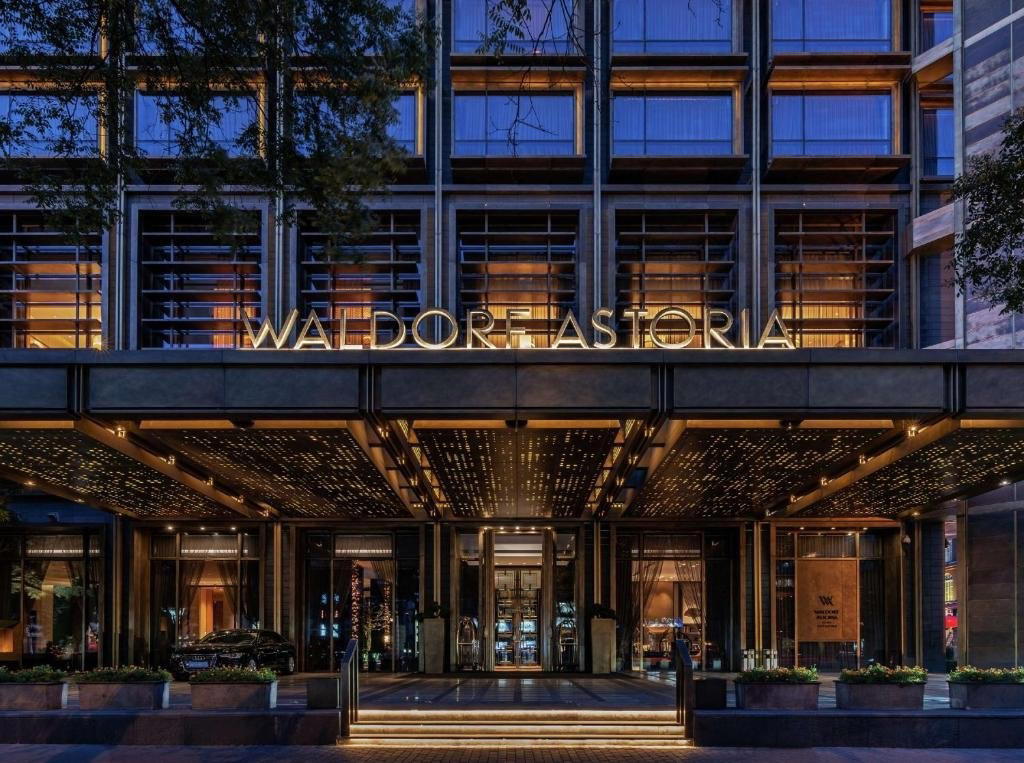
Bars in Beijing
All bars in Beijing →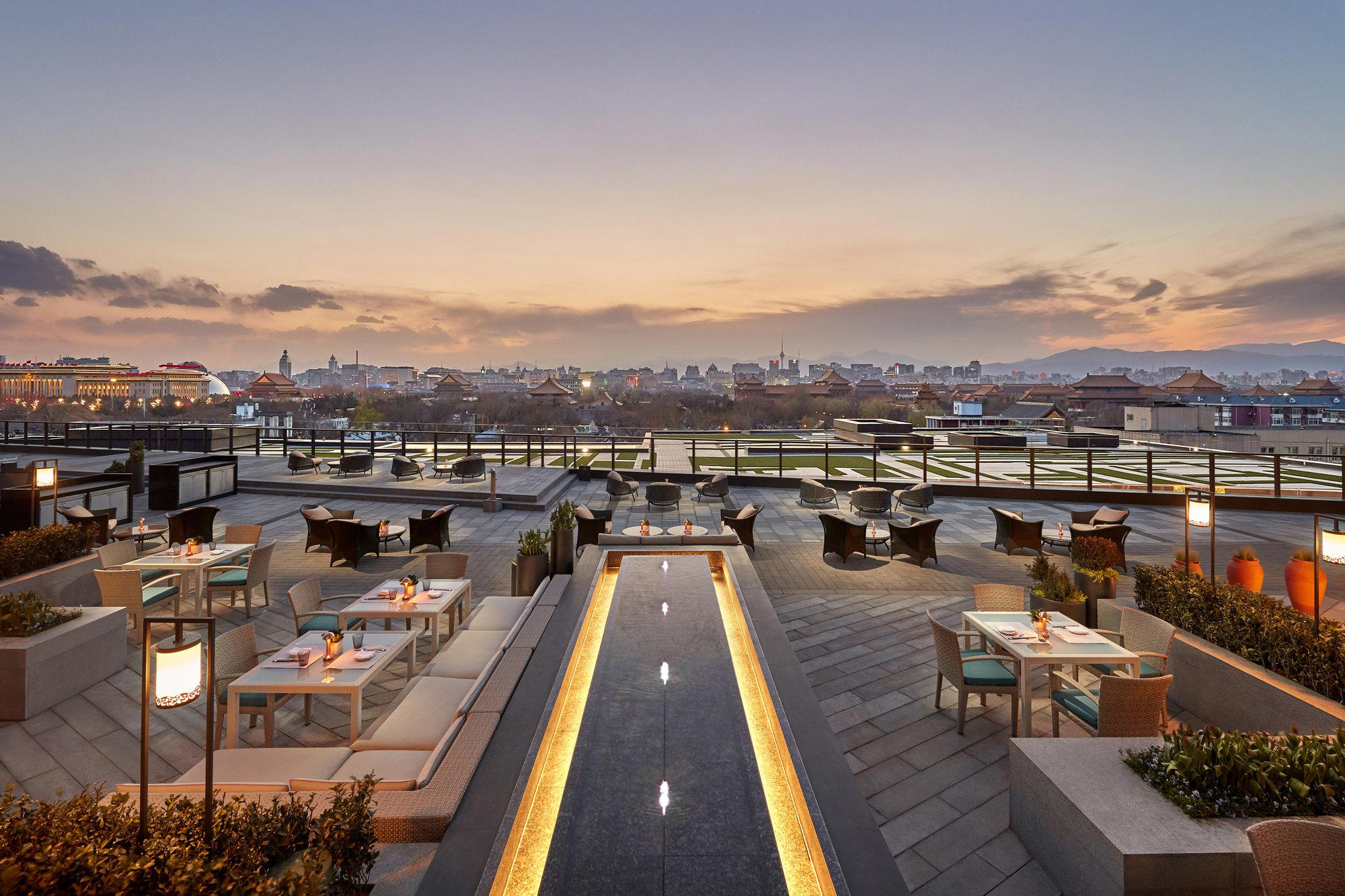
Details
- Elegant
- Sophisticated
- Ornate
- Business Trip
- Romantic Getaway
- Anniversary
- Rooftop Pool
- Historic Building
- Panoramic View
- Pool
- Spa
- Fitness Center
- Room Service
- Concierge
- Indoor Pool
- Sauna
- Restaurant
- Bar
- Skyline
- Wheelchair Accessible
- Elevator
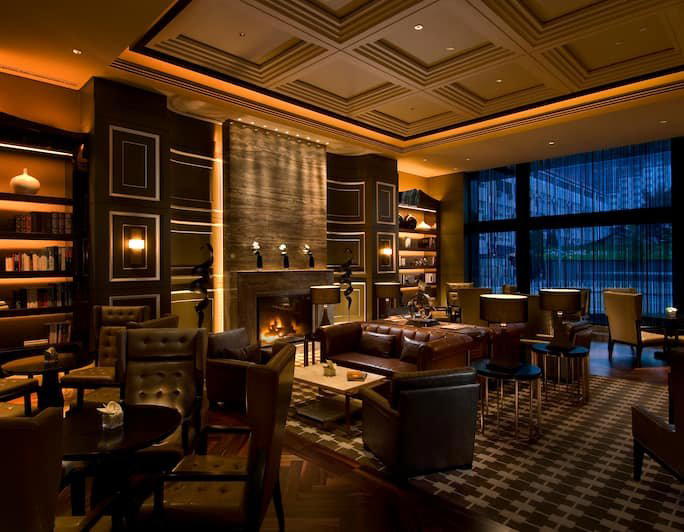
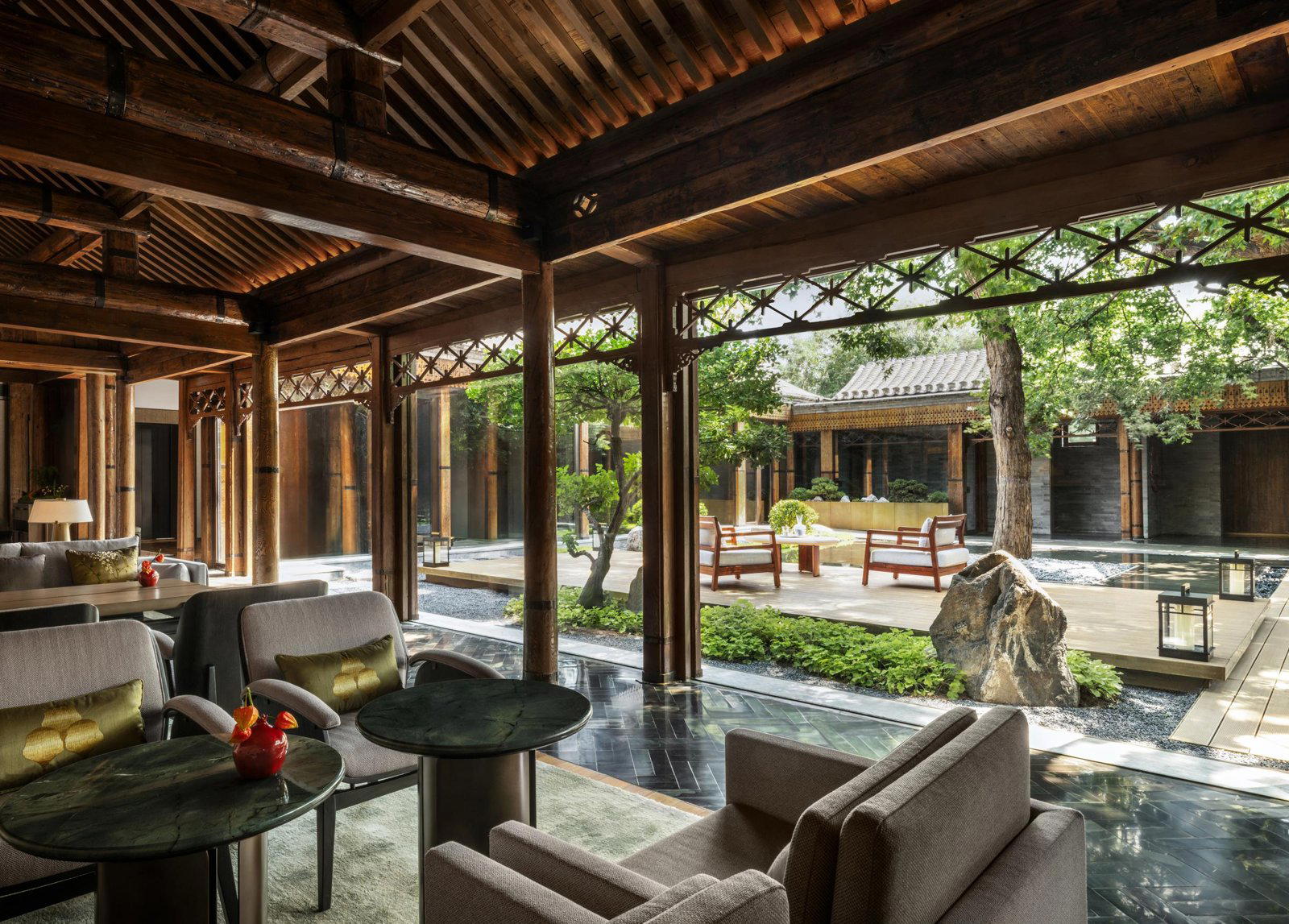
Elegant and light-filled with natural light through floor-to-ceiling windows, sophisticated residential style, and serene spa-like atmosphere praised for polished service and thoughtful details.