
1 Michelin Star
Our verdict
A Michelin Plate-recognised Japanese restaurant in Shimogyo Ward, YOKOI brings a deeply personal but structurally rigorous approach to seasonal cooking. The chef's Shizuoka origins shape the welcome ritual, a cup of Kakegawa tea greets every diner, while the menu pairs fruit with fish and builds around flexible, guest-responsive omakase logic.

Pearl is the En Primeur Club membership app, where members save venues, book tables and use the concierge.
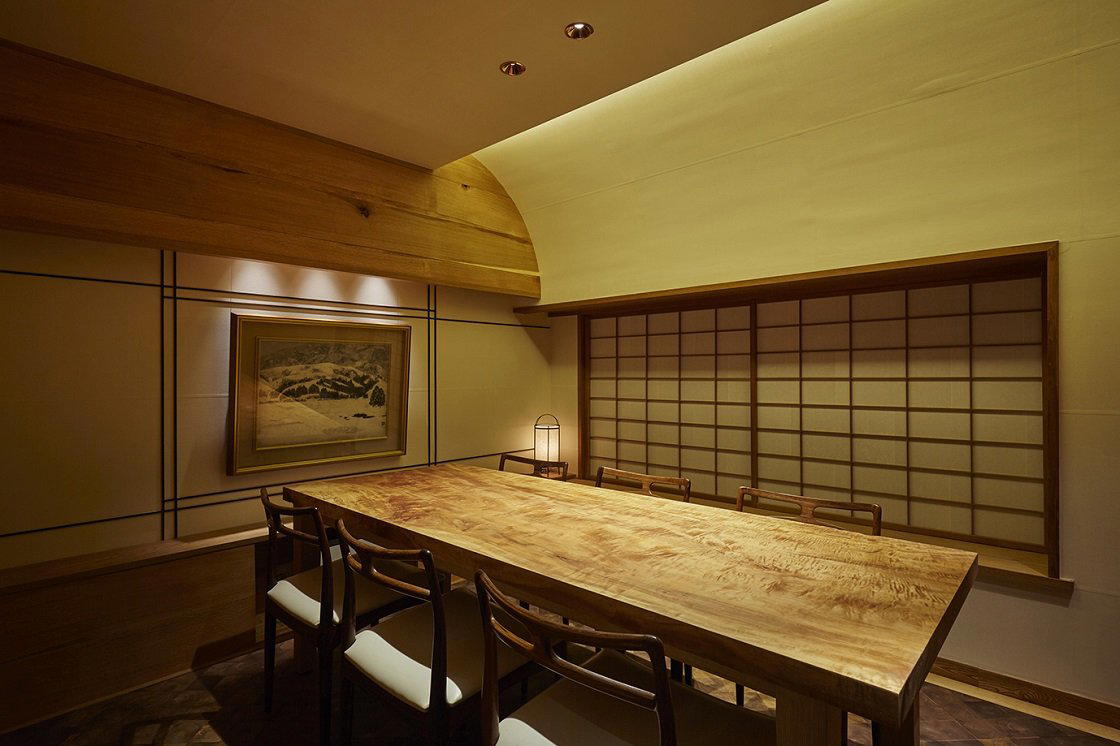
Refinement Over Speed: What Kyoto Demands From Its Dining Rooms
There is a working theory among frequent visitors to both cities that Tokyo restaurants perform for you while Kyoto restaurants wait for you. The distinction sounds subtle until you sit down at a counter in Shimogyo Ward and realise that no one is rushing to impress. The tempo is different here. Kyoto's premium dining culture is built around a certain patience, on the part of the chef, and implicitly asked of the diner. YOKOI, on a quiet stretch of Manjuji Nakanocho, operates squarely within that tradition.
That metropolitan divide, Tokyo's forward momentum versus Kyoto's preference for restraint and accumulated depth, shapes everything from menu architecture to the order in which a meal unfolds. At the top end of Kyoto's scene, venues like Isshisoden Nakamura and Kikunoi Roan represent centuries of kaiseki lineage, where even small gestures carry encoded meaning. YOKOI sits in a different register, more personal, more mutable, but shares that underlying commitment to the meal as a considered act rather than a spectacle.
A Menu Structured Around Contrast
The defining structural feature of cooking at this price tier in Kyoto is the use of contrast as a primary tool. Many restaurants at the ¥¥¥¥ level, including Gion Matayoshi and Kodaiji Jugyuan, build their menus around seasonal ingredients whose character speaks for itself. YOKOI takes a less conventional path: fruit is paired with fish and vegetables, with the natural sweetness and acidity of fruit used to add depth and contrast rather than decoration. This is a deliberate compositional choice, not a novelty, the same instinct that drives a chef to finish a broth with a small citrus element, or to balance a rich fish with something clean and sharp.
Meat figures prominently across the seasonal menu, which separates YOKOI from strictly vegetable-forward or seafood-centred kaiseki formats. Depending on the season, meat hot-pots are prepared tableside, a format that introduces theatricality without tipping into performance. The heat, the timing, and the layering of the pot become part of the meal's rhythm rather than an interruption of it. This approach has more in common with the convivial logic of regional Japanese cooking than with the plated precision dominant at Michelin-starred counters in Tokyo such as Harutaka or Azabu Kadowaki.
Tea as Ritual, Not Garnish
The meal begins before any food arrives. Every guest is greeted with a cup of Kakegawa tea, sourced from the chef's home prefecture of Shizuoka, one of Japan's most respected tea-producing regions. This is not incidental hospitality. Kakegawa has a documented history of deep-steamed green tea with a pronounced umami register, and opening a meal with it frames the palate in a specific way before the first course lands.
Between courses, the kitchen offers kukicha, tea brewed from tea twigs rather than leaves, with a lower caffeine level and a slightly woody, rounded character, or genmaicha, green tea combined with roasted brown rice, which adds a toasty dimension that bridges food courses naturally. In a city where tea culture is woven into daily life rather than reserved for ceremony, these choices read as fluent rather than formal. Comparable care around beverage sequencing is less common in Tokyo's high-end dining rooms, where the wine and sake list tends to dominate the narrative.
The Flexibility Question
What distinguishes YOKOI from more codified formats at its price point is the explicit accommodation of guest preferences. Omakase in its strictest sense is chef-led with no negotiation. Plenty of counters in Kyoto and beyond, including some three-star operations, expect diners to accept the menu exactly as written. YOKOI operates with a more adaptive logic: the kitchen responds to individual preferences, adjusting the menu rather than requiring the diner to adjust their expectations.
This puts it in an interesting position relative to peers like Kenninji Gion Maruyama, where the format is more fixed, or HAJIME in Osaka, where the chef's vision is the entire point and deviation is structurally impossible. The approach at YOKOI sits closer to the tradition of intimate, host-led dining where the meal is shaped in dialogue with the people in the room, a format that works when the kitchen has sufficient range to actually execute multiple directions, and one that rewards guests who communicate clearly about what they want.
Contextualising the Recognition
YOKOI holds a Michelin Plate in both 2024 and 2025, a designation that signals consistent quality without the asterisk tier's implication of destination-level prestige. In Kyoto's densely competitive dining scene, a Plate is a meaningful marker: it confirms the kitchen meets Michelin's threshold for good cooking, places it in a traceable peer group, and distinguishes it from the broader population of restaurants that go unrecognised entirely.
For context on how the Kyoto premium dining tier stacks up beyond Michelin recognition, our full Kyoto restaurants guide maps the scene across price points and styles. Restaurants like akordu in Nara and Goh in Fukuoka illustrate how the Kansai region more broadly sits in a different competitive orbit to Tokyo, one where chef-diner intimacy and seasonal fidelity often carry more weight than technical spectacle. Venues like 1000 in Yokohama and 6 in Okinawa extend that regional contrast further, as does Myojaku in Tokyo, which takes a similarly personal approach within the capital's faster-moving context.
Shimogyo Ward and What the Address Tells You
Shimogyo Ward sits south of Kyoto's central commercial district, away from the tourist-dense corridors of Gion and Higashiyama. It is a working part of the city, and restaurants that operate here do so without the automatic foot traffic that Gion addresses generate. A ¥¥¥¥ restaurant in this location draws on reputation and repeat visitors rather than walk-in visibility, a structural choice that tends to concentrate the dining room toward people who have specifically sought the place out. For trip planning beyond the meal, our Kyoto hotels guide, bars guide, wineries guide, and experiences guide cover the city's wider premium offer.
Planning Your Visit
YOKOI is located at 88 Manjuji Nakanocho, Shimogyo Ward, Kyoto. The price range sits at ¥¥¥¥, consistent with the upper tier of Kyoto's independent dining market. Booking in advance is advisable given the intimate format and the kitchen's guest-responsive approach, which requires preparation time per table.
Quick reference:
at YOKOI?
The menu at YOKOI is not à la carte in any conventional sense, the kitchen operates on a guest-responsive omakase format, meaning the most direct route to a strong meal is communicating preferences clearly at the time of booking or on arrival. Given the documented structure of the menu, the seasonal meat hot-pot prepared tableside represents the most distinctive element of the experience: it combines the kitchen's emphasis on contrast with a format that makes the cooking process visible. The tea sequence, Kakegawa on arrival, kukicha or genmaicha between courses, is worth engaging with deliberately rather than treating as background hospitality; it is structurally integral to how the meal is paced and how the palate is reset between dishes.
Frequently asked questions
What's YOKOI known for in terms of accolades?
YOKOI has received recognition including: Guests are greeted with a cup of Kakegawa tea from the chef’s native Shizuoka, while kukicha, tea made from tea twigs, or ‘genmaicha’, green tea made from roasted brown rice, is served between courses. Combinations of foodstuffs convey the ….
What's the best thing to order at YOKOI?
YOKOI does not operate an à la carte menu. The kitchen runs a guest-responsive omakase format, so the most direct approach is to communicate your preferences and dietary requirements at the time of booking, the chef explicitly accommodates these with a flexible hand. Within that structure, the fruit-and-fish pairings are a defining characteristic of the menu, using natural sweetness and acidity to add contrast rather than decoration. Depending on the season, tableside meat hot-pots are also prepared before diners, a format that is less common at Michelin Plate level in Kyoto.
What price level is YOKOI?
Pricing at YOKOI is listed as ¥¥¥¥.
Cuisine and Awards Snapshot
| Venue | Cuisine | Price | Awards | Notes |
|---|---|---|---|---|
| YOKOIThis venue (the venue you are viewing) | Kyoto Kaiseki | Not listed | 1 Michelin Star | Not listed |
| Gion Sasaki | Modern Kaiseki | $300–500 | 3 Michelin Stars · La Liste Top Restaurants | Kaiseki, Japanese |
| cenci | Innovative Italian-Japanese Fusion | $100–150 | 1 Michelin Star · World's 50 Best #76 | Italian |
| Ifuki | Sumibi Kappo Kaiseki | $200–300 | 2 Michelin Stars · La Liste Top Restaurants | Kaiseki |
| Kyokaiseki Kichisen | Kyoto Kaiseki | $200–300 | 2 Michelin Stars · La Liste Top Restaurants | Japanese |
| Kyo Seika | Modern Chinese Fine Dining | $150–200 | 1 Michelin Star · Tabelog Bronze #216 | Chinese |
Recognition history
Dated appearances from independent guides and award organizations, with the underlying list record or original source where available.
Michelin 1 Star
Michelin
Full recognition history (3 entries)
Michelin Plate
Michelin
Michelin Plate
Michelin
Continue exploring
More in Kyoto
Restaurants in Kyoto
All restaurants in Kyoto →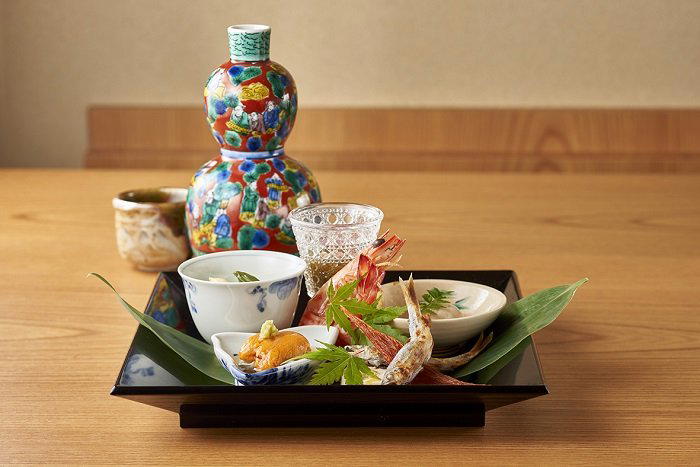


Bars in Kyoto
All bars in Kyoto →


Hotels in Kyoto
All hotels in Kyoto →
Wineries in Kyoto
Browse all →
Details
- Elegant
- Sophisticated
- Intimate
- Quiet
- Date Night
- Business Dinner
- Celebration
- Special Occasion
- Group Dining
- Standalone
- Omakase
- Set Menu
- Allergy Accommodating
Current opening hours
- Monday
- Closed
- Tuesday
- 6–10 PM
- Wednesday
- 12–3 PM, 6–10 PM
- Thursday
- 12–3 PM, 6–10 PM
- Friday
- 6–10 PM
- Saturday
- 12–3 PM, 6–10 PM
- Sunday
- 12–3 PM, 6–10 PM
Hours can change for holidays and private events. Hours as of .
Refined and warmly attentive, with a polished kaiseki atmosphere that feels quiet and carefully composed.