
A Michelin Plate-recognised Japanese restaurant in Gion's historic Minamigawa strip, Gion Yamagishi sits in the mid-tier of Kyoto's intensely competitive kaiseki neighbourhood. Chef Makoto Hinenoya's kitchen draws, placing it in a bracket where serious cooking meets the atmospheric weight of one of Japan's most visited dining districts.
Pearl is the En Primeur Club membership app — saves, bookings, and concierge access live there. Same editors, same standards.
- Address
- 570ー154 Gionmachi Minamigawa, Higashiyama Ward, Kyoto, 605-0074, Japan
- Phone
- +81 75-551-0701
- Website
- tominokoji-yamagishi.com
- Directions
- Get directions
 Saves & bookings on Pearl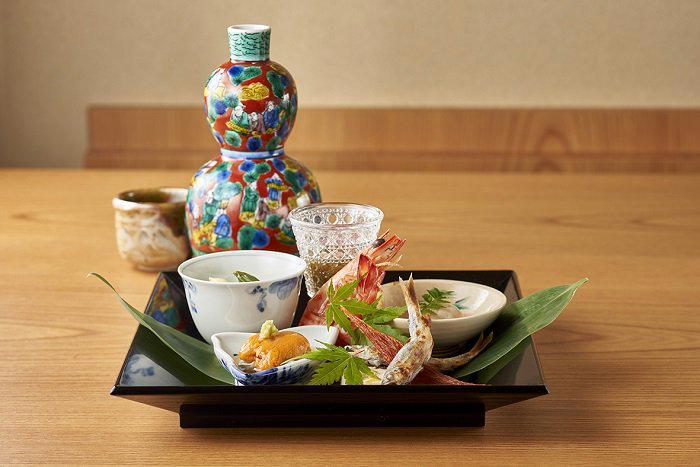
Eating in Gion: What the Address Tells You Before You Sit Down
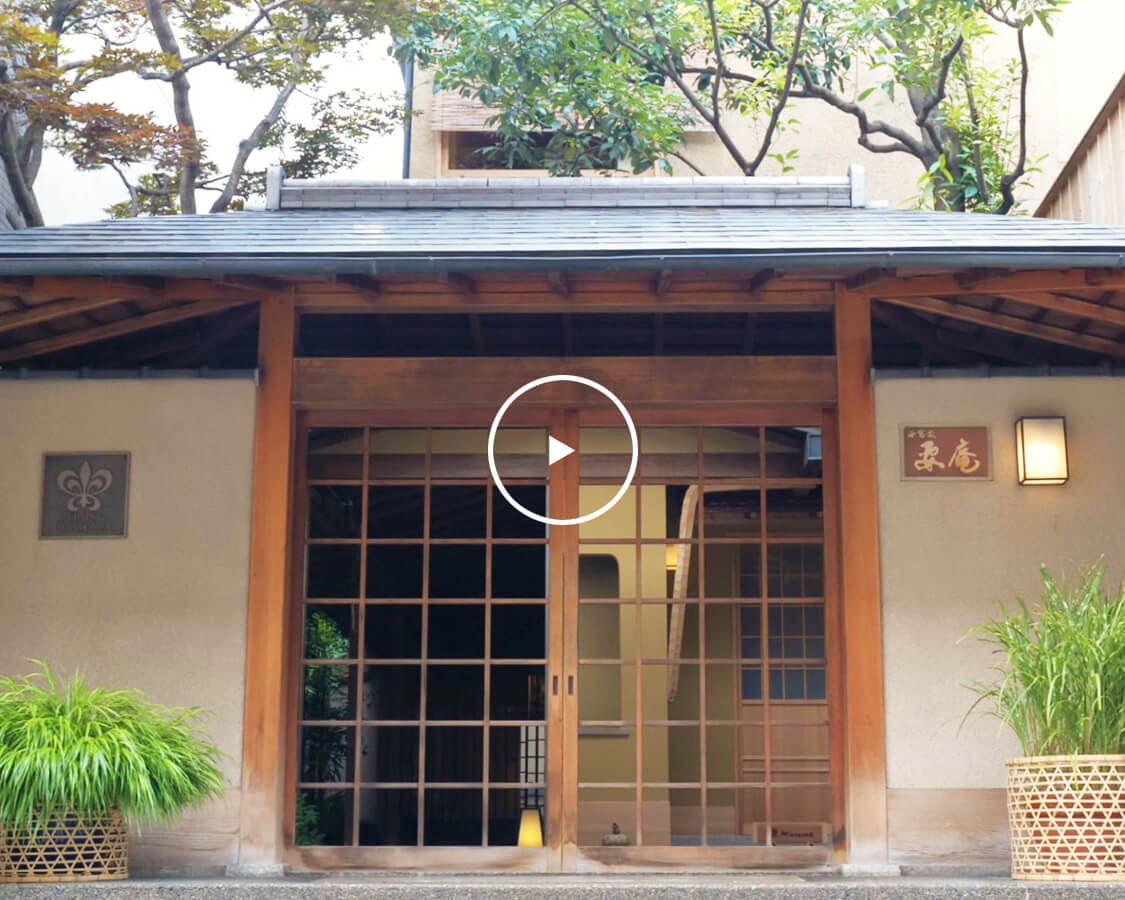
The address 570-154 Gionmachi Minamigawa carries its own editorial argument. This stretch of Higashiyama Ward, the southern flank of Gion's main corridor, is where Kyoto's dining culture concentrates into something almost absurdly competitive. Within a few hundred metres, the city produces some of Japan's most cited kaiseki tables: Gion Matayoshi, Isshisoden Nakamura, and Kenninji Gion Maruyama are all within reach. Coming here means accepting that your dinner exists inside a conversation about Kyoto's culinary identity, whether you intended that or not. The cobbled lanes, the paper lanterns overhead, and the architecture of machiya townhouses all do real atmospheric work before you open a menu. Gion Yamagishi occupies that setting.
Michelin Recognition and Where It Places the Room
The Michelin Plate, awarded consecutively in 2024 and 2025, is a considered signal in Kyoto's over-indexed Michelin map. The Plate designation indicates that inspectors found cooking worth attention without awarding a star, a classification that, in a city where starred restaurants cluster by neighbourhood, places a restaurant in a specific competitive tier. In the Gion district, the starred competition is substantial: Gion Matayoshi operates at a level that draws international reservation queues, and further across the city, properties like Gion Sasaki (three Michelin stars) and Ifuki (two stars) define the upper bracket. Gion Yamagishi's consecutive Plate recognition in that context is not a consolation, it is a meaningful position inside a market where the inspector visits and makes distinctions with real precision. For comparable cooking and atmosphere at a lower price ceiling than the area's starred tables, Kikunoi Roan and Kodaiji Jugyuan sit at adjacent price tiers, Gion Yamagishi's ¥¥¥ positioning becomes one of its more legible editorial arguments.
Sake, Shochu, and the Beverage Logic of a Kyoto Japanese Kitchen
Relationship between Japanese cuisine and its beverage programme is structural rather than supplementary. In Kyoto's traditional kitchens, sake selection reflects dashi clarity: the rule of thumb is that a dish built on kombu-heavy stock calls for junmai with mineral restraint, while richer, meat-forward courses open up to junmai daiginjo with more aromatic lift. The question of whether that pairing logic is applied with intentionality separates a serious Japanese restaurant from a competent one. At the restaurant, the ¥¥¥ price tier implies a programme with considered depth, not the extraordinary breadth of a Gion Sasaki-tier list, but something beyond a standard by-the-glass offering. Japanese restaurants in this bracket in Kyoto typically curate local Fushimi sake alongside selections from Niigata and Yamagata, the two most cited regions for food-pairing precision. Shochu, still underserved in English-language recommendations despite its flexibility across fish and vegetable courses, appears in Kyoto's mid-market Japanese restaurants with increasing frequency as younger drinkers graduate from sake-only programmes. The broader pattern in Kyoto's ¥¥¥ Japanese tier is that beverage lists are getting more intentional without crossing into sommelier-led theatrics, a calibration that works well for guests who want pairing coherence without a separate tasting flight overlay.
Chef Makoto Hinenoya and the Kyoto Training Frame
Japanese kitchen culture places enormous weight on lineage, where a chef trained, under whom, and for how long. This is not biographical colour; it is a quality signal that professional diners read as a proxy for technique and philosophy. Chef Makoto Hinenoya leads the kitchen with a grounding in the fundamentals: dashi construction, seasonal ingredient sequencing, and the kind of restraint that distinguishes Kyoto-style cooking from its Osaka or Tokyo counterparts. In Kyoto, the expectation of kyo-kaiseki sensibility, lighter, more vegetable-forward, attentive to tofu and yudofu traditions, shapes how any serious Japanese kitchen in this ward will be read. The dishes that earn recognition here are rarely about protein intensity; they are about precision in balance. For comparison, consider how Myojaku in Tokyo or Azabu Kadowaki read against Tokyo's own Japanese cooking norms, the regional frame is always present, always doing interpretive work.
Kyoto in the Japan Dining Network
Kyoto's restaurant scene does not operate in isolation from the broader Kansai and national dining circuits. Serious eaters building Japan itineraries increasingly move between cities: HAJIME in Osaka represents the extreme of Michelin-starred experimentation in the region, while akordu in Nara offers a study in wine-integrated fine dining within a short train ride. Further afield, Goh in Fukuoka, Harutaka in Tokyo, 1000 in Yokohama, and 6 in Okinawa complete a picture of Japan's dining geography at premium tier. The restaurant sits within that national network as a Kyoto-rooted, mid-premium Japanese table with consistent recognition, the kind of restaurant that anchors a serious Kyoto night rather than serving as a fallback when starred tables are full.
Planning a Visit
The restaurant is located at 570-154 Gionmachi Minamigawa in Higashiyama Ward, a neighbourhood best reached on foot from Gion-Shijo Station on the Keihan Line or by taxi from central Kyoto. The ¥¥¥ price tier places it above casual dining but below the city's most expensive kaiseki counters, making it a practical anchor for a Gion evening that might include a walk along Hanamikoji before or after. Booking details are not published in the current record, so direct contact via the restaurant is advisable; in Kyoto's Gion ward, reservation windows for recognised Japanese restaurants typically open two to four weeks ahead for dinner, though demand around cherry blossom season (late March to mid-April) and autumn foliage (mid-November) compresses that window significantly.
In Context: Similar Options
Comparable venues nearby, for context on price, style, and recognition.
| Venue | Cuisine | Price | Awards | Notes |
|---|---|---|---|---|
| Gion YamagishiThis venue — the venue you are viewing | Creative Seasonal Kaiseki | $$$$ | Michelin Plate | Not listed |
| Noguchi | Modern Kaiseki Counter Dining | $$$$ | Not listed | Kamigyō |
| Tokumaru | Seasonal À La Carte Japanese | $$$$ | Michelin Plate | Nakagyō |
| Kanzan | Kyoto Kaiseki | $$$$ | Michelin Plate | Shimogyō |
| wabiya | Modern Kyoto Yakitori | $$$$ | Michelin Plate | Shimogyō |
| Sosakukappo Otani | Creative Kappo | $$$$ | Michelin Plate | Nakagyō |
Recognition history
Dated appearances from independent guides and award organizations, with the underlying list record or original source where available.
Michelin Plate
Michelin
Michelin Plate
Michelin
Continue exploring
More in Kyoto
Restaurants in Kyoto
Browse all →
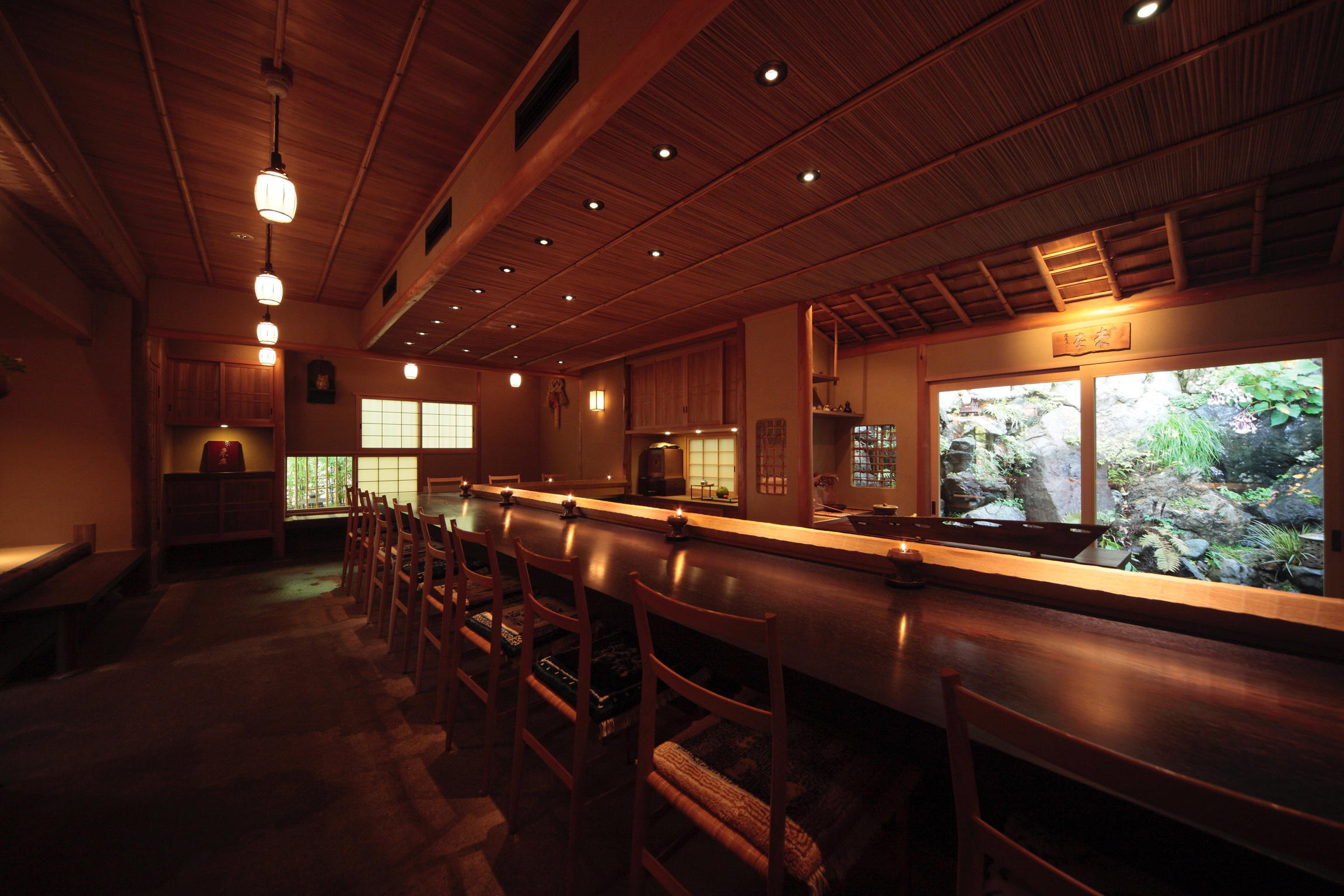
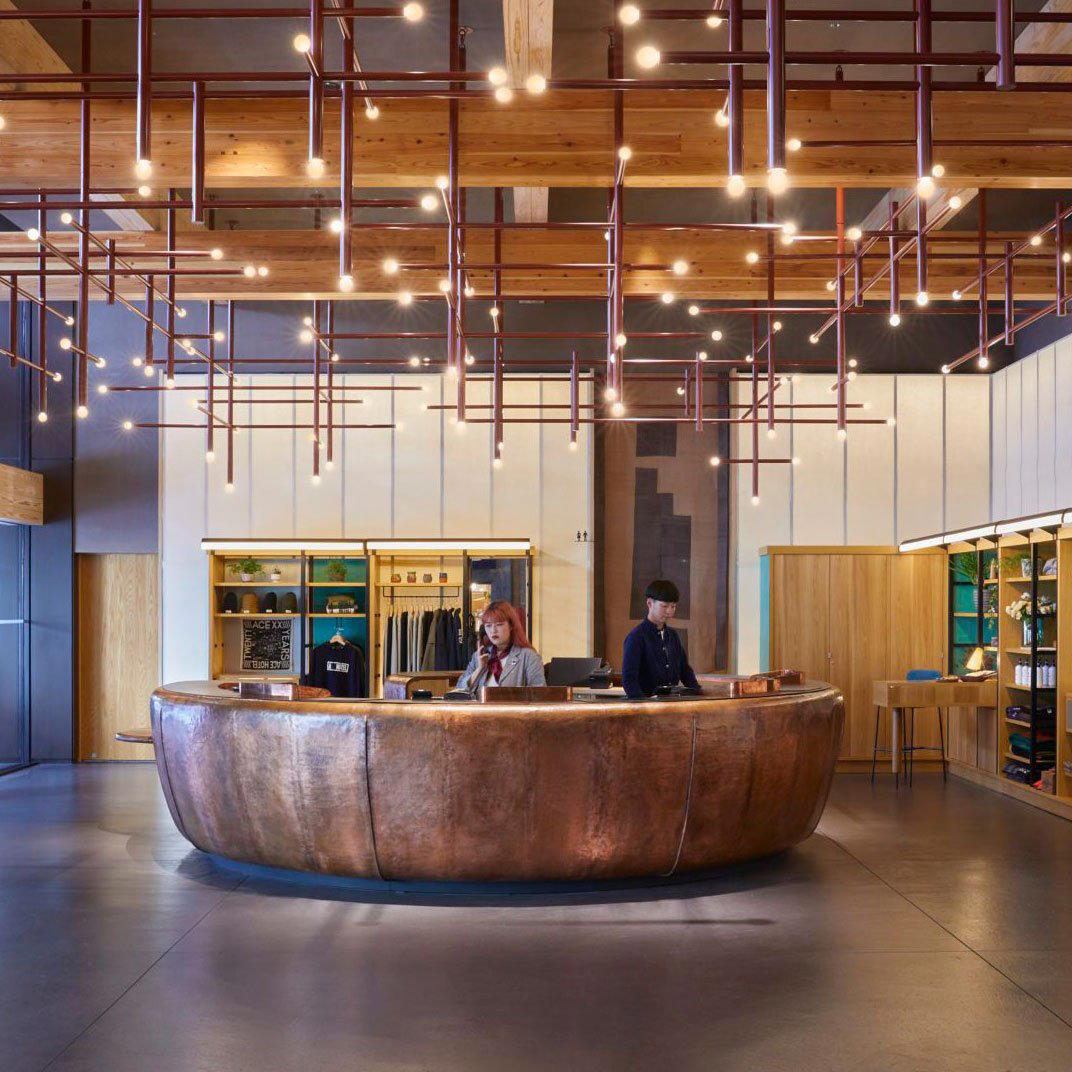
Bars in Kyoto
Browse all →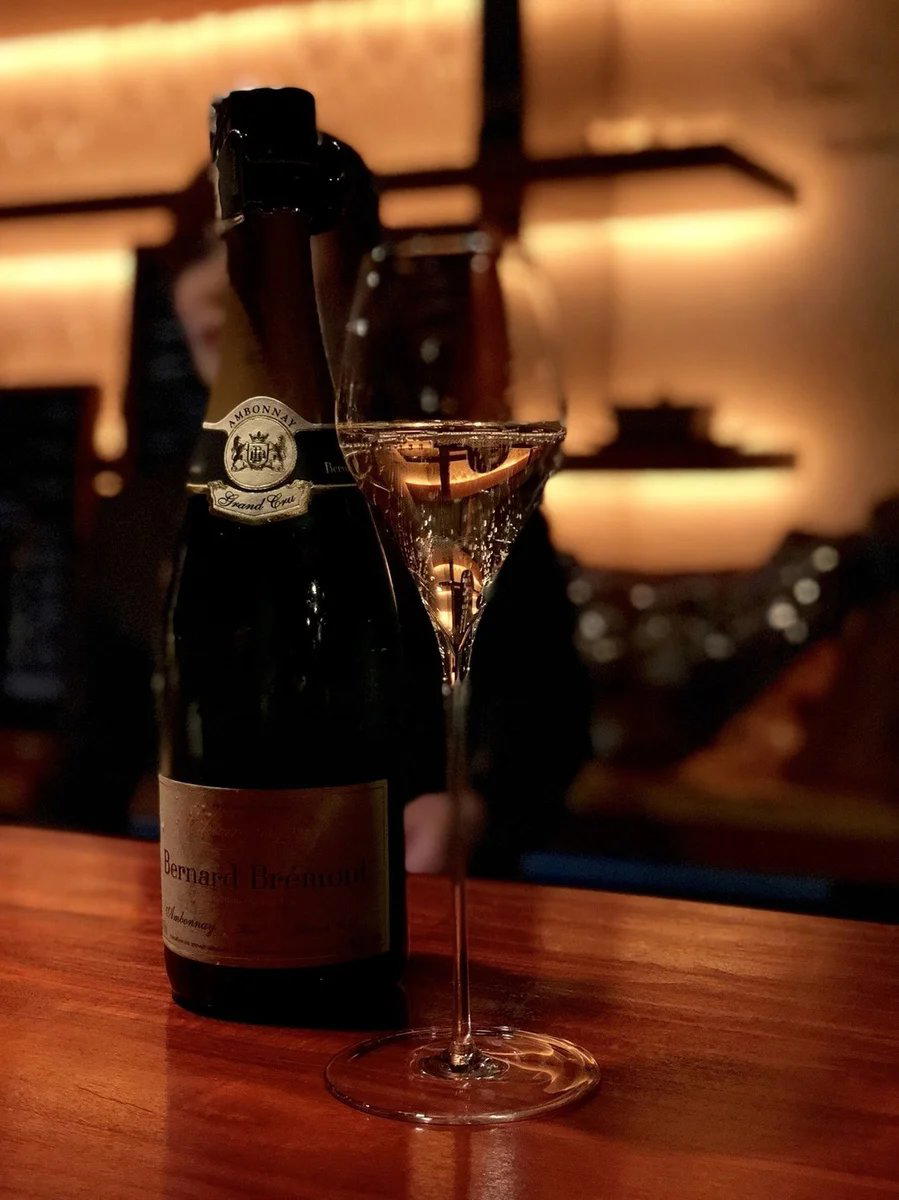
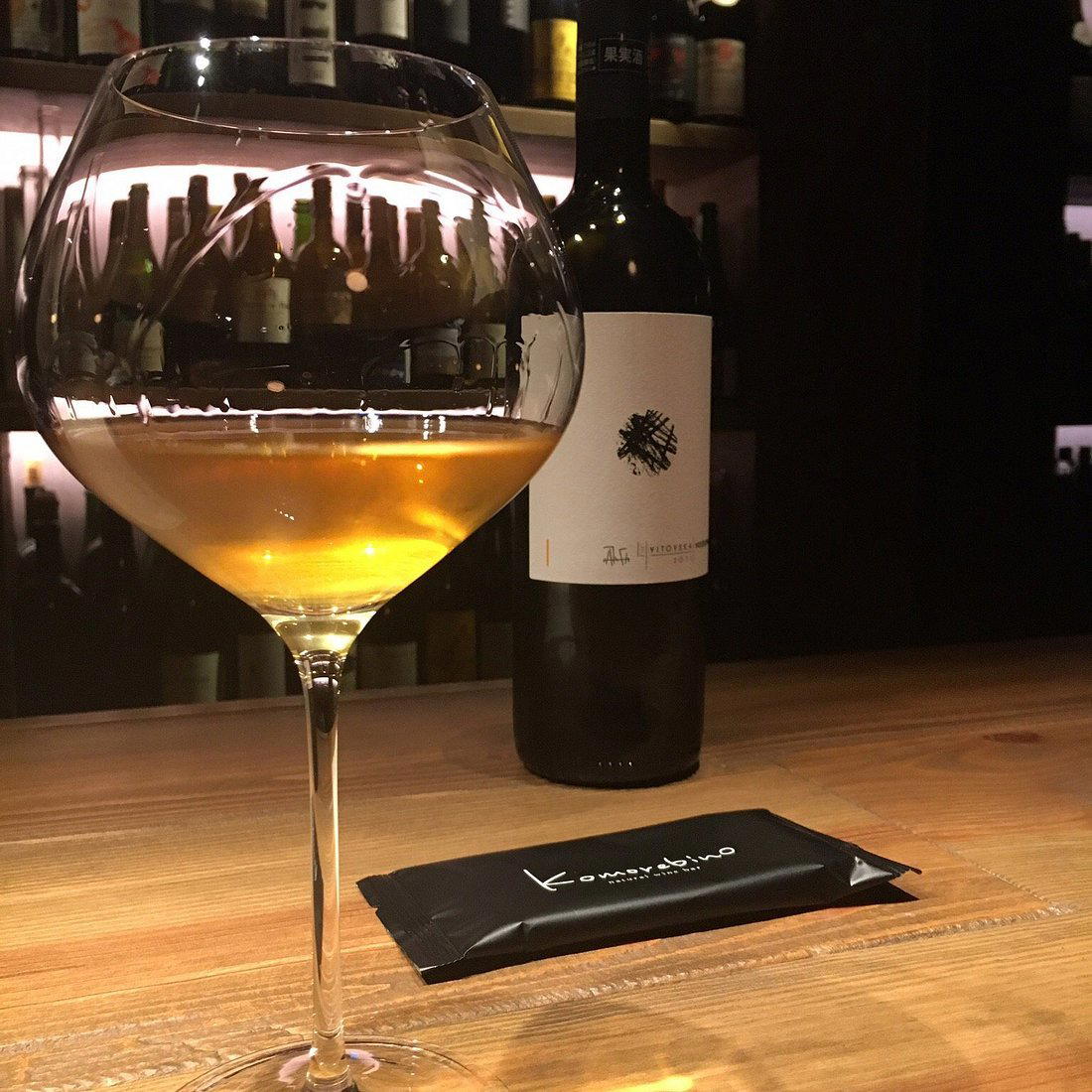
Hotels in Kyoto
Browse all →
Wineries in Kyoto
Browse all →
At a Glance
- Elegant
- Intimate
- Sophisticated
- Quiet
- Date Night
- Special Occasion
- Celebration
- Chefs Counter
- Open Kitchen
- Historic Building
- Sake Program
- Sommelier Led
- Local Sourcing
Current opening hours
- Monday
- 12–3 PM, 6–11 PM
- Tuesday
- 12–3 PM, 6–11 PM
- Wednesday
- Closed
- Thursday
- Closed
- Friday
- Closed
- Saturday
- Closed
- Sunday
- 12–3 PM, 6–11 PM
Hours can change for holidays and private events. Last verified .
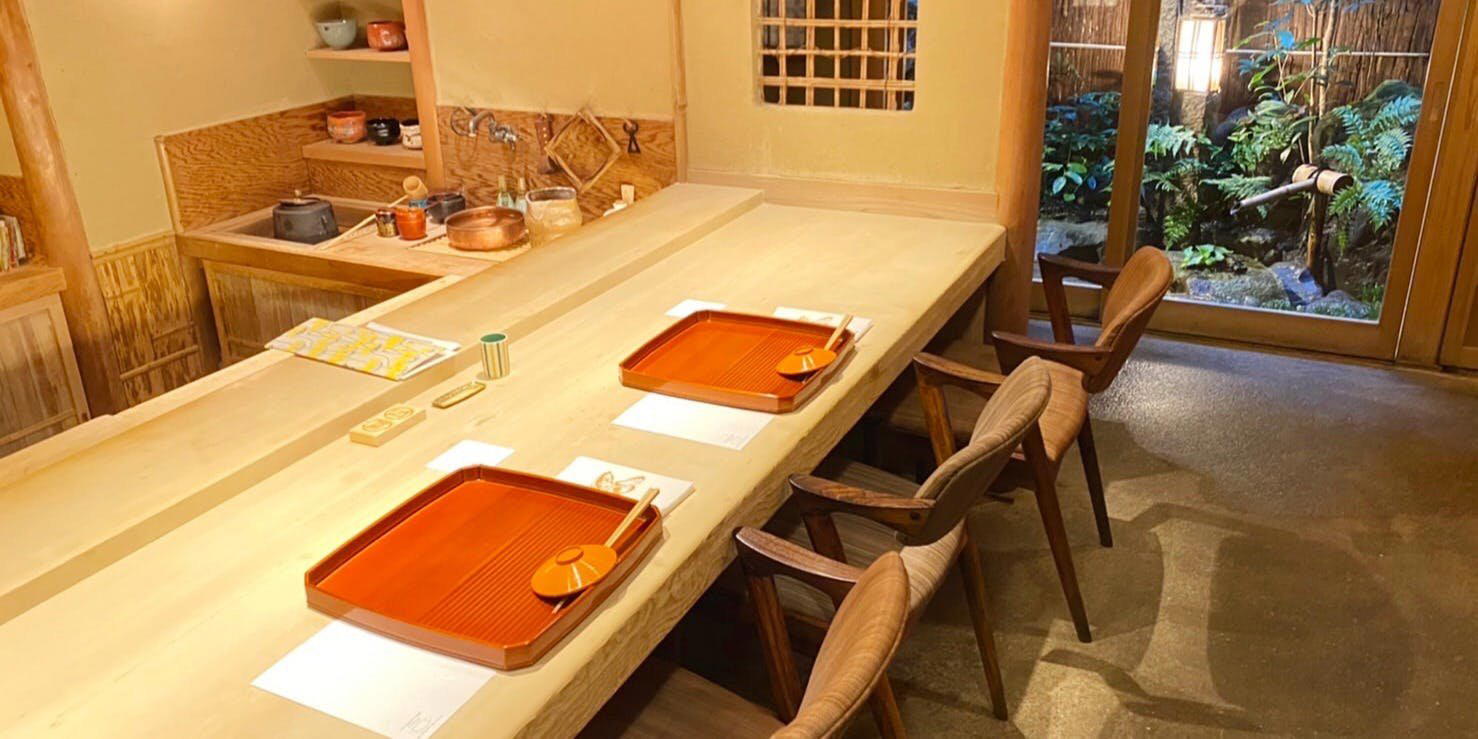
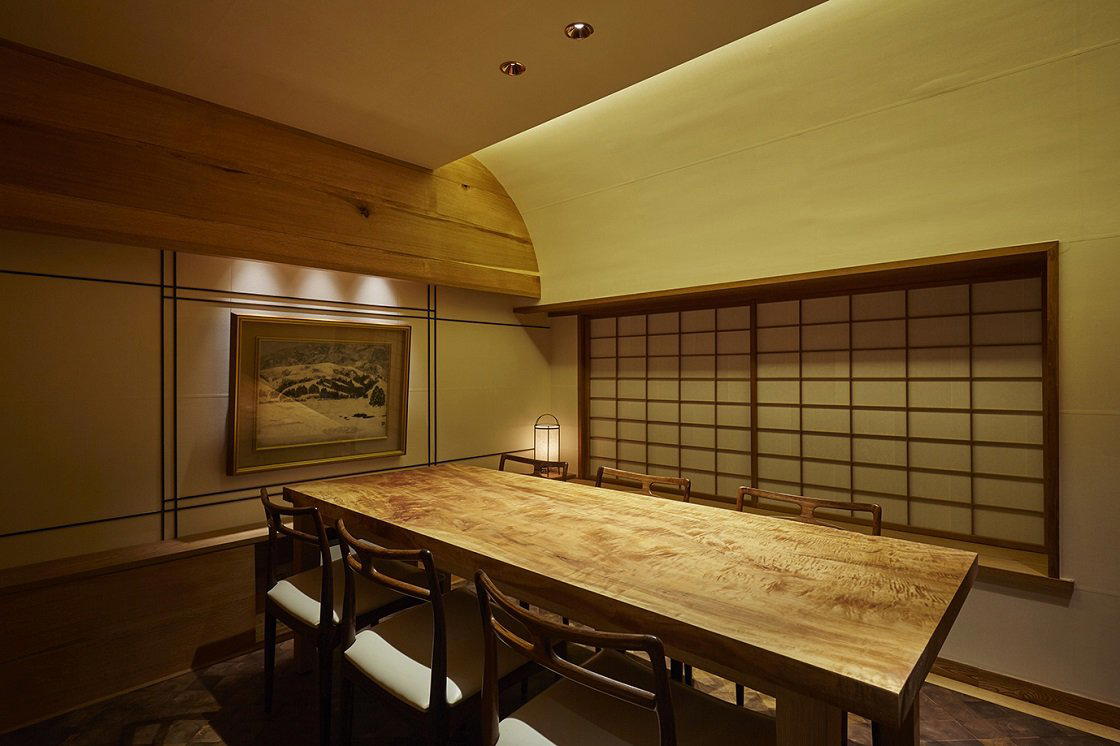
Serene, zen-like intimate dining room with elegant interior in Kyoto's historic Gion district; warm, attentive service enhances the refined atmosphere.