Set on Nanchizi Dajie, steps from the Forbidden City's eastern wall, Tiandi Yijia occupies one of Beijing's most historically weighted addresses. The restaurant draws on the imperial cooking tradition that defined the capital's haute cuisine for centuries, placing it in a distinct tier among Beijing's serious Chinese dining rooms. For visitors looking to understand how the city's culinary heritage translates to a contemporary setting, it warrants attention.
Pearl is the En Primeur Club membership app — saves, bookings, and concierge access live there. Same editors, same standards.
- Address
- 140 Nanchizi Dajie, Beijing, China, 100738
- Phone
- +861085115556
- Website
- thebeijinger.com
- Directions
- Get directions
 Saves & bookings on Pearl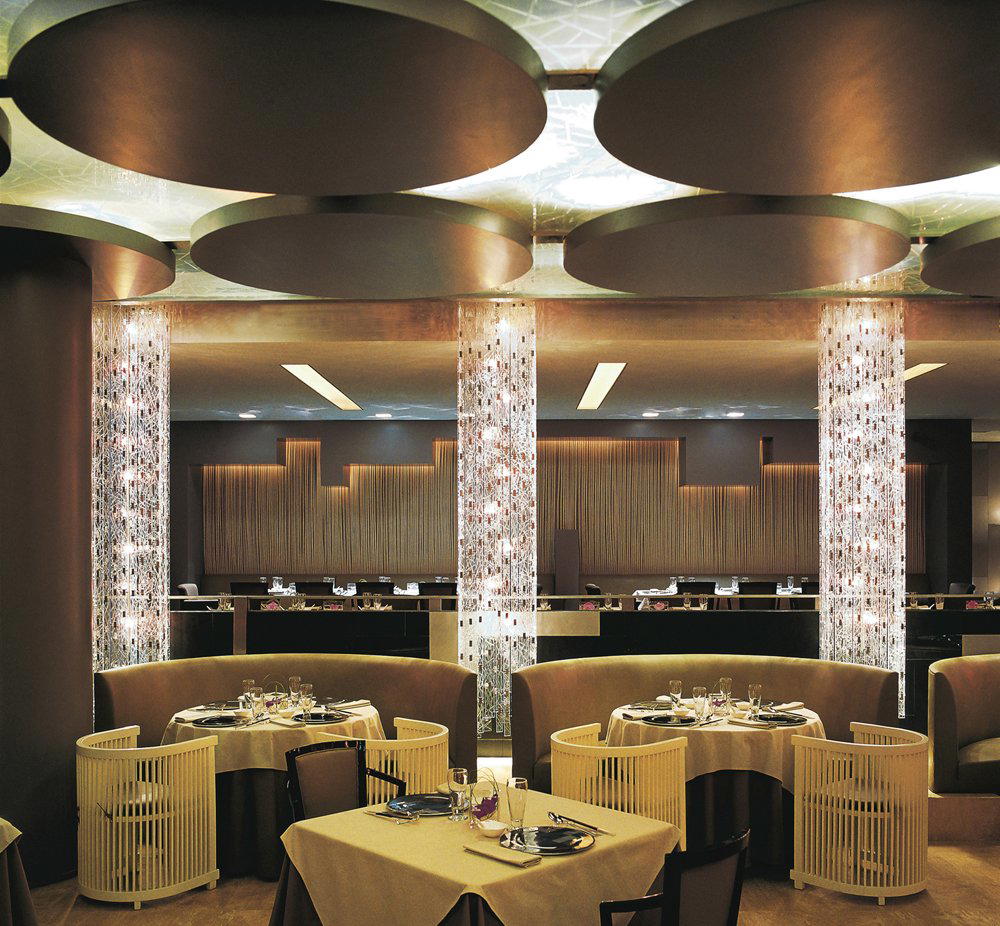
Eating in the Emperor's Shadow
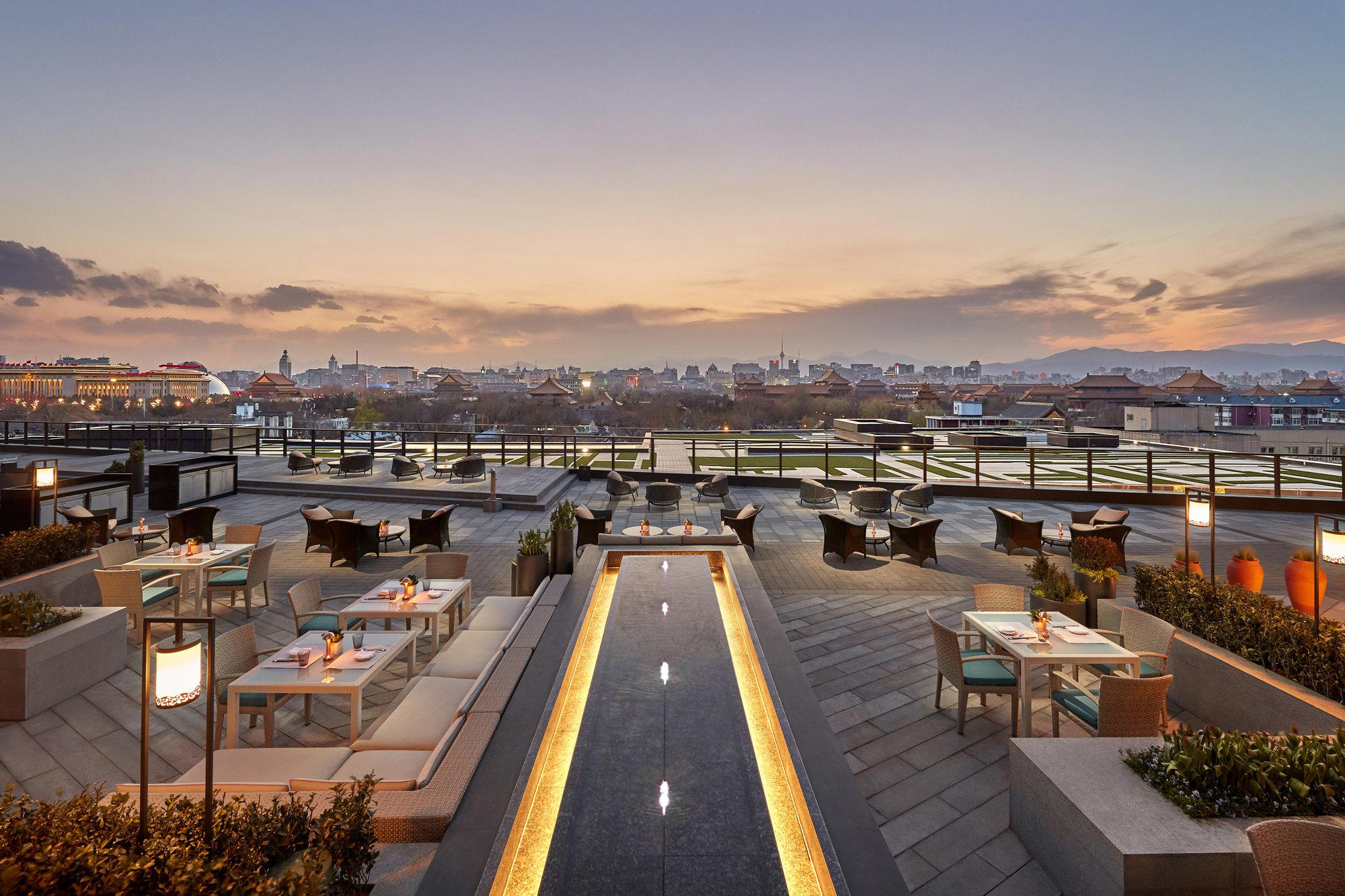
Nanchizi Dajie runs along the eastern flank of the Forbidden City, a narrow street where the scale of imperial Beijing becomes tangible. The palace wall closes off one side of the road; old hutong courtyard structures line the other. Arriving at 140 Nanchizi Dajie, the address of Tiandi Yijia, you are already inside among the more historically dense corridors in the capital. That geography is not incidental. Imperial-adjacent dining in Beijing has always carried symbolic weight, and the restaurant's location places it squarely within a tradition of cuisine that was once organised entirely around the protocols of the Qing court.
This matters because Beijing's haute Chinese dining scene splits along a clear fault line. On one side sit the regional specialists: Xin Rong Ji (Xinyuan South Road) represents the precision-driven Taizhou tradition, while Chao Shang Chao (Chaoyang) anchors the Chaozhou end of the spectrum. On the other side sit the imperial and Beijing-rooted formats, where the cuisine's reference point is not a coastal province but the capital's own layered culinary history. Tiandi Yijia belongs to this second group.
The Imperial Cooking Tradition and What It Means at the Table
Imperial Chinese cuisine is not a single style so much as a historical accumulation. The Qing dynasty kitchens of the Forbidden City drew on cooks recruited from across China's regions, folding Shandong technique, Manchu preparation methods, and elaborate banquet ritual into a single, highly codified system. What emerged was a cuisine defined less by any one ingredient or province and more by its relationship to ceremony, presentation hierarchy, and the symbolic resonance of specific dishes.
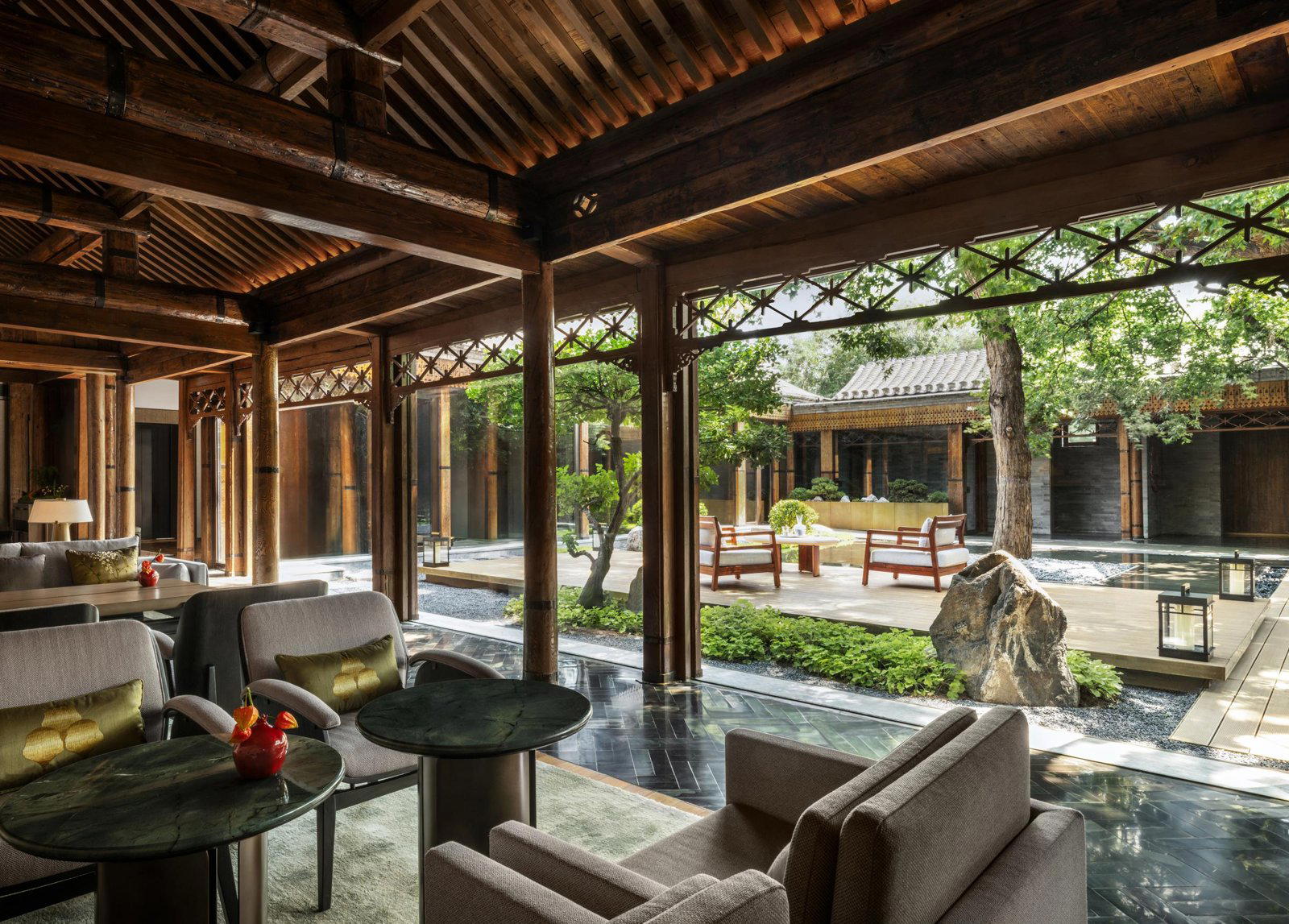
That legacy creates a particular kind of dining room in contemporary Beijing. Restaurants working in this register tend to reference the aesthetics of courtyard architecture, formal service choreography, and dishes whose names or forms carry historical associations. The experience asks something of the diner: some familiarity with why certain preparations carry prestige, why the sequencing of a meal carries meaning, and why the space itself is treated as part of the offering. For readers more accustomed to the cerebral tasting-menu formats of, say, Atomix in New York City or the precision seafood register of Le Bernardin, the difference is instructive: imperial Chinese cuisine embeds its sophistication in cultural memory rather than technical spectacle.
Within Beijing itself, the Beijing Cuisine category, of which the imperial register forms the highest tier, is represented at the serious end by venues like Jingji, which operates in the same ¥¥¥¥ price bracket. The comparative set matters because it shows how the city's own culinary identity competes with the regional imports that have become dominant in the capital's premium dining scene over the past decade.
Where Tiandi Yijia Sits in Beijing's Premium Chinese Dining
Beijing has seen sustained inward migration of regional Chinese cuisines at the summit end of the market. Taizhou seafood, Cantonese dim sum, and Chaozhou cold preparations have all established serious footholds, and several of the city's most discussed fine dining rooms now serve traditions with no historical connection to the north. Against that backdrop, a restaurant anchored to the imperial Beijing tradition occupies a more specific, more fragile, niche.
The vegetarian-led fine dining room King's Joy demonstrates how one adjacent tradition, Buddhist-influenced Chinese vegetarian cooking, has found a premium audience in the capital. Lamdre, another serious vegetarian room in Beijing, reinforces that pattern. Both occupy the ¥¥¥¥ tier and show that the city's high-end Chinese dining is no longer a single monolith but a set of distinct, sometimes competing, culinary philosophies. The restaurant's imperial register is one position within that fragmented field.
For broader context on how these dining traditions connect across Chinese cities, it is worth examining what is happening in parallel markets. 102 House in Shanghai and Chef Tam's Seasons in Macau demonstrate how premium Chinese cooking outside Beijing has developed its own distinct identity, while Xin Rong Ji in Chengdu shows how a single regional brand can operate across multiple cities with consistent positioning. The imperial Beijing model has no direct regional equivalent that travels in the same way, it is, by definition, tied to the capital.
The Nanchizi Setting and What It Adds
Location does genuine editorial work here, not decorative work. Restaurants that draw on historical or cultural narratives are routinely undermined when the physical setting fails to support the claim. A hutong-adjacent courtyard address on the eastern edge of the Forbidden City complex provides a material anchor that most imperial-themed venues elsewhere in the country cannot replicate. The street itself sits east of Tiananmen Square, which means the visitor profile skews toward those already focused on the historical city.
That positioning gives the restaurant a specific kind of diner: someone already oriented toward the historical city rather than its commercial overlay. Whether that translates to a premium, engaged audience on any given evening is a function of the booking calendar, but the address itself selects for a certain kind of attention. Comparable address-as-credential dynamics operate at venues like Ru Yuan in Hangzhou and Imperial Treasure Fine Chinese Cuisine in Guangzhou, where the physical setting does part of the positioning work that marketing cannot.
Planning Your Visit
The restaurant sits at 140 Nanchizi Dajie in Beijing, China, accessible from Tiananmen East subway station on Line 1, a short walk north along the eastern palace wall. Given the address and the cultural register of the restaurant, it is worth treating the visit as part of a broader engagement with this corridor of the city: the Imperial Ancestral Temple (Taimiao) and the Imperial City Wall remains are within walking distance. For those building a broader itinerary across Chinese cities, comparable cultural-register dining can be found at Dai Yuet Heen in Nanjing, Dingshan·Jiangyan in Suzhou, Fleurs Et Festin in Xiamen, Jiangnan Wok·Rong in Fuzhou, and Shang Palace in Yangzhou.
Fast Comparison
Comparable venues nearby, for context on price, style, and recognition.
| Venue | Cuisine | Price | Notes |
|---|---|---|---|
| Tiandi YijiaThis venue — the venue you are viewing | Imperial Chinese Cuisine | $$$ | Not listed |
| 功德林 | Modern Chinese | $$$ | Zhengyilu |
| Beijing Kitchen | Modern Chinese | $$$ | Balizhuang |
| Yatang | Regional Chinese with Peking Duck | $$$ | Tuanjiehu |
| Quanjude Roast Duck Restaurant | Traditional Peking Duck | $$$ | Wangfujing |
| FuRong Hu'nan Cuisine by Rong | Upscale Hunan cuisine by Xin Rong Ji | $$$ | Xicheng |
At a Glance
- Romantic
- Elegant
- Classic
- Date Night
- Special Occasion
- Private Dining
- Extensive Wine List
Current opening hours
- Monday
- 11 AM–10 PM
- Tuesday
- 11 AM–10 PM
- Wednesday
- 11 AM–10 PM
- Thursday
- 11 AM–10 PM
- Friday
- 11 AM–10 PM
- Saturday
- 11 AM–10 PM
- Sunday
- 11 AM–10 PM
Hours can change for holidays and private events. Last verified .
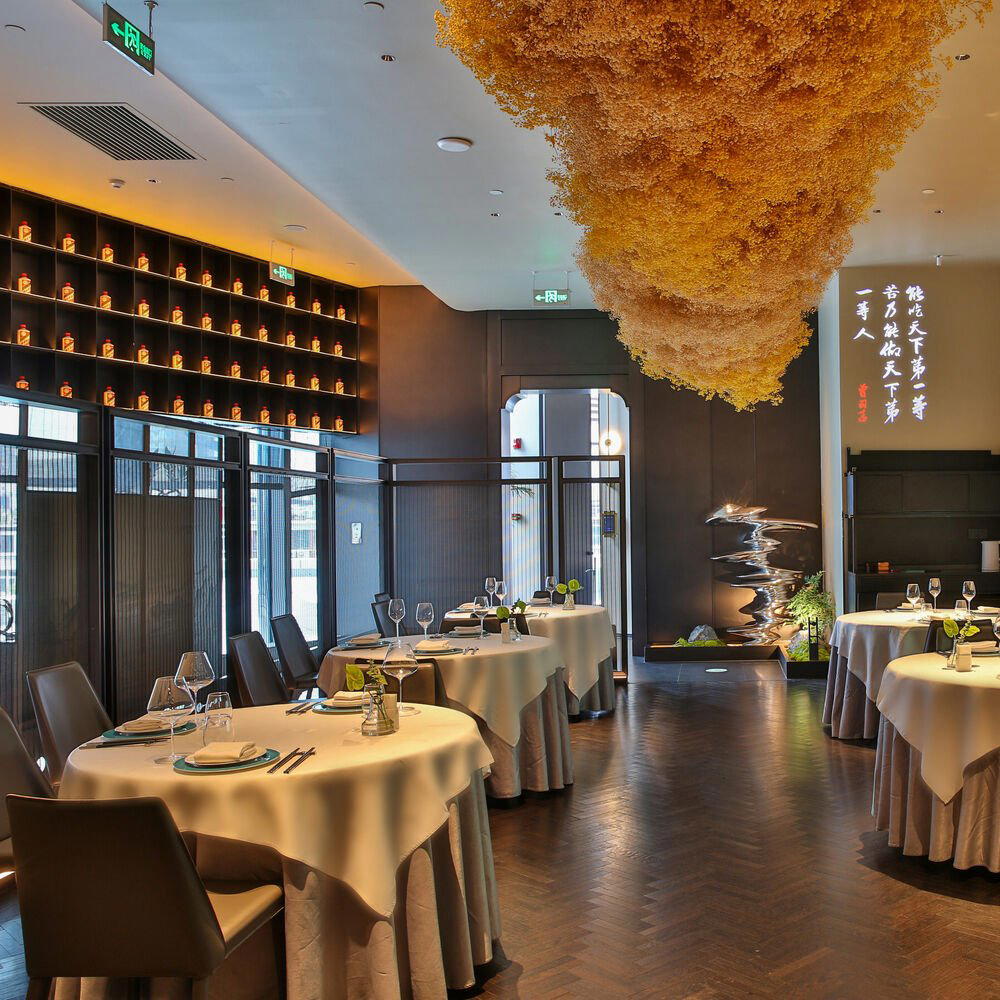
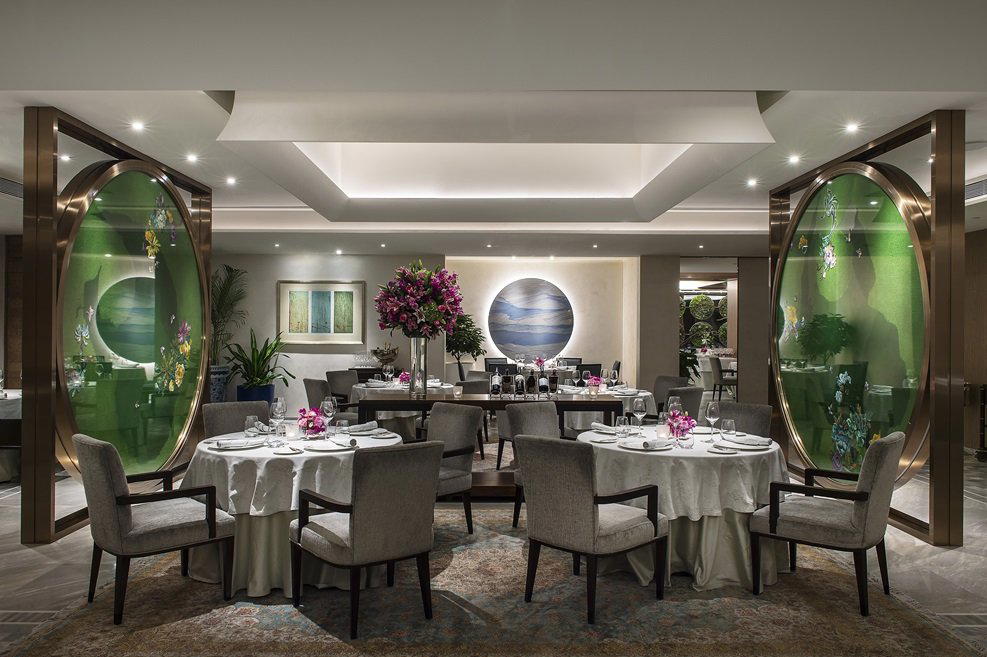
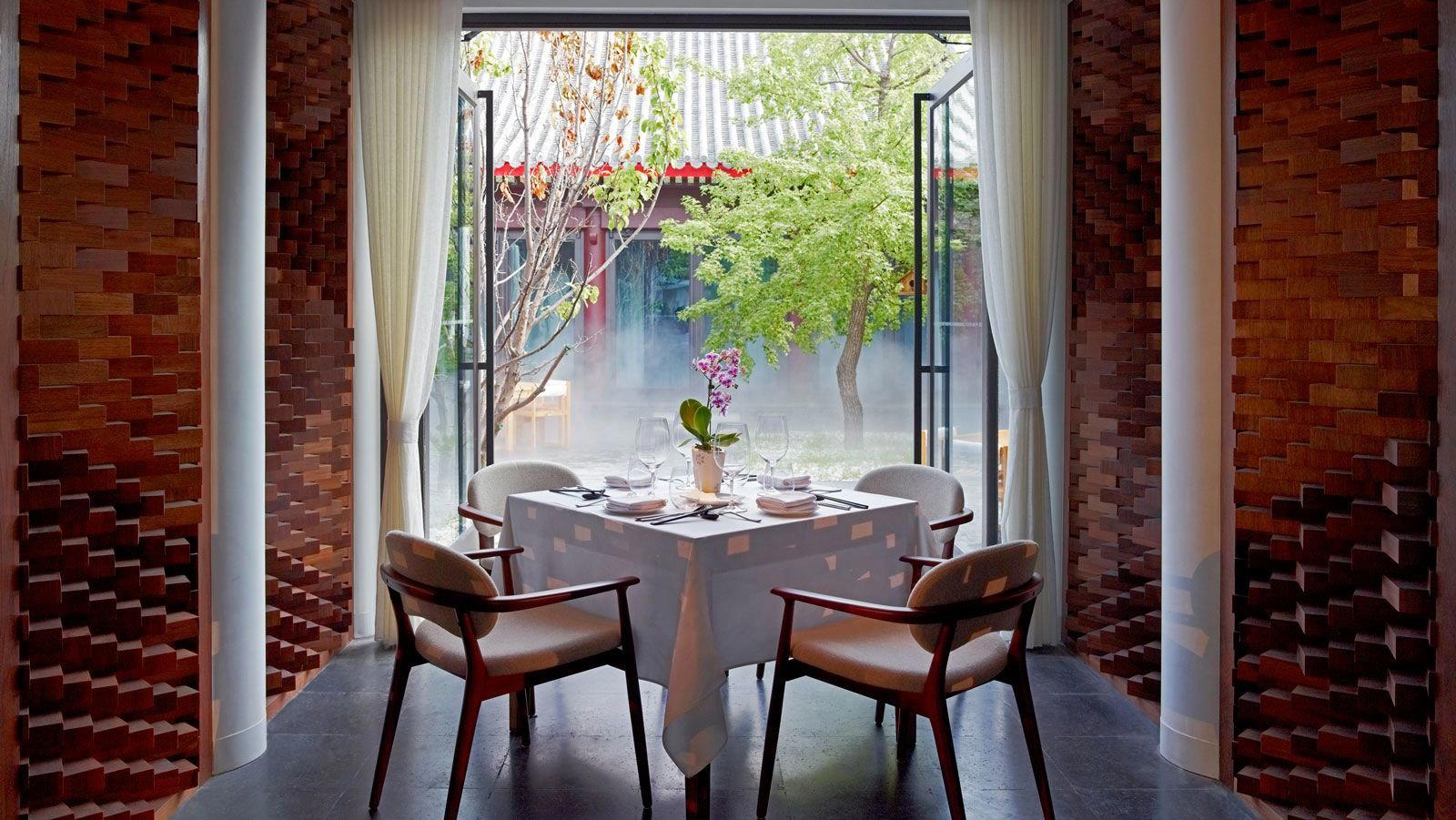
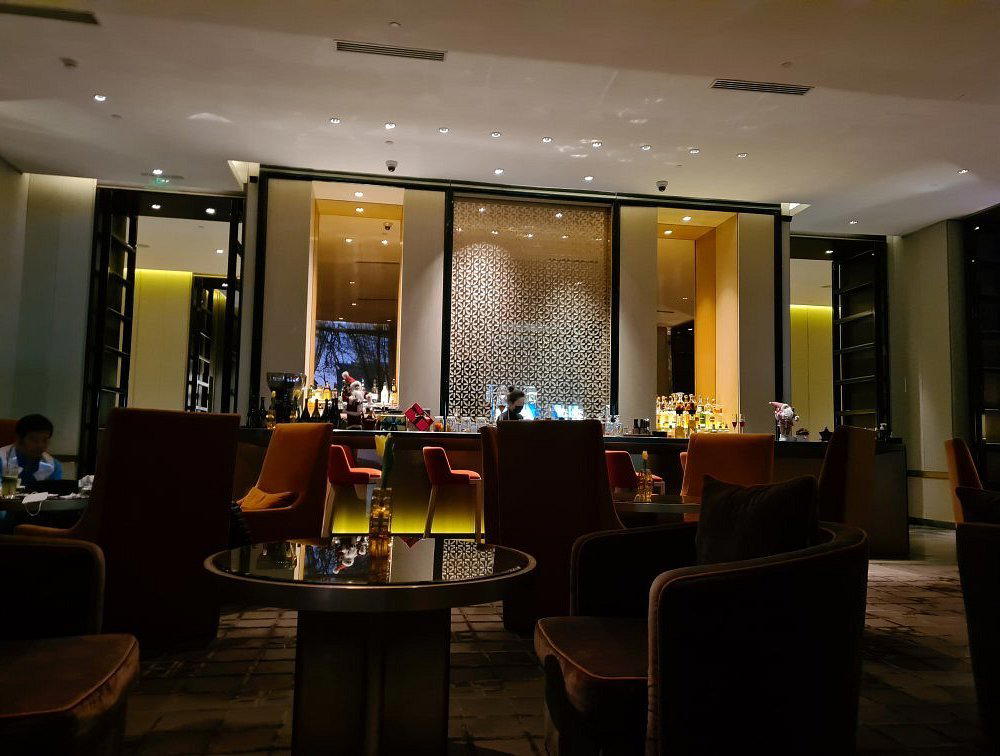
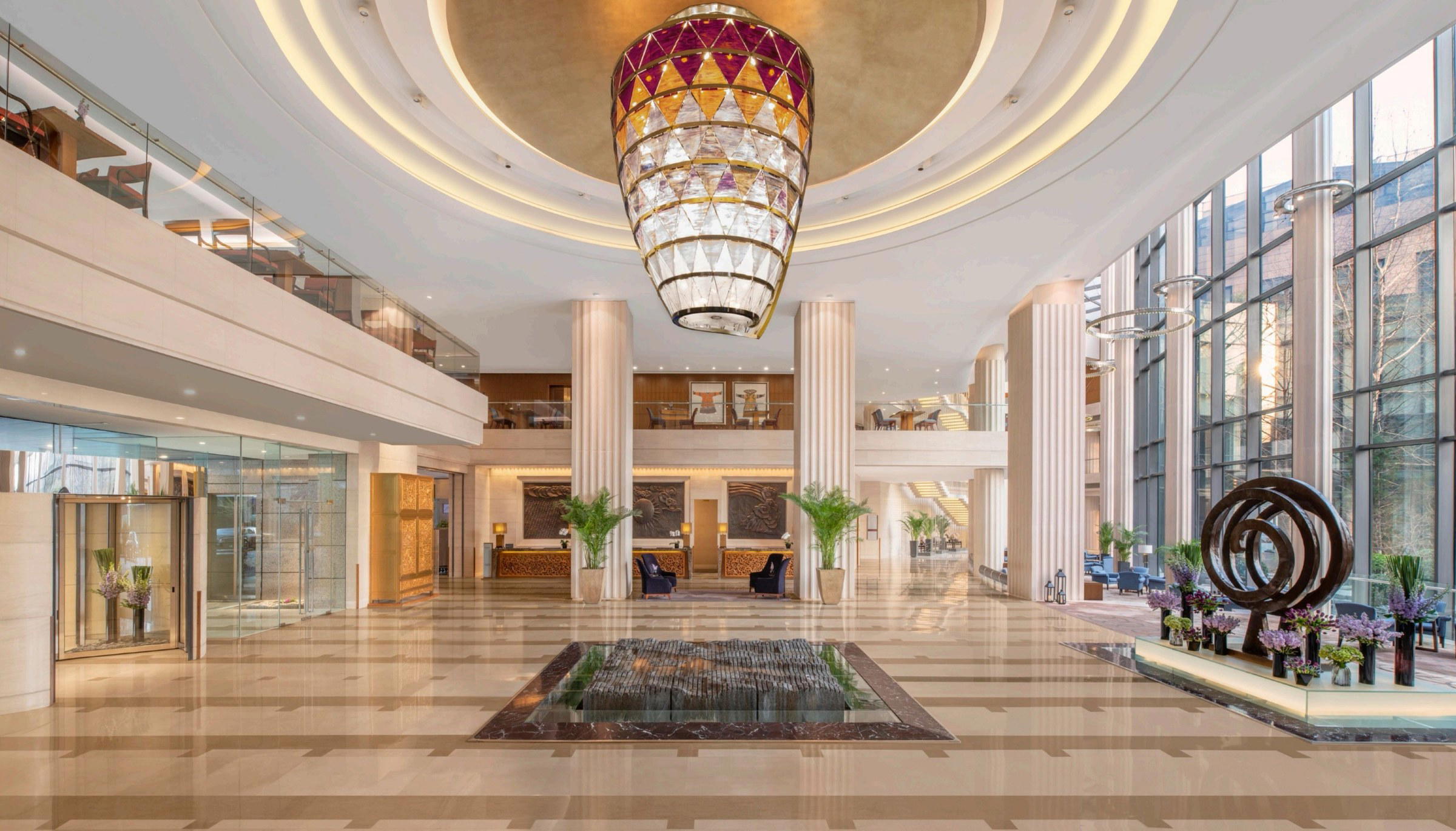
Slate grey and deep brown décor with bursts of imperial yellow from parasols under a giant skylight and golden carp in the central koi pond; elegant staff in black gliding around.