




Michelin Selected · La Liste Top Hotels · Forbes 4-Star
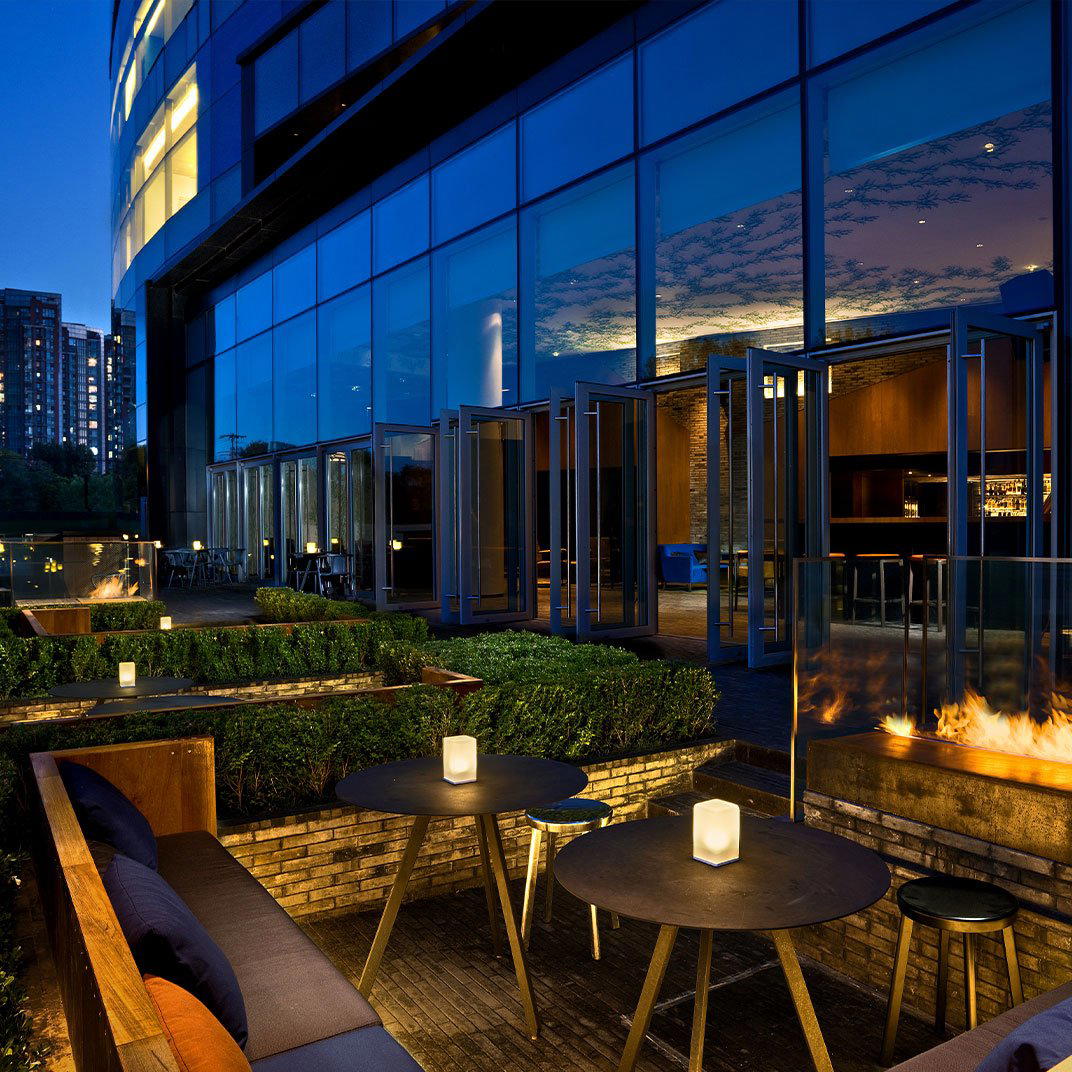
Positioned above the Dengshikou subway stop in Dongcheng District, Regent Beijing sits within a mile of Tiananmen Square and 1.5 miles from the Forbidden City, placing it inside Beijing's most historically weighted corridor. Its 202 rooms carry deep aubergine and gold interiors, marble bathrooms with soaking tubs, and access to a 17th-floor executive lounge. La Liste ranked the property at 93 points in its 2026 Top Hotels list, reflecting the breadth of dining and service infrastructure across a 496-room-scale operation.

Pearl is the En Primeur Club membership app — saves, bookings, and concierge access live there. Same editors, same standards.
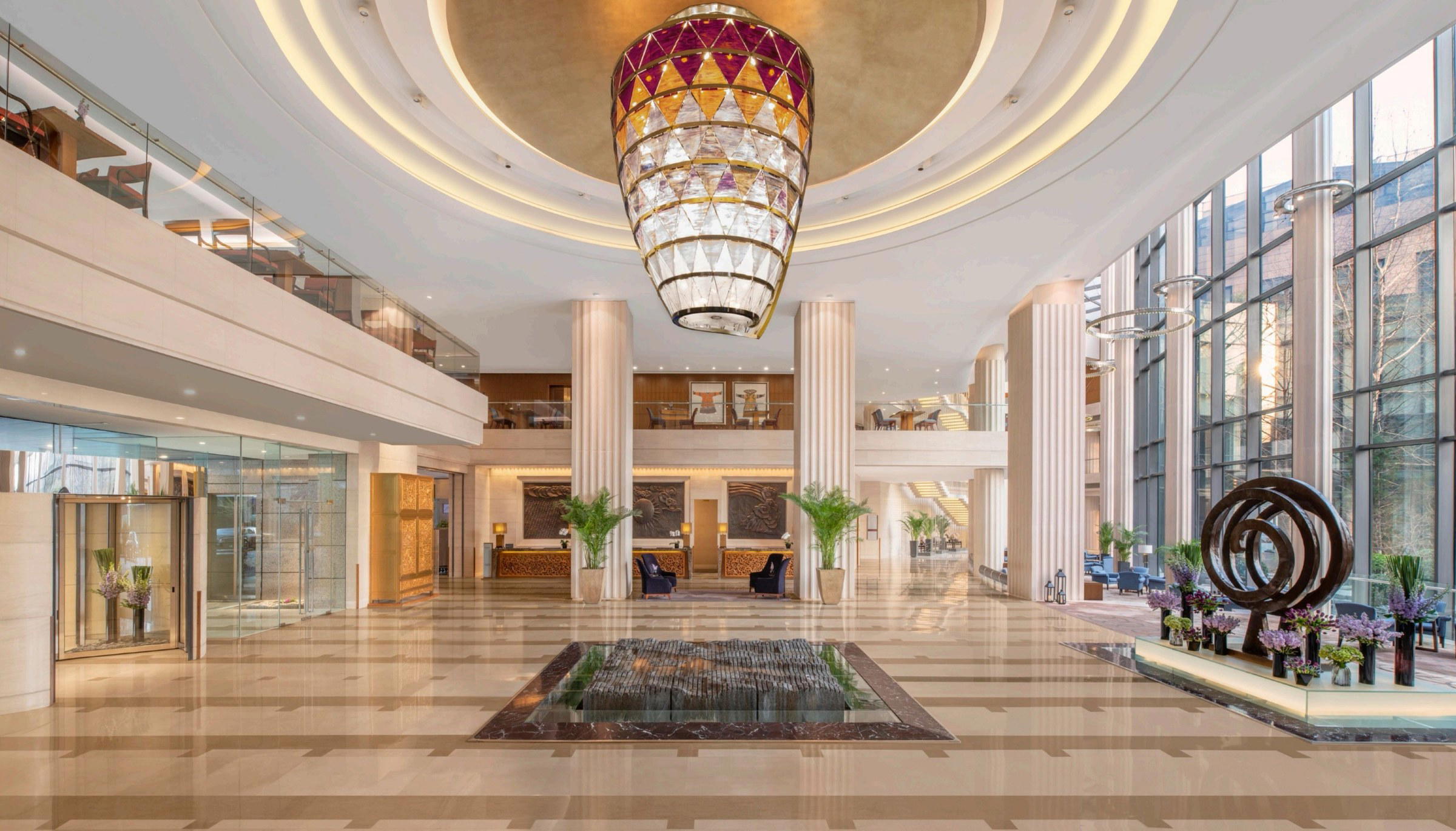
Beijing's Central Corridor and Where Regent Fits
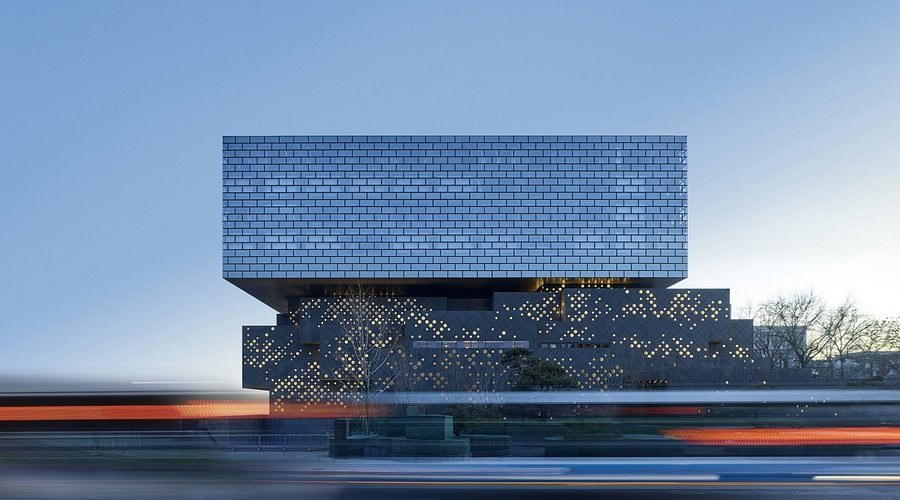
The stretch of Dongcheng District between the hutong alleys and the financial addresses of Jinbao Jie represents one of Beijing's sharpest hospitality contrasts: historic lanes pressed against contemporary tower hotels, each drawing a different kind of traveller. Regent Beijing occupies a modern tower built directly atop the Dengshikou subway station at 99 Jin Bao Jie, which positions it with unusual logistical efficiency for a city where distances across the ring roads can consume a morning. Tiananmen Square is less than a mile on foot; the Forbidden City sits approximately 1.5 miles away. For hotels operating in this tier, location arithmetic matters as much as room specification, and Regent's placement inside the Dongcheng core gives it a measurable advantage over properties anchored further east toward the CBD.
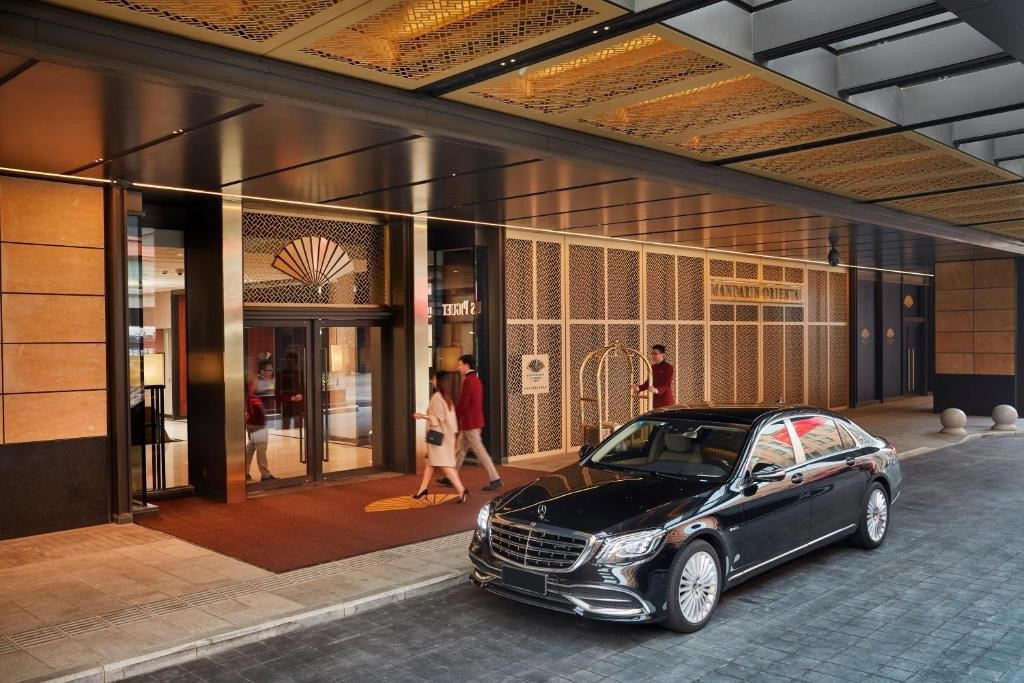
Beijing's upper-tier hotel market has become a crowded field. Aman Summer Palace owns the Summer Palace adjacency at the northwestern extreme; Bvlgari Hotel Beijing and Mandarin Oriental Qianmen compete on design credentials and address prestige. Regent Beijing sits in a different segment: larger in scale at 496 rooms, broader in amenity mix, and positioned to serve both the visiting executive and the leisure traveller wanting proximity to the imperial historic core without retreating to a boutique format. La Liste's 2026 Leading Hotels list awarded the property 93 points, a score that places it within a recognized upper bracket of Chinese urban hotels and reflects the breadth of its service infrastructure.
The Rooms: Palette, Scale, and What to Prioritise
The interior design language across Regent Beijing's guest rooms leans into deep aubergine and gold, a palette that reads warmer in evening light than in photographs. Flat-screen televisions, duvet-topped beds, and marble-clad bathrooms with deep soaking tubs are consistent across the standard category. At 202 rooms in the primary count referenced in inspection notes, the hotel operates at a scale that allows for genuine service depth without the anonymity of Beijing's largest convention properties.
The practical upgrade case here is clearer than at most hotels in this tier. Executive Rooms, Executive Suites, and signature suites include access to the Regent Club on the 17th floor, a lounge operating on an all-day refreshment model. Butler service, luggage handling, and garment pressing accompany these room categories as standard inclusions rather than fee-based additions. For travellers spending multiple nights and treating the hotel as a base for dense itinerary days, those inclusions carry genuine time value. The hotel also runs a complimentary breakfast in the lobby from 5:30 to 6:30 a.m. a detail worth noting for early departures toward the Forbidden City before the crowds arrive.
Families travelling with children will find that the property has moved beyond the performative gestures that pass for family-friendliness at many luxury hotels: a toy welcome gift and a dedicated children's pool are in place. The free bike lending program offers a practical and appropriate way to cover the hutong district without the overhead of hired transport.
Dining Infrastructure and the Lei Garden Argument
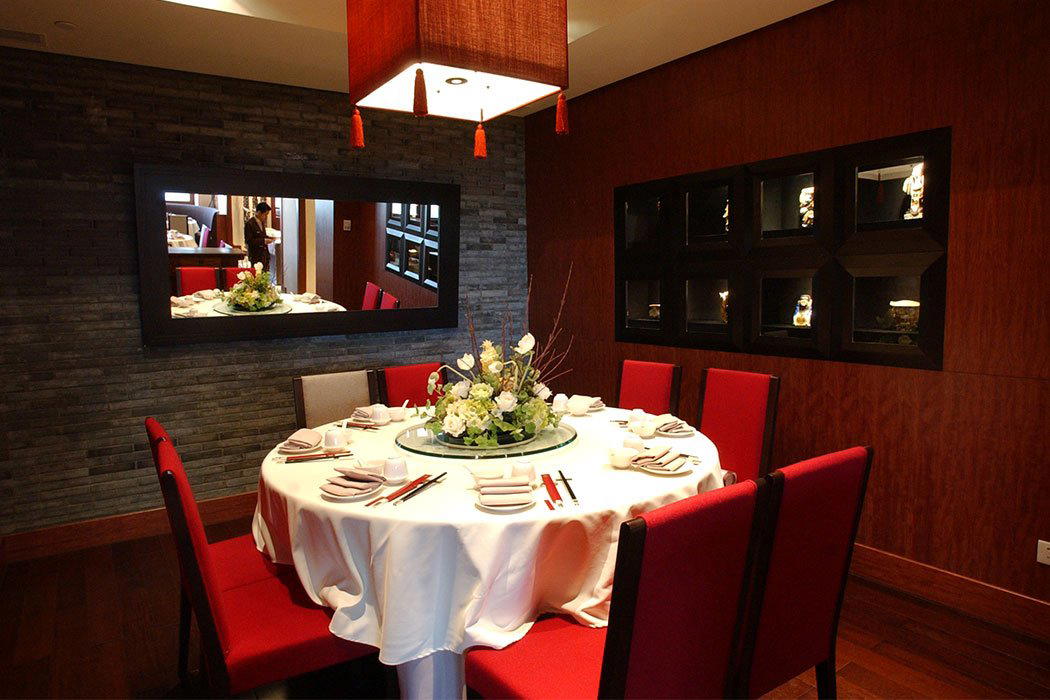
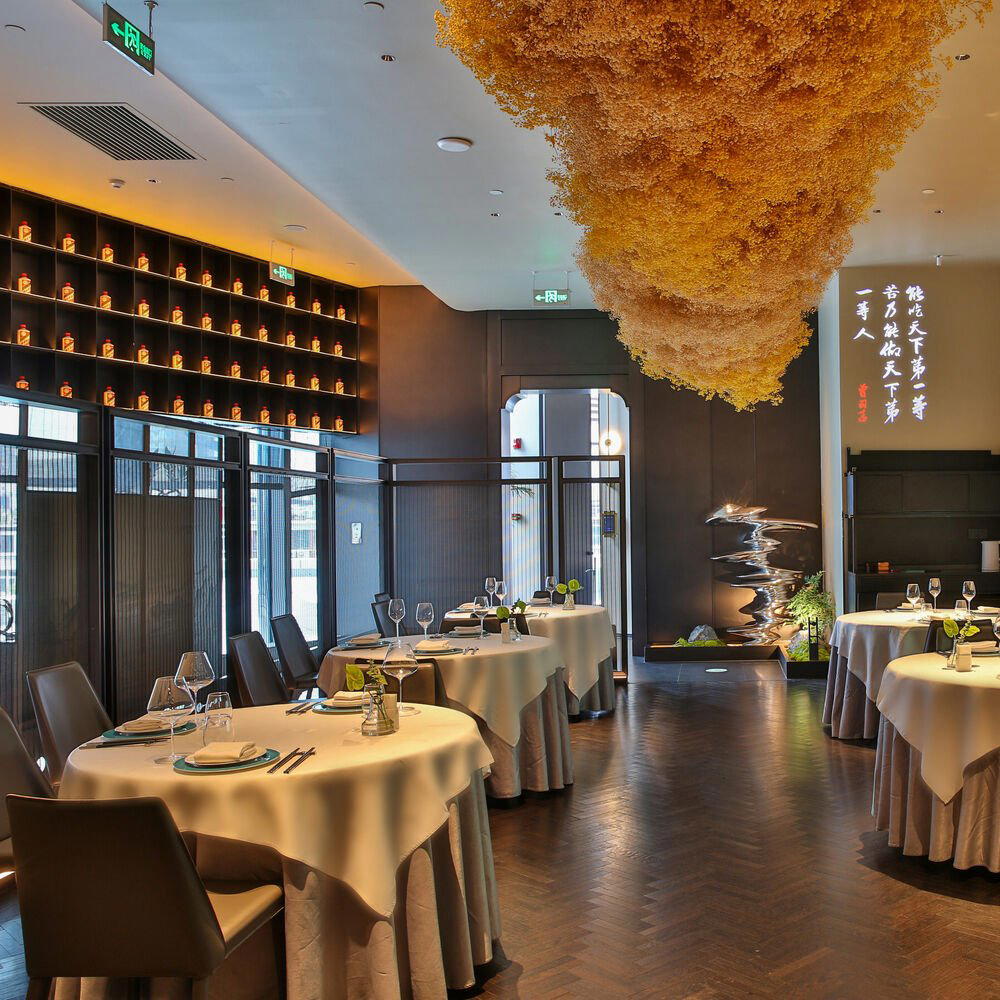
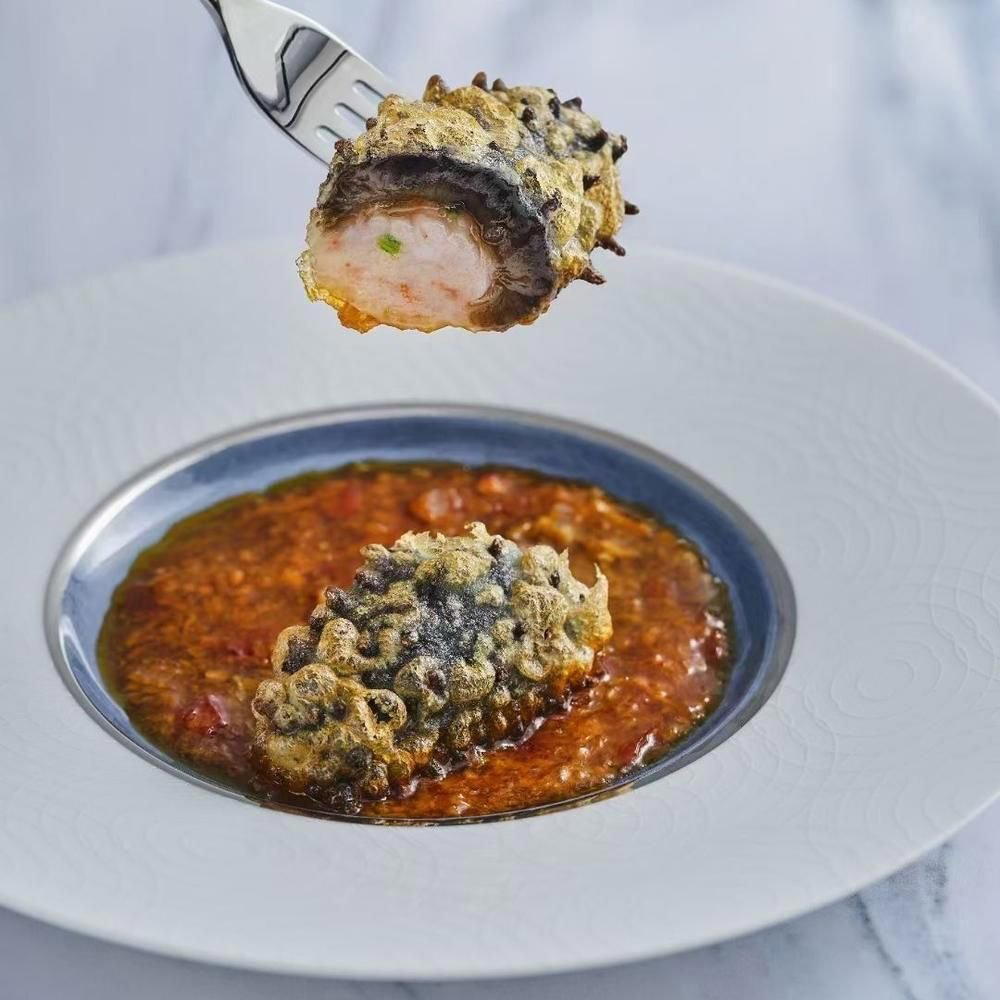
Multi-outlet dining at large urban luxury hotels in China typically ranges from competent to forgettable, with one or two anchors carrying the credibility. At Regent Beijing, the anchor that merits attention is Lei Garden, the Beijing outpost of the Hong Kong-based restaurant group that played a documented role in popularising XO sauce in the broader Chinese dining canon. The restaurant specialises in modern Cantonese, which in Beijing represents a regional departure: the city's own culinary tradition runs toward roast duck, wheat-based preparations, and braised northern dishes, so a Cantonese operation of this pedigree adds genuine range to the hotel's food offer rather than duplicating the street-level options nearby.
For a hotel operating at this scale and in this price bracket, the presence of a named restaurant group with a cross-border reputation is the kind of anchor that affects how the overall property is assessed in comparison to peers. Fairmont Beijing Hotel, China World Summit Wing, and Conrad Beijing each operate their own dining programs, but none carry an in-house Cantonese group with Lei Garden's specific lineage. For travellers who treat hotel dining as part of the trip rather than a fallback, that distinction is worth weighing before booking.
Beyond Lei Garden, the property's bar and spa round out an amenity list that covers the ground expected at this level: an indoor pool, gym, and the Serenity Spa's 12 treatment suites offering both Asian and European service formats, including a dedicated foot massage suite, which carries particular relevance in a city where full-day itineraries are measured in kilometres of walking.
Front-of-House and Concierge as Orientation Tools
In Beijing, where the gap between a well-briefed concierge and a generic one can determine whether a visitor navigates the hutong district effectively or spends a morning lost between signage in Mandarin and unhelpful mapping apps, service infrastructure matters at a different level than in more tourist-mapped cities. Inspection notes specifically reference the concierge team's capability as a trip-planning resource. For first-time Beijing visitors with dense schedules, that is a meaningful operational detail rather than a courtesy point. The concierge function at properties like Regent sits closer to a logistics coordinator than a desk attendant when the surrounding city is as layered as Beijing's historic core.
The front-of-house consistency observed across inspection rounds, combined with the hotel's position above a functioning subway station, creates a practical base of operations that hotels further from transit cannot replicate at the same price point. Guests at Eclat Beijing or Brickyard Retreat at Mutianyu Great Wall are making a different kind of trade-off: atmosphere and distinctiveness over centrality and service breadth. Regent Beijing tilts the calculation toward accessibility and infrastructure.
Planning a Stay: What to Know Before Booking
Regent Beijing at 99 Jin Bao Jie, Dong Cheng District, is directly accessible from the Dengshikou subway stop. Rooms begin at approximately $235 per night in published rate data, which places the property in the mid-to-upper range of Beijing's luxury hotel tier without reaching the rate ceiling occupied by some design-led boutique competitors. Booking through the hotel's own channels or recognised luxury travel platforms will typically unlock access to executive-tier inclusions and rate flexibility. Given the hotel's proximity to the Forbidden City, peak booking pressure runs highest during national holidays, Golden Week in October being the most acute, and rates during those windows compress availability significantly. Planning with a minimum two-to-three week lead time outside peak periods is reasonable; during Golden Week, advance booking of six to eight weeks is a more realistic baseline. Guests seeking to pair this stay with broader China travel can reference properties like Amanfayun in Hangzhou, Amandayan in Lijiang, or 1 Hotel Haitang Bay in Sanya as complementary itinerary anchors across different regional formats. For a broader view of where Regent Beijing sits within the city's dining and hotel ecosystem, our full Beijing guide maps the competitive field in detail.
Recognition, Side-by-Side
Comparable venues nearby, for context on price, style, and recognition.
| Venue | Cuisine | Price | Awards | Notes |
|---|---|---|---|---|
| Regent BeijingThis venue (the venue you are viewing) | Classic yet contemporary luxury hotel blending imperial grandeur with modern refinement. | Not listed | Michelin Selected · La Liste Top Hotels | Not listed |
| The PuXuan Hotel and Spa | Contemporary luxury urban retreat blending modern design with historical proximity | $300–500 | 1 Michelin Key · La Liste Top Hotels | Zhengyilu |
| The Peninsula Beijing | Imperial elegance meets modern luxury all-suite sanctuary | $300–500 | 1 Michelin Key · La Liste Top Hotels | Chaoyangmen |
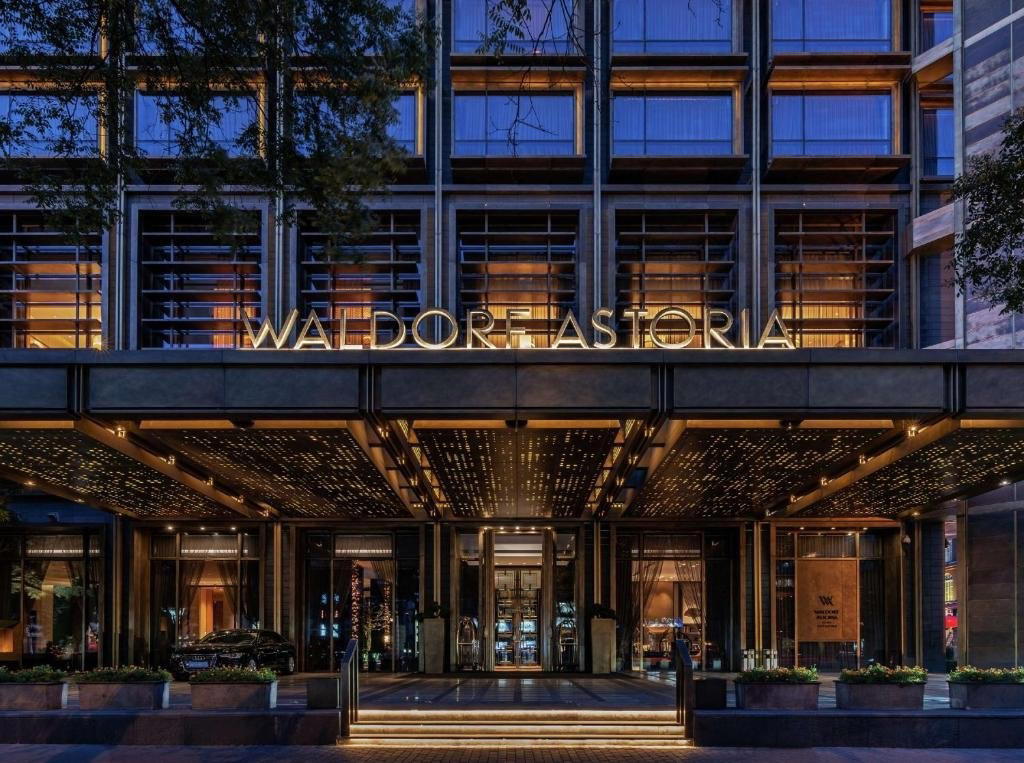
| Waldorf Astoria Beijing | Luxury heritage hotel inspired by traditional Hutong courtyards in a modern setting. | $300–500 | 1 Michelin Key · La Liste Top Hotels | Chaoyangmen |
| Shangri-La Shougang Park, Beijing | Contemporary luxury hotel integrated into a repurposed industrial landmark, blending heritage preservation with modern Asian hospitality and sustainability. | $100–200 | 1 Michelin Key · La Liste Top Hotels | Shijingshan |
| Eclat Beijing | All-suite boutique hotel in a striking glass pyramid structure within Parkview Green development. | $100–200 | 1 Michelin Key · La Liste Top Hotels | Chaowai |
Recognition history
Dated appearances from independent guides and award organizations, with the underlying list record or original source where available.
Michelin Selected
Michelin
La Liste Top Hotels
La Liste
Forbes 4-Star
Forbes
Travel + Leisure 100 Favorite Hotels in the World #50 · No. 50
Travel + Leisure · 2026 Travel + Leisure 100 Favorite Hotels in the World
Tatler Listed in Best Hotels Asia-Pacific
Tatler
Full recognition history (7 entries)
Forbes 4-Star
Forbes
Travel + Leisure 100 Favorite Hotels in the World #35
Travel + Leisure
Continue exploring
More in Beijing
Hotels in Beijing
All hotels in Beijing →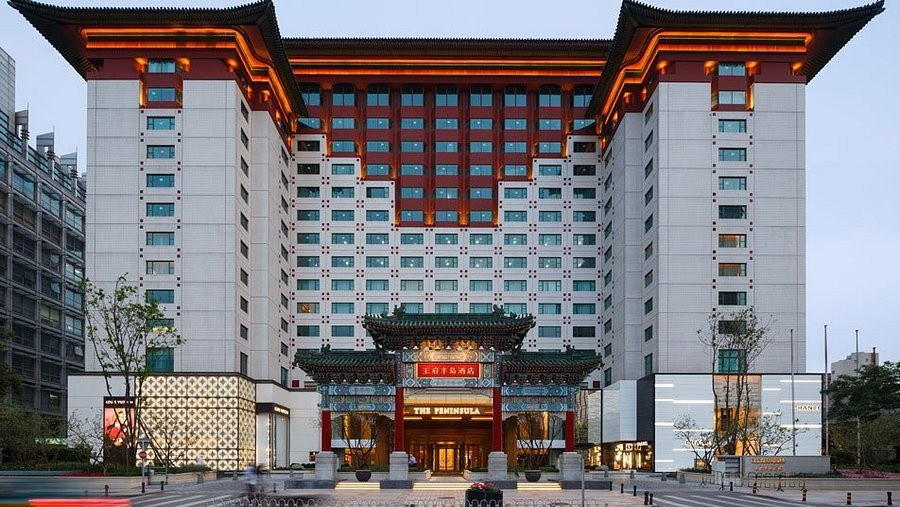
Bars in Beijing
All bars in Beijing →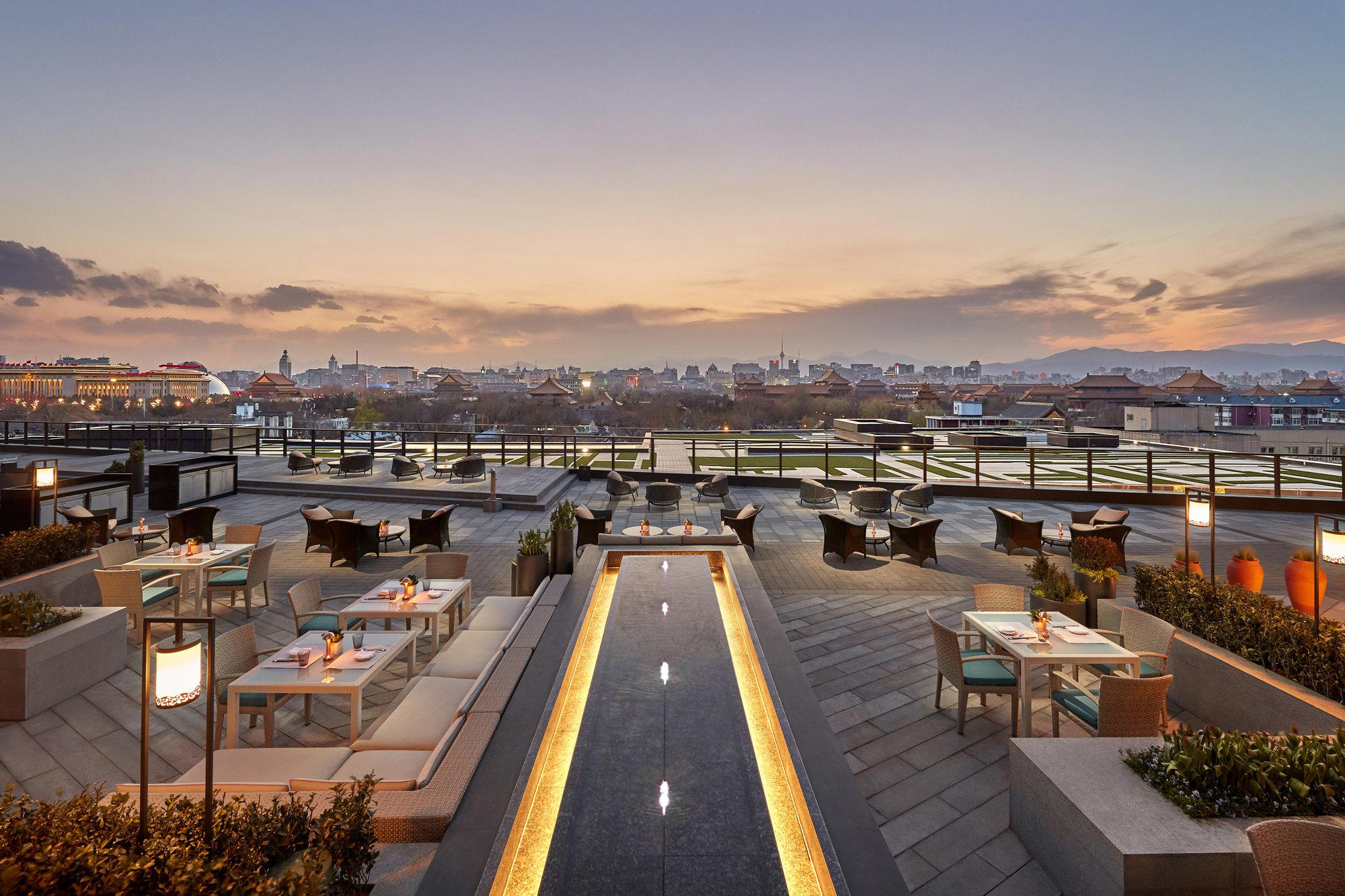
Details
- Elegant
- Sophisticated
- Ornate
- Business Trip
- Romantic Getaway
- Panoramic View
- Historic Building
- Wi Fi
- Pool
- Spa
- Fitness Center
- Room Service
- Concierge
- Business Center
- Valet Parking
- Skyline
- Wheelchair Accessible
- Elevator
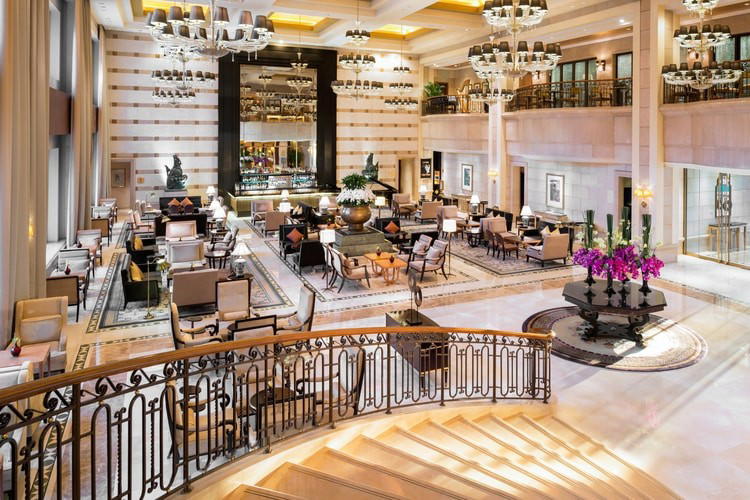
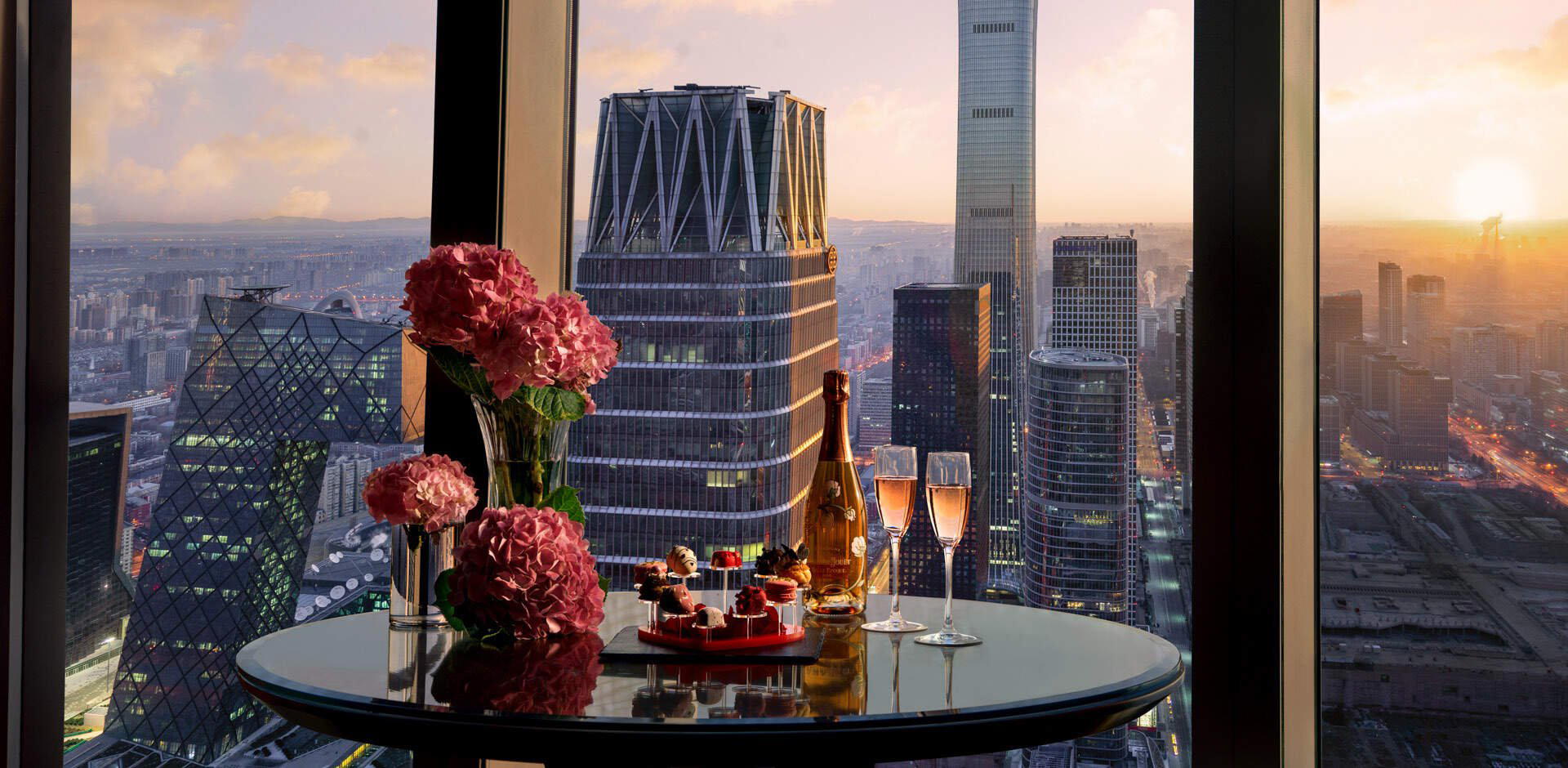
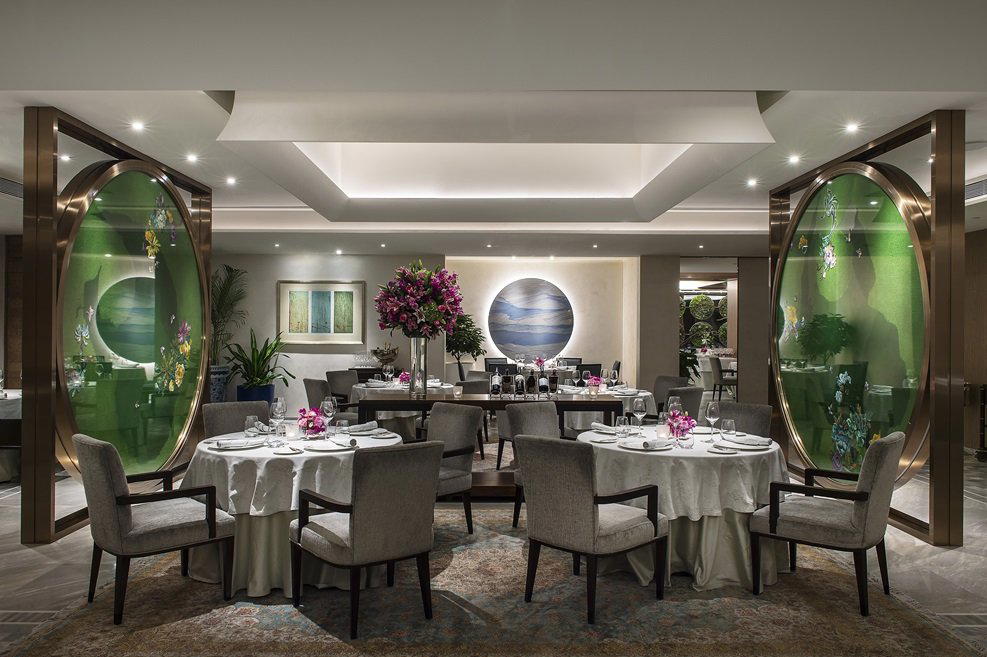
Elegant contemporary atmosphere with spacious modern public areas, soundproofed rooms, and serene spa and pool facilities praised for tranquility and luxury.