
FuRong Hu'nan Cuisine by Rong gives Beijing a polished reading of Hunan cooking, a cuisine built on preserved vegetables, river fish, smoked meats, rice aromatics, and layered chilli heat rather than simple firepower. Its 2026 Black Pearl one-diamond recognition places it in the city’s serious dining conversation, useful for travellers looking beyond roast duck and imperial banquet rooms.

Pearl is the En Primeur Club membership app — saves, bookings, and concierge access live there. Same editors, same standards.
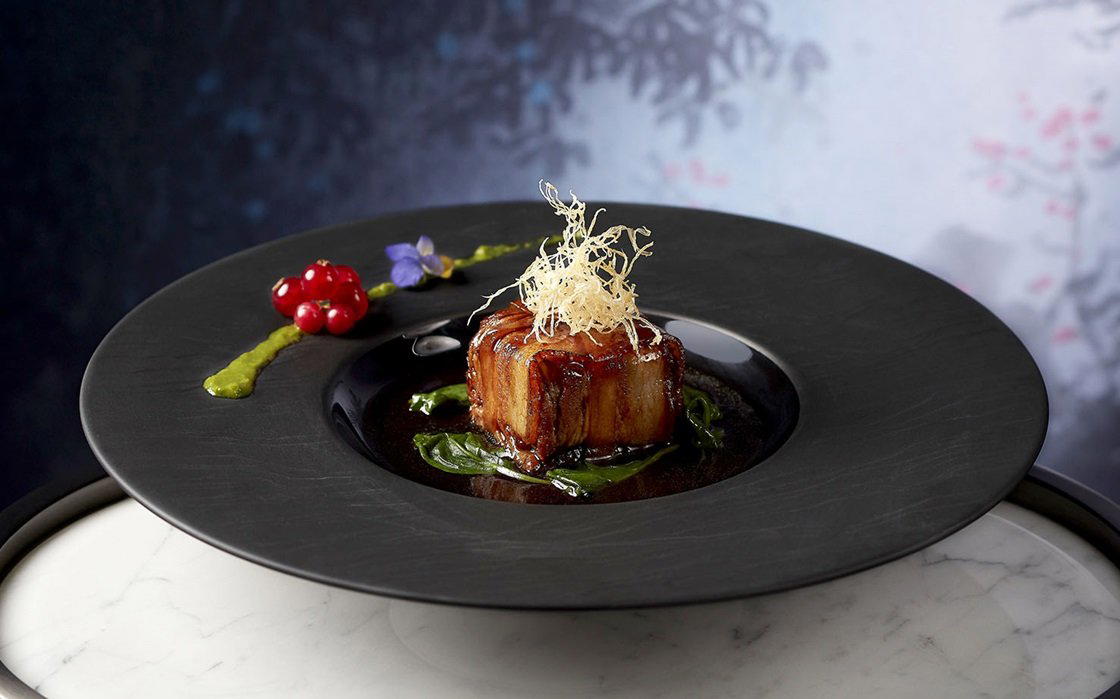
The first signal is not luxury for its own sake, but temperature, aroma, and tempo: Hunan cooking announces itself through steam, fermented sharpness, cured smoke, and chilli heat that arrives in layers. In Beijing, where regional Chinese restaurants often soften their edges for diplomatic dining rooms and hotel crowds, a serious Hunan table has to decide how much of the province to keep intact. FuRong Hu'nan Cuisine by Rong belongs in that question. Its 2026 Black one-diamond recognition gives it a measurable place in the city’s dining hierarchy, but the more useful reading is culinary: this is Hunan cuisine treated as a sourcing discipline, not a generic spicy category.
Hunan food in Beijing depends on preservation, smoke, and the right kind of chilli
Hunan cooking is often reduced outside China to heat, which misses the architecture of the cuisine. The province’s food culture draws heavily on preserved vegetables, pickled aromatics, freshwater fish, cured pork, smoked ingredients, rice, tea oil, and fresh green and red chillies. The heat is direct, but it is not the same as Sichuan’s numbing peppercorn logic. Hunan cooking tends to be sharper, saltier, smokier, and more acid-driven, with fermentation doing as much work as chilli.
That distinction matters in Beijing because the capital rewards restaurants that can translate regional specificity without flattening it into banquet sameness. Roast duck remains the obvious introduction to the city, and readers building a wider Beijing itinerary can compare that register through 1949 - Duck de Chine, 1949 The Hidden City (Beijing cuisine), and 1949-å ¨é¸å£. Hunan sits elsewhere: less ceremonial, more aggressive in seasoning, and more dependent on the integrity of preserved and smoked components.
For ingredient-led dining, that makes the sourcing question central. The chilli has to bring fragrance as well as force. Pickled vegetables need snap and salinity rather than blunt sourness. Cured meats should carry smoke and fat without dominating the table. Fish and freshwater ingredients, when used in the Hunan repertoire, depend on clean handling because the sauces around them are assertive. A polished Beijing Hunan restaurant rises or falls on these details, not on the number of chillies visible on a plate.
Black recognition puts regional Chinese cooking into a formal dining frame
The Black Restaurant Guide has become one of China’s more influential domestic dining signals, especially for Chinese cuisines that Michelin-style international lists have not always read with equal nuance. A one-diamond award in 2026 does not merely indicate comfort or expense; it places FuRong Hu'nan Cuisine by Rong inside a group of restaurants judged for consistency, cooking standards, and service infrastructure. For travellers, that matters because regional Chinese meals can vary widely between family-style informality, private-room banqueting, and polished tasting-led formats.
Beijing’s dining audience is unusually broad: political dining, business hosting, domestic culinary tourism, hotel restaurants, and neighbourhood specialists all share the same city. That mix creates a high bar for restaurants serving provincial food at a premium level. A Hunan restaurant in this tier has to satisfy guests who know the original flavours, while also fitting Beijing’s expectation for pacing, room control, and hosting. The result is not rustic Hunan transplanted wholesale; it is a capital-city interpretation where ingredient quality and consistency carry the argument.
For readers mapping the wider city, Beijing now rewards category clarity. Contemporary European rooms such as Amico BJ (European Contemporary) and hotel dining rooms such as Aroma answer a different brief. Hunan cooking answers a regional one: rice at the centre, dishes designed for sharing, seasoning that builds through the meal, and a structure that makes sense with groups rather than solitary grazing.
How to place it in a Beijing dining plan
The smart use case is a meal for diners who already understand that Chinese regional cuisine is not interchangeable. Beijing’s appeal is partly its range: imperial and northern traditions, contemporary international dining, serious provincial cooking, and luxury hotel restaurants can all sit within a short stay. FuRong Hu'nan Cuisine by Rong is better framed as the Hunan slot in that itinerary, especially for travellers who want preservation, smoke, and chilli as the centre of the meal rather than a side note.
Because published practical details are sparse, planning should stay conservative: treat it as a restaurant to arrange ahead rather than an impulsive walk-in, particularly given the Black one-diamond signal and Beijing’s business-dining rhythm. Groups will get more from the cuisine than solo diners, since Hunan meals are built through contrast: hot and sour, smoked and fresh, fatty and pickled, rice-softened and chilli-bright. Children can fit if they already handle assertive seasoning; otherwise the table may need careful ordering.
For broader planning, use our full Beijing restaurants guide alongside our full Beijing hotels guide, our full Beijing bars guide, our full Beijing wineries guide, and our full Beijing experiences guide. Travellers comparing regional Chinese dining across the country can also look at #8 in Chengdu, 100 Century Avenue Cantonese in Shanghai, 167 Shan Hai Li in Fuzhou, 1913 in Hangzhou, 1927 Dong Yuan Si Chu in Xiamen, and 1980烧肉粽 in 厦门市. For a deliberately different register outside China, Jōdo Saké Bar in Los Angeles and Onigiri Time in Pasadena show how tightly focused formats can define a meal without trying to cover an entire cuisine.
Comparable venues nearby, for context on price, style, and recognition.
| Venue | Cuisine | Price | Notes |
|---|---|---|---|
| FuRong Hu'nan Cuisine by RongThis venue — the venue you are viewing | Upscale Hunan cuisine by Xin Rong Ji | $$$ | Not listed |
| BoJingXuanChineseRestaurant | Beijing–Cantonese fusion Chinese fine dining | $$$ | /海淀区 (near Jimen Bridge, northwest 2nd Ring) |
| Wulixiang | Traditional Shanghainese | $$$ | Tuanjiehu |
| Summer Palace (Beijing) | Classic Cantonese | $$$ | Yiheyuan |
| Din Tai Fung | Taiwanese Soup Dumplings | $$ | Sanlitun |
| Tongheju | Authentic Shandong Cuisine | $$ | Yuetan |
Recognition history
Dated appearances from independent guides and award organizations, with the underlying list record or original source where available.
Black Pearl 1 Diamond
Black Pearl

At a Glance
- Elegant
- Modern
- Lively
- Sophisticated
- Business Dinner
- Group Dining
- Family
- Special Occasion
- Date Night
- Hotel Restaurant
- Standalone
- Private Dining
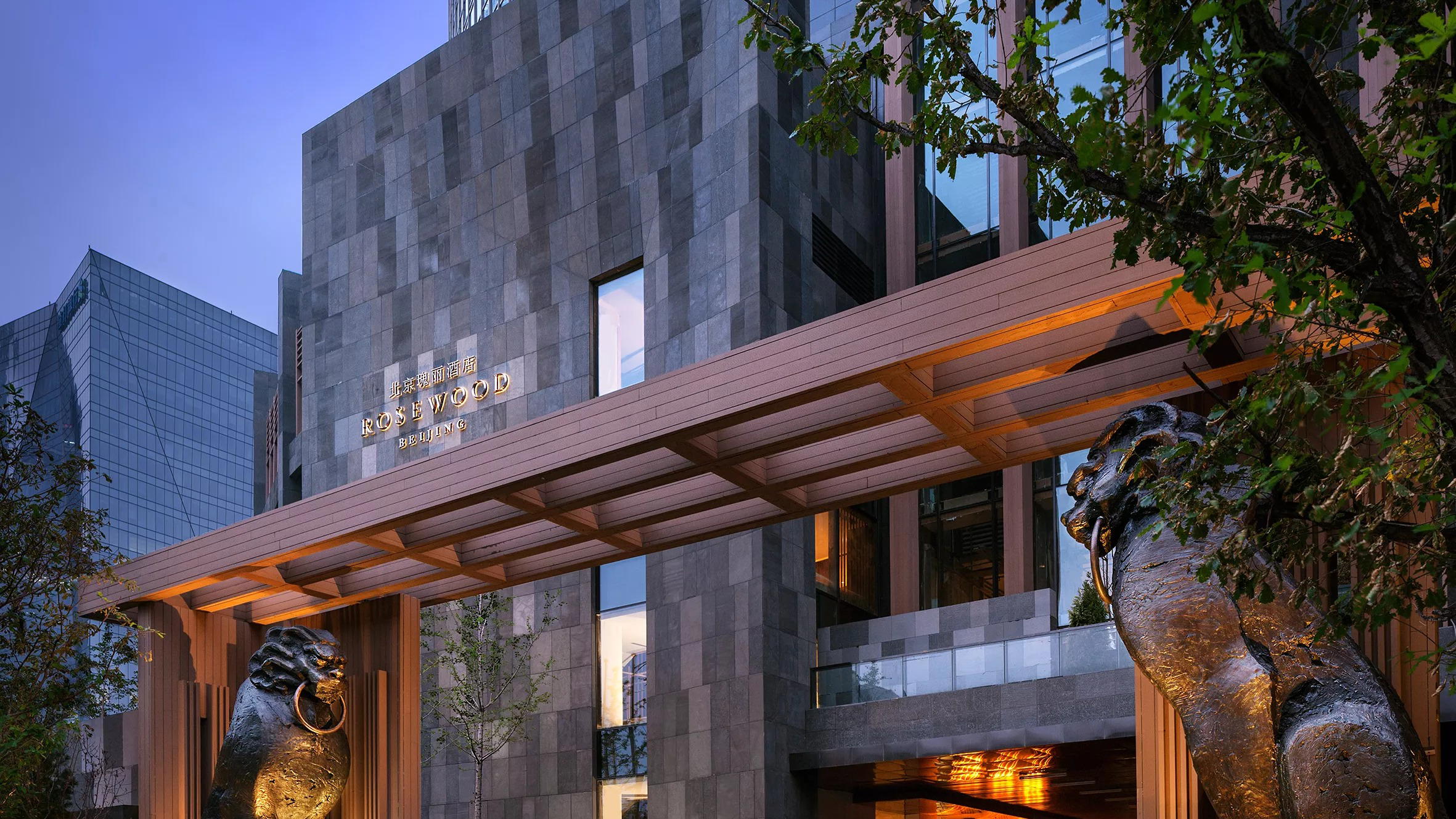
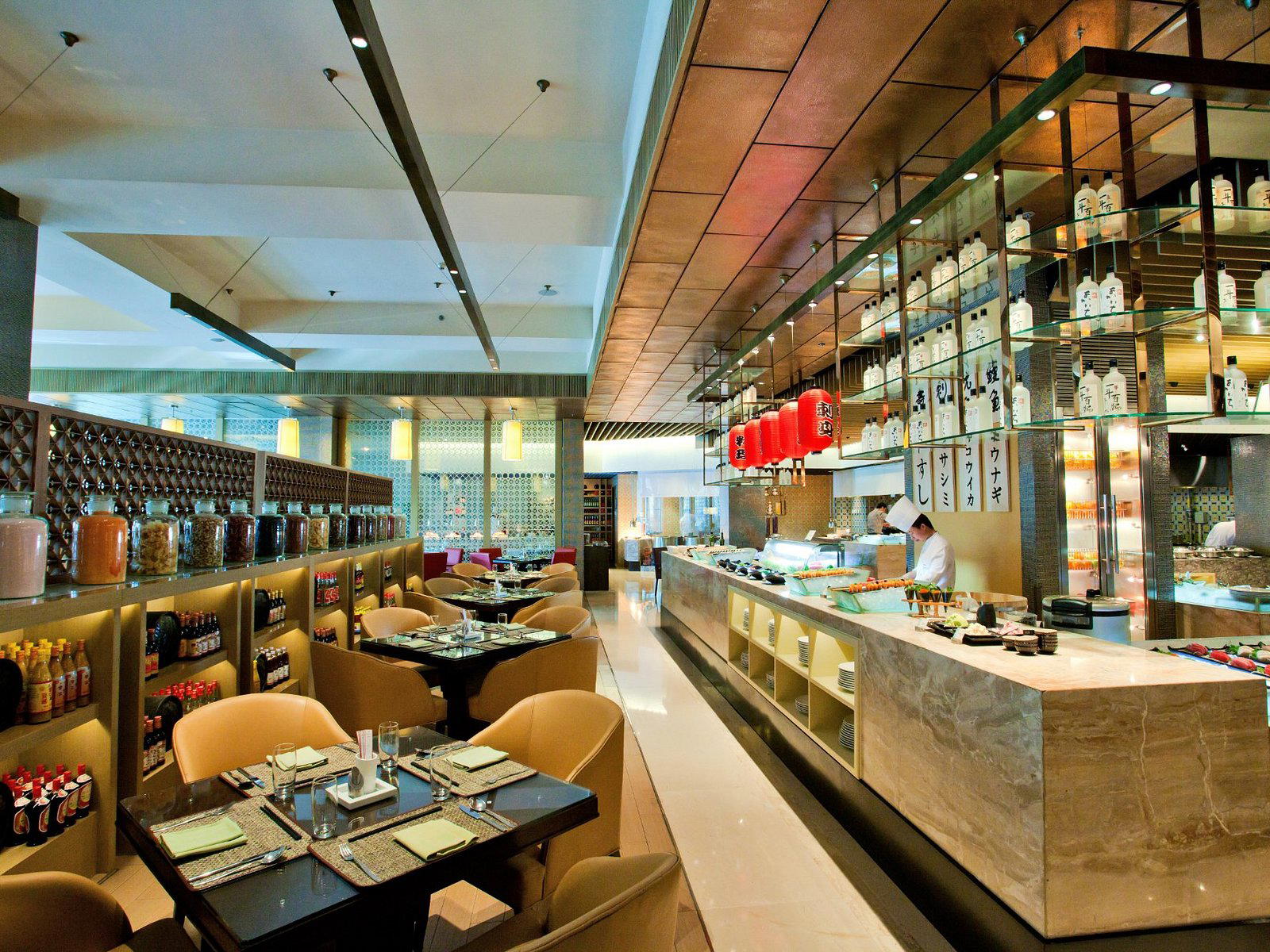
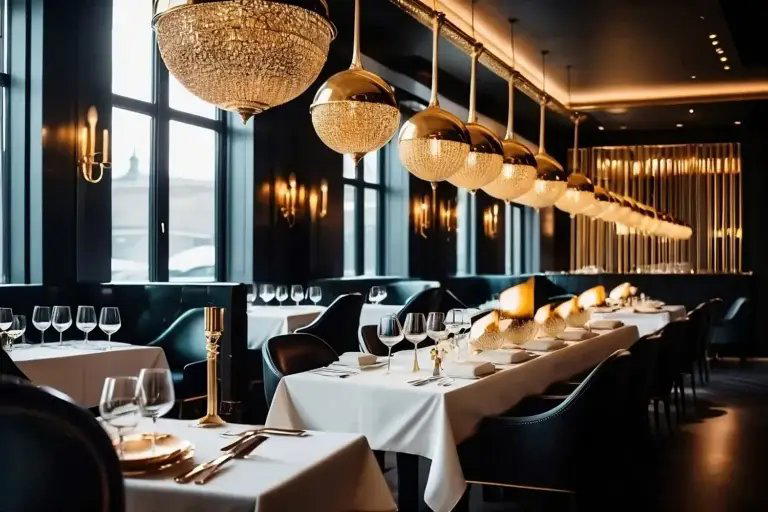
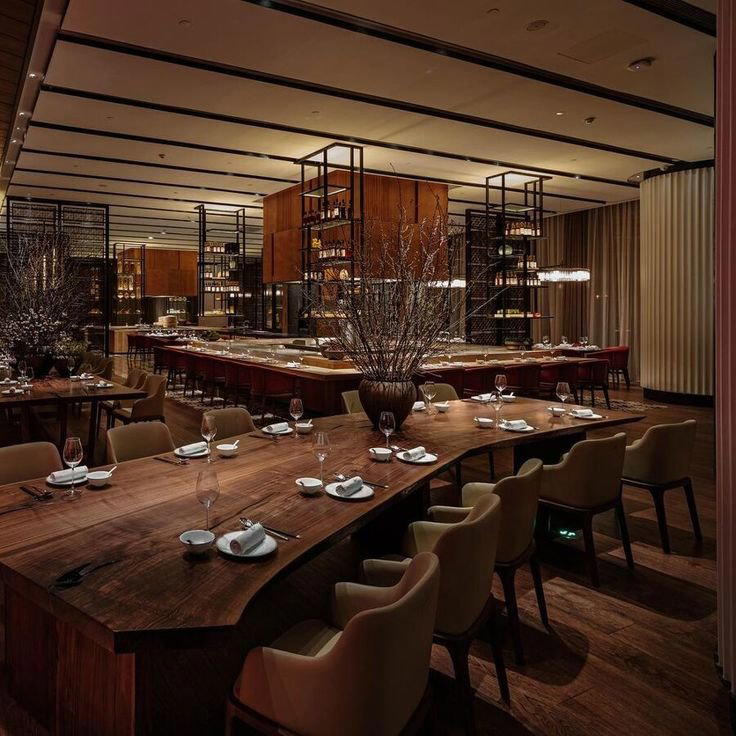
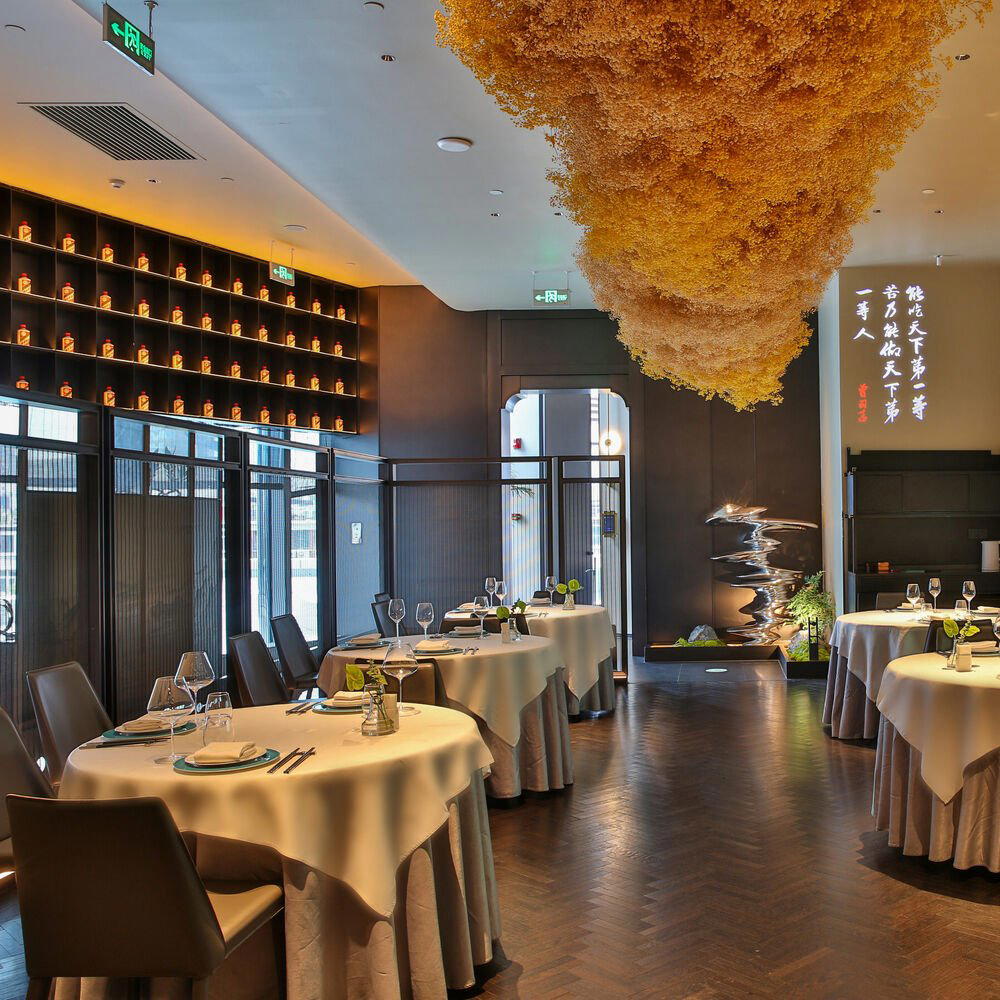
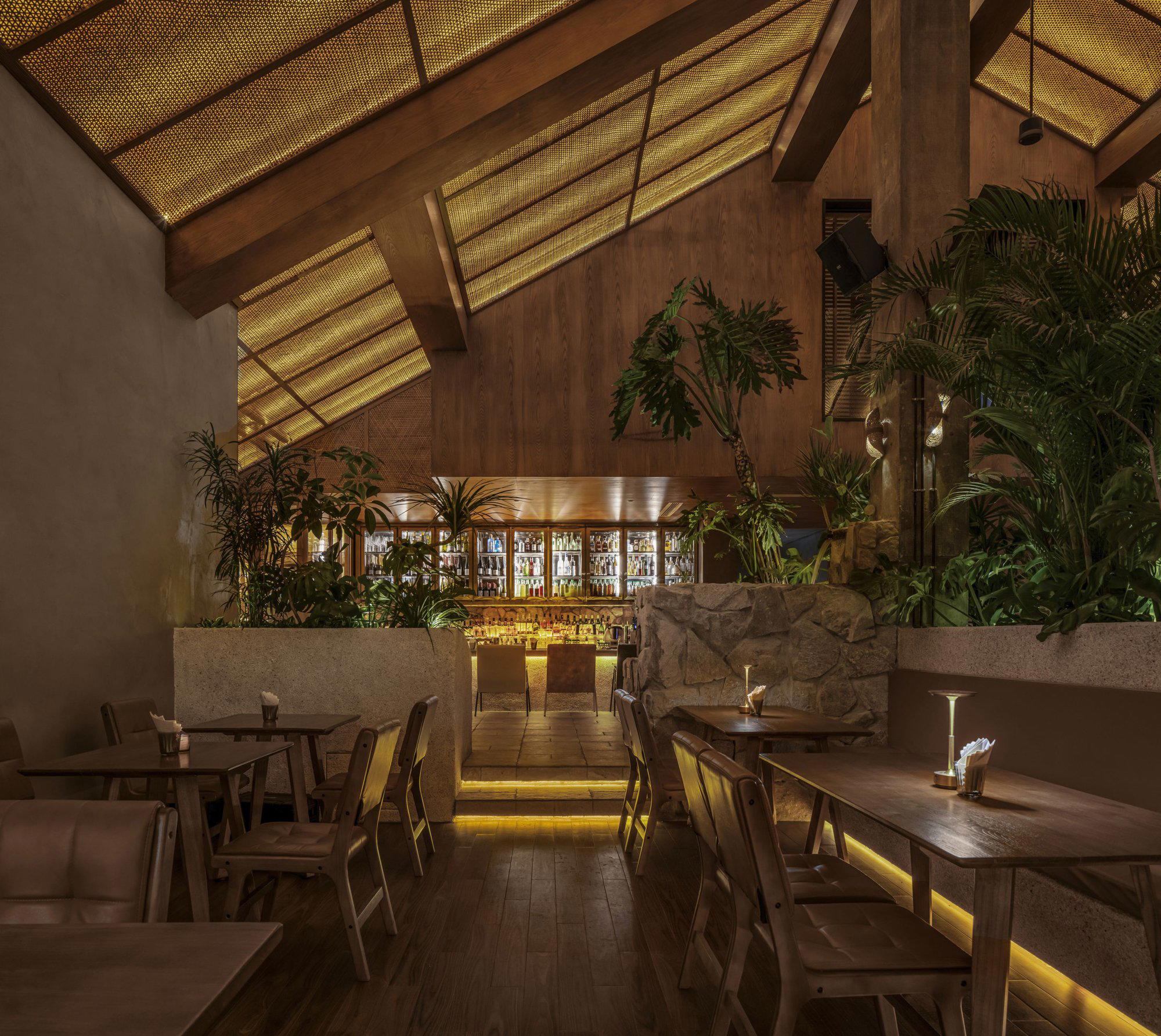
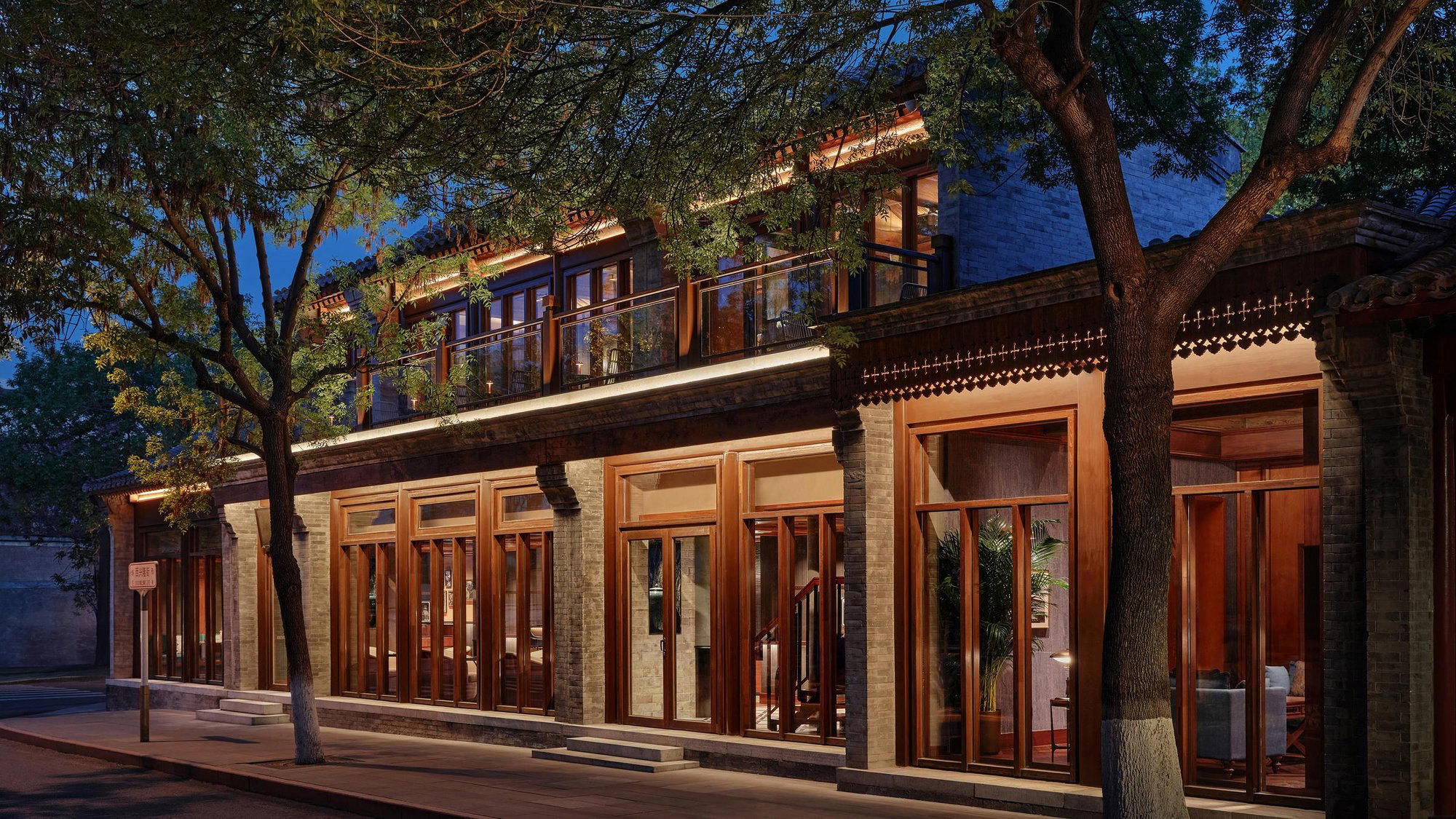
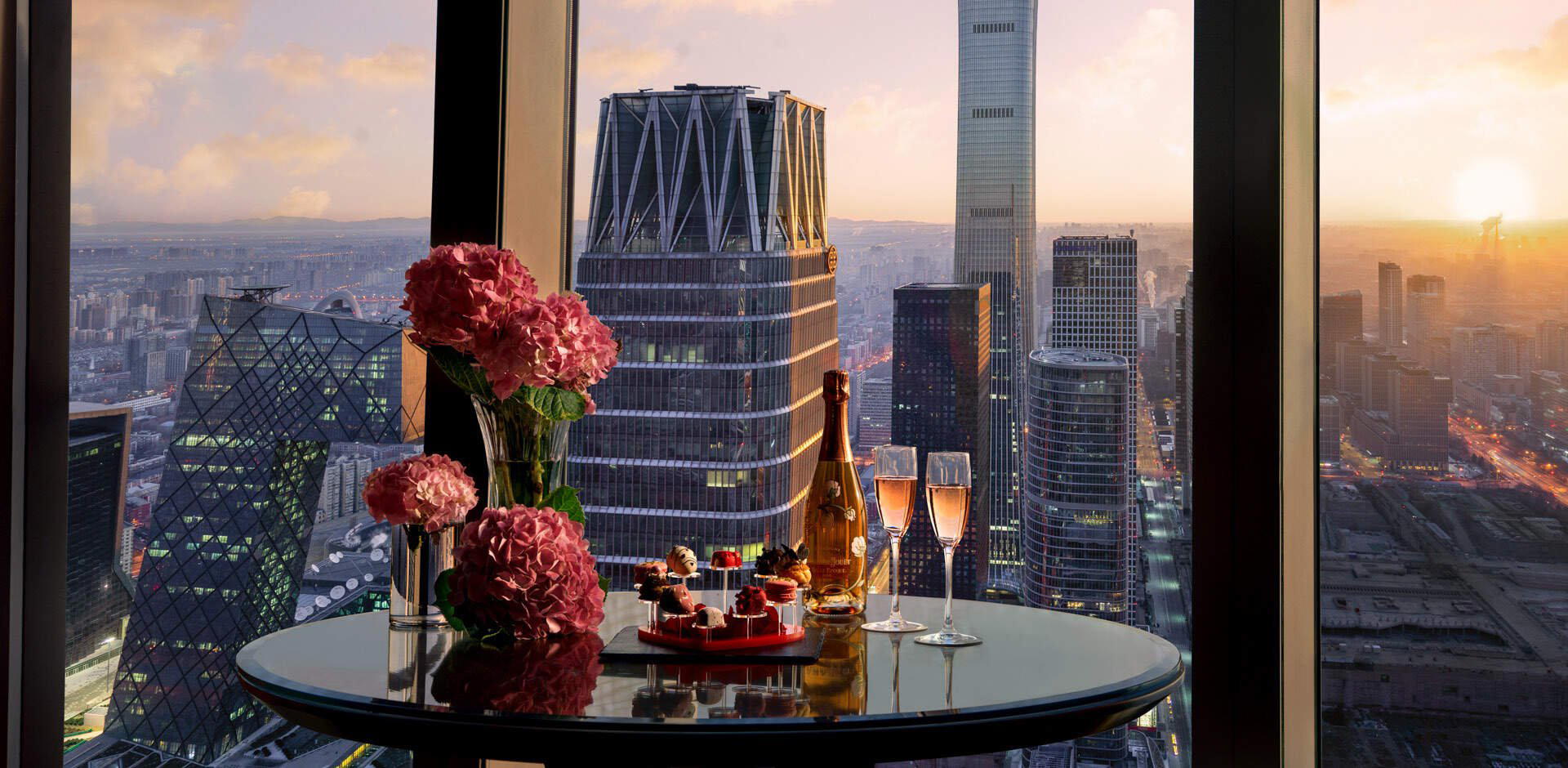
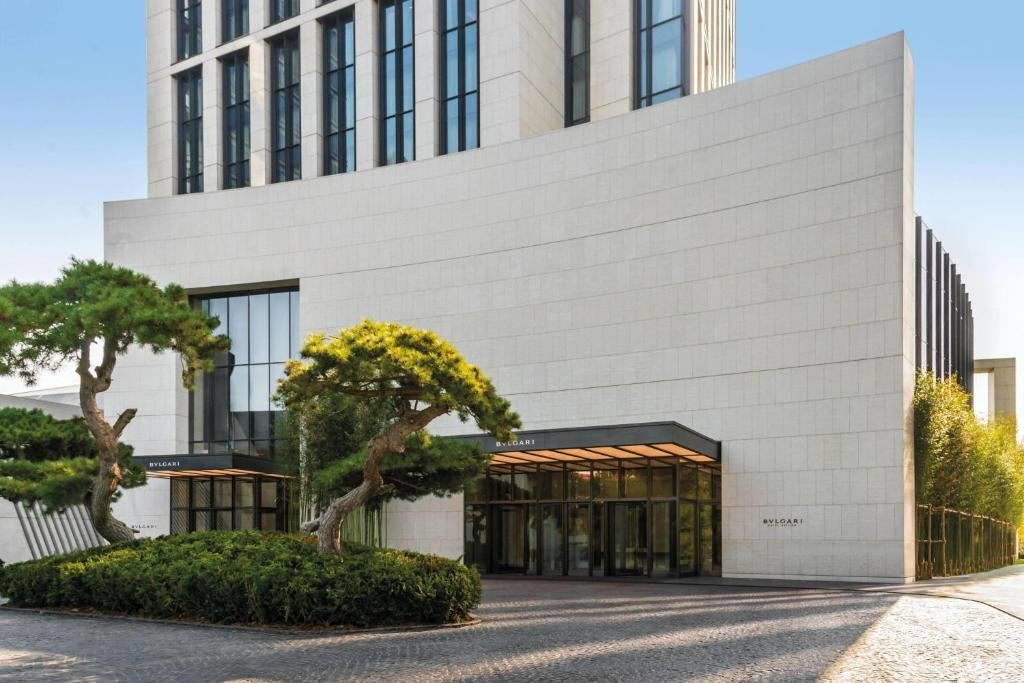
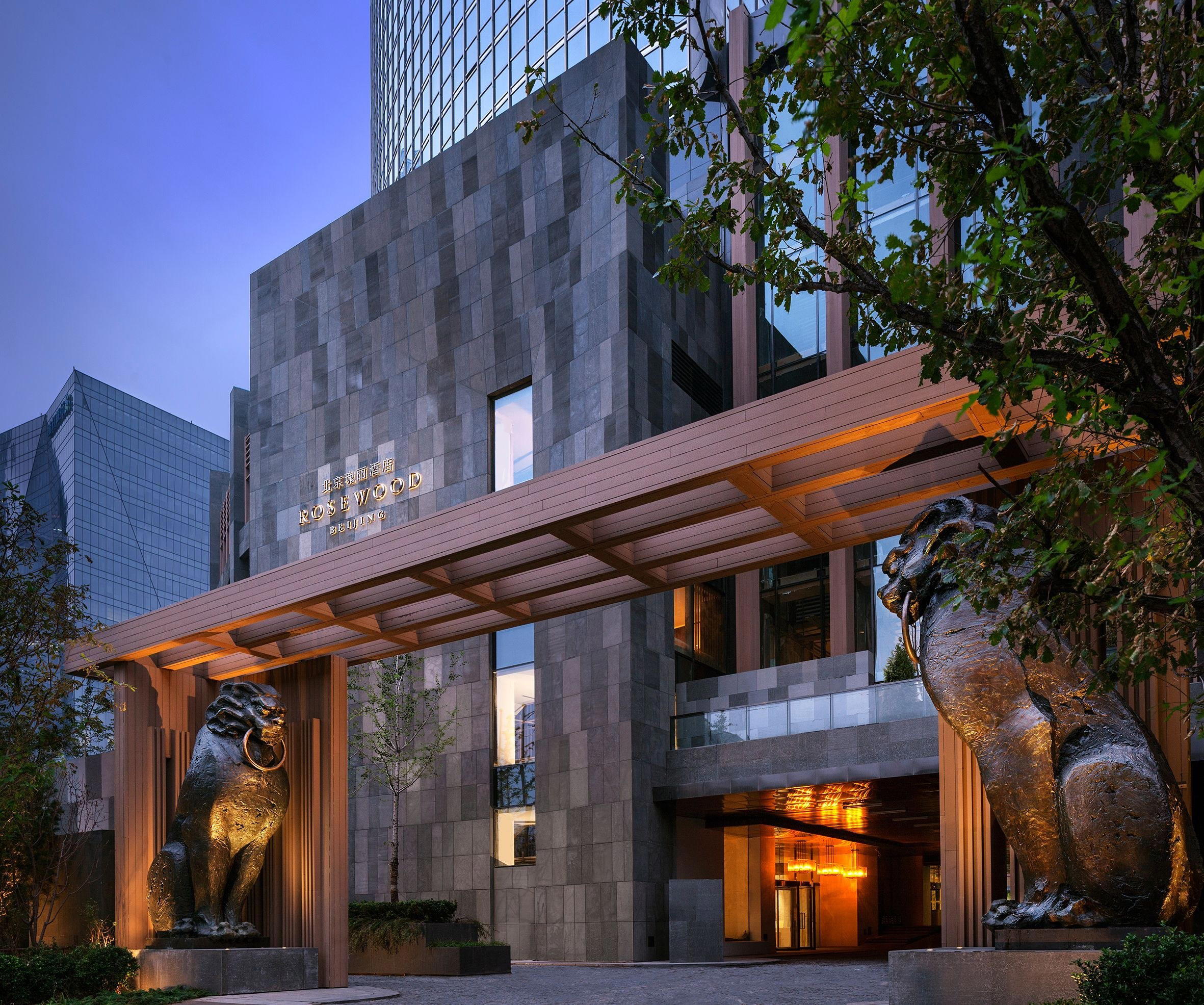
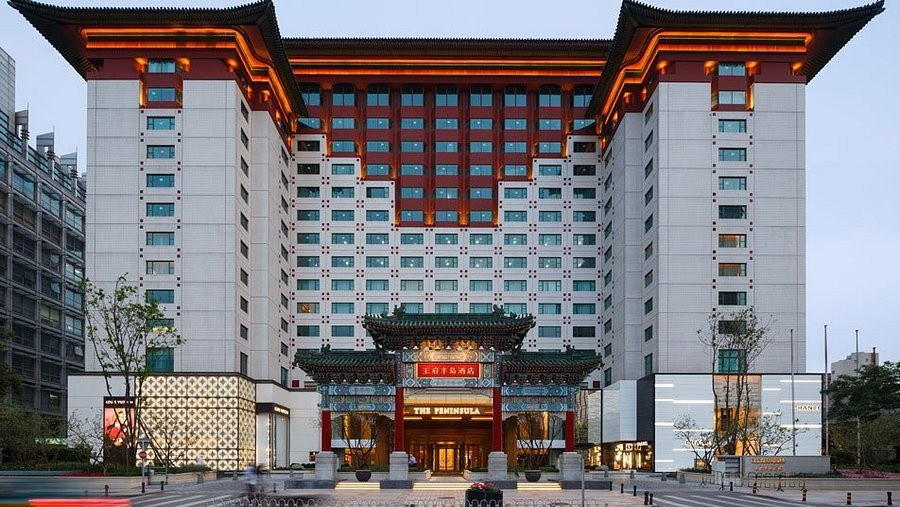
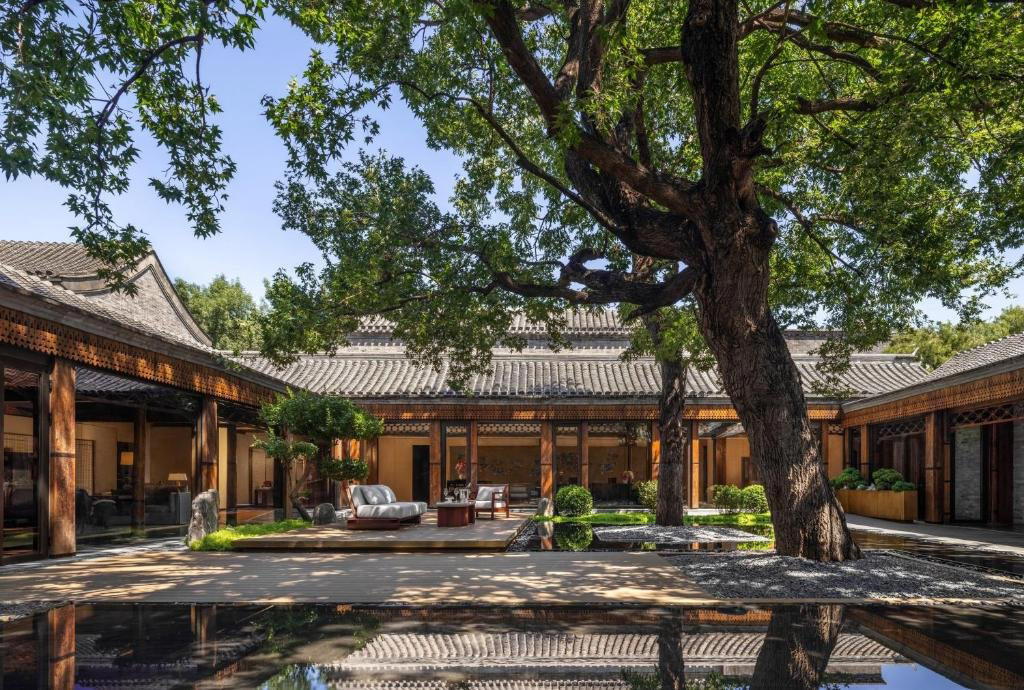
Upscale yet welcoming hotel-restaurant setting with contemporary Chinese design, elegant lighting, and decor inspired by Hunan’s misty mountains and fiery culture, creating a polished but comfortable atmosphere suitable for families and business diners alike.