
功德林 pairs Modern Chinese cooking with an open kitchen, craft cocktails and a beer program, and a leisurely, conversational pace for lunch or dinner.
Pearl is the En Primeur Club membership app — saves, bookings, and concierge access live there. Same editors, same standards.
- Address
- 2 Qianmen E St, Dongcheng, Beijing, China, 100051
- Phone
- +861065112542
- Directions
- Get directions
 Saves & bookings on Pearl
Qianmen's Dining Logic and Where 和德馨 Fits
功德林 is a Modern Chinese restaurant in Beijing at 2 Qianmen E St, Dongcheng, with a price tier of ¥¥¥ and recommended reservations. Qianmen East Street is one of Beijing's more structurally interesting dining addresses. The corridor runs south from Tiananmen, lined with buildings that carry the architectural memory of imperial-era commerce, and the restaurants that occupy it operate inside that inherited gravity. In a city where dining identity is increasingly split between hyper-contemporary tasting menus and neighbourhood institutions built on regional specificity, Qianmen functions as a middle zone: formal enough to carry weight, historically grounded enough to attract visitors and locals who want context alongside the meal. 和德馨 holds an address at number 2 on that street, which positions it at the northern, most visited end of the strip.
Beijing's premium dining tier has consolidated significantly over the past decade. Venues in Dongcheng's central corridors now compete within a comparable set that includes Jingji, which anchors the Beijing Cuisine category at the ¥¥¥¥ price point, and King's Joy, which has built one of the capital's strongest reputations in the vegetarian-Chinese space. 和德馨's confirmed details are limited at this stage, but the Qianmen address alone implies a certain operating context: tourist-adjacent but not tourist-dependent, heritage-framed but commercially active.
The Qianmen Address: What the Location Signals
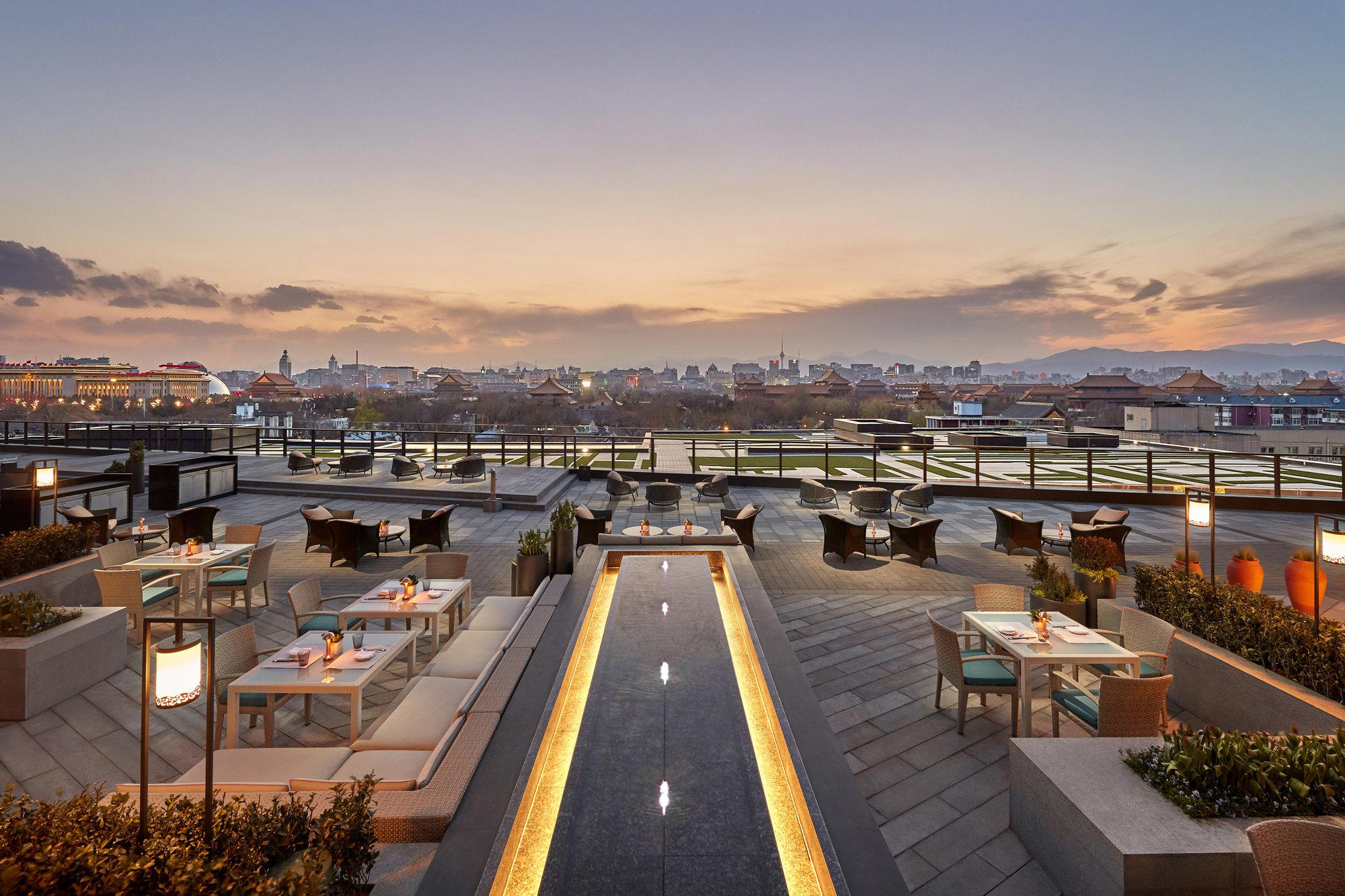
Arriving at 2 Qianmen East Street, the physical environment does a significant amount of work before you reach the door. The street's pedestrianised stretches are flanked by restored Qing and Republic-era shophouse facades, and the northern end near Tiananmen carries heavier foot traffic than the quieter southern reaches. For a dining venue, this location comes with built-in visibility and a clear audience of visitors oriented toward Beijing's historical core, alongside residents of Dongcheng who use the area for more deliberate dining occasions.
The Dongcheng district more broadly has become one of Beijing's more competitive zones for mid-to-upper dining. Lamdre, operating at the ¥¥¥¥ tier in the vegetarian category, represents the kind of specialist, credentials-heavy format that has found an audience in this part of the city. Chao Shang Chao in Chaoyang anchors the Chao Zhou tradition at the same price tier, illustrating how regional Chinese cuisine has fractured into distinct specialist tracks across the capital.
Planning Your Visit: What to Know Before You Go
Because opening hours and booking details are not published here, anyone planning a visit should confirm them before committing to a specific evening. This matters more at a Qianmen address than it might elsewhere: the area draws significant tourist volume, which means that venues without clear reservation systems can fill quickly on weekends and during national holiday periods, particularly Golden Week in early October and the Spring Festival window in January or February.
Beijing's dining scene rewards preparation. The premium tier, from Xin Rong Ji on Xinyuan South Road to the capital's leading tables, typically requires bookings placed weeks in advance for prime slots. Even venues that operate without a formal reservation system often have implicit peak periods that catch unprepared walk-in visitors. For a Qianmen address on a Friday or Saturday evening, or during any major national holiday, treating a reservation as mandatory rather than optional is the sensible approach.
For broader planning across Beijing's dining scene, the full Beijing restaurants guide maps the city's major categories and price tiers with more granular detail. It covers the range from regional Chinese specialists to contemporary formats, with context on which neighbourhoods skew toward which dining styles.
Beijing in a Wider Chinese Fine Dining Frame
Understanding 和德馨 within Beijing also means understanding where Beijing sits in the broader Chinese fine dining conversation. The capital operates differently from Shanghai, where venues like 102 House have built reputations on a mix of architectural drama and culinary precision. It operates differently from Macau, where Chef Tam's Seasons represents the Cantonese-contemporary fine dining model that has become that city's signature register. Beijing's premium dining identity is more internally varied: it carries imperial cuisine traditions, strong regional Chinese imports from Taizhou, Chaozhou, and Sichuan, and a growing tier of contemporary Chinese venues that draw on international training without abandoning local ingredient logic.
Comparable regional dynamics play out across the country. Xin Rong Ji in Chengdu, Ru Yuan in Hangzhou, and Imperial Treasure Fine Chinese Cuisine in Guangzhou each anchor their respective city's upper tier in ways that reflect local culinary identity rather than a uniform national fine dining template. Beijing's version of that upper tier is particularly shaped by its historical relationship with imperial cooking and by the concentration of cultural institutions that give Dongcheng and Xicheng districts a different dining gravity than the more commercially dynamic Chaoyang.
For context on what serious Chinese dining looks like at its most precise, venues like Dai Yuet Heen in Nanjing and Dingshan·Jiangyan in Suzhou illustrate the Jiangnan register that frequently influences Beijing's more thoughtful Chinese kitchens. Further south, Fleurs Et Festin in Xiamen, Jiangnan Wok·Rong in Fuzhou, and Shang Palace in Yangzhou each show how different regional traditions handle the relationship between heritage and contemporary presentation. Internationally, venues like Le Bernardin in New York and Atomix in New York demonstrate how deeply a restaurant's format and booking architecture shape the visitor experience, a consideration that applies equally to how 和德馨 might eventually be assessed once fuller operational data is available.
Comparable Spots, Quickly
Comparable venues nearby, for context on price, style, and recognition.
| Venue | Cuisine | Price | Notes |
|---|---|---|---|
| 功德林This venue — the venue you are viewing | Modern Chinese | $$$ | Not listed |
| FuRong Hu'nan Cuisine by Rong | Upscale Hunan cuisine by Xin Rong Ji | $$$ | Xicheng |
| 1949 The Hidden City | Upscale Peking Duck & Chinese Fine Dining | $$$ | Chaoyang District |
| Tiandi Yijia | Imperial Chinese Cuisine | $$$ | Donghuamen |
| GYJ Macau Hotpot | Macanese Hot Pot | $$$ | Sanlitun |
| Beijing Da Dong | Modern Peking Duck | $$$$ | Dongzhimen |
Recognition history
Dated appearances from independent guides and award organizations, with the underlying list record or original source where available.
Michelin Bib Gourmand
Michelin
Michelin Bib Gourmand
Michelin

At a Glance
- Elegant
- Modern
- Sophisticated
- Business Dinner
- Date Night
- Celebration
- Open Kitchen
- Design Destination
- Craft Cocktails
- Beer Program
- Local Sourcing
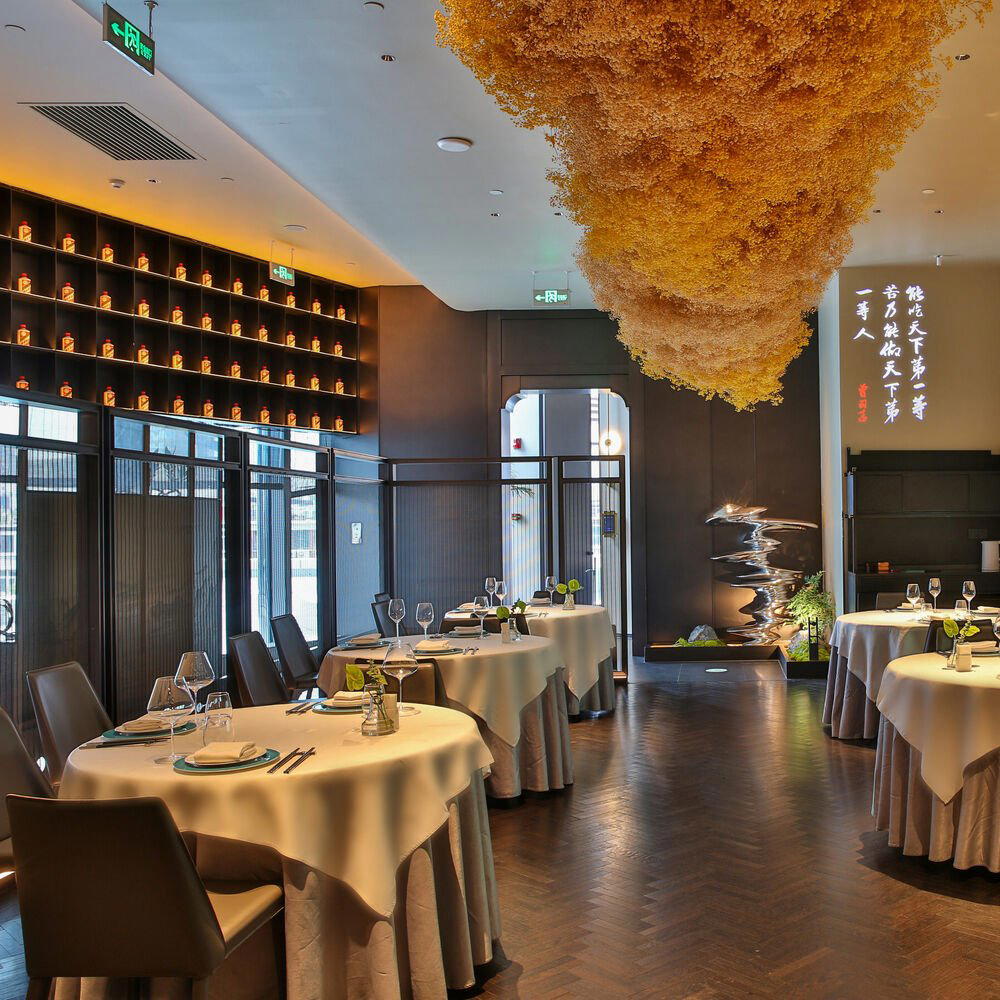
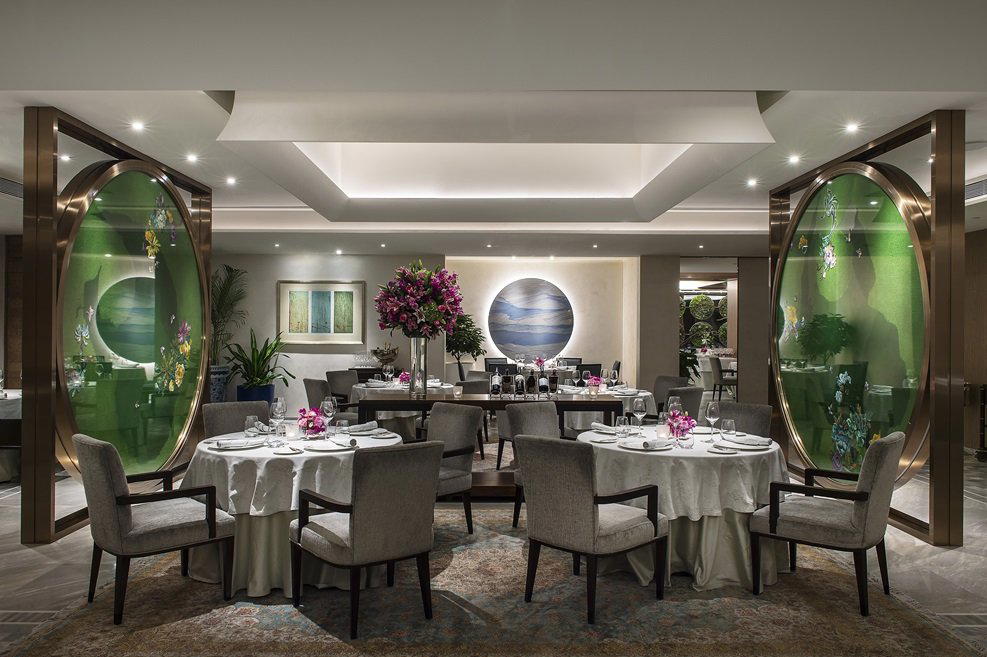
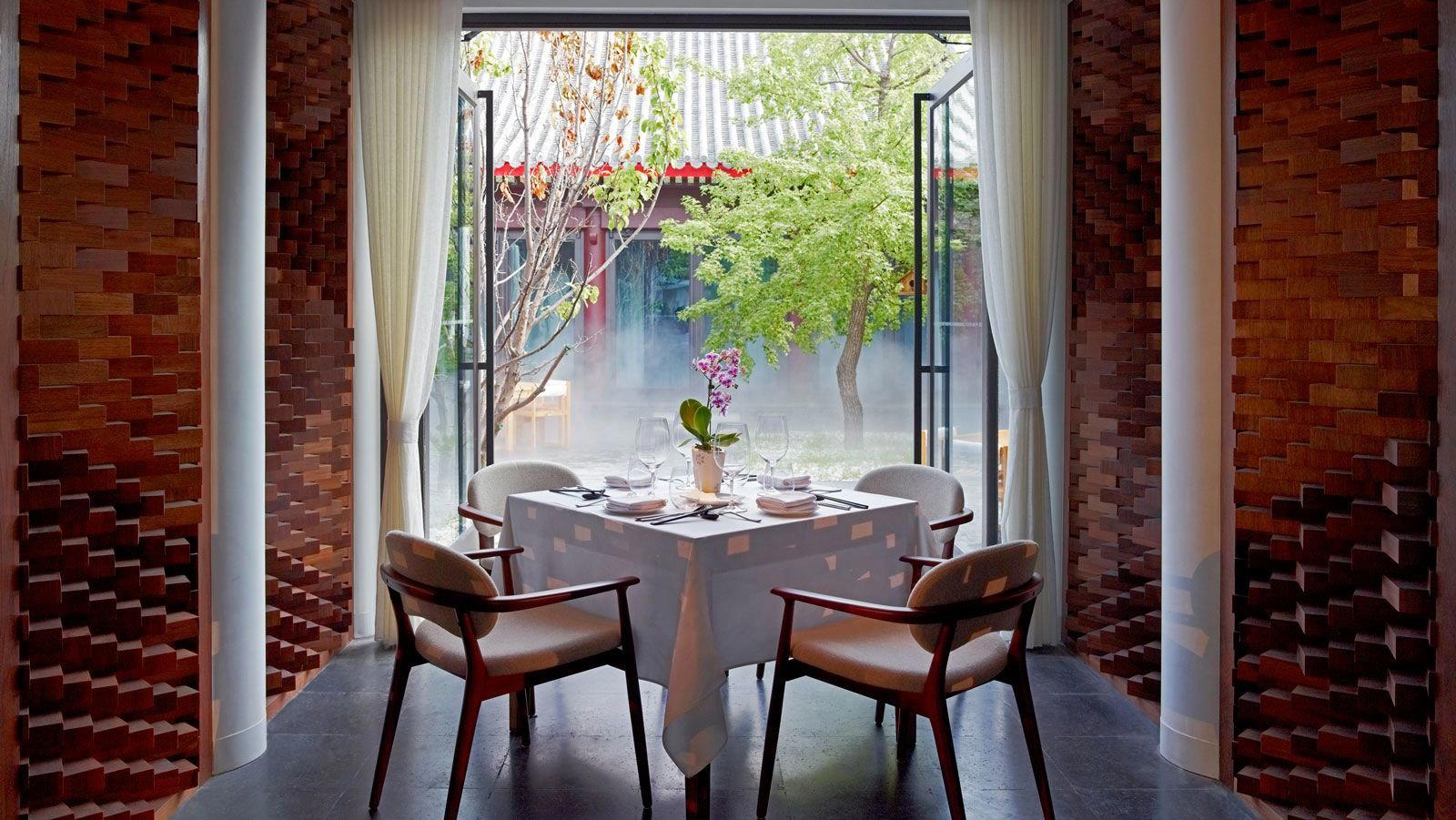
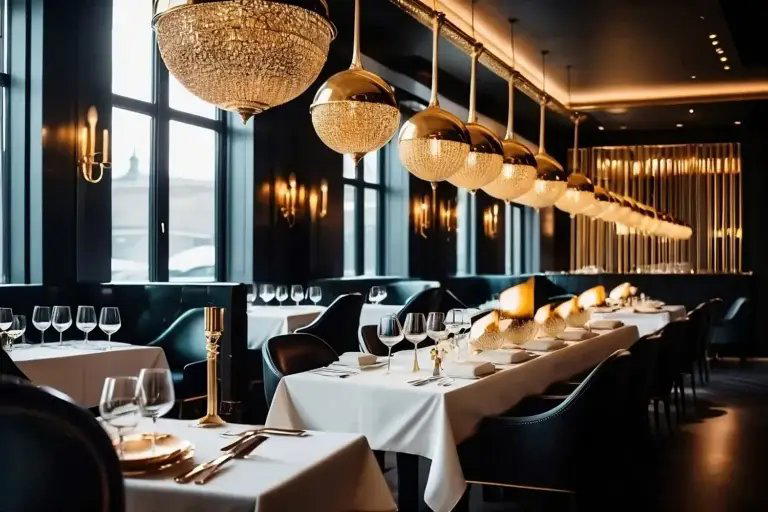
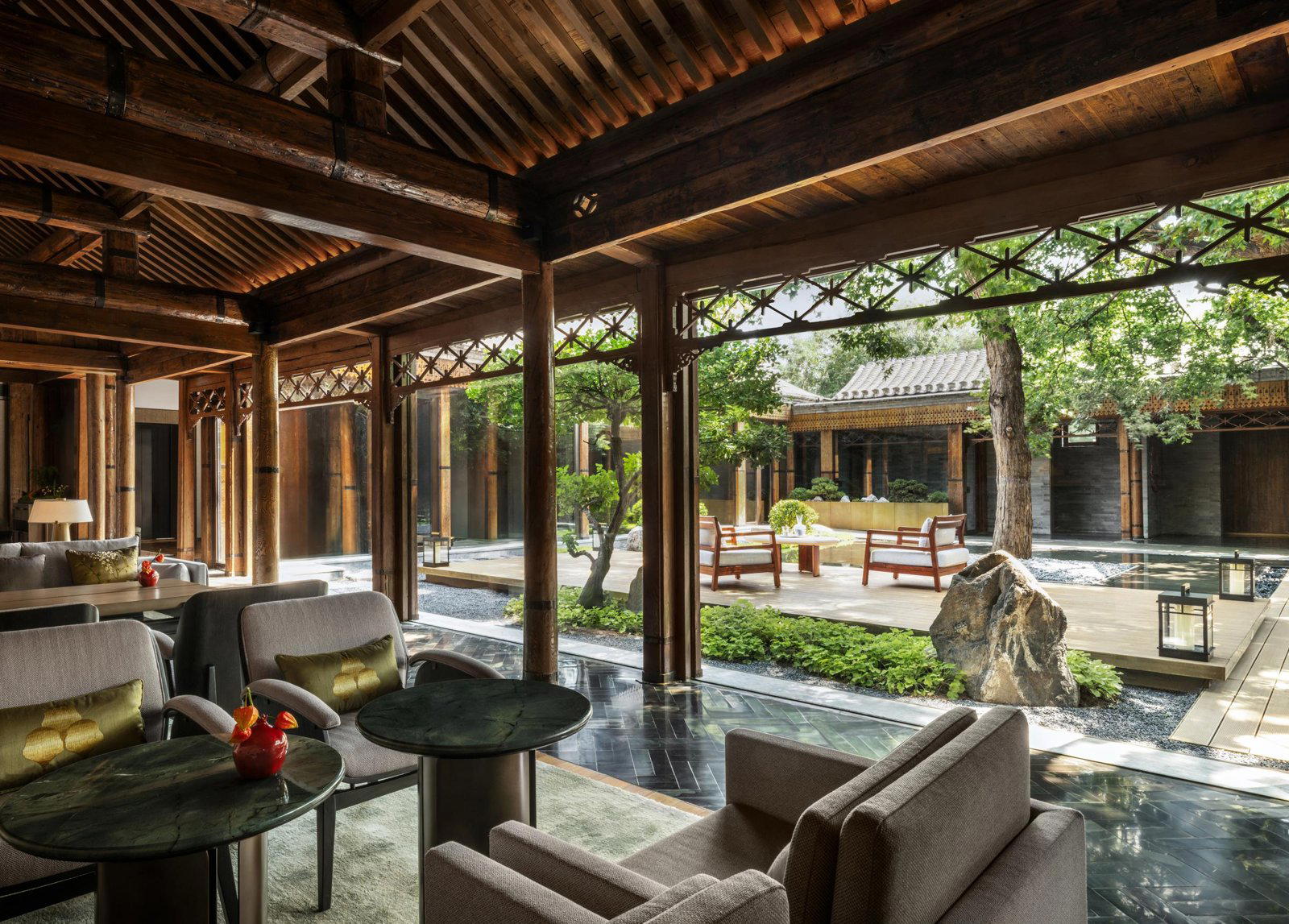
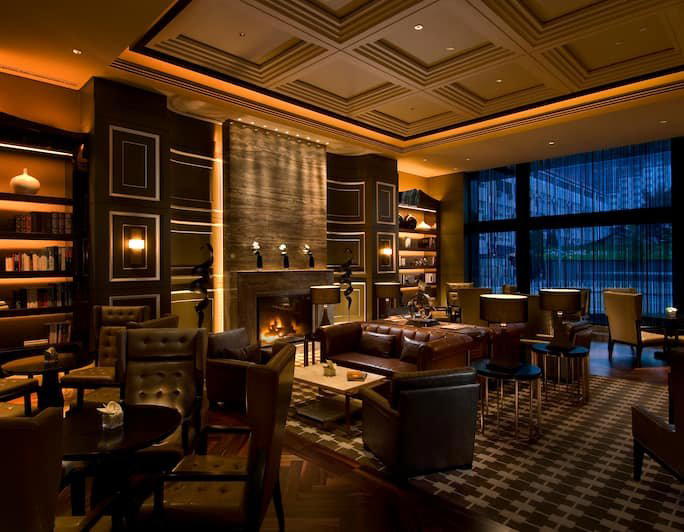
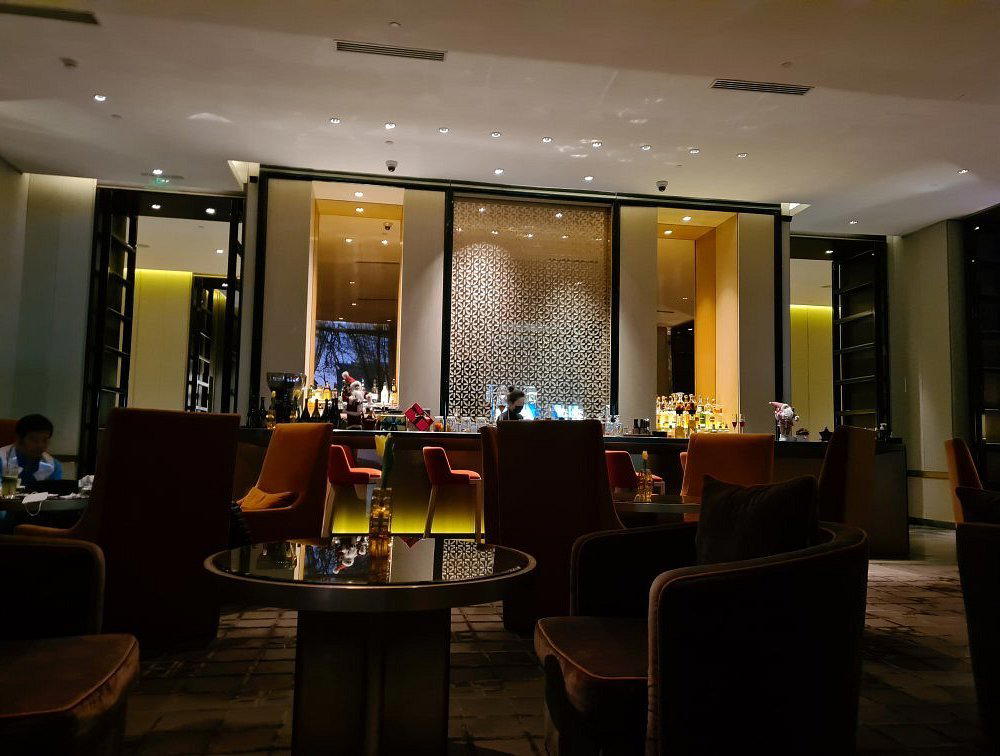
Modern, minimalist interior with warm lighting and contemporary art installations creating an intimate yet sophisticated atmosphere.