
Our verdict
Ranked #373 on the 2025 Opinionated About Dining Top Restaurants in Asia list, it draws visitors and locals alike with a classic hanging-oven technique that defined the dish's modern reputation. Open daily from 10:30am to 10pm.

Pearl is the En Primeur Club membership app, where members save venues, book tables and use the concierge.

The menu
What to order
- Peking Duck
- Duck Soup
- Crispy Duck Liver Tart
- Salted Duck Liver
That historical position matters when reading Beijing's current duck scene. A new generation of specialist restaurants, including tighter formats and chef-driven interpretations, has expanded the category considerably over the past decade. But Quanjude's place on the 2025 Opinionated About Dining Leading Restaurants in Asia list at #373, a survey built on the votes of frequent, well-travelled diners across the region, confirms it still competes on merit, not just name recognition. In a list that rewards consistency and serious cooking, that ranking carries weight.
The Hanging-Oven Method and Why It Still Defines the Standard
The technical distinction that made Quanjude's reputation is the hung-oven roasting method, in which whole ducks are suspended inside a closed wood-burning oven rather than resting on a spit. The fruitwood, traditionally Chinese date or pear, generates the heat and the aromatic smoke that gives the skin its mahogany finish and paper-thin crispness. Fat renders completely from the subcutaneous layer, leaving the breast meat moist against a shell that audibly resists a carving knife.
This stands in contrast to the braised-oven (stuffy oven) technique used by some competing houses, where the duck hangs inside a sealed flue and the fat is rendered by reflected heat alone. Neither method is categorically superior, Beijing diners argue the point with the same intensity that Neapolitans argue wood-fired pizza, but the hanging-oven tradition carries the longer documentary record, and Quanjude's version of it has been replicated and exported further than any other single technique in Chinese roasting. The result is a duck that arrives tableside with consistent colour and carving precision regardless of when in the day you visit. This kind of institutional consistency is harder to achieve than it sounds, and it's part of what separates houses like Quanjude from newer entrants who have the technique but not the depth of repetition.
How Quanjude Sits in Beijing's Broader Dining Tier
Beijing's serious restaurant scene has grown considerably more segmented in recent years. At the ¥¥¥¥ tier, you find specialist houses like Xin Rong Ji (Xinyuan South Road) and Chao Shang Chao (Chaoyang) working within regional Chinese traditions, and plant-forward formats like Lamdre and King's Joy pulling vegetarian dining into premium territory. Jingji addresses Beijing cuisine's classical canon from a similarly premium angle. Seating capacity is large by the standards of the restaurants listed above, and the format is designed for groups and ceremonial dining as much as for solo critics. This makes it a different kind of visit from a twelve-seat tasting counter, more appropriate when the goal is ritual and shared tableside theatre than when the goal is a chef's tightly controlled tasting sequence. Comparable standard-bearing houses in fine Chinese cooking include Imperial Treasure Fine Chinese Cuisine in Guangzhou, Chef Tam's Seasons in Macau, Ru Yuan in Hangzhou, Dai Yuet Heen in Nanjing, 102 House in Shanghai, and Xin Rong Ji in Chengdu, each working from deep regional foundations in a way that parallels Quanjude's relationship to the Peking duck tradition. For readers arriving in Beijing from internationally recognised fine dining rooms, the experiential gap between a place like Le Bernardin in New York City or Atomix in New York City and a classical Beijing duck house is less about quality and more about format: one is a composed fine-dining architecture, the other is participatory and tableside. A visit during the weekday lunch window, after the mid-morning rush and before the post-noon peak, tends to offer a quieter room and more attentive service. Winter is seasonally the right time to eat roast duck in Beijing: the cold air outside makes the contrast with a freshly carved, still-steaming bird more pronounced, and the wood-fired oven in the kitchen has obvious appeal when temperatures outside drop well below zero.
The Opinionated About Dining placement gives external reference for planning.
For a full picture of where Quanjude sits in the capital's wider offering, see our full Beijing restaurants guide, as well as our guides to hotels in Beijing, bars in Beijing, wineries near Beijing, and experiences in Beijing.
Comparable Venues
Comparable venues nearby, for context on price, style, and recognition.
| Venue | Cuisine | Price | Awards | Notes |
|---|---|---|---|---|
| Quanjude Roast Duck RestaurantThis venue (the venue you are viewing) | Traditional Peking Duck | $30–50 | Not listed | Not listed |
| LEI GARDEN | Authentic Cantonese Dim Sum | $50–100 | Not listed | Chaoyang |
| 1949 The Hidden City | Upscale Peking Duck & Chinese Fine Dining | $30–50 | Not listed | Chaoyang District |
| BoJingXuanChineseRestaurant | Beijing–Cantonese fusion Chinese fine dining | $50–100 | Black Pearl 1 Diamond | /海淀区 (near Jimen Bridge, northwest 2nd Ring) |
| Huajia Yiyuan | Traditional Beijing Peking Duck | $30–50 | Not listed | Beixinqiao |
| Vege Wonder | Modern Chinese Vegetarian | $100–150 | We're Smart World 5 Radishes | Dongcheng |
Recognition history
Dated appearances from independent guides and award organizations, with the underlying list record or original source where available.
Opinionated About Dining Top Restaurants in Asia Recommended
Opinionated About Dining
Full recognition history (2 entries)
Opinionated About Dining Top Restaurants in Asia Ranked #373
Opinionated About Dining
Continue exploring
More in Beijing
Restaurants in Beijing
All restaurants in Beijing →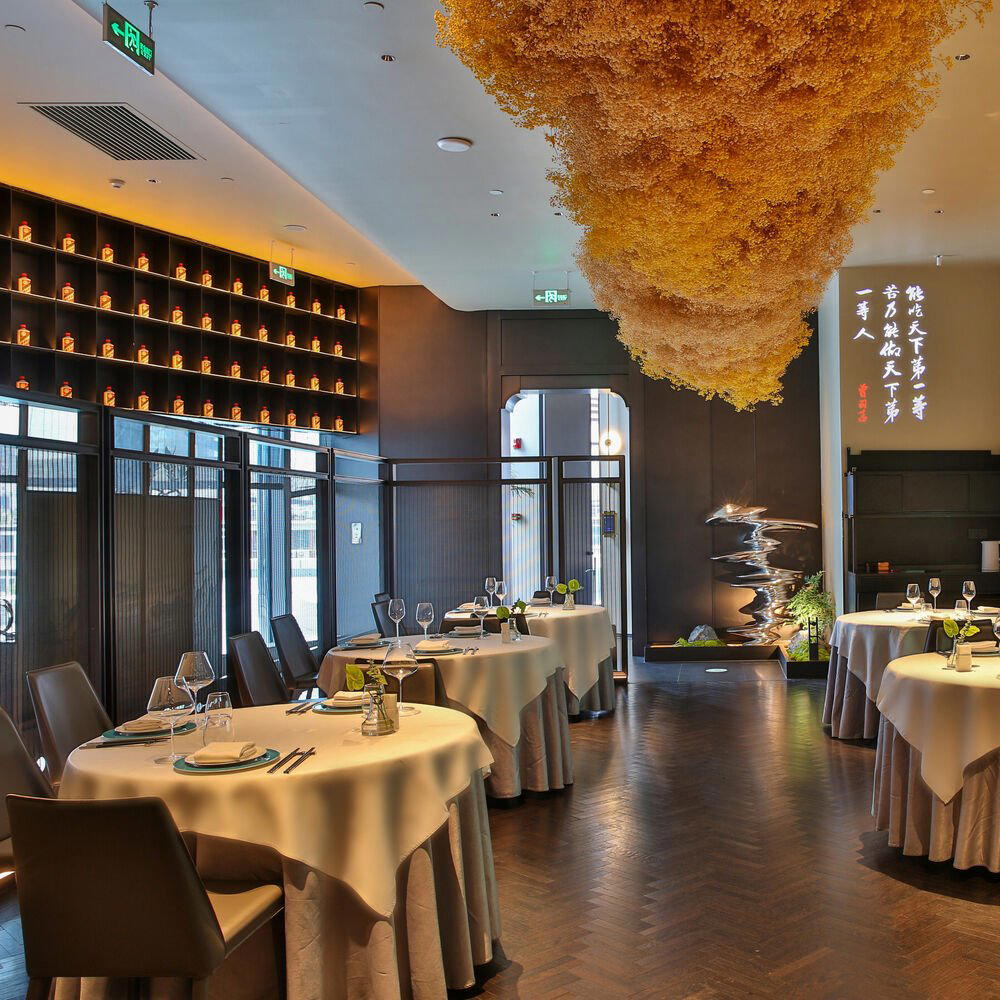
Bars in Beijing
All bars in Beijing →
Details
- Well Known
- Elegant
- Lively
- Group Dining
- Family
- Special Occasion
- Business Dinner
- Open Kitchen
- Historic Building
- Private Dining
- Beer Program
- Family Style
- Set Menu
- A La Carte
- Beer
- Baijiu
- Allergy Accommodating
Current opening hours
- Monday
- 10:30 AM–10 PM
- Tuesday
- 10:30 AM–10 PM
- Wednesday
- 10:30 AM–10 PM
- Thursday
- 10:30 AM–10 PM
- Friday
- 10:30 AM–10 PM
- Saturday
- 10:30 AM–10 PM
- Sunday
- 10:30 AM–10 PM
Hours can change for holidays and private events. Hours as of .
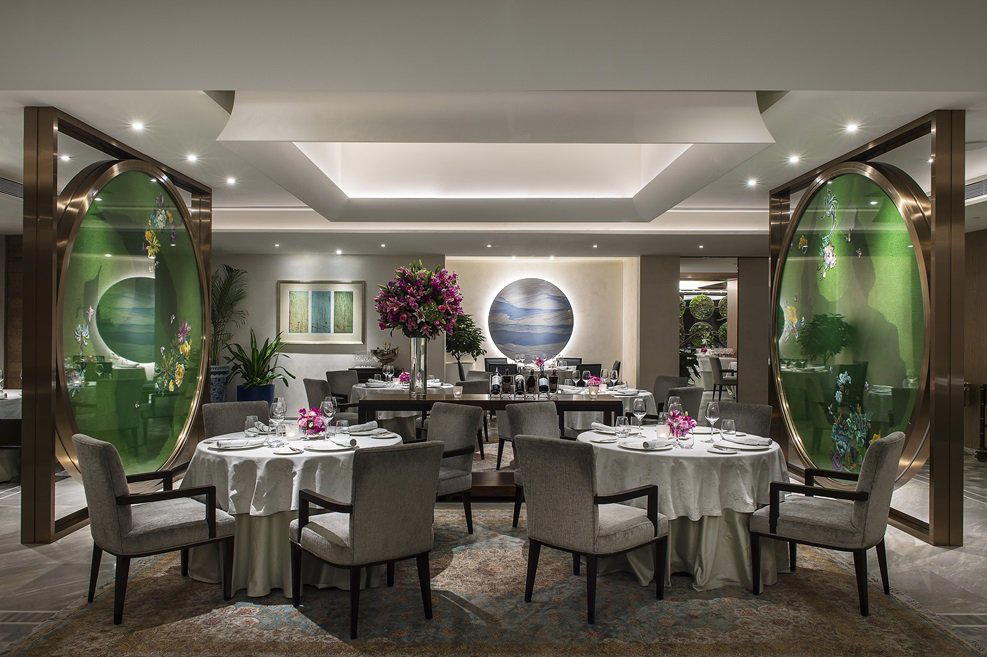
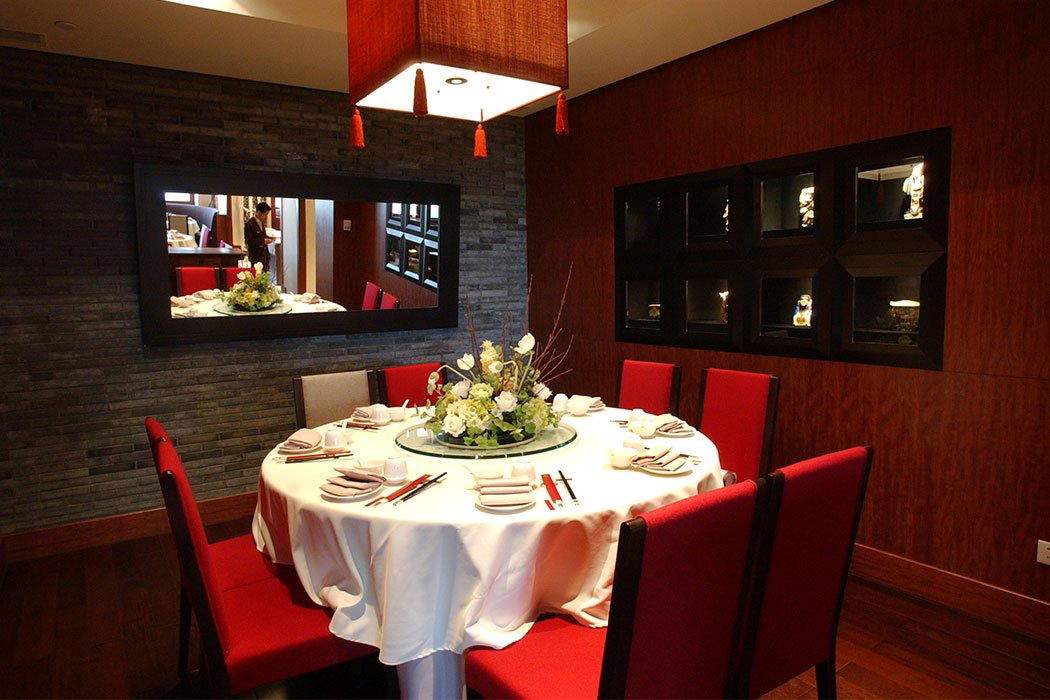
Large, bustling dining rooms with traditional Chinese decor featuring red tablecloths and round tables; elegant but high-volume atmosphere geared toward groups and tourists; multiple floors accommodate significant crowds.