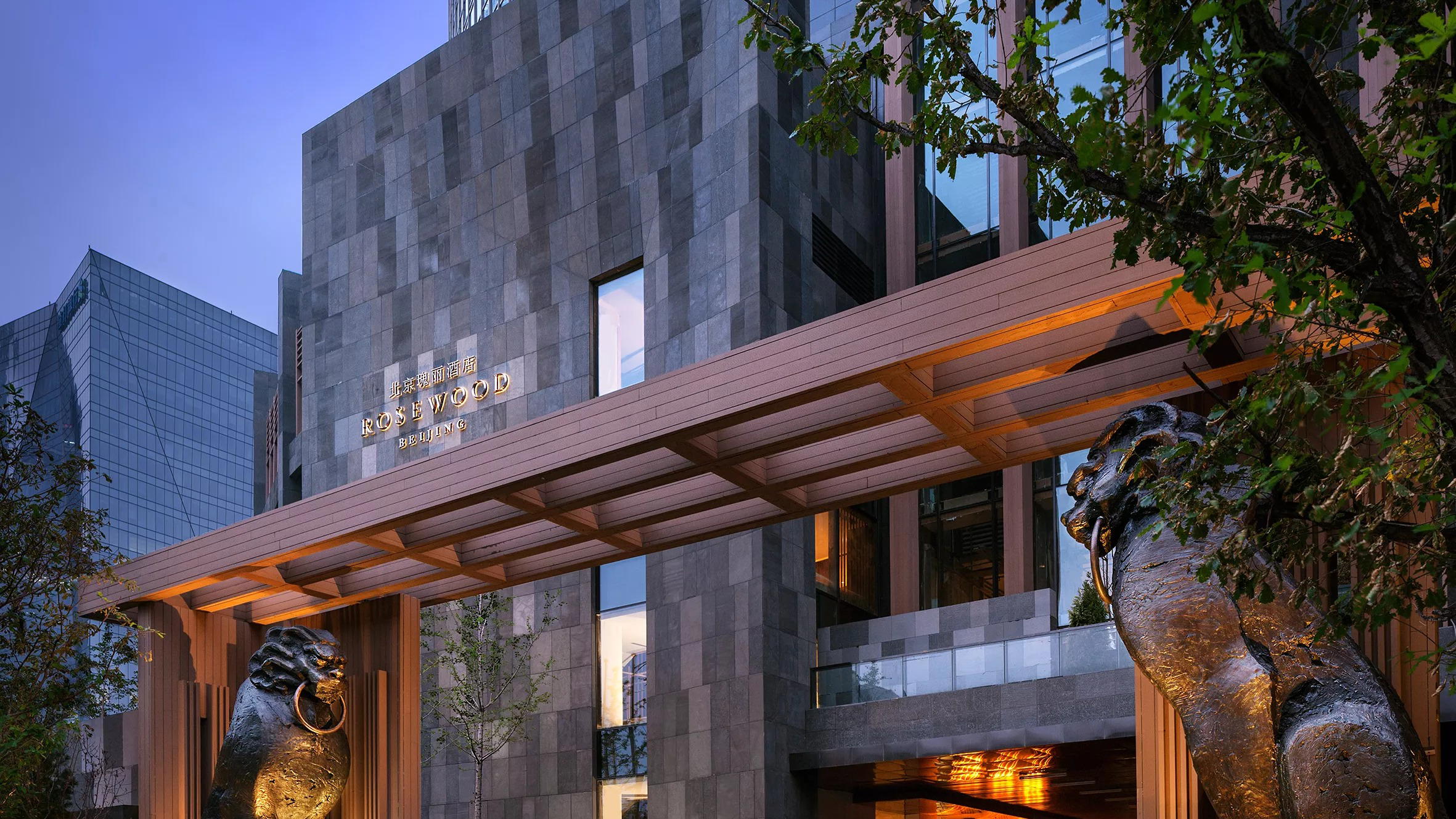
Yatang sits in Chaoyang's Yaojiayuan Road corridor, one of Beijing's more quietly concentrated dining strips east of the embassy quarter. The venue occupies a position in the city's broader movement toward considered, address-specific Chinese dining rather than hotel-lobby formality.
Pearl is the En Primeur Club membership app — saves, bookings, and concierge access live there. Same editors, same standards.
- Address
- China, Beijing, Chaoyang, Yaojiayuan Rd, ä¸ä¸ç¯å¢ç»æ¹å京éå¹´æ¥æ é®æ¿ç¼ç
- Phone
- +861065010666
- Directions
- Get directions
 Saves & bookings on Pearl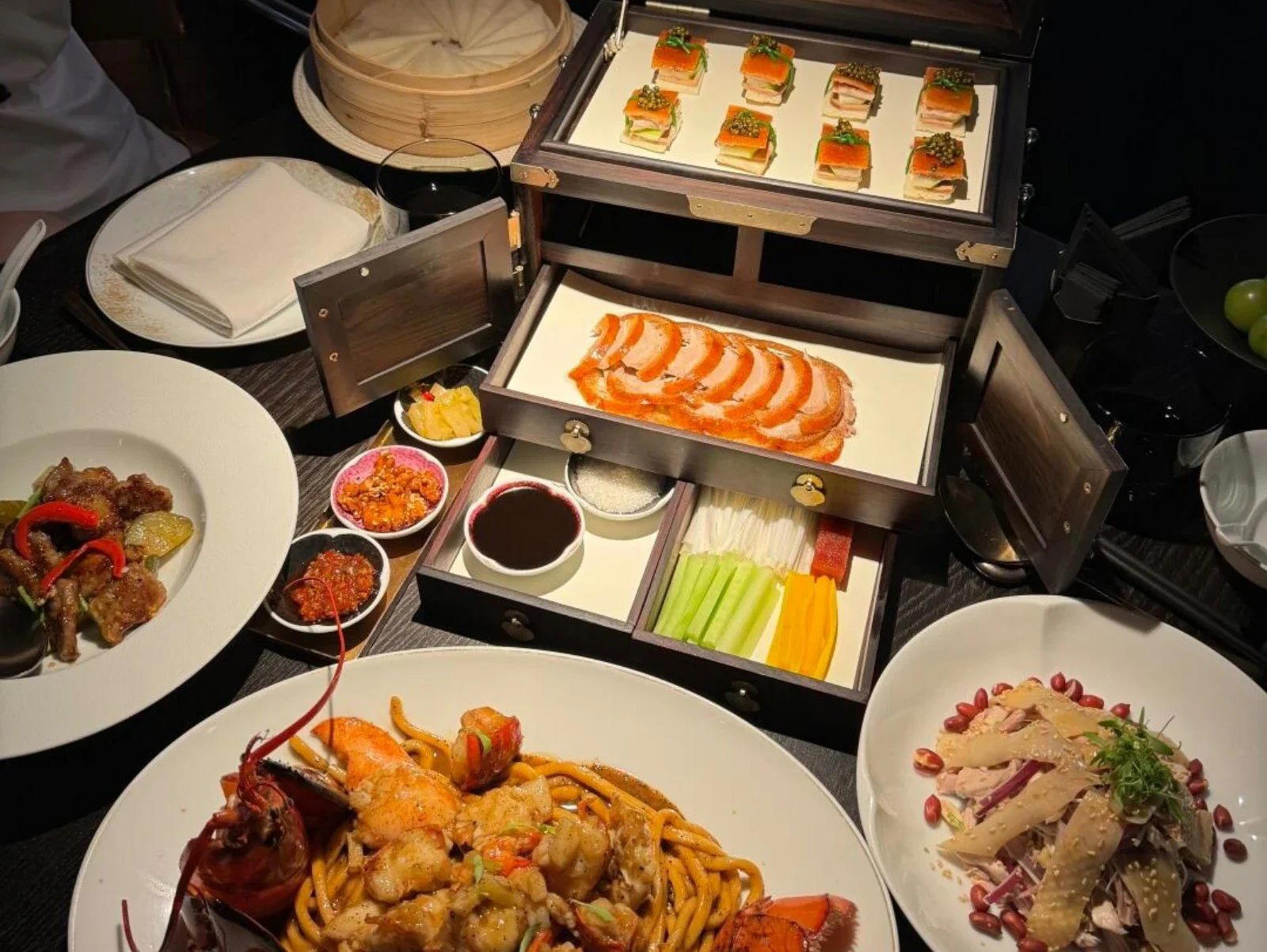
Yaojiayuan Road and the Chaoyang Dining Corridor
Beijing's dining geography has never been fully legible from the centre outward. Chaoyang district contains multitudes: the brash commercial density of Sanlitun, the quieter residential pockets around Tuanjiehu, and further east, the Yaojiayuan Road axis where Yatang is addressed. This stretch operates at some distance from the neighbourhoods that draw international attention, which means the clientele skews local and the competitive pressure comes from within the city's Chinese-cuisine tier rather than from the internationally oriented hotel restaurants closer to the CBD.
That geographic positioning matters in practical terms. Restaurants on the Yaojiayuan corridor tend to serve a neighbourhood that includes embassy-adjacent residential compounds and established Chaoyang communities rather than tourist circuits. Venues in this position often develop a more stable repeat-customer base than those in high-footfall tourist zones, which affects everything from reservation dynamics to the pace of service. For visitors, it also means the experience of arriving and orienting is different from dining in Sanlitun or around Workers' Stadium, you are entering a part of the city that functions on its own terms.
Chaoyang's broader dining scene in 2024 includes several restaurants operating at the ¥¥¥¥ tier in Chinese cuisine: Xin Rong Ji on Xinyuan South Road anchors Taizhou-style cooking at that level, while Chao Shang Chao in Chaoyang represents the Chaozhou tradition. Yatang's position within or alongside that tier has not been independently confirmed, but the address places it within a district where premium Chinese dining is a genuine category rather than a rarity.
What the Address Tells You Before You Arrive
The full address, anchored to the Yaojiayuan Road block in Chaoyang, places Yatang in a part of Beijing that requires deliberate navigation. Unlike venues on arterial roads or inside major commercial complexes, restaurants on secondary Chaoyang streets are typically reached by taxi or rideshare rather than on foot from a transit hub. Visitors arriving from central Beijing should budget time accordingly; the Yaojiayuan area sits at a meaningful distance from both Guomao and Sanlitun, and traffic on the eastern Chaoyang grid can be unpredictable during evening peak hours.
This kind of address, slightly off the main circuit, is increasingly common among Beijing's more considered dining addresses. The city's premium Chinese restaurant scene has partly migrated away from hotel lobbies and high-visibility commercial strips toward standalone venues in quieter locations where rent structures allow for a different investment in the dining room itself. Comparable patterns have emerged in other Chinese cities: Ru Yuan in Hangzhou and Dingshan·Jiangyan in Suzhou both occupy addresses that reward visitors willing to seek them out rather than defaulting to hotel dining.
Beijing's Chinese Dining Tiers in Context
To understand where a venue like Yatang sits, it helps to map Beijing's current Chinese restaurant scene with some precision. At the summit of the formal tier, a small number of restaurants carry Michelin recognition or equivalent critical standing; below that, a larger group operates at premium price points with consistent local reputation but less international visibility. The city's Jingji represents one interpretation of refined Beijing cuisine at the ¥¥¥¥ tier, while venues focused on vegetarian Chinese traditions, including Lamdre and King's Joy, have established a distinct lane that has attracted both critical attention and a loyal local following.
Across greater China, the reference points for serious Chinese dining have multiplied. Imperial Treasure Fine Chinese Cuisine in Guangzhou and Dai Yuet Heen in Nanjing demonstrate how Chinese cuisine operates across regional traditions and city-by-city competitive sets. In the longer-haul context, Chef Tam's Seasons in Macau has set a benchmark for the kind of technically precise, format-driven Chinese tasting experience that has influenced restaurants across mainland China. Beijing, with its own distinct culinary inheritance, occupies a different position in that national picture, more rooted in northern Chinese traditions, less dominated by Cantonese technique, and the leading addresses in the city tend to reflect that specificity.
Further afield, the global reference points for serious tasting-format dining, venues like Le Bernardin in New York City or Atomix, set a standard for format discipline and sourcing transparency that increasingly shapes expectations among internationally mobile diners arriving in Beijing.
Planning a Visit: What Is and Isn't Known
Yatang serves Regional Chinese with Peking Duck at a price tier of 3, and reservations are recommended.
The practical consequence for visitors is direct: independent verification before arrival is necessary. Dietary accommodation should be confirmed directly. Visitors who have had success at 102 House in Shanghai or similar standalone Chinese addresses may find the discovery dynamic familiar.
Regional comparisons are worth keeping in mind when calibrating expectations. Xin Rong Ji in Chengdu, Fleurs Et Festin in Xiamen, Jiangnan Wok·Rong in Fuzhou, and Shang Palace in Yangzhou each operate within distinct regional Chinese dining cultures that differ meaningfully from Beijing's northern baseline. The comparison is useful for understanding how much city-specific context shapes the experience at any given Chinese address.
Style and Standing
Comparable venues nearby, for context on price, style, and recognition.
| Venue | Cuisine | Price | Notes |
|---|---|---|---|
| YatangThis venue — the venue you are viewing | Regional Chinese with Peking Duck | $$$ | Not listed |
| 1949-å ¨é¸å£ | Handmade Noodles | $$$ | Chaoyangmen |
| 1949 The Hidden City | Upscale Peking Duck & Chinese Fine Dining | $$$ | Chaoyang District |
| Wulixiang | Traditional Shanghainese | $$$ | Tuanjiehu |
| Quanjude Roast Duck Restaurant | Traditional Peking Duck | $$$ | Wangfujing |
| BoJingXuanChineseRestaurant | Beijing–Cantonese fusion Chinese fine dining | $$$ | /海淀区 (near Jimen Bridge, northwest 2nd Ring) |

At a Glance
- Elegant
- Quiet
- Sophisticated
- Business Dinner
- Group Dining
- Date Night
- Special Occasion
- Hotel Restaurant
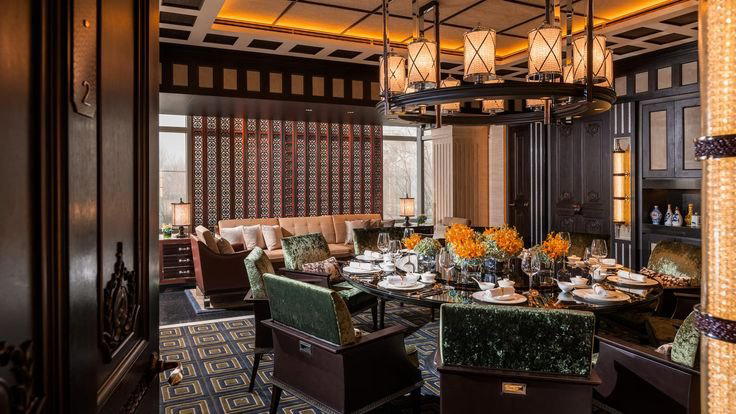
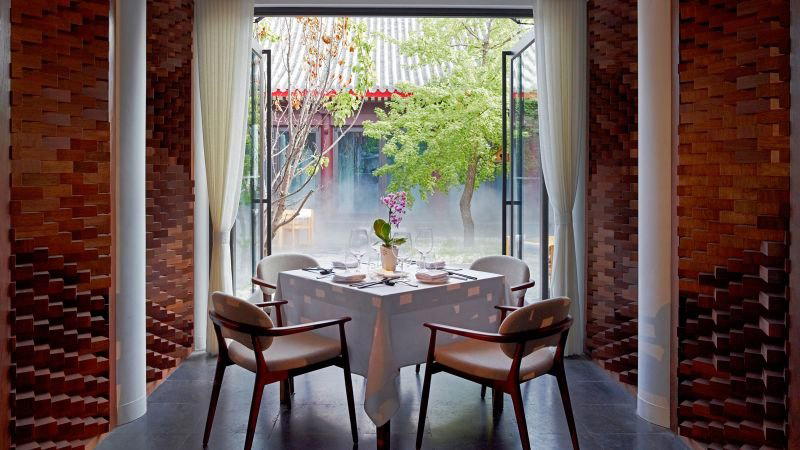
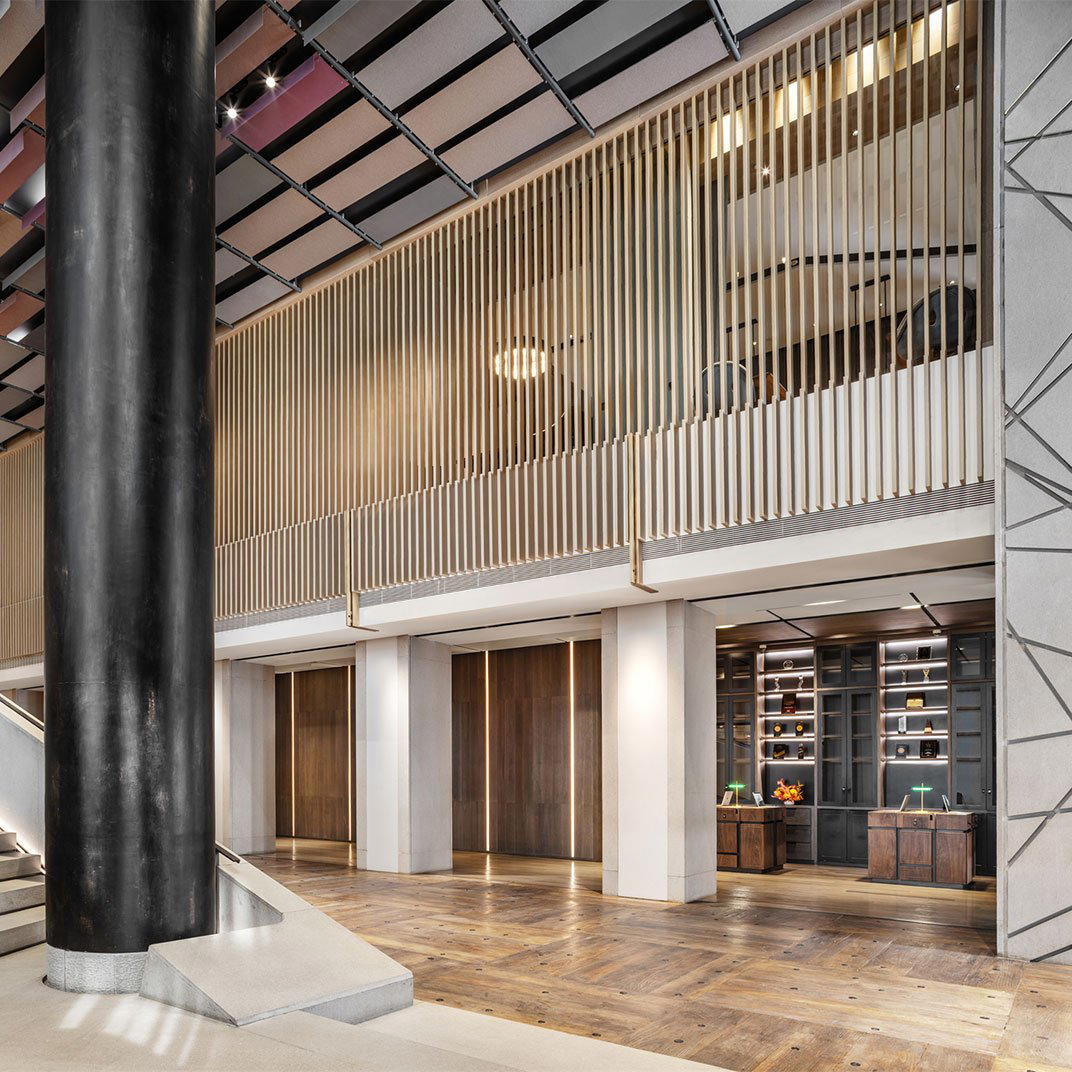
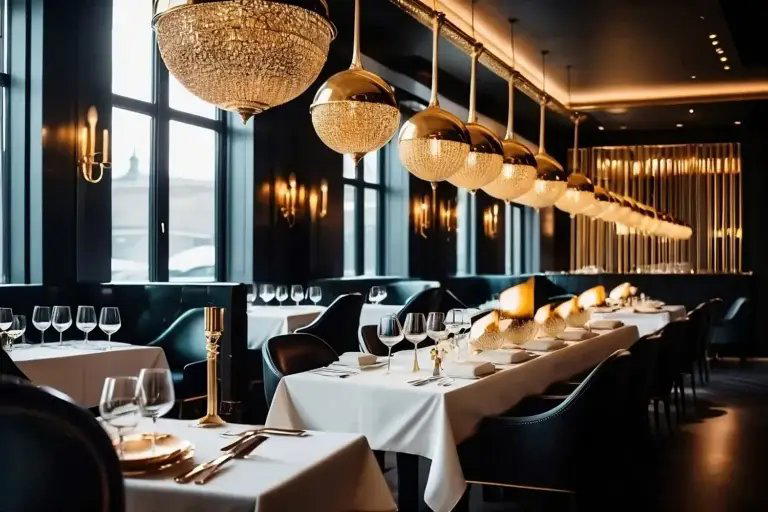
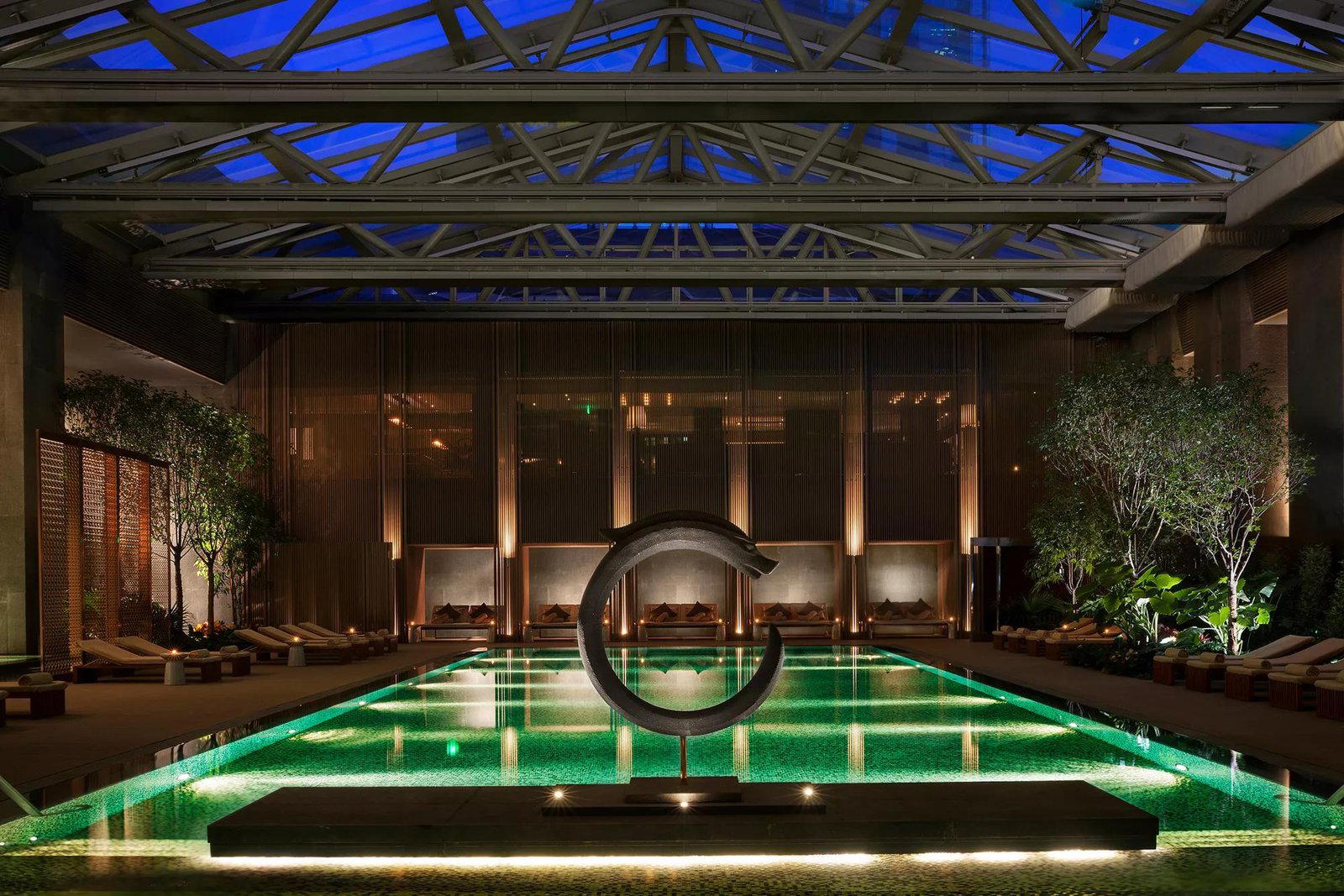
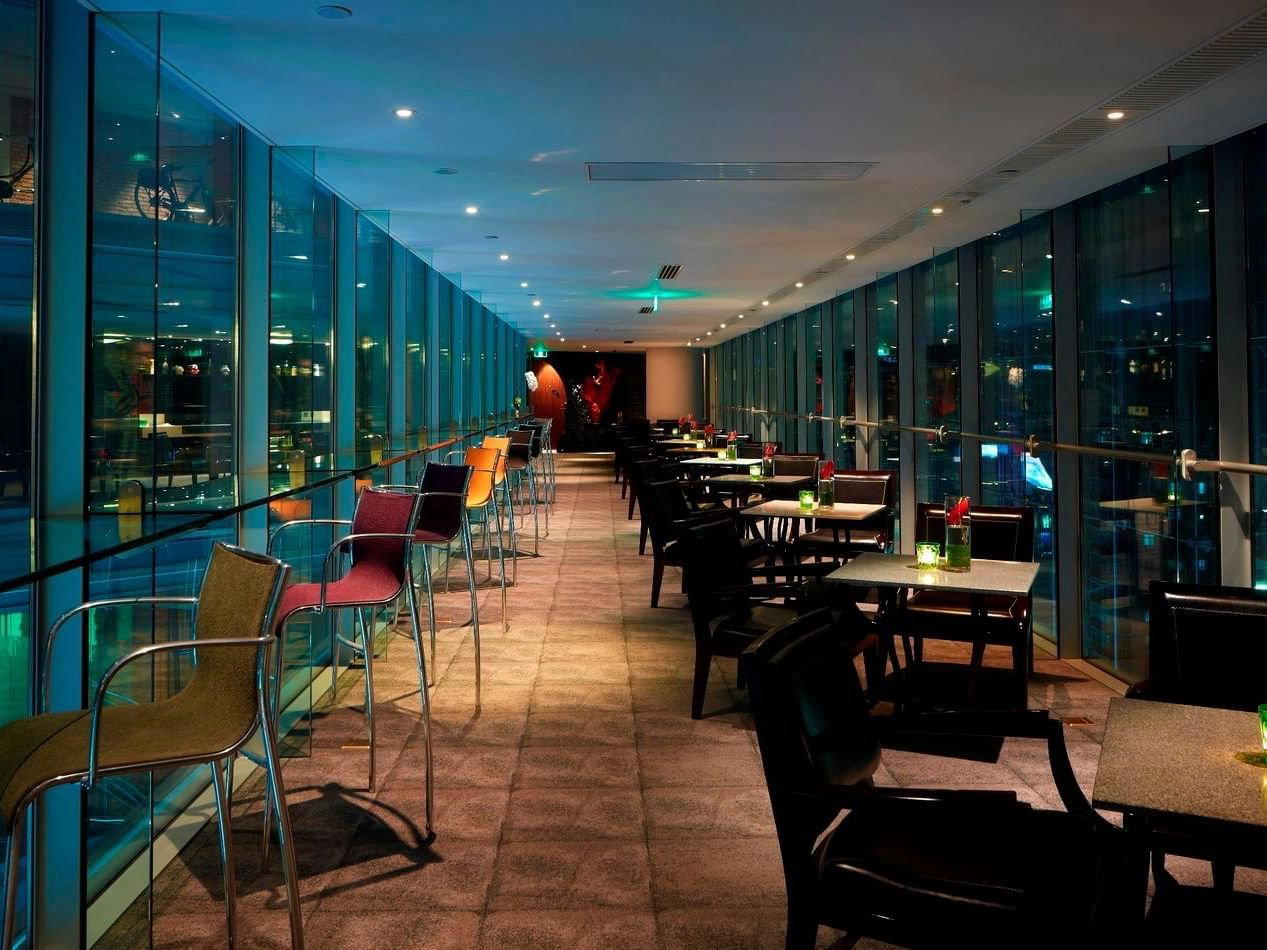
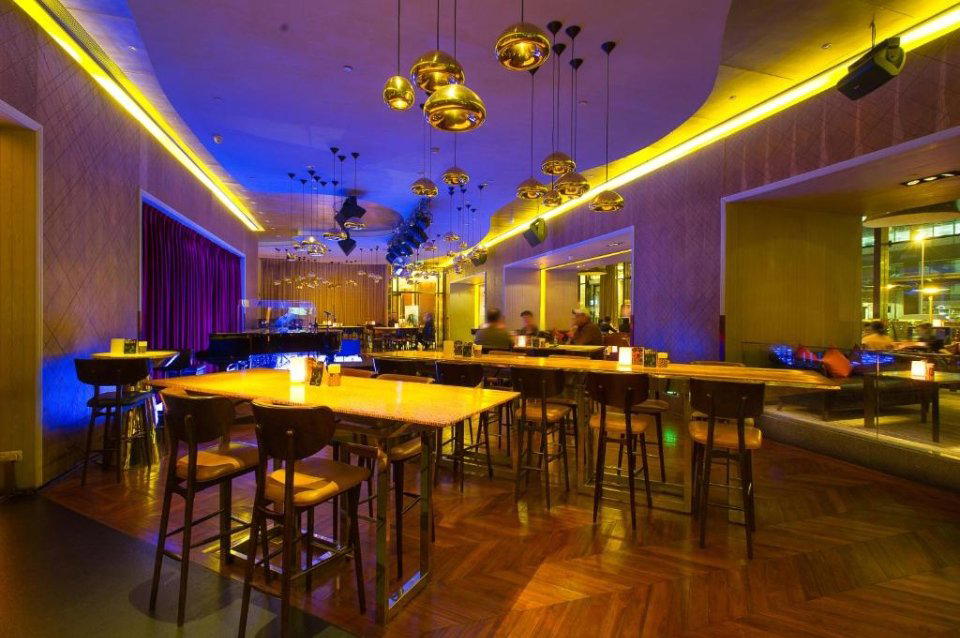
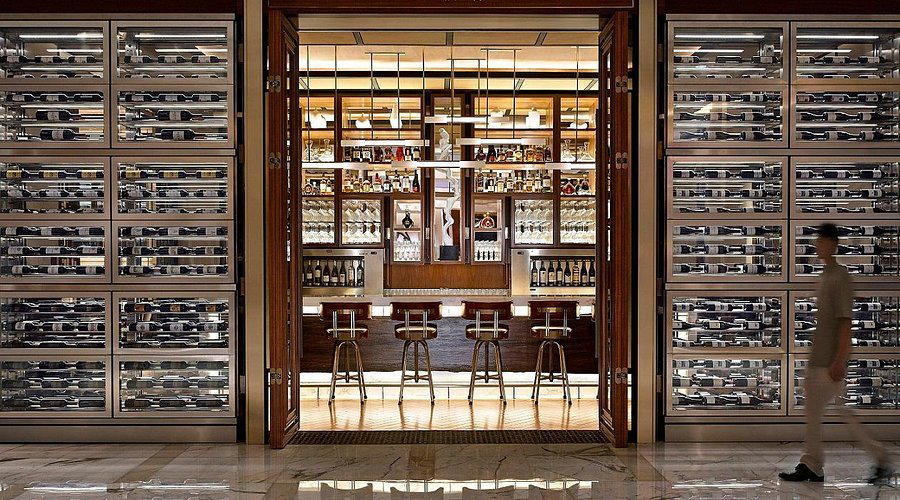
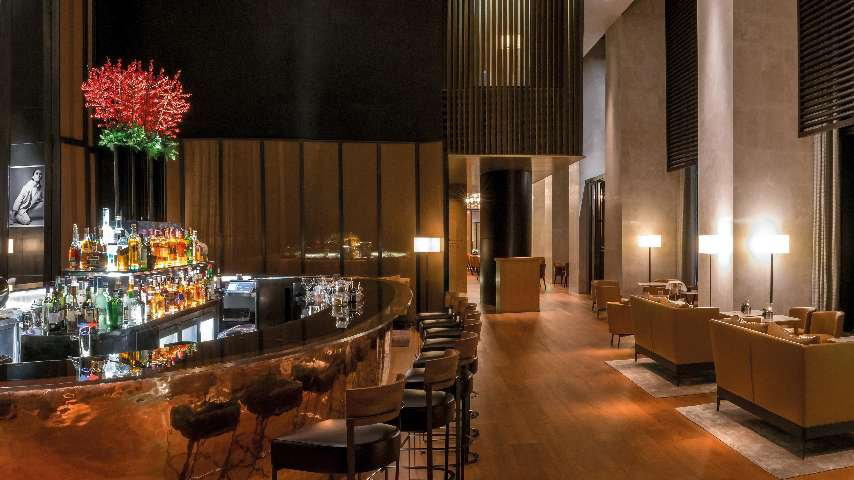
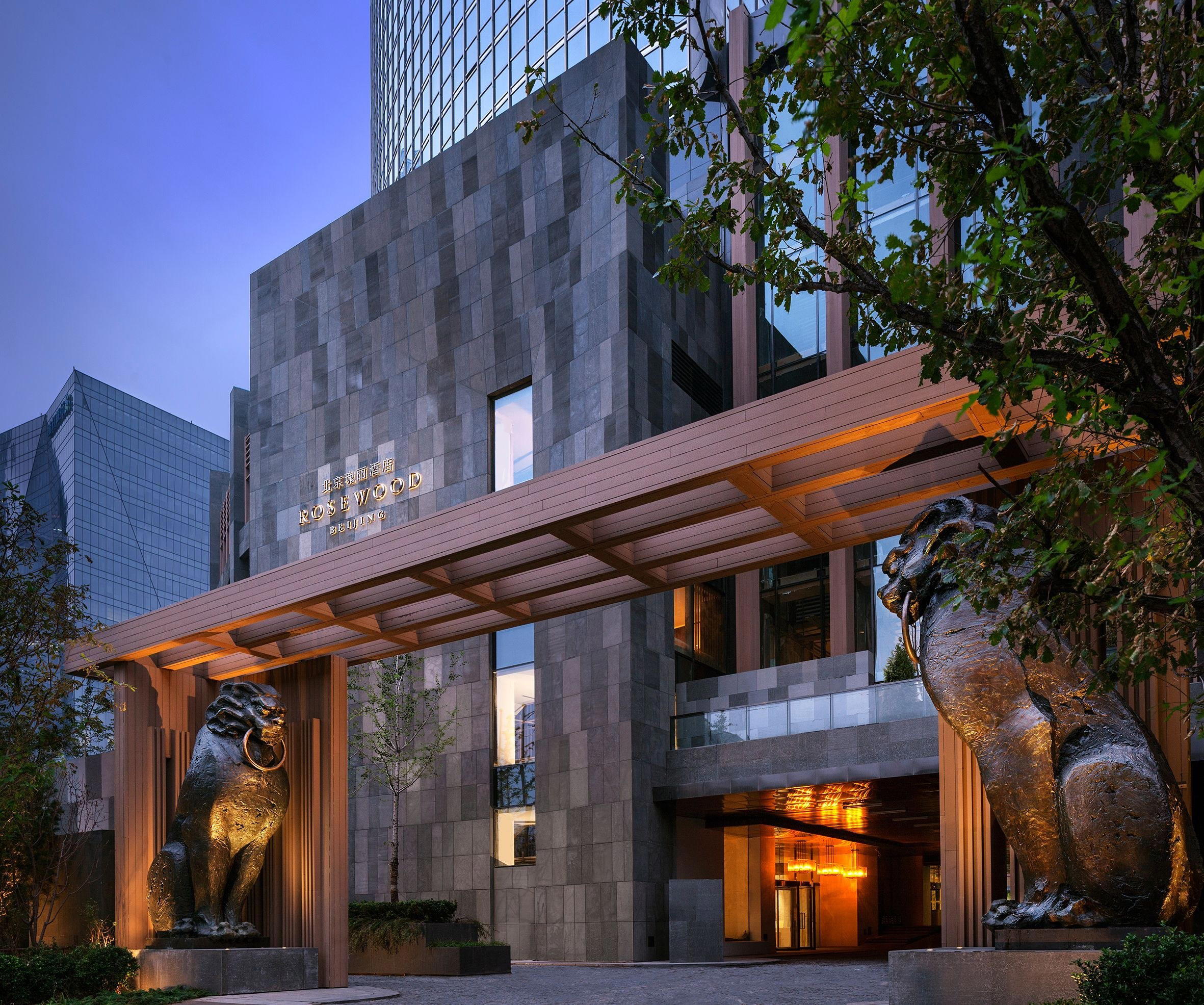
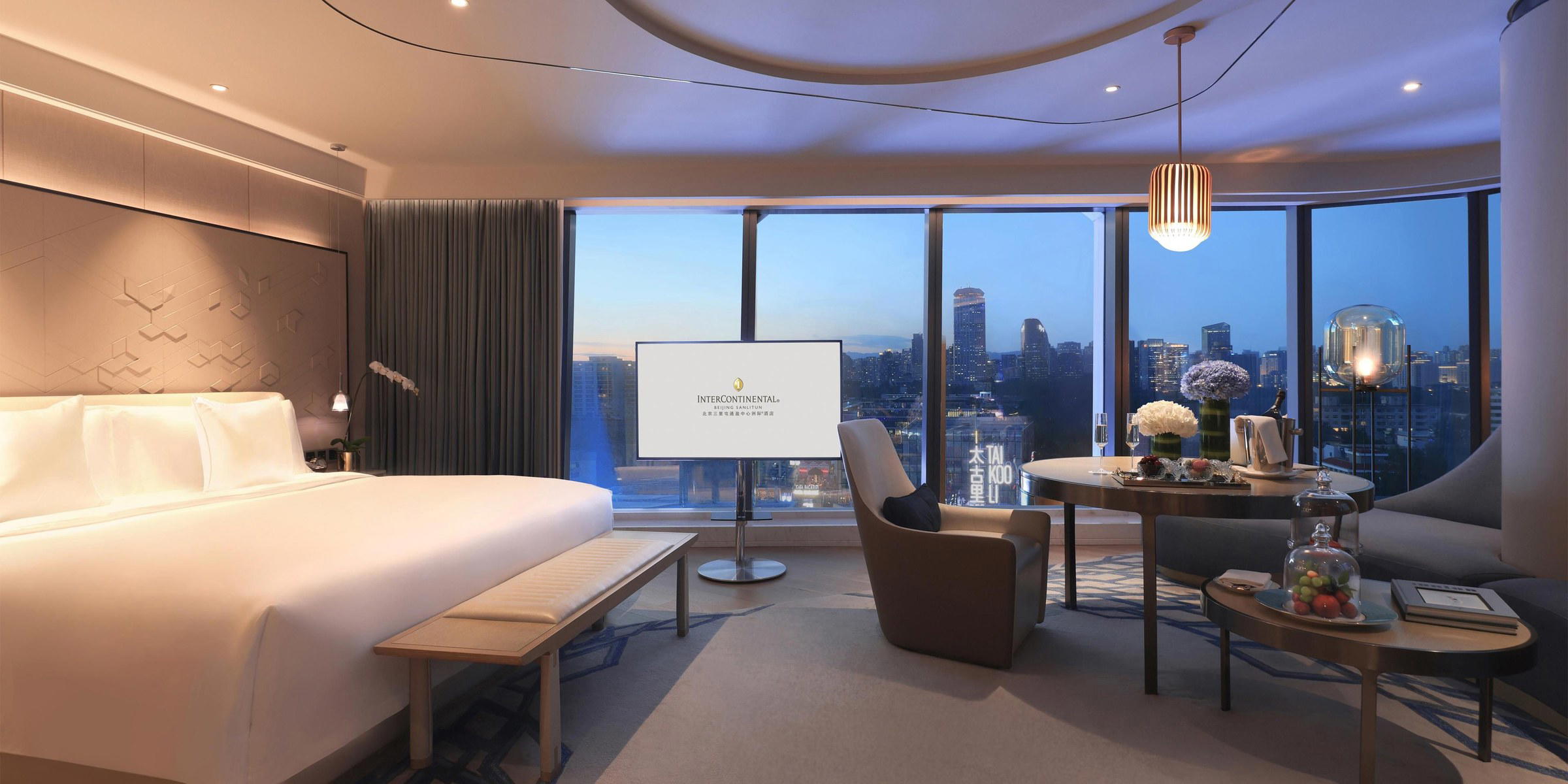
Serene and understatedly luxurious, with an upscale-casual atmosphere suited to relaxed lunches and dinners.