



1 Michelin Star · Black Pearl 1 Diamond · Wine Spectator Best of Award of Excellence
Our verdict
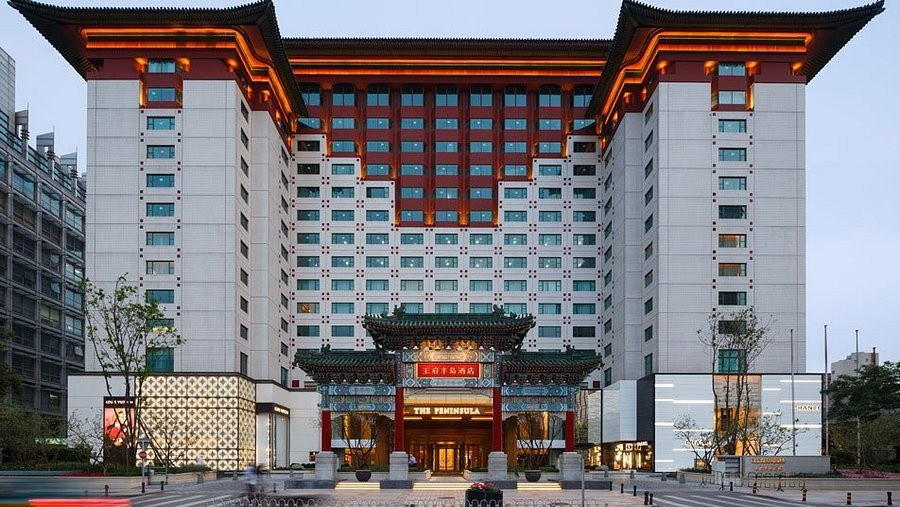
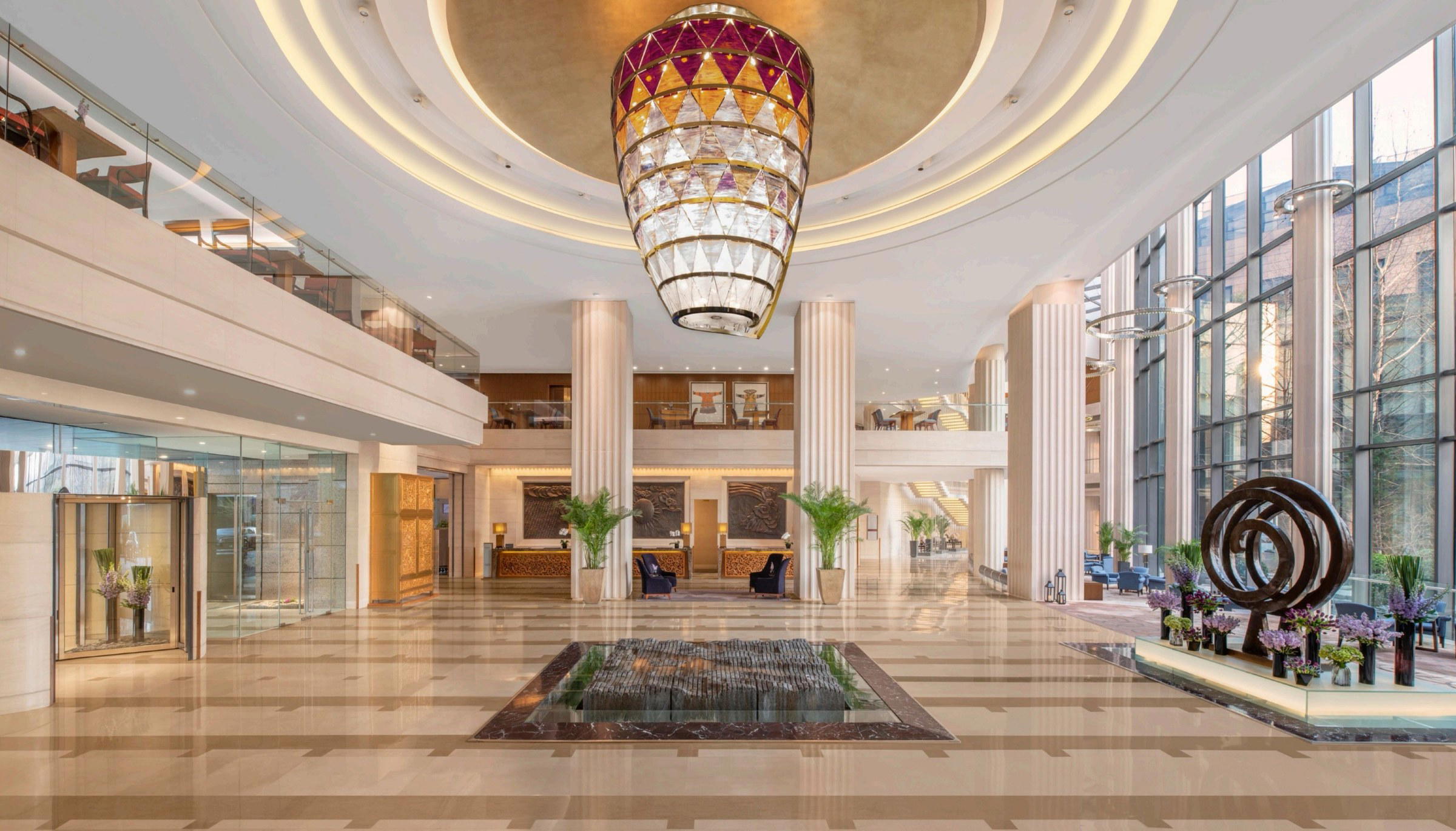
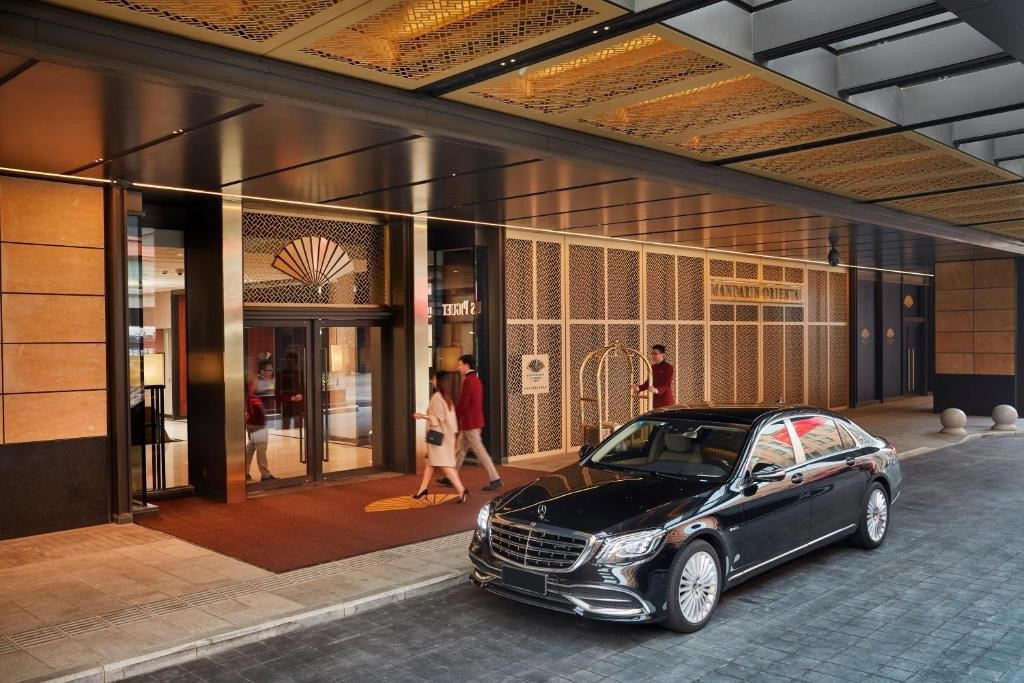
Jing sits inside the Peninsula Beijing on Jinyu Hutong, bringing Michelin-starred French Contemporary cooking with a Basque accent to one of the capital's most storied hotel addresses. Chef William Mahi's tasting menu moves through langoustine, spider crab, and squid before landing on the now-familiar Basque cheesecake, all backed by a 405-label wine list weighted toward France and California. A Black Pearl Diamond and OAD Asia ranking confirm its standing among Beijing's serious Western dining addresses.

Pearl is the En Primeur Club membership app — saves, bookings, and concierge access live there. Same editors, same standards.
- Address
- China, Beijing, Dongcheng, Jinyu Hu Tong, 8号王府半岛酒店 邮政编码: 100006
- Phone
- +86 10 6510 6714
- Hours
- Daily 11 AM–10 PM
- Website
- techsmith.com
- Directions
- Get directions
- Booking
- Book on the venue's website
The menu
What to order
- Pâté Croûte with Truffle Vinaigrette
- Changli Scallop Blanc De Noir
- Wet Aged M5 Wagyu Beef Tenderloin
- Exotic Vacherin
- Langoustine Tartare with Caviar
A Basement Room That Earns Attention
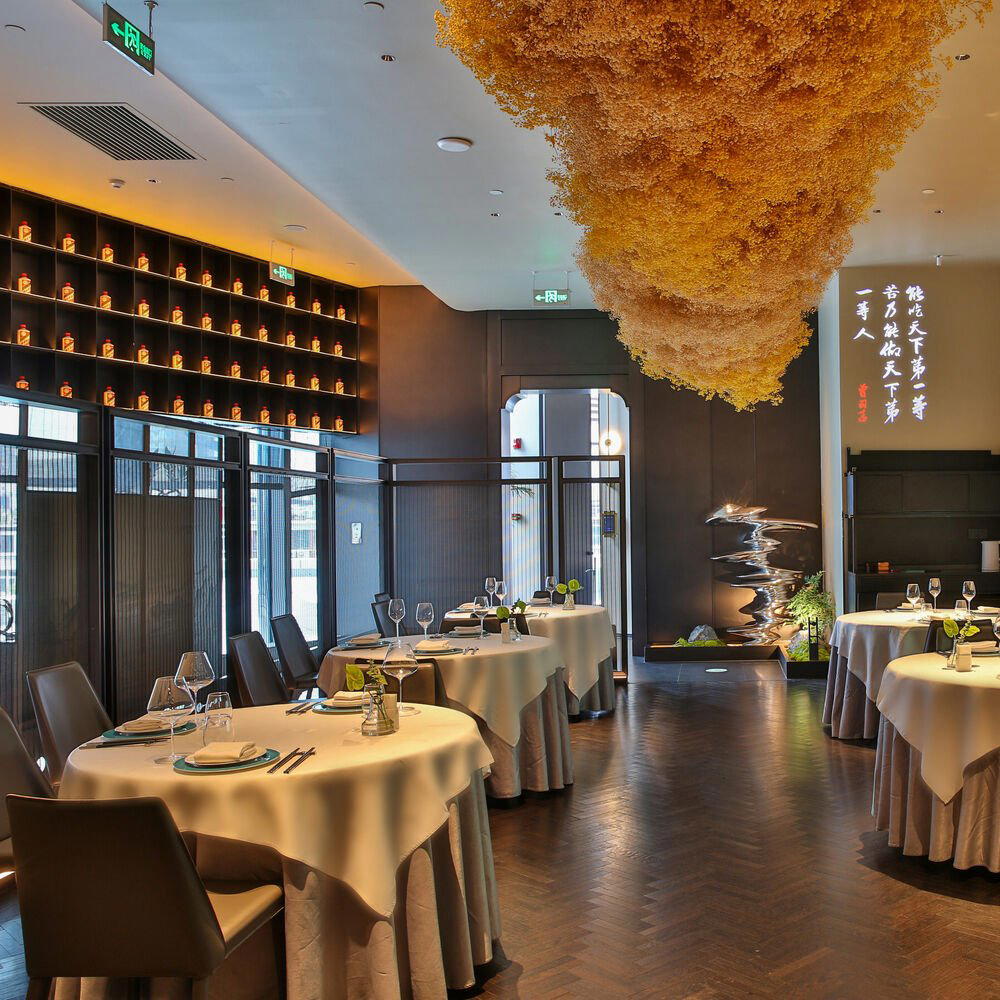
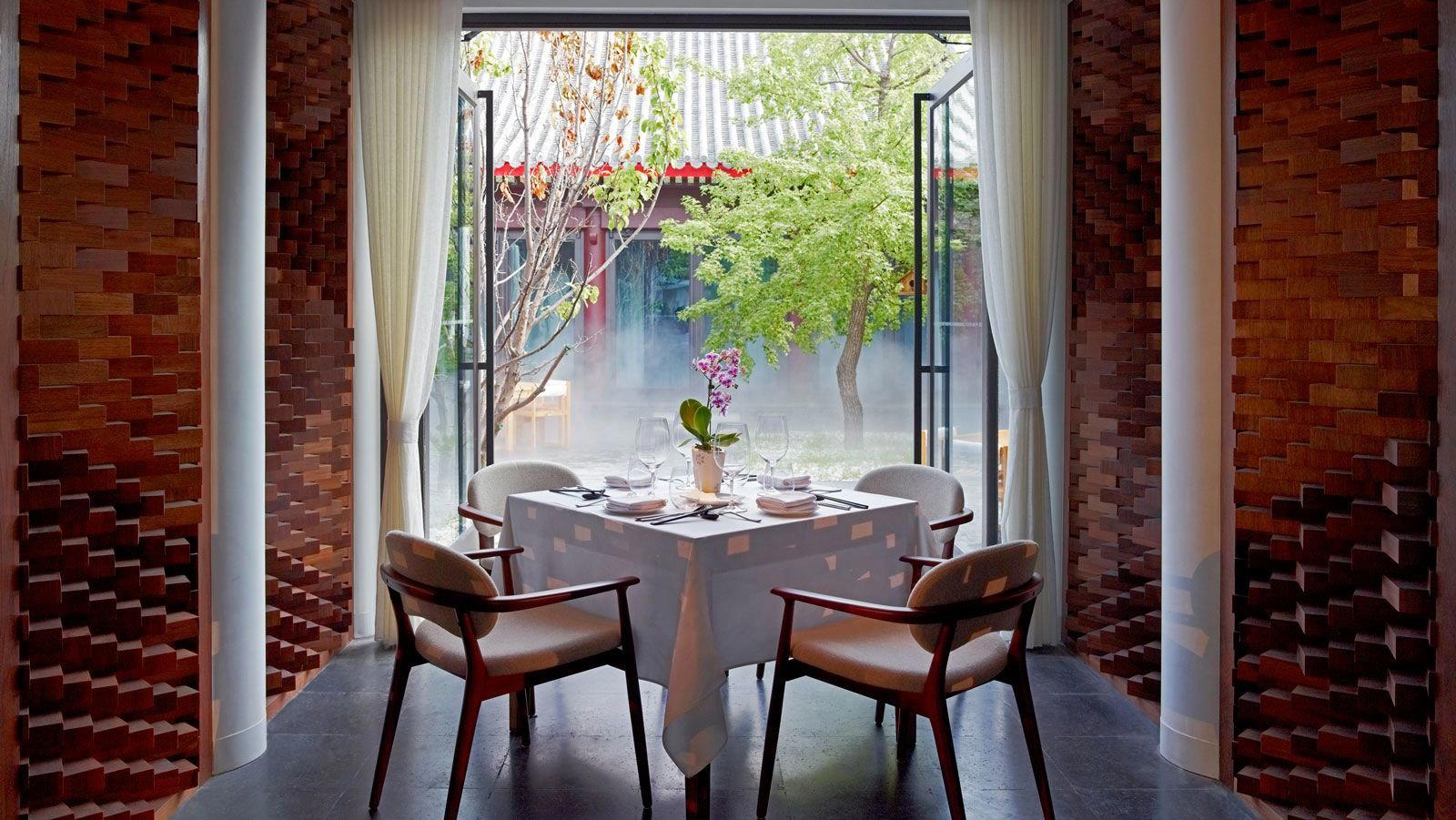
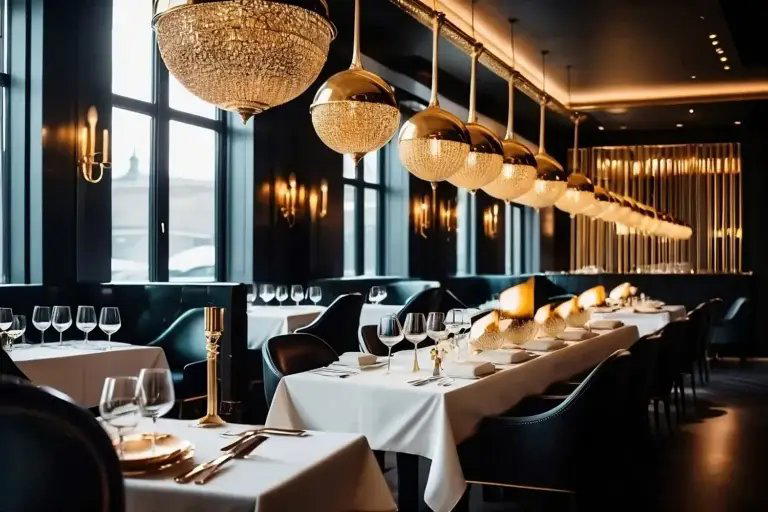
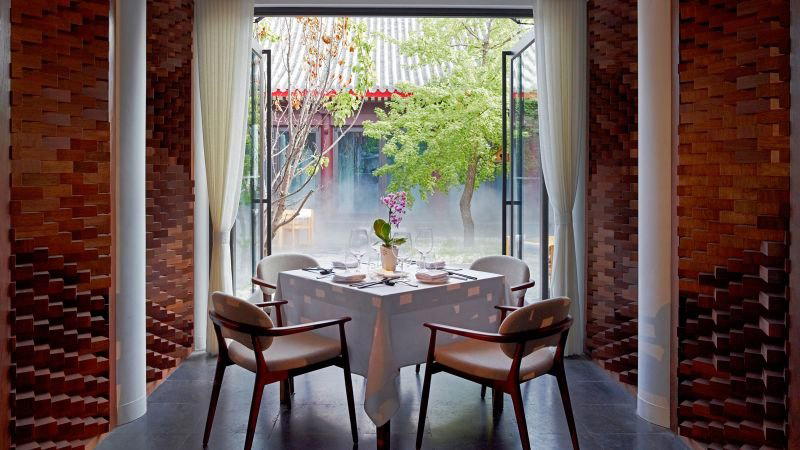
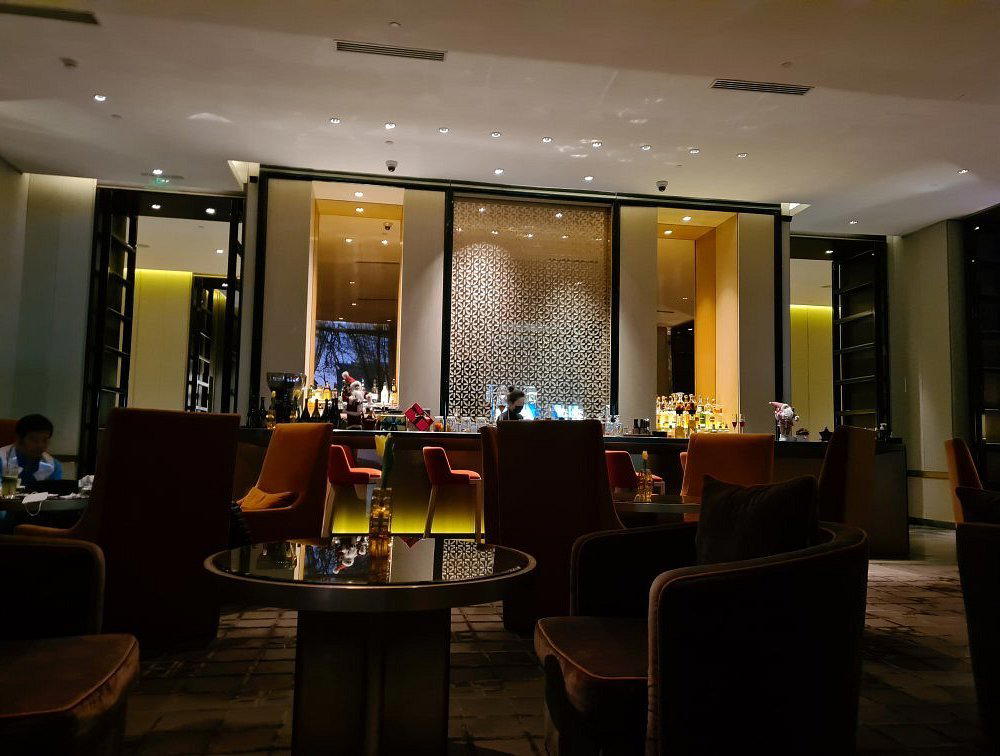
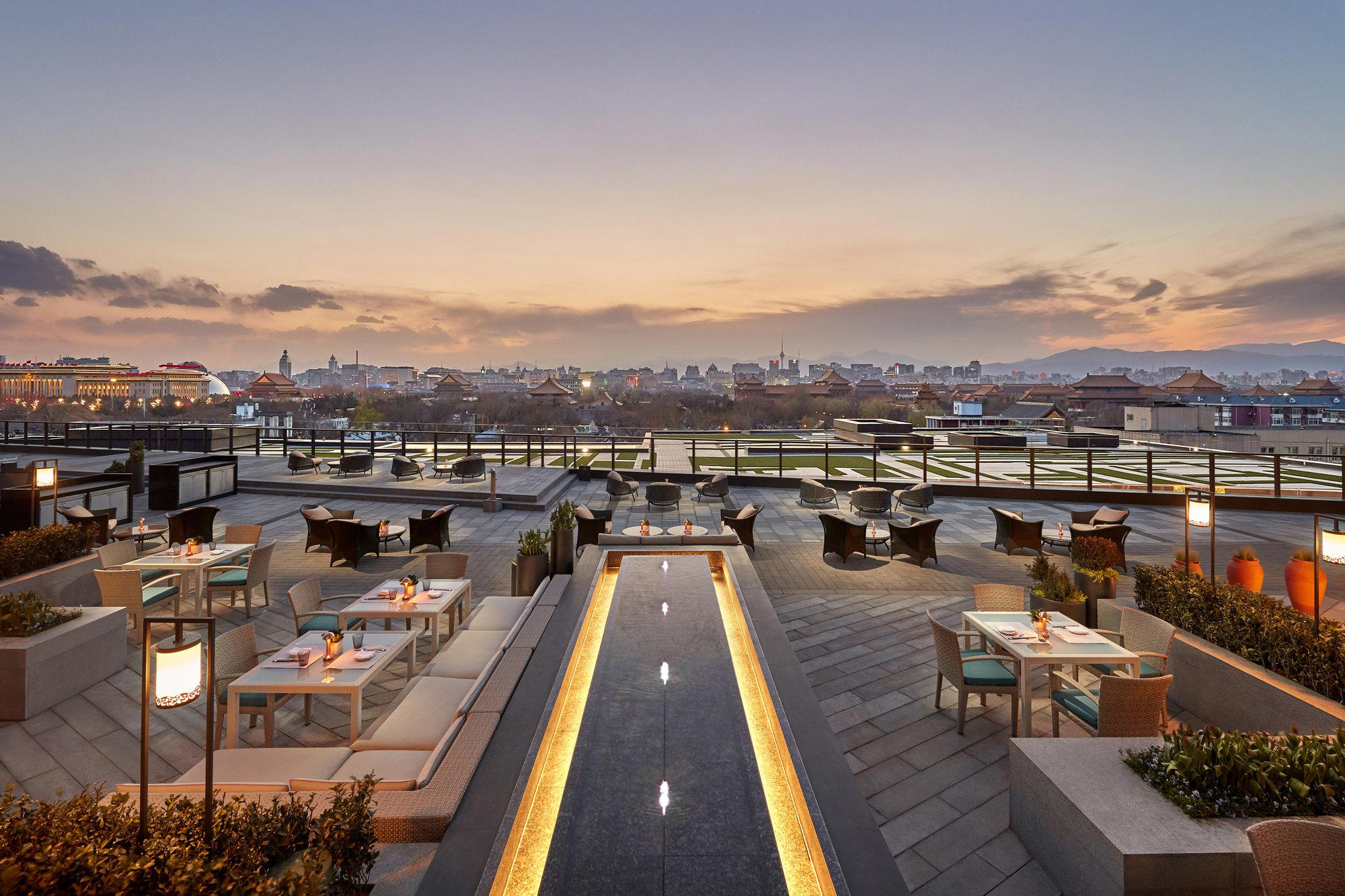
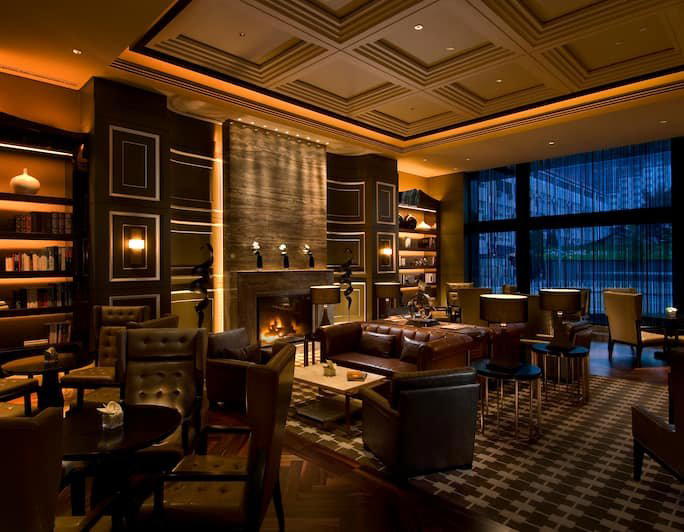
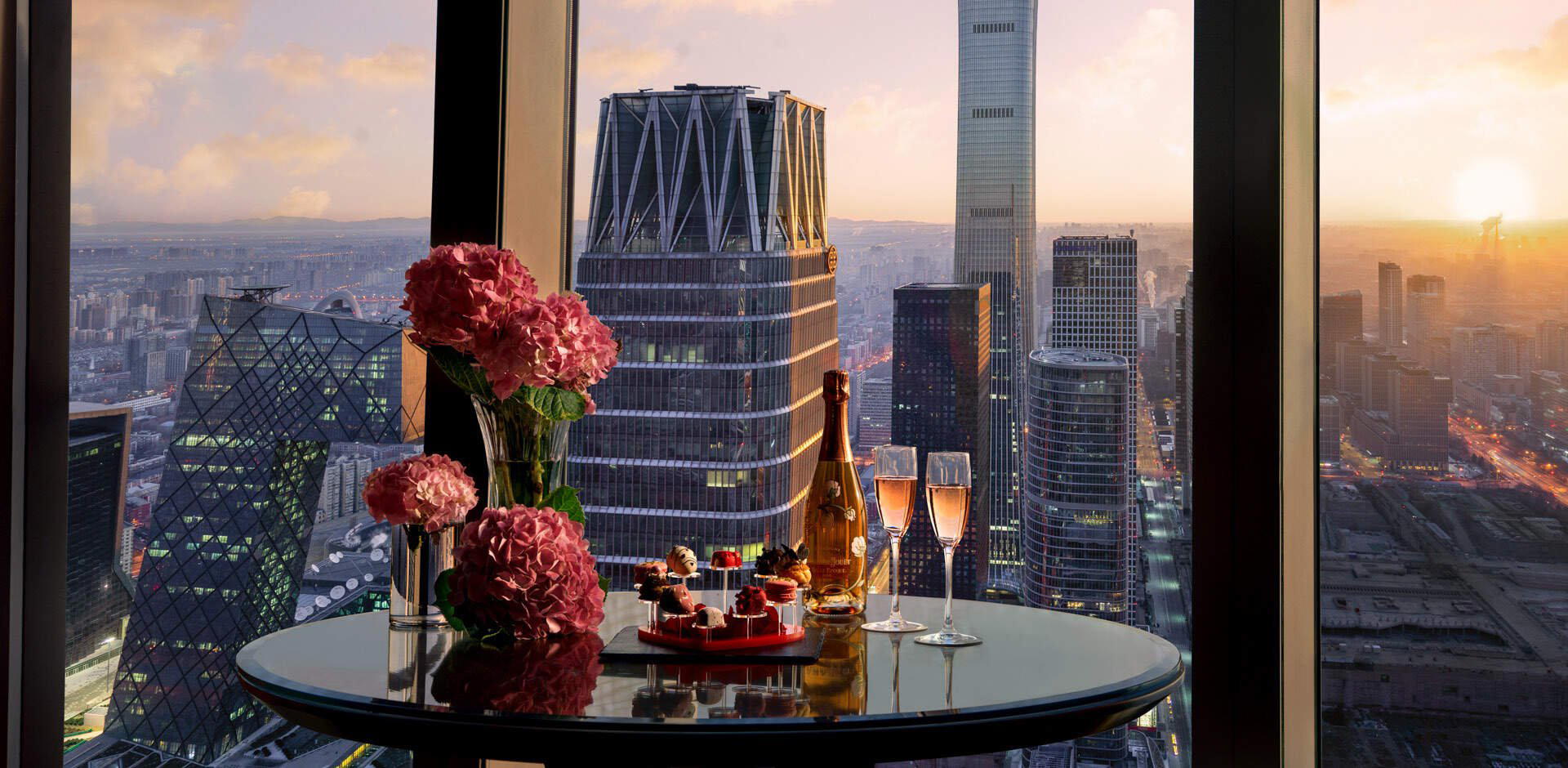
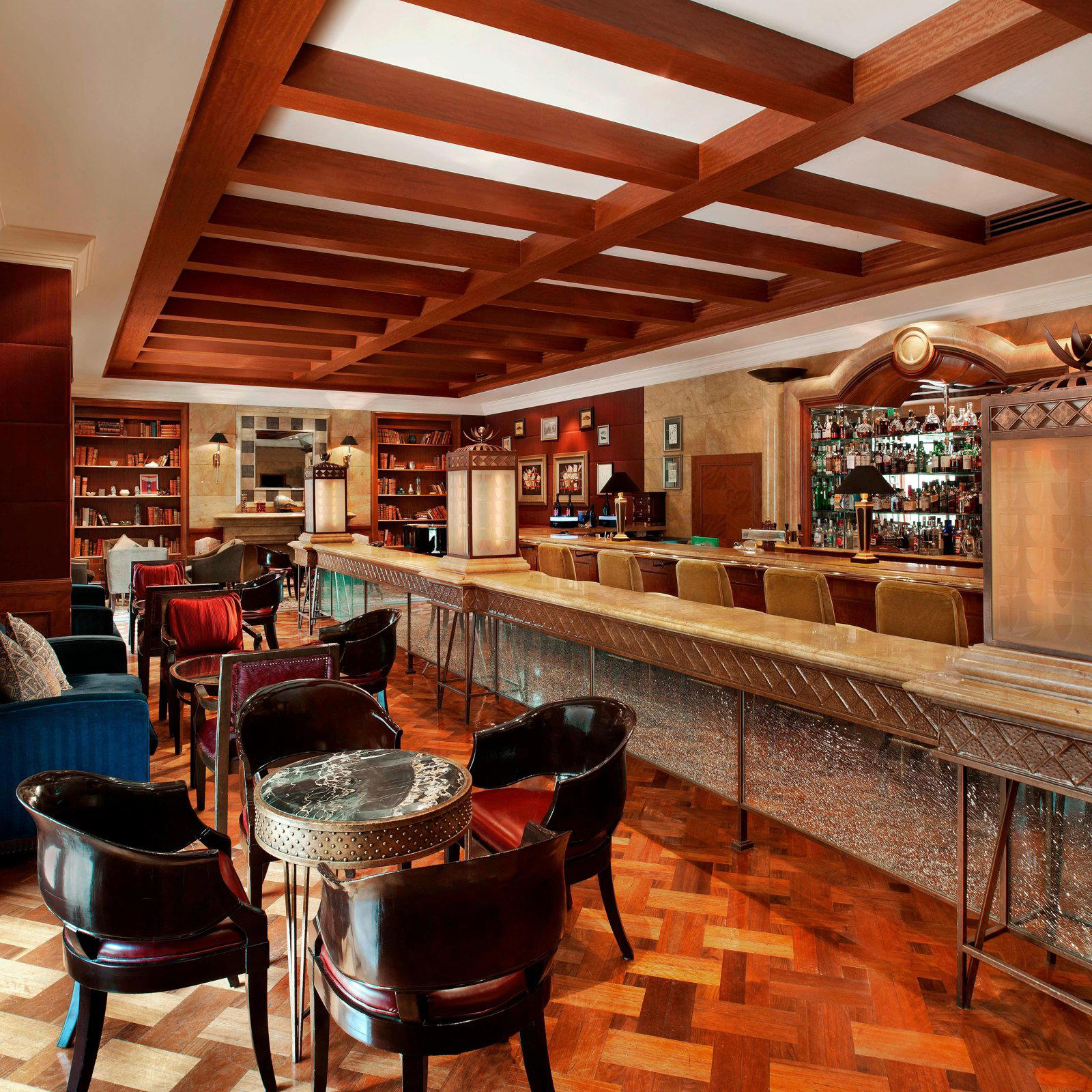
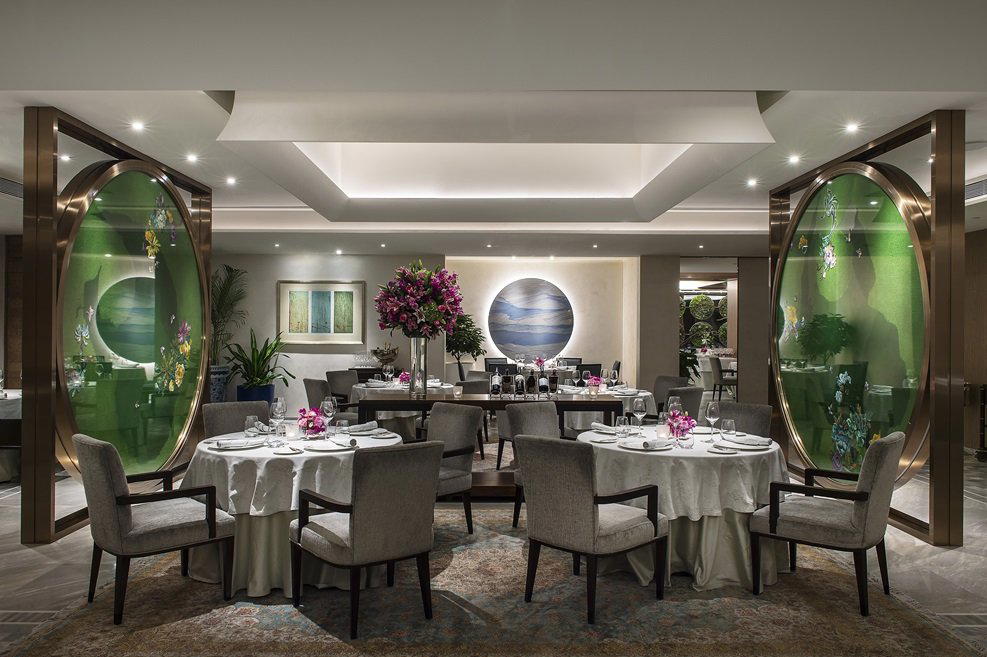
Most serious dining rooms in Beijing compete on views: towers of glass facing Chaoyang's skyline, or courtyard windows opening onto pine trees in the old hutong lanes. Jing, occupying a basement space inside the Peninsula Hotel on Jinyu Hutong, refuses that convention entirely. What you find instead is a room shaped by eclectic art and a bar that draws the eye before the menu does. The absence of natural light, which might read as a liability in another context, here becomes part of the atmosphere's deliberateness: the room is designed to hold your attention inward, on the plate and the glass.
The Peninsula Beijing's position in Dongcheng, close to Wangfujing and within reach of the Forbidden City, places Jing in one of the capital's more historically weighted neighbourhoods. That address carries weight in a city where Western fine dining has historically clustered in the embassy districts and the newer hotel towers further east. Dongcheng grounds Jing in a different register, one where the surroundings carry centuries of civic significance rather than the transactional energy of a financial district. For visitors exploring that part of the city, the full Beijing hotels guide maps the accommodation options across the capital's distinct zones.
Where French Technique Meets a Basque Sensibility
French Contemporary as a category has developed a predictable grammar across Asian capitals: butter-rich sauces, classically structured tasting menus, and a reliance on imported luxury ingredients to signal tier. Jing sits within that category but departs from its defaults. Chef William Mahi, who comes from the Basque Country, pulls the cooking toward the Atlantic coast of France and Spain, where seafood density is high, preparations tend to be cleaner, and regional identity cuts through classical formality.
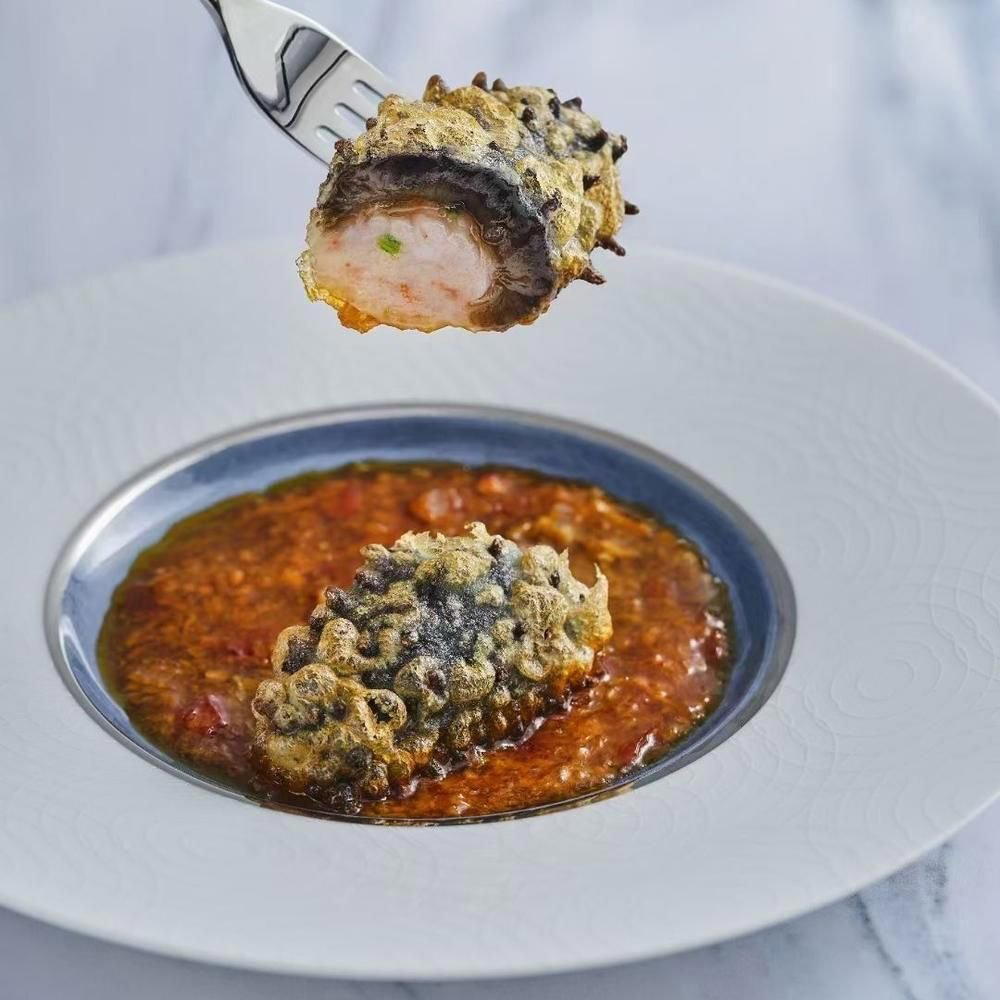
That Basque orientation shows most clearly in the protein lineup. Langoustine, spider crab, and squid form a through-line across the menu, rather than appearing as single-dish punctuation between beef and foie gras. The approach reflects a part of the world where the sea defines the table, not merely accents it. A 52-degree egg with potato foam and white truffle functions as one of the more technically precise preparations on the menu, the low-temperature cook producing a texture that sits between set and flowing, with the potato foam providing body where the egg itself stays delicate. The Basque cheesecake, which has become something close to a calling card for the kitchen, lands at the end of the meal as a deliberate reference point: burnt on leading, yielding in the centre, and far less sweet than its French patisserie counterparts.
This kind of regional inflection within a French Contemporary framework is less common in Beijing than in, say, Hong Kong or Singapore, where the European expat population and the critical culture around Western fine dining are older and more demanding. Amber in Hong Kong and Odette in Singapore sit at the apex of that French Contemporary tradition in their respective cities; Jing operates in a Beijing market where the field is thinner and the audience for this level of specificity is still forming.
The Arc of a Meal at Jing
The tasting menu format structures the experience as a progression rather than a series of independent dishes, which is where Mahi's Basque leanings become most legible. The meal tends to open with lighter, more saline preparations, the kind of cold-water seafood that the Basque coast produces in abundance, before building toward the egg course, which sits in the middle register of the menu as a technical centrepiece. The spider crab and squid appear across the sequence rather than stacking up in a single course, which keeps the seafood identity consistent without becoming monotonous.
The light character of the menu is noted in the kitchen's own framing: this is not the kind of French Contemporary cooking that leaves you heavy at the end of the meal. The Basque tradition, unlike the richer Burgundian and Lyonnais schools that dominate most French fine dining templates, prioritises produce brightness over sauce weight. For a dinner that runs through multiple courses, that calibration matters more than it might appear from a single dish tasted in isolation.
Basque cheesecake as a closing note is worth pausing on. In the context of a Michelin-starred tasting menu, ending on a regional speciality rather than a constructed plated dessert is a statement about where the kitchen places its loyalties. It is the kind of decision that either reads as confident or limiting, depending on your appetite for specificity over range. The OAD recognition across 2023, 2024, and 2025, which places Jing among the leading restaurants in Asia, suggests the critical reading has landed on the former.
Awards and Where Jing Sits in the Beijing Western Dining Field
Beijing's Western fine dining tier is smaller and less layered than Shanghai's or Hong Kong's. The Michelin Guide's coverage of the city has grown incrementally, and the competition among French Contemporary restaurants at the starred level remains limited compared to mainland China's other major dining cities. Jing holds a Michelin one-star rating (2024) and a Black Pearl one-diamond designation (2025), two systems that assess differently but whose overlap at this address signals consistency across critical frameworks. The OAD ranking placed it at 384th in Asia in 2025, up from 352nd in 2024, a trajectory that points to growing recognition rather than plateau.
Among French Contemporary addresses in Beijing, Les Morilles and Rive Gauche represent adjacent positions in the category, while Brasserie 1893 occupies the more accessible end of French dining in the capital. For a broader sweep of serious Western dining options, Blackswan provides a point of comparison in a different culinary register. The full Beijing restaurants guide maps these alongside the capital's Chinese fine dining tier, which runs from the Michelin three-star mark set by venues like Xin Rong Ji on Xinyuan South Road down through two-star operations in classical Jing and vegetarian traditions.
For those tracking French Contemporary across mainland China more broadly, the comparison set widens: 102 House in Shanghai sits in the same general category in a more competitive Western dining market. Regional Chinese fine dining at the higher end, including Chef Tam's Seasons in Macau, Ru Yuan in Hangzhou, Xin Rong Ji in Chengdu, Imperial Treasure Fine Chinese Cuisine in Guangzhou, and Dai Yuet Heen in Nanjing, serves as context for how the country's own culinary traditions benchmark internationally alongside Western programs like Jing's.
The Wine Program
A 405-label list with 2,385 bottles in inventory positions Jing's wine program well above the token offering common at hotel restaurants in this price tier. The list's strength areas, France and California, align logically with the cuisine: French whites from Burgundy and the Loire map to the seafood-forward menu, while Californian Pinot and Chardonnay provide a parallel track for those who prefer the New World expression without moving too far from the flavour grammar the food requires. Wine pricing at Jing falls into the mid tier by the list's own markers, meaning the range covers both accessible entry points and meaningful depth for those who want to spend seriously. The list is broad enough to build a proper pairing progression across a multi-course meal, which matters when the food itself is sequenced with that arc in mind.
Planning a Visit
Jing opens seven days a week from 11 AM to 10 PM, which accommodates both lunch and dinner without the split-schedule restrictions that affect some hotel dining rooms. The ¥¥¥ price positioning places it in Beijing's upper-middle tier for Western dining, a notch below the most expensive addresses but clearly above the brasserie level. The Peninsula Beijing's address on Jinyu Hutong in Dongcheng is well served by the Wangfujing metro station, making arrival direct from most central and eastern parts of the city. For those building a broader Beijing itinerary, the Beijing bars guide, wineries guide, and experiences guide cover the surrounding options across categories.
Frequently asked questions
Is Jing okay with children?
Jing is positioned at the ¥¥¥ price tier inside a Peninsula hotel, with a structured multi-course tasting format and a dining room calibrated for a deliberate, extended meal. The environment is oriented toward adults; families with young children would likely find the format a poor fit regardless of any formal policy.
What is the atmosphere like at Jing?
Jing occupies a basement level within the Peninsula Beijing, which trades skyline views for a room anchored by eclectic art and a chic bar. The setting is formal enough to match a Michelin-starred, Black Pearl 1 Diamond kitchen, but the absence of windows keeps the focus on the table rather than the surroundings. Expect a composed, unhurried pace suited to a multi-course tasting format.
What awards or recognition does Jing have?
Jing has received recognition including: Chef: William Mahi document.addEventListener("DOMContentLoaded", function { var el = document.getElementById("Achievements_chefs"); if (el && el.parentNode) { el.parentNode.removeChild(el); } });; Opinionated About Dining Top Restaurants ….
What should I eat at Jing?
The tasting menu is the clearest way to track what Chef William Mahi's kitchen is doing. His Basque Country background pulls the menu toward seafood — langoustine, spider crab, and squid appear as recurring anchors — alongside preparations like a 52-degree egg with potato foam and white truffle. The Basque cheesecake is a documented highlight worth saving room for.
What style of cooking does Jing do?
Same-City Peers
| Venue | Cuisine | Price | Awards | Notes |
|---|---|---|---|---|
| JingThis venue — the venue you are viewing | Modern French with Asian Influences | $300–500 | 1 Michelin Star · Black Pearl 1 Diamond | Not listed |
| Xin Rong Ji (Xinyuan South Road) | Taizhou Chinese Fine Dining | $300–500 | 3 Michelin Stars · World's 50 Best #84 | Taizhou |
| Chao Shang Chao (Chaoyang) | Modern Teochew (Chaoshan) Fine Dining | $200–300 | Michelin Plate · La Liste Top Restaurants | Chao Zhou |
| Lamdre | Modern Plant-Based Chinese Vegetarian | Not listed | 2 Michelin Stars · World's 50 Best #17 | Vegetarian |
| Jingji | Imperial Beijing Royal Cuisine | $200–300 | 2 Michelin Stars · La Liste Top Restaurants | Beijing Cuisine |
| Lu Shang Lu | Modern Shandong Confucius Cuisine | Not listed | 2 Michelin Stars | Shandong |
Recognition history
Dated appearances from independent guides and award organizations, with the underlying list record or original source where available.
Michelin 1 Star
Michelin
Black Pearl 1 Diamond
Black Pearl
Opinionated About Dining Top Restaurants in Asia Ranked #384
Opinionated About Dining
The Best Chef One Knife
The Best Chef
Wine Spectator Best of Award of Excellence
Wine Spectator
Full recognition history (9 entries)
Michelin 1 Star
Michelin
Opinionated About Dining Top Restaurants in Asia Ranked #352
Opinionated About Dining
Opinionated About Dining Top Restaurants in Asia Recommended
Opinionated About Dining
World's Best Wine Lists Awards WBWL 3-Star
World's Best Wine Lists Awards