Our verdict
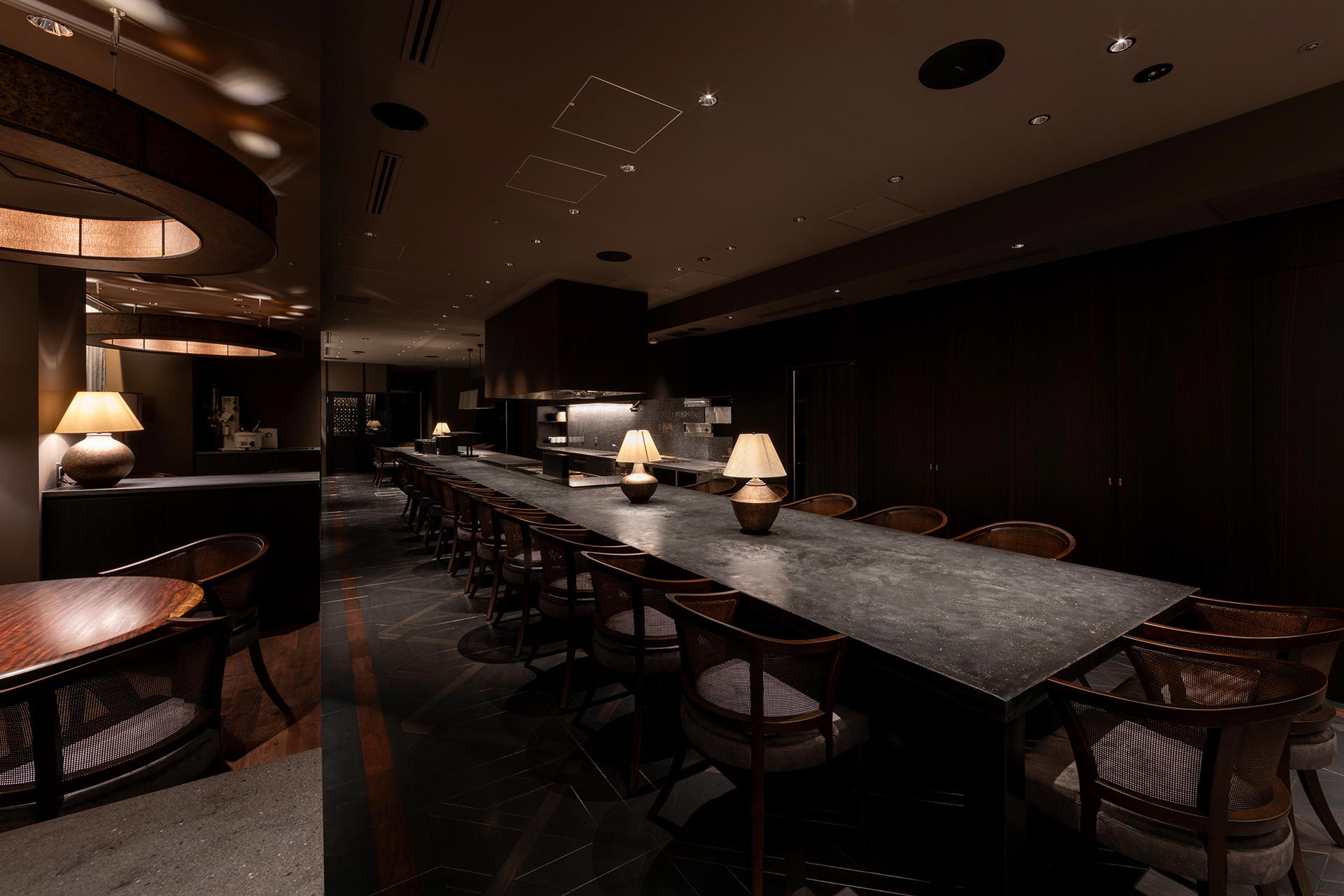
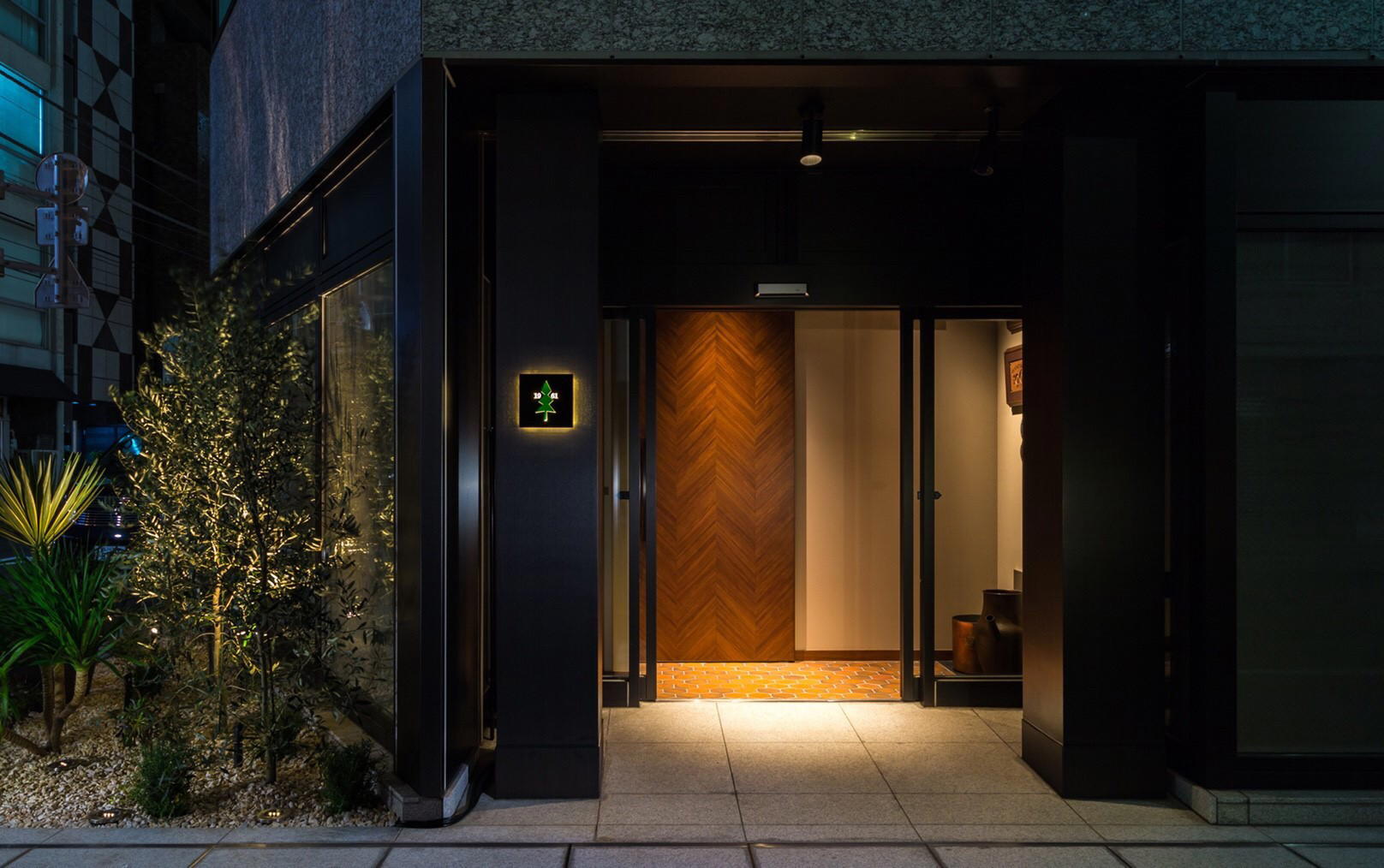
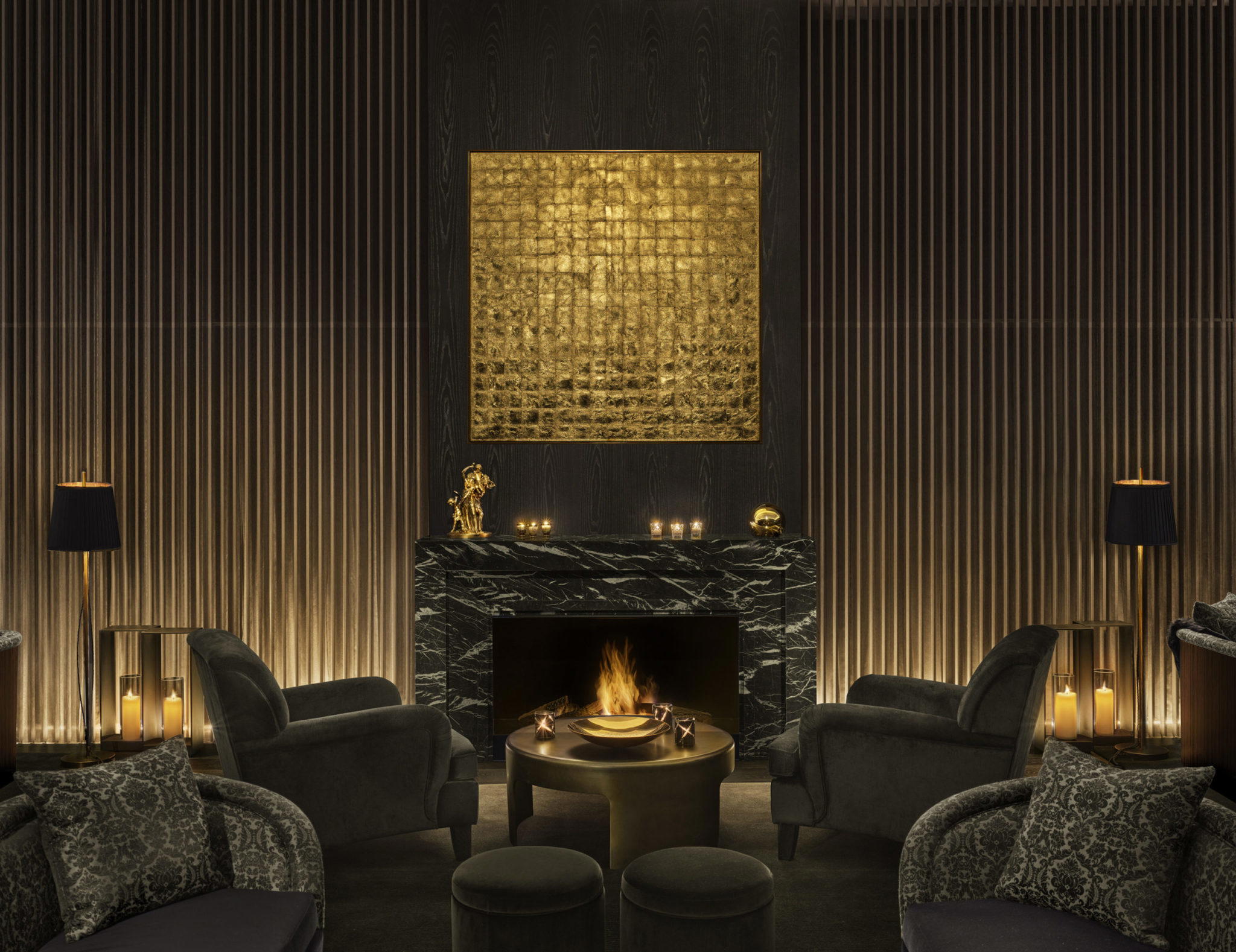
The Tokyo EDITION, Toranomon occupies one of Minato's most strategically positioned addresses, where the business district's corporate density meets a quieter residential register. As part of Ian Schrager's design-led EDITION brand, the property sits in a tier of Tokyo hotels where restraint and architectural intention carry more weight than scale. For visitors orienting around the city's dining and cultural circuit, its Toranomon location places major attractions and serious restaurants within straightforward reach.

Pearl is the En Primeur Club membership app — saves, bookings, and concierge access live there. Same editors, same standards.
- Address
- 4 Chome-1-1 Toranomon, Minato City, Tokyo 105-0001, Japan
- Phone
- +81354221600
- Website
- marriott.com
- Directions
- Get directions
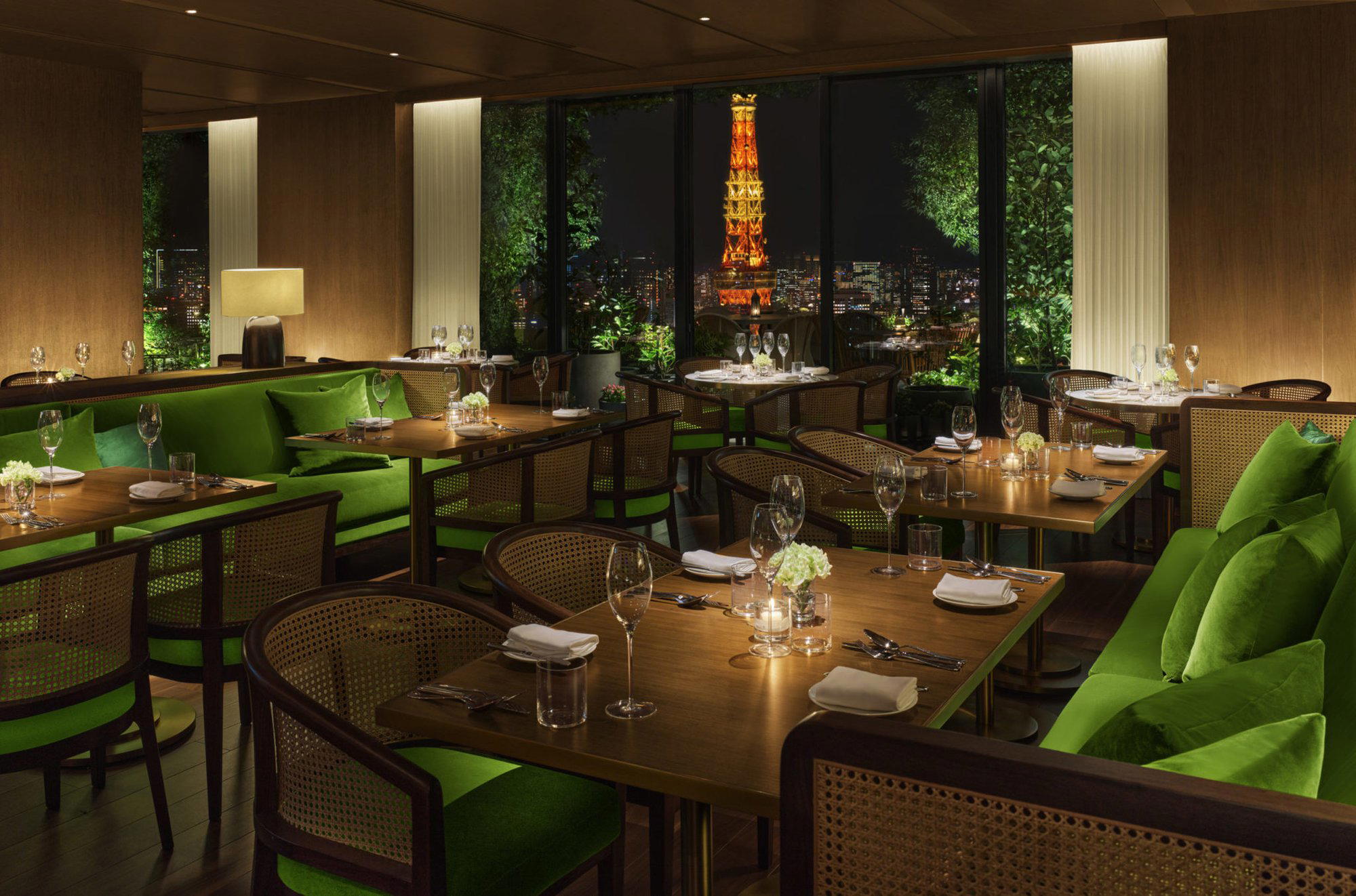
Where Minato's Business Gravity Meets Design Restraint
Tokyo's hotel market has stratified in ways that reward close reading. At one end sit the mega-flagships of Shinjuku and Shibuya, operating on volume and spectacle. At the other, a smaller cohort of properties has emerged in districts like Toranomon and Azabudai that trade on architectural precision, low-key positioning, and proximity to the city's more serious professional and cultural infrastructure. The Tokyo EDITION, Toranomon belongs firmly to the second category.
Toranomon itself has undergone one of Tokyo's more deliberate urban transformations over the past decade. The opening of the Toranomon Hills complex and a dedicated Tokyo Metro station repositioned what was once a purely transactional business corridor into something with greater residential and hospitality ambition. The EDITION arrived as part of that shift, occupying a Minato City address at 4 Chome-1-1 Toranomon that places it equidistant from the older Roppongi cultural belt and the newer Toranomon-Azabudai development axis.
Ian Schrager's EDITION brand operates in a specific register globally: design-forward, service-serious, and deliberately scaled away from the conference-hotel model. The competitive logic here is intentional.
The Arc of a Stay: Arrival Through Atmosphere
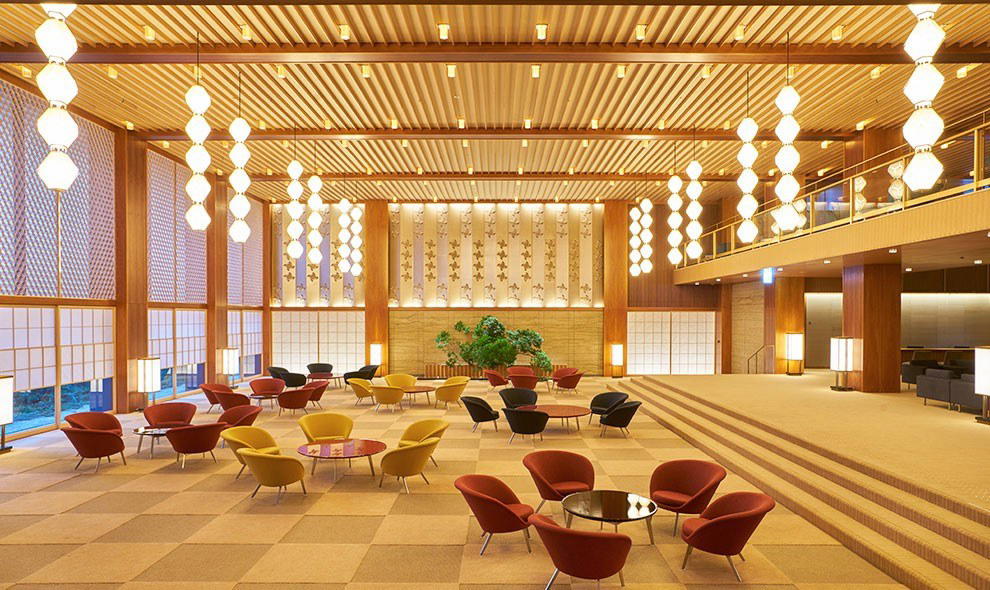
The structural question for any design-led hotel is whether the architectural gesture sustains beyond check-in. Properties in the EDITION family have historically invested in the lobby and public-floor experience as the primary expression of identity, with the residential floors functioning as a quieter counterpoint. In Tokyo, that approach reads sensibly against a city where public and semi-public spaces carry enormous cultural weight.
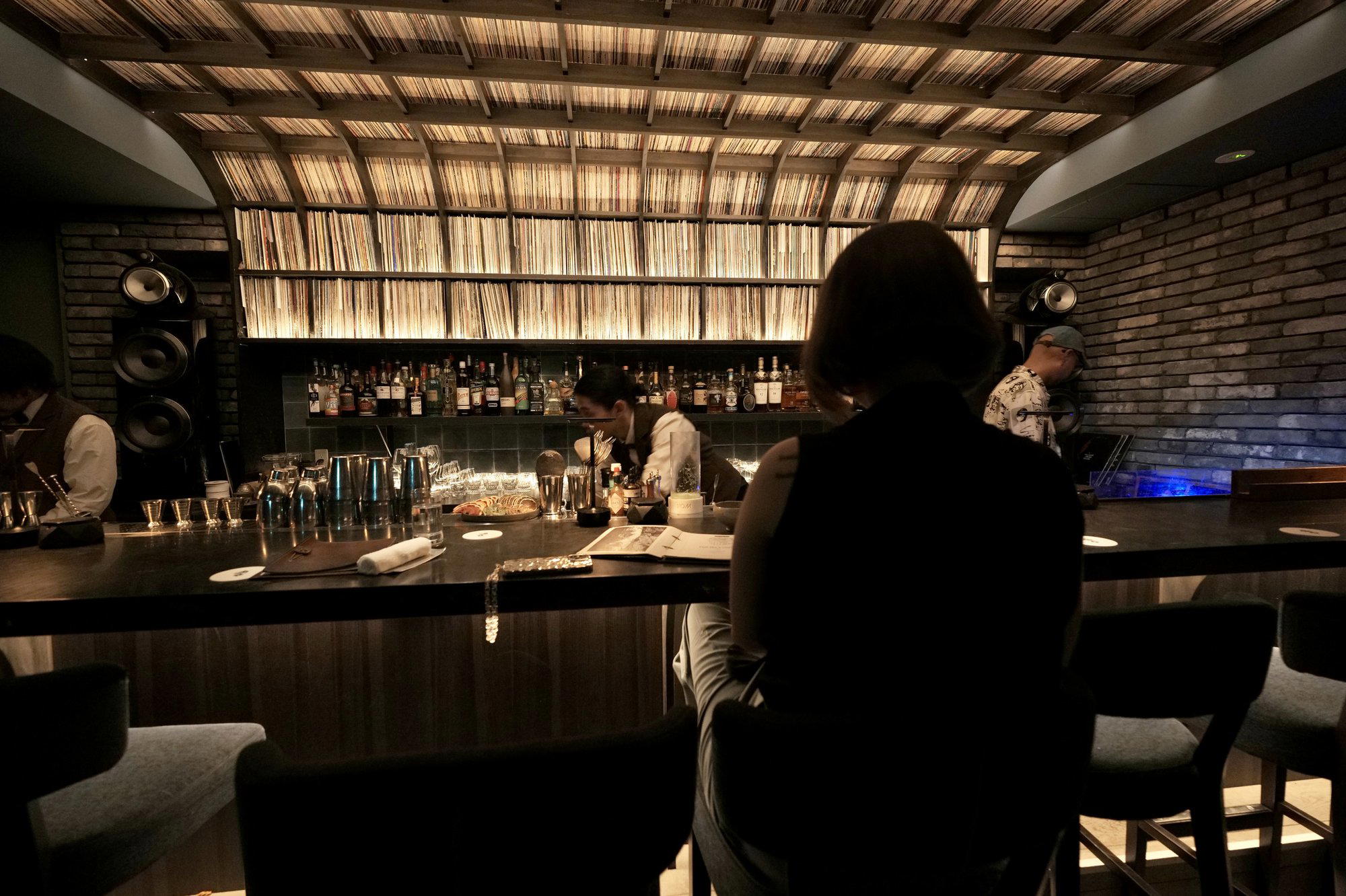
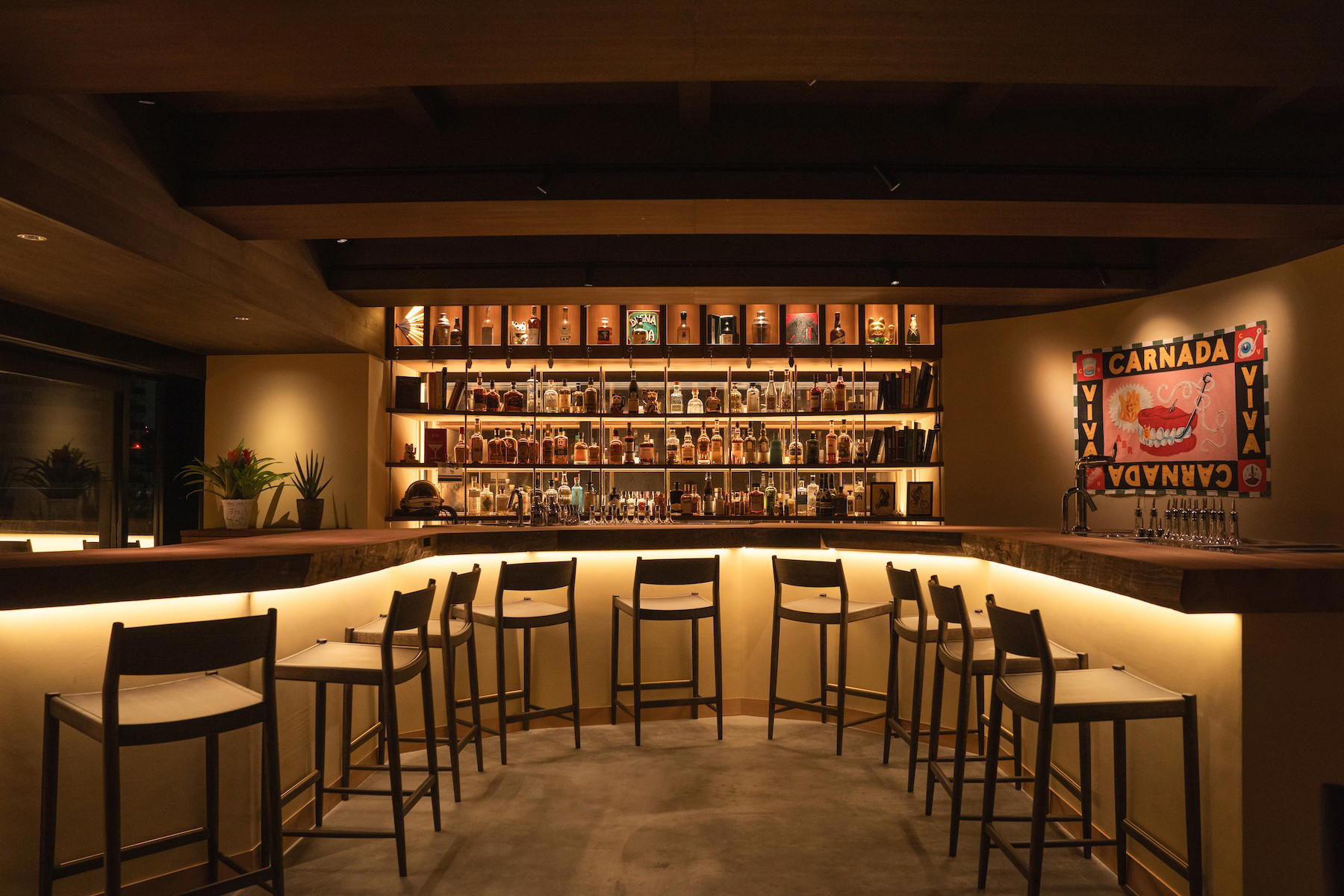
The hotel's position in Toranomon means its immediate surroundings are less visually dramatic than properties overlooking Shinjuku or Tokyo Bay, but the trade is deliberate: guests access a denser network of serious dining, neighbourhood bars, and cultural institutions without the tourist-circuit noise that surrounds more landmark-adjacent addresses. For visitors whose itineraries run through the city's restaurant tier rather than its observation decks, this is a meaningful distinction.
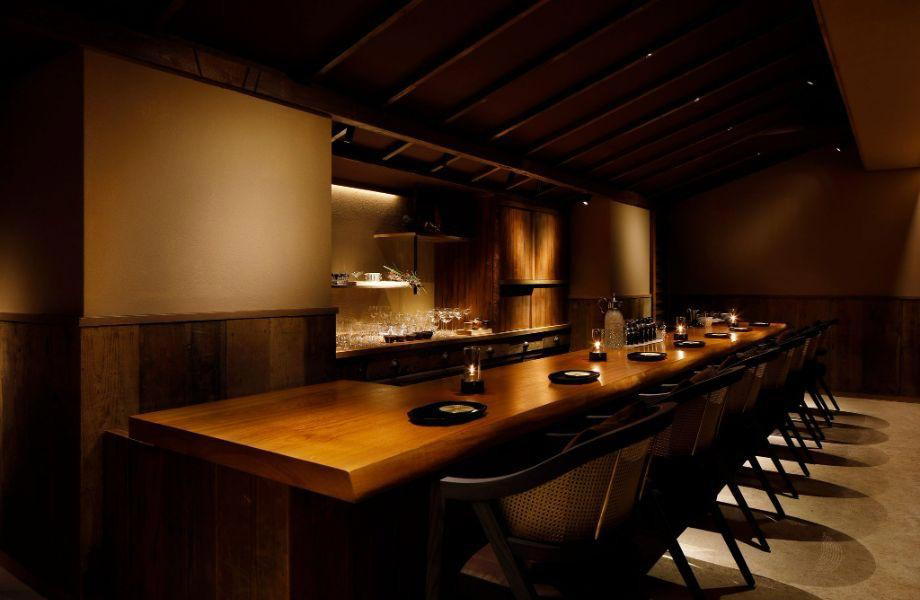
Evening sequence from the hotel into the surrounding neighbourhood is where the EDITION's positioning becomes most legible. Toranomon and adjacent Roppongi form one of Tokyo's more coherent corridors for high-end dining, and the proximity to addresses like RyuGin (kaiseki) and L'Effervescence (French) means guests can structure serious multi-course evenings without significant travel time. The hotel functions, in this sense, as a base for a particular kind of Tokyo itinerary rather than as its own destination.
Tokyo's Dining Progression: How the EDITION Fits
For guests using the property as a staging point for Tokyo's restaurant circuit, the surrounding city offers a sequencing logic worth understanding. Tokyo's premium dining tier now operates across several distinct formats: the omakase sushi counter, the kaiseki progression, and the French-Japanese hybrid tasting menu have all developed into mature, globally referenced traditions. The EDITION's Minato location puts several of the city's strongest examples within close reach.
A considered multi-evening arc from this base might run from the rigorous sushi counter tradition represented by Harutaka, through the kaiseki precision of RyuGin, and into the French-technique side of the city's tasting menu scene at Sézanne or L'Effervescence. For those drawn to the more experimental register, Crony sits in Minami-Aoyama and represents the city's innovative French-leaning tier. This kind of itinerary sequencing is exactly what the EDITION's positioning supports: a serious hotel that stays out of the way of a serious dining programme.
Beyond Tokyo, guests often use properties like this as the urban anchor for wider Japan travel. The Shinkansen network makes same-day or overnight trips to Osaka's destination restaurants like HAJIME, Kyoto's Gion Sasaki, or Nara's akordu logistically practical from a Toranomon base. Fukuoka's Goh is reachable within three hours by Shinkansen from Shinagawa, two stops south. For guests building Japan itineraries around food, a centrally positioned Tokyo hotel with good transport access to major stations is a structural asset, not a minor detail.
For those extending their exploration beyond the better-known names, Japan's regional dining scene reaches into less-covered territory: 三本木 有川製 in Nanao, 夕佳亭山乃 in Sapporo, 湖籟荘 in Takashima, and 庄羽屋 in Nishikawa Machi each represent corners of the country that serious visitors increasingly seek out. The EDITION serves as a practical departure point for itineraries that go beyond the standard Tokyo-Kyoto-Osaka triangle.
International reference points help calibrate expectations for Tokyo's premium hotel tier. Properties in the EDITION family globally occupy a similar competitive space to design-conscious independents rather than the corporate luxury flag model. Guests familiar with the level of table-side service at Le Bernardin in New York or the precision of Atomix will recognise a similar orientation toward operational seriousness over theatrical scale at properties in this tier.
Other Japan-based reference points, from Birdland in Sakai to Bistro Ange in Toyohashi, illustrate how far Japan's dining culture extends beyond its three major cities. Guests who treat a Tokyo hotel stay as the start of a longer national itinerary rather than its conclusion tend to get more out of the country's hospitality depth. See our full Tokyo restaurants guide for the complete picture of the city's dining geography.
Planning Your Stay
The Tokyo EDITION, Toranomon is located at 4 Chome-1-1 Toranomon, Minato City, Tokyo 105-0001. The nearest Metro access is Toranomon Hills Station on the Hibiya Line and Toranomon Station on the Ginza Line, both within walking distance. Tokyo Station and Shinagawa, the two primary Shinkansen hubs, are accessible in under twenty minutes by Metro or taxi. Booking directly through the EDITION brand website or a preferred travel agent with EDITION access will typically secure the most accurate rate and availability information, as the property does not publish phone contacts through all third-party channels.
Frequently asked questions
What should I eat at The Tokyo EDITION, Toranomon?
The EDITION's Toranomon address places it close to some of Tokyo's strongest multi-course restaurants. For sushi, Harutaka operates at the upper end of Tokyo's omakase tier. Kaiseki at RyuGin and French-influenced tasting menus at Sézanne and L'Effervescence round out the dominant formats in this neighbourhood corridor. Each requires advance reservations, typically weeks to months ahead.
Is The Tokyo EDITION, Toranomon reservation-only?
For hotel stays, standard advance booking applies through the EDITION brand platform. Tokyo's premium hotel tier in districts like Toranomon and Azabudai fills quickly during major travel seasons, including cherry blossom (late March to early April) and autumn foliage (mid-November). For dining within the hotel, reservation policies vary by outlet; contacting the property directly through its official channels is the most reliable approach.
What's the standout thing about The Tokyo EDITION, Toranomon?
The property's position in Toranomon, rather than a higher-profile tourist district, is its most consequential attribute. The surrounding neighbourhood has developed into one of Tokyo's more coherent professional and hospitality corridors, with direct access to several serious dining addresses and strong transit links to both Shinkansen hubs. For guests building itineraries around the city's restaurant scene rather than its sightseeing circuit, this address makes operational sense in ways that more centrally-touristic hotel locations do not.
Do they accommodate allergies at The Tokyo EDITION, Toranomon?
Allergy and dietary accommodation requests are standard practice across Tokyo's international-grade hotel properties. For guests with serious allergies or complex dietary requirements, communicating these at the time of booking, rather than on arrival, gives kitchen teams the necessary preparation time. The EDITION's global service standards include allergy protocol procedures, but specific confirmation should come directly from the property, given that menu compositions and kitchen practices can change. Contacting the hotel through its official website is the recommended approach for Tokyo specifically, where language precision matters.
How does The Tokyo EDITION, Toranomon compare to other design-led hotels in Tokyo's Minato ward?
Minato ward has emerged as Tokyo's most competitive zone for design-conscious hotel openings, with addresses in Toranomon, Azabudai, and Roppongi each targeting guests who prioritise architectural intention over conference-hotel scale. Within that group, its Ian Schrager provenance and brand consistency across global EDITION properties provide a legible quality benchmark for guests already familiar with the brand from New York, London, or Barcelona.
Category Peers
| Venue | Cuisine | Price | Awards | Notes |
|---|---|---|---|---|
| The Tokyo EDITION, ToranomonThis venue — the venue you are viewing | Modern British-Japanese Fusion | $200–300 | Not listed | Not listed |
| Harutaka | Edo-Style Omakase Sushi | $200–300 | 3 Michelin Stars · World's 50 Best #76 | Sushi |
| L'Effervescence | Modern French with Japanese Influences | $200–300 | 3 Michelin Stars · World's 50 Best #69 | French |
| RyuGin | Modern Kaiseki | $500+ | 3 Michelin Stars · World's 50 Best #41 | Kaiseki, Japanese |
| Crony | Modern French with Japanese Influences | $150–200 | 2 Michelin Stars · World's 50 Best #34 | Innovative, French |
| Florilège | Modern French-Japanese Plant-Based Fine Dining | $50–100 | 2 Michelin Stars · World's 50 Best #31 | French |