
Black Pearl 2 Diamond
Our verdict
Tiger Peak holds a Black Pearl 2 Diamond rating (2025), placing it among Tokyo's recognised fine dining addresses in Minato City's Konan district. The restaurant operates from the second floor of the Keio Building, positioning it within easy reach of Shinagawa's transit hub. For visitors working through Tokyo's premium dining tier, it warrants serious consideration.

Pearl is the En Primeur Club membership app, where members save venues, book tables and use the concierge.
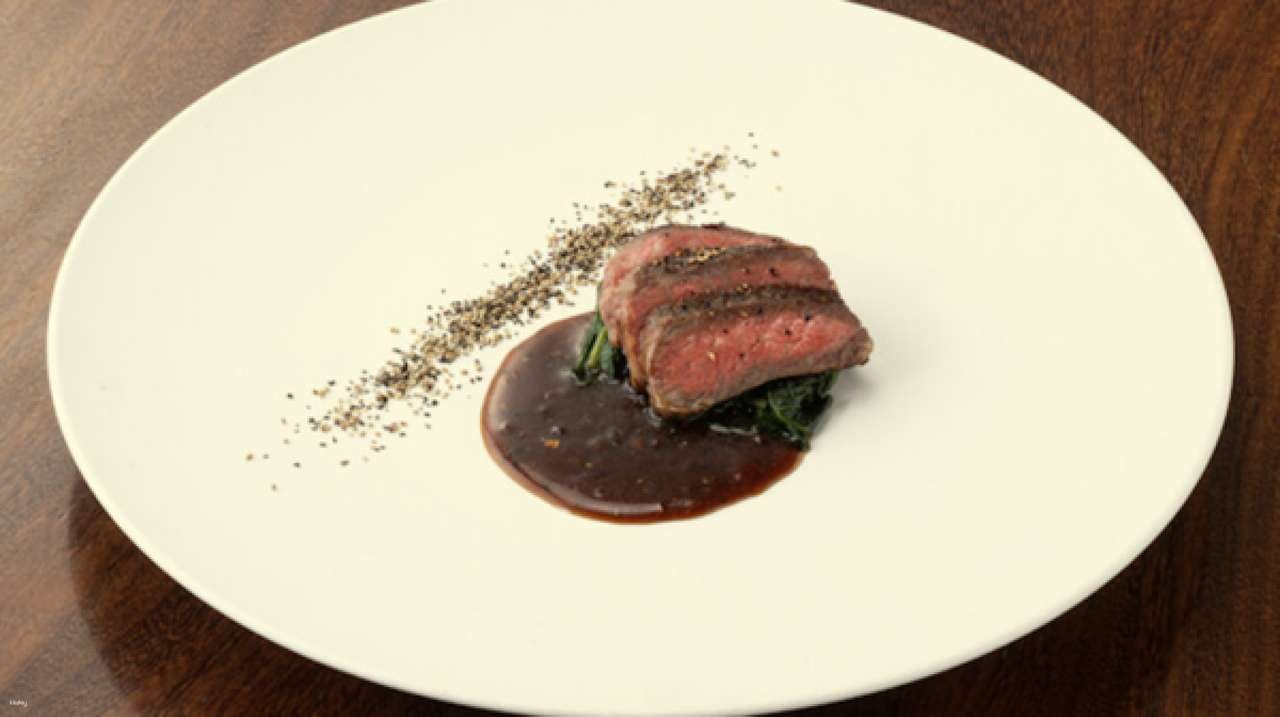
If You Have One Dinner Left in Tokyo, Make It Count Here
Tokyo's fine dining circuit is dense enough that a well-informed visitor could eat at a different recognised restaurant every night for a month and still leave with a list of missed reservations. That density makes the Black Pearl award system a useful filter: the 2 Diamond designation, which Tiger Peak holds for 2025, signals a restaurant operating at a tier where technical ambition, ingredient sourcing, and service coherence are all held to account simultaneously. In a city where single-category excellence is common, that combination is harder to find than the sheer number of starred restaurants suggests.
The Intersection of Technique and Terroir
Tokyo has long been the city where global culinary methods arrive, get refined, and occasionally get returned to their countries of origin in improved form. The pattern runs across categories: French technique sharpened by Japanese precision, sushi tradition cross-examined by Western aging and fermentation science, kaiseki structure adapted to accommodate ingredients that were never part of the original canon. Tiger Peak, situated in Minato City's Konan district, sits within this tradition of productive collision between imported methods and indigenous products.
The broader conversation in Tokyo's premium dining rooms has shifted over the past decade away from strict genre purity. Restaurants drawing Black Pearl recognition at the 2 Diamond level are increasingly the ones that treat technique as a tool set rather than an ideology, applying whichever method leading serves the ingredient at hand. This approach demands a kitchen that has absorbed enough from multiple traditions to move between them with authority, and the Konan address, while not in Tokyo's most obvious fine dining postcodes, positions Tiger Peak outside the competitive noise of Ginza and Roppongi, where theatre sometimes compensates for less rigorous cooking.
For context, the dining tier Tiger Peak occupies sits alongside addresses like L'Effervescence in Minami-Aoyama, where French technique meets Japanese seasonal discipline, and Sézanne, which has built a reputation at the intersection of classical French training and Tokyo's ingredient culture. These restaurants share a common characteristic: the cuisine doesn't announce its reference points loudly. The craft is visible in the result, not the description.
Minato City and the Konan District
Konan sits on the bay side of Shinagawa Station, which is among Tokyo's most connected transit points and will become significantly more so when the Chuo Shinkansen linear maglev line eventually reaches it. The neighbourhood carries a different character from Tokyo's traditional dining quarters. Shinagawa as a whole functions as a business and transit district, which means the restaurants that earn recognition here tend to draw on professional and internationally travelled clientele rather than the destination-dining tourism that fills Ginza counters. That audience tends to be less interested in spectacle and more focused on the plate.
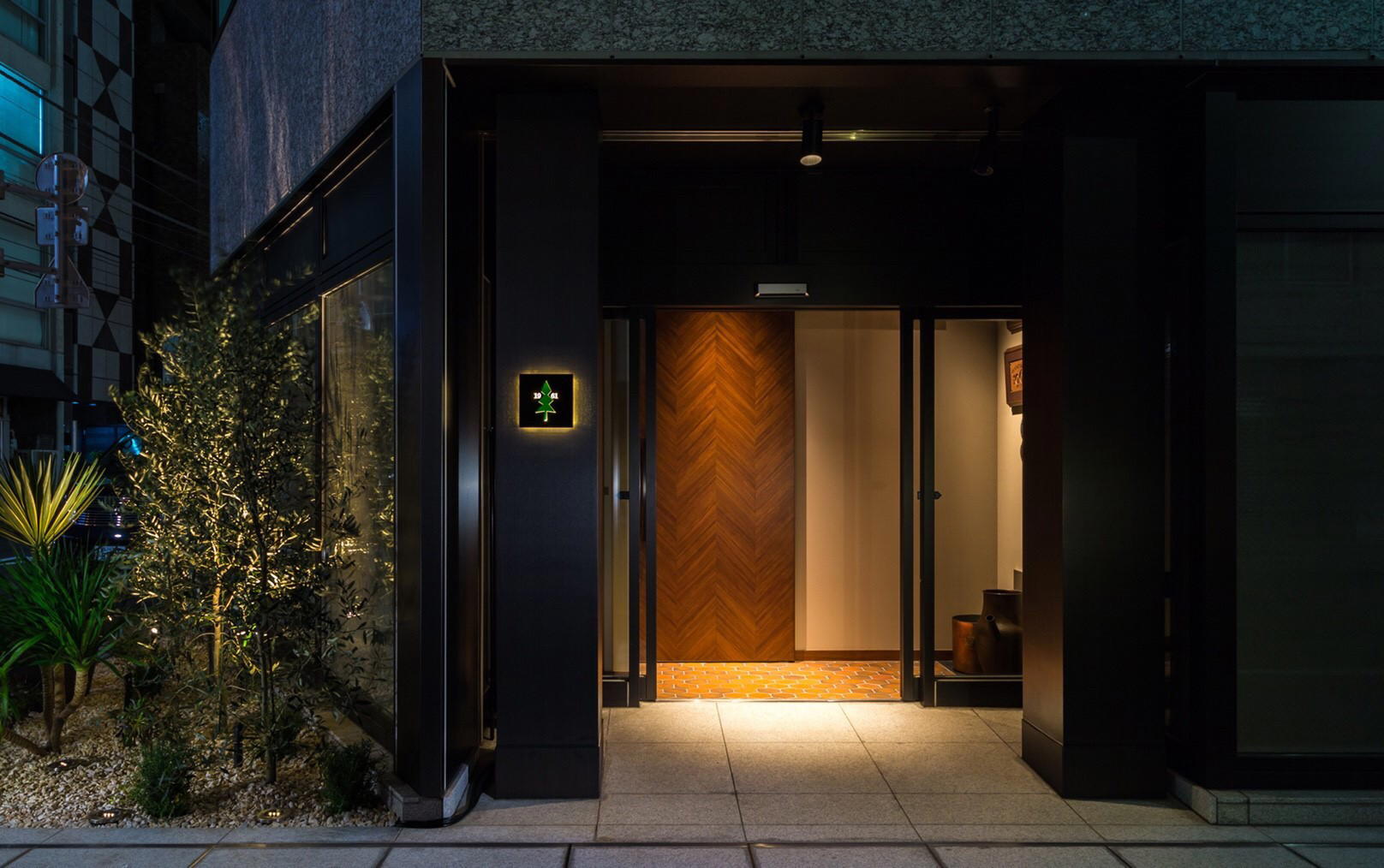
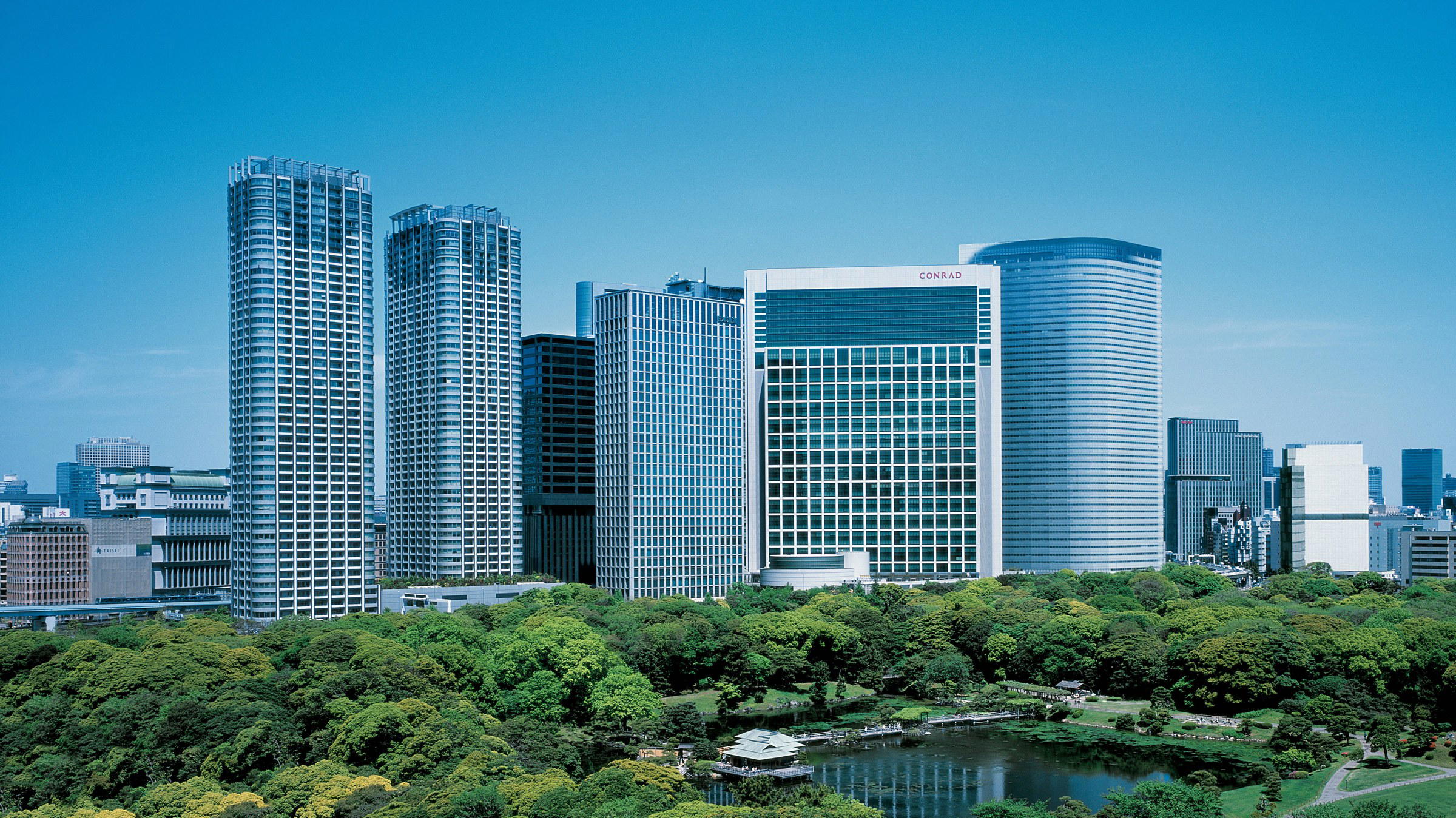
The Keio Building on Konan 2-17-1 is a standard commercial address in that ecosystem, second-floor positioning keeping the entrance unannounced. This is consistent with a broader Tokyo pattern where fine dining deliberately avoids street-level display. Compare the entrance culture at Harutaka in Ginza or RyuGin in Roppongi Hills, both operating with a similar low-profile entry philosophy despite their respective reputations.
How Tiger Peak Compares Within the Premium Tokyo Tier
| Venue | Neighbourhood | Price Range | Recognition | Style |
|---|---|---|---|---|
| Tiger Peak | Konan, Minato City | Not disclosed | Black Pearl 2 Diamond (2025) | Not disclosed |
| L'Effervescence | Minami-Aoyama | ¥¥¥¥ | Michelin-recognised, Black Pearl | French, seasonal |
| RyuGin | Roppongi | ¥¥¥¥ | Michelin 3 Stars, Black Pearl | Kaiseki, Japanese |
| Harutaka | Ginza | ¥¥¥¥ | Michelin 2 Stars, Black Pearl | Sushi |
| Crony | Tokyo | ¥¥¥¥ | Black Pearl | Innovative, French |
The comparison is instructive in what it omits as much as what it shows. In Tokyo's competitive fine dining market, that is not necessarily a disadvantage. Some of the most considered restaurants in the city, including those whose reservation books fill through word of mouth and industry referral rather than media coverage, operate precisely this way.
The Global Context for This Kind of Cooking
Technique-meets-local-ingredient model that Tiger Peak appears to operate within is not exclusive to Tokyo, but Tokyo has produced some of its most disciplined iterations. The approach has parallels in restaurants like Atomix in New York City, where Korean culinary logic is expressed through fine dining structure, or Le Bernardin in New York City, where French classical rigour defines how non-French products are treated. In Japan, the conversation extends beyond Tokyo: HAJIME in Osaka applies a scientific precision to Japanese produce, Gion Sasaki in Kyoto works within kaiseki form but pushes ingredient provenance, and akordu in Nara brings Basque technique to a Japanese context. Goh in Fukuoka and 6 in Okinawa extend the pattern further, while 1000 in Yokohama sits within reach for visitors moving between the two cities. The pattern is a national one, not a Tokyo anomaly.
Planning Your Visit
Shinagawa Station is served by the JR Yamanote Line, Keikyu Line, and Tokaido Shinkansen, making Konan one of the most accessible dining addresses in Tokyo for visitors arriving from outside the city or travelling through from Kyoto and Osaka.
For broader context on what to do before and after dinner, our full Tokyo restaurants guide covers the wider dining scene, our Tokyo hotels guide covers where to stay across the city's neighbourhoods, our Tokyo bars guide handles post-dinner drinking, and our Tokyo experiences guide and Tokyo wineries guide cover the wider cultural programme for visitors spending more than a night in the city.
Frequently asked questions
Is Tiger Peak child-friendly?
Tiger Peak holds a Black Pearl 2 Diamond rating, placing it firmly in Tokyo's premium formal dining tier. Restaurants at this level operate with structured service, a quiet room, and a pace that does not accommodate young children well. It is best reserved for adult diners.
What is the atmosphere like at Tiger Peak?
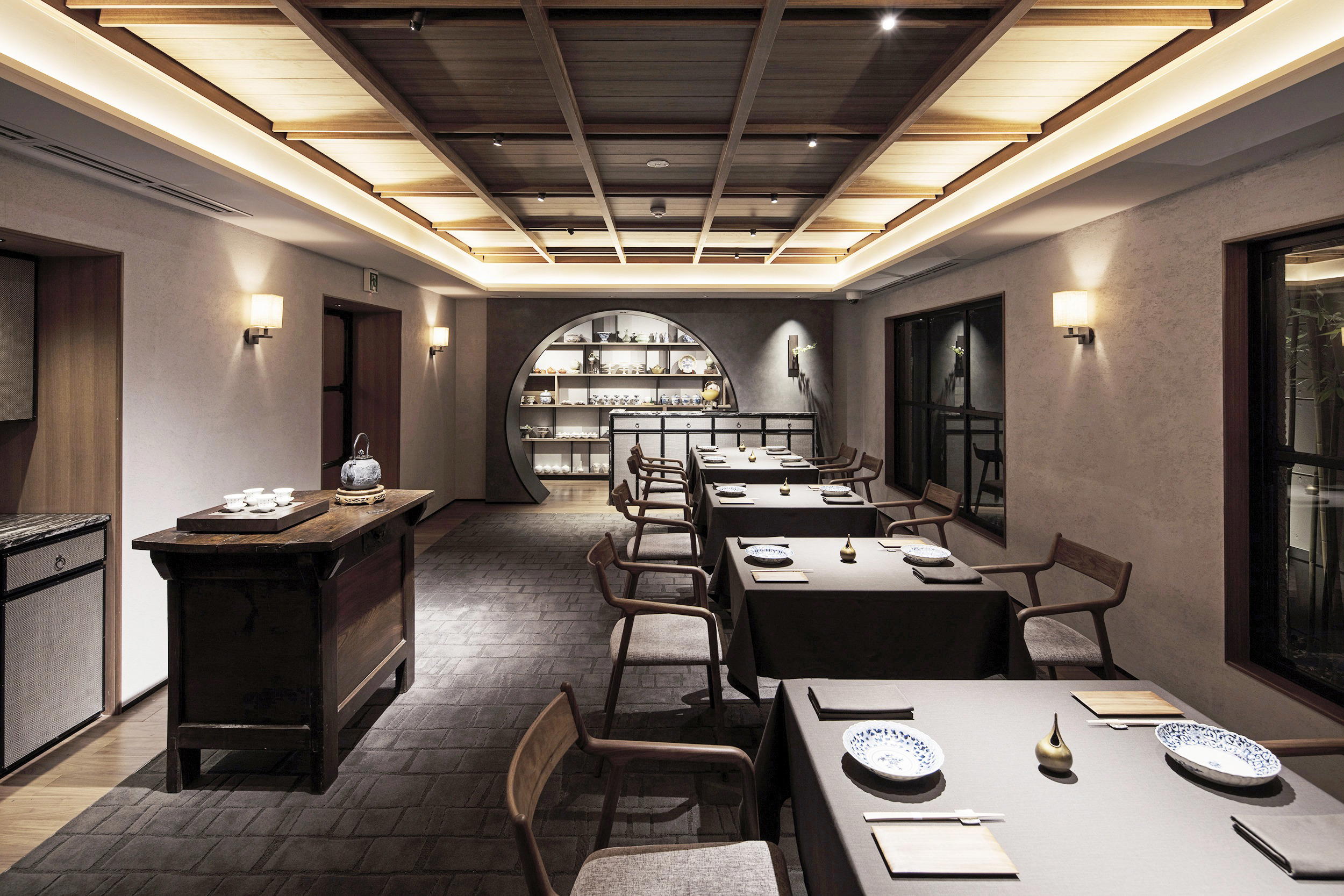
Black Pearl 2 Diamond recognition in Tokyo signals a controlled, high-formality setting where service precision and room atmosphere are as deliberate as the food. At Tiger Peak's Konan address on the second floor of the Keio Building, expect a composed, unhurried environment oriented around the meal itself.
What awards or recognition does Tiger Peak have?
Tiger Peak has received recognition including: Black Pearl 2 Diamond (2025).
What should I eat at Tiger Peak?
At the Black Pearl 2 Diamond level in Tokyo, the format is typically a fixed course with little or no à la carte option, meaning the kitchen dictates the progression. Dietary requirements are worth communicating well in advance of your reservation.
How It Stacks Up
| Venue | Cuisine | Price | Awards | Notes |
|---|---|---|---|---|
| Tiger PeakThis venue (the venue you are viewing) | Sino-Japanese Tasting Menu | $50–100 | Black Pearl 2 Diamond | Not listed |
| Harutaka | Edo-Style Omakase Sushi | $200–300 | 3 Michelin Stars · World's 50 Best #76 | Sushi |
| RyuGin | Modern Kaiseki | $500+ | 3 Michelin Stars · World's 50 Best #41 | Kaiseki, Japanese |
| L'Effervescence | Modern French with Japanese Influences | $200–300 | 3 Michelin Stars · World's 50 Best #69 | French |
| HOMMAGE | Modern French with Japanese Influences | $150–200 | 2 Michelin Stars · World's 50 Best #78 | Innovtive French, French |
| MAZ | Innovative Peruvian-Japanese Fusion | $150–200 | 2 Michelin Stars · World's 50 Best #28 | Innovative |
Recognition history
Dated appearances from independent guides and award organizations, with the underlying list record or original source where available.
Black Pearl 2 Diamond
Black Pearl
Continue exploring
More in Tokyo
Restaurants in Tokyo
All restaurants in Tokyo →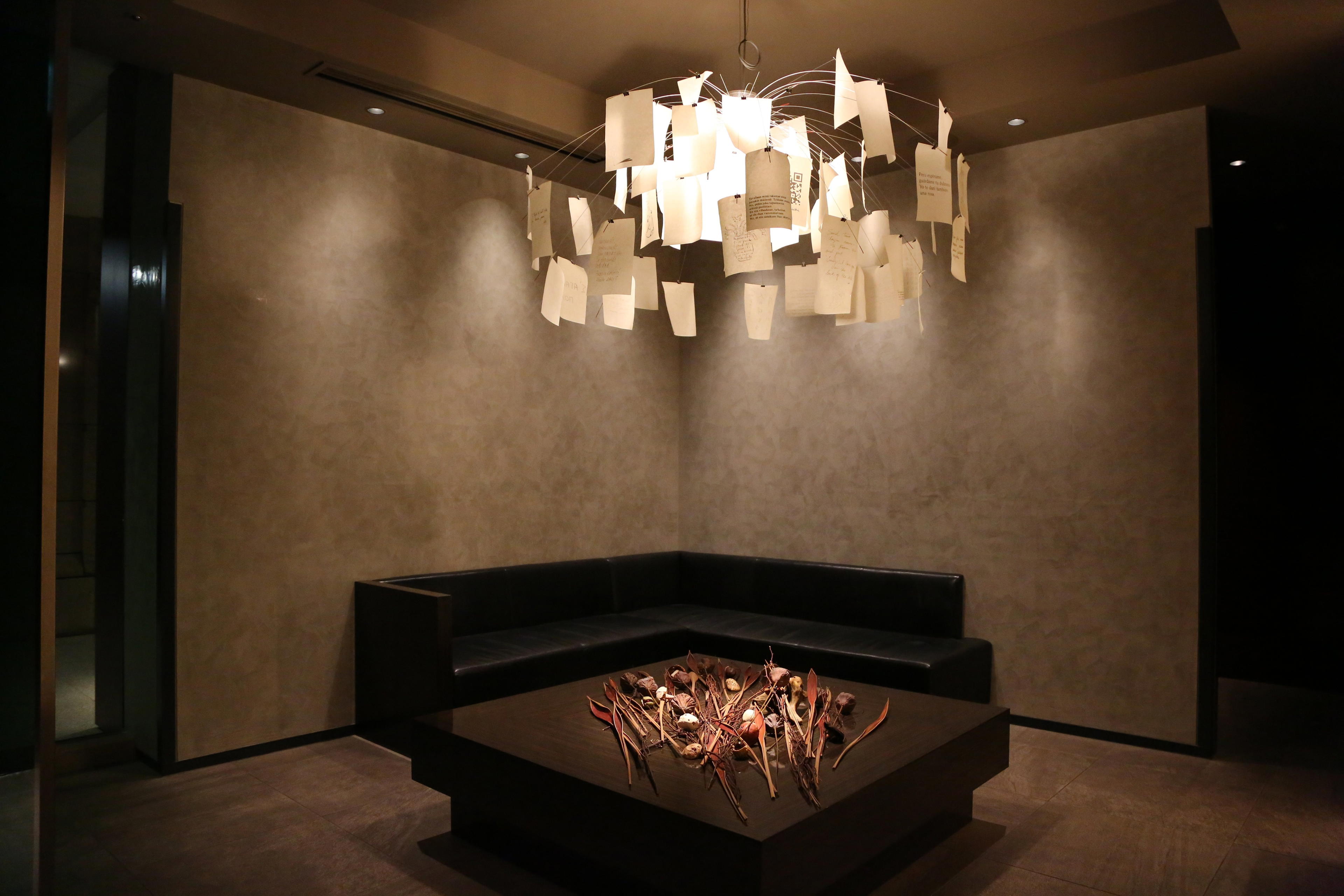
Bars in Tokyo
All bars in Tokyo →



Details
- Elegant
- Modern
- Sophisticated
- Special Occasion
- Date Night
- Celebration
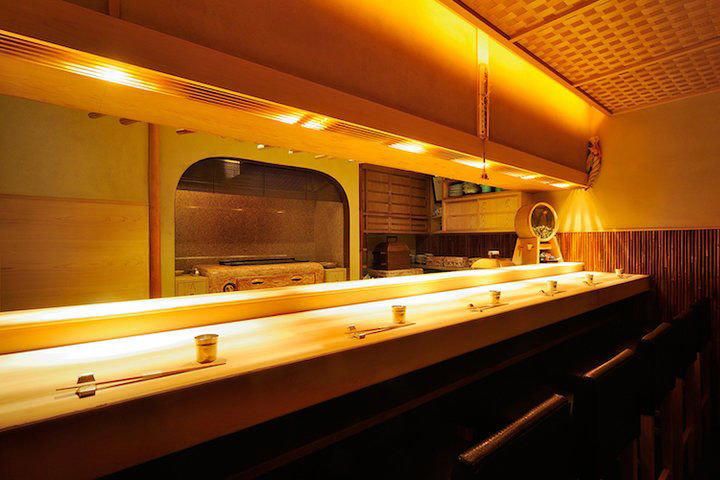
- Open Kitchen
- Tasting Menu
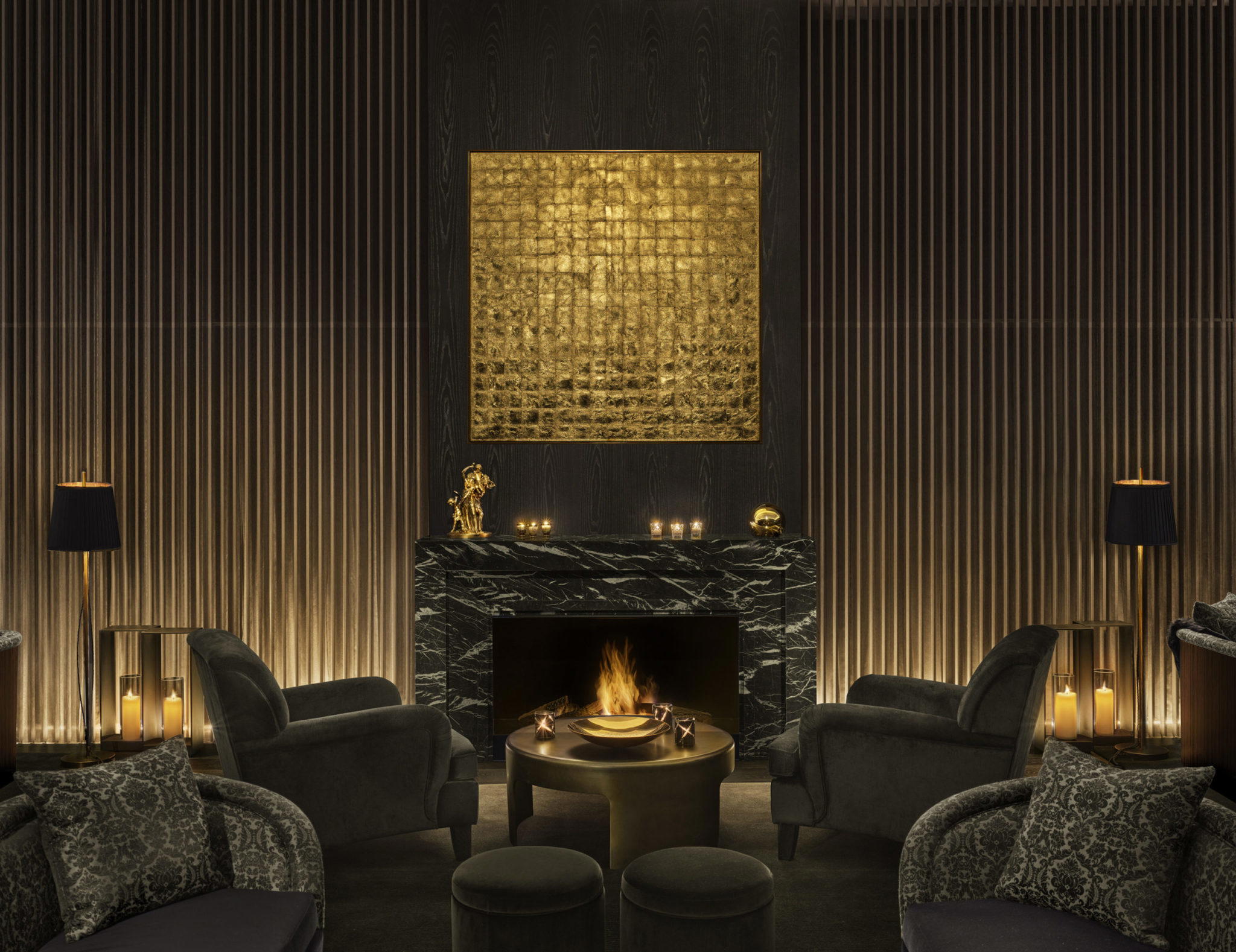
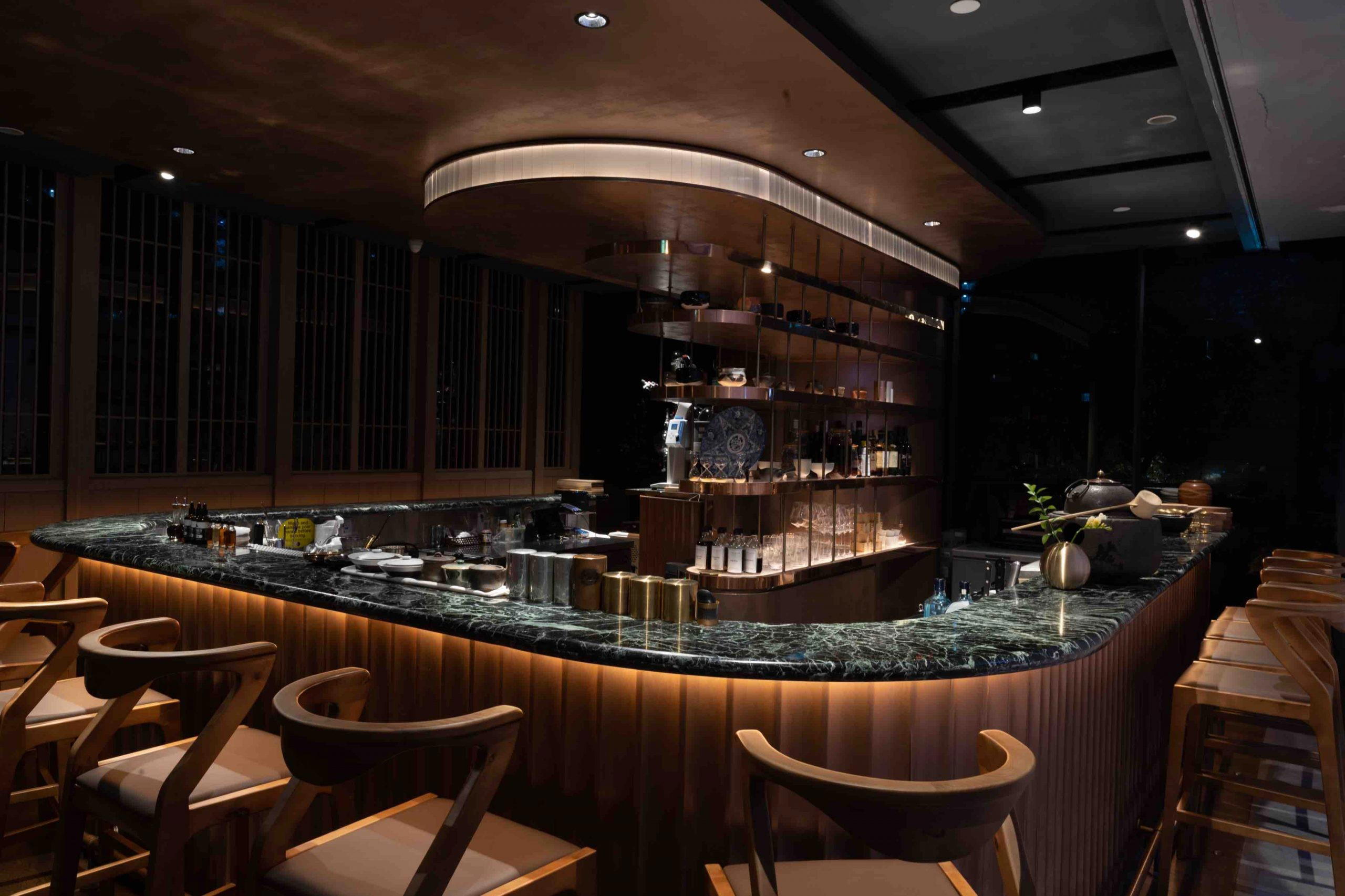
Modern, refined setting with an intimate atmosphere suited for special occasions and sophisticated dining experiences.