Coco Nemaru Ginza sits on the 6-chome stretch of central Ginza, where Tokyo's density of high-end dining is among the highest in the world. With limited public information currently available, the venue occupies a neighbourhood where competition is set by three-Michelin-star counters and multi-decade kaiseki institutions, making its address alone a signal worth noting for anyone mapping the area's dining options.
Pearl is the En Primeur Club membership app — saves, bookings, and concierge access live there. Same editors, same standards.
- Address
- Japan, 〒104-0061 Tokyo, Chuo City, Ginza, 6 Chome−3−18 LaLa Grande GINZA 1階
- Phone
- +81362746802
- Website
- inline.app
- Directions
- Get directions
 Saves & bookings on Pearl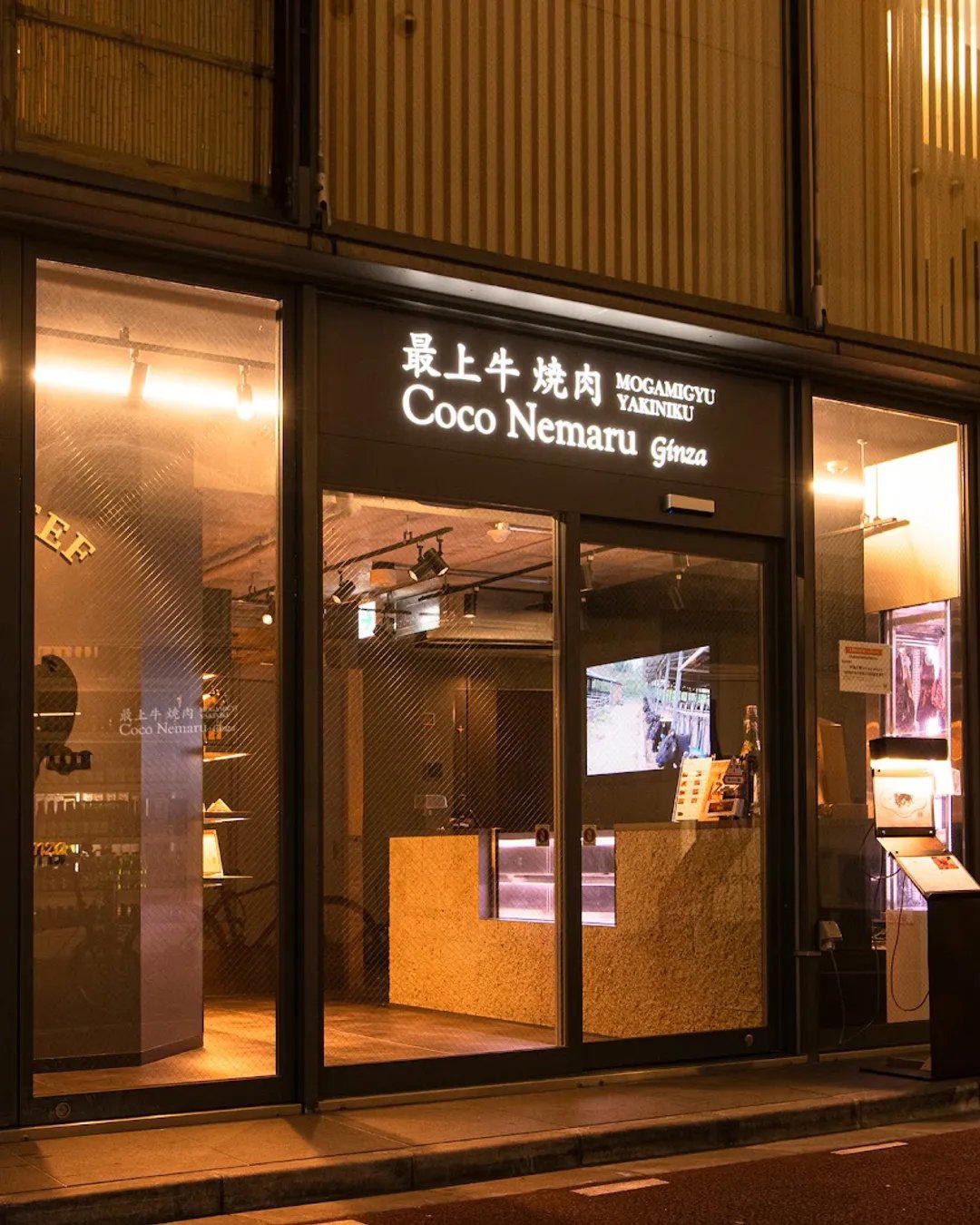
Ginza's Dining Geography and What an Address Signals
Few postal codes in the world carry as much dining weight as Ginza's 6-chome. The stretch running along and around Ginza 6-3 sits within walking distance of some of Tokyo's most scrutinised restaurant floors: omakase counters that book months in advance, kaiseki rooms that have held three Michelin stars for over a decade, and a newer cohort of French-Japanese hybrid formats that have reshaped how the neighbourhood is discussed internationally. When a venue plants itself here, the address functions as a competitive declaration. Proximity to RyuGin, Harutaka, and a cluster of ¥¥¥¥-tier rooms sets the implied expectation before a guest walks through the door.
Coco Nemaru Ginza occupies this exact context. The venue is located at 6 Chome-3-18 Ginza, Chuo City, a position that places it inside the densest concentration of high-end dining real estate in Tokyo. What that means in practice: the neighbourhood's baseline is already high, and the venues that endure here tend to do so because they occupy a clear position within their category rather than competing across the board.
The Neighbourhood as Context for the Meal
Ginza as a dining district operates differently from, say, Roppongi's more international-facing restaurant cluster or Minami-Aoyama's design-led café culture. Ginza's restaurants have historically drawn a local clientele: corporate entertaining, post-shopping dinners, and multi-generational family milestones. The area's dining rooms reflect that: portions of the neighbourhood's restaurant stock skews toward formats where discretion and consistency matter as much as novelty.
That cultural context shapes what a Ginza venue needs to be. Tokyo's more experimental dining has tended to root itself elsewhere, in Shibuya, in Ebisu, or in the quieter pockets of Shinjuku, while Ginza has remained a district where craft and precision read more reliably than provocation. The French-inflected innovation visible at venues like L'Effervescence or Sézanne represents one trajectory; classical Japanese formats such as those anchoring the kaiseki and sushi tier represent another.
What the Current Record Does and Doesn't Tell You
Coco Nemaru Ginza is listed at 6 Chome-3-18 Ginza, Chuo City, Tokyo, with a smart casual dress code, essential reservations, and a premium yakiniku focus. That sparseness is itself informative. Venues in Ginza that have accumulated Michelin recognition, press coverage in named publications, or a position in major ranking lists tend to generate a data trail relatively quickly.
Tokyo's dining culture has a well-documented tradition of counter restaurants and small rooms that operate primarily through word of mouth and referral booking, with little to no public-facing marketing. This is especially true at the higher end of the market, where a venue's reputation circulates through social networks rather than press cycles.
For comparison, venues like Crony in Tokyo have built considerable recognition through a combination of critical attention and peer-set positioning. The difference between a venue with that profile and one that remains harder to research often comes down to format: the more intimate and referral-dependent the operation, the thinner the public data record.
Placing Coco Nemaru Ginza in a Broader Japan Context
Understanding any Ginza venue benefits from mapping Tokyo's restaurant scene against the wider Japanese dining circuit. The concentration of Michelin-starred restaurants in Tokyo as a city is documented as the highest of any city globally, which means even a mid-tier Ginza room is competing against a national comparable set that includes HAJIME in Osaka, Gion Sasaki in Kyoto, and a distributed network of regional specialists from Goh in Fukuoka to aki nagao in Sapporo.
What this means for the reader is that Ginza's dining reputation is not self-sustaining on geography alone. The neighbourhood's most durable rooms have held their position because they deliver at the level their address implies, whether that is a sushi counter at the Harutaka tier or a regional Japanese room operating with the quiet consistency that defines the better end of the Chuo City dining scene. Smaller venues in the area, including those with limited public profiles, exist within this pressure.
Internationally, the comparison set widens further. Ginza rooms at the leading end price against global benchmark destinations like Le Bernardin in New York and format innovators like Lazy Bear in San Francisco in terms of what a premium dining audience expects from a high-investment meal. That frame matters even for venues about which specific pricing data is not yet available, because it establishes what the category-level conversation looks like.
For those building a broader Japan itinerary, public sources also covers venues outside the major cities: akordu in Nara, Abon in Ashiya, affetto akita in Akita, Aji Arai in Oita, Ajidocoro in Yubari District, and Akakichi in Imabari, all part of a dispersed national dining circuit that rewards itinerary planning beyond the capital.
Know Before You Go
- Address: 6 Chome-3-18 Ginza, Chuo City, Tokyo 104-0061, Japan
- Neighbourhood: Central Ginza, within the 6-chome dining cluster
- Price range: About $200 per person
- Reservations: Essential
- Cuisine type: Premium Yakiniku
Standing Among Peers
Comparable venues nearby, for context on price, style, and recognition.
| Venue | Cuisine | Price | Notes |
|---|---|---|---|
| 焼肉Coco Nemaru GinzaThis venue — the venue you are viewing | Premium Yakiniku | $$$$ | Not listed |
| 銀座 kappou ukai | Traditional Kappou Robatayaki | $$$$ | Chūō |
| Ichiyanagi | Edomae Sushi Omakase | $$$$ | Chūō |
| 銀座 うち山 | Tea Kaiseki Japanese | $$$$ | Chūō |
| Hyoki Shabu-shabu Yaesu | Kyoto-style Dashi Shabu-shabu | $$$$ | Chūō |
| すが弥 | Edomae Sushi Omakase | $$$$ | Minato |




At a Glance
- Elegant
- Intimate
- Sophisticated
- Date Night
- Special Occasion
- Business Dinner
- Sake Program
Current opening hours
- Monday
- 12–10 PM
- Tuesday
- 12–10 PM
- Wednesday
- 12–10 PM
- Thursday
- 12–10 PM
- Friday
- 12–10 PM
- Saturday
- 12–10 PM
- Sunday
- 12–10 PM
Hours can change for holidays and private events. Last verified .
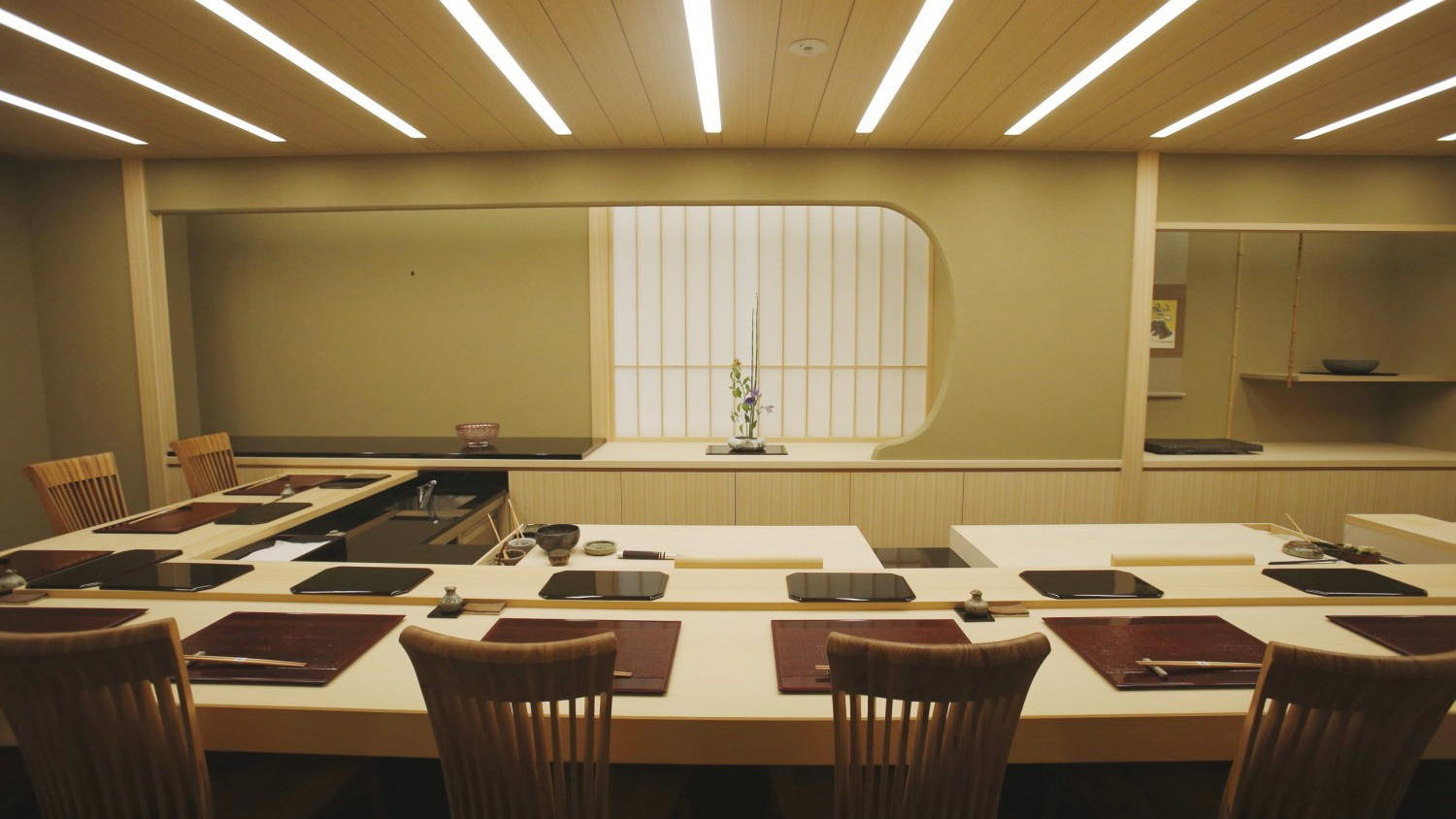
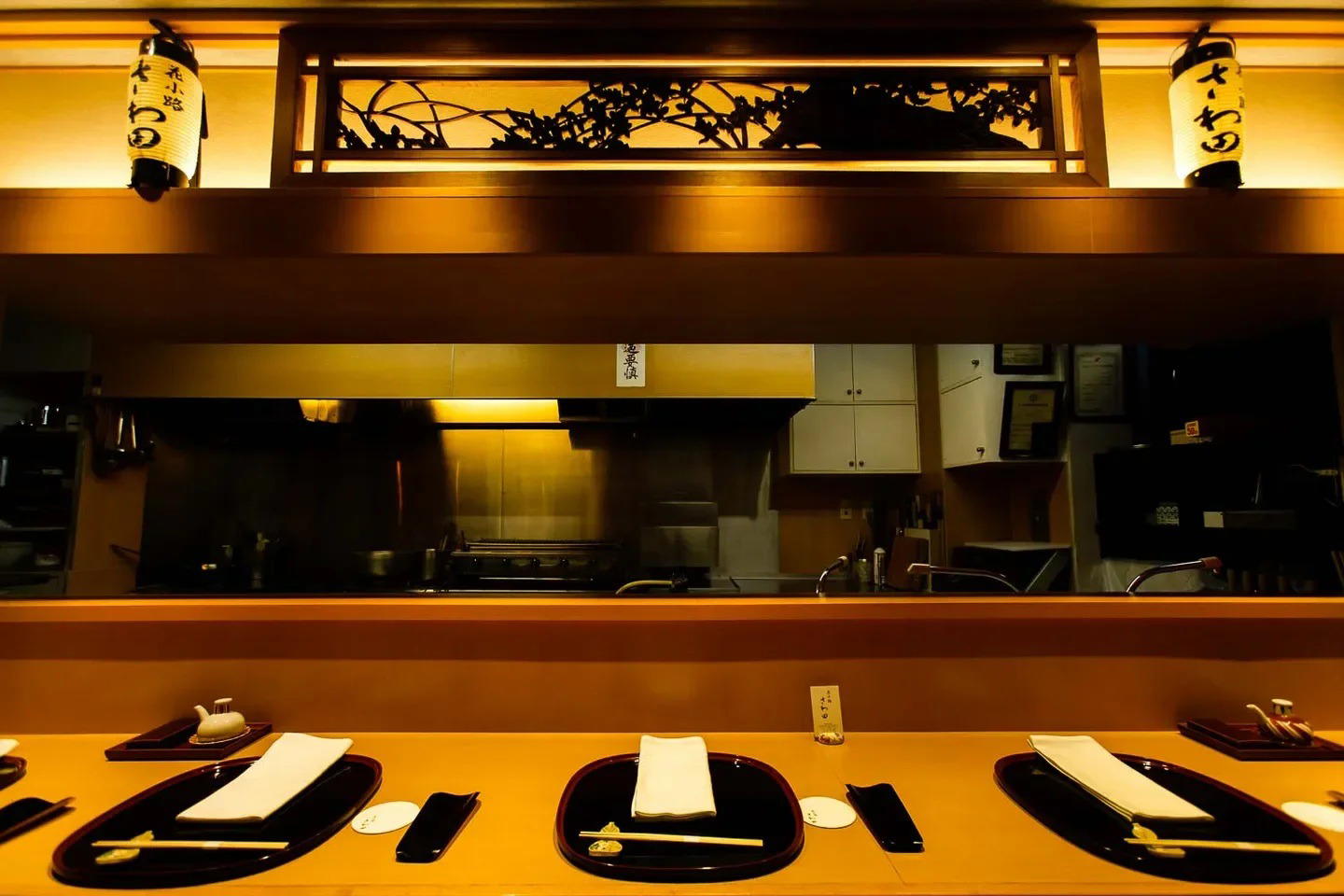
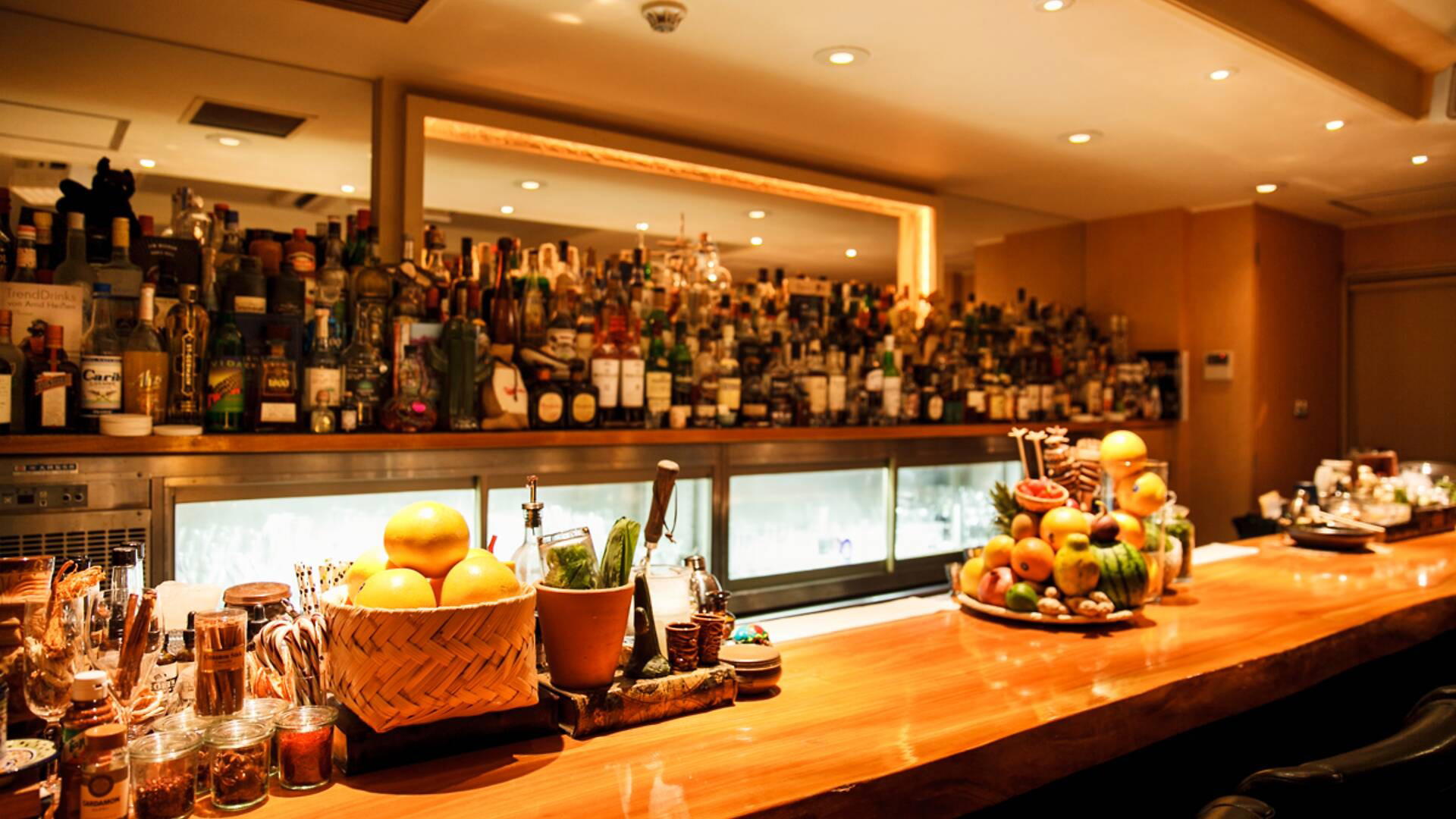
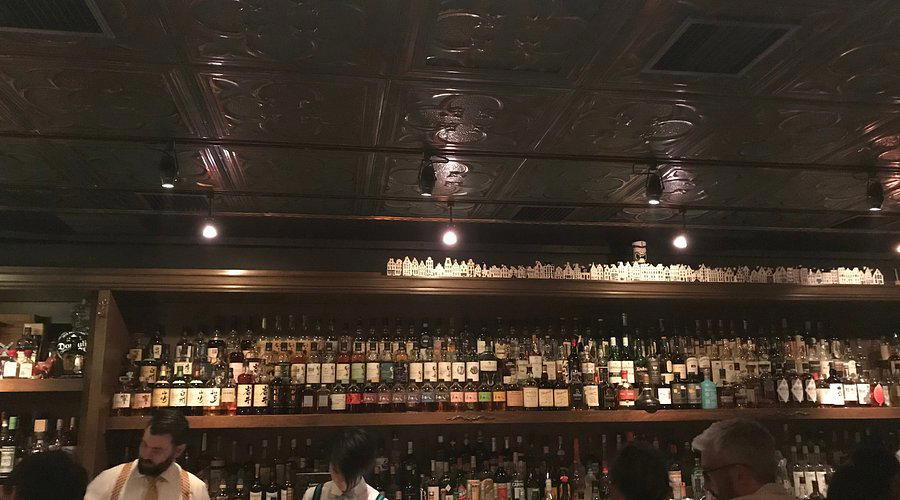
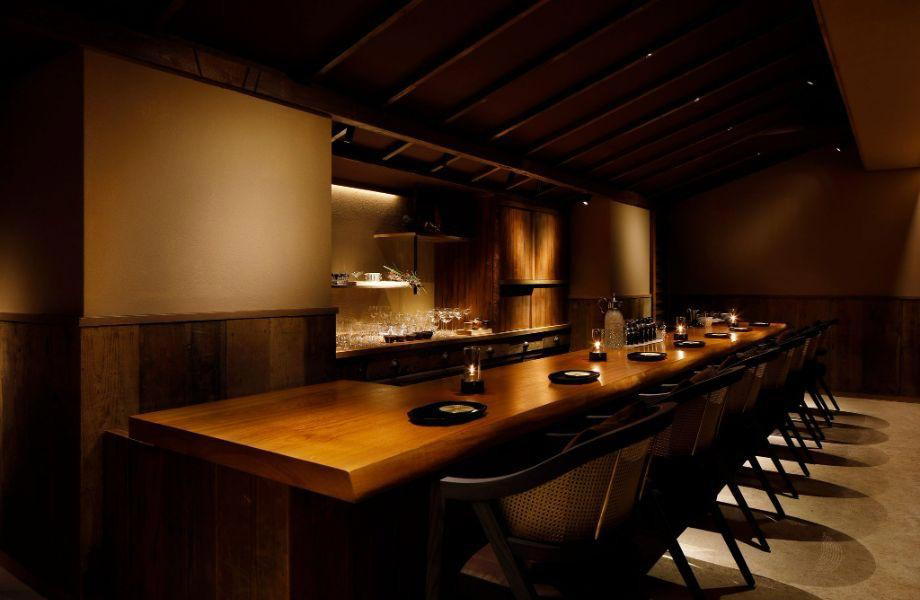
Dimly lit, elegant space with sleek modern design, private grill stations, and a refined, hushed atmosphere.