DENKUSHIFLORI sits inside the GEMS Aoyama Cross building in Jingumae, occupying a small-footprint format that fits neatly into Omotesando's more serious dining tier. The name combines den (electric), kushi (skewer), and flori (flowers in Italian), signalling a cross-cultural sensibility that places it alongside Tokyo's growing cohort of genre-blurring counter restaurants. Reservations are advised well in advance for this Shibuya-ward address.
Pearl is the En Primeur Club membership app — saves, bookings, and concierge access live there. Same editors, same standards.
- Address
- 神宮前5-16-7 (GEMS青山CROSS), 渋谷区, 東京都, 150-0001
 Saves & bookings on Pearl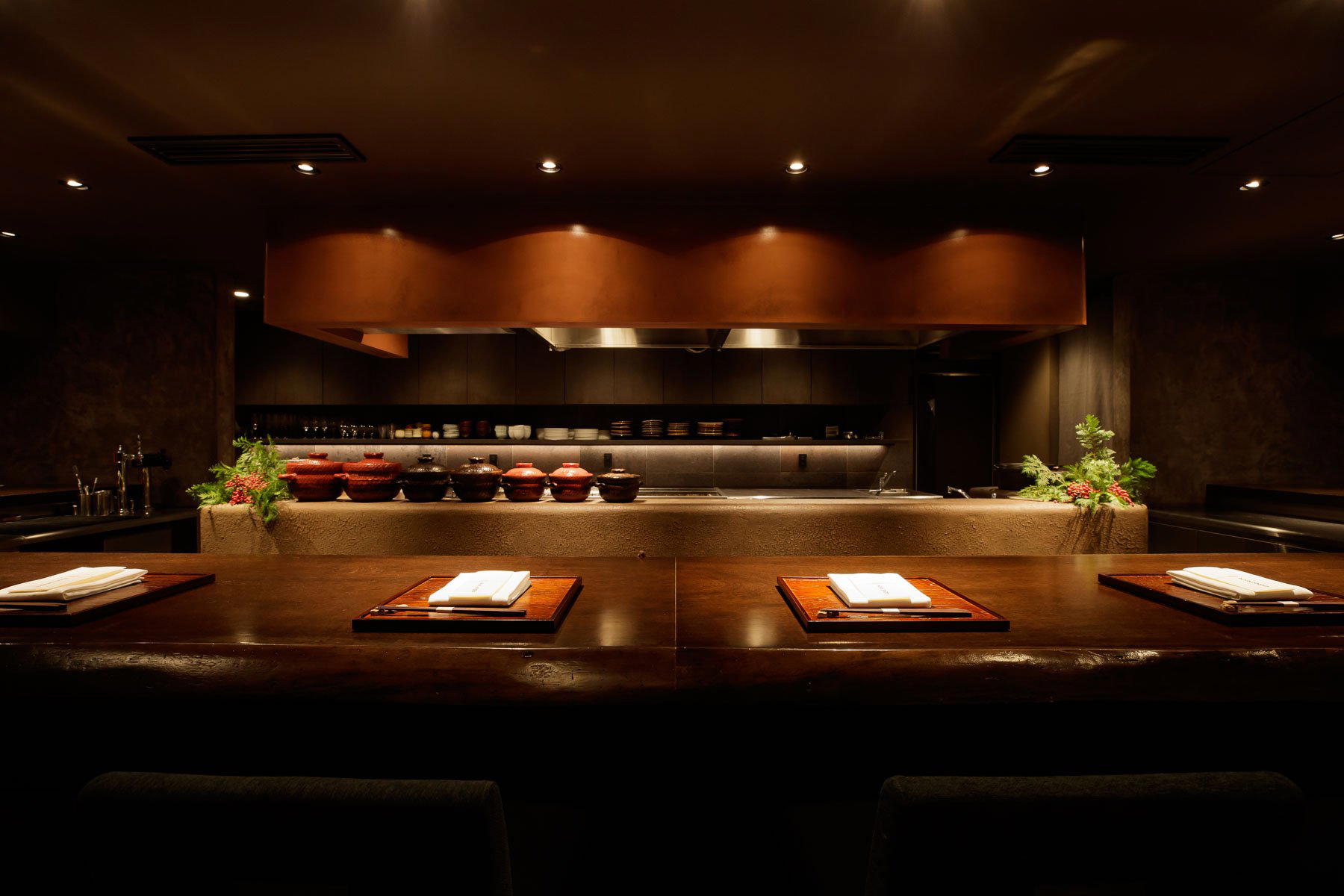
Omotesando's Counter Dining Register
The stretch of Jingumae running south toward Omotesando has developed a distinct hospitality character over the past decade: smaller footprints, counter-forward formats, and menus that treat genre as a starting point rather than a constraint. DENKUSHIFLORI デンクシフロリ sits inside the GEMS Aoyama Cross building at 神宮前5-16-7, a multi-tenant tower that has become a reliable address for this style of mid-to-upper-tier dining.
Tokyo's counter-dining scene has bifurcated sharply. At the leading sits a tier of omakase-only counters where highly limited seating and long booking horizons are the norm, places like Harutaka in Ginza, where the sushi tradition is presented with precision. Below that, and often more interesting for the range of ideas on the plate, sits a cohort of format-flexible counter restaurants where kushi-style cooking, seasonal tasting menus, or cross-cultural technique create a different kind of evening. DENKUSHIFLORI belongs to this second register, and the name is the clearest signal of its position: den (electric), kushi (skewer), and flori (flowers, in Italian) compressed into a single compound word that declares, without apology, a refusal to sit inside any single tradition.
The Logic of the Skewer Format
Kushiyaki and kushikatsu have long occupied a utilitarian register in Japanese dining: standing bars, casual izakayas, commuter-district storefronts. What has shifted in Tokyo over the last several years is the application of fine-dining discipline to the skewer format, sourcing transparency, precise heat control, and deliberate pacing replacing the high-volume, high-smoke informality of the traditional kushi bar. This is part of a broader pattern visible across Japan's most progressive restaurant cities. In Osaka, counter restaurants have pushed omakase thinking into formats that were never meant to carry it. In Tokyo, the same instinct is applied to kushiyaki, to tempura, to yakitori, wherever a skewer or a single cooking medium can become the armature for a more considered tasting experience.
The cross-cultural signal embedded in DENKUSHIFLORI's name connects it to a distinct Tokyo cohort: restaurants where Japanese technique is the foundation but where European references, Italian vocabulary, or French structure are used not as decoration but as genuine structural elements. Compare this to Crony, where French technique is filtered through a Tokyo sensibility, or to L'Effervescence, where the commitment to French fine-dining form is total. DENKUSHIFLORI occupies a different position: the Japanese format is primary, the European inflection is tonal, and the result sits in a niche that is genuinely harder to categorise than either pole.
The Ritual of the Counter Meal
Counter dining in Tokyo carries a set of conventions that differ meaningfully from the Western tasting-menu format, and DENKUSHIFLORI's kushi-forward approach makes those conventions visible in a particular way. At a skewer counter, the pace is set by the cook rather than the diner. Each item arrives at the moment it leaves the grill or the heat source, which means the meal has an inherent sequencing logic that is more immediate than a plated tasting menu. There is no holding temperature, no resting period under a cloche. The negotiation between diner and cook is compressed into a series of small, real-time exchanges: a nod, a pause, an acknowledgment of pace.
This format rewards a certain kind of attention. The leading counter meals in Tokyo, whether at a sushi bar like Harutaka, a kaiseki room like RyuGin, or a cross-genre counter like DENKUSHIFLORI, share the characteristic that the sequence of the meal is the meal. Arriving late, eating quickly, or treating the counter as a backdrop to a separate conversation collapses the format. The dining ritual here is participatory in the specific sense that your physical presence at the counter is part of what makes the experience cohere.
The Jingumae address places DENKUSHIFLORI within walking distance of Omotesando station, which makes the practical approach easier than many of Tokyo's more obscure counter destinations. The GEMS Aoyama Cross building is a navigable reference point in a neighbourhood where individual restaurant signage can be easy to miss on a first visit.
Placing DENKUSHIFLORI in the Tokyo Dining Map
For a reader already familiar with Tokyo's upper tier, DENKUSHIFLORI sits in a space that complements rather than duplicates the city's Michelin-decorated flagships. Where Sézanne represents the French fine-dining tradition executed at the highest level of technical formality, and where RyuGin represents kaiseki at its most architecturally ambitious, DENKUSHIFLORI offers something more lateral: a counter format with a cross-cultural vocabulary that is less defined by a single tradition and more interested in the intersection between them.
Across Japan more broadly, the same creative pressure that produces a restaurant like DENKUSHIFLORI in Tokyo produces HAJIME in Osaka, Gion Sasaki in Kyoto, and akordu in Nara: restaurants where the local culinary tradition is not being preserved so much as actively renegotiated. Even in cities further from Tokyo's density, the same instinct appears at Goh in Fukuoka and aki nagao in Sapporo. The pattern suggests that what DENKUSHIFLORI represents is not a Tokyo-specific anomaly but a nationwide renegotiation of what a Japanese counter restaurant is allowed to be.
Planning Your Visit
| Consideration | DENKUSHIFLORI | Peer Reference |
|---|---|---|
| Format | Counter, kushi-forward | Crony: counter, French-Japanese |
| Price tier | ¥¥¥¥ | Den: ¥¥¥ | L'Effervescence: ¥¥¥¥ |
| Location | Jingumae, GEMS Aoyama Cross | Omotesando area |
| Nearest station | Omotesando (approx. walkable) | Comparable Omotesando cluster |
| Booking horizon | Not confirmed; advance booking advised | Harutaka: 3+ months |
Style and Standing
Comparable venues nearby, for context on price, style, and recognition.
| Venue | Cuisine | Price | Awards | Notes |
|---|---|---|---|---|
| DENKUSHIFLORI デンクシフロリThis venue — the venue you are viewing | Modern French-Japanese Skewer Fusion | $$$$ | , | |
| TWO ROOMS | Modern Grill Fusion | $$$$ | , | Minato |
| The Tokyo EDITION, Toranomon | Modern British-Japanese Fusion | $$$$ | , | Minato |
| Equateur | French-Chinese Fusion Tasting Menu | $$$$ | , | Minato |
| Shohei Shimano | French-Japanese Fusion Tasting Menu | $$$$ | Shibuya | |
| ラ・ボンバンス | Modern Japanese Creative Cuisine | $$$$ | , | Minato |






At a Glance
- Sophisticated
- Elegant
- Modern
- Intimate
- Date Night
- Special Occasion
- Chefs Counter
- Open Kitchen
- Sake Program
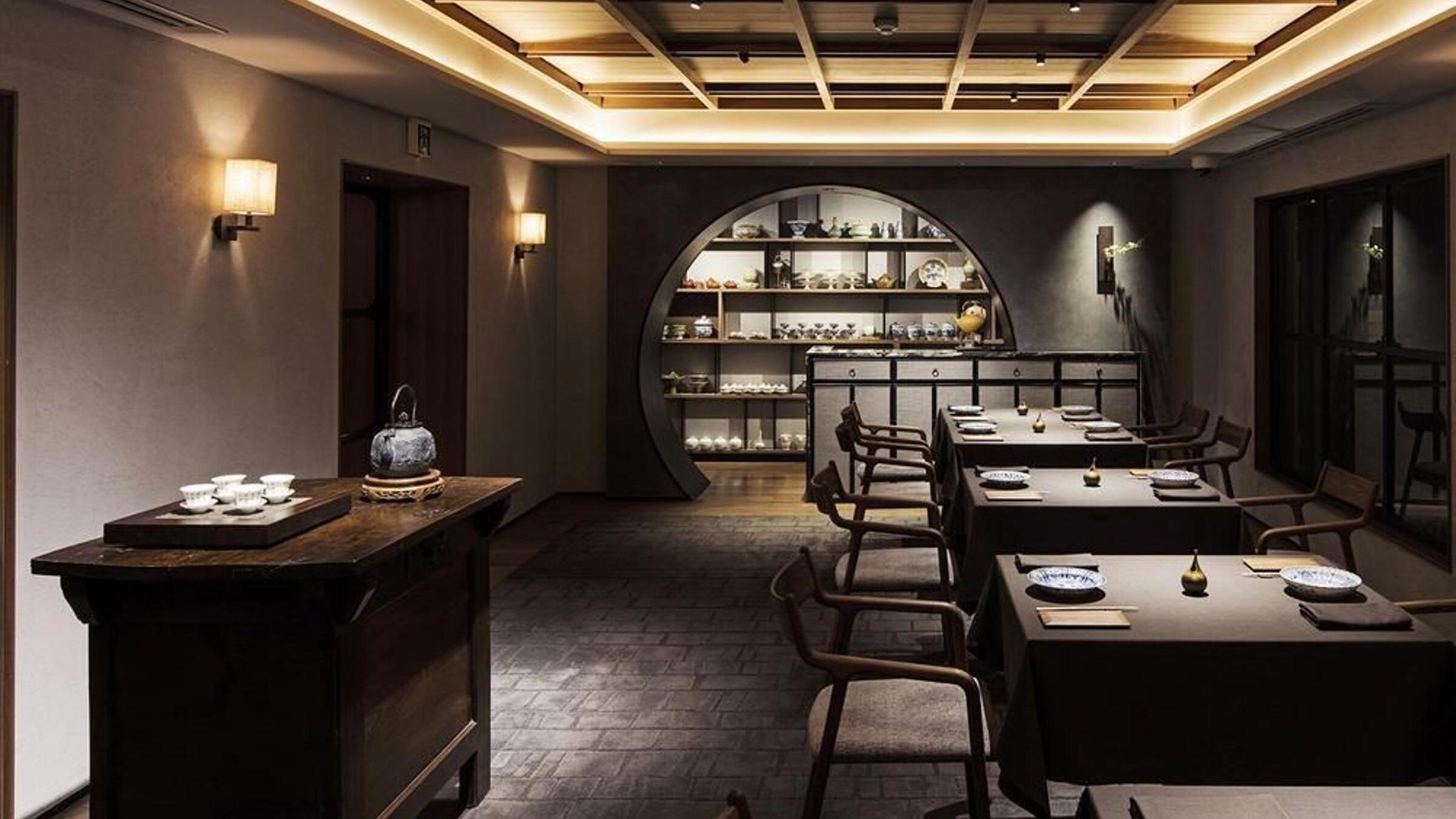
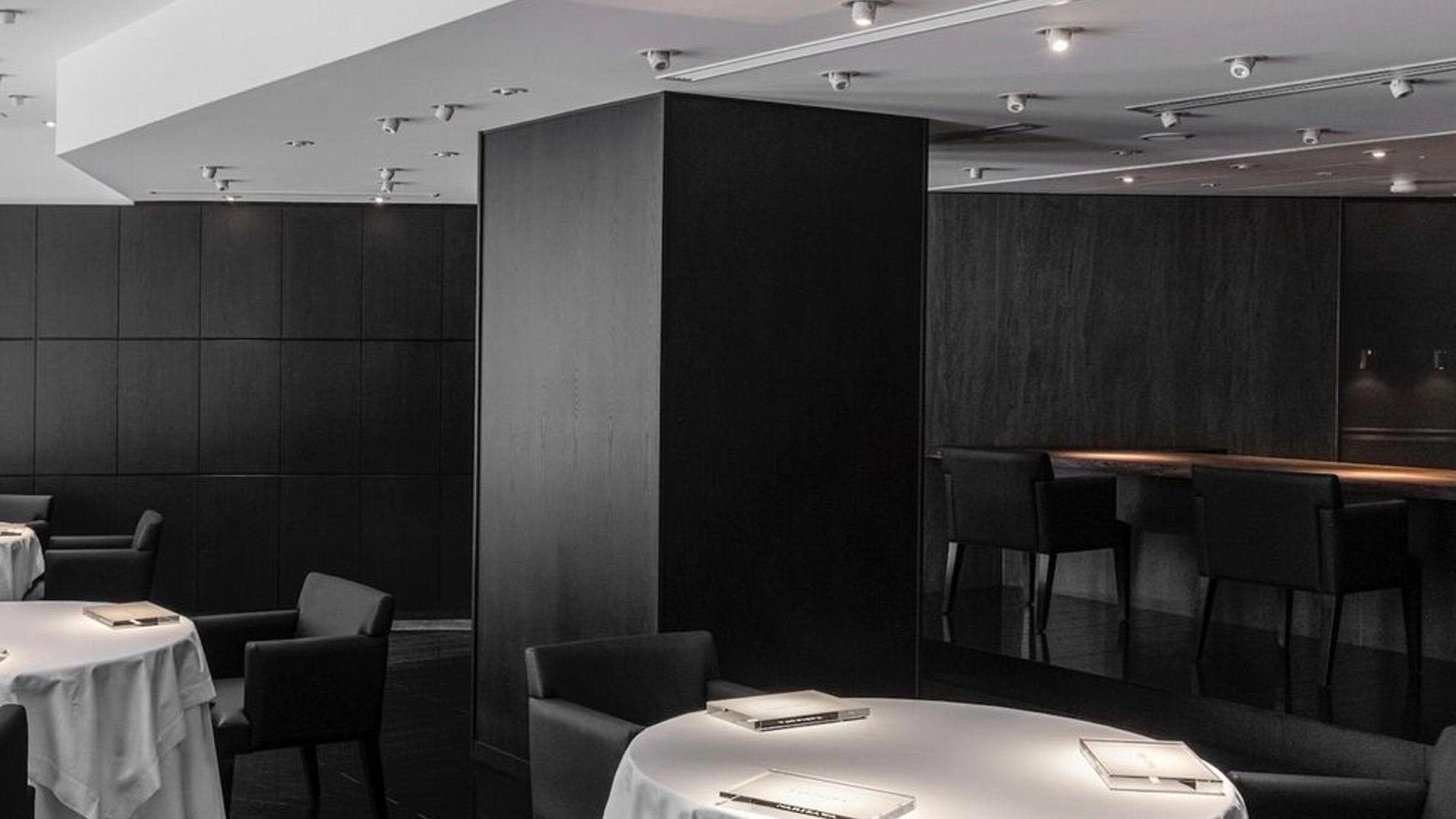
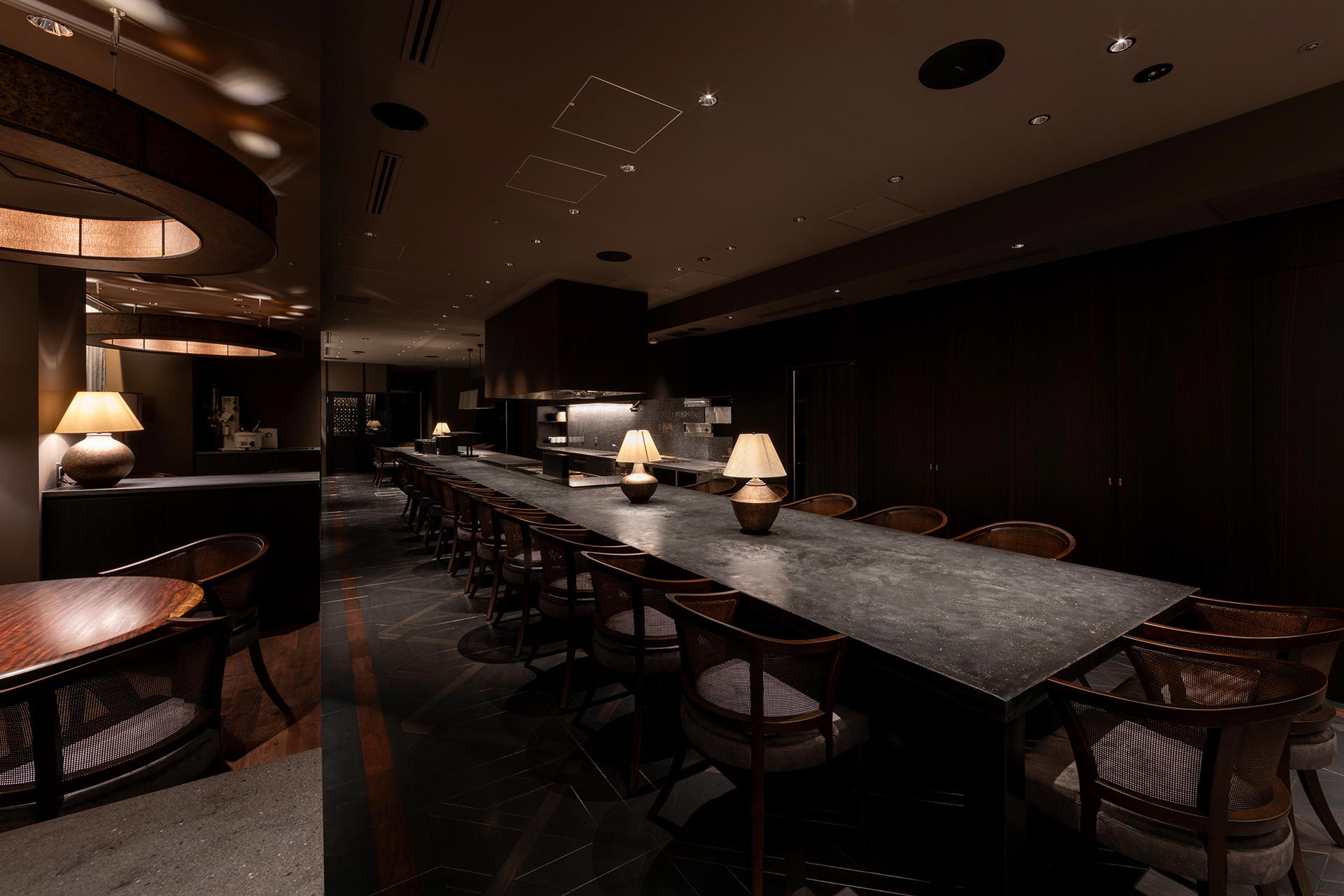
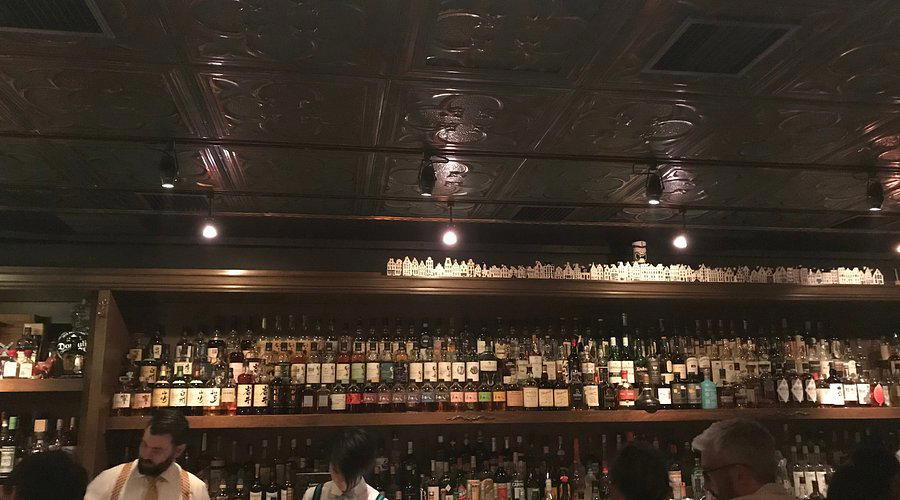
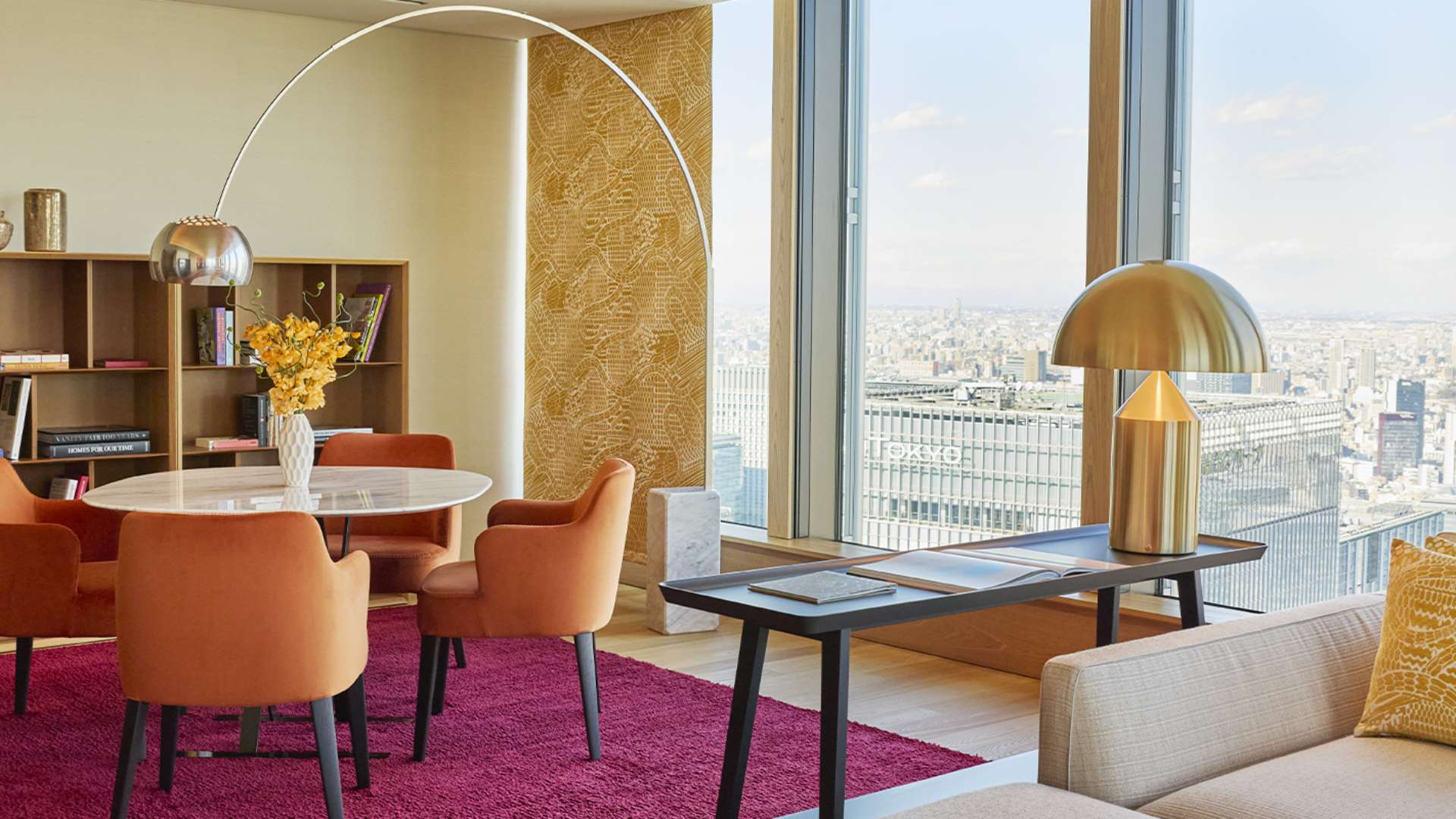
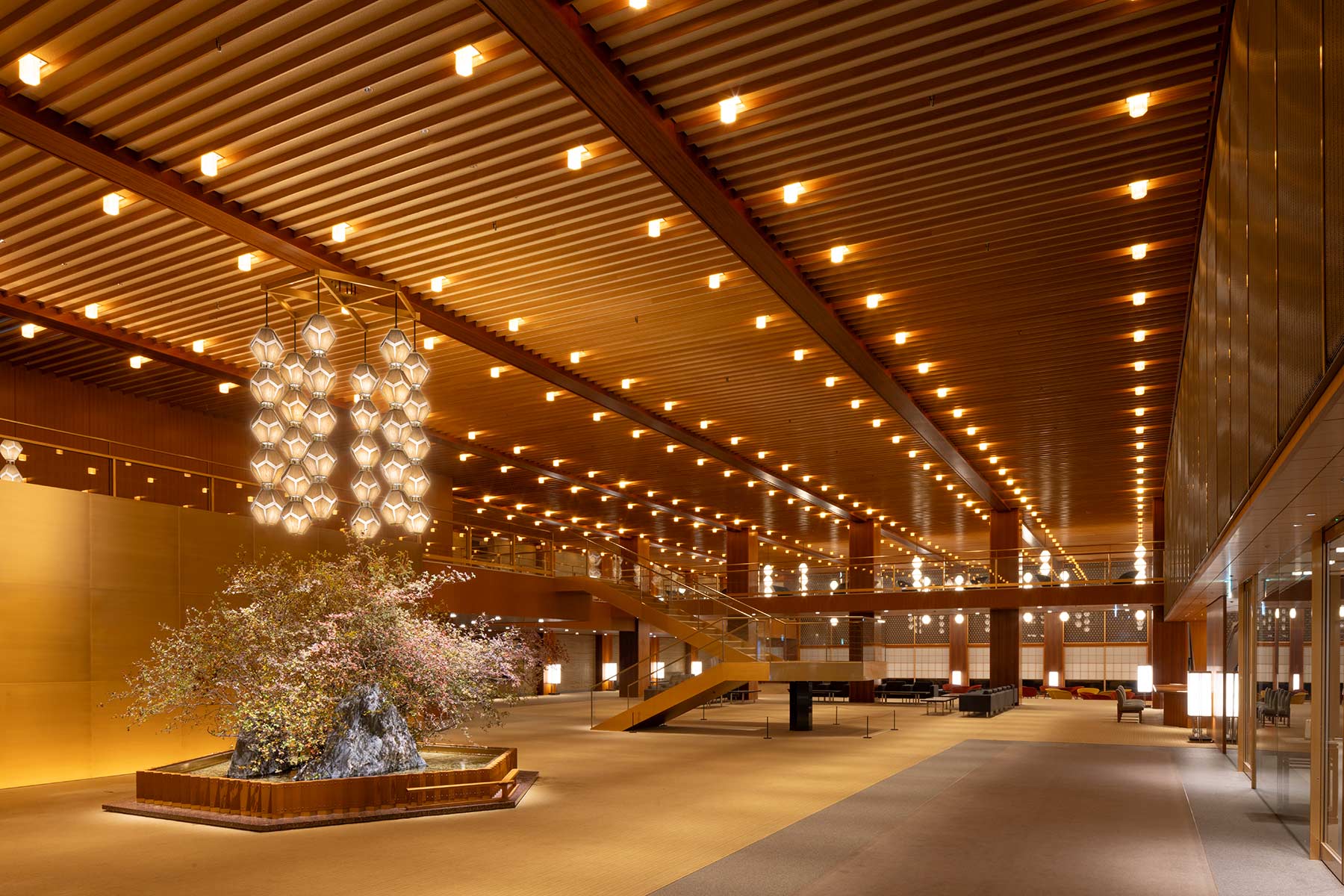
High-end atmosphere with subdued lighting, relaxed vibe, and live kitchen performance at an intimate U-shaped counter.