우육면관
우육면관 sits along Cheonggyecheon Stream in Jongno, one of Seoul's most historically layered corridors, serving Chinese-influenced beef noodle soup in a format that has fed this neighbourhood for generations. The address on Cheonggyecheon-ro places it within easy reach of Gwanghwamun and the old merchant districts that once defined central Seoul's working lunch culture. For visitors tracing Korean noodle traditions beyond the fine-dining circuit, it functions as a reliable reference point.
Pearl is the En Primeur Club membership app — saves, bookings, and concierge access live there. Same editors, same standards.
- Address
- 종로구 청계천로 77-1 (청계천점), 종로1.2.3.4가동, 종로구, 서울특별시, 03190
- Directions
- Get directions
 Saves & bookings on Pearl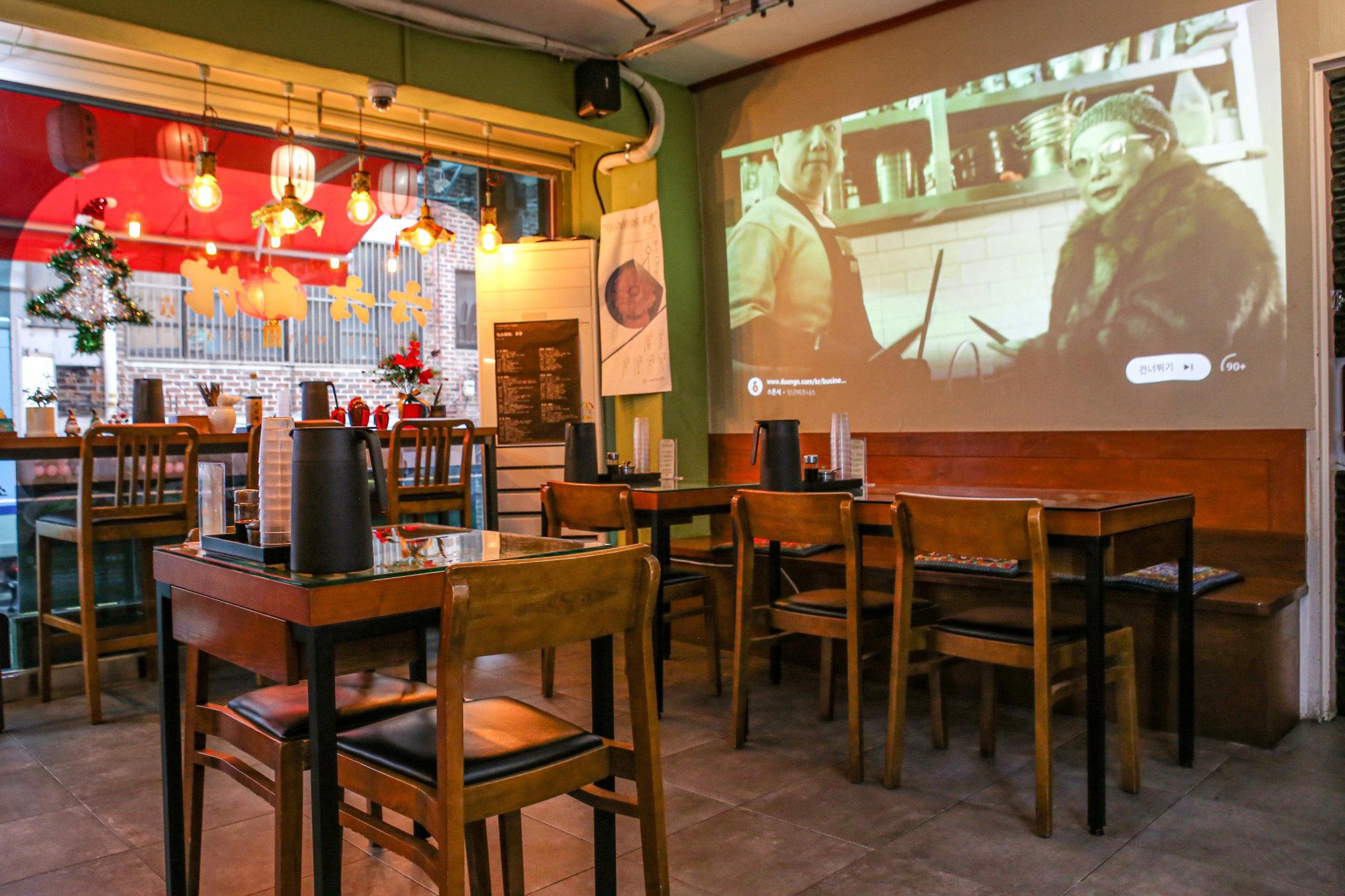
Along Cheonggyecheon: Where Seoul's Noodle Traditions Settled
Cheonggyecheon Stream runs through the centre of Seoul like a geological fault line, separating the city's administrative north from its commercial south while threading together some of its most historically significant blocks. The stretch of Cheonggyecheon-ro that passes through Jongno, one of the capital's oldest districts, still carries the working-city character that shaped Seoul's food culture long before fine-dining districts emerged in Gangnam or Itaewon. Restaurants here were built around the rhythm of the neighbourhood: fast, filling, affordable, and consistent across decades. 우육면관, at 청계천로 77-1, sits squarely in that tradition.
The venue's address places it in Jongno 1·2·3·4-ga-dong, a sub-district that encompasses the old Gwangjang Market edge, Jongno Tower, and the restored stream walkway. This is not Seoul's tourist dining corridor. The lunch crowd here is largely office workers, shopkeepers from the surrounding commercial blocks, and regulars who treat the spot as a fixed point in their week. That context shapes everything about what the restaurant does and how it does it.
The Beef Noodle Tradition in a Korean Context
Beef noodle soup occupies an interesting position in Seoul's food culture. The dish has Chinese-Taiwanese origins, the braised-beef, spiced-broth format that defines the category traces back to Sichuan and Taiwanese immigrant cooking, but in South Korea it has been absorbed and localised across several decades. Seoul now has a distinct tier of restaurants that handle the format seriously, using domestic beef and broth-building techniques that sit closer to Korean gomtang and seolleongtang traditions than to the Taiwanese original. The result is a style of bowl that reads as naturalised rather than imported: the spice register tends to be lower, the broth often richer and less red, and the noodle texture calibrated to a Korean palate.
This localisation matters for understanding where 우육면관 fits. It is not positioning itself as an authenticity statement about Taiwanese or mainland Chinese beef noodle soup. It operates in a category that Seoul has largely made its own, and the Jongno location places it among the city's older practitioners of that tradition, areas of central Seoul where Chinese-Korean (중화 요리) cooking and its derivatives have been a fixture since the mid-twentieth century.
Jongno as a Dining District
Jongno's food identity has always been built around volume and longevity rather than concept restaurants. The district's dining culture rewards repetition: places that have been doing the same thing in the same location for ten or twenty years earn a kind of neighbourhood authority that no amount of editorial attention can manufacture.
The Cheonggyecheon corridor specifically draws workers from the dense cluster of office buildings between Gwanghwamun and Euljiro, which means lunch trade is high-volume and time-compressed. Restaurants that survive here do so by being reliable across hundreds of identical transactions per week, not by offering an occasion meal. That operational model produces a different kind of quality than the one found in Kwonsooksoo or Soigné, it is consistency under volume pressure rather than precision under low-cover conditions.
The Jongno lunch belt, which also extends toward Insadong and the Anguk area, represents a different register of Korean food culture, one that prioritises the bowl in front of you over the room you are sitting in.
Placing 우육면관 in Korea's Wider Noodle Geography
South Korea's noodle culture is geographically distributed in ways that matter. Busan's milmyeon and ssiat hotteok culture, Jeju's distinctive seafood-forward approach (visible at spots like Badang Lounge in Jeju), and the Gyeongju corridor's legacy of fermented and grain-based dishes (documented in places like Gyeongju Wonjo Kongguk, known for bean-based soups) all represent regional specificities that Seoul's centralised food scene often flattens. Seoul's beef noodle category is its own sub-tradition within that geography, shaped by the city's large Yanbian Korean-Chinese population and the historical presence of Chinese restaurants in districts like Jongno and the old Chinatown corridors.
우육면관 addresses a different animal-protein tradition: the slow-braised, broth-heavy format rather than the fire-and-grill one. Both have deep roots in how Korean cities have historically fed their working populations.
Know Before You Go
- Address: 청계천로 77-1, 종로1·2·3·4가동, 종로구, 서울특별시 03190
- Nearest Transit: Jonggak Station (Line 1) or Gwanghwamun Station (Line 5) are both within a short walk along the stream corridor
- Leading Timing: Midday on weekdays is peak hour for the surrounding office district; arriving before noon or after 13:30 reduces wait time
- Booking: Walk-in format is standard for this Jongno restaurant.
- Price Range: About US$12 per person
- Language: Korean-language menu
Same-City Peers
Comparable venues nearby, for context on price, style, and recognition.
| Venue | Cuisine | Price | Notes |
|---|---|---|---|
| 우육면관This venue — the venue you are viewing | Traditional Chinese Beef Noodle Soup (牛肉面) | $$ | Not listed |
| Baekmidang | Korean Soft Serve Ice Cream | $$ | 잠원동 |
| Zhonghuafuchun Salon | Modern Chinese with Local Twists | $$ | 연남동 |
| 대우부대찌개 | Korean Budae Jjigae (Army Stew) | $$ | Yeoksam-dong, Gangnam-gu |
| 오근내 닭갈비 | Chuncheon-style Iron Plate Dakgalbi | $$ | Yongsan |
| Baekyangsa Temple for Jeong Kwan | Korean Temple Food | $$ | Jangseong |
Continue exploring
More in Seoul
Restaurants in Seoul
Browse all →
At a Glance
- Classic
- Cozy
- Well Known
- Casual Hangout
- After Work
- Solo
- Open Kitchen
- Local Sourcing
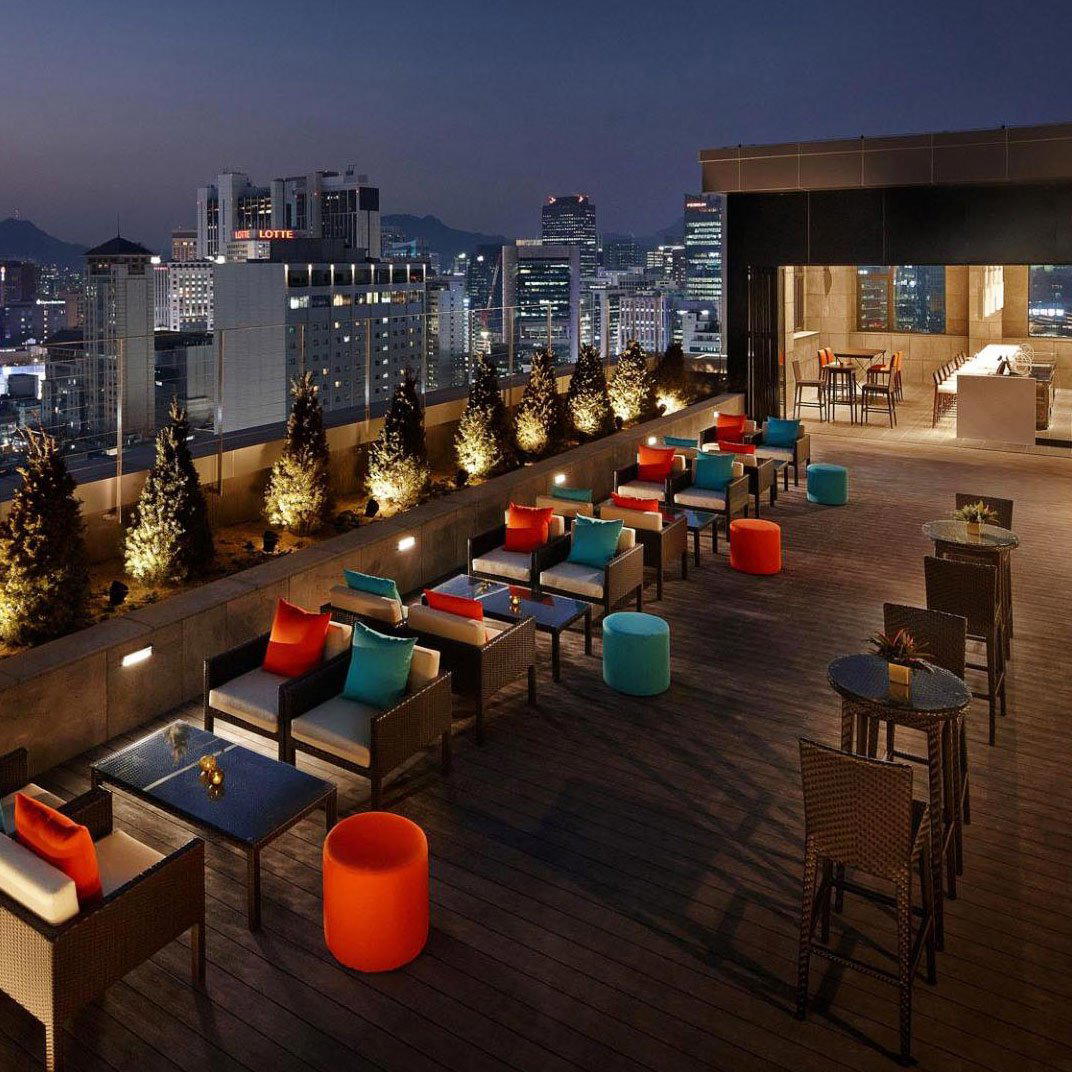
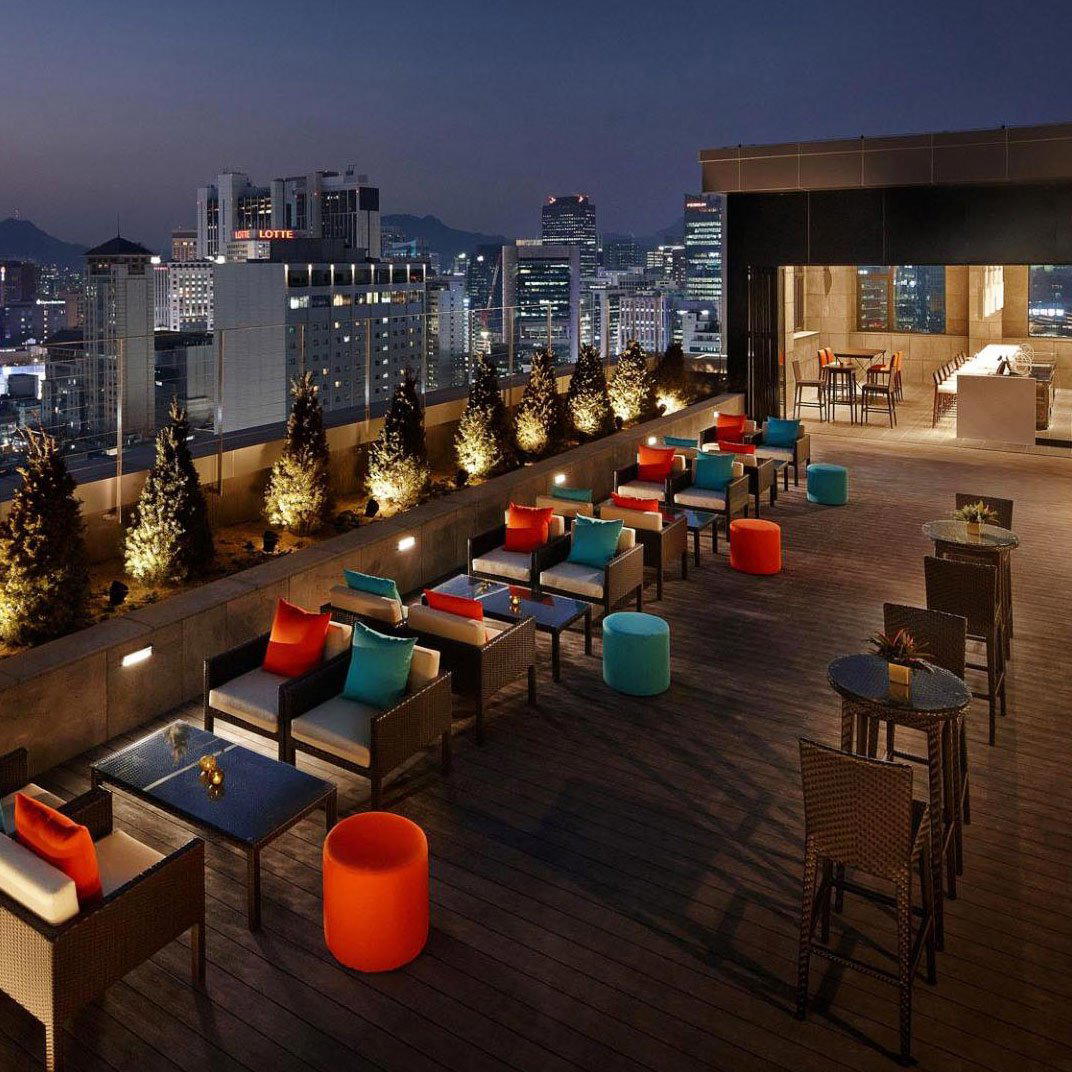
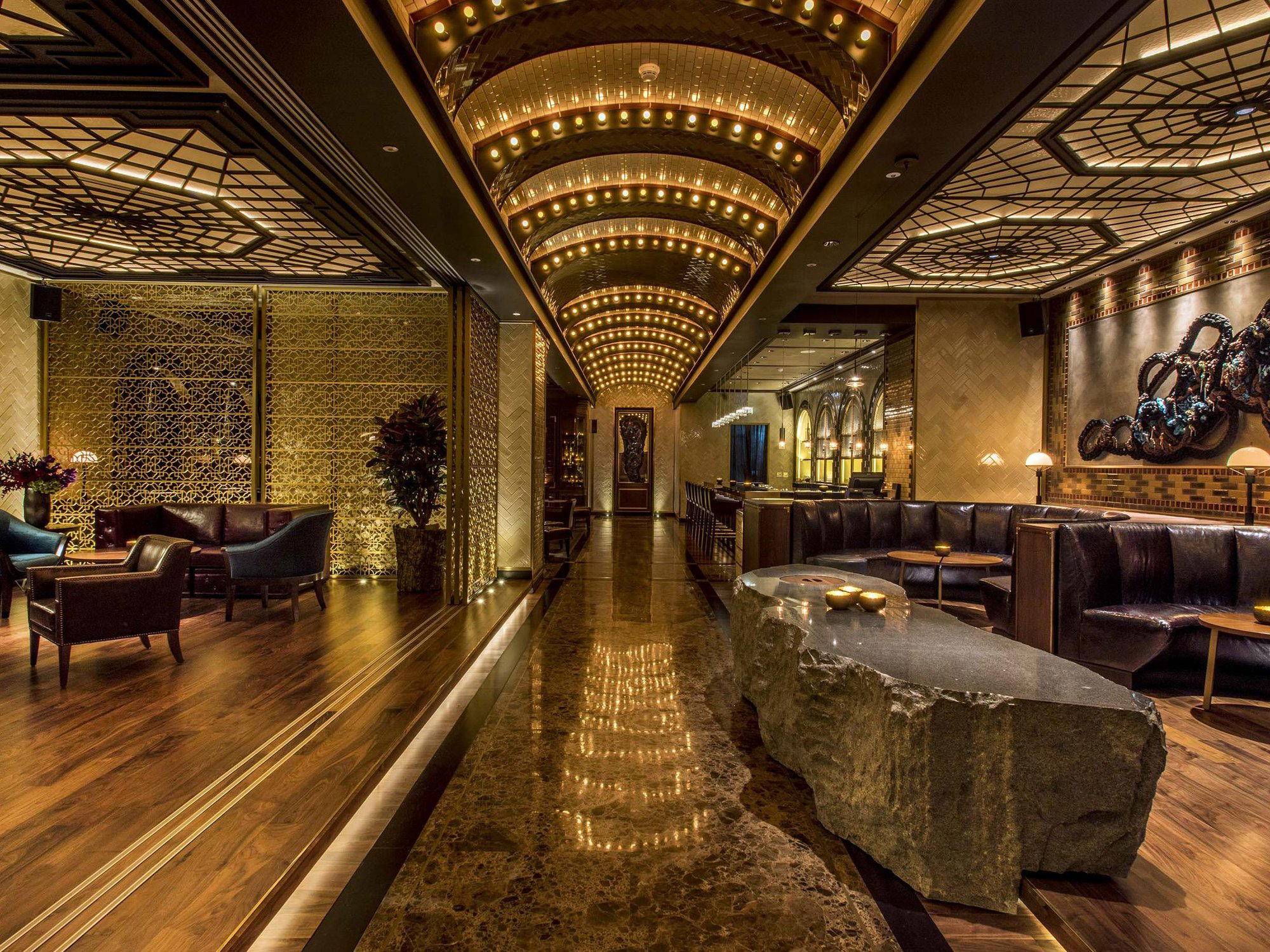
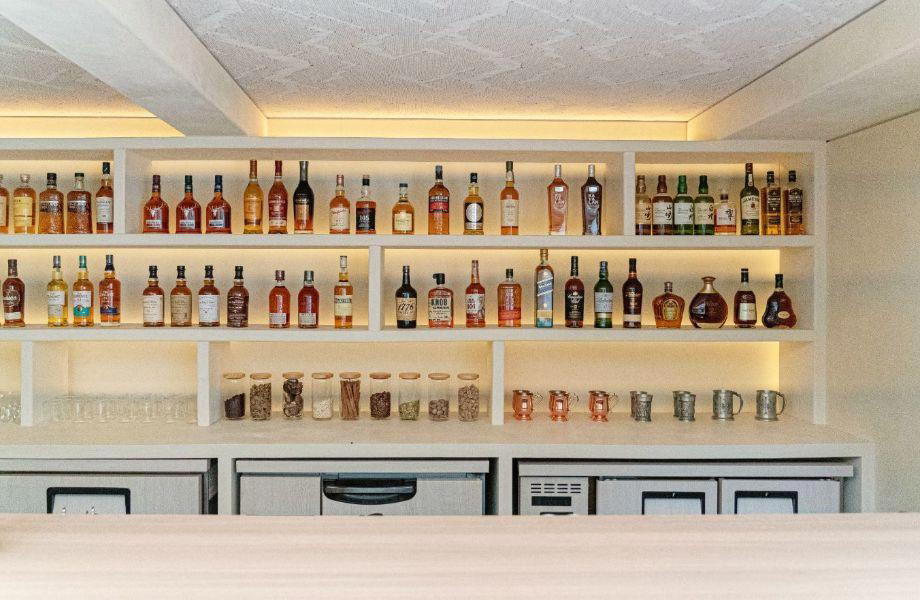
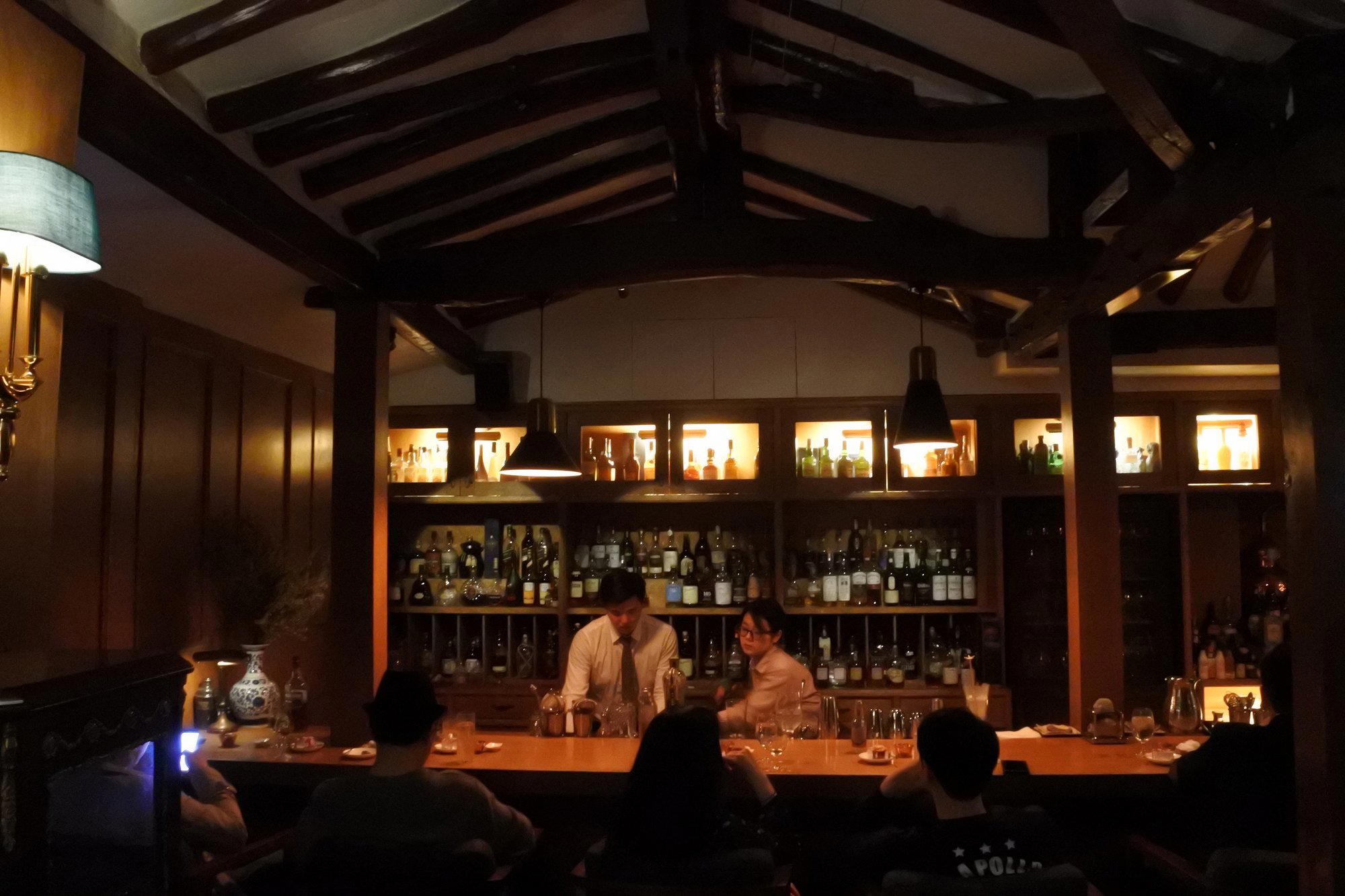
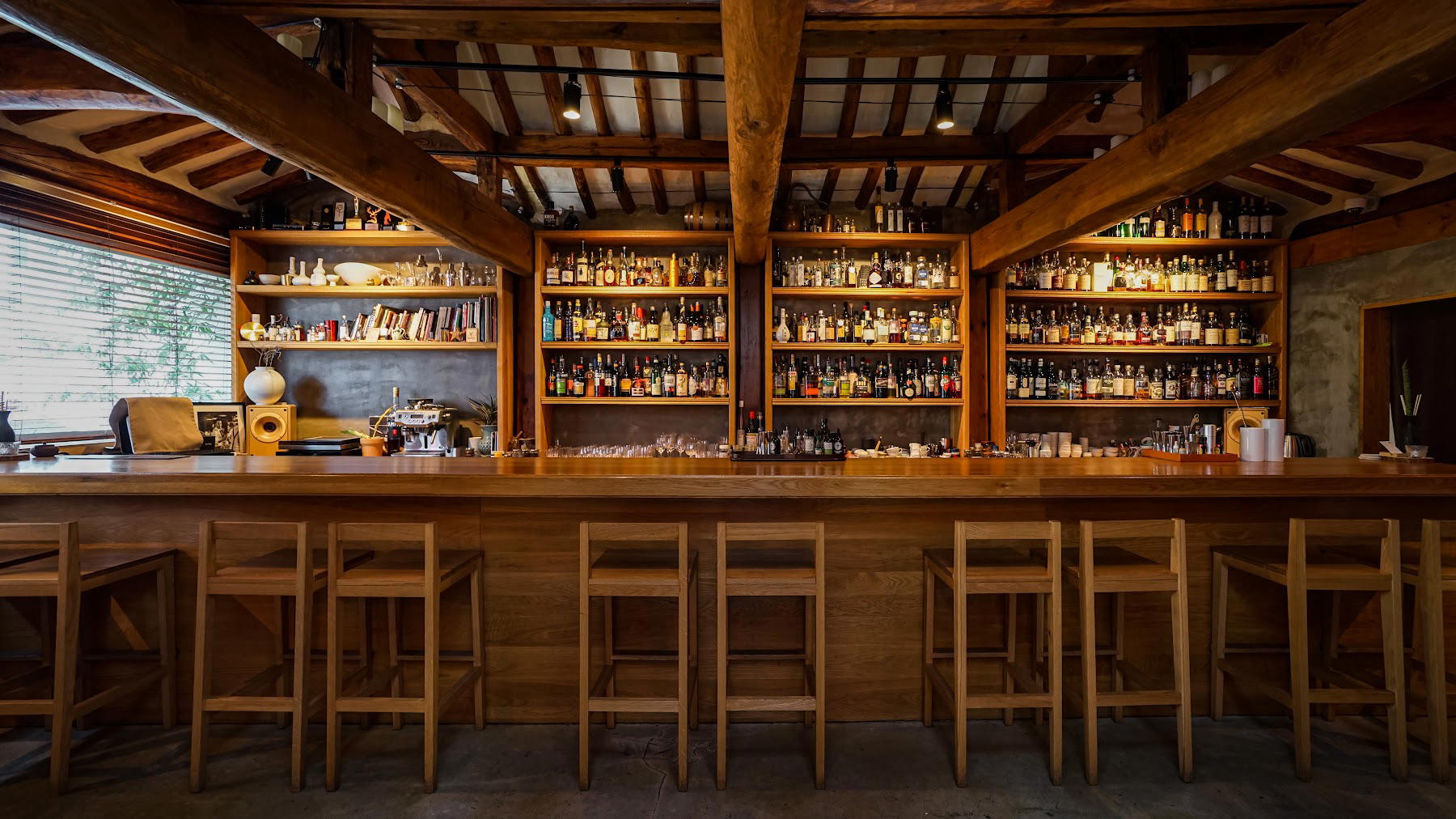
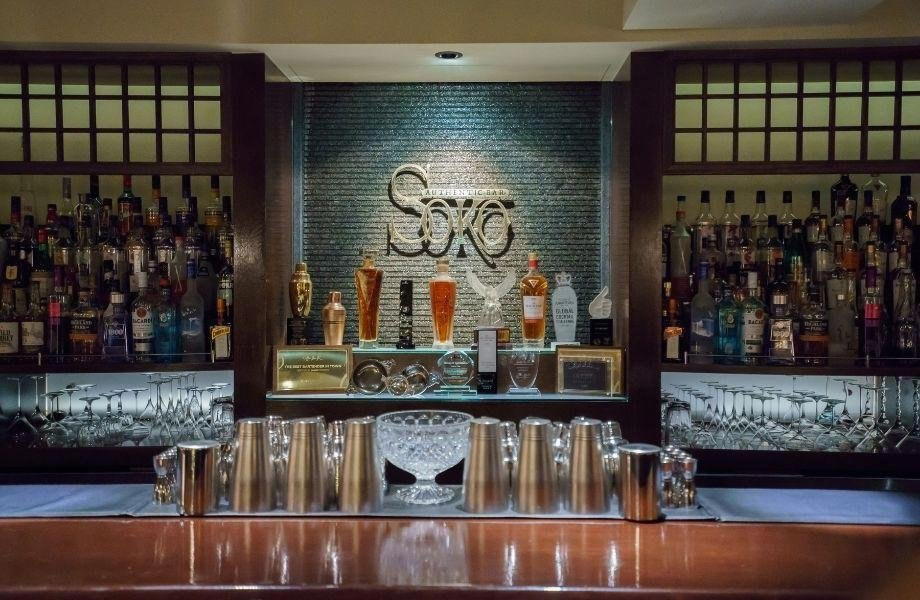
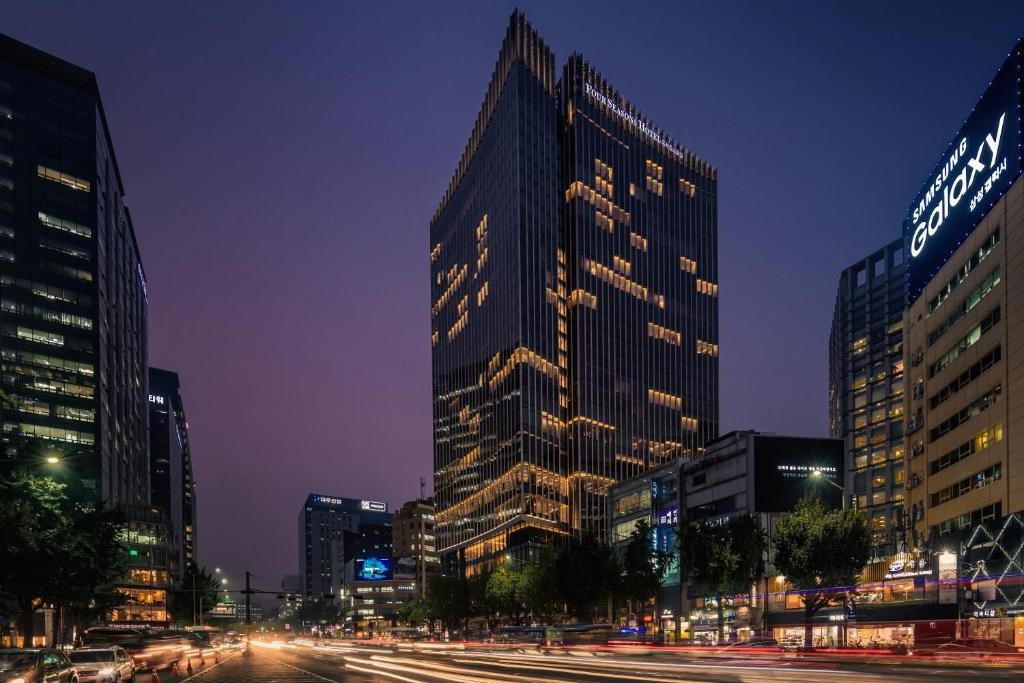
Intimate, minimalist space with vintage aesthetic; warm lighting and simple wooden furnishings create a nostalgic, authentic atmosphere reminiscent of traditional Chinese noodle shops.