Ondabile
Ondabile occupies a basement space in Hannam-dong, one of Seoul's most concentrated pockets of considered dining. The address places it within a neighbourhood where format discipline and booking depth tend to matter more than signage or street presence. For those already tracking Seoul's quieter, less publicised dining rooms, it belongs on the itinerary.
- Address
- South Korea, Seoul, Yongsan District, 한남동 28-2 B2
- Phone
- +82 70 7719 1301
- Website
- instagram.com
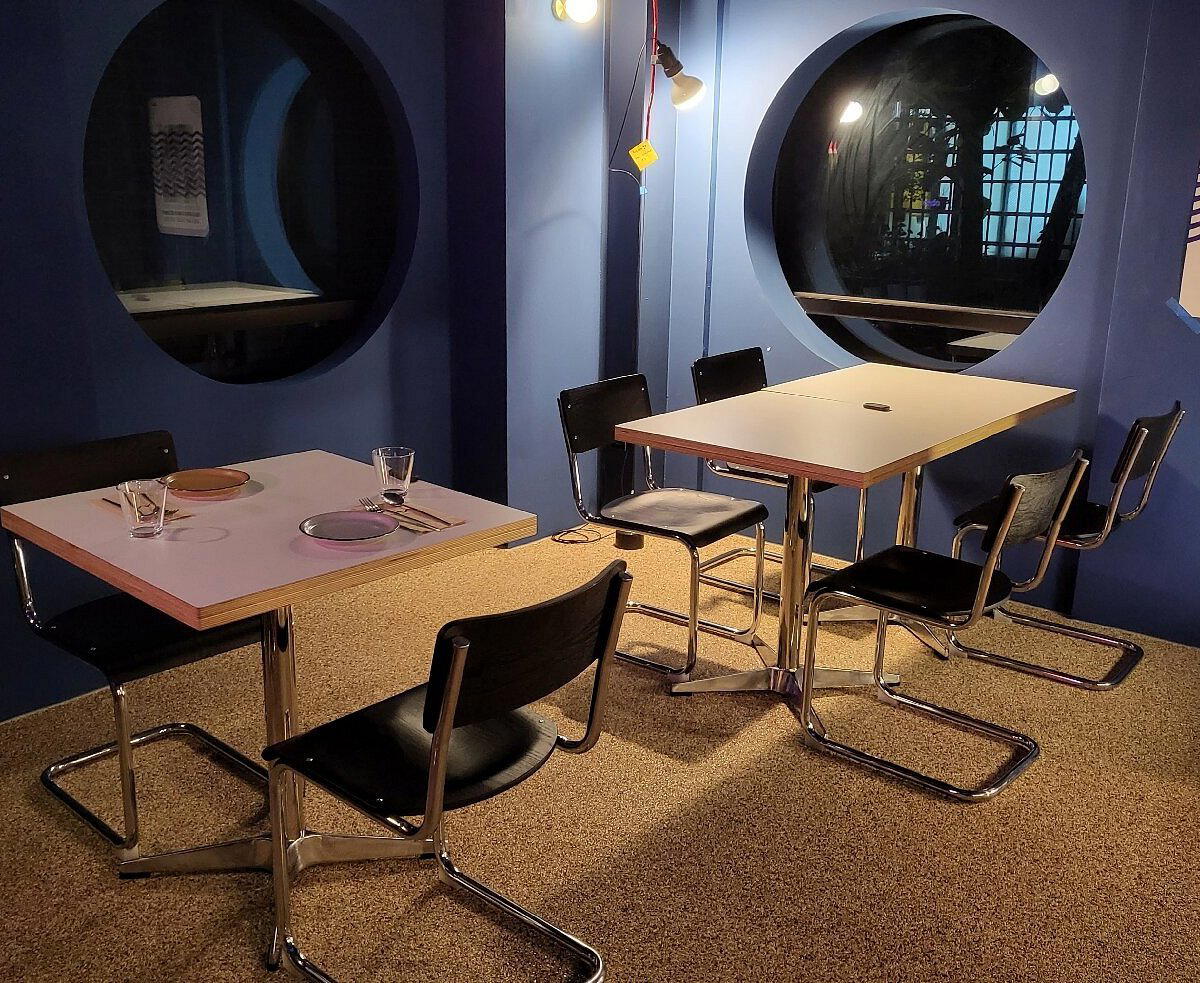
Below Street Level in Hannam-dong
Seoul's dining culture has a particular relationship with subterranean space. Some of the city's most carefully operated rooms sit at B1 or B2, a deliberate remove from the commercial noise above. Ondabile takes that approach in Hannam-dong, a neighbourhood in the Yongsan District that has consolidated over the past decade into one of the city's most coherent dining and retail corridors. Ondabile is a restaurant in Seoul's Yongsan District, serving European Fine Dining at a smart_casual, reservation-essential address in B2, Hannam-dong. The address, 28-2, Hannam-dong, B2, is the kind you confirm twice before heading out, not because it is obscure, but because the building's street presence rarely telegraphs what is happening below it.
Hannam-dong's dining character differs from Gangnam's more legible luxury tier or Jongno's heritage-driven temple food circuit. Here, the emphasis tends toward rooms that reward prior knowledge: no large hoardings, minimal walk-in trade, formats built around a specific guest who has done the research. Ondabile fits that pattern. Arriving by taxi from Itaewon station or walking south from Hannam station are the two practical approaches.
The Ritual of the Meal in Seoul's Current Scene
To understand how a room like Ondabile functions, it helps to place it inside the broader dining ritual that defines Seoul's premium tier. Korean fine dining has developed a set of customs that distinguish it from both Japanese omakase culture and Western tasting-menu conventions. Pacing tends to be deliberate rather than brisk. The sequence of courses often moves through a logic of temperature, texture, and fermentation depth rather than a strictly French progression from cold to hot. Diners are expected to track that sequence, and rooms that operate at this level rarely offer à la carte as an alternative.
This ritual-first approach puts a specific kind of demand on the guest. Reservations at comparable Hannam-dong addresses frequently open weeks in advance. The dining room format, counter or small-table configurations are common in this tier, and late arrivals or mid-meal departures disrupt the pacing for other guests in a way that a larger brasserie-style room would absorb without consequence. In Seoul's top-tier rooms, the social contract of the meal is more explicit than in most Western cities.
Comparable addresses operating in this register include Mingles, which frames Korean ingredients through a European-influenced tasting structure, and Kwonsooksoo, which situates itself more firmly inside a Korean culinary tradition. Soigné and alla prima occupy the innovative end of the spectrum, where the Korean provenance of ingredients becomes a starting point rather than a declared identity. Jungsik, with its dual Seoul and New York presence, represents the globalised version of this tradition. Ondabile's placement within or adjacent to this comparable set is something a first visit would confirm, but the neighbourhood and format signals align it with the considered, research-required tier rather than the accessible end of the market.
Hannam-dong as a Dining Address
The Yongsan District has emerged as a serious dining neighbourhood in the context of Seoul's longer food history. Itaewon's international character seeded the area with early exposure to non-Korean formats, but Hannam-dong proper has evolved into something more specific: a zone where Korean operators bring international technique to bear on local ingredients, and where the guest demographic skews toward both younger Seoul professionals and the international food community that increasingly tracks the city as a serious destination.
That shift mirrors what happened in other Asian cities where a specific neighbourhood crystallised a new dining identity. In Seoul's case, the Hannam-Itaewon corridor played the role that Daikanyama played in Tokyo or that Tiong Bahru played in Singapore: a place where independent operators could establish format-first rooms without the commercial pressure of a high-footfall location. The result is a concentration of addresses that require advance planning. For visitors structuring a Seoul dining itinerary, the Yongsan District warrants at least one evening alongside excursions to Gangnam addresses like Kwon Sook Soo in Gangnam-gu.
Travellers with more time in South Korea will find the country's regional dining scene developing in parallel. Mori in Busan and Double T Dining in Gangneung represent the kind of considered regional addresses that reward extending a trip beyond the capital. For something rooted in temple food tradition, Baegyangsa Temple in Jangseong-gun offers a structurally different meal entirely. Doosoogobang in Suwon is a short KTX or express bus journey from Seoul and represents the kind of day-trip dining that serious visitors increasingly build into an itinerary. Injegol in Inje County takes that regional logic further into the mountains. Beyond the peninsula, Cheon Jee (천지) in Jeju offers island-specific ingredients within a structured dining format.
For a broader map of Seoul's dining scene, our full Seoul restaurants guide organises the city by neighbourhood and format tier. Internationally, the ritual-forward tasting format Ondabile appears to operate within has parallels at Le Bernardin in New York City and the community-table, host-led approach of Lazy Bear in San Francisco, though the Korean culinary logic underpinning Seoul's leading rooms is distinct from both.
Planning a Visit
The B2 address in Hannam-dong means the practical logistics of a visit require more preparation than a walk-in restaurant. Seoul's Kakao T app is a reliable way to arrange a taxi from central Seoul. Korean fine dining rooms at this level often route reservations through local platforms such as Catch Table or via the venue's social media contact. Given the format and the neighbourhood, Ondabile is well suited to guests who have already developed some familiarity with Seoul's dining register, either on previous visits or through research. The comparison addresses listed above provide useful calibration points for understanding where Ondabile sits in terms of format and commitment level before a booking is made. Additional addresses to consider alongside or instead, depending on preference, include 에버리움펜션 in Cheoin, The Flying Hog in Seogwipo, and Market Café in Incheon for those spending time at or near the airport before a departure.
Cuisine and Awards Snapshot
Comparable venues nearby, for context on price, style, and recognition.
| Venue | Cuisine | Price | Awards | Notes |
|---|---|---|---|---|
| OndabileThis venue — the venue you are viewing | European Fine Dining | $$$ | , | |
| Jongno Tower | European Fine Dining with Grill & Buffet | $$$ | , | 가회동 |
| Spacca Napoli | Authentic Neapolitan Pizza | $$$ | Seongsan-dong | |
| IMOK Smoke Dining | Modern Smoke Dining BBQ | $$$ | 한남동 | |
| 할머니의 레시피 | Refined Korean Home-Style Cuisine | $$ | , | Seongsu-dong |
| 우정양곱창 | Korean Beef Intestines (Yang Gopchang) | $$$ | , | 논현동 |
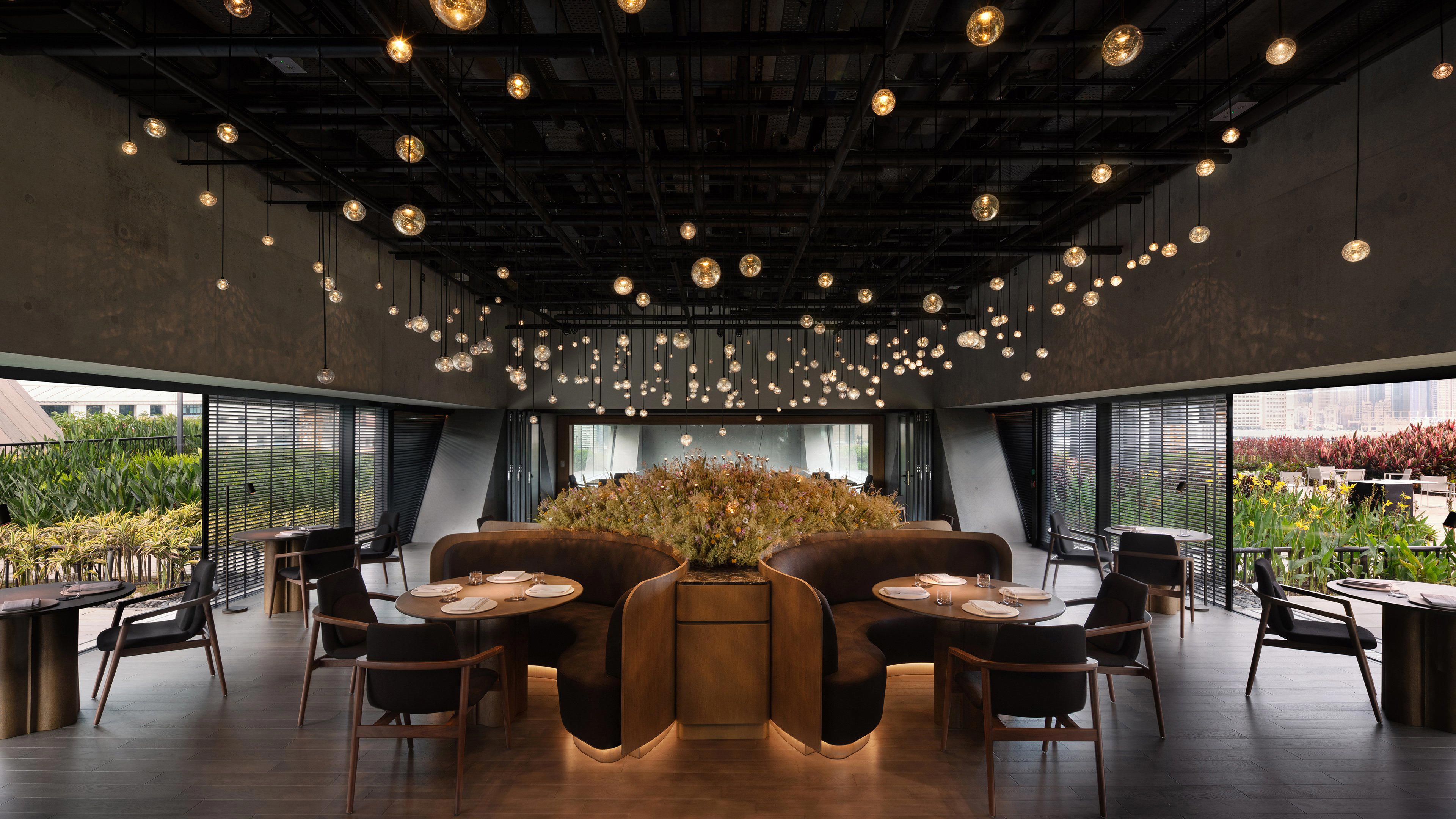
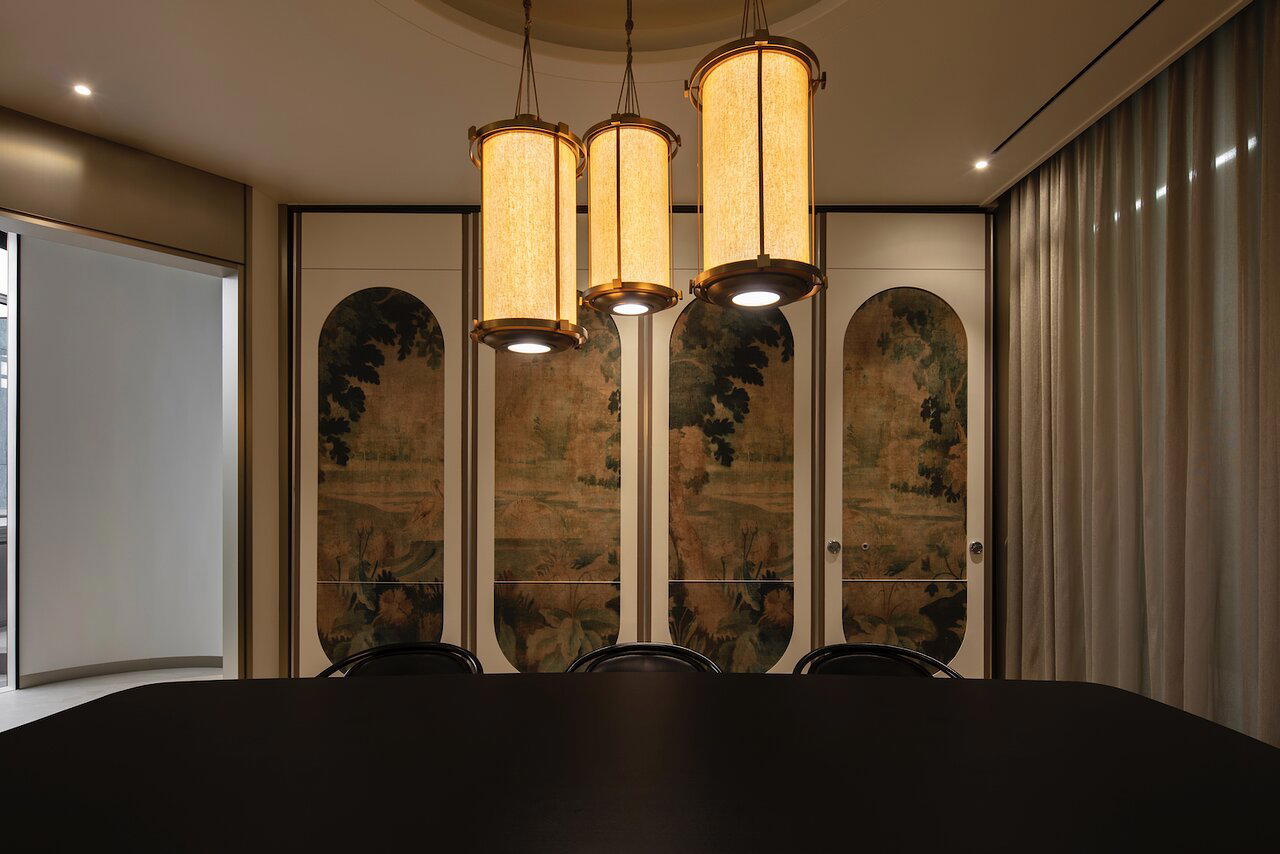
At a Glance
- Modern
- Elegant
- Special Occasion
- Design Destination
great atmosphere with attentive servers.