Yoshida House occupies a residential address in Hiroo, one of Tokyo's quieter diplomatic quarters, where the city's premium dining scene has increasingly favoured low-profile formats over destination spectacle. With limited public-facing information and no walk-in culture, it operates inside the tier of Tokyo restaurants where access is the first qualification and the sourcing of ingredients frames everything on the table.
Pearl is the En Primeur Club membership app — saves, bookings, and concierge access live there. Same editors, same standards.
- Address
- 5 Chome-20-5 Hiroo, Shibuya, Tokyo 150-0012, Japan
- Phone
- +81358602139
- Website
- instagram.com
- Directions
- Get directions
 Saves & bookings on Pearl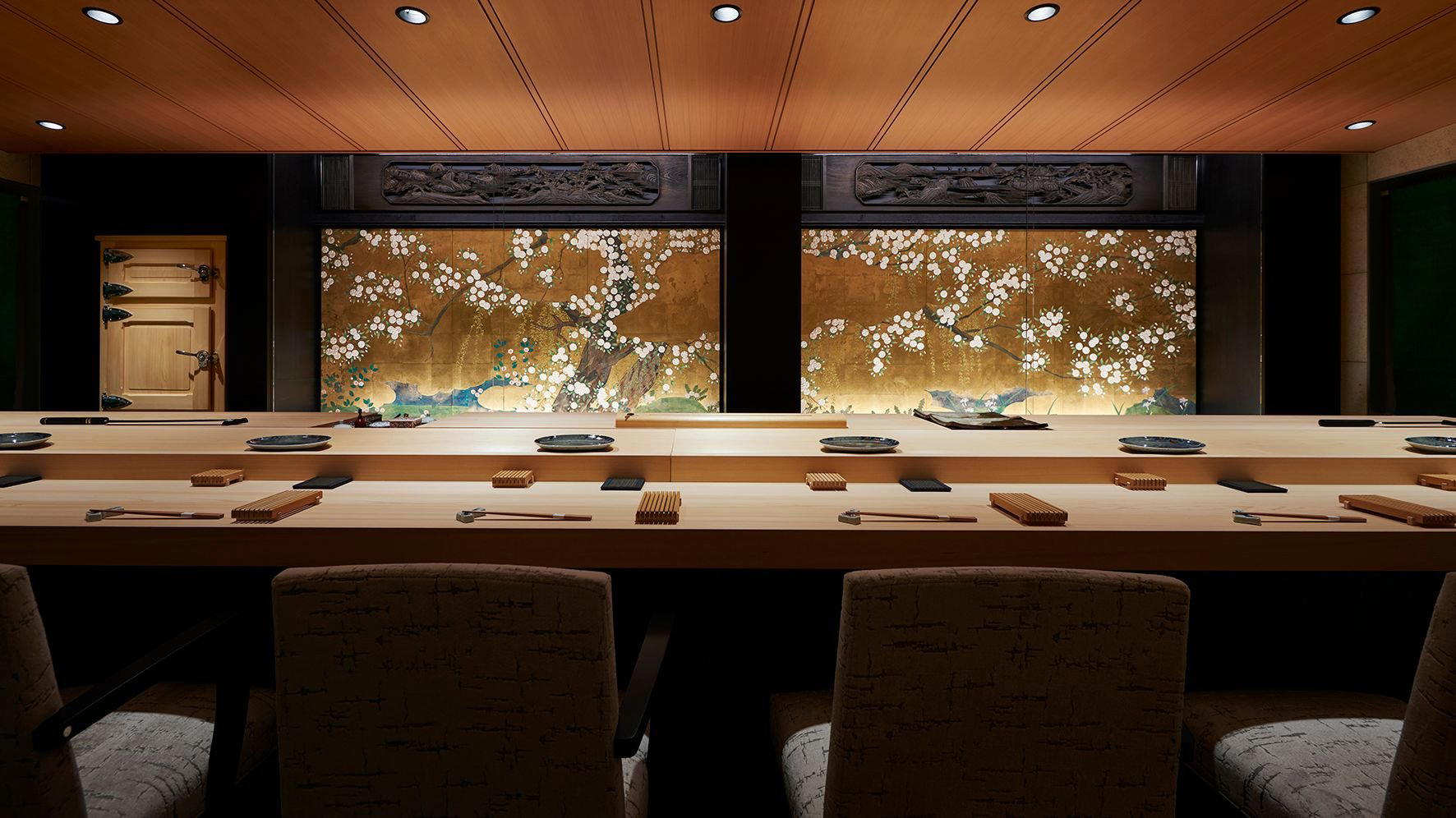
Hiroo and the Quiet End of Tokyo's Premium Dining Spectrum
YOSHIDA HOUSE is a French Bistro in Hiroo, Shibuya, Tokyo, at the ¥¥¥ price tier. Yoshida House, at 5 Chome-20-5 Hiroo in Shibuya ward, sits in this quieter register of the city's premium scene.
Hiroo's dining character differs from the high-foot-traffic corridors of Roppongi or the concentrated prestige of Ginza. The neighbourhood rewards the kind of research that precedes a booking rather than the kind of discovery that happens on a walk. That dynamic places Yoshida House in a specific comparable set: restaurants where the sourcing story, the format discipline, and the host-guest relationship carry more weight than a lit exterior sign or a reservation widget on a public-facing website.
Ingredient Sourcing as the Central Argument
Japan's premium restaurant tier is more defined by ingredient sourcing than any comparable dining culture. The country maintains a network of regional producers, fishing cooperatives, and small-scale farms whose output is explicitly tracked by serious kitchens. At the apex of this system, the origin of a given ingredient is not incidental context but the primary reason it appears on a menu. Rice from a specific prefecture, fish from a named port, vegetables from a particular mountain region: these details function as credentials in Japan's leading dining rooms in the way that chef lineage or Michelin stars do in European contexts.
Hiroo's location within Tokyo gives any serious kitchen here direct access to Tsukiji's successor market at Toyosu, as well as established supplier relationships that the city's decades-long concentration of high-end restaurants has made possible. Restaurants operating in this tier of Tokyo dining typically source protein, produce, and dry goods from networks that require relationship maintenance over years rather than transactional purchasing. That infrastructure is part of what separates this category from mid-range dining, and it is part of what makes a Tokyo address like Yoshida House worth situating carefully on a map of where to eat in the city.
For context on how sourcing-led menus operate across Japan's leading dining tier, RyuGin in Tokyo has built a kaiseki framework explicitly around seasonal Japanese ingredients tracked from named regional sources. L'Effervescence applies a similar sourcing discipline to a French framework, with produce traceability as a central part of its identity. These are the kinds of reference points that clarify where a Hiroo address like Yoshida House fits within Tokyo's broader premium picture.
Tokyo's Residential Restaurant Format
The residential restaurant format in Tokyo has its own logic. Low seat counts, limited or no public booking infrastructure, and word-of-mouth access are features rather than limitations. They reflect a deliberate positioning decision that prioritises the quality of each service over the volume of covers. Harutaka in Ginza, with its counter-only sushi format and deep reservation lead times, represents one version of this model. Sézanne at the Four Seasons Marunouchi represents another: international-grade French technique applied within Tokyo's expectation of rigour and restraint.
The restaurant occupies an address in Hiroo that is consistent with this residential format. It signals a mode of access that depends on established contact rather than open booking, and it places the restaurant alongside a cohort of addresses in the city where the first challenge is knowing who to ask.
Placing Yoshida House Within Japan's Wider Dining Map
For travellers building a longer Japan itinerary, the premium dining tier that restaurant occupies in Tokyo has clear parallels in other cities. HAJIME in Osaka operates at the intersection of French technique and Japanese ingredient philosophy with three Michelin stars. Gion Sasaki in Kyoto represents the kaiseki tradition at its most disciplined, where the seasonal ingredient calendar drives every menu decision. Further afield, akordu in Nara and Goh in Fukuoka each demonstrate how Japan's sourcing culture extends well beyond the major metropolitan centres.
Regional producers that supply Tokyo's leading kitchens often also supply restaurants in less-visible markets. A restaurant in Nanao on the Noto Peninsula, for instance, draws on one of Japan's most respected seafood regions at source. Sapporo and Takashima each anchor their own ingredient narratives tied to Hokkaido dairy and Lake Biwa produce respectively. Understanding these regional nodes is part of reading the ingredient sourcing behind any serious Tokyo kitchen, including one at a Hiroo address.
How Yoshida House Compares Within Its Tokyo comparable set
Within Tokyo's high-end restaurant tier, the competitive set is defined less by cuisine category than by price point and access format. The ¥¥¥¥ bracket that includes Harutaka, L'Effervescence, RyuGin, and Crony represents a cluster of restaurants where the investment per head is significant and the expectation of both technique and sourcing is correspondingly high. The restaurant's Hiroo address situates it alongside this comparable set geographically and in terms of the format logic it appears to share.
For readers accustomed to the transparency of New York's premium dining tier, where Le Bernardin publishes menus and pricing with clarity and Atomix operates a structured pre-booking system with detailed tasting menu information, the opacity of a Tokyo address like Yoshida House can read as an obstacle. It functions instead as a filter: the restaurant's target guest is one who arrives with prior knowledge and an established contact.
Planning Your Visit
The restaurant is located at 5 Chome-20-5 Hiroo, Shibuya, Tokyo 150-0012. The nearest station is Hiroo on the Tokyo Metro Hibiya Line, which puts the address within walking distance for anyone arriving from central Tokyo. Given the absence of a public website or listed phone number, access to the restaurant depends on prior arrangement through a hotel concierge, an established contact, or an in-market specialist. Visitors should plan ahead, as reservations are recommended. Dress code is smart casual.
Pricing, Compared
Comparable venues nearby, for context on price, style, and recognition.
| Venue | Cuisine | Price | Notes |
|---|---|---|---|
| YOSHIDA HOUSEThis venue — the venue you are viewing | Shibuya, French Bistro | $$$ | Not listed |
| ルカンケ | Minato, Authentic French Bistro | $$$ | Not listed |
| PIERRE HERME PARIS Aoyama | Not listed | $$$ | Shibuya, Modern French patisserie & dessert salon |
| L'Escalier | Meguro, French Bistro | $$$ | Not listed |
| レザンファン ギャテ | Not listed | $$$ | Shibuya, Modern French Terrine Specialist |
| カラペティバトゥバ! | Not listed | $$$ | Minato, Modern French Bistro with Spanish, Italian & Indian Influences |













At a Glance
- Elegant
- Relaxed
- Intimate
- Date Night
- Special Occasion
- Open Kitchen
Current opening hours
- Monday
- Closed
- Tuesday
- 6 PM–2 AM
- Wednesday
- 6 PM–2 AM
- Thursday
- 6 PM–2 AM
- Friday
- 6 PM–2 AM
- Saturday
- 6 PM–2 AM
- Sunday
- 6 PM–12 AM
Hours can change for holidays and private events. Last verified .
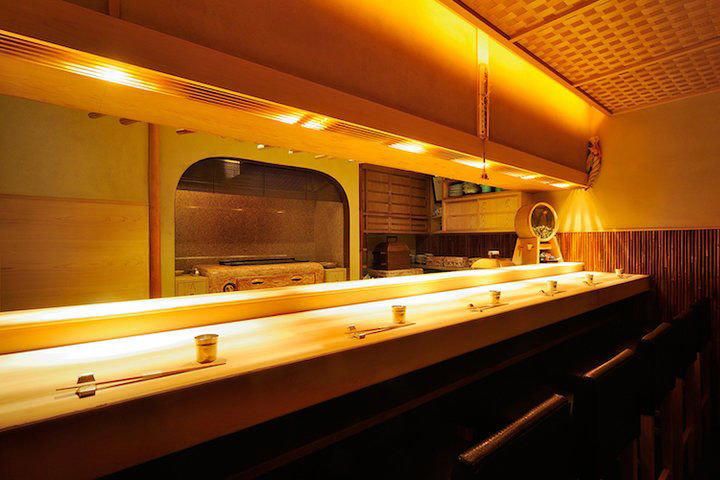
Relaxing and stylish atmosphere with counter seating and a cozy, intimate vibe.