Our verdict
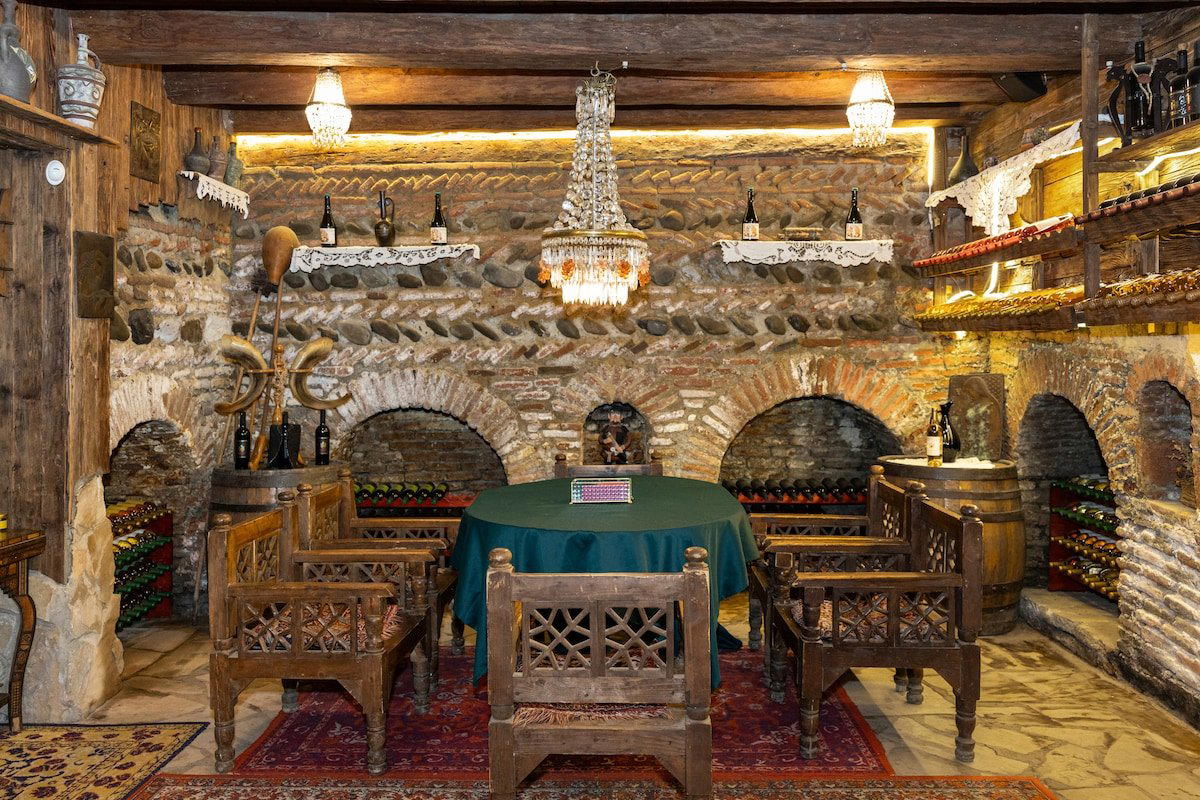
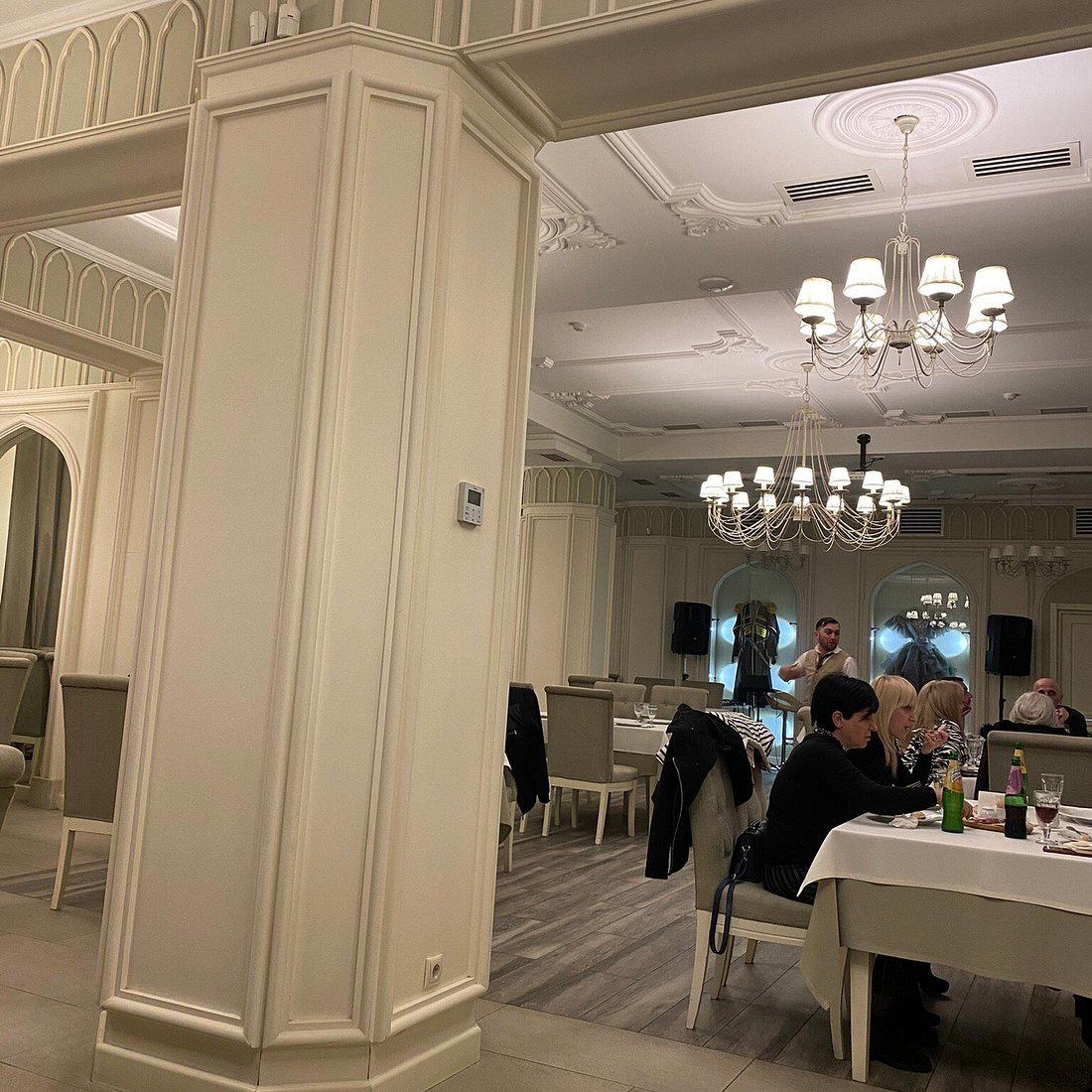
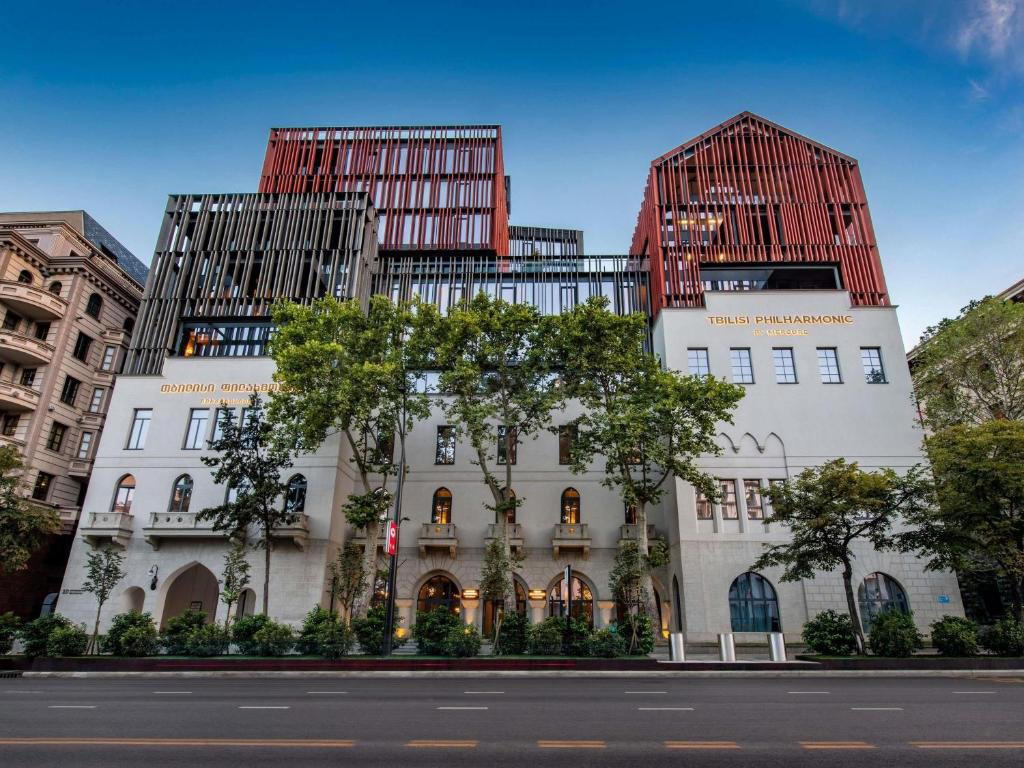
On Paliashvili Street in Tbilisi's Vake district, The Dining Room occupies a register that the city's restaurant scene is still defining: formal enough to signal occasion, Georgian enough to anchor the meal in place. With the address carrying weight in a neighbourhood known for its European-leaning residences and diplomatic quarter, this is a table worth understanding before you book.

Pearl is the En Primeur Club membership app — saves, bookings, and concierge access live there. Same editors, same standards.
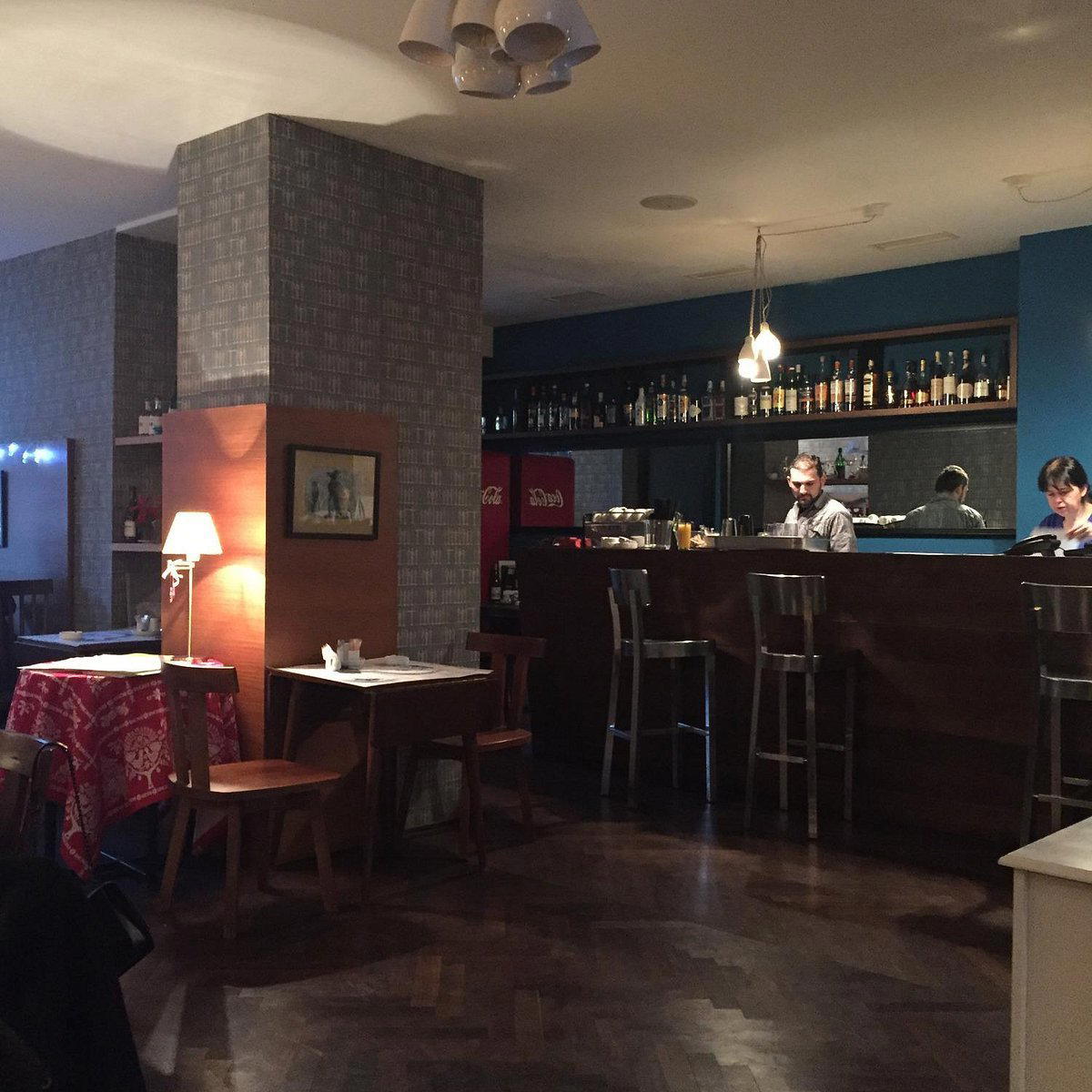
Paliashvili Street and the Question of Georgian Fine Dining
Tbilisi's Vake district sets a particular tone. The broad residential streets around Paliashvili — named for the Georgian composer Zakaria Paliashvili — sit at a remove from the compressed lanes of the Old Town and the industrial-chic repurposing projects along the Mtkvari. The neighbourhood draws an older, more established Tbilisi crowd alongside the diplomatic community, and the restaurants here tend to reflect that: less conspicuously experimental, more calibrated to a guest who knows what a well-run room looks like. The Dining Room at 38 Zakaria Paliashvili Street operates in that register, and the address alone places it in a specific peer conversation about what premium dining means in a city whose food culture is simultaneously ancient and rapidly professionalising.
That professionalisation is the real story here. Georgian cuisine carries one of the most coherent flavour vocabularies in the region, walnut-based sauces, supra-style hospitality, amber wines made in qvevri buried underground, and the tension in Tbilisi's current restaurant scene is between venues that preserve those traditions with rigour and those that borrow the vocabulary while trading up to a more international format. The Dining Room's position on one of the city's most legible fine-dining streets suggests it is engaged in that latter negotiation, whether the result is a fusion proposition or a more classical Georgian offering remains something to assess on arrival.
The Cultural Weight of the Georgian Table
To understand any serious Tbilisi restaurant, it helps to understand what the Georgian table means as a social form. The supra, the traditional feast presided over by a tamada, or toastmaster, is not simply a meal but a structured ritual of kinship, memory, and hospitality that can run for hours across dozens of toasts. The leading Tbilisi restaurants either draw directly from that tradition or define themselves in deliberate contrast to it. Venues like Barbarestan have built their identity around 19th-century Georgian recipes recovered from a historic cookbook, anchoring the menu in documented culinary history. Azarphesha approaches the same heritage through a different lens, while Alubali operates in the space where Georgian ingredient logic meets contemporary plating discipline.
The Dining Room sits within that broader conversation. Its name, deliberately neutral, in English rather than Georgian, signals something about its intended audience and positioning. This is a venue that reaches toward an international vocabulary while drawing on a city whose culinary roots run several thousand years deep. Whether that synthesis is executed with conviction is what a visit is designed to determine.
Vake's Dining Tier and Where This Table Fits
Tbilisi's premium dining has not yet consolidated around a single district the way that, say, Ginza functions in Tokyo or the way that Atomix and its peers have defined a particular tier of New York tasting-menu culture. Instead, the city's serious restaurants are distributed across Vake, the Old Town, and the Abanotubani district, with individual addresses carrying neighbourhood-specific implications. Vake properties like The Dining Room tend toward a guest who is booking for occasion dining, anniversaries, business hospitality, visiting guests who want a referral they can trust, rather than the more exploratory, walk-in culture of the Old Town wine bars and natural wine bistros.
That occasion-dining positioning is relevant to how you plan the visit. Paliashvili Street is accessible by taxi from the city centre in under fifteen minutes, and the neighbourhood is walkable from Vake Park. The practical recommendation is to book ahead rather than arrive on speculation, particularly on weekend evenings when the area's residential character concentrates demand into a narrower booking window. For those pairing a Tbilisi restaurant itinerary with a broader Georgia trip, Pheasant's Tears Winery in Signagi and Doli in Telavi in the Kakheti wine region are logical extensions for anyone tracking Georgian food and wine at a serious level, while Schuchman Wines Chateau adds a cellar-door dimension to the same region.
Georgian Wine as Context, Not Afterthought
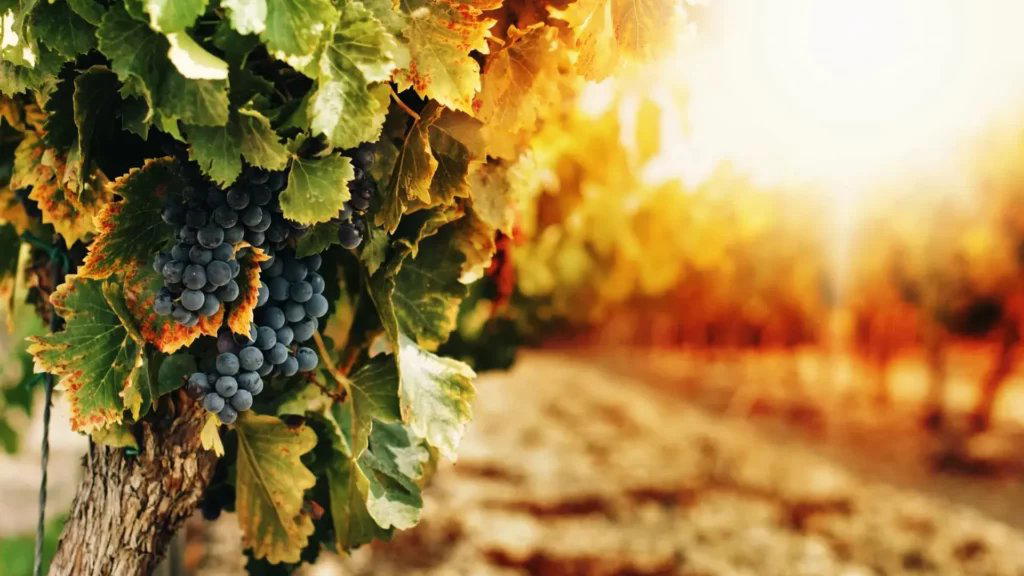
No serious Tbilisi dining experience exists outside the wine question. Georgia's claim to be among the world's oldest wine-producing cultures is supported by archaeological evidence dating back approximately 8,000 years, with the qvevri method of fermenting and aging wine in clay vessels now recognised by UNESCO as an element of intangible cultural heritage. The amber wines, extended skin-contact whites, that flow from Kakheti and Kartli regions have moved from local curiosity to a fixture on international natural wine lists, but they are leading understood in context. A Rkatsiteli or Mtsvane fermented in qvevri on the skins for six months arrives at the glass with tannin structure and oxidative complexity that reads nothing like the Chardonnay-trained Western palate expects. Tbilisi's better restaurants treat the wine list as a regional argument, not a global survey.
For those tracing Georgian wine beyond the city, Palaty in Kutaisi and Gazaphkhuli in Chiatura offer entry points into western Georgia's distinct culinary character, where walnut use intensifies and the Megrelian kitchen diverges sharply from the Kakhetian. See our full Tbilisi restaurants guide for a mapped view of the city's dining geography.
Tbilisi's Broader Restaurant Reference Points
The Dining Room's Vake address places it in a different register from the more international-facing venues clustered in the Old Town. ATI represents one strand of Tbilisi's contemporary ambition, while Akura San demonstrates the city's appetite for non-Georgian cuisine executed at a serious level. Both sit in a different competitive tier from the neighbourhood restaurant that anchors itself in the fabric of a residential district. Comparisons with internationally credentialled addresses, the tasting-menu precision of Le Bernardin in New York or the communal-table format of Lazy Bear in San Francisco, are useful only as a frame for understanding how different cities construct the idea of a formal meal. Tbilisi's version is still being written, and Vake is one of the paragraphs doing the most work.
For those extending a Georgia trip beyond the capital, Umami at Clouds in Batumi, Crowne Plaza Borjomi, and Chiko in Aspindza map out a country whose hospitality infrastructure is developing faster than most outsiders appreciate.
Planning Your Visit
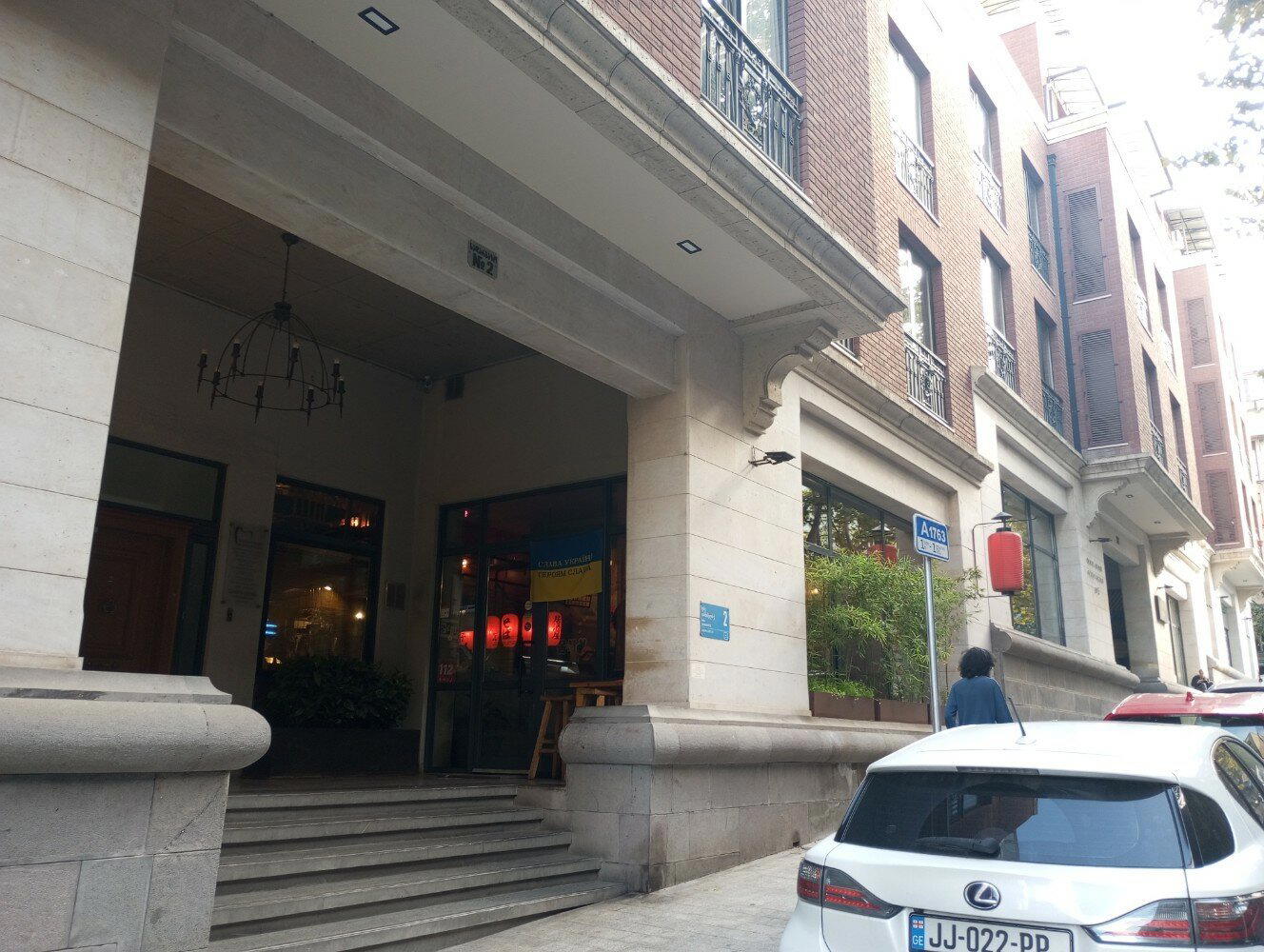
The Dining Room is located at 38 Zakaria Paliashvili Street in Vake, one of Tbilisi's established residential districts. Taxis from Rustaveli Avenue or the Old Town take approximately ten to fifteen minutes depending on traffic, and the street is navigable on foot from Vake Park for those already in the area. Given the neighbourhood's occasion-dining character, booking ahead is the practical approach for evening visits, particularly Thursday through Saturday. Specific hours, pricing, and booking method are best confirmed directly with the venue before travel, as operational details across Tbilisi's restaurant sector can shift without wide notice.
Frequently asked questions
What's The Dining Room's location?
The Dining Room is located at 38 Zakaria Paliashvili Street, Tbilisi 0179, Georgia, Tbilisi.
How does The Dining Room's location in Vake shape the dining experience compared to Old Town Tbilisi restaurants?
The address at 38 Zakaria Paliashvili Street places the restaurant in Vake, a broad residential district associated with Tbilisi's professional and academic communities rather than the heritage tourism corridor of the Old Town. Restaurants at this remove from the Metekhi and Narikala areas typically skew toward longer, more deliberate meals rather than high-turnover covers. In a city where Georgian wine context is inseparable from the table, a Vake setting also tends to support a more considered approach to the qvevri-aged and amber wine lists that define serious Georgian dining.
What dish is The Dining Room famous for?
What is documentable is the address — 38 Zakaria Paliashvili Street in Vake — and the restaurant's positioning within Tbilisi's Georgian fine dining tier, where the kitchen is expected to engage seriously with the supra tradition and native ingredient sourcing. check the venue's official channels for current menu details.
Should I book The Dining Room in advance?
For Vake-district restaurants operating at this address and positioning, advance booking is standard practice in Tbilisi, particularly on weekends and during the autumn harvest season when the city sees elevated visitor traffic. The Dining Room holds a residential Paliashvili Street address rather than a high-footfall Old Town location, which means walk-in availability may be limited. Reserving several days ahead is the sensible approach.
What do critics highlight about The Dining Room?
What the address signals editorially is deliberate: Paliashvili Street in Vake carries a different register from the more internationally visible Old Town cluster, suggesting a clientele and kitchen orientation aimed at Tbilisi's local professional and diplomatic communities rather than tourist-facing audiences. That positioning alone tends to draw attention from writers covering the Georgian capital's maturing restaurant scene.
Fast Comparison
Comparable venues nearby, for context on price, style, and recognition.
| Venue | Cuisine | Price | Notes |
|---|---|---|---|
| The Dining RoomThis venue — the venue you are viewing | European Fusion | $20–30 | Not listed |
| The Kitchen | Modern Georgian & Italian | $20–30 | Tbilisi |
| Cafe Verde | European Grill | $20–30 | Tbilisi |
| Akura San | Japanese-Georgian Fusion Wine Bar | $20–30 | Rustaveli |
| Kharcho | Modern Georgian Fusion | Not listed | Tbilisi |
| L'Éclair de Génie | French Pastry and Cafe | Not listed | Tbilisi |